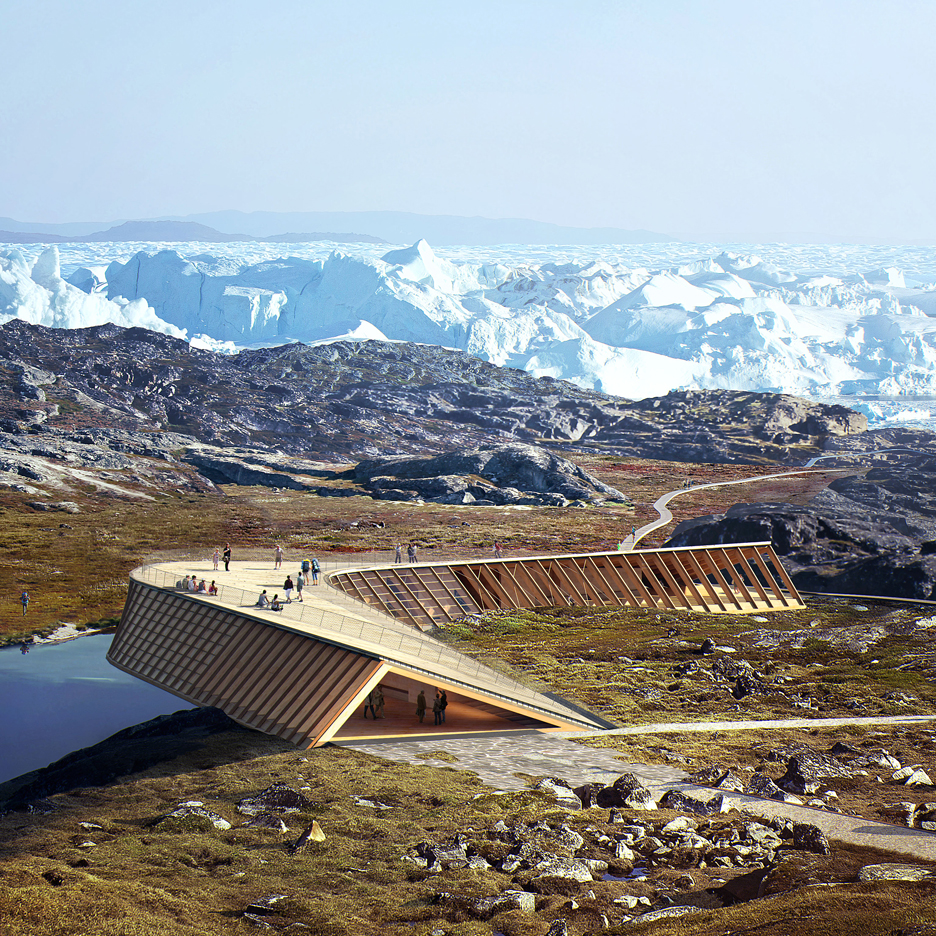
Danish studio Dorte Mandrup Arkitekter has revealed its designs for a climate research and visitor centre in Greenland, featuring a tent-like structure and a rooftop platform for observing icebergs (+ slideshow). (more…)
Danish studio Dorte Mandrup Arkitekter has revealed its designs for a climate research and visitor centre in Greenland, featuring a tent-like structure and a rooftop platform for observing icebergs (+ slideshow). (more…)
Danish studio Dorte Mandrup Arkitekter has revealed its designs for a climate research and visitor centre in Greenland, featuring a tent-like structure and a rooftop platform for observing icebergs (+ slideshow). (more…)

The clients’ brief was clear and simple: a semi-permanent residence – something more than a weekender – for a couple, their dog and sporadic visitors. The site, located in Somers and virtually on the beach, offers panoramic views across Western Port Bay. Somers is a small beachside town established in the 1920s, stretching from the Coolart Wetlands to the Cerberus Naval Base on the Mornington Peninsula. Although just one hour’s drive from Melbourne, the area is still a relatively low key holiday place, characterised by elevated modernist fibro houses, unfenced gardens and native bushland vegetation.
Early concepts exploring the possibility of a single storey building were soon abandoned in favour of an elevated two-storey scheme to achieve a modest footprint and minimise the disruption to vegetation and topography. The majority of the site remains untouched, maintaining a continuous and informal landscape stretching from the street to the creek’s embankment. The entry approach is subtle and indirect. The house is placed on the highest point of the site, making the most of the spectacular outlook.
The building form is an arrangement of stacked boxes that extend to create protected balconies and decks. Fully glazed ends are oriented towards the ever-changing sea views (to the South) or filtered sun through treetops (to the North). Custom-made windows with substantial hardwood frames are used throughout the house. Their configuration varies according to the room’s function. External materials and colours have been selected both to blend in with the natural vegetation and for pragmatic reasons (low maintenance, sustainability, bush-fire protection…)
The program has been organised in three zones, a flexible and open living space on the upper floor, the main bedroom and guests’ bedrooms on the lower floor. A central core of circulation and services links yet separates the different zones
Internally, materials and finishes are kept to a simple two-tone colour scheme. White walls and minimal joinery contrast with dark stained and waxed timber elements (hardwood floor, window frames, fireplace unit…). Frameless pivot doors and flush skirtings are used throughout to heighten the sense of space and openness.
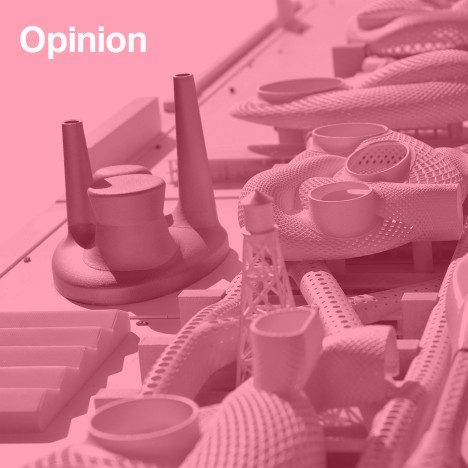
Opinion: the imaginative but unrealistic proposals for Detroit on show at this year’s Venice Architecture Biennale have left Aaron Betsky wondering if there is hope for architectural projects among the city’s ruins. (more…)


Rockefeller Center – New York City – New York – USA (by Ben Ferenchak)

BIG’s unzipped wall for the 2016 Serpentine Gallery Pavilion has been a critic and fan favorite so far this summer. Its simple parametric design has inspired the array of captivating photos and even a virtual model that allows you to adjust the parameters of the structure in your browser window. Now you can play with its design wherever you go, thanks to a new app by Studioclam.
Studioclam created the iPad app as a way of showing an architectural project through interaction rather than static images. Use your fingers to explore the pavilion’s interlocking geometries, learning how the wall has been pulled open to accommodate for a bench and bar. Zoom in on the boxes’ sliding mechanism, or rotate around to capture the structure’s different appearances from different angles. The app walks you through the design process to show the construction of the idea, how it operates, and its relationship with the environment.
Check out the video for a look at how the app works, or visit Studioclam’s website here.

Count yourself lucky to have some extra cash on hand. Now here’s what to do with it.
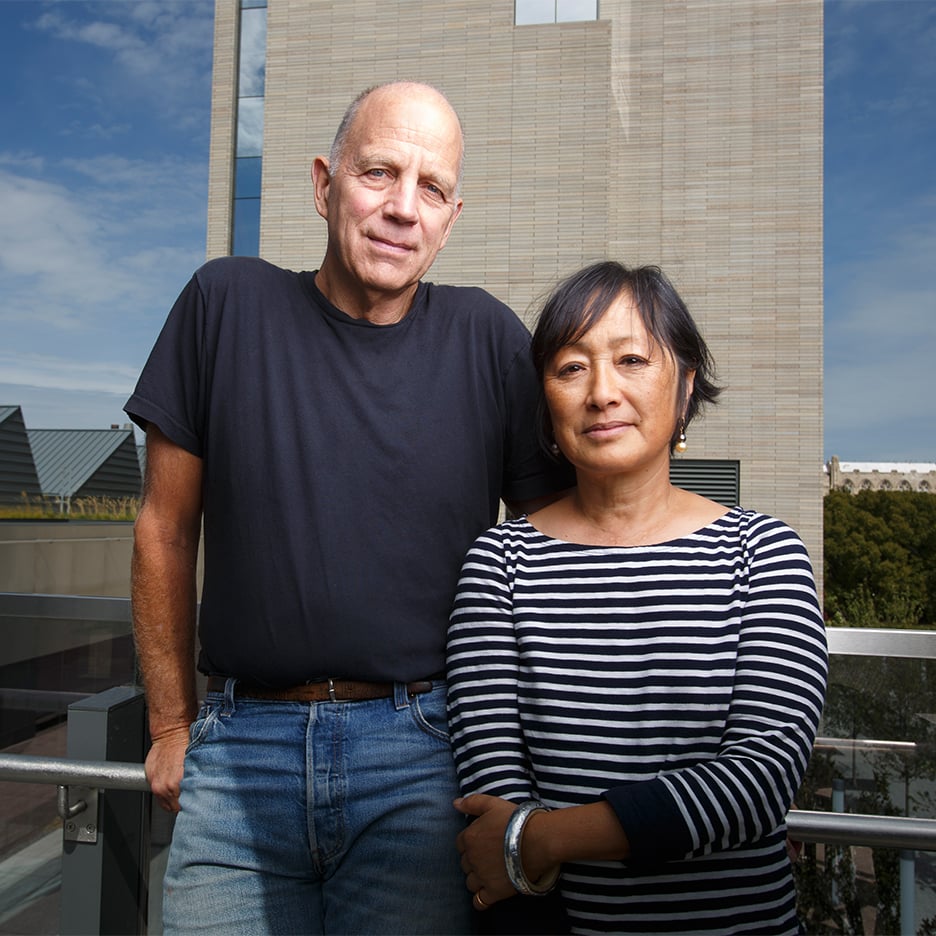
Architects Tod Williams and Billie Tsien have won the long-running competition to design the Obama Presidential Library in Chicago. (more…)

From the architect. In 2010 a young couple with two children dreamed of building their own house, and for that, they enrolled in the Brazilian Programme, Minha Casa Minha Vida, (My house, My life). They wanted to live near their parents and not far from the city centre.
Furthermore, they wanted to help actively in the house design process and not only have a common standard ready-made house, as the available houses of the programme are most of the time. The solution was to get financial assistance. However, their income only allowed a maximum of R$ 80.000,00, which should include the purchase of the land and the construction price. A very challenging task.
After choosing the site, the big challenge was to overcome the limitations of the Brazilian Programme, Minha Casa Minha Vida, and so, provide the opportunity of living in a house with contemporary architectural concepts with its functional, technical and aesthetic qualities. The low amount of money available to build the house demanded dexterity to optimise the interior spaces and for choosing building materials and construction techniques.
Functionally, the house is developed along a generous concrete gutter, raised 2.10m above the floor and located in the central axis of the house. It connects all the rooms of the house. This strategy is intended to:
The fact that the clients would prefer an inward facing house with no openings to the street demanded the design process to develop itself around the gardens, which not only are part of all the activities that might happen in the house, but also give the house the sense of amplified spaces, even being small ones. The rooms, as large and well integrated as possible, change the perception of isolated functions, transforming them into a set of great living spaces.
The use of low cost and easily available materials, combined with local labour and creative ways of arrangements and finishing, made it possible to achieve some sofisticated design results. The extensive work involved with the detailing of the project made it possible to eliminate some unnecessary costs and to achieve satisfying results through custom solutions executed at the site.
In the pictures we can observe the house already in occupation by the residents, with their furniture and the stamp of their personality. At the back of the house, some provisory and necessary contributions to their daily life have already appeared. Using the reserved space, the residents added a roof to the laundry as well a wood made shelter for the car.
The Brazilian Programme, Minha Casa Minha Vida, which offers private financial initiative to buy the land and build the house, ends up limiting the possibilities of invention during the design process because of the conditioning and legal demands. We, therefore, consider that this low cost urban house is distinguished by the quality of its created spaces. Examples such as this one can disseminate a range of possibilities to create low cost architecture without being obliged to have recourse to standard solutions.
 Sig Nordal