Structural Engineer: Syunya Takahashi + D Environmental Design System Laboratory
Construction: Environmental Design of Architecture Lab. of Kochi University of Technology
Owner: Inhabittants of Nakagonyu + Kochi University of Technology
Site Area: 315.77 sqm
Total Floor Area: 4.05 sqm
Courtesy of Kikuma Watanabe
From the architect. This is the self-built temporary Shinto shrine in a depopulated village in the mountainous area of kochi in Japan. For over 200 years the village used to have nine houses making up the kanamine shinto community, with a shrine set up in the upper part of the forest. However, the village started to lose its population, resulting in only one house and a neglected shrine that in 2015 was deeply injured by a heavy typhoon. In 2016 the worship structure faced a crisis and collapsed, so the inhabitants, together with the Kochi University of Technology located nearby, decided to construct a temporary shrine in the houses area.
Courtesy of Kikuma Watanabe
Courtesy of Kikuma Watanabe
Because the community was only inhabited by one person, the expenses of the construction were extremely limited. Furthermore, the road to the site was really narrow, obliging the team to carry the construction materials for one kilometer. This led the temporary shrine to be self-built, with little money and with limited materials. The team consisted of ten students plus architect and in five days they erected the worship space with steel pipes for the scaffolding, wooden lumbers, and wooden boards.
Section
Plan
The triangular shape of the shrine symbolizes not only the sacred mountain but also the tunnel that leads to it. In the fall of 2016 a Shinto festival will be held by the inhabitants and members of Kochi University of Technology. The new construction aims to become the core of the community consisted of both inhabitants of the community and members of the university.
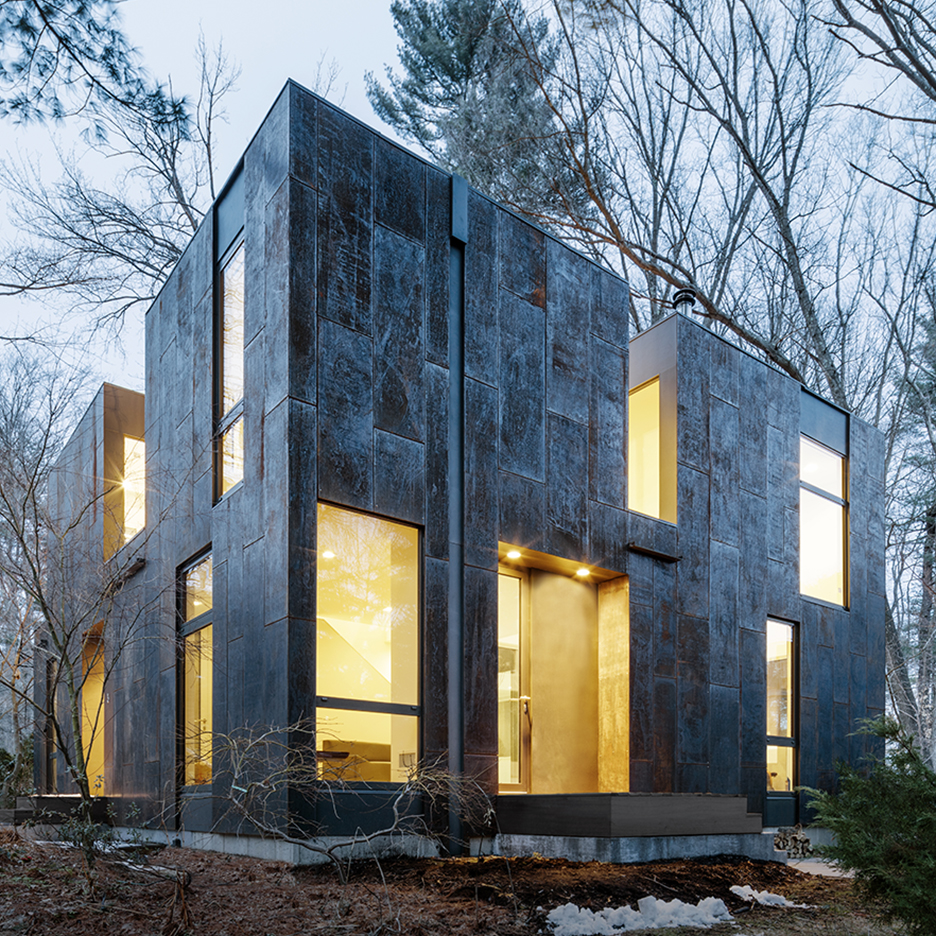
US studio Merge Architects has completed a family home in the Boston area with facades clad in pre-rusted steel and interior spaces that overlook slot gardens (+ slideshow). (more…)
Located on a green-field site in Regional Victoria, Marist College Bendigo will provide a brand new P-12 facility for a rapidly growing population. When complete it will house around 1500 students and provide ample facilities that will enrich both the school and its neighbourhood providing opportunities to foster community identity and encourage growth.
As the initial stage the Montague Centre sits at front of the school, a showcase for what is to come. The building projects out into newly formed wetlands but remains grounded in the site through heavy rammed earth walls towards the schools centre. These striking elements are complemented with a textural palette of warm timbers and bold colours. The project utilized recycled timber elements within its structure, which provide a layer of history and depth to the new buildings.
Plan
A comprehensive investigation and analysis of emerging pedagogical approaches have informed the framework for learning at Marist College. Through discussions, ideas have translated into the facility design which is both appropriate and adaptable for future developments and change.
Students are provided with an array of interchangeable scaled spaces from small reflective cave spaces, to medium sized discussion spaces, large collaborative areas and extra large gathering/presentation spaces. Staff are embedded within these learning areas, as an accessible and guiding resource for students. Transitions between indoor and outdoor spaces are fluid and enhanced by the buildings location at edge of the water creating an embedded approach to education in the landscape.
Integrated specialist space provide students with access to a variety of facilities from a gastronomy kitchen linking foods to learning, to an exploratory laboratory and messy projects area providing facilities for creative and messy exploration. A think tank zone provides a space for casual discussion and access to resources. These areas are designed to encourage parent participation and foster with coffee facilities, access to resources, food making opportunities and comfortable gathering areas. This complements the school’s philosophy of community building and a nurturing program of engaged activities.
Section
Material selection has been designed to foster a sense of tradition in the school’s culture. The use of rock, rammed earth and recycled timbers form a narrative that identifies both an intrinsic local heritage and the influences of L’hermitage, France (birthplace of Marist faith).
A natural theme of eucalyptus greys/greens and ochra reds/browns are accentuated with textured timbers to create warm and welcoming interiors that gracefully define various zones and spaces. The large windows draw natural light into the heart of the facilities with smaller key openings framing views and vistas of the grounds and wetlands.
Externally, the black forms of the building sit above the wetlands with their bright punches of colour emulating the bush after a fire, with its promises of renewal and growth. The Montague Centre represents the first stepping stone of the school’s journey and is designed to instil the aspirations and values of Marist College on its occupants and community, and create capable learning environments that are succinct with the opportunities of 21st century education.
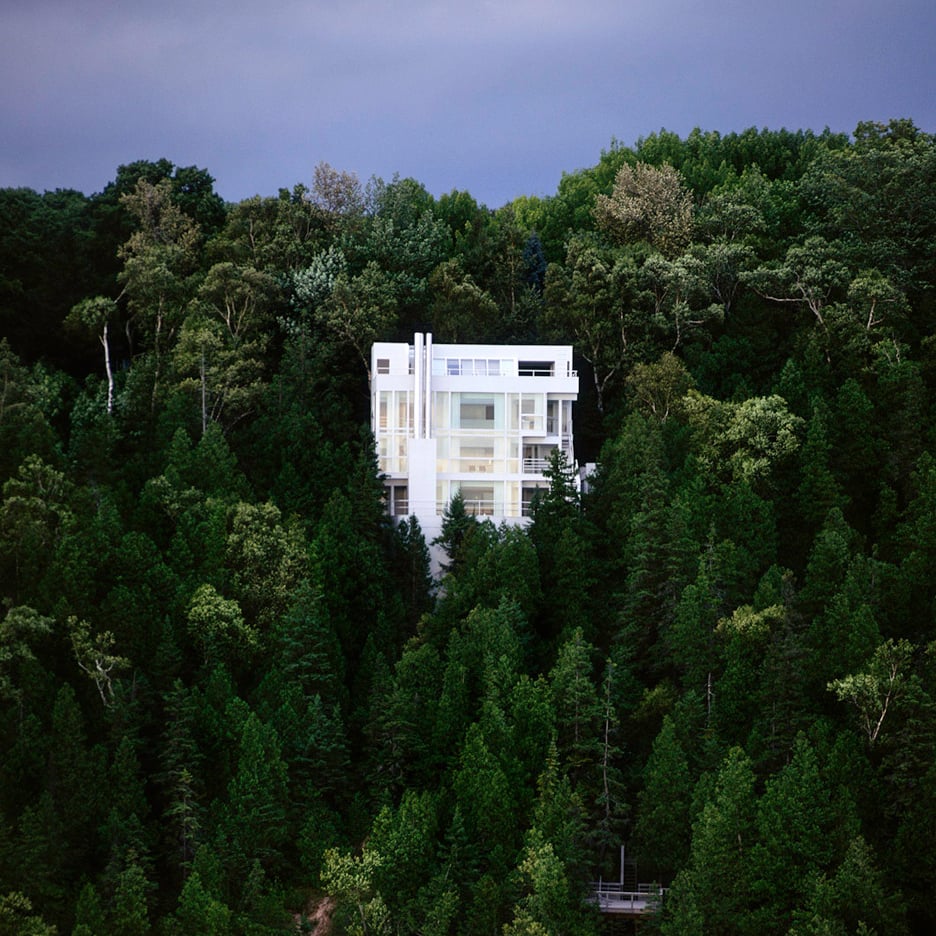
These new photographs show American architect Richard Meier‘s Douglas House perched above Lake Michigan, which has been added to the USA’s National Register of Historic Places (+ slideshow). (more…)






 Sig Nordal