Apartment 37 / Atelier Mearc


© Lu Haha

© Lu Haha
  • Architects: Atelier Mearc
  • Location: Shanghai, Shanghai, China
  • Architect In Charge: Zhou Wei
  • Design Team: Xu Xiwen, Du Mili
  • Artist: Zhang Jun
  • Area: 37.0 sqm
  • Project Year: 2015
  • Photographs: Lu Haha


© Lu Haha


© Zhang Jun


© Lu Haha


© Lu Haha


© Lu Haha

© Lu Haha

From the architect. Early architecture was built maybe merely to accommodate people. As time changes, city breath permeates into architecture and stamps them with urbanization. Just like the old residential buildings in shanghai.


© Zhang Jun

© Zhang Jun

This seven-story old residential building is located downtown Shanghai. The renovation is for a studio apartment less than 40 square meters uppermost. The apartment is north-south direction shaped long and narrow. Gate at north, balcony southernmost. According to the original route, it takes 11 to 12 seconds to walk from gate to balcony.


© Lu Haha

© Lu Haha

What if we change this constant speed in monotonous action to something more exciting?


Plan

Plan

Let’s go back to the very beginning. First you walk into the residence, pass along an open stair outside the lane buildings, reach the second floor, heading east-west, and come to door of the right building. Then you start climbing, make 10 turns, up to the 7th floor. You open the door, taking a breath. High and open, through the whole apartment, you see a row of metasequoia trees outside the window.


© Lu Haha

© Lu Haha

Exactly, tree is the inspiration. If not on top of the building, on 3rd or 4th floor – no matter which floor, the trees that are beyond the front buildings couldn’t been seen so completely. Trunk to tip, they beautifully connect the sky and make it a unique scene.


© Lu Haha

© Lu Haha

In order to carry out the conception, whole row of the window facing south is designed to be folded. Open fully from right to left reveals a spacious rectangle, a picture of what you see frames into the whole room.


© Lu Haha

© Lu Haha

Space is not cut apart by functional usage. Partition walls or doors are left behind. There are four spaces in all from north to south. By changing altitude of floor and ceiling and together applying different materials, the characteristic of the space is fully expressed and the distance extended when moving in. You feel it’s like in a courtyard, from one depth to two, and to three depths…with that picture of ‘the beauty of metasequoia trees’ throughout.


© Lu Haha

© Lu Haha

In this renovation, common concept of furniture is not used. Instead, furniture is made up like architecture. The primary identification of terms such as floor, table, chair, bed, cabinet etc., is featured by the material used. Shape and position is naturally not that important.


© Lu Haha

© Lu Haha

Actions diversified in the limited immutable space.

http://ift.tt/2a3tjiB

Leff Art Studio / TBD Architecture & Design Studio


© Matthew Williams

© Matthew Williams


© Matthew Williams


© Matthew Williams


© Matthew Williams


© Matthew Williams


© Matthew Williams

© Matthew Williams

The Leff Art Studio was built for a couple on the same property of their existing residence. The studio is nestled into a tree line at the edge of the property. The building is made up of two intersecting volumes; one is a steel frame with a translucent poly carbonate curtain wall and one is a wood frame with cedar siding and punched windows. The first volume houses a collage studio for Him and the second houses a ceramic studio for Her.


© Matthew Williams

© Matthew Williams

The site, a developed residential lot, called for the accessory structure to be located within a cluster of mature trees. In pursuit of not damaging any existing trees, the building shape was bent to fit between the trees. Furthermore, the foundation was designed to reduce disturbance to existing root systems. The slab floor was designed to be elevated on a steel frame which rests on 14 concrete piers. The steel frame was designed such that when the piers were hand dug, should a large root be encountered, the pier could be relocated up to 3 feet away from their designed location and the root left intact. All trenching for utilities was also hand dug, large roots were left in place and any required conduits were threaded underneath. All nearby trees have survived.


Plan

Plan

The two intersecting volumes are each composed of distinctive skins which reflect the two different working environments. The poly carbonate system creates a private and introverted space filled with diffused natural light while projecting and obscuring colors and shadows from the surrounding environment onto the interior walls. The more typical wood framed volume introduces a series of punctures, framing views of the yard and the house, creating a more direct visual connection with the surroundings. 


© Matthew Williams

© Matthew Williams

From the main house, the studio can be seen from the entertaining areas and at night the translucent volume offers an option of either glowing or of providing a light show directed by a spinning disco ball and a color changing spot light.


© Matthew Williams

© Matthew Williams

http://ift.tt/2agExhK

Parc Central / Benoy


© Terrence Zhang

© Terrence Zhang


© Terrence Zhang


© Terrence Zhang


© Terrence Zhang


© Terrence Zhang

  • Architects: Benoy
  • Location: Guangzhou, Guangdong, China
  • Area: 110000.0 sqm
  • Project Year: 2016
  • Photographs: Terrence Zhang
  • Developer: Sun Hung Kai Properties
  • Masterplanner: Benoy
  • Executive Architect: Ronald Lu and Partners
  • Interior Designer: Benoy
  • E&M Consultant: J Roger Preston Limited (Hong Kong)
  • Lighting Consultant: Lighting Design Partnership Pty Limited
  • Landscape Consultant: Urbis Limited
  • Structural And Civil Engineer: ARUP (Hong Kong)
  • Façade Consultant: ARUP (Hong Kong)
  • Sustainability Consultant: ARUP (Hong Kong)
  • Signage Consultant: Dutton Bray Design Limited
  • Local Design Institute: HSArchitects
  • Quantity Surveyor: Langdon & Seah Consultancy (Shenzhen) Co., Ltd
  • Av Consultant: Shen Milsom & Wilke Limited
  • Traffic Consultant: TMA Planning & Design Limited

© Terrence Zhang

© Terrence Zhang

From the architect. Benoy is excited to announce that construction has completed on Parc Central, Guangzhou and the urban park retail development has now fully opened in the heart of the city’s Central Business District.

Benoy was commissioned as the Masterplanner, Architect and Interior Designer on the scheme and delivered the project in collaboration with Ronald Lu and Partners.


© Terrence Zhang

© Terrence Zhang

Plan 1

Plan 1

© Terrence Zhang

© Terrence Zhang

Set in the heart of the Guangzhou’s new Central Business District, Parc Central has introduced a new typology to the burgeoning Pearl River Delta city; a ‘Stadium for retail’ which uniquely blends the low-rise above and below-ground retail development within a multi-level parkland. Positioned along one of the city’s major thoroughfares, this development is a compelling addition to the cityscape of Guangzhou, and combines retail, transit-oriented and public realm design strategies.


© Terrence Zhang

© Terrence Zhang

Civic Design

Developed on the site of a former square, the vision for Parc Central was to contribute socially and spatially to the city, as well as economically. Located along the city’s ‘Green Axis’, the vision for Parc Central was to form the focal point of this initiative and create a new ‘Central Park’ along the major Tianhe Road thoroughfare which dissects the city.


© Terrence Zhang

© Terrence Zhang

The result is a distinctive 110,000m2 retail development which is designed around an open parkland environment. Forming the heart of the development, the landscape, with its varying levels and forms of greenery, has created a place to socialise, rest and relax; a ‘Place to breathe’ within the city centre. Much of the development has been placed underground to achieve this and preserve the ground level environment.
The gardens, planted walkways and living walls create an undulating green space which integrates not only with the development itself but the surrounding streetscape. Ultimately, the design offers a soothing and re-balanced environment to the Tianhe district.


Section

Section

Symbolic Architecture

Parc Central is a low-rise building, standing 24m in height with two levels above ground and three levels underground. Being lower than the surrounding buildings, the design called for an eye-catching and powerful visual statement; one which would add to the rhythm of the city’s central axis.


© Terrence Zhang

© Terrence Zhang

Drawing on the symbol for peace, harmony and fortune in the Chinese culture, the architecture references the ‘Double fish’ in the form of a steel monocoque roof structure. The two buildings curve around the central gardens and are joined by a pedestrian bridge at one end. The monocoque roof canopies are supported by tree-like columns beneath which sit a series of gardens which extend the landscape element up the building.


© Terrence Zhang

© Terrence Zhang

Sustainably designed, Parc Central’s environmental performance is also enhanced through the addition of a rainwater collection system and low-E glass façades and an EFTE roof.

Dynamic Interiors

Benoy’s Interior Design Team has also introduced the geometry of the architecture, with fluid ceiling cove forms and uninterrupted joinery along the void edges. Large atriums punctuate the retail journey and draw light into the arcades.


© Terrence Zhang

© Terrence Zhang

A neutral colour palette of white and reconstituted stone creates a natural background for the mall, showcasing its tenants and their merchandise to maximum effect.


© Terrence Zhang

© Terrence Zhang

Transit Oriented Development

As a true Transit Oriented Development (TOD), the 110,000m2 scheme also establishes a new public transport interchange for Guangzhou. Seamlessly connected above and below ground, Parc Central will be accessible via China’s metro system and bus network and is linked by overhead footbridges to the district’s neighbouring developments. The design enables the development to function as a multi-dimensional gathering space with convenient accessibility above, below and at ground level.


© Terrence Zhang

© Terrence Zhang

Parc Central adds to Benoy’s growing portfolio in the exciting Pearl River Delta Region and is Benoy’s first completed TOD scheme in Guangzhou. Benoy has previously worked with leading Hong Kong property developer Sun Hung Kai on a number of schemes which include the Shanghai International Commerce Centre (ICC), Shanghai International Finance Centre (IFC) and APM in Hong Kong.

http://ift.tt/29PdeNP

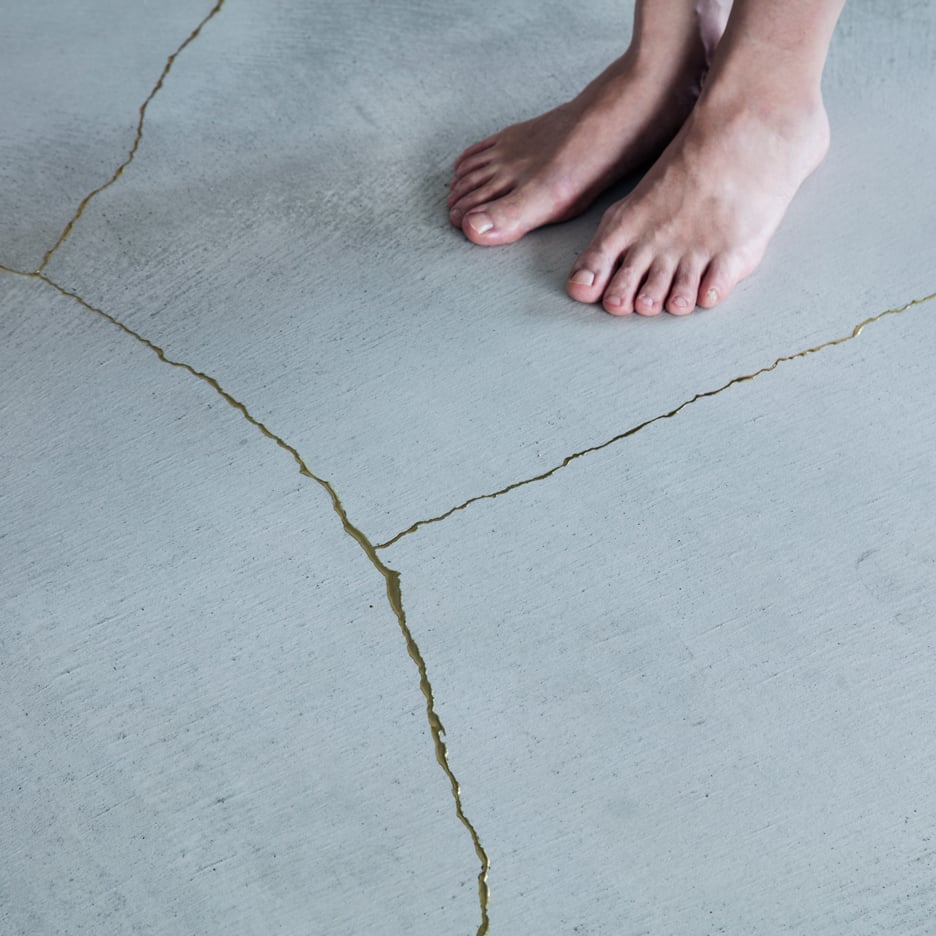
Golden resin highlights cracks in the floor of TANK’s Xchange Apartment


Dribbles of gold fill the cracks in the floor of this Kyoto apartment, designed by architecture studio TANK to replicate a traditional Japanese pottery technique (+ slideshow). (more…)

http://ift.tt/2az0b06

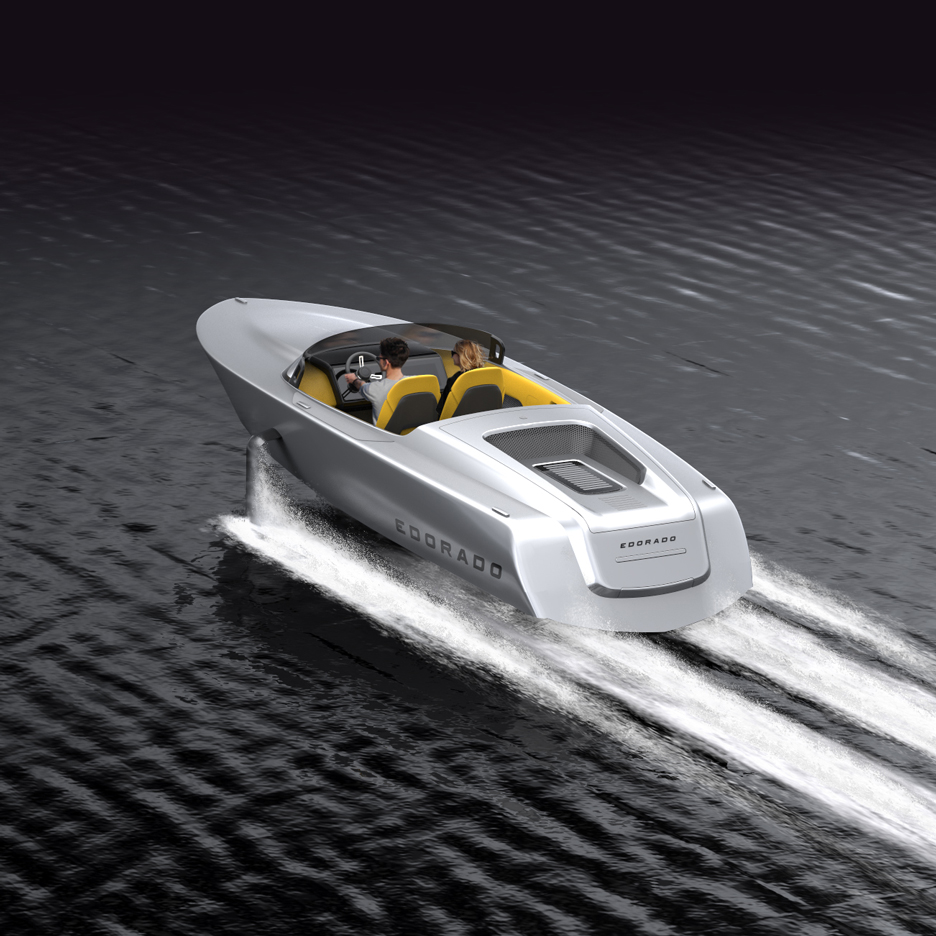
Edorado Marine introduces zero-emissions electric speedboat


New Dutch boating company Edorado Marine has unveiled its first product – an electric speedboat that floats above the water (+ slideshow). (more…)

http://ift.tt/29Xhb4w

Abandoned Hospital by Gabtea (urbanautex) …

via Abandonedforgotten http://ift.tt/29ZX3sY

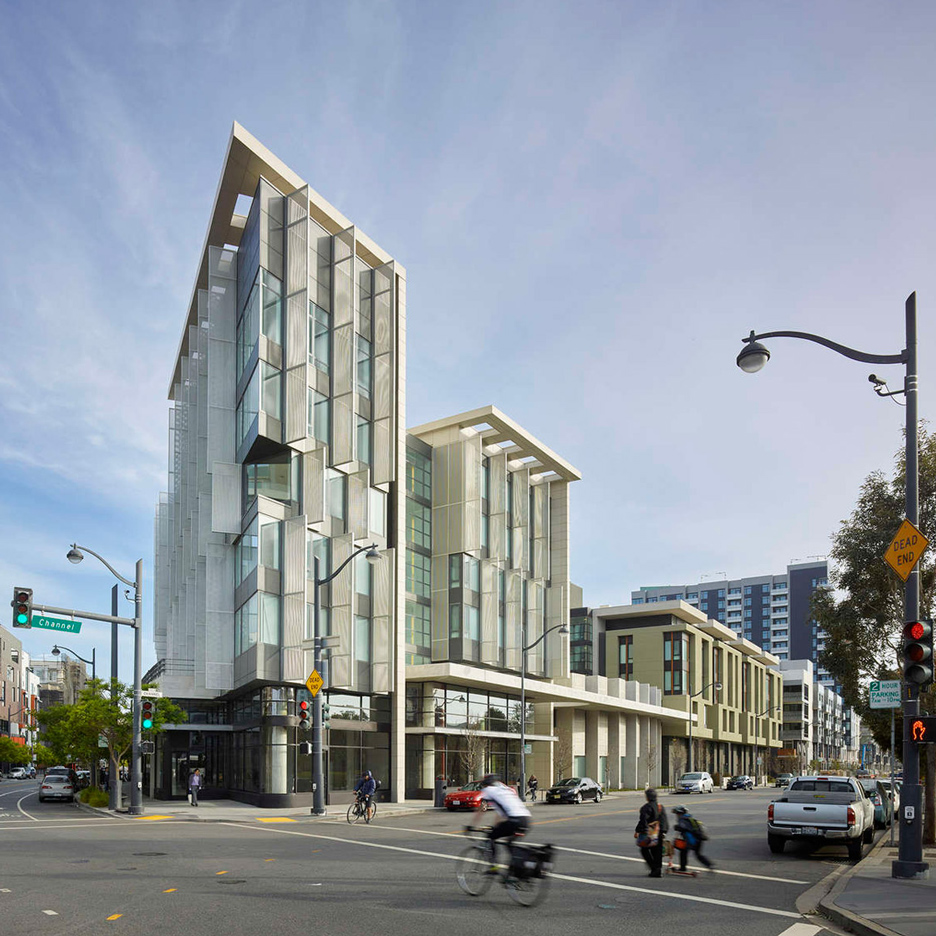
Three architecture studios complete low-cost housing complex in San Francisco


A trio of local design firms teamed up to create an affordable apartment building that occupies a full city block in San Francisco‘s urban core (+ slideshow). (more…)

http://ift.tt/2ayGENj

Rawhiti Bach / Studio Pacific Architecture


© Simon Devitt

© Simon Devitt


© Simon Devitt


© Simon Devitt


© Simon Devitt


© Simon Devitt

  • Architects: Studio Pacific Architecture
  • Location: Rawhiti Rd, Rawhiti 0184, New Zealand
  • Design Team: Nick Barratt-Boyes, Peter Mitchell, Arindam Sen and Beth Chaney with Michael, Davis, Wayne Lightfoot, Patrick Thompson, Anna Windsor
  • Area: 640.0 sqm
  • Project Year: 2013
  • Photographs: Simon Devitt
  • Contractor: Mather Builders
  • Structural Engineer: Dunning Thornton Consultants

© Simon Devitt

© Simon Devitt

Forty years of summers in Rawhiti had imprinted themselves on the Struthers.  To accommodate the next generation of their family, Di and John wanted to replace their much-loved bach with one that would embrace the culture evolved over decades, would cater for anything from an intimate couple to a large celebratory crowd, and importantly become an heirloom for the next generation.


© Simon Devitt

© Simon Devitt

The main building provides primary gathering spaces, main bedroom, informal ‘loft’ space, and boat store. Together these contain a trace of the spatial arrangements of the previous bach, leading to a form designed as an assemblage of objects, with intended misalignments, slippages and quirks. It climbs out of the ground, projecting out to near and distant views.


© Simon Devitt

© Simon Devitt

Plan 2

Plan 2

While the bach was embedded in the family psyche, the additional structure, nicknamed the ‘sleep-out’, had no precedent; instead, it takes its lead from the site’s geographical qualities and, as a counterpoint to the main building, hunkers down into the hillside. Its bedrooms offer a retreat from the communal bustle of the main building. Shutters create a dynamic façade providing occupants with control over privacy and views to the landscape beyond. Together with the light-wells these look to manipulate the movement of light and air.


© Simon Devitt

© Simon Devitt

Dispersing the functions into two structures lessened the impact on the sensitive setting, and activated an outdoor space that is left deliberately relaxed and spontaneous.


Section

Section

The buildings have been designed to be long lasting, be grounded in the site, engage with the landscape, reinforce the sense of place, and sculpt light and views. Richness comes from a high level of craft, the quality of the spaces and the expression of materials, texture, colour, and grain. And ultimately, the design looked to reinforce and provide for a multiplicity of ways to come together, and share time and memories.


© Simon Devitt

© Simon Devitt

http://ift.tt/2a3UsRA

PLUKK Designs Town Hall and Community Center On Sloping Site in Czech Republic


Courtesy of PLUKK

Courtesy of PLUKK

Czech firm PLUKK has released designs for a community center and town hall in the city of Brno-Kohoutovice, Czech Republic. Located in the historic downtown, the project takes advantage of a sloping site to create two buildings of differing architectural language, connected together with active public space to create one multifunctional town center.


Courtesy of PLUKK


Courtesy of PLUKK


Courtesy of PLUKK


Courtesy of PLUKK


Courtesy of PLUKK

Courtesy of PLUKK

Important to PLUKK was that new development should feature ample public space easily accessible to the community. With that in mind, they decided to design the complex as “half-landscape, half-house.” The program of the project is split into two parts, with the town hall located on an upper terrace, and the community center below. A plaza in front of the town hall, which could serve as a public meeting space, farmer’s market or a place to screen movies in the summer, slopes up to become the accessible roof of the community center. An entrance to the community center is notched into the roofline, connecting the buildings on the same plane.


Courtesy of PLUKK

Courtesy of PLUKK

A second public space is located on the lower level in front of the main entrance to the community center, which features a glass façade to invite in residents. The two public areas are connected by fan-shaped terraces activated with lawns, gardens, sculpture, chess tables and picnic areas. A staircase at the center of the arc provides circulation between the upper and lower levels.


Courtesy of PLUKK

Courtesy of PLUKK

According to PLUKK, the design of the town hall is centered around the concept of the modern town hall which is “transparent, open to public and offers new technologies for administrating all possible requests comfortably.” The community center features a cafe, a small library and work space, as well as a multipurpose studio to house class activities like yoga.


Courtesy of PLUKK

Courtesy of PLUKK

Courtesy of PLUKK

Courtesy of PLUKK

Courtesy of PLUKK

Courtesy of PLUKK

  • Architects: PLUKK
  • Location: Brno-Kohoutovice, Brno, Czech Republic
  • Area: 3300.0 sqm
  • Project Year: 2016
  • Photographs: Courtesy of PLUKK

http://ift.tt/2agdQdn