Mandíbula / Sub Estúdio


© Tomás Cytrynowicz

© Tomás Cytrynowicz
  • Architects: Sub Estúdio
  • Location: São Paulo – State of São Paulo, Brazil
  • Design Team: Isabel Nassif, Renata Pedrosa
  • Photographs: Tomás Cytrynowicz


© Tomás Cytrynowicz


© Tomás Cytrynowicz


© Tomás Cytrynowicz


© Tomás Cytrynowicz

  • Construction: Reprenc
  • Metal Work (Mezzanine E Furniture): MCC Estruturas Metálicas
  • Wood Work: Quitanda Urbana

© Tomás Cytrynowicz

© Tomás Cytrynowicz

From the architect. A small office, white walls and low white ceiling. This was the place we had to put down to find what was behind all that painting. During the entire process we were inside, It was a demolition process where we were curating what we wanted to see, deciding what should go and what should stay. Through the process we found the concrete under that painting, all kinds of bricks, the concrete slab on the ceiling. When we could finally see all that together, we started to choose how to show them according to the briefing we had.


Floor Plan

Floor Plan

We decided to show all the structure and its materials of the original building (concrete, bricks and slab) combining with steel. Everything new, we made out of steel. Since the bar is very small, we decided to make storage on an iron mezzanine hanging from the concrete beam.


© Tomás Cytrynowicz

© Tomás Cytrynowicz

That way we clear the main floor from any structure that we would need to have a mezzanine. The bathroom door we also made of steel. One wall was made of hollow bricks, that didn’t look as good as the older bricks because it was totally broke from the demolition, lots of holes on it. But it was a important wall to hang frames, records and the speakers so we reinforce it with a metallic screen that works as an independent structure to hang all they need.


© Tomás Cytrynowicz

© Tomás Cytrynowicz

http://ift.tt/2aCTiin

Serviced Apartments in Otuka / Takashi Nishitani Architects


© Satoshi Shigeta

© Satoshi Shigeta


© Satoshi Shigeta


© Satoshi Shigeta


© Satoshi Shigeta


© Satoshi Shigeta


© Satoshi Shigeta

© Satoshi Shigeta

From the architect. This project is renewal the entire building to a serviced apartment of Asian international students. This building is built 40 years ago.


Section

Section

Structure of concrete to be felt of aging is not hiding. 
Interior space is filled with a soft light , served the base material of the timber.


© Satoshi Shigeta

© Satoshi Shigeta

Lighting surface with a window is covered with a fabric shiny, back is a plasterer finish. Natural light will create a screen of multi-layered light, such as the aurora appears by irregular reflection of light in the Between.


Plan

Plan

( Type – I )
Illumination light covered with fabric brings soft light such as natural light.
The wall that separates the common space and private space is a plywood base material.
Door that is aligned with the wall has created a sense of unity as a facial expression, such as the wall. The time you open the door, sunlight from the outside to enter the common space.


© Satoshi Shigeta

© Satoshi Shigeta

In the case where not attach the ceiling, Exposed piping equipment is spread around on the ceiling. This ceiling was to devise a way of wiring the piping equipment.
Focusing on the beam sleeve existing precursor,
To verify the wiring routes, dealing with equipment piping by installing the equipment for the mall as a representation, such as the structural beam.  Placing the illumination light from on the wiring mall running the ceiling depending on the layout of the furniture.


Plan

Plan

Piping is to be a representation that was regarded as the structural beam, was intended to be a finish that felt sense of unity the ceiling surface.


© Satoshi Shigeta

© Satoshi Shigeta

http://ift.tt/2aEPeef

Abandoned Hut, Priest’s Cove, Cornwall by hey_joni Another…

via Abandonedforgotten http://ift.tt/2aCIQrp

The Webby House / Condon Scott Architects Ltd


© Mickey Ross

© Mickey Ross


© Mickey Ross


© Mickey Ross


© Mickey Ross


© Mickey Ross

  • Architects: Condon Scott Architects Ltd
  • Location: Wanaka, New Zealand
  • Design Team: Barry Condon, Sarah Scott
  • Builder: Thomas Moore Builders Ltd
  • Area: 280.0 sqm
  • Project Year: 2014
  • Photographs: Mickey Ross

© Mickey Ross

© Mickey Ross

From the architect. The brief was to create a robust home for a young family capitalising on the stunning views over Lake Hawea to the mountains beyond.


© Mickey Ross

© Mickey Ross

Site

The house is located on a north facing section on the shores of Lake Hawea in the South Island of New Zealand

The site rises eight metres from a broad street frontage to an elevated narrow point at the rear.


© Mickey Ross

© Mickey Ross

Design

The design uses the topography of the site to create a split level configuration with garage at ground floor level, the main living spaces at a half level higher and the guest bedroom spaces a half level higher again positioned over the garage space.


Floor Plan

Floor Plan

These levels are linked by short flights of steps, giving a barely noticable transition. The entry approach is a series of steps and landings guiding the visitor up to the entry foyer without the sense of ascending a flight of stairs.


© Mickey Ross

© Mickey Ross

The crank in the plan form provides some privacy to the front deck from the western neighbour.  This provides an interplay between the two wings and allows opportunities for curved elements at the junction point.  This in turn creates a sense of drama in the entry foyer with a curved cedar wall leading guests into the living space.   The vertical timber elements on the bedroom wing provide privacy from the living space and help to break up the two storey volume of the garage/bedroom wing.


Section

Section

Lake Hawea is known for its wind so the creation of a series of outdoor spaces and a sheltered rear courtyard was essential.   This courtyard opens off the living room and offers views to the lake beyond.   The dark ribbed cladding and the large aperture through to the lake is reminescent of the bellows and view finder of an old camera.  An appropriate metaphor in this timeless kiwi holiday destination.


© Mickey Ross

© Mickey Ross

http://ift.tt/2akmYhX

This Speculative Project Imagines A Mixed-Use Building Wrapped Around the Arc de Triomphe


© Patterlini Benoit

© Patterlini Benoit

French architect Patterlini Benoit has imagined a mixed-use building to be wrapped around one half of the Arc de Triomphe in Paris. Completed in 1836 as a memorial to the victories of the French armies under Napoleon, Paris’ triumphal arch is one of the most iconic and visited landmarks in France and the world over. But Benoit argues that its status as a tourist destination has removed it from the authentic cityscape that is used by everyday Parisians. His proposal attempts to reclaim the monument for the city by dividing the arch with an enormous mirrored plane – visually competing the monument from one perspective and providing new function from another. In this way, Benoit claims, the structure can be “brought into modernity without denying history.”


© Patterlini Benoit


© Patterlini Benoit


© Patterlini Benoit


© Patterlini Benoit


© Patterlini Benoit

© Patterlini Benoit

The proposal consists of a series of stacked glass boxes, bracketed around the monument and connected via a glass elevator. The boxes would have their own independent structure, so they can float around the Arch without compromising the memorial.  Each box would contain different programmatic elements: a museum to French history and nationalist, an art gallery, a panoramic restaurant, and a cafe-style lounge, where tourists and locals could interact.


© Patterlini Benoit

© Patterlini Benoit

© Patterlini Benoit

© Patterlini Benoit

Benoit also addresses the issue of accessibility to the site. Located in the center of the world’s most famous roundabout, the Place Charles de Gaulle, access to the monument currently demands navigating across 12 lanes of traffic or walking through an underground tunnel. Benoit’s proposal calls for a new landscaped bridge connecting the monument to the neighborhood of Neuilly. The bridge would accommodate both pedestrian and bike traffic, becoming a new green corridor of the city.


© Patterlini Benoit

© Patterlini Benoit

The remaining half of the Arch would remain undisturbed, with the large mirrored surface visually completing the symmetrical structure. On the other side of the mirrored wall, a digital billboard would be erected to announce events and Parisian news.

Obviously speculative, the project’s true goal is in in questioning whether our landmarks and icons can contribute to the public realm in more pragmatic ways.


© Patterlini Benoit

© Patterlini Benoit

© Patterlini Benoit

© Patterlini Benoit

© Patterlini Benoit

© Patterlini Benoit

© Patterlini Benoit

© Patterlini Benoit

http://ift.tt/2akl6FC

Nova Scotia, Canadaphoto via tara

Nova Scotia, Canada

photo via tara

Seattle – Washington – USA (by Sonny Abesamis) 

Seattle – Washington – USA (by Sonny Abesamis

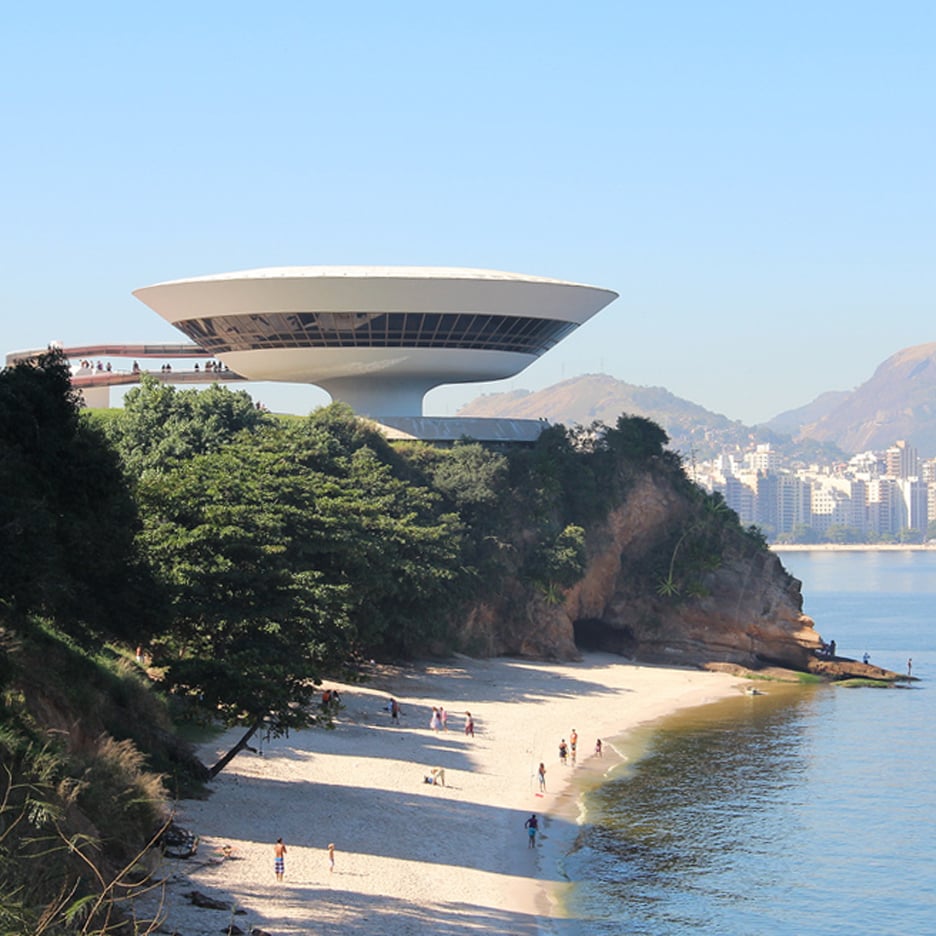
Eight Modernist masterpieces in Rio de Janeiro to visit during the Olympics


Rio 2016: with a week to go until the Olympic and Paralympic games in Rio de Janeiro, we’ve selected eight of the city’s best examples of Modernist architecture and landscaping that visitors shouldn’t miss (+ slideshow). (more…)

http://ift.tt/2amPlfM

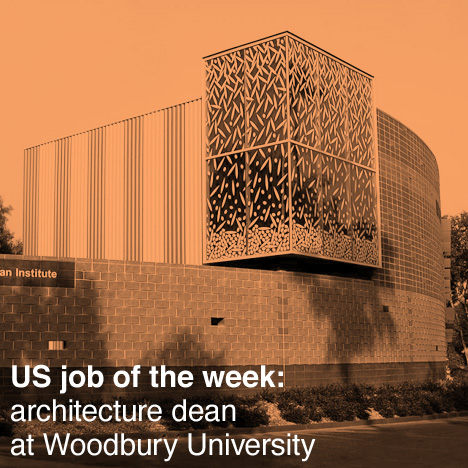
US job of the week: dean at Woodbury University School of Architecture

Dezeen US job of the week

Our US job of the week on the new and improved Dezeen Jobs website is for a dean at Woodbury University’s School of Architecture in Burbank California, where facilities include the Julius Shulman building (pictured). Visit the ad for full details or browse other architecture and design opportunities on Dezeen Jobs.

http://ift.tt/2aQkdUb

mikenudelman: Here’s how much money famous sequels have made…