Hidden House / Jackson Clements Burrows


© John Gollings

© John Gollings


© John Gollings


© John Gollings


© John Gollings


© John Gollings

  • Consultant: Meyer Consulting
  • General Contractor: BD Projects

© John Gollings

© John Gollings

Park Street is a simple and robust dwelling built to accommodate a young family and their evolving needs. Natural material choices, a limited palette and inter-linked garden spaces combine to create a calming backdrop and engaging living experience in the daily lives of the occupants.


© John Gollings

© John Gollings

Floor Plan

Floor Plan

© John Gollings

© John Gollings

A former tennis court site, shaped like a ‘battle-axe’, presented a unique opportunity nestled within the middle of a typical suburban block. The program was based on the client’s desire for tranquillity and seclusion from the street while balancing occupant amenity and privacy from the site’s 11 surrounding neighbours. Key to the design response was the inter-linking of house and landscape spaces to create the sense of living within a hidden garden. 


© John Gollings

© John Gollings

This vision was achieved through the use of three distinct yet inter-linked garden spaces framing the building to create spatial variety and interest. Living spaces are located on the ground floor with connecting vistas through to the garden and central courtyard. Bedrooms are located on the upper level of the house and have operable shutters to ensure privacy and control views and outlook to the surrounding landscape.


Section

Section

Section

Section

Sliding glazed walls on the ground floor enable the occupants to adapt the living areas into large open spaces or smaller, intimate settings with a high level of connection to the garden so that sitting within the house is like sitting within the landscape. 


© John Gollings

© John Gollings

Off-white concrete bricks, concrete floors, white stained cladding and naturally oiled timber, were chosen with the desire to create a generous home – one that would provide maximum living comfort for its occupants, with minimal long term maintenance.

This simple dwelling creates a peaceful and engaging living experience.


© John Gollings

© John Gollings

http://ift.tt/2b4r264

SOM’s Timber Tower System Successfully Passes Strength Testing

The recent trend in timber-framed architecture may just be beginning.

SOM’s Timber Tower Research Project has passed a major milestone as the structural system has successfully completed strength testing that validate initial calculations. Launched in 2013, The Timber Tower Research project was established with the goal of developing a new structural system for skyscrapers that uses timber as its primary material. Using these techniques, the research team estimates that the embodied carbon footprint of buildings can be reduced by 60 to 75 percent when compared to a benchmark concrete building.


Courtesy of SOM

Courtesy of SOM

The proposed solution, called the Concrete Jointed Timber Frame, utilizes mass timber as the main structural elements, reinforcing weak points at connections with reinforced concrete. To validate the system’s potential, SOM partnered with Oregon State University to put the system through a rigorous testing program that has involved nearly 20 tests of varying sizes and configurations. After successful testing of the final full-scale mock-up, SOM has concluded that there is “strong evidence that the timber-concrete composite system can satisfy code requirements and compete with traditional construction methods.”


Courtesy of SOM

Courtesy of SOM

The 36 foot by 8 foot specimen, modeled after the typical size of a structural bay, was constructed out of a Cross-Laminate Timber (CLT) deck topped with a thin layer of reinforced concrete to “enhance the structural, acoustic, and fire performance of the system.” Specially designed connections were developed to join the two materials together. Around the CLT beams, the topping slab was thickened to create a rigid connection between decks, allowing floors to span between beams with a minimal cross-section.


Courtesy of SOM

Courtesy of SOM

Courtesy of SOM

Courtesy of SOM

Courtesy of SOM

Courtesy of SOM

The system was tested for 2 hours using a hydraulic actuator while being measured using 48 different sensors. Pressure was increased until the system failed at an ultimate load of 82,000 pounds – about 8 times higher than required by code. Stiffness also proved to meet code standards.


Courtesy of SOM

Courtesy of SOM

Courtesy of SOM

Courtesy of SOM

SOM Associate Benton Johnson remarked that the successful test “highlights the real benefits of the composite timber approach. We took a small amount of concrete that was necessary for acoustic and fire performance and used it to enhance the structural performance of the floor. This move allows mass timber to reach its full potential, allowing it to compete in the market while also reducing the carbon footprint of cities.”

The system will now undergo further testing for other issues, including fire resistance, as it looks to be approved for use in high-rise buildings.

The Timber Tower Research Project: Re-imagining the Skyscraper
//cdn.embedly.com/widgets/platform.js

http://ift.tt/2b2oloz

Socialist Modernism photography series by BACU aims to help preserve Eastern Bloc architecture


This photographic series documents buildings in the former Eastern Bloc, with the intention to save them despite association with a totalitarian regime (+ slideshow). (more…)

http://ift.tt/2bj8ui5

Julius Shulman’s Modernism Rediscovered photos show America’s mid-century architecture


These images taken by late photographer Julius Shulman show buildings from the USA’s Mid-century Modern movement that “slipped from public view” (+ slideshow). (more…)

http://ift.tt/2b7kdj3

5 Goal-oriented Ways to Learn to Code

//pagead2.googlesyndication.com/pagead/js/adsbygoogle.js

(adsbygoogle = window.adsbygoogle || []).push({});

So you want to learn to code?

Well, you’re in luck – there’s never been a better time to start than now. There’s a whole host of resources and ways to learn. So many in fact, that just picking the best way to get started can be a real challenge – all of the options can be overwhelming!

So, I’ll walk you through 5 ways you can learn to code, pointing out the merits of each as we go, so that you can find the way that’s best suited to you and your goals.

Online Code Classes

online code classes

//pagead2.googlesyndication.com/pagead/js/adsbygoogle.js

(adsbygoogle = window.adsbygoogle || []).push({});

There’s a range of both free and paid online coding classes that guide you through your first experiences with learning to code. They have a curriculum so you can learn in a structured way. They’re a great option for those wanting to learn the basics of programming.

//c.amazon-adsystem.com/aax2/getads.js

//<![CDATA[
aax_getad_mpb({
"slot_uuid":"16dcbcd0-2124-4a85-9abe-c263dd9084e5"
});
//]]>

Take a look at the courses offered by Treehouse, Khan Academy, Coursera, Codecademy and Code School. Harvard’s online Computer Science course CS50x is a good option too for those also wanting to learn more about computing in general.

Self-directed Learning

If you’re more suited to hacking things together and learning as you go, then you might prefer a less-structured, self-directed approach. That way you only have to learn the bits you’re interested in, and you can cater your learning to a specific purpose.

Your local library will likely stock a number of programming books but they can often be a bit dated. They’re more suited to traditional software development languages, like C and C++ than the latest in web development technologies. But there are of course a ton of free online books that you can get access to as well.

//pagead2.googlesyndication.com/pagead/js/adsbygoogle.js

(adsbygoogle = window.adsbygoogle || []).push({});

Also take a look at online tutorial sites, like W3Schools, Udacity, LaunchSchool, Thinkful, or SitePoint. Or for the more visual learner, there are videos too – check out TheNewBoston, SlideNerd, and Learn Code Academy.

For more resources, Bento has a great collection for virtually every language or utility you may need or want to learn.

//pagead2.googlesyndication.com/pagead/js/adsbygoogle.js

(adsbygoogle = window.adsbygoogle || []).push({});

Code Schools

For those looking to take things a little more seriously, and possibly snag a job at the end of it, then there are a range of intensive-learning code courses. They’re often quite pricey, but some come with some type of job guarantee or help to find a job at the end of it.

They won’t teach you everything, but after a couple of months eating, sleeping, and living code, you’ll be well on your way. Your choice of coding course will likely be limited to where you’re living, but take a look at options available with providers like the Flat Iron School, Dev Bootcamp, General Assembly, AppAcademy and the Recurse Center to get an idea of the types of courses available.

Of course, your local University will likely have a range of course options too for a more traditional Computer Science education.

Join a Community

code community

Joining a programming community, either online or one that holds in-person meetups can be a good option. A community can help with specific coding problems, learn new ways of solving problems, as well as get suggestions of useful resources and meet potential new coding buddies.

Thankfully, there are lots of well-run options, from Hackathons (keep up with upcoming Hackathons with sites like Hackathon.io, HackEvents and Devpost), to Q&A sites like Stack Overflow, which are great for getting answers to specific coding problems.

//pagead2.googlesyndication.com/pagead/js/adsbygoogle.js

(adsbygoogle = window.adsbygoogle || []).push({});

There are language-specific fora, like those offered by devshed and Dream in Code. As well as those dedicated to Web Design and Development, like SitePoint and Daniweb or more Software Development focused sites like Code Project and Bytes.

There are also those that cater specifically to folks just starting to learn to code too – /r/learnprogramming, Free Code Camp and CodeNewbie are 3 of the best.

Whilst there is overlap between these communities, I recommend submitting questions and getting involved in a few and seeing where you feel most comfortable. Be sure to follow good forum etiquette and search for your question before posting though, or expect to get a snarky response back!

As your skills progress, you can also look into continuing to learn through coding challenges, and there are many community sites that promote them, such as HackerRank, SPOJ, CodeWars, Project Euler and /r/dailyprogrammer. You can even earn a little extra money too whilst solving them, through a site like Topcoder. Or, if your goal is to build your own startup, then why not learn to code by re-creating real products? Check out CodeUpstart and Code4Startup who do just that.

If in-person events are more your thing, then search Meetup for local events. In major cities there are lots of options, so be sure to look for language or problem-specific events. And for relevant conferences, check out Lanyrd.

Get a Mentor

Finally, for those looking to hone their skills or get advice on different ways of tackling programming problems, or things like coding-related career advice, then you might consider seeking a mentor to guide you. They aren’t going to be barking orders to keep coding, like a fitness coach, but they can help talk through issues in a more personal way and give you the detail you can only get in a 1-on-1.

Sites like Hack Pledge, Code Mentor and /r/ProgrammingBuddies are all good places to find willing mentors. At the very least, you can get input on your code with a code review community site such as codereview.stackexchange.com.

Regardless of the way you decide is best for you to learn to code, you’ll need to use a few tools to actually get started with writing code. HyperDev combines an online code editor, with automated code hosting and deployment to get you straight to coding without any confusing setup. So that’s a good starting point. As you get more experienced you might prefer a local development setup.

Learning to code isn’t easy, but if you find a way to learn that matches your goals, then you’ll be coding your way to success in no time!

//pagead2.googlesyndication.com/pagead/js/adsbygoogle.js

(adsbygoogle = window.adsbygoogle || []).push({});

(function(d) {
var params =
{
id: “cb4f919c-04fa-460c-b2ff-2c7f9ecf4472”,
d: “ZHVtYmxpdHRsZW1hbi5jb20=”,
wid: “165294”,
cb: (new Date()).getTime()
};

var qs=[];
for(var key in params) qs.push(key+’=’+encodeURIComponent(params[key]));
var s = d.createElement(‘script’);s.type=’text/javascript’;s.async=true;
var p = ‘https:’ == document.location.protocol ? ‘https’ : ‘http’;
s.src = p + “://api.content.ad/Scripts/widget2.aspx?” + qs.join(‘&’);
d.getElementById(“contentad165294”).appendChild(s);
})(document);

The post 5 Goal-oriented Ways to Learn to Code appeared first on Dumb Little Man.

http://ift.tt/2aZYYCq

The Light Box / Esculpir el Aire


© José Ángel Ruiz Cáceres

© José Ángel Ruiz Cáceres


© José Ángel Ruiz Cáceres


© José Ángel Ruiz Cáceres


© José Ángel Ruiz Cáceres


© José Ángel Ruiz Cáceres

  • Collaborators: Mónica Costa + Gloria Soler Ródenas + Ana Adeva Gil
  • Photographic Post Production: Ana Adeva Gil + Gloria Soler Ródenas

© José Ángel Ruiz Cáceres

© José Ángel Ruiz Cáceres

Experience of a induced way
The design of a new inner space understood as a scene for the action, within a forced perspective, where the visitors walk along inside it becoming unconscious forward movement: to make an induced way experience a reality.


© José Ángel Ruiz Cáceres

© José Ángel Ruiz Cáceres

The Light Box is a place for lighting encounters and has been designed with the clear intention of addressing the users into the last room like a fine-drawn fishing net. The lines of action show a way by using visual and haptic perception together, across the set, becoming our physical movement of displacement: the bent reception furniture, the curved ceiling from left to right, the folded right wall to the left, the three glass surfaces advancing like pieces of smaller width while you approach them…


Diagram

Diagram

White color: Symbol of conceptual cleanliness. It constitutes a deep investigation on the infinite shades of white and its different textures (glossy porcelain, smooth matte painting, satin-gloss lacquered DM, white led light, white fluorescent light).


© José Ángel Ruiz Cáceres

© José Ángel Ruiz Cáceres

© José Ángel Ruiz Cáceres

© José Ángel Ruiz Cáceres

Artificial lighting: The precision of a laser dissection was necessary used to carry out the breakdown of the corners between the different surfaces.


© José Ángel Ruiz Cáceres

© José Ángel Ruiz Cáceres

Furniture: The fixed furniture has been designed using DM which has been lacquered in white color, adapted to the specific activity requirements.


© José Ángel Ruiz Cáceres

© José Ángel Ruiz Cáceres

http://ift.tt/2b2dVFt

These are the World’s Tallest Twisting Skyscrapers


Courtesy of CTBUH

Courtesy of CTBUH

The past ten years have seen a new twist in tall building design: buildings that rotate as they rise, either for engineering or purely aesthetic purposes. Inspired by this recent trend, the Council on Tall Buildings and Urban Habitat (CTBUH) has produced a new graphic entitled Tall Buildings in Numbers “Twisting Tall Buildings” to analyze the “recent proliferation of twisting towers creating a new generation of iconic buildings throughout the world.”

The infographic compares the buildings by height, along with the tightness and total degrees of their rotation. Continue after the break for the full graphic and links to the projects on ArchDaily.


Courtesy of CTBUH

Courtesy of CTBUH

Courtesy of CTBUH

Courtesy of CTBUH

Twisting Tall Buildings is also included within 2016 Issue III of the CTBUH Journal, which also includes a case study on Evolution Tower, Moscow – the seventh tallest twisting tower in this study. You can purchase a copy of the journal here.

News via CTBUH.

http://ift.tt/2biO8FX

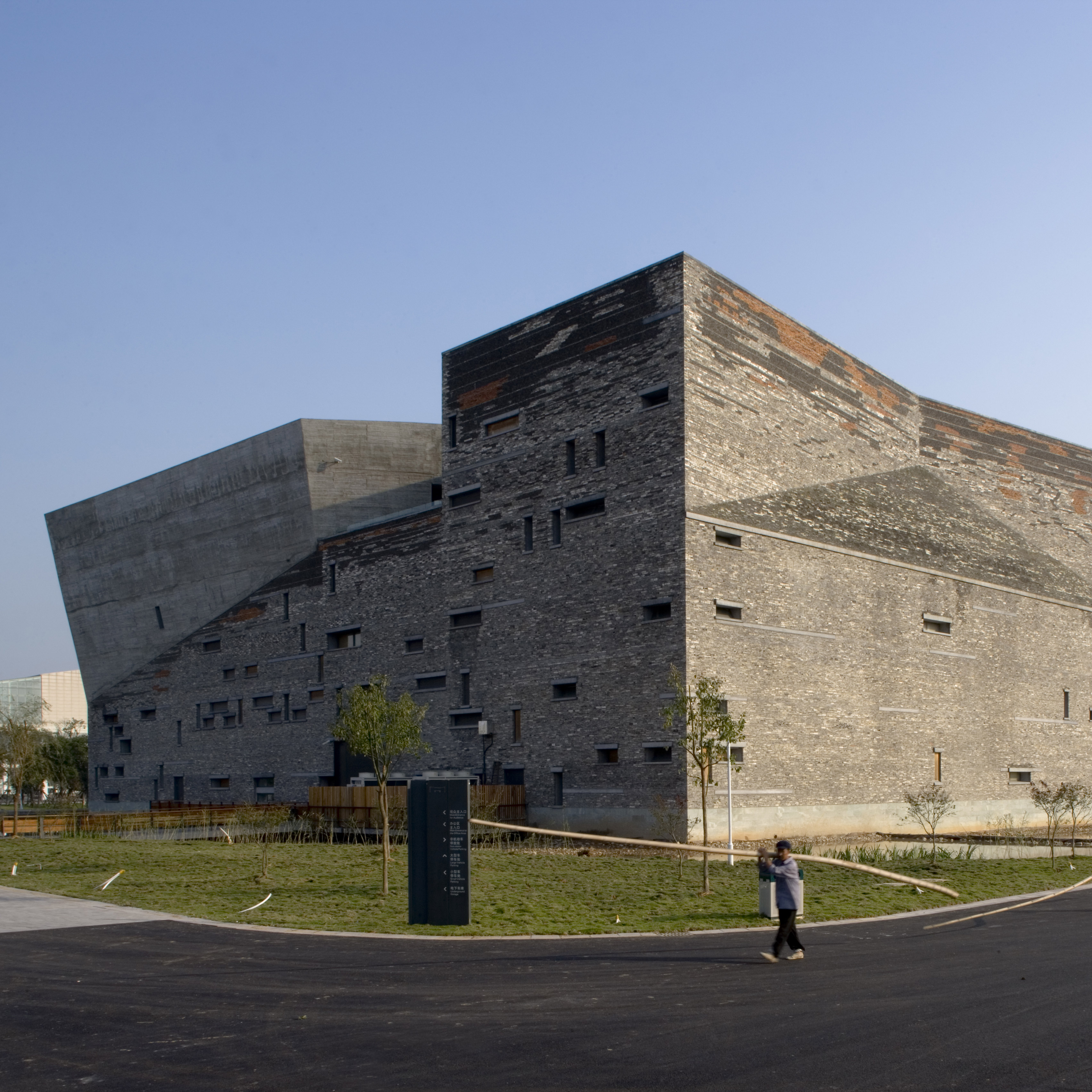
Wang Shu’s Ningbo History Museum built from the remains of demolished villages


Movie: in this exclusive Dezeen movie, Chinese architect Wang Shu of Amateur Architecture Studio explains why he recycled material from traditional Chinese buildings to construct the Ningbo History Museum. (more…)

http://ift.tt/2biN9FB

Dezeen Mail issue 319 features this week’s best stories and discussions