Fukuchiyo Sake Brewery / yHa architects


© Y.Harigane

© Y.Harigane


© Y.Harigane


© Y.Harigane


© Y.Harigane


© Y.Harigane

  • Architects: yHa architects
  • Location: Kashima, Saga Prefecture, Japan
  • Area: 154.75 sqm
  • Project Year: 2014
  • Photographs: Y.Harigane
  • Construction: Nex-Corporation
  • Client : Fukuchiyo sake brewery
  • Site Area: 2,970 sqm

© Y.Harigane

© Y.Harigane

From the architect. Saga Prefecture Kashima is a city where east was facing the Ariake Sea. Southwest of Kashima City forms a border between the Nagasaki Prefecture, is a town with a population of about 30,000 people. Kashima City of “Hizen Hamashuku” is made at the mouth pouring into the Ariake Sea, it is a militia town that still has old streets. The town prospered as a port city, a post town, brewing has been carried out from the Edo era (1603-1858) in that there is abundant water and rice. Among them, Fukuchiyo sake brewery was founded in the late Taisho (around 1920), is the Japanese wine cellar of 1000 stone (100,000 bottles), and has received high evaluation, etc. to win the award in various awards ceremony recognizing excellence. Brand “Nabeshima” in 2011 is the fact that won the world’s highest award of the world in the IWC International Wine Challenge sake department, was collected at once many people’s attention. The Japanese wine cellar, tourists began to visit many from Japan across the country. Then, with a focus on the opening of a storehouse for the first time in the year and “Kashima brewery tourism” began. In 2015 it seems to give the attract of 70,000 people in two days.


© Y.Harigane

© Y.Harigane

In the wake of the award I have been involved in continuing to renovation plans, such as showrooms, office, lounge, rice warehouse, exterior design. This is the renovation project the old rice mills of registration tangible cultural property (the 1921 completion) to the gallery that can tasting and brewing exhibition for visitors. Because it is a registered tangible cultural property, it can not be basically the appearance and shape change, are landscaping the outer wall by burned cedar. The building of the old rice mill has long become a warehouse, it was a state that is tilted by leaning against the structural next to the equipment building. The plan, by the revitalization dragged along with the weight of the roof to correct the slope, we have structural reinforcement by newly inserting an iron plate below the beam. Wall of black leather iron plate of 12mm thickness, and at the same time increase the strength by installing a rib frame member of 4.5mm thickness around the square hole, has become a fixture to exhibit 1.8 litres bottle and 720 milliliters bottle. Iron plate wall structural member is directly finish, it is possible to respond to future flexible exhibition plans by using a fixture that uses a magnet.


Axonometric

Axonometric

As we consider plan, rather than a typical old house renovation column method of reinforcing the joints as seen in, it was decided to insert by offsetting the iron plates of the structural reinforcement inside. In doing so, the “soil walls 94 years ago of the inner wall,” as much as possible was considered leave as it is. It is for the “massive material that earthen walls” that the deposition of the time, because I felt a feeling of wrongness that the colliding a “superficial material for structural reinforcement” by the wood that was camouflage in antique painting. While aware of the time difference inherent in such material, I have dared using an iron plate, it is why you feel that there is “aging aesthetics” of aging and the same quality with the soil wall in black leather iron plate.


© Y.Harigane

© Y.Harigane

From Leon Battista Alberti up to Microsoft Windows, we know the world by what you see Some of the frame (“The Virtual Window” Anne Friedberg, The MIT Press, 2009). Square holes bored in the steel plate wall, so to speak “also said to unexpected mud 94 years obtain” are framing the the layers were also becomes an apparatus for observing (observation device). It is of course to watch the gallery inside of the exhibit, see this building through the square hole, it was also one of the important themes of this plan to obtain at the same time more than one viewpoint.


© Y.Harigane

© Y.Harigane

Throughout the plan, by putting a dare new elements while highlights the its form of architecture that remains from ancient times, given the space and the old ones, such as further look good “Architectural Interventions” is a concept.


Floor Plan / Section

Floor Plan / Section

We have inserted an iron plate of structural reinforcement (steel wall and ceiling+floor plate) to the existing building.  Since the bridge for crossing the building east of the waterway was decrepit, it was established the bridge by the tube-shaped 12mm of steel plate, which also serves as the entrance of the eaves.


© Y.Harigane

© Y.Harigane

The results of structural analysis, structural reinforcement by the 12mm steel plate, 4.5mm has made 1.65 times strength of rib-free by attaching the frame member (600 × 600mm · 900 × 900mm) by the ribs.


Section

Section

http://ift.tt/2bfcEHO

Video: Curators Discuss “Making Heimat, Arrival Country,” the German Contribution to the 2016 Venice Biennale

In this video, presented in collaboration with PLANE—SITE, the curators of the German Pavilion at the 2016 Venice Biennale discuss their theme of “Making Heimat, Arrival Country.” The exhibition explores the current influx of refugee communities occurring in Germany, and how architecture can be used to improve the “arrival cities” where immigrants tend to settle.

A word without a direct English translation, “heimat” refers to the sense of belonging and hominess of a place, rather than simply its pragmatic function in filling basic human needs.

“In a way it’s ‘modern home’, not only an architectural but also a mental situation,” explains curator Oliver Elser. “We have a housing emergency situation and a refugee emergency situation. So these two frontlines come together and it’s absolutely necessary to think about the situation in an architectural way, and not only as shelter for the people.”

The pavilion design subverts typical architectural exhibition strategies, opting not to include any architectural models while instead creating what designer Julian Schubert refers to as “spatial installation displaying the atmosphere of arrival cities.”

Commissioner Peter Cachola Schmal concludes, “The German pavilion will not be a normal architectural exhibition. There will be no architectural models; it will be quite something else. It will be political.”

See more of the interviews we conducted with PLANE—SITE and the rest of our Biennale coverage at http://archdai.ly/2016biennale.

Making Heimat: Inside Germany’s Pavilion for the 2016 Venice Biennale
//cdn.embedly.com/widgets/platform.js

http://ift.tt/2aWk8la

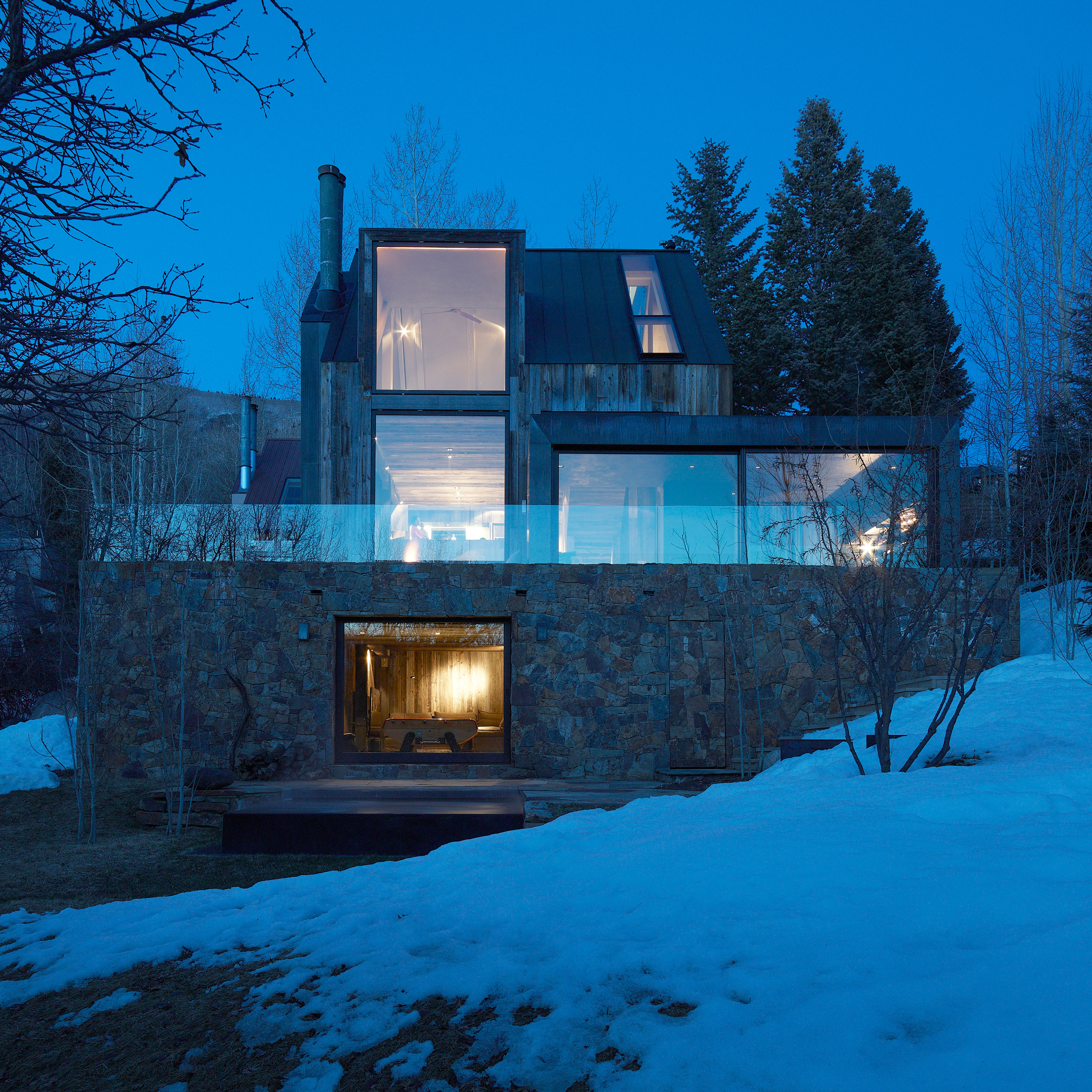
Oppenheim Architecture celebrates imperfections of La Muna chalet in Aspen during renovation


This rustic residence in Aspen has been renovated by Miami-based Oppenheim Architecture in line with the Japanese principle of wabi-sabi, which acknowledges imperfection as beauty (+ slideshow). (more…)

http://ift.tt/2bf3POo

Buenos Aires, Argentinaphoto via cyndi

Buenos Aires, Argentina

photo via cyndi

5 Steps to Do Less in Life

//pagead2.googlesyndication.com/pagead/js/adsbygoogle.js

(adsbygoogle = window.adsbygoogle || []).push({});

Are you wondering why the heck we’re teaching you how to do less in life?

Modern life is a stressful cacophony of items calling for our attention. Time passes by in a neck-breaking speed, as we jump from one item on our to-do list to another. The common philosophy is if you don’t move forward everyday, you’re relatively moving backwards because of humanity’s collective progress.

That’s why instead of swallowing one productivity book after another to extend your to-do list, you need to reverse your thinking and always be on the lookout for how to do less in your life.

Here are five steps I took to do less in my life:

//pagead2.googlesyndication.com/pagead/js/adsbygoogle.js

(adsbygoogle = window.adsbygoogle || []).push({});

1. Decide what’s important in your life

what to do in life

//c.amazon-adsystem.com/aax2/getads.js

//<![CDATA[
aax_getad_mpb({
"slot_uuid":"16dcbcd0-2124-4a85-9abe-c263dd9084e5"
});
//]]>

Sit down with yourself and unearth your personal values. Divide your life into sections such as physical, relationships, spiritual and intellectual. Then work to improve in at least one area every single day.

See Also: Taking a Life Audit: Five Steps to Prioritising What’s Important

2. Cancel the rest

After deciding all the things that are super-important to you, place your boundaries and only pay attention to those items within your boundaries. The truth is, we’re inundated with information every single day and there’ll never be time to pursue and learn everything so you have to make a conscious choice to not go after some thing even if it’s very popular.

//pagead2.googlesyndication.com/pagead/js/adsbygoogle.js

(adsbygoogle = window.adsbygoogle || []).push({});

Don’t give in to your fear of missing out and instead focus on connecting to your authentic self. Once you do this, you’ll be focusing more on increasing efficiency rather than busy-ness.

3. Delegate

This is something I’ve learned from reading James Altucher’s work and listening to his podcast. Whenever you find yourself doing something that you hate, take a note of it, and work on ways to delegate it in the future.

//pagead2.googlesyndication.com/pagead/js/adsbygoogle.js

(adsbygoogle = window.adsbygoogle || []).push({});

Maybe it’s doing chores, cooking, or administration work. You might hire a part-time helper or a virtual assistant to do the work for you so you can focus on doing what matters.

If you can’t afford it, make a list of, “Tasks to Delegate As Soon As I Can Afford To,” and that’ll inspire you to work harder and maybe make more money so you can work more on the things you enjoy.

4. Deactivate Facebook

deactivate facebook

When I told one of my friends that I don’t have Facebook, she commented something like, “You gained so much time in your life.” The truth is, the time is always there, but the moment Facebook entered the scene, what happened was I – and many others – lost control of where our time went.

Instead of focusing on the things that were important to us, we instead started focusing on the things that were important to others.

That’s a great power to give to many people, so I personally deactivated facebook and haven’t looked back since then.

//pagead2.googlesyndication.com/pagead/js/adsbygoogle.js

(adsbygoogle = window.adsbygoogle || []).push({});

5. Delete other social media apps from your phone

I’m for Twitter, mainly because I use it to engage in conversations about ideas I care about. Twitter is more idea-centric than Facebook which is more people-centric. Or at least, that’s the function I use it for.

However, having my phone in my hand all the time meant I wasn’t engaging in my real life especially when there were pockets of free time around. Tweeting and replying was just too distracting and too stressful, so I deleted it from my phone. Instead I use the web version whenever I want to, and again, that’s another way to win back control in my life.

See Also: How to Stop Wasting Time on Social Media (no willpower needed)

When you focus on a few super-important items in your life – whether it’s finding time to talk to your spouse or laughing with your children or advancing in your career – you’re more capable of engaging fully in them, and that engagement comes with a sense of true fulfillment that the white noise of social media and information overload can’t really replace. So instead of finding ways to cut corners and add more to your plate, decide on getting a smaller plate.

//pagead2.googlesyndication.com/pagead/js/adsbygoogle.js

(adsbygoogle = window.adsbygoogle || []).push({});

(function(d) {
var params =
{
id: “cb4f919c-04fa-460c-b2ff-2c7f9ecf4472”,
d: “ZHVtYmxpdHRsZW1hbi5jb20=”,
wid: “165294”,
cb: (new Date()).getTime()
};

var qs=[];
for(var key in params) qs.push(key+’=’+encodeURIComponent(params[key]));
var s = d.createElement(‘script’);s.type=’text/javascript’;s.async=true;
var p = ‘https:’ == document.location.protocol ? ‘https’ : ‘http’;
s.src = p + “://api.content.ad/Scripts/widget2.aspx?” + qs.join(‘&’);
d.getElementById(“contentad165294”).appendChild(s);
})(document);

The post 5 Steps to Do Less in Life appeared first on Dumb Little Man.

http://ift.tt/2bC0hr0

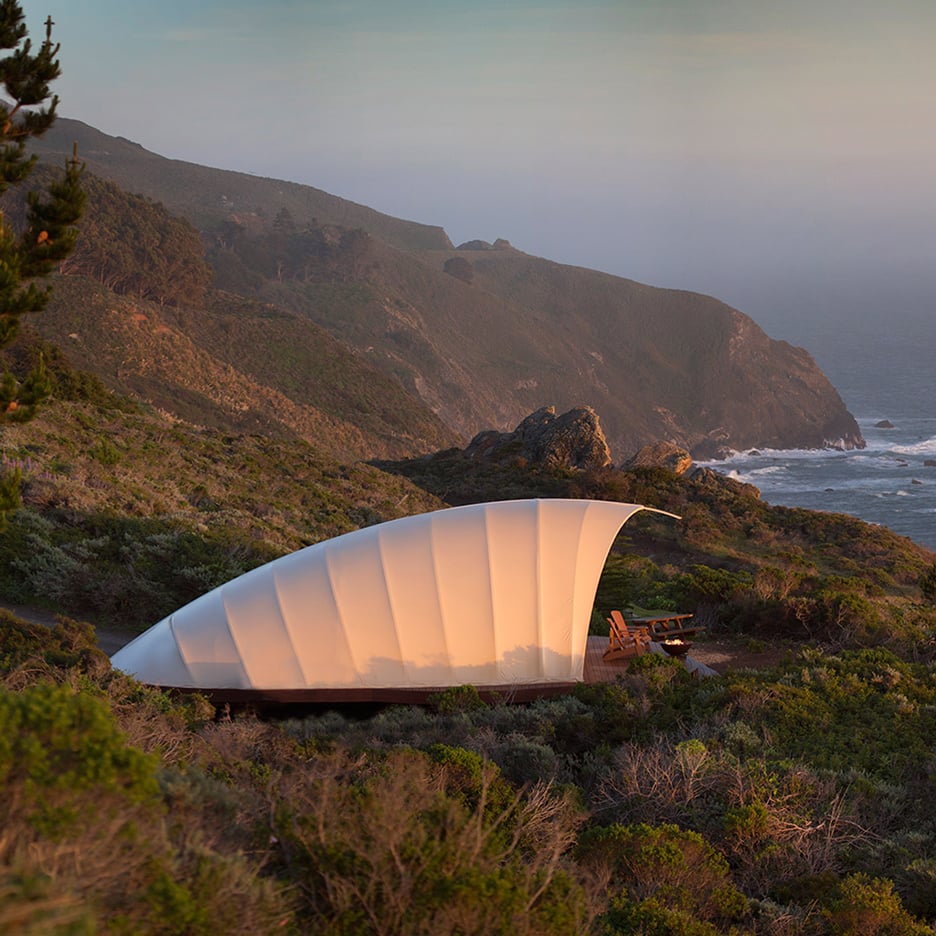
Autonomous Tent creates a remote glamping spot on a California clifftop


An American startup has installed a tent-like structure in California that aims to provide users with a luxury off-grid camping experience (+ slideshow). (more…)

http://ift.tt/2bBSR7e

The absolute best men’s haircut for summer, and how to get…

Dental Clinic / Padilla Nicás Arquitectos


© José Hevia

© José Hevia


© José Hevia


© José Hevia


© José Hevia


© José Hevia

  • Architects: Padilla Nicás Arquitectos
  • Location: Las Palmas de Gran Canaria, Las Palmas, Spain
  • Architect In Charge: Padilla Nicás arquitectos
  • Area: 485.0 sqm
  • Project Year: 2013
  • Photographs: José Hevia

© José Hevia

© José Hevia

From the architect. The commission consists of a renovation  for a Dental Clinic located in a town located midway between Las Palmas de Gran Canaria and the tourist resorts to the south of the island.


© José Hevia

© José Hevia

The moderate size of the facade conceals the size of the Clinic which extends surprisingly towards the back of the building.


© José Hevia

© José Hevia

The opposite facade is used as a code required egress given the size of the premises.

This unique starting condition makes the general space of movement and anticipation the true protagonist of the proposal. Resolved with a broken, polygonal geometry, which distinguishes it from the orthogonal geometry used in technical work areas , there is an unexpected dynamism that may happily distract the patient from the purpose of his visit while touring the clinic.


Floor Plan

Floor Plan

Complementary to the specific resolution of the layout, the request should also lay the foundation for “corporate space” applicable to future sites used by this  growing company .


© José Hevia

© José Hevia

© José Hevia

© José Hevia

Clean surfaces , solid floors , and large panels are used to reduce the number of joints , simple colors according to the different areas of the premises and indirect lighting systems ; all with the intention of creating a friendly space with the necessity of hygiene and precision appropriate to a dental clinic.


© José Hevia

© José Hevia

http://ift.tt/2bBSYQg

Peak District, Englandphoto via erin

Peak District, England

photo via erin

Schmidt Hammer Lassen’s Dokk1 Wins Public Library of the Year Award 2016


© Adam Mørk

© Adam Mørk

The International Federation of Library Associations and Institutions (IFLA) has named Schmidt Hammer Lassen’s Dokk1 Library in Aarhus, Denmark as the winner of the Public Library of the Year Award 2016.

By beating out the SOM-designed Chinatown branch of the Chicago Public Libary; the Geelong Library & Heritage Centre in Geelong, Australia, designed by ARM architecture; and the Success Public Library by Bollig Design Group; Dokk1 became the first Danish library to win the award.


© Adam Mørk


© Adam Mørk


© Adam Mørk


© Adam Mørk


© Adam Mørk

© Adam Mørk

Completed in June 2015, Dokk1 is Scandinavia’s largest public library, containing space for a citizen service center, offices and automated parking for up to 1,000 vehicles. Its large staircases and outdoor areas connect the building to its site at the mouth of the Aarhus River, allowing the library to become a meeting point for the exchange of knowledge and opportunities. Dokk1 was an instant hit with the community – within 7 months of opening, the library had already welcomed more than 1 million visitors.


© Adam Mørk

© Adam Mørk

“Dokk1 is a covered urban square – an undulating landscape that facilitates learning, knowledge sharing, innovation and a sense of community,” says Senior Partner Kim Holst Jensen, Schmidt Hammer Lassen Architects. “Our goal has been to create a stimulating and dynamic environment at this unique location that fosters valuable and meaningful relationships between people; a cultural centre that everyone can see themselves in. Architecture, with all its supporting disciplines has served to fulfil this greater ambition and we have been overwhelmed by how the people of Aarhus have embraced Dokk1 since opening day”, says Senior Partner Kim Holst Jensen, Schmidt Hammer Lassen Architects.”


© Adam Mørk

© Adam Mørk

© Adam Mørk

© Adam Mørk

The jury praised the library for reinvigorating an underused part of the city by creating a building the reacts appropriately to its context on each elevation:

“With its unique and central location in the city, the library has become a key element in the forward-looking strategy for creating more life by the harbour, which used to be a practically deserted area,” the jury commented in a statement. “It is evident that accessibility has been given high priority, not only in the positioning of the library, but also in the many outdoor areas and staircases that provide access to the building from all sides. This is supported by the shape and facade cladding of the building, which has no back, but has been given a primary facade on every side. In both the interior and the exterior, a classical construction element, the staircase, has been used as both a functional necessity and a place for meeting and resting.”


Courtesy of Schmidt Hammer Lassen

Courtesy of Schmidt Hammer Lassen

Additionally, the jury found the building’s chosen material palette to be clean and durable while still feeling inviting:

“The jury also finds great architectural value in the simple and consistent choice of materials throughout the building, which adapts naturally to the harbour environment. Furthermore, the materials are of a high quality without being ostentatious, which makes the building stand out as a place of diversity with room for everybody.”


Courtesy of Schmidt Hammer Lassen

Courtesy of Schmidt Hammer Lassen

News via Schmidt Hammer Lassen.

Dokk1 / schmidt hammer lassen architects
//cdn.embedly.com/widgets/platform.js

http://ift.tt/2aW0lSO