Froscen Architects Unveils Sustainable Micro-Houses to be Built on WWII Phone Bunker


Courtesy of Froscen Architects

Courtesy of Froscen Architects

Dutch firm Froscen Architects has unveiled FOON HOUSE(S), a tiny house concept in Leiden, the Netherlands. To be built on a former communications bunker from World War II in the middle of the city, the design focuses on the adaptive reuse of a small concrete complex overgrown with ivy. 

The project will consist of four separate micro-houses on top of the bunker, each with a floor space of about 38 square meters, and equipped with necessary facilities.


Courtesy of Froscen Architects


Courtesy of Froscen Architects


Courtesy of Froscen Architects


Courtesy of Froscen Architects


Courtesy of Froscen Architects

Courtesy of Froscen Architects

The first floor of each house will contain the living area and kitchen, which will have room for a dining table and storage bench. The top floor will feature space for a double bed and sitting area, the bathroom and a built-in wardrobe. Each house will additionally have a private outdoor terrace.


Courtesy of Froscen Architects

Courtesy of Froscen Architects

Our aim with the design is two-fold, stated the firm. On the one hand we want to promote the concept of Tiny Houses in the Netherlands by building and example for all people to see. On the other hand we want to give the bunker a more prominent role in the history of the city by ‘crowning’ it with a more modern architecture. This way the story behind the bunker can become a part of the collective consciousness of the citizens of Leiden.


Courtesy of Froscen Architects

Courtesy of Froscen Architects

The houses will be constructed almost entirely of wood, in order to contrast with the heavy concrete of the bunker below. Each façade will feature a structure of wooden ribs against a black background, which will appear to change color as users walk by.


Courtesy of Froscen Architects

Courtesy of Froscen Architects

In line with Passive House principles, the walls of the houses will be nearly 30 centimeters thick to lower energy consumption and heating costs. Similarly, the houses will utilize natural cooling processes, as well as sustainable features like rainwater collection, solar heating, and LED lighting.

News via Froscen Architects.

http://ift.tt/2deFcke

Geometrium Designs a Bachelor Nest Loft

Perhushkovo by Geometrium (2)

Perhushkovo is a private residence intended to be a bachelor nest loft. It was designed by Geometrium. Perhushkovo by Geometrium: “The apartment of 44 m2 (473 ft2) is designed for a young man. The main wish of the customer bachelor nest loft. By itself, the loft includes large industrial premises converted into a living space, but we managed to achieve an atmosphere of style and vintage, using its elements. The main materials in the decoration of the apartment: brick, solid wood, natural stone —..

More…

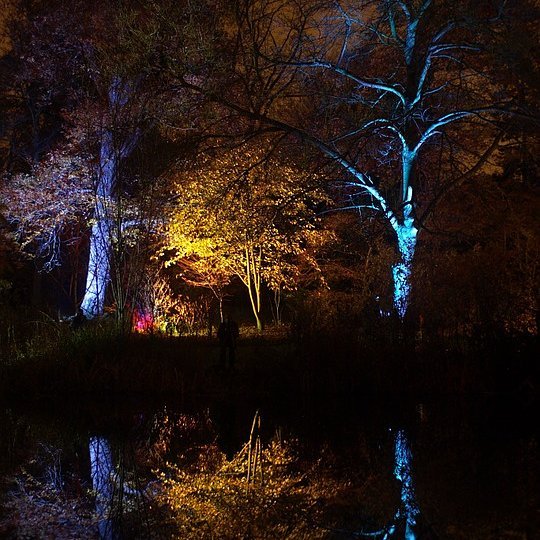
@signordal The wonderful woodland in England

via Instagram http://ift.tt/2cQRMus

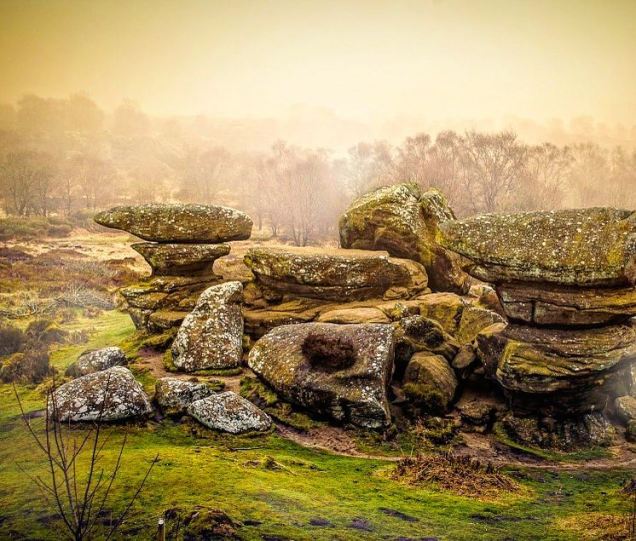
@signordal Wonderful rock formations in England

via Instagram http://ift.tt/2doEmof

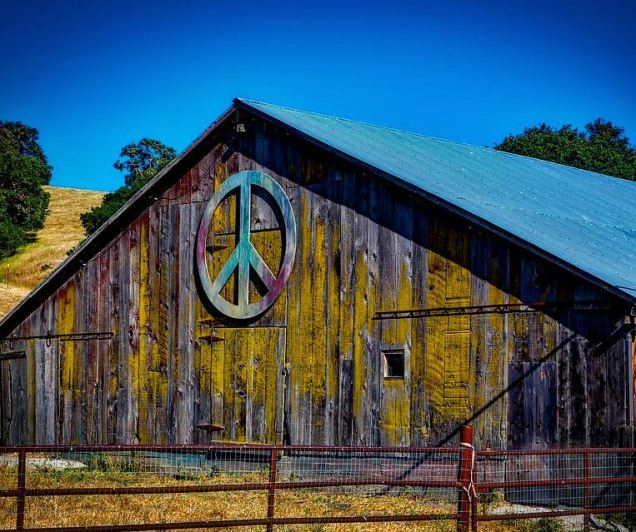
@signordal Old barn in California

via Instagram http://ift.tt/2d56E6J

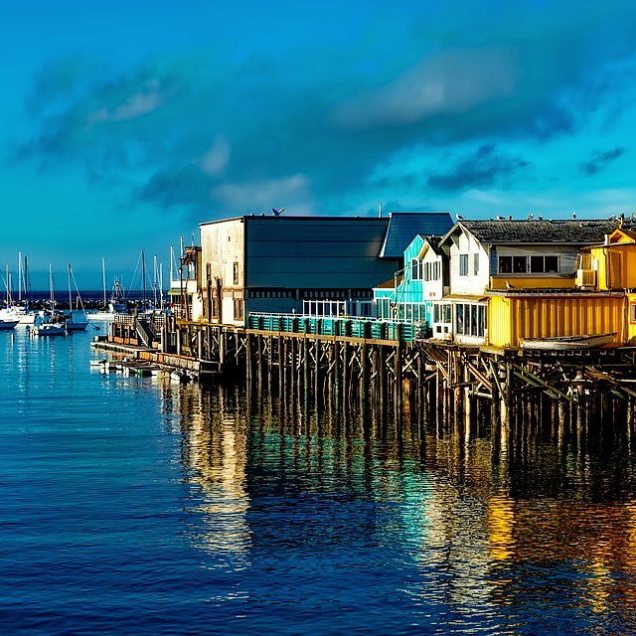
@signordal Fisherman’s Wharf Monterey California

via Instagram http://ift.tt/2cHZPo0

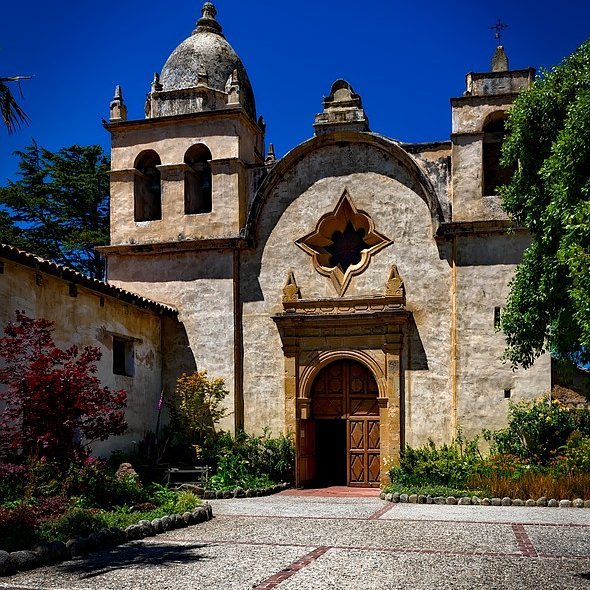
@signordal Carmel Mission California

via Instagram http://ift.tt/2cyfsBa

@signordal Mono Lake California

via Instagram http://ift.tt/2dfD28c

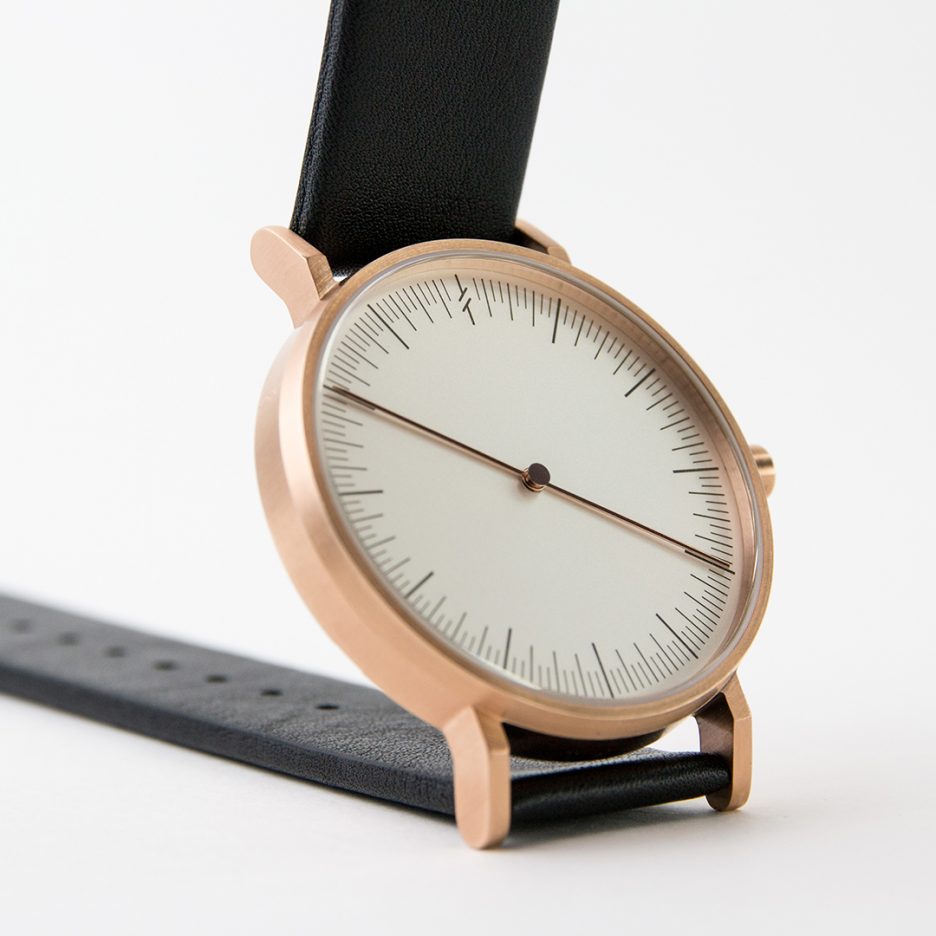
Simpl becomes latest watch brand to design a one-handed timepiece


Dezeen Watch Store: Bangkok-based brand Simpl has applied its minimal aesthetic to an unconventional watch that tells the time with only one hand.  (more…)

http://ift.tt/2cydIYp

Haus zur Blume / Marazzi Reinhardt


© Ramon Spaeti

© Ramon Spaeti


© Ramon Spaeti


© Ramon Spaeti


© Ramon Spaeti


© Ramon Spaeti


© Ramon Spaeti

© Ramon Spaeti

Zur Blume is a baroque farmhouse in the center of the municipality of Löhningen, a small village in the north of Switzerland. The building is part of the historical row development along the main street. The space where the barn once stood was left as a void for years. The new building, which extends the main house, fills this empty space. In this way, two generous flats, flexible in their use and with different spacial qualities, are created as a new ensemble.


© Ramon Spaeti

© Ramon Spaeti

Plan 0

Plan 0

© Ramon Spaeti

© Ramon Spaeti

Plan 1

Plan 1

The aim of the extension is to provide spacial varieties to both apartments: a ground level access, two floors, cellars, a filtered and private exterior space. It is was a design objective that both units should be able to profit from the specific qualities of the old and the new building. Therefore the two apartments share the old and the new construction overlapping each other through a vertical organization. The atmospheric and structural qualities developed become tangible: the arched cellar, the baroque living rooms, the generous, the neutral space of the extension and the mazed gardens. A shell, made out of lamellas, surrounds the new building completing the facade on the street. The facade is permeable, the wall as well as the roof, obtaining copious light. In spite of the porosity of the new building, from the street the new intervention is clearly readable and refers to the original barn in its volumetry and materiality. The substance of the existing house, where possible, was restored and transformed.


© Ramon Spaeti

© Ramon Spaeti

The extension distinguishes itself from the existing building through its prosaic and economic use of materials. It finds its richness in the geometry of the spaces and in the lighting qualities.


© Ramon Spaeti

© Ramon Spaeti

http://ift.tt/2cVWqoP