Vaughan Civic Centre Resource Library / ZAS Architects + Interiors


© doublespace photography

© doublespace photography


© doublespace photography


© doublespace photography


© doublespace photography


© doublespace photography

  • Other Participants: WSP/MMM Group, Scott Torrance Landscape Architect, Aquicon Construction Co. Ltd, Colliers Project Leaders, ZON Engineering Inc.

© doublespace photography

© doublespace photography

From the architect. Resulting from an extensive visioning process exploring the evolving role of the library in the digital age, The Vaughan Civic Centre Resource Library by ZAS Architects is a visionary maker-space dedicated to community learning, gathering, creating and celebration.

Engaging new users in record numbers since opening, the transformative community centerpiece aims to empower local residents of all ages and demographics, inviting an exploration of learning in the library with the tools and technology of the 21st century.


Site Plan

Site Plan

The library’s ethereal façade and shifting translucent form beacon the community, making a clear statement that this is a meeting place created for the future of the city.

Revealing layers of open interior spaces, the reflective façade appears ever-changing in a constant play of light. It’s complex geometry forms a loop around the central interior courtyard, it’s pattern shifting glass panels representing the overlap of ideas and user groups who gather inside.


© doublespace photography

© doublespace photography

Marking a transformation from traditional historic library architecture, flexible spaces create an empowering community amenity, encouraging social interaction and group learning. Akin to a contemporary bookstore, the library’s marketplace café, and open reading area welcome visitors as they enter the immersive environment.


Sections

Sections

In contrast to the monochromatic exterior façade, colourful furniture and glass animate a fluid series of bright spaces, balancing open meeting areas with places for private study. Dynamic natural lighting acts as a guide throughout the space, directing visitors as they explore the collection.

Prominent and visible from the library’s entrance and also around the building is an anchoring outdoor garden courtyard and symbolic red maple “Tree of Knowledge”. Collaboration spaces, meeting rooms, a ‘teen-only’ lounge, public-access computers, a large study hall, and an extensive children’s activity area form a circle around the courtyard, representing a circle of community.


© doublespace photography

© doublespace photography

From the café to the central outdoor courtyard, the vibrant two-storey facility hosts extensive public activity space far beyond the library’s collection of books. Accessible for all, visitors are encouraged to animate ideas within the library’s maker-spaces. Computer modeling and 3D printers, a media suite, sound recording studio, video studio and green screen all creates hands-on opportunities to learn, discover curiosities and hone craft.


Site Plan

Site Plan

Multi-generational and diverse, each space within has been designed to foster learning for wide-ranging user groups. Students from primary school to post-secondary, new Canadian residents, teens, toddlers and parents have all been given spaces to learn and connect with one another in social interaction zones that includes flexible furniture arrangements.


© doublespace photography

© doublespace photography

Indicative of a library’s ‘function in –flux’, highly flexible, movable book collection stacks offer flexibility for librarians and visitors to use the space in multiple ways, as the needs of the community evolve daily or annually.

Exposing residents to new possibilities of discovery, public areas are transparent and visually interlinked. Expansive glazing at the street level engages all passing by to join the activity inside. Social zones, lounge seating, and individual study space also surround the perimeter windows, maximizing light and views while creating a direct connection with the neighbourhood beyond. 


© doublespace photography
© doublespace photography

http://ift.tt/2bh2lkh

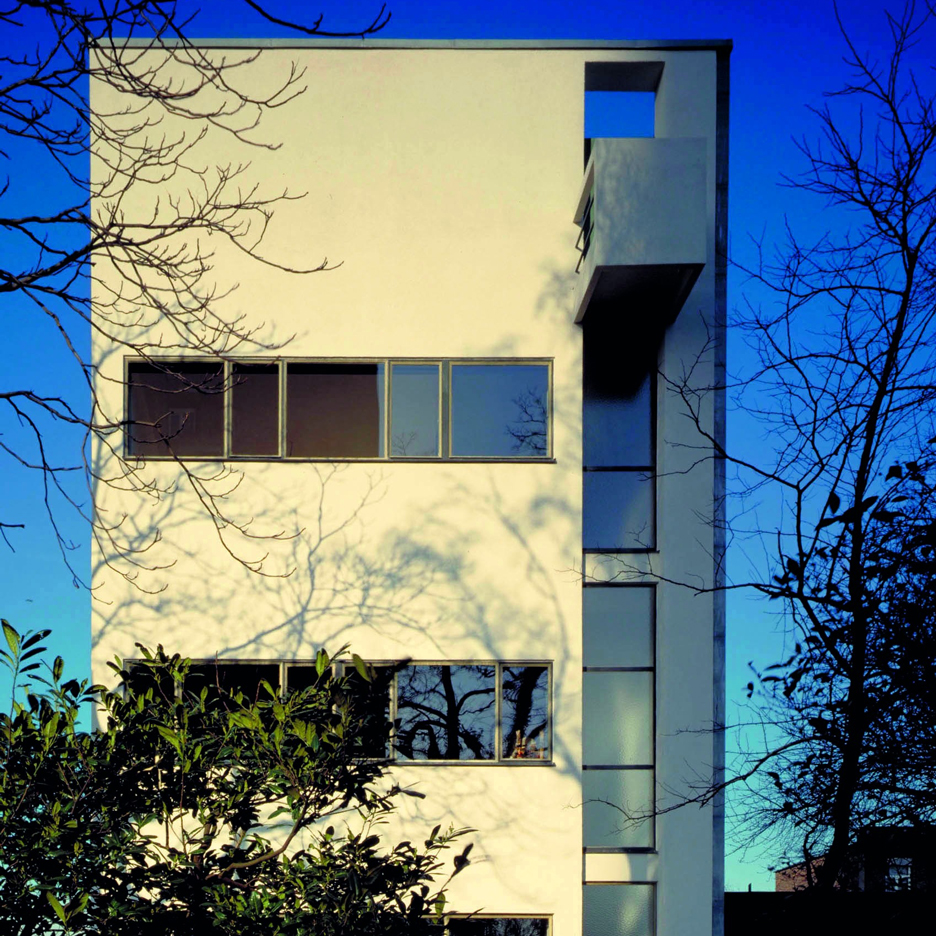
Le Corbusier’s Maison Guiette is his only surviving Belgian building


World Heritage Corb: Maison Guiette in Belgium was Le Corbusier‘s first commission outside of France, but is one of the lesser-known of his 17 buildings that have been added to UNESCO’s World Heritage list (+ slideshow). (more…)

http://ift.tt/2biNUfe

Kaplan Family Pavilion at City of Hope / Belzberg Architects


©  Bruce Damonte

© Bruce Damonte


©  Bruce Damonte


©  Bruce Damonte


©  Bruce Damonte


©  Bruce Damonte

  • Project Team: Hagy Belzberg (Partner-in-Charge), Daniel Rentsch (Project Manager), Andrew Kim, Ashley Coon, David Cheung, Cory Taylor, Susan Nwankpa, Micah Belzberg, Chris Sanford, Kristofer Leese, Chris Arntzen
  • Landscape Architect: Ahbe Landscape Architects

  • Structural Engineer: Nous Engineering

  • Mep Engineer: California Energy Designs

  • Civil Engineer: VCA Engineers

  • General Contractor: Winters-Schram & Associates

  • Leed Consultant: Green Dinosaur

©  Bruce Damonte

© Bruce Damonte

As modern medicine has evolved, so too has our understanding of health. More recently, there has been a shift towards a more holistic approach to healthcare that, in addition to treatment, now includes mental and spiritual well-being, and our relationship to the environment as preventative care. To reflect this change, our design of the Kaplan Family Pavilion at the City of Hope, a leading research and treatment center for cancer, diabetes and other life-threatening diseases, not only introduces a new architectural language to our client’s campus, but creates environments to support and encourage Wellness.


Model

Model

Our client initially proposed replacing a building to the west of our site to mark the institution’s centennial, but our design team was inspired by the “wishing trees” found across campus; these trees hold hundreds of personal notes tied to branches with messages of hope for the health of loved ones. Instead, we suggested moving the site slightly east to both re-align an off-axis promenade on the campus grid, and to use an existing century-old camphor tree as the project’s focal point. Our 7,000sqft project comprises two buildings wrapped around the camphor that houses new space for exhibits, events, administrative offices, and storage at the heart of a more than 100 acres campus in Southern California.


©  Bruce Damonte

© Bruce Damonte

Site Plan

Site Plan

©  Bruce Damonte

© Bruce Damonte

The LEED Platinum certified Pavilion uses the landscape to shape the built form and vice versa. Two billowing, sinuous concrete walls protect the entrances to either side of the tree while subtly genuflecting and twisting to create seating to face an irregular, oblong bench around the camphor. The result is an outdoor sanctuary where visitors can enjoy fresh air while protected by the shade of the mature tree. 75 backlit LED plaques along the surface of both concrete walls also highlight the City of Hope’s many milestones while leaving room for future accomplishments to be added. The buildings’ openness to the north avoids excessive heat gain and exposure, but also led to additional drought-tolerant planting to draw a strong connection between the occupants and the outdoors.


©  Bruce Damonte

© Bruce Damonte

The bifurcation of the program and building footprint has allowed the project to both feel grounded in its location, anchored by the camphor, but also transient, with the footpath cutting through the site to connect the project to the rest of campus. It is able to draw visitors from across the client’s community, offering respite and a place for reflection to support healing and wellness.


©  Bruce Damonte

© Bruce Damonte

http://ift.tt/2bFpu2z

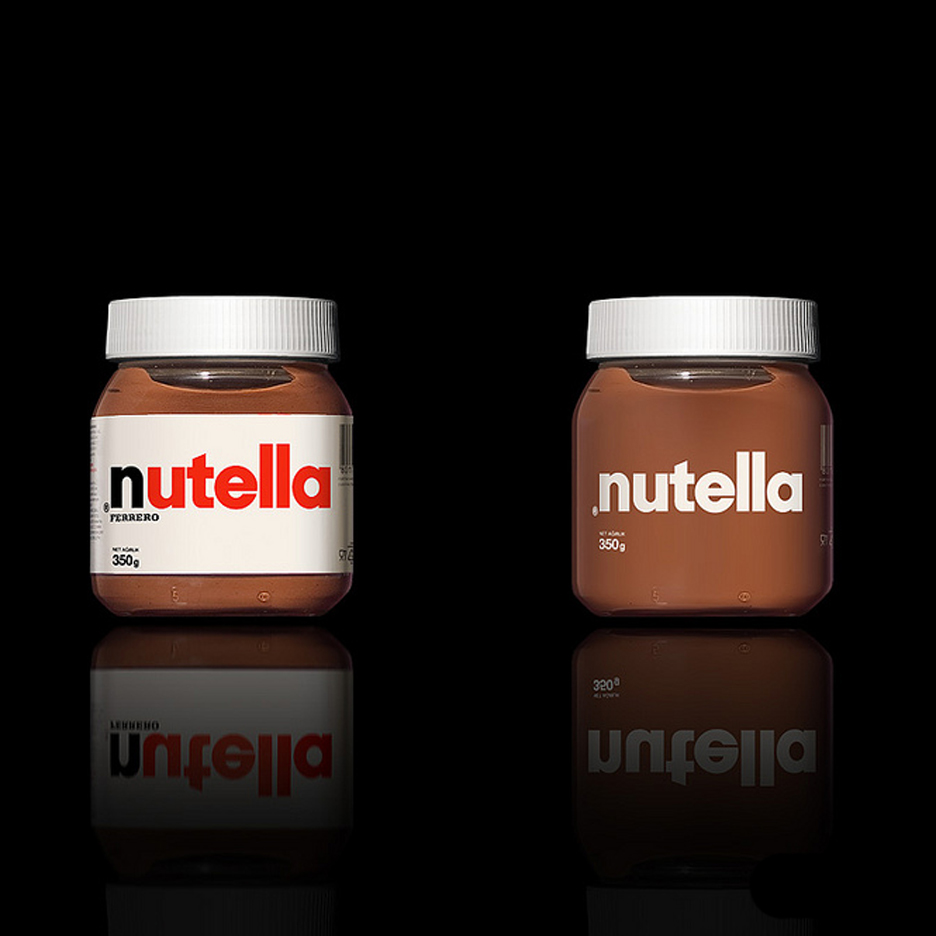
12 Minimalist packaging designs that do a lot with a little


From artisanal boutique to superstores, the trend for Minimalist packaging design continues to pick up pace. We’ve rounded up 12 examples, including name-brand ketchup without the name, a CD packaged in bubble wrap, and a stylish kit for surviving the apocalypse (+ slideshow). (more…)

http://ift.tt/2bGks70

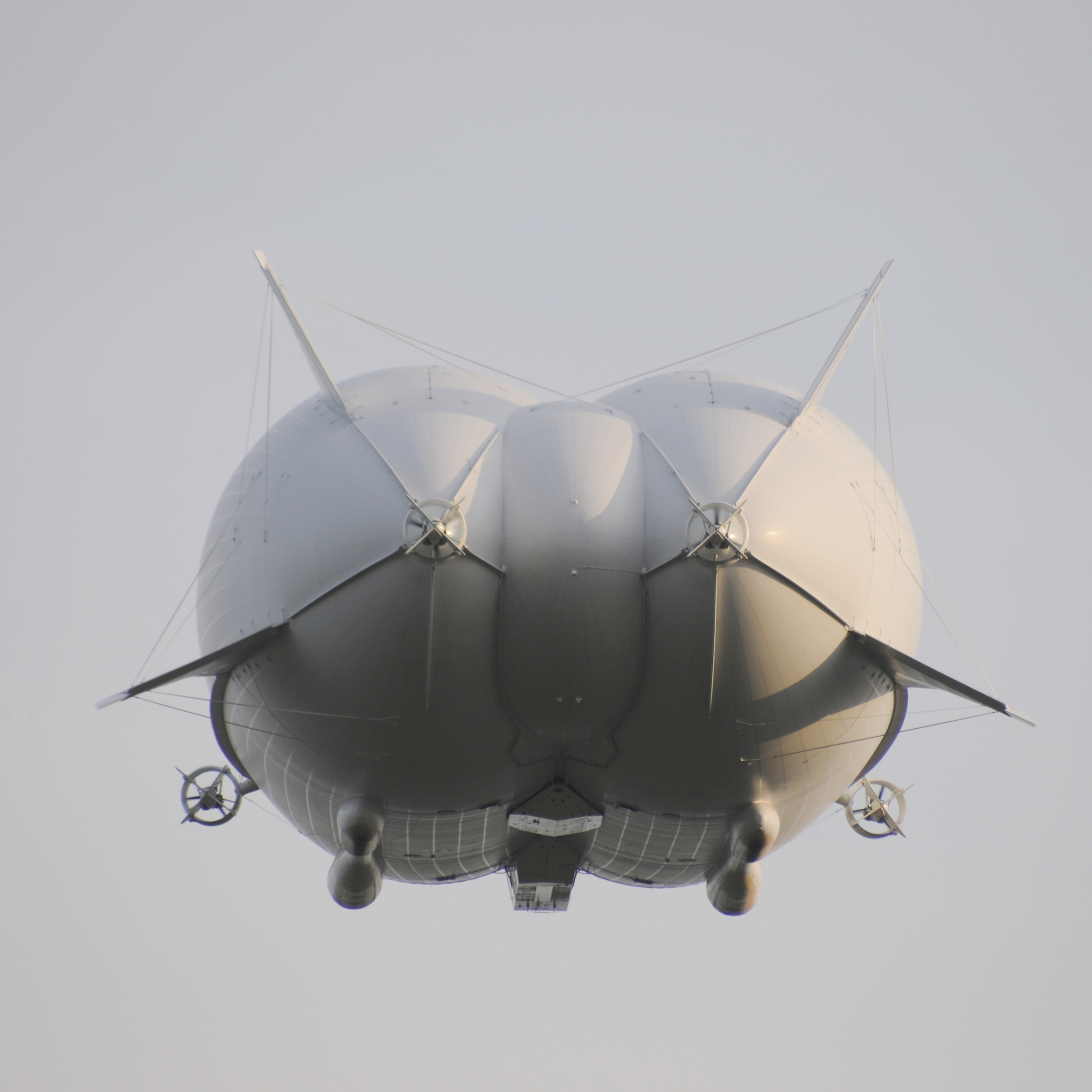
World’s biggest aircraft “the Flying Bum” crashes on test flight


The bulbous aircraft known as the “Flying Bum” has slowly nose-dived into a field during its second test flight in the English countryside (+ movie). (more…)

http://ift.tt/2bilAOO

NTU Singapore Researchers Develop Flexible Concrete that Resists Cracking


via Nanyang Technological University

via Nanyang Technological University

Scientists from Nanyang Technological University (NTU Singapore) have developed a bendable variety of concrete called ConFlexPave, which in addition to its increased flexibility, is both stronger and more durable than traditional concrete. Working at the NTU-JTC Industrial Infrastructure Innovation Centre (I³C), the team created the material by introducing polymer microfibers into the concrete mixture.

The innovation also allows for the production of slim precast pavement slabs, increasing installation speed. It is anticipated to be used in infrastructural projects, halving the amount of time needed for road works and new pavements while also requiring less maintenance.

NTU Professor Chu Jian, Interim Co-Director of the NTU-JTC I³C, comments, “We developed a new type of concrete that can greatly reduce the thickness and weight of precast pavement slabs, hence enabling speedy plug-and-play installation, where new concrete slabs prepared off-site can easily replace worn out ones.”

Standard concrete consists of a cured mixture of cement, water, gravel and sand, which produces a strong, yet brittle product that is prone to cracking. The addition of synthetic fibers into ConFlexPave remedies this issue by allowing the concrete to flex and bend under tension. The resulting product also has demonstrated an enhanced skid resistance.

According to Assistant Prof Yang En-Hua from NTU’s School of Civil and Environmental Engineering, leader of this research at the NTU-JTC I³C, the key breakthrough was found by studying how the material components interacted with one another on a microscopic level.

“With detailed understanding, we can then deliberately select ingredients and engineer the tailoring of components, so our final material can fulfill specific requirements needed for road and pavement applications,” explained Prof Yang.

“The hard materials give a non-slip surface texture while the microfibres which are thinner than the width of a human hair, distribute the load across the whole slab, resulting in a concrete that is tough as metal and at least twice as strong as conventional concrete under bending,” he added.

Currently, tablet-sized samples of the material have been successfully tested at NTU laboratories. Over the next three years, the material will be scaled up for further testing in areas exposed to human and vehicular traffic.

News via Nanyang Technical University.

http://ift.tt/2bwoRck

Ocean Eye / Benjamin Garcia Saxe


© Andres Garcia Lachner

© Andres Garcia Lachner


© Andres Garcia Lachner


© Andres Garcia Lachner


© Andres Garcia Lachner


© Andres Garcia Lachner

  • Architects: Benjamin Garcia Saxe
  • Location: Santa Teresa Beach, Puntarenas Province, Costa Rica
  • Design Team: Cesar Coto, Rogelio Quesada, Alejandro Gonzalez, Maribel Mora
  • Area: 300.0 sqm
  • Project Year: 2016
  • Photographs: Andres Garcia Lachner
  • General Design: Benjamin Garcia Saxe
  • Coordinator: Laura Morelli
  • Structuctural Engineering: Sotela Alfaro Ltd
  • Electromechanical Engineering: Electrotec S.A
  • Constructor: Dante Medri y Adrian Alvarado

© Andres Garcia Lachner

© Andres Garcia Lachner

From the architect. The Holdener family bought a beautiful property with two breath-taking views: towards the ocean and into the jungle. We decided to rest the house against the back of the steep hill of the site in order to stabilize the soil and protect the house from falling debris.


© Andres Garcia Lachner

© Andres Garcia Lachner

Section

Section

© Andres Garcia Lachner

© Andres Garcia Lachner

The house then transitions from a more solid and intimate construction at the back that holds bedrooms and bathrooms, towards a light-weight and ephemeral structure that points to the visual collapse of the ocean and jungle views.


1st Floor Plan

1st Floor Plan

2nd Floor Plan

2nd Floor Plan

The result is a series of interwoven terraces that relate to each other in all dimensions creating not only an internal dynamic interaction between levels, but also varied and sometimes unexpected relationships between the inhabitants and the natural landscape. In these interstitial terrace spaces, which are never truly inside or out, architecture comes to foster the relationship, enjoyment, and appreciation of the natural world by the inhabitants. 


© Andres Garcia Lachner

© Andres Garcia Lachner

http://ift.tt/2bF3wg7

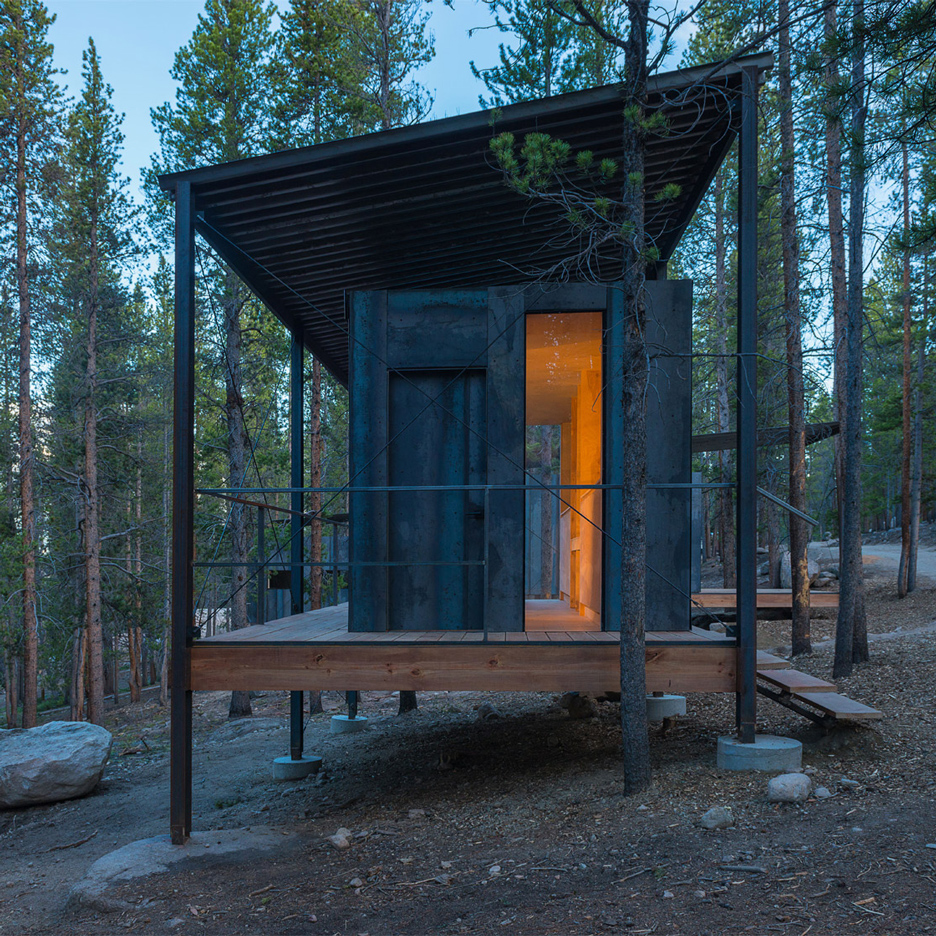
Five of the best houses in Colorado on Dezeen


This roundup of homes in Colorado is next up in our series celebrating residential architecture across the US, and includes a renovated chalet in Aspen and a cluster of rugged cabins built by graduate students (+ slideshow). (more…)

http://ift.tt/2bNsqZg

Roy and Diana Vagelos Education Center / Diller Scofidio + Renfro


© Iwan Baan

© Iwan Baan


© Iwan Baan


© Nic Lehoux


© Iwan Baan


© Iwan Baan

  • Diller Scofidio + Renfro: Elizabeth Diller (Partner-in-Charge); Ricardo Scofidio AIA, Charles Renfro AIA, Benjamin Gilmartin AIA (Principal Designers); Anthony Saby (Project Director) Chris Hillyard, AIA (Project Architect); Chris Andreacola AIA, David Chacon AIA, Christopher Kupski AIA LEED AP, Barak Pliskin AIA LEED AP, Kevin Rice AIA, Gerard Sullivan AIA, Mary Broaddus, Charles Curran,Robert Donnelly, Amber Foo, Yoon-Young Hur, Joshua Jow, Andreas Kostopoulos, Joseph Dart Messick, Patrick Ngo, Matt Ostrow, Stefano Paiocchi, Jesse Saylor, Jack Solomon, Hallie Terzopolos, Elizabeth Wisecarver (Design Team)
  • Gensler: Madeline Burke-Vigeland AIA, LEED AP(Principal-in-Charge); Kristian Gregerson AIA (Project Manager); Ambrose Aliaga-Kelly AIA (Technical Director); Joanne Fernando AIA, Jinho Kim AIA, Michelle Neary AIA, Bill DuBois, Ana Espejo, Mariano Ortiz, Henry Hong RA, Scott Wilson AIA (Design Team)
  • Structural Engineer: Leslie E. Robertson Associates (LERA)
  • Mep Engineer: Jaros Baum & Bolles (JB&B)
  • Landscape Architect: SCAPE/Landscape Architecture
  • Curtain Wall Consultants: Buro Happold Consulting Engineers P.C.
  • Lighting Consultants: Tillotson Design Associates
  • Acoustic / Audio / Visual Consultants: Cerami & Associates, Inc.
  • Building Code Consultants: Milrose Consultants, Inc.
  • Elevator Consultants: Jenkins & Huntington, Inc. (JHI)
  • Graphic Designers: 2×4 and Gensler
  • Civil / Geotechnical Engineers: Thornton Tomasetti, Weidlinger Transportation Practice
  • Security And It Consultants: Jaros Baum & Bolles (JB&B)
  • Sustainability Consultants: Vidaris Inc.
  • Foodservice Consultants: Cini-Little International, Inc.
  • Construction Managers: FJ Sciame Construction Co., Inc.
  • Owners Representative: Group PMX

© Nic Lehoux

© Nic Lehoux

From the architect. Columbia University Medical Center’s new, state-of-the-art medical and graduate education building, the Roy and Diana Vagelos Education Center, will open to faculty and students on August 15, 2016 for the start of the fall term. Designed by the New York-based interdisciplinary design studio Diller Scofidio + Renfro, in collaboration with Gensler as executive architect, the Vagelos Education Center is a 100,000-square-foot, 14-story glass tower that incorporates technologically advanced classrooms, collaboration spaces, and a modern simulation center to reflect how medicine is taught, learned, and practiced in the 21st century. The design seeks to reshape the look and feel of the Medical Center campus, and also create spaces that facilitate the development of skills essential for modern medical practice. 


© Iwan Baan

© Iwan Baan

The building is named in recognition of the generosity of an initial lead gift from P. Roy Vagelos, MD, a distinguished alumnus of Columbia’s College of Physicians and Surgeons, and his wife, Diana Vagelos, an alumna of Barnard College and the Vice Chair of the Trustees of Barnard College. The Vagelos Education Center was funded through the generosity of many committed friends, faculty and alumni donors. Construction began in September 2013. 


© Iwan Baan

© Iwan Baan

In addition to the new Vagelos Education Center, initiatives to revitalize the campus include increasing green space, creating a new gateway to the medical school, consolidating student services, renovating several existing buildings, and constructing new spaces, including the new home for the Columbia School of Nursing. The Vagelos Education Center will help define the northern edge of the campus and provide a bridge to the surrounding Washington Heights community. 


© Iwan Baan

© Iwan Baan

“Our new education building will ensure that Columbia continues to train superior doctors and researchers, educated in the latest techniques, as medicine continues to evolve rapidly throughout the 21st century,” said Lee Goldman, MD, Executive Vice President and Dean of the Faculties of Health Sciences and Medicine at Columbia University. “The building also will allow us to centralize key activities in a state-of-the-art facility that reflects our commitment to providing world-class instruction and a superb learning environment for students.” 


© Iwan Baan

© Iwan Baan

About the Design

The Vagelos Education Center is a 14-story glass, concrete, and steel structure anchored by a network of social and study spaces distributed along an exposed, interconnected vertical staircase that extends the height of the building—known as the “Study Cascade”—and encompasses 100,000 square feet of advanced medical and scientific facilities. The alcove interiors of the Study Cascade, designed to be conducive to collaborative, team-based learning and teaching, open onto south-facing outdoor spaces and terraces. Other key elements of the design include:

  • Ground floor lobby and café, which adjoin a “study bar” with views of the Palisades.

  • Student Commons, which features a café, computer work area and computer labs.

  • Advanced clinical simulation center, a specialized space for mock examination rooms, clinics and operating rooms.

  • Multi-purpose auditorium, a 275-seat flexible space used for campus-wide events such as lectures, screenings and concerts.

  • “Academic Neighborhoods,” groups of classrooms that can be configured according to need by operable partitions, drop down screens and large-scale multi-user touch screens, suspended ceilings, and distributed power and data at the floor.

  • South and West Courts, outdoor spaces featuring local plant species.

  • Anatomy Quad, a flexible learning space with integrated screens and task lighting.


© Iwan Baan

© Iwan Baan

Diagram

Diagram

© Nic Lehoux

© Nic Lehoux

“Space matters for structured and informal learning,” said Elizabeth Diller, founding partner at Diller Scofidio + Renfro. “To support Columbia’s progressive medical education program, we designed a building that will nurture collaboration. Its defining feature is the Study Cascade–a 14-story network of vertically linked spaces in a variety of sizes, both focused and social, private and communal, indoors and out.”


© Nic Lehoux

© Nic Lehoux

“The Vagelos Education Center started with a clear vision as a place of excellence for higher learning that would also act as a much needed social center,” said Maddy Burke-Vigeland AIA, Principal at Gensler. “Because of everyone’s deep involvement, it has transformed into something that exceeds even those high expectations: a vibrant new hub for Columbia’s Medical Center campus.”


Diagram

Diagram

DS+R’s design takes advantage of an incredible view of the Hudson River and the Palisades. The building also integrates a range of sustainable features—including locally sourced materials, green roof technologies, and an innovative mechanical system that minimizes energy and water use—and the façade features ceramic “frit” patterns that are baked onto the exterior glass to diffuse sunlight. All new construction and renovation projects—including the Vagelos Education Center—work toward the goal of minimizing CUMC’s carbon footprint and reducing greenhouse gas emissions by 30% by 2025. 


© Nic Lehoux

© Nic Lehoux

http://ift.tt/2bhYNh6

Material Focus: House in Lago Sul Qi 25 by Sérgio Parada Arquitetos Associados


© Haruo Mikami

© Haruo Mikami

This article is part of our new “Material Focus” series, which asks architects to elaborate on the thought process behind their material choices and sheds light on the steps required to get a building constructed.

The House in Lago Sur Qi 25 was designed by  Sérgio Parada Arquitetos Associados firm. The project is 800 square meters and the layout is organized into 3 floors. Their volumes were defined by their use: intimate, service, formal and leisure. The project’s structure is completely made up of reinforced concrete with large openings that allow for complete integration of the exterior with the interior. We talked with the architect Rodrigo Biavati to learn more about the material choices and challenges of the project.


© Haruo Mikami

© Haruo Mikami

What were the main materials used in the project?

For the frame: steel and concrete; for the façade: brick masonry and glass; the flooring: wood and fulget; Masonry finishings: painting on rustic plaster and glass mosaics; Brises: metallic “skin” on microperforated plates made from pre-painted aluminum.


© Haruo Mikami

© Haruo Mikami

In terms of materials, which were the greatest sources of inspiration and influence when making your final decisions?

When constructing our projects we always try to get the most out of each material that we’re going to use. Starting with defining the frame we plan according to the architectural environment and its technical and financial viability, down to the choice of coating materials that are best suited for the suggestions of the architects.


© Haruo Mikami

© Haruo Mikami

Describe how the decisions on materials influenced the design concept.

In the volumetric composition of the residence, all the rooms are connected to a social living area. This area, acting as the heart of the building, has double height ceilings and a glass exterior. To protect this part from the sun, we inserted a metal microperforated ”skin”, at the end of the covering, to filter the sunlight and at the same time be able to enhance the vision of people inside and block the view from the outside. That same part, the microperforated metal “skin”, was used creating a vertical movement in which residents could pass unseen and see what was happening in front of the house.


© Haruo Mikami

© Haruo Mikami

What were the advantages that these materials offered when constructing the project?

In the case of the House in Lago Sur Qi 25, four materials were part of the architectural design of the residence. The concrete in the frame, the panes of glass, the solar protective micro-perforated metal “skin” and continuous flooring.

We used a structural system of ribbed concrete slabs, which made the work go faster and allowed for greater openings with lower structure height. That way the space between the inside slabs were kept free of beams and facilitated movement in the building.

Since the property has a great view, the house has a large glazed glass opening system. This system allowed for the double height glass façade and seals around the windows and doors.

The micro-perforated metal “skin” was essential for sun protection for the large glass openings. 

Since  the house is located on the ground level, the use of a solid surface to maintain the integration across the exterior was important. We used fulget as it is a non-slip coating that works very well in this situation, coating the floors, ramps, and stairs. The social and intimate interior spaces use planks of Brazilian teak to ensure the continuity between environments. 


© C.B. Aragão

© C.B. Aragão

Did the choices of materials caused any kind of challenges for the project?

The use of metal microperforated “skin” forced us to accurately detail the steel support framework, resulting in a harmonious set of vertical brise.


© Haruo Mikami

© Haruo Mikami

Did you ever consider other possibilities for materials for the project? If so, how would that have changed the project?

In the case of the House in Lago Sur Qi 25, the architectural team had already prepared the design with these materials in mind. The choices were built into the ideas.


© Haruo Mikami

© Haruo Mikami

How did you research suppliers and builders suitable for materials used in the project?

Representatives of the companies in the construction industry always keep us updated with their products and materials. We are always searching for new technologies to improve and facilitate our projects on the internet and in magazines.

Residência Lago Sul Qi 25 / Sérgio Parada Arquitetos Associados
//cdn.embedly.com/widgets/platform.js

http://ift.tt/2bzyYKD