Why is achieving success so hard? Why is overcoming cognitive biases difficult?
Maybe the problem isn’t you. Or more accurately, the problem isn’t the conscious you. It’s possible that you’ve been unconsciously sabotaging your own success.
If you are curious to know, below are some of the unconscious ways your brain can stop you from becoming productive and successful.
Information Bias
Information bias is a cognitive bias that makes you attribute distorted value to information. Among other things, information bias is what makes you want to gather as much information as possible on a project before starting it.
It’s one of the most common productivity blocks and you’ve probably experienced it yourself.
Think about any time you wanted to start a project but you just had to get all the information you could before doing so.
Collecting information and researching on a topic isn’t wrong. The problem, however, is when you already know all you need to but still feel the urge to find out more. You’ll never have all the information on any subject, and trying to know everything is a recipe for stagnation.
Confirmation Bias
Confirmation bias is another cognitive bias that makes humans more likely to accept information aligned with their pre-existing beliefs, regardless of whether it’s right or wrong.
This leads to a situation where you seek out ideas not for information, but for confirmation.
One of the biggest fears of most human beings is rejection. And, unfortunately, we tend to tie our beliefs to ourselves. A rejection of our beliefs is, by extension, a rejection of our very being. This makes us more likely to look for information that already supports what we believe in.
A lot of us look for reasons to avoid change and maintain the status quo. Accepting the absolute intractability of your nature is much easier than making an effort to change.
If you’re shy, you’ll actively look for information that makes being shy seem like a good thing. You’ll completely overlook any negative effects and think of them as absolutes that you have no control over, even though that isn’t the case.
So, how do you avoid it?
Spend a day pondering over your deepest limitations. Then, actively look for information that contradicts these beliefs. You may find out that you’re a much more productive and better person than you initially thought.
The Sunk-Cost Fallacy
The sunk-cost fallacy is one of the most insidiously pervasive time wasters in our lives. It is a belief that something is worth your while simply because you’ve already made an investment in it. The more you invest in one thing, the harder it becomes to abandon it.
The sunk-cost fallacy exists because we hate losing more than we love winning. Even the slightest scent of potential loss can send us scurrying like rats for cover.
How many times have you sat through a movie you hate simply because you’ve already paid for it? Would it not be better if you got up and walked away as soon as you realized you wouldn’t like it?
The financial loss in both situations is the exact same. In the second scenario, however, you wouldn’t waste your time.
Think about when you started a project that you, later on, realized you didn’t like. Normally, you’d probably abandon it immediately. But you already spent money on it so you’re likely to persevere and just go on with it, even though it’s an utter bore.
Ignore sunk costs and your life will become much less cluttered and much freer.
Planning Fallacy
The planning fallacy, originally proposed by Daniel Kahneman, makes us underestimate the time, costs, and risks associated with an action while overestimating the benefits associated with the same actions.
Why does this happen?
Some researchers suggest that we tend to look at the most optimistic scenario when predicting the future. Others, meanwhile, attribute it to wishful thinking.
If you doubt this, think back on how many times you’ve thought you’ll finish a task in time and you were wrong. You’ll quickly realize how commonly we fall prey to the planning fallacy.
Luckily, there’s an extremely simple way we can obviate the effects of this fallacy: allocate more time than we think necessary to any task. This way, you’ll avoid missing a deadline.
Have you ever decided to do something simply because you knew it would be done quickly and you wanted to check something off of your to-do list?
If so, you’ve fallen victim to completion bias.
Completion bias makes us prioritize smaller tasks over larger ones. We do this because completing a task makes us feel like we’ve accomplished something, even if we had more important things to do.
It’s very easy to fall into the trap of completion bias, especially if you have a to-do list. Completion bias is what makes you feel like you’ve had an extremely productive day, only to realize that you’ve done almost nothing important.
The worst part of this bias is that a huge number of us notice it but never really understand its danger. I, myself, had realized that I was more biased towards easier tasks, but I simply dismissed it as something normal and natural. Only when I read an article talking about it did I realize that I had been harboring a cognitive bias all along.
Luckily, it’s also relatively easy to eliminate. Break down all your larger tasks into small, bite-sized actions, and arrange them in the order you want to do them. This way, you can actually get something done.
Conclusion
There are several cognitive biases that can affect almost every aspect of your life- from productivity to business to relationships. Although you can’t fully eliminate them, overcoming cognitive biases aren’t that difficult. There are things you can do today that can eliminate as many biases as you can.
How do you eliminate a cognitive bias?
Carl Jung famously said, “Until you make the unconscious conscious, it will direct your life and you will call it fate.”
He was right.
The only way you can gain control over an unconscious impulse or desire is to manifest it consciously. If that sounds like gobbledygook, don’t worry, I’ll tell you how to do that in a moment.
Get a band or a ring that you can wear on your hand or finger. Then, pick a cognitive bias you want to minimize.
Every time you find yourself manifesting that cognitive bias, move the band or ring from one hand to another. Every time you move it, consciously distance yourself from the cognitive bias.
Pretty soon, you’ll find yourself transferring the band less often than before. If you persist with this exercise, you should reach a point where you’ll have lowered the impact of the bias as much as possible.
Start this process immediately and you’ll find yourself transformed into a more rational, clear-headed, and logical individual in no time at all.
Can you use the word scherenschnitte in a sentence? How about if you had to spell it in front of over 1 million people? If you’re like me, you’d be flabbergasted by the word.
Scherenschnitte happens to be the winning word in the 2015’s National Spelling Bee.
The Scripps National Spelling Bee , which takes place every year on Memorial Day weekend, has been a phenomenon since 1925. It started when the Louisville Courier-Journal Newspaper got together with several other papers to make a number of local competitions into one massive vocabulary rodeo. Gaining in popularity over the years, the lexicographic tournament now includes sponsorship from Amazon Kindle, live prime time coverage on ESPN, and even its own Broadway musical.
During its 92 years, prizes for the winners have risen from $500 in gold pieces (at the first ever bee) to $40,000 in cash (plus other ancillary prizes). In addition to that, the winner also gets a chance to win a sponsorship for college. This reflects the Bee’s purpose to “help students improve their spelling, increase their vocabularies, learn concepts and develop correct English usage that will help them all their lives.”
But, can it fulfill that promise?
The Bad
Memorization may not promote literacy
Detractors say that memorizing words gives students little to no assistance in reading comprehension. An Australian literacy study demonstrated that phonetic understanding was a much better teaching tool than simple memorization.
There is no doubt that children endeavoring to learn these words are gaining some vocabulary, but could all that effort be put to more active educational use? Memorization, it is often said, is the lowest form of learning.
There are Bee horror stories about students forced to memorize words by overzealous parents who subsequently crack under the pressure. One year, a contestant named Akshay Buddiga fainted in the middle of the bee while spelling the word “alopecoid”.
A lot of people thought that the competition was just too much to handle. The participant was just a kid who’s under 14 years of age.
Should spelling bees be banned?
Every year, there are numerous protesters against the bee. Some say that these competitions stigmatize children with learning disabilities, like dyslexia. Other protests come from organizations, like the American Literacy Council, who claim that spelling bees promote the worst and most confusing parts of English learning.
The Good
It promotes a wonderful way to learn to love to read
Obviously, learning vocabulary words has its own rewards.
An Education.com article quotes former Scripps National Spelling Bee judge Linda Wood, (and senior editor at Merriam-Webster) who refutes the idea that spellers learn entirely by memorization: “The way the children learn the words is not just by rote studying, but through etymology and learning roots, pronunciations, and multiple definitions. This is invaluable in terms of building vocabulary… with better reading comprehension, comes greater literacy, and greater enjoyment of reading, literature, and language. All from understanding words.”
And with the recent addition of contestants having to know definitions as well, the idea that kids are just learning to memorize is perhaps dispelled.
Healthy competition teaches determination, poise, and perspective
Though the competition is said to be a bit traumatizing, spelling champions still gained a great deal from the experience. And though they quote the experience as nerve-wracking, it gave them more confidence.
It promotes diversity
Winning spellers over the last several years have often been children of recent immigrants. Their representation in a competition that is so iconically American is inspirational for their communities. Competitors from other countries feel inspired to join the competition and this creates international cultural connections for those involved.
Opinions differ when it comes to the National Spelling Bee. Fans of obscure English words rejoice once a year. On the other hand, at least 1 million viewers can’t wait to see how many competitors will fall into a linguistic guetapens (2002’s winning word – meaning snare or trap) before there’s a new champion.
You can test your own vocabulary skills by checking out the infographic below. It includes a list of the winning Spelling Bee words over the past 50 years.
You finally shut down your computer and realize that it’s the start of a long weekend tomorrow. As you get out of the office, you and your co-workers brace for what’s going to happen next: getting drunk.
Having to endure a long and arduous week, it’s only right that you relax and let out all the stress. Just don’t get drunk or you’ll wake up in your room with a massive headache.
A hangover is that annoying thing you experience when you wake up the next morning from a night full of drinking. It’s your body’s response from the alcohol you consumed and its attempt to get rid of that excess alcohol in your system.
So, how do you get rid of it?
Frankly, there’s no solid cure for a hangover. Fortunately, there are ways to help you ride it out more easily. The following list should help you out.
Rehydrate
Remember last night when you consistently went to the bathroom and peed a lot?
Alcohol has the ability to suppress the release of ADH or Antidiuretic Hormone which is responsible for water retention. In essence, this means drinking lots of alcohol can make you lose lots of water.
Rehydration is essential in replacing the fluids you lost while drinking alcohol. Increasing your water intake is one good way to lessen the headaches.
Your body considers alcohol as damaging. In effect, it works hard to make sure alcohol gets removed from your system. This process requires energy.
After a bout of drinking though, your body would be low on energy. This translates into physical discomforts, like severe headaches and stomach upsets. In certain cases, it can even make your breath stink.
Reward your body with food and provide it with energy to help it in removing excess waste. Food that would be considerably good to eat at this time includes fruits, mainly oranges, and apples, or hangover soup.
If eating doesn’t improve your stomach upset, you could try and take antacids. These medications can balance out the acidity in your stomach to help you feel better.
Drink more water
Drinking water is one of the best things you can do to manage the wide range of discomforts that can come with a hangover. In addition to rehydrating yourself, it helps relieve the acid in your throat and esophagus.
Since your stomach is empty and there’s alcohol inside, it’s inevitable to feel nauseous and vomit. The thing is that hydrochloric acid, the acid responsible for digesting the food in your stomach, can go up your throat while you vomit.
This won’t only make your throat feel itchy, it can also make you feel pain. In certain cases, hydrochloric acid can also erode the enamels of your teeth.
Drinking too much alcohol is one of the main causes of GERD or Gastroesophageal Reflux Disease. The disease happens when your esophagus is always irritated because of the acid reflux and this can make you throw up more.
Drinking water is one good way to relieve the discomforts as well as prevent further damage.
Avoid the “Hair of the Dog”
“The hair of the dog that bit you works” means that when you are suffering from a hangover, a cure would be to drink more and more until you are relieved. Although this may have a positive effect, it would only be temporary as you are still loading more and more alcohol into your system.
Rest
Give your body a well-deserved rest. It is, after all, working the extra mile to remove excess waste in your body.
Doctors say that a full 48 hours is needed before the body can recover from the damage done by excessive drinking. Allow your body to fully recuperate before attempting to grab another bottle of beer.
Takeaway
A few drinks won’t hurt you that much. Too much alcohol, on the other hand, is a totally different story. Remember to drink responsibly and avoid grabbing the wheel. Cars and alcohol do not mix.
Getting home safely is only one of the hard parts of getting drunk. You should also prepare for what may happen the next morning: hangovers.
There’s no total cure for a hangover. As long as you are drinking, you should be prepared to go through it. The tips in this article, however, can help reduce the effects.
Have you ever wished you had a super power? Something that can make you special or better than everyone else?
Of course, almost everyone wishes, in one way or another, to have some secret potential to unlock. Well, what if I told you that all your superhero dreams of unlimited power, potential, and unmatched skills are completely attainable?
Now, you might probably be thinking that this is another cheesy scam. Well, it’s not. I’m not trying to sell anything either.
I am trying to tell you the simple yet spectacular secret to success: mental toughness.
You may have probably heard of this before many times, but let me give you a new perspective. There are two kinds of talent in this world: talent you are born with and talent you develop.
Think of Mozart, Einstein, and Stephen Hawking. These are examples of people born with an amazing talent or just pure genius.
How could anyone ever be like them? Especially you and me, right?
This is where mental toughness comes in.
You see, we all know that if we want something, all we need to do is work hard to obtain it. Easier said than done, but it makes sense. The problem with doing this is the universal law: nothing is free. Ever.
We might be willing to give up some time and hard work to achieve a goal, but to truly achieve that goal, we need to understand what it is going to cost. This is mental toughness. It’s not just mentally pushing yourself to endure through the hard times, but it is knowing what you are willing to give up, the challenges, and rewards.
Let me give you an example. I love to run. I run quite often and have even done races and triathlons. A friend of mine coaxed me into training for a 50-mile race…50 MILES!!!
For some reason, I agreed (probably because I’m an idiot) and have been training for this demon of a race for several months. But, I ran into a problem.
You see, training so hard for so long tends to take its toll on the body, especially the tendons, ligaments, and joints. I have developed a pretty bad case of runner’s knee (if you are a runner you will understand), and have put a lot of thought toward what I am going to do about this 50 miler.
Should I keep training and risk further injury? Or should I quit? Well, if I am truly mentally tough, I will push through and suck it up, right? Wrong.
Being mentally tough does not mean being an idiot. Being mentally tough means you see all your options and do the math. For example, with that situation, I can look at the problem as if there are only two perspectives: injure myself or quit.
I can consider what needs to be done to continue and if it is worth it. Could I run this race with my injury and still complete it? Yes. It would hurt like hell and maybe give me a permanent injury, but, yes, I could do it. But, do I want to take that risk? No, I don’t.
So how can I achieve my goal without so much risk and pain? I can treat the injury, let myself heal and then resume training. Is this a perfect plan? No, I may still be injured and unable to race when the scheduled date arrives but that doesn’t matter. Why? Because I have an entire lifetime to achieve this goal.
The point of this story and article is to give you a new perspective of what you can and cannot do. Can you climb Mt. Everest? Some of you reading this will say no. BUT YOU CAN, you just don’t want to.
Can you do 1,000 pushups in under an hour? Right now, maybe not. But, eventually, could you? YES! You just have to want to.
You must understand what you are giving up (time, sweat, pain) and the worth of that to you. This is mental toughness. This is the power of the mind. Your body can do just about anything, you just need your mind to guide it.
How do you eat an elephant? One bite at a time. If you want to be successful, then you must endure through the hard things. But more than that, you have to understand things in a simpler way.
One plus one is two. Pain plus sweat can give you a healthy body. Hard work plus schooling can give you a successful business. Walking one step millions of times can get you across the country. Swimming one stroke over and over can take you across the ocean.
Think about these things. If you want to be successful, remove yourself from your body and win with your mind. This is mental toughness. This is mind power.
When you decide to start a business of your own, you are more likely to hear different advice for your startup. Most of the advice you’ll hear will come from those who don’t even know how to run a small business.
When you visit the internet, you’ll see an overwhelming load of articles and list of topics that won’t sound too familiar to you. Don’t fall into the trap of overthinking every single detail and confusing yourself.
To help you start strong in starting an SEO company, here are some of the best tips you need to learn:
Strive hard to rank in Google’s search results
No matter how tight the competition is, you have to fight like a mad man and be crazy in getting your website on Google’s 1st page in the search results. You have to hit the related keywords for SEO service in your local area.
You may think it’s impossible to rank on a page when the competition is too tight. Don’t let that stop you.
You need to focus on using the keywords that can get you to the first page of Google’s search results. Take note that you should be aiming for the top spot with a reason. Giving valuable content to your readers is one good way to boost your rankings.
Remember that the best clients are from referrals
Referrals are one of the most valuable customers you’ll ever have. Although they don’t even know who you are and what on earth you are doing, your chances of closing the deal with them are still incredibly high.
However, when you treat them poorly, they will not only stop paying you and getting your services, you will also notice a significant decrease in your referrals.
With this in mind, you have to maintain a clean image and reputation. You have to continue taking care of your clients even when you think it doesn’t make sense. If you do this, you will eventually get more clients from word-of-the-mouth referrals.
You cannot rely on referred clients alone
Most of those who started a few years ago had surely fallen into the mistake of relying on word-of-the-mouth referrals as their primary profit source. Today, there is a more reliable way on how to earn new customers: blogging.
If you want to increase your chance of getting noticed, start blogging about SEO, content marketing, social media marketing and digital marketing. The more you use technical words in your blog posts, the more frequently you’ll be able to use your own data to prove what you wrote. This will get you more leads.
According to Neil Patel, a well-known expert in SEO management, those posts with graphs and stats drive leads as much 3 times than those without stats and data.
Never stop helping
When you’re in the SEO industry, reach out to everyone who needs your help. You may not see its benefits yet, but, eventually, this will help you in growing your network and in making it to the SEO industry.
People will start praising you and say good things about you. This isn’t just beneficial for you, but your business, too.
By using all the tips mentioned above, starting your SEO company will not be as bad as those who started it without an outlined guide and tips. Keep in mind that you have to make sure that your company fulfills whatever promise you made to your clients.
You have to ensure that you deliver results. Aside from that, maintain a personal yet professional relationship with your customers as they love to feel valued.
A celebration is typically in order when you finally get to buy that dream house of yours. It’s a huge prize and achievement after so much hard work and saving. But, what if you open that door only to see occasional power surges and broken pipes?
Opening your doors to those things is the most horrible way to start that next phase of your life. One way you can prevent those things from happening is through a home inspection.
Doing a home inspection is an excellent way to find problems that you didn’t get to see during your first visit to the property. By doing a home inspection prior to making a purchase, you’ll be saving yourself tons of headaches, frustrations and the high cost of repair.
Still not convinced? Here are some home inspection benefits you should know about.
Peace of Mind
When we notice something out of place, it bothers us and makes us want to know what’s making us uneasy. A home inspection is one way of understanding that kind of problem.
One of the main reasons you buy a house is for safety. It can protect you and your loved ones from the weather, dangerous elements, and other things that can compromise your safety. Doing an inspection can and will provide the security you need, like preventing personal injuries from happening.
A slight power surge may mean that some wirings are rotting or rats have begun chewing on the wires. You can already consider that as a fire hazard, and lots of tragic stories have been born from that.
Water dripping from the ceiling can be solved temporarily by a bucket, but what if it becomes full and turns into a slipping hazard? Never underestimate what a simple home inspection can do.
Savings
A lot of homeowners disregard home inspection due to its cost. This way of thinking should be completely changed if you want to save a vast fortune. Knowing what needs repairs or fixing as soon as possible can prevent disasters, not only physically, but financially as well.
Having to face an abysmal ton of repairs in the future is a real headache. With home inspection, you can sort out what needs to be fixed immediately to prevent it from causing, even more, problems.
Why wait for that rusty and leaky pipe to fall and break that expensive bath tub upstairs? Why wait for that wire to burn down the house when you can change that wire for a small fee?
A home inspection can save you from that headache and that financial drawback that you were so desperately afraid of in the first place.
It’s normal for people to feel euphoric when they get to purchase their dream house. Because of the overwhelming emotions, they can inadvertently skip home inspection. They tend to disregard the idea, thinking that newer properties are impossible to have defects and damages.
Home inspection can provide us with a more comfortable life in the long run. From significant savings to saving the entire house we own, early assessment of our property is the next best thing we can do after popping that bottle of champagne.
The world has finally embraced gender equality. Today, women have more power to talk openly about issues that really matter to them. From business, education, and politics, you’ll now be able to find a platform where you can easily and safely voice out your concerns.
To give you an idea, we bring to you a list of the best websites for women on the internet right now where you can get your daily fix of women issues. The sites deal with a wide range of topics, like entrepreneurship, women’s health, fashion and latest trends.
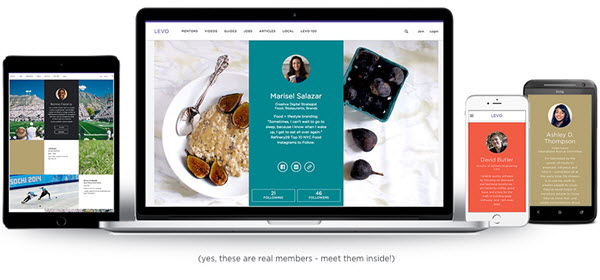
Levo is a career-oriented website for women. It provides professional mentorship and career guidance via articles and personality quizzes.
It also offers courses that can help women update their skill sets which can help them land better opportunities at work. It’s one of the must-follow websites for women looking for success in their career.
Women 2.0 is the largest online community for female technology leaders. It offers services and guidance that cover all aspects of the business, including hiring, investing and leadership.
It also organizes live events where female business owners can meet up, pitch investors and receive feedback for their next gig.
Feminism is a term and ideology that is no longer confined to academic institutions. It’s now widely talked about.
Everyday Feminism is one of the sites that promote feminism. With over 4.5 million monthly visitors from over 150 countries, this website is emerging as one of the leading voices on social disparity. It also offers courses on self-development and lessons on how to deal with sexism at work.
Daily Worth is a website that aims to empower women through financial independence. Its most impressive feat is removing confusing jargons from financial planning and investing.
People behind the site help women to plan their expenses, provide tips on savings and give out economical shopping advice. They do not simply impart financial literacy; they teach women how to be successful in several areas, like career, ambition, identity, relationships, and future security.
Food, travel, and entertainment are some of the topics you’ll find on this site. They are the same set of topics modern-day women should pursue wholeheartedly and should know more about.
The site organizes conferences for women and encourages local participation. It features a community advisory board to address concerns and questions raised by their female members.
Hello Giggles is the perfect place for women to unwind and have fun while keeping updated on latest news and trends. This is a humour-loving, fun community that aims to get rid of negativity.
Apart from providing fun little reads on celebs, style tips, makeup tutorials, fitness and relationship, the site also accepts contributions from readers. It is a platform that encourages writers and artists to create and share.
Women’s reproductive health is more complex than men’s. In addition to the complex hormones at work at the time of menstruation and pregnancy, there are other conditions and changes that are difficult to explain, especially to teenage girls entering a new phase of their lives.
Young Women’s Healthis a website put together by doctors and clinical experts to give pieces of advice to teenagers and young women about several health issues. The articles here provide up-to-date information on areas like sexual and mental health.
Additionally, girls can post questions anonymously on the site. They can expect to get an answer after a week.
We hope the above list of websites for women make a part of your search history and contribute to your knowledge. We expect them to enhance your skills and broaden your perspective on women’s issues.
Differentiating what one can change and what one cannot control in life can be invaluable for some people. As obvious as it sounds, there is no point in trying to change what is outside of one’s control.
However, that shouldn’t always be the case.
Although we can’t control everything, we still have the power to change how things can affect us. And it starts with changing perceptions.
Why We Should Do This
A full understanding of the things that are out of our control gives us a greater sense of power and authority over our own lives. Accepting our inability to influence many external events allows us to focus our time on the things we can change.
For example, we cannot change our past but we can certainly change our future by influencing the present. We always have the choice to focus on the parts of our lives that can make us happier. A lot of people fail to realize this and they get pushed to a series of disappointments trying to chase things outside their control.
Although there are things in our lives that we don’t have control over, we can always work on how we think of them. How we react to a situation is ultimately our choice. One can choose his own perception of a certain event.
Take, for example, traffic.
We can’t always control the traffic in front of us but we can choose how we’ll react to it. We can shout and argue or stay calm and collected.
“Reality doesn’t bite, rather our perception of reality bites” – Anthony J.D’Angelo
In essence, there are still some controllable aspects to the things we consider uncontrollable. Once you know what they are, you’ll have more power, freedom, and clarity.
We have our own mind and its power is endless. Our choices can never be taken away from us.
How You Can Start
You can start off by identifying which areas of your life are outside and inside of your control. By differentiating them, it will give you more clarity.
Once you know the things that you don’t have too much control over, examine your feelings about them. If you realize that you are unhappy, try to start changing perceptions. You’ll be surprised at how much it can improve your life.
A common example is the rain. We cannot change the weather; it is external to us. If it rains, we should let go of any negative emotion and simply accept that we cannot do anything about it. We can, however, change our perception of it. We can either complain and be miserable, or we can choose to be strong about it and see it in a positive manner. Rain today will allow us to appreciate sunny weather tomorrow. Also, rain in itself can be a pleasurable thing. There is no point building up negative energy within you for things which are not in your control.
The Benefits
1. We will live a happier life. Once we realize that most of the things that don’t make us happy are outside of our control, we can easily start changing perceptions.
For example, when we know that we can’t force certain people to agree with us all the time, we can accept that they won’t agree and therefore be at peace with it.
2. We will live a life feeling more powerful. Although we can’t win all battles, there are still things in our lives that can be controlled. We just have to realize that we have an advantage over them.
3. We will live a life with greater clarity and focus. The more we understand that it is our choices that shape us, we’ll be able to have a better understanding of the people around us.
4. It will motivate us. Because we now have a greater sense of control, we can start working harder towards the goals that truly matter to us.
We shouldn’t let outside events get in the way of pursuing our dreams. Instead, we should focus more on the things we have more control over, like changing perceptions and choices.
These tips will take time and effort before they can completely change your thought process. The positives, however, far outweigh the negatives of inaction so just keep trying.
Don’t try to change what you can’t control. Instead, start changing your perceptions and you can change your reality.
What do Mark Zuckerburg, Arianna Huffington, Jerry Seinfeld, and The Terminator have in common?
They’ve all been ridiculously successful by hacking their productivity, often in super simple ways. And they’ve all been generous enough to share their methods so that you can benefit, too. Inspired by CEOs, best-selling authors, and even comedians, we’ve collected a gigantic list of advice that can really make a difference.
It’s split into 7 sections. Motivation and Time Management need no explanation. The Productivity and Organisation tips are perfect for busy people. Focus and Success Attitude teach about mindset, and finally there’s a section we’ve dubbed ‘Uncommon Hacks’ – you might find them esoteric or odd, but they’ve been proven to work.
If you have employees, colleagues, or friends who need a boost in productivity and success, please share this post with them!
MOTIVATION
Be clear where you are going
Identify three things: a daily mantra, your short-term goal, and your long-term goal.
Visualize your dream as done and achieved
Visualize what you want to achieve before you sleep and as soon as you wake up. Consider it done and in the flesh. As you close your eyes, your visualization should be the strongest and most intense you can make it. Say it is a target profit from your business of $5,000. You should be able to see the money, feel the bills in your hand, and smell the scent of this money.
Print and pin up or use as wallpaper on your desktop or mobile
Create intermittent visual reminders during the day. Use it as your screensaver on your gadgets. Pin up a printed sheet on your workstation, your bathroom mirror, and refrigerator door.
There is no perfect time; only now
Waiting for the perfect time to start doing something is the perfect procrastination ploy. There is no perfect time. You will always feel quite sleepy, tired, full from a meal, or uncomfortable. Sit down and take that first step in your task.
Take ONE step
Whenever you get stuck, lost, or procrastinate big time, take one step. After you finish this one task, move on to the next step. Keep moving forward until you get in the flow and you find yourself completing your big task.
Reward yourself with power boosts
Rewarding yourself whenever you hit your short-term goals is no rocket science. Take it one step further by making sure that your rewards do not undermine your goals, and instead, contribute to them. For example, a huge tub of ice cream will just send you to a sugar crash. (More on this below)
Reward yourself instead with a healthy sushi meal, a new pair of running shoes, or an affordable massage cushion. Studies of massage therapy, for example, show an overall reduction in stress, anxiety, and heart rate. Now that’s a power boost!
Have a mentor
A good mentor will help keep you on track and keep you from making newbie mistakes. This saves you considerable time and energy that would otherwise just be wasted.
TIME MANAGEMENT
Schedule according to energy – not importance
Identify your golden time and do your hardest tasks during this time period. What is the time of day where your energy and focus is at its peak? Identify and line-up your most brain-intensive tasks for optimal productivity. You’ll enjoy your day better once your hardest tasks are out of the way.
Eat the frog first
Sounds gross! But, this only means doing the ugly, unpleasant things that you need to do first over the tasks you actually like to do but aren’t that high up in priority. Here’s how you should be prioritizing:
The things you don’t want to do, but need to do
The things you want to do, and actually need to do
The things you want to do, but don’t need to do
The things you don’t want to do and don’t need to do
Ditch youtube and the cat videos
Don’t kid yourself. That 10-minute Youtube break to clear your head won’t end at 10 minutes. This is me speaking from painful experience. I gave Rescue Time a whirl and I was shocked to realize how much time I actually was on YouTube. I’ve since replaced it with stretching, Donothingfor2minutes, or memorizing Japanese kanji.
Say NO
Being pressured to say yes to doing certain tasks derails you and keeps you from doing your own stuff. Have the confidence to say no when needed.
Do not snooze your alarm
When you wake up in the morning, don’t fall into the trap of snoozing your alarm repeatedly. It’s a bad start and will make you feel bad the rest of the day. Waking up early, on the other hand, has been proven to be a huge productivity and morale booster. Embrace the morning hours!
PRODUCTIVITY
Seinfeld’s don’t-break-the-chain method
Use a calendar system to keep yourself going on a certain habit. Jerry Seinfeld utilized a big wall calendar and a big red magic marker. For every day he wrote on his blog, he put a big red X.
“After a few days, you’ll have a chain. Just keep at it and the chain will grow longer every day. You’ll like seeing that chain, especially when you get a few weeks under your belt. Your only job next is to not break the chain.”
Pomodoro Technique
Using a timer (whether physical or digital), break down your work into intervals of 25 minutes or however long works best for you. In between would be short breaks. A successful chain of pomodoros result in longer breaks.
David Allen’s Two-Minute Rule
If a task can be done in two minutes, do it. Get it out of the way. This will keep small things from snowballing and nagging your mind. Says who? Says the best-selling author of Getting Things Done, that’s who.
Kill the Perfectionist — Productivity VS Perfectionism
Perfectionism at work can be dangerous. It keeps you too long at one task. Instead of trying to do one task to perfection, do more. For example, if you’re writing an article, trying to perfect the first few paragraphs will keep you from finishing. Write now, right later. (Wasn’t that clever?!)
Guido’s Airplane Days
Bryan Guido Hassan noticed that he got some of his best work done in airplanes. Airplane Days is blocking 1-2 days as if you were on a long intercontinental flight. Turn off distractions, restrict internet access, and go through your high-priority items. (See eating the frog)
Facebook’s No Meeting Wednesdays
Facebook has a loose rule wherein Wednesday is set aside so that their engineers could code. Similar to Airplane Days, set Wednesday (or whatever day makes sense) as a No Meeting Day so that employees can focus on their individual tasks all day.
Sunday Check-In
A lot of entrepreneurs and CEO’s check in on work for a brief time on Sundays. The key point is to check in briefly. This allows Mondays to be more manageable.
Ultradian Rhythms and taking breaks
Coined by psychophysiologist Peretz Lavie, ultradian rhythms refer to the natural rhythm that the body cycles through every 90-120 minutes daily. I’ll spare you the complex mumbo jumbo but the key takeaway is to concentrate when energy levels are high AND to rest when energy levels are depleted. Top-tier violinists, for example, practice for only 4.5 hours a day in 90-minute bursts.
FOCUS
Turn off notifications
Distractions cost you more lost time than you think. Turn off notifications for email, Facebook, Twitter, and other social media. Check these only at designated times.
Check email twice a day only
Keeping notifications on on your email client is a constant distraction as it breaks your focus on your current task. Check email twice a day only — once before lunch and once more before going off work.
Avoid meetings or set to 30 minutes only
Dragging meetings are huge time-wasters. Set the timer. Include only the people who really need to be there (and not just for FYI or for form).
Ignore your mind playing tricks
When you are trying to focus, your mind will remind you of laundry, undone dishes, corners that need cleaning, or paperwork that needs organizing. Ignore these distractions. Know that it’s your mind playing naughty tricks on you.
Use site blockers
If you know that certain sites make you waste too many precious hours (in my case, it’s YouTube), set up a site blocker. It will help police your bad habits.
Use earbuds or earphones at work
If you share your workspace with other people, earbuds are a good “I’m busy” sign. People are more likely to leave you alone this way.
Do not make eye contact
In the same vein, if you want to concentrate on the task at hand, do not make any eye contact with passing co-workers. Eye contact invites communication.
Smell lemons to wake up
Keep a lemon on hand at work. When you start feeling sleepy or losing focus, squeeze the lemon and smell. It should energize you. Studies show that smelling lemons increases mental stimulation. Other energizing scents are peppermint, rosemary, and eucalyptus (but lemon is my favorite!).
Stop multi-tasking
Multi-tasking is a myth. The brain can only attend to one item at a time. And if you think you’re successfully multi-tasking two tasks — driving and talking on the phone for example — then you’re mistaken. The brain is actually switching its focus from one task to the other thus there is no temporal overlap.
Instead of trying to do several work tasks at once, focus on one thing, and do them well by turns.
Have a focus song
Different people use different types of sound or music to put them in the zone. These include classical music, ambient music, white noise, or even binaural beats. The excerpt below is from one of our old articles and it influenced me to start using focus songs from that point onward.
“You’ve listened to the same song on repeat for almost two decades?!” I asked in disbelief. He just shrugged and said, “Man, I don’t even hear it anymore. I just immediately get in the zone.”
The author’s friend’s focus song happened to be Derek Webb’s “Down Around You”. I scouted around the net and for others, it’s Explosions in the Sky.
Have a cut-off time at night for work and phone
Not checking out after work-hours only sets you up for decreased productivity the next day. At the same time, the blue light from your phone results in insomnia for many people. Keep your phone (and other digital devices) a foot or more away from your head and bed.
Get off social media
If you’re on different platforms, choose only 1 or two at the most and ditch everything else. Checking and keeping up with social media can lead to much wasted time. Instead, hire a social media manager if you need it for your brand.
Set the intention
Before you do one task, set your intention. It’s like a prayer or a meditative state. Close your eyes briefly, focus your energy, and state your intention. For example, “I will finish this business brief today.” Apply this to especially challenging tasks that you have difficulty doing.
Be healthy
Poor health is one of the top causes of poor focus. All-nighters and excessive overtimes are not sustainable for you and your business. Sleep well, eat well, and exercise for consistent high performance. Margaret Heffernan notes that losing one night’s sleep is cognitively equivalent to being over the alcohol limit.
Still don’t believe us? Just ask Arianna Huffington who, while doing emails, passed out, fell, and woke up in a pool of blood, with a broken cheekbone and a cut over her eye. It was the “wake-up call that changed my life,” she says.
ORGANIZATION
Swap to-dos for scheduling
To-do lists can be depressing and set you up for failure instead especially if they are unrealistic for the time frame you set. Instead of daily to-do lists, schedule your tasks instead. I didn’t understand this until I started using the next tip on the list.
Let Google Calendar do all the reminding
If you’re an email rat, utilize Google Calendar. Set it up to remember everything you need to remember including your hourly tasks, if applicable.
Consolidate all your tools and apps
Running and managing too many productivity tools is ironically counter-productive. Pare it down to the core essentials that you need and stick to it. In my case, I currently have a Franz-Slack-Google calendar combo.
Get help and delegate
Don’t try to do everything. Don’t think you’re the only one who can do a certain task. Train the right people well. Let them do 1) shallow tasks or 2) jobs that fall under their specialization. For yourself, do the highest-level tasks that you are best at.
Keep your desk clear
A cluttered desk is a visual cue that brings on stress. Toss the old coffee cups and napkins, throw old paper into the recycle bin, and get your desk organized (but don’t make it an excuse not to work!).
Create process documents via Google Doc for teams
If you work with teams and there are too many working parts and procedures, create a process flow that everyone can access anytime. A Google Doc or spreadsheet is ideal for this. It can be shared, and a well-documented process flow sheet will keep questions, clarifications, and mistakes to the barest minimum.
Create YouTube videos for training
Training new personnel is very time-consuming. Create video tutorials using Snagit or other easy-to-use tools. Do a demo on your PC while explaining as you go. Snagit records your voice and screen as you go. Instant training material! Uploading to YouTube (and setting the privacy settings) helps make the material easily accessible too.
Batch similar tasks
To keep your brain from jumping from one type of task to another, do similar tasks in one go. It will make your day go smoother.
Jot down “forgettables”
Keep a paper and pen on your desk. There are times when we remember to do something but it’s not so urgent for us to break our focus on what we’re currently doing. For these cases, jot them down quickly on a piece of paper. This frees your memory for more important things but keeps you from dropping the ball on these tasks.
Use a password manager
Trying to remember a ton of passwords is too much work. Not only does it take up memory space in your brain, recovering a lost password is very time-consuming. Use Google’s New Smart Lock, 1Password, or LastPass.
Use Pocket to save videos and articles for later
We all come upon interesting stuff we want to read or watch. Rather than stop what you’re doing and breaking your flow, save these with a click using Pocket. Very handy!
Outsource
We all have tasks we hate. For me, it’s rote work. If you have nobody to delegate these tasks to, then outsource them instead. Outsourcing to the amazing workers at great prices is very cost-effective in the long run.
UNCOMMON HACKS
Turn up the heat
The body expends too much energy in keeping itself warm when the temp is too cold. Too-low temperatures make you unproductive. Make sure you have the right temperature in your work or home office. (The recommended temp for your thermostat is 70-77 degrees.)
And vice versa. If it is too warm and hot, you’re likely to feel lethargic. Get a cold shower or turn up the AC.
Stay away from sugar and avoid a sugar hangover
Chocolates, sweets, and other sugary foods can bring on a rush of energy and alertness. However, this is only momentary. When your sugar level spikes, a sugar crash or hangover is sure to follow. You’ll be paying back with subsequent lethargy and fogginess which can bring your productivity down the drain for the entire day.
Drink water
Working too long and staying focused for long periods can make you forget to drink water. Dehydration can make you sluggish and underproductive.
A confident stance has been shown to influence your mental and emotional well-being. Strike a power pose and bring your swag on. Come on. Try one now!
Hug your dog
Studies show that pets boost productivity and improve one’s mood. If you need to relax, instead of checking your Twitter or FB feed, gossipping with your colleague, or watching funny Youtube videos, hug your pet instead (if your dog is not averse to it, that is).
SUCCESS ATTITUDE
Relax
If you’re too fired up about being optimal and productive, it will stress you out and have the opposite effect. Relax. Find your composure. Enjoy each task. You will get more done this way.
Albert Einstein is the poster child for curiosity. Research shows that curious people are happier. They also achieve more and succeed more.
Be grateful
Have a grateful heart for every small or big thing. Be grateful for your breath, for your work, for your clients, for your colleagues, for all your blessings, and for moments of happiness during the day. Watch this amazing video for the gift of gratefulness.
Be unrelenting; power through failure
Don’t let instances of failure faze you. All successful people powered through their huge and repeated failures. As Arnold Schwarzenegger says, “That’s what most people lack, having the guts to go on and just say they’ll go through the pain no matter what happens.”
Productive people are successful people. They get their work done, make sure all necessary tasks are tended to and leave no loose ends. If you are a blogger, however, these things can be very hard to achieve.
When you’re a blogger, you’re your own boss. You decide what gets done and when so productivity should always be a high priority for you.
To help you achieve that, we’ve compiled some of the best blogging tips that can help you do more with your time.
Make A Plan
Making a plan for when you’re going to write articles, post them on your blog and social media and respond to and send emails can keep you organized and on track. A plan can help you decide what you need to do for the day and limit the time you’ll have to wonder about your next task.
Delegate Small Tasks to Freelancers
You don’t have to do everything by yourself even if you are the sole owner and operator of your blog. Small things, like formatting photos, creating logos and crafting theme designs, can be done by others.
This will save you time as well as increase the quality of your blog. There are several freelancing options and platforms that can meet your budget and needs.
The bookmark bar is a very useful tool that you may not even be aware of. If you haven’t used it yet, it’s a tool which you can use to save websites that you may frequently visit or need to access later.
You can quickly save a website by holding the control key and then pressing the ‘D’ button. Since you’ll no longer have to manually type the website or search for it, you’ll be able to save a good amount of time.
Utilize Time-Saving Plugins
If you have your own blog website, then this will be very useful to you.
Plugins can do a variety of things. They are like apps for your website which can save you time and a lot of hard work.
For example, Akismet is a common plugin that eliminates spam comments so you don’t have to delete them manually. There are also plugins that preserve your format, font, and layout when you want to publish a post.
However, some plugins, like Write!, have .html export options already built in. This way, you can make use of Write!’s special features without having to use plugin space. Keep this in mind as this is one of the most important blogging tips you can find.
Be Passionate About Your Topic
Finding your passion can be a bit difficult but it can help you complete any task. Hopefully, you have chosen a topic for your blog that you are very passionate about.
Some areas of blogging are really exhausting and frustrating. They can easily make you want to give up.
In order to stay on track and be productive, you should try to find something about these tasks that you enjoy. Being passionate about what you’re doing will motivate you to do your best and be at your most productive.
Are you constantly being asked the same few questions over and over by your visitors?
If so, then you should really consider writing up a FAQ page where you can answer the most common questions from your fans. It’s a more convenient approach since you won’t have to repeatedly answer the same questions.
It may seem like a tiny thing, but those minutes you’ll use answering their questions can easily add up. It’s time you could be spending writing, posting and marketing your blog.
Eliminate Unnecessary Distractions
This tip isn’t specific for blog productivity but can also be used for any task that requires focus.
If you want an easy, sure-fire way to increase your productivity, then get rid of all of the distractions in your blogging environment. This includes signing out of social media, turning your phone to silent, separating yourself from people that will distract you, and suppressing anything that may draw your focus from your current task.
Music may help you focus or draw your focus from your work. This will depend on your preference and what you’re working on.








 Sig Nordal