
Six Surprising Facts about Attraction

When you find people you feel you are attracted to, do you know what makes them attractive to you in the first place? Sure, they may have a certain personality or career qualities that pique your interest, but what about them is just so attractive?

Why is it that many people have a “type” of person they like to date? It’s highly likely that our feelings and thought processes in selecting a partner are inherent and may even be in our human biology which has evolved and adapted through thousands of years.

So, let’s take a look at these six facts regarding attraction—many of them of which may actually surprise you:

People tend to be attracted to those who look like them

Well now. This is a bit awkward. While this initially seems like a strange or uncomfortable idea, it actually has some form of scientific backing. A study conducted at St. Andrews University has found a direct correlation between facial similarity and attractiveness.

In this specific study, heterosexual men and women were provided photos of people and were asked to identify which people they were attracted to. One of the photos was actually a photo of themselves, photoshopped to look like the opposite sex. Overall, those who participated in this study selected the photoshopped photo of themselves as the most attractive. Strange, right?

This also supports the concept of people being attracted to individuals we see most often compared to others. So, perhaps it’s time you stopped looking at yourself in the mirror quite so much for fear of this slight chance of developing narcissistic tendencies. Thus, people find themselves more attracted to those they spend more time with and those they see frequently in their day-to-day lives.

The “pill” can affect levels of attraction

birth control pills

Yes, that’s right. One of the most common forms of birth control can actually affect attraction. There have been studies that have shown how women may be attracted to different “types” of men depending on where she is in her monthly cycle.

When birth control pills are added to the mix, you are adding different levels of hormones which can definitely have an effect on mood, health, and therefore attraction.

We are unconsciously attracted to people who are capable of reproducing

Men have been found to be more attracted to women when they are most fertile, and women are commonly more attracted to men who they feel would be a great father figure.

Biologically, humans are programmed to mate—when someone is able to identify, feel, or sense when someone is most fertile or even just knowing they can or want to reproduce, that person will find them more attractive.

This is not a conscious effort, but more of an internal, natural instinct that serves to ensure the ongoing survival of our species in the future.

See Also: 6 Ways On How To Attract Love In Your Life

Men are often more attracted to women wearing red

women wearing red

According to a 2008 study, red amplifies the attractiveness of a woman to a man. Some researches show a connection between women wearing red and the moments when women become naturally pink or flushed before or during sexual arousal.

Because of these correlations, it also would appear that women who are wearing red may have a better chance of getting asked out on a date. (Heck, even a second date!)

Men are truly more attracted to women with the hourglass shape

Because men are generally looking for women who are capable of reproducing (again, an internal drive to find a mate who you will reproduce with), they are looking for women with great reproductive capabilities.

They are not generally as fixated on a woman’s size. Rather, they are generally more attracted to someone with a 0.7 waist-to-hip ratio.

While men aren’t able to instantly measure that specific ratio with their naked eye in a split second, it stands that their eye will, by intuition, be most attracted to that figure. Men will subconsciously check for women capable of carrying his children.

We are generally attracted to people who remind us of our parents

It’s fairly common for people to say that a woman is looking for a man who reminds her of her father. This not a sexual thing; it’s more of finding someone who will have a positive role in their lives. The same goes for men looking for a woman who reminds them of their mother.

We are looking for a mate who is a positive role model, will take care of us, and has physical attributes we are familiar with.

At the end of the day, we are attracted to who those we are attracted to. We may know our “types” or what our “ideal” person should be, but there is actually a lot more happening under the surface dictating those feelings and decisions. Biologically, we are made to find someone to mate with and someone who will provide us with not only passion but security as well. We can give our brains a huge thanks for figuring out all of those details for us, and sadly, the rest of our person gets the not-so-easy job of going on a good date.

While the right personality, temperament, and partner-fit are probably the most important factors when it comes to successful long-term relationships, when it comes to attracting a partner in the first place, how we look plays a much bigger part.

See Also: 5 Ways To Create the Foundation of a Long Term Relationship


The post Six Surprising Facts about Attraction appeared first on Dumb Little Man.

http://ift.tt/2mUI2yV

How to Pick Best Villa Holidays for Families

When it comes to choosing accommodations, you want to make sure that you locate the best property for your family and budget. With some careful planning, you will be able to find the perfect place to make those memories that will last a lifetime.

Here’s how you can ensure the best villa holidays for families no matter where you choose to vacation.

Read about local safety

No matter if you prefer to find a place inside a city or one that’s a bit more remote, you will want to keep your family safe and happy while on holiday. Most cities or regions will publish past crime reports on the internet so you can research the quantity and types of crimes that occurred in the area in which you’re hoping to stay. That information might be scary to consider, but your knowledge will help you find a place where you can focus on fun instead of danger during your visit.

See Also: Strange International Laws Every Tourist Should Know 

Investigate the location

If you’re hoping for a beachfront villa, it will be a major disappointment to arrive at your holiday house to find your villa’s views obstructed by hotels. Avoid any surprises by pulling the address up on Google Maps and doing a quick walkthrough on Street View, noting what types of restaurants, traffic, and shops are in the immediate vicinity.

Map out nearby kid-friendly attractions

nearby playground

While on a family vacation, you’ll want to have plenty of options for your kids’ entertainment. Take note of which villas are close to the beach or the neighborhood pool and which will require you to haul a load of chairs and snacks to the beach every time want to play in the sand. See where the closest playground is to your villa, as this is always a great way to spend a leisurely afternoon.

It’s also helpful to see how far your holiday home is from indoor activities (like a movie theatre or indoor play park) in case one of your vacation days gets rained out.

Consider the number of bedrooms versus the number of kids

Depending on the ages of the children going on holiday with you, you might need to get separate rooms for them. Younger kids usually don’t mind sharing a room of bunk beds with other kids since they see it as an adventure.

Tweens and teens might need their own space, so consider allowing them to have their own rooms, or, if the budget won’t stretch to include that, allow your older children to share a room separate from any younger kids on the trip.

Ask about the amenities

private pool

Since this property will be your home away from home during your vacation, you’ll want to make sure it is as comfortable as possible. Ask your contact if there is an available villa with a private pool (which is always a hit when traveling with kids!) or enclosed yard so your kids can play safely.

You might also want to see if the villa comes with a grill for outdoor barbecues, linens and blankets (which will reduce the amount of luggage you’ll have to carry), and kitchen accessories. Other popular amenities include free Wifi, cable, and local telephone service.

Read previous reviews

When finding the best value villa holidays, you’ll need to find the perfect balance between reasonably priced accommodations and luxury amenities for a complete vacation experience. Make sure you’re getting exactly what you want by reading the honest reviews from previous visitors. See what they liked and disliked and if you can deal with any issues that came up.

Particularly note if there are multiple complaints about nearby construction, check-in or check-out, hidden fees, or uncleanliness of the property. If more than three or four people point out the same negatives, you’ll want to ask yourself if you can live with that issue during your stay.

See Also: Use Pinterest to Plan Your Next Vacation — Here’s How

Ask for additional photos

Choosing between luxury private villas can be a difficult decision especially if you’re planning to visit a location you’ve never visited before. If you are having trouble deciding if a property is right for you, reach out to the villa’s listing agent and ask if he or she can take or provide more recent photos for you. These updated pictures can help you see how the villa’s upkeep and decor has changed since the listing was first made.

Choose a family friendly floor plan

When you’re traveling with your family, you want plenty of space for everyone but you also want to be close enough to your kids if they need help. A floor plan with adjacent bedrooms can be quite helpful if your children are young and need reassurance during the night when they’re away from home.

Find out how baby and child friendly the villa is

If you’re traveling with smaller kids, it’s important to know what types of dangers you’ll be dealing with. If there is a pool, ask if there’s a safety fence around it. Ask the property manager if the house has baby-proof locks on doors and windows.

With these tips and advices, you should be able to find the best villa holidays for families wherever your destination. Have fun!


The post How to Pick Best Villa Holidays for Families appeared first on Dumb Little Man.

http://ift.tt/2lCzlIg

4 Things Tom Brady Can Teach You About Career Management

Tom Brady has created what is possibly the most successful career for any NFL quarterback, perhaps even in all the major sports. He continues to dominate the league as he nears 40 years old, and he cemented his legacy as the best quarterback ever with his Super Bowl 51 win. He now holds more Super Bowl wins than any other quarterback.

However, his ability to sustain peak performance condition while staying cool under pressure doesn’t happen by accident. His career management skills are worth an in-depth look.

Job seekers and professionals alike can learn a lot from Brady. His career management tactics can benefit anybody who wants to make the most out of their professional life.

Let’s take a look at how you can be the Tom Brady of your industry:

Stay Healthy

healthy diet

It’s no secret that Brady sticks to a strict set of rules for himself. Early last year, his private chef Allen Campbell told Boston.com about Brady’s strict diet. He eats 80 percent vegetables and 20 percent lean meats. Between that and his exercise routines that focus on muscle pliability, he has a very meticulous lifestyle.

When you prioritize your health, your sleep is better, you improve your mental health, and you experience more energy and alertness throughout the day — a clear advantage in your career.

Brady also ensures he gets quality sleep every night, and uses cognitive exercises to destimulate his brain when it’s time to go to sleep. You should also keep your mind healthy with meditation, mindfulness exercises, and visualization. This way, you think clearer and can manage your emotions and stress levels.

See Also: 5 Easy Healthy Habits You Can Start Straight Away

Be Grateful

A common word comes up when people talk about Tom Brady — humility. Despite so many successes in his career, he takes nothing for granted and focuses on bettering himself every day. It’d be easy to call it quits after winning four Super Bowl rings, but he stays focused on playing well into his 40s.

It’s important to stay grateful throughout your career. Just as Brady does, don’t underestimate the value of an opportunity — and that includes those opportunities to experience setbacks. Exercising gratitude helps you keep a healthy perspective on all your ups and downs.

In fact, gratitude can improve your health. A 2016 study published in Psychosomatic Medicine found that a gratitude journaling intervention improved biomarkers for patients with asymptomatic (Stage B) heart failure. Participants experienced less anxiety and depression, slept better, and even had lower levels of inflammation.

Maintain a gratitude journal throughout your career to stay focused on the positive things. For example, on those days that you feel like you fall short, instead of wallowing in self-pity and stressing yourself out, you can look at it in a healthier way. You can write about how grateful you are to yourself for trying your hardest and to your employer for giving you the opportunity to try.

Remain Calm

remain calm

Brady is an excellent pocket passer. When the defense breaks through the offensive line, he remains in the pocket instead of scrambling away in a panic and making a bad throw. He adapts quickly when the pressure is on and stays calm while he looks downfield for an open receiver.

He also stays focused on the bigger picture. During Super Bowl 51, despite being down 21-3 at the half, Brady led the Patriots to a stunning comeback. He got sacked five times, threw an interception that was taken back for a touchdown, and still stayed focused on taking the small steps necessary, every one of his 43 completions and 466 yards passing, to make the biggest comeback in Super Bowl history.

This level of calmness and confidence can be applied to your career management. Embrace major changes, like added responsibilities or new policies, as a way to expand your knowledge, and continue to focus on the bigger picture.

Remain open minded when facing these challenges, and understand that major setbacks play a part in a successful career. This way, you don’t scramble in a panic and miss out on a growth opportunity. After all, those setbacks, whether you’re throwing interceptions or losing a major client, are opportunities for you to learn and grow.

In fact, you should be proactive and seek out new opportunities to learn and grow. Challenge yourself to step out of your comfort zone to look for exciting challenges to overcome.

Show Creativity

The New England Patriots are notorious for running play-action passes. Brady will hike the ball, turn around and fake a hand-off to his running back. As the running back pushes forward into the defensive line, the defensive backfield will come forward to stop what they think is a run play. This gives receivers enough time to get open, and Brady will throw to them for a completion.

This creative play keeps the defense guessing. To succeed in your career, you should seek out ways to innovate and think differently about how you do things at work and with your team. Harness creativity in your line of work and show it off to current employers or prospective employers when you’re looking for a new job.

See Also: Top Tips On Training Your Brain To Be Creative

The 2015 Searching for Work in the Digital Era report by Pew Research Center found that 74 percent of 2,001 respondents said it would be easy to highlight all their employment skills using a personal website. Let’s say you’re passionate about graphic design and want to showcase your skills. A website or online portfolio is a great way to prove your design abilities and showcase your creativity. This way, when people ask to see your work, you can direct them to your online presence.

Career management involves planning and making deliberate choices about what kind of work fits you, how you want to achieve a comfortable work-life balance, and how you want to succeed at personal goals.

It all starts with a vision. Tom Brady envisioned playing a long, successful career in the NFL, and he continues to pursue that everyday. His dedication to his daily routines and career management tactics drove him to five Super Bowl rings, and his career, as he nears 40 years old, doesn’t have an end in sight. You need to commit to your goals, stick to your values, and always be aware of how your actions impact your career management.

How are you managing your career like Tom Brady?


The post 4 Things Tom Brady Can Teach You About Career Management appeared first on Dumb Little Man.

http://ift.tt/2mlBfS8

Is My Cat Going To Drive Me Crazy?

Studies have previously suggested a link between cat ownership and the development of neurological diseases such as schizophrenia. However, a new study published in Psychological Medicine by Francesca Solmi and colleagues at University College London failed to find such a link.

Why would researchers suspect such a link in the first place? This is because of a single-celled parasite called Toxoplasma gondii. Toxoplasma can infect any warm-blooded vertebrate, including people, but it only reproduces in the gut of feline species. When a cat becomes infected with the parasite, it excretes infectious oocysts into the litterbox or elsewhere in the environment for one to two weeks. A new host can acquire the infection through ingestion or inhalation of these oocysts.

Toxoplasma presents a clear danger to two primary groups: immune-compromised patients and unborn children. The latter is why doctors advise pregnant women to avoid changing the litterbox, to wear gloves and a mask while gardening, and to wash fruits and vegetables before eating. Importantly, Toxoplasma can also infect people who consume undercooked meat since the parasite can encyst in muscle tissues of infected animals.

wash fruits and vegetables

See Also: The Importance of Personal Hygiene for Healthy Living

Given these multiple routes of parasite transmission, it is no wonder that Toxoplasma has spread widely around the globe with an estimated one-third of the human population carrying this parasite. Despite its prevalence, most people have not heard of Toxoplasma because it rarely causes symptomatic disease.

However, reports have surfaced over the last fifteen years that Toxoplasma infection may be producing neurological changes in people. Taking up residence as tissue cysts in the brain, heart, and skeletal muscle, the parasites are never eradicated from the body. Given the parasite’s predilection for the brain, it is tempting to speculate that neurological problems may ensue.

Well-documented studies do indeed show that Toxoplasma causes mice and rats to lose their fear of cat urine. That seems like an oddly specific behavioral change until you recall that the cat is where the parasite completes the sexual stage of its life cycle.

Since 2001, Robert Yolken and E. Fuller Torrey at Johns Hopkins have published many correlative studies showing a link between Toxoplasma infection and schizophrenia. Other neurological problems have also been linked to Toxoplasma infection, as have personality changes.

cat ownership

Since cats are the definitive host and one means of parasite transmission, investigators have been trying to find a link between cat ownership and the development of psychotic symptoms. Yolken and Torrey have published studies suggesting a correlation, but the latest study by Solmi and colleagues contradicts these data.

There are important differences in study design that may account for the discrepancy. The newer study by Solmi’s group used a much larger sample size (nearly 5,000 individuals) than previous studies, and accounted for several confounding variables that could have been misconstrued as a link between cat ownership and neurological disorders. The current study also followed individuals in real-time since the 1990s; previous studies have been retrospective, which relies on the participant’s recollection of the past.

It should also be noted that the current study tracked individuals up to eighteen years for psychotic experiences, which are typically predictive of schizophrenia later in life. Previous studies supporting a link were based on a clinical diagnosis of schizophrenia.

None of these studies address whether Toxoplasma actually causes neurological issues in people. This is still an outstanding question that deserves further research. It is estimated that 60 million people in the US are infected with the parasite yet 3.5 million people in the US are schizophrenic. If Toxoplasma is involved with schizophrenia, there must be another factor at play in this relatively small subset of patients.

To date, there is insufficient evidence to declare pet cats to be a cause of mental health problems. Nevertheless, simple precautions can be taken to safeguard you and your cat from getting infected with Toxoplasma. Keep your cat indoors. Do not feed your cat raw or undercooked meat. Finally, clean the litterbox promptly, as it takes a day for the oocysts to mature into an infectious state.


The post Is My Cat Going To Drive Me Crazy? appeared first on Dumb Little Man.

http://ift.tt/2likxTP

How to Find your Buoy of Safety When You are Drowning in Fear

Have you ever been gripped by paralyzing anxiety? Are you having difficulty overcoming fear?

What I Learned from Panic and Fear

My daughter and I celebrated her high school graduation with a vacation in my home state of Hawaii. To make it extra special, we purchased a zodiac/boat excursion on Kauai to go snorkeling offshore.

The zodiac raft raced us through the azure blue waters with dolphins playfully jumping alongside. We breathed in the salty fresh air and relished the sun’s warmth on our skin.

Once we joined the main boat, we were quickly outfitted with our snorkel gear sans life jacket or float, and jumped in. Not for a moment did I have any hint that I would soon have one of the worst experiences of my life.

We swam in the beautiful waters, floated on the gentle waves, catching glimpses of fish below us. About thirty feet from the boat, I suddenly stopped, panic-stricken. I was sure I was going to drown.

I had passed compulsory swimming classes in grade school, high school, and college. While snorkeling, there was no reason to think I’d drown but fear was immediate.

With a fragile control of my panic, my numb brain reasoned I could swim to the boat if I kept moving slowly toward it, one stroke at a time.

Eventually, I made it back to the boat’s safety, and collapsed onboard, sick to my stomach.

What I Learned about Fear that Day

In my complete panic, I thought I was going to die. Yes, unreasonable—but that thought totally gripped me.

In those moments, I barely hung on to my mind. Thanksfully, lifelong patterns kicked in.

There were others around me. Had I yelled “Help,” I would have been rescued. But my tendency to push down emotions, even strong ones, prevailed, and I couldn’t voice my distress.

Moreover, my early adopted strategy of being self-reliant was so powerful, the thought never occurred to me to ask for help. It was up to me to save myself.

Fear in its primal state reduces us to survival mode because we believe we’re going to die. When fears are the basis for our lives, our choices become limited.

It’s essential to look to see how fear may be running your life, hidden from your awareness.

What Happens When Fear is a Stranger

I’m not a fearful person. Yet when fear arises, it’s extreme and manifests as panic. It’s like someone who represses anger, and out of nowhere rage explodes.

facing fear

The other incident of panic came when I was biking recently. We never learned to ride bikes when we were kids. Consequently, my sisters and I are “dangerous” to self and others when we attempt to ride. But, I decided I was going to become comfortable on a bike.

At the end of my ride, I approached the sidewalk and garage too quickly. When I realized I wasn’t going to turn in time, I panicked, lost grip of the handlebars, hit the garage, and fell to the ground.

Again, extreme fear disabled my mind and my control. But I learned more.

Fears Reveal our Vulnerability

Had I shouted out for help when I believed I was drowning, I would have exposed my helplessness and raw panic to anyone near me. But I was “programmed” to hide such vulnerability–even at the possible cost of my life.

Like many of you, I can hide my vulnerability very well, even from myself.

After all, we are brought up to behave as if raw feelings don’t exist.

What are Our Common Fears?

Fear of failure? Fear of success?

In my view the most common fear is the fear of change.

When people report seeing patterns in their lives, how they
• end up fighting about the same things at every family gathering;
• work in jobs that they hate;
• stay in marriages that are making two people and children miserable
–they cope rather than change.

How about you?

When you decide to make a change, you face an unknown future. The unfamiliar can be uncomfortable.

When you see yourself refusing to make changes to end your suffering, you probably fear change.

These fears may not seem like the same fear I felt when I was headed for the garage door or desperately getting to the boat.

Yet it’s the hidden and powerful fear that runs your life.

See Also: “Feararchy” – The Hierarchy of Fear

What Our Fears Tell Us

When you think of your fears, doesn’t it come down to this? You fear for your safety, a basic survival issue. You believe, I am not safe.

Unfortunately, you may not discover this because you focus on fleeing from this disturbing uncomfortable feeling.

You rarely understand that a personal survival sense of safety is involved when you consider any change.

What You do to Keep Yourself Safe

When you’ve done the conventional things to make yourself feel safe–obtained your education, career, friends and perhaps a family, safety isn’t usually seen as an issue.

But when you don’t have them, you think: I need
• a relationship,
• a better career,
• more money, or
• better friends

You think personal security or safety comes from having certain things in life.

You don’t get to “I feel unsafe.”

Yet any change ultimately stirs issues about safety and survival. You hang on to lifelong beliefs, patterns, and strategies tenaciously, as if survival was at stake.

Your History has Given you Reason to Feel Unsafe

Many of you know your own history of family drama, fighting, illness in the family, accidents, losses, abandonment, betrayal, or abuse that are your reasons for feeling unsafe.

Basic trust was broken when you were young and wounded by neglect. You were alone and needed to feel safe.

If you can imagine a young version of yourself being hurt, feeling lost and desperate, you will sense the instinct to survive rising in response to the fear of dying.

That powerful fear is the driver behind everything you do to survive and make yourself feel safe.

Honor and appreciate it for what it is.

It’s the spirit that kept me swimming to the boat; the spirit behind my decision as a senior to learn to ride a bike.

Crashing and falling to the ground taught me I wasn’t going to die. It was so freeing; I laughed as I picked myself up off the ground.

How Can you Deal Effectively with Fear?

You can lose any one of the basic things in life that you gather to make yourself feel secure–family, friends, partners, money, reputation, or your health at any time.

It’s foolish to rely on external sources for the deep sense of safety you need.

Yet how do we build an internal sense of safety?

Go to the Source for the Truth, Where the Fear Originated

The source of the truth is in the young heart that first experienced the fear. There was no logic or language then, just the instinctive response to hold that fear secret, deep in the heart.

When you can go to this source of your need to feel safe, you can transform the fear.

Your intention takes you there. You don’t need any language. You are there to provide a corrective experience—to make a compassionate connection with the part of you that felt lost, alone, abandoned, and afraid.

A heart-to-heart connection restores trust and a sense of safety. You can be reassuring in your stance–you, the adult, knows with certainty that all the fears, especially the fear of annihilation or death, are not true.

See Also: 5 Tips to Eliminate Fear From Your Life

Other Ways to Have a Sense of Safety

sense of safety

When I see beauty in Nature — flowers, birds, waterfalls, mountains, canyons, meadows—and get absorbed by the beauty of what I see, I forget the fearful me, and I feel safe.
When I appreciate the gifts and full presence of an artist or musician or performer, I forget the small me — safety is no longer an issue.
When I am grateful for what I usually take for granted — the sun that nourishes all life on earth, and the Earth for the oxygen and plants that support our lives–I know I will always have this support and caring.
When I know the space and peace of meditation, I experience myself as something other than the usual me, that has no judgment about death.
The more I connect with Oneness in others and in Nature, there is a sustaining sense of safety.

When We Live through a fear, What Happens?

It was a delightful and relieving experience to read what Malcolm Gladwell wrote about the German plan to demoralize Londoners with the continuous bombing during World War II. The opposite result was a surprise.

When Londoners survived the bombing—living through their worst fears and still being alive, they were invigorated and unstoppable.

Having a fear and moving forward anyway, and learning that the fears were worse than any imagined outcome, is liberating.

Know the Power of Fear and Freedom from Fear

Choose to ride a bike when you’re afraid, panic and fall, to learn that you don’t die.
Choose to make changes because avoiding changes makes life stale or distressing.
Choose to move ahead and risk making mistakes.
Choose to let go of the familiar, to choose what is different, new, and unknown.
Choose to move through fear to learn what lies beyond.

Then you will know freedom, aliveness, and your best dreams realized.

“Too many of us are not living our dreams because we are living our fears.” Les Brown

The post How to Find your Buoy of Safety When You are Drowning in Fear appeared first on Dumb Little Man.

http://ift.tt/2lD7HMa

Living After The Death Of A loved One

I’ve been thinking about death.

My Dad died last year. Diagnosis to death in 5 weeks. A sharp 3-week decline and a 2-week hospital stay. A surgery that was never finished. Cancer had its day.

My friend is fighting off death, just. The big C again. It gets a lot of us. The NHS washed their hands off him. But in his words, “I am not a willing candidate to die.” He’s found advanced treatment in Germany at a cost of £150k.

We’re trying to raise money for him now.

So naturally, death is on my mind. In fact, since my Dad died, I don’t think it’s ever left. Grim has been hanging around, trying to entice me into his home, wanting to add another one to his ledger. He’s wasting his time.

I wish I could say it’s transformed me. That the smell of death has been a timely reminder that life is for a brief sneeze of time. That every second is precious. That life should be seized.

It has, kind of. Lately, it’s sent me to the recesses of my mind to the primeval dwellings where loss, pain and love reside. Like an indefinite Airbnb stay, I’ve been hanging out here.

death hit by a train

And I think loss does that to you. I think it’s like being hit by a train, but not realising you’ve been hit until you wake up from the coma you’ve been in for the last 6 months. And then you hurt. Basic function for 6 months, just about connecting with reality, and then massive constant pain.

The sort of pain that induces lethargy in the day but keeps you up all night. The sort of pain that makes you relive conversations and edit them for better outcomes. The sort of pain that blunts your reality, right here, right now.

And, like climbing out of quicksand, dealing with it can be hard. The first step is to acknowledge you’re in quicksand. Acknowledge the emotional pain you’re in, and then be still until you understand what that means. Only then can you begin to deal with it.

I’m writing this to say that struggling to deal with loss is okay. That you are not alone. That, you are suffering along a journey that millions of others before you have dealt with, and you can take comfort from that. They got through it, and so can you.

It’s hard, yes. If you acknowledge that, instead of carrying it with you, it gets easier. Realise that you’re human, that it’s okay to hurt, and that even the tiniest pitter patter of steps forward is progress.

In fact, largely, you soon realise that dealing with loss is hard, not just because of the loss itself, but because of the expectation you place on yourself that you should be fine about it.

“Just get on with it.” “You’ve got to keep living.” And so on. You find yourself comparing daily to the imaginary measuring stick you’ve set for yourself. “I should be doing better by now.” Like we do with our careers, or comparing with our friends. But worse, because this is pure loss.

So you’ve got to get rid of that measuring stick, and realise that it will take as long as it takes. Sure, there are ways to deal with it better, but time is the ultimate judge.

In fact, some loss never leaves us, and that’s okay. Do I think my Mum will ever fully heal from losing my Dad? No, because it was a 48-year old love. A deep-rooted, soulful kind of love. And the loss of that is the reminder of the love that was there. And so it can’t fully heal because of how deeply they loved each other.

coping with loss

And that’s fine. Because we can take that loss and use it daily as a reminder of how capable of love we are. We can say, “Today I hurt from loss, and I am going out into the world and expressing love. In my interactions, in my relationships, in my career.

Sharing is also liberating. Talking to others, sharing your pain. It gives the other person the chance to express their love and it helps to fill your empty cup. It creates new connections and new possibilities.

See Also: How To Get Back a Normal Life After a Loss

My friend who is battling death is a wonderful example. Stoic-like, he says to me, “I can acknowledge this is what happened (getting ill). Then I have two choices. I can either let the pain I feel own me and overwhelm me, and I’ll die. Or I can use it, acknowledge it, and solve the problem in front of me (getting better).”

So dealing with pain means acknowledging pain and going into the world anyway. It’s not pretending it doesn’t exist. That’s the same as being shaped by it. Instead, it’s saying, “Hello pain, hello loss, I see you,” and then getting from your day anyway.

See Also: 8 Tips for Coping with Pet Loss


The post Living After The Death Of A loved One appeared first on Dumb Little Man.
http://ift.tt/2lXesLg

How To Get The Best Deal From Your Local Used Cars Dealership

Do you need tips on how to buy used cars? Do you want to buy used cars from Pueblo Co or some other state or area?

If you think buying used cars is easy- think again. Even the most experienced car shopper can feel intimidated about making a deal once in a while. Apart from hidden mechanical problems, there’s title-washing and price-gouging that can take the deal off of the favor of the consumer.

Should you buy online or local?

The only time you should consider buying online is if there is NO reputable used car dealership near you. This is after you’ve asked your relatives, friends, and colleagues at work for their recommendations.

You can also turn to Google for help. I live in Colorado so when I was doing my research, I googled for “used cars pueblo co“. Just change the area to the place where you live and you’re sure to get hits. You can try these search terms:

  • used cars + your area/state
  • used cars for sale in + your area/state

If you come across a local dealership with good online or friend reviews, choose buying from your local dealership. Just like buying any personal item — like clothes or shoes — it’s difficult to make purchases without seeing your choices in person and taking them for a test drive. And with a sizable amount of money at stake, it’s important not to suffer later on from buyer’s regret.

Tips and tricks for buying a used car

Be one step ahead

When negotiating, dealers often take the reign. You’ll immediately be asked what kind of car you are looking for, how much your budget is, and when you are likely to seal the deal. Answering these questions right away won’t put things in your favor.

Instead of divulging all this information, keep things to yourself and look around first. Know as much information as you can about the cars available like weak points, price, and typical cost of repair. The more research and groundwork you do, the less likely you’ll buy on impulse.

Request for the car’s service records

Once you’ve narrowed down your choices, it’s time to ask for service records. The availability of a car’s service records is an indication of how well the vehicle is maintained. These records can give you an idea of its past problems and repairs done. They can also let you see the history of the car.

This is an essential step since not all dealers are transparent enough to let buyers see the faults in their vehicles. Keep in mind, however, that missing service records don’t readily mean problems.

Check for the car’s safety tests and VIN

Apart from repairs and mechanical issues, it’s also a good idea to check for the car’s records regarding state safety and emission tests. These tests are mandated by the state law so make sure to double check.

Checking the car’s Vehicle Identification Number (VIN), on the other hand, can give you reports regarding title problems, accidents as well as ownership. Such details can help you make your final decision. You can find a car’s VIN stamped on its plate.

Do your research before going to the dealership

car research

The first step in negotiating for a used car is to know how much others are willing to pay for it. There are tools or forums you can find online that can give you an idea of how much a car is worth in different conditions. Once you have an idea, you can start setting your floor and ceiling rates.

Your floor rate should be 5 to 10% lower than the average selling value of the car. The ceiling rate, on the other hand, is the highest price you are willing to pay to get the car.

See Also: 15 Questions to Ask When Buying a Used Car

Bring a professional like a mechanic you trust

bring a mechanic

Before setting your heart on any particular car, make sure to bring a trusted mechanic with you, or a friend who is crazy knowledgable about cars. In this situation, it pays to have an expert opinion. You won’t only be inspecting your potential purchase, you’ll also find out if your dealers are trustworty and reliable.

See Also: How to Find a Good Mechanic in the Age of Social Media

Be alert when the sales dude starts talking monthly payments

There are a handful of things dealers can do to make sure you let go of the limits you’ve set. They can ask you how much you are willing to pay per month as well as your maximum spending limit. These things are actually in their favor, since these information can help them conceal the bottom line price of the car. Answering these questions can make you end up paying more.

Be firm with your budget

Present the dealer with your floor rate. Explain politely that you know the actual cost of the car since you did your research and met with several dealers already. Say that you won’t be signing any papers until your figures are met.

To get the best deal, you have to wear them down and be firm with your budget. At times, one of the best ways to win a negotiation is not to negotiate at all.

Get a breakdown

On top of asking for the car’s bottom price, you also need to ask for its breakdown to see what you’ll actually be paying. When buying used cars, you should expect to pay for certain fees, like registration and tax. If there is something you can’t understand in their list, don’t be afraid to ask and clarify.

Do an actual test drive

To know if a car is really for you, take it out for a test drive. It’s also a good way to check if the dealer is really telling the truth regarding the car’s condition. Apart from that, test-driving the car gives you enough time to actually focus on it.

When test driving, pay attention to as many details as you can. Dealers aren’t likely to repair any damage or issues in the car if they can’t easily be seen, especially problems underneath the car and under the hood.

To start, check if the car is easy to get in and out from without hitting your head. Make sure there’s enough headroom and legroom so you can be as comfortable as possible when driving. Take note of the seats, too. See if they can provide enough support for your back and if they can easily be adjusted.

Use your nose when test driving. You shouldn’t be able to smell gas or burning oil. There also shouldn’t be any problematic noises. Test the headlights, brake lights and turn indicators to see if they work. The brakes should be fully functional and not squeaking every time you use them. Double check the heater and air conditioning, too.

In case you still aren’t convinced, you can always consider having the car checked by a good used car inspection service, especially if you weren’t able to bring in a mechanic with you in the beginning. It can cost you an extra fee but it can alert you of problems most untrained eyes can’t see. You can consider it as part of your investment.

For first time buyers of used cars, Pueblo Co has several accredited auto maintenance and repair shops that offer thorough assessment services. You won’t have a hard time finding one that can help you check and double check the car you’re aiming for. See if your local dealership offers the same service.

Good luck and we hope you find a gem!


The post How To Get The Best Deal From Your Local Used Cars Dealership appeared first on Dumb Little Man.

http://ift.tt/2ls9SS4

7 Ways to Live Within Your Means

Financial gurus often talk about living within your means. You hear it all the time but do you know what it truly means? Have you figured out how to do this?

This advice is all about spending less than what you receive. Another way to put it is to cut back and that sounds no fun at all. However, it is necessary if you find yourself struggling financially.

For the majority, this can be hard to achieve and definitely easier said than done. It is a struggle to battle out bills, rent, food, social life, and maybe travel expenses too. Aside from this, there are credit cards and loans that could tempt us. Unfortunately, this lifestyle is not possible with a limited salary. There are also reckless spending that could catch up and wreck your bank account. This oftentimes causes great stress. It is essential to make important changes to avoid financial ruin.

The question is, is there a way to achieve this without actually changing your lifestyle. Is saving synonymous to sacrifice?

Rather than giving up, there are some tips you might want to take into consideration, although these might require a few sacrifices too.

• Learn how to cook

learn how to cook

Bringing a home-cooked lunch and even some snacks to work can help reduce your food expenses, especially if you tend to splurge on overpriced meals. Just think of how much you could save during the week if you bring your own food!

What’s more is that the food make can be cheaper and healthier if you make it yourself. So from now on, learn to cook even just the simplest of dishes to have more spending money for the weekends and be healthier as well.

• Create a budget

One way to control how much you spend is setting a budget and sticking to it, all while putting your savings to the side. Opening a separate savings account can very much help you, as you won’t be tempted to spend it.

See Also: 5 Powerful Hacks To Help You Simplify Your Budget

• Download saving apps

This is probably the easiest way to save since you’re just on your phone. With several apps to choose from, you’ll certainly find one that suits your needs.

Aside from tracking your usual expenses, at the end of the month, you can see how much you’ve spent in the past week or month. You can also see where you spend too much, allowing you to see where you can cut down your expenses.

• Avoid splurging

Before buying something, you might want to think about it thoroughly first. Ask yourself, “Do I need it?” “What will I use it for?” “When will I use it?” “Do I have something similar at home?”

Meanwhile, despite the notion that you get what you pay for, there are actually cheap items that are also quality goods. So if you really want to buy something, take a look around for the lowest price or try your best to find promos. These will definitely help you avoid spending more money than you really should.

See Also: 7 Steps To Slow Your Financial Burn Rate

• Review recurring expenses

Take time to sit down and review monthly bills and financial obligations. Check the ones that can be negotiated for better rates. Even insurances are reassessed yearly. Do research ahead of time.

• Utilize financial tools

Aside from apps, there are tools that you can use to find discounts and promo codes. There are best deals available in the market for your disposal.

• Consider doing some DIY projects

painting own nails

Choose DIY projects that can help you save money and those that are within your skill level. This includes painting your own nails, making your own cleaning solutions, and growing your herbs and vegetables.

Saving money and trying to live off of what you have can be extremely hard and would take a lot of self-control. So, just try your best to follow these tips and who knows, everything just might work out.


The post 7 Ways to Live Within Your Means appeared first on Dumb Little Man.

http://ift.tt/2mFGUjg

Why Criticizing Others Won’t Get Them to Change … and What Will!

When someone in your life behaves in a way that is off-putting or upsetting to you — maybe they cross one of your boundaries, or perhaps they just do something that is not cool with you, maybe even repeatedly, and you finally get fed up with it — how do you handle the situation?

How do you confront them about their undesirable behavior, or perhaps their lack of desirable behavior?

You want them to change, right?

But is your approach really working to bring about that change?

If you’re like many people, the approach you may very well take is to criticize them and find fault with their behavior. This often takes the form of “You never […]” or “You always […]” — then insert the behavior in question.

But have you ever stopped to consider the reasoning behind criticizing others, hoping it will change their behavior?

If you investigate it, the common thought process is this:

“If I just make this person aware of their behavior by pointing it out to them and how off-putting it is, it should be reason enough for them to change it.”

Sounds logical enough, doesn’t it?

But does it actually work?

When you criticize people and find fault with their behavior, do they end up changing?

I’m willing to bet the answer is: No way!

What usually ends up happening?

Don’t they generally just dig in their heels and become defensive and argumentative?

They either start trying to weasel their way out of the situation by making excuses for themselves and the way they act, or they attempt to justify their behavior by giving you reasons for why they act the way they do.

And in other cases, they may even turn the situation around on you and start criticizing you in return. They may retaliate and start picking out your own faults and flaws.

Now instead of getting them to change, the only thing that’s accomplished is a heated argument, where nothing comes of it but hostility and resentment.

So what’s the solution to this problem?

And how do we get others to change?

The first thing you need to realize is that finding fault with others and criticizing their behavior doesn’t work to bring about change in other people. In fact, it only brings out the worst in them. It only leads to them feeling like they’re under attack.

And how do we respond when we’re under attack?

We either try to defend ourselves, or we fight back

defensive argument

And in that, the whole aim or purpose of our initial actions and the results we hope to achieve (to get the other person to change their behavior because it wreaks some form of hardship on us) get lost along the way. They get pushed to the side and instead, the interaction takes on a complete tangent in the form of an argument, where nothing but animosity and strife are the result.

Then we may get angry and bitter because the person can’t see the error of their ways, even though we’ve so accurately pointed them out to them. And then when the argument is over, likely unresolved and filled with bitterness and resentment, perhaps we go and complain and gossip to our friends about how the person just can’t see and doesn’t understand how their behavior negatively affects us.

See Also: The Best Way to Win an Argument

We blame them for being the problem

blaming others

But what if the problem isn’t really with them? What if the real problem is the approach we took in confronting the situation? What if fault finding and criticizing just doesn’t work to bring about changes in others as it relates to us?

If so, what is the real solution?

How do we truly create change in others’ behavior?

The secret is to separate the behavior in question from the person’s sense of identity.

What do I mean by that?

Instead of criticizing someone’s behavior, making them feel like they’re under attack (which will generally only make them defensive and argumentative), we have to go under their radar and prevent their ego from getting involved in the conversation.

This is done by telling the person how their behavior (or lack of it) make you feel. Instead of placing the focus on them by putting them down, focus on your feelings.

Simply use a statement like this:

“When you […], I feel […].”

For example, instead of saying, “You always come so home so late! What’s the matter with you?” — which will probably just lead to a full-blown argument — simply say, “When you come home so late, I feel worried.”

This prevents you from putting a laser focus on them, which will prevent them from getting defensive and argumentative. Instead, it puts the focus on your feelings about their behavior. And because you haven’t involved their ego in the confrontation, they will be open to listening to you and understanding where you’re coming from.

Because it’s about you and not them, they won’t throw up their barriers as in the case of criticizing and fault finding.

Then the next step is follow-up with a “Would you […]?” question.

For example, “Would you please call if you know you’re going to be coming home late to let me know?”

Here, you’re not demanding anything of them. You’re approaching the subject in a civil way. You’re asking them for permission, in a sense. You’re asking for their consent in the matter.

You’re giving them the choice, and that always leads to more positive results.

If you take this approach instead of criticizing someone and finding fault with them, hoping it will change their behavior, you’re almost sure to find it’s a method that actually produces the results you want.

Remember:

“When you […], I feel […].”

Followed by:

“Would you […]?”

That’s it.

Remember those words the next time you feel like criticizing someone who behaviors in a way that is undesirable to you and you want them to change, and you’ll find it’s the difference between an argument where nothing but an argument is the result, and creating real, positive change in others.

See Also: The Call for Change: Time to Step Out of the Comfort Zone


The post Why Criticizing Others Won’t Get Them to Change … and What Will! appeared first on Dumb Little Man.

http://ift.tt/2mdwp9C

Have a Child with Skin Sensitivities? Here’s How to Deal with it

To provide the best for a baby, parents make sure that the child is always cared for and nurtured in the best possible way in a secure environment. However, when their child is affected by any kind of disease, then the parents’ role becomes even more crucial. They are then required to put more effort in caring for their children which makes parenting a job harder than it already is.

Different allergies can make the child’s and parents’ lives problematic just as much as a fever or a disease. The sensitivity or allergy can range from a red rash, dry skin, red skin, rubbery patches on the skin and itchy skin. These complications arise due to different conditions but can be treated with care and caution.

Here are certain guidelines to help you deal with your children’s allergies.

Clothing Items

clothing tags

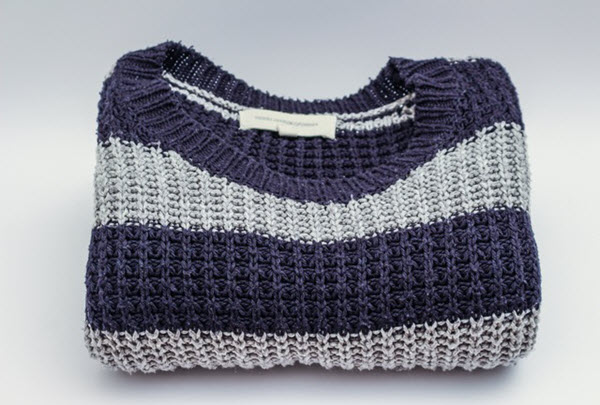
Some clothing items or fabrics with embroidered characters can be a reason for itchiness and rash on the skin. Several tags can also produce itchiness and make the kid irritable if the tag is touching the kid’s skin directly. Elastic bands that are exposed on trousers for kids can also produce rashes and have an itchy effect after being relieved of the elastic garment.

When shopping for your child’s clothes, run your hand through the article of clothing before purchase. If it feels slightly irritable then refrain from buying it.

Remember, all kids’ skins are softer than adults therefore making your child more inclined to having skin irritation. Also, opt for softer clothes that are light and don’t stick to the body too much. If the kid has an elder sibling, then use hand-me-downs as they are softer in comparison due to numerous washings.

Shoes and Outdoor Activity

Outdoor activities are great for kids with sensitivity problems. Camping outdoors, cycling, playing in the local park are few of the many activities that your kids can do to keep them occupied outside.

A kid boxed up in the house is likelier to worsen in condition if he is not exposed to the sun and natural environment too often. Sweat can also be a factor to irritation and itchiness so children are best dressed up in loose clothing and strappy footwear instead of enclosed ones.

Playing outside with sandals or slippers is a much better decision than having your children wear shoes all the time. This way, kids can take them off anytime they feel uncomfortable. There are also no shoelaces that need tying all the time and feet can get sweaty and grow at a healthy pace.

See Also: Five Clever Tips for Stress-Free Family Camping

Detergents, Lotions, and Soaps:

Personal care and cleaning products such as soaps, lotions, and detergents contain chemicals. These chemicals can be harmful to a kid with sensitive skin. They could be even more harmful if a child has an exposed wound or rashes. It worsens the condition and can produce a more complicated wound or sensitivity.

To minimize the effect, keep track of the product that you buy and use products that are made from organic materials rather than using products made from chemicals. Fragrance-free products also have minimal skin sensitivity effects and are better than their fragrant counterparts.

Food Allergies

food allergies

Allergies related to food can also be the cause of some serious skin problems for the kids. It is always favorable to switch to foods that are organic as opposed to chemically treated inorganic foods.

Similar to personal care and cleaning products, the chemicals in foods are known to cause skin-related problems. Design your grocery list in a way that caters to your child’s nutrition just as well as it caters to your child’s allergies. If the problem persists even with your changes in the kid’s diet, then consult a pediatric dietitian. They can pinpoint the food that is causing the allergy and making your kid’s skin sensitive.

See Also: Shifting Your Family To The “Real Food” Diet 

Vitamins

Vitamins are a huge source of nutrition and can be helpful in the proper nourishment of the kids. The lack of these vitamins can be devastating for a child’s health. Health-related problems can also lead up to skin sensitivity. These problems can be avoided by simply keeping track of your kids’ vitamins intake. Your pediatrician can help guide you in making sure that your child’s nutritional needs are being met.

It is always a good idea to listen to your kid if they are telling you about a certain rash, patchiness or dryness in their skin. It will be beneficial for you and your kid to tackle the problem in its earlier stage instead of having the condition worsen over time and causing the child suffering.


The post Have a Child with Skin Sensitivities? Here’s How to Deal with it appeared first on Dumb Little Man.

http://ift.tt/2lWfFBa