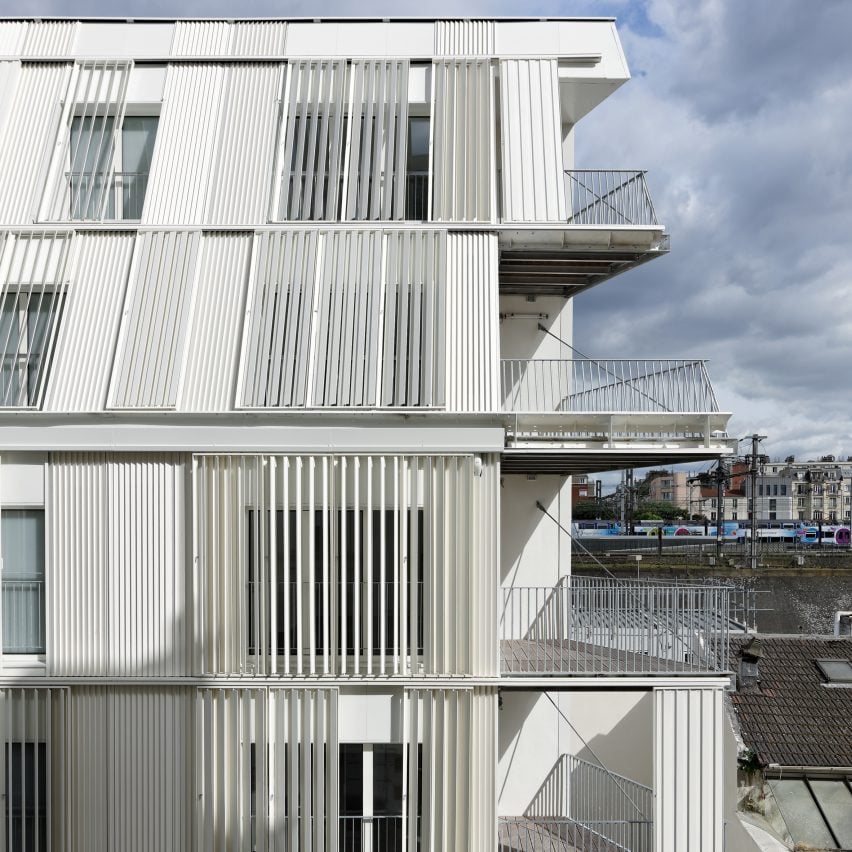
Studio dn&co’s wayfinding for London’s Here East campus features symbols borrowed from circuit drawings. Read more
Studio dn&co’s wayfinding for London’s Here East campus features symbols borrowed from circuit drawings. Read more

From the architect. Designed from four rectangular volumes, seamlessly merging, a private villa sit on the very edge between land and sea. ADEPT is behind the design of the 180 m2 villa that is carefully tailored to the unique location using nature’s own colors and soft transitions between interior spaces, as well as between inside and outside, that makes the daily changes of the sea an integrated part of the architecture’s DNA.
The villa was completed for a private client with the opportunity to build very close to the edge of the sea. The client had a vision of a simple life in beautiful spaces making the fantastic view an integrated part of everyday life in their home. The result is as unique as the location: a villa designed from four basic volumes with floating transitions. Towards the street, the villa appear serene and closed, the primary volumes broken only by the prominent entrance door. Towards the sea and the garden, a small courtyard is embraced by an open and transparent facade with long views through several rooms towards the sea.
“The villa was designed with the unique location as one of the main inspirations. Living in this home is an ever-changing experience of nature as the building itself frames the sea and the sky”, explains Anders Lonka, partner at ADEPT.
All materials are kept in natural colors. Sand colored Kolumba brick, combined with the robust oak framing the windows, add solidity to the villa, humbly adapting it to the exposed site.
Curved white walls and broad plank floors melt the interior spaces together. All individual rooms have a contrasting end wall with handmade build-in furniture: a bookcase spanning an entire wall of the living room, a customized kitchen, a lamellae wall in the entrance room providing access to the basement and a wardrobe, and finally a full cabinet wall in the master bedroom with access to the bathroom. The basement provides three guest rooms as well as a TV-room, all lit by natural daylight from light wells. Oak benches along the facade cover the light wells. The garden surrounding the villa resembles a beach meadow as one find them in the natural habitat close by with shale, low trees and wild flowers.
Product Description. The Kolumba brick was defining the projects architecture in more than one way. First, the client wished for a brick house, as they are very fond of the solidity and tradition it holds. Further, the unique location of the villa, balancing between land and sea at the very edge of the dike, called for a material that was both robust and durable, yet refined enough for it to adapt itself to the colors and materiality of the nearby surroundings. Finally, the long shape of the Kolumba, underlines the flowing lines of the architecture, even further enhanced by the few customized pieces making the rounded corners possible.

The project consists of four single-family houses on the coast of Aamchit, Lebanon as well as the rehabilitation of the existing landscape and old houses.
The site slopes west towards the Mediterranean, its angle allowing for embedding the houses in the landscape in such a way that the front is open to the view and breeze whereas the other sides of the house are protected by earth. Each house consists of a double-layer wall that retains the earth from the east and slopes with the land north and south.
The framing/retaining wall is doubled to create insulation and service passage against the soil’s humidity and to draw in cool air into the house. The double perimeter wall also works as a structure and is used for all the services of the house, leaving the ground floor open. A courtyard is inserted in the back to enhance cross ventilation and create a microclimate in the extreme days of summer and winter.
A tower that houses the bedrooms is placed at the southeastern side of the courtyard to provide shading. It works as a chimney to release the heat from the courtyard and the bedrooms. The stair and bathrooms are located at the east and south side to provide a thermal mass against the summer heat while the northwest corner is completely clear of structure, turning the bedrooms into balconies when the windows are open. The combination of the courtyard and tower produces a new house typology that is used with degrees of variation on the site as the development grows around its common facilities and the sea.
Landscape
The general landscape strategy consists of creating a xeriscape that sets a transition from the ‘beach’ to the ‘mountain’. This is mainly achieved by the ground covering and associated plants and trees (ferns, weeds, flowers and olives). Along with the ground covering design, the site plan revives the old eucalyptus road as a pedestrian spine for the new houses.
Relying on a cut and fill strategy that preserves all the fill on site, the houses are placed in such a way as not to block each other by lifting the back houses on fill. Emphasizing the path network, shrubs are planted to enhance the experience of approaching the sea.
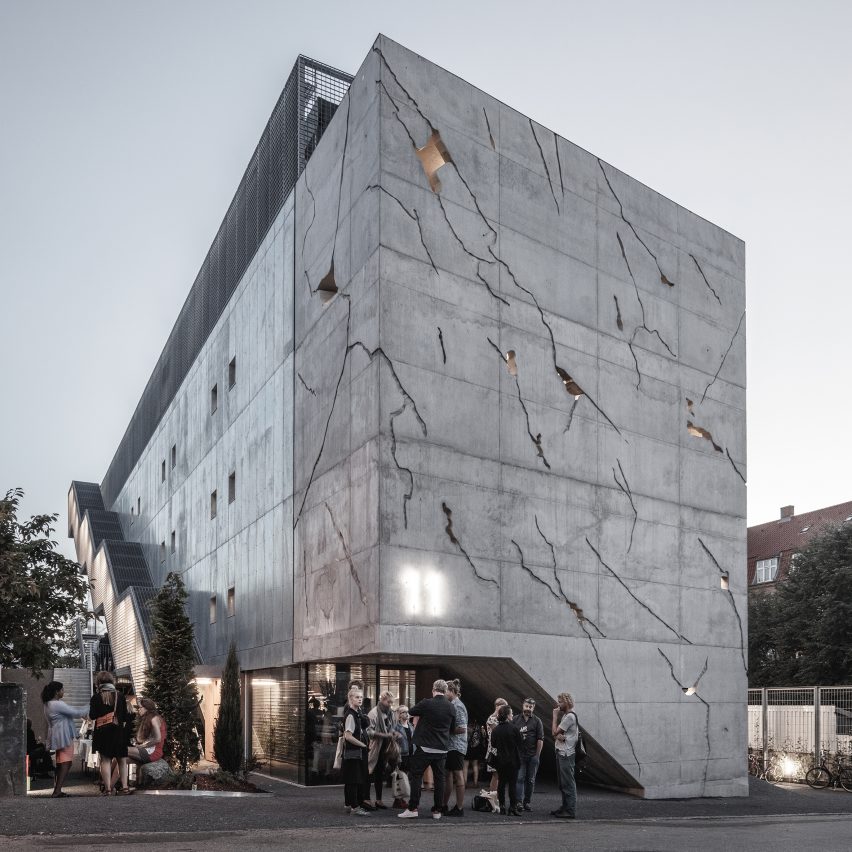
Cracks in the concrete facade of this office block in Aarhus by Danish architecture practice Sleth provide glimpses of the building’s illuminated interior. Read more
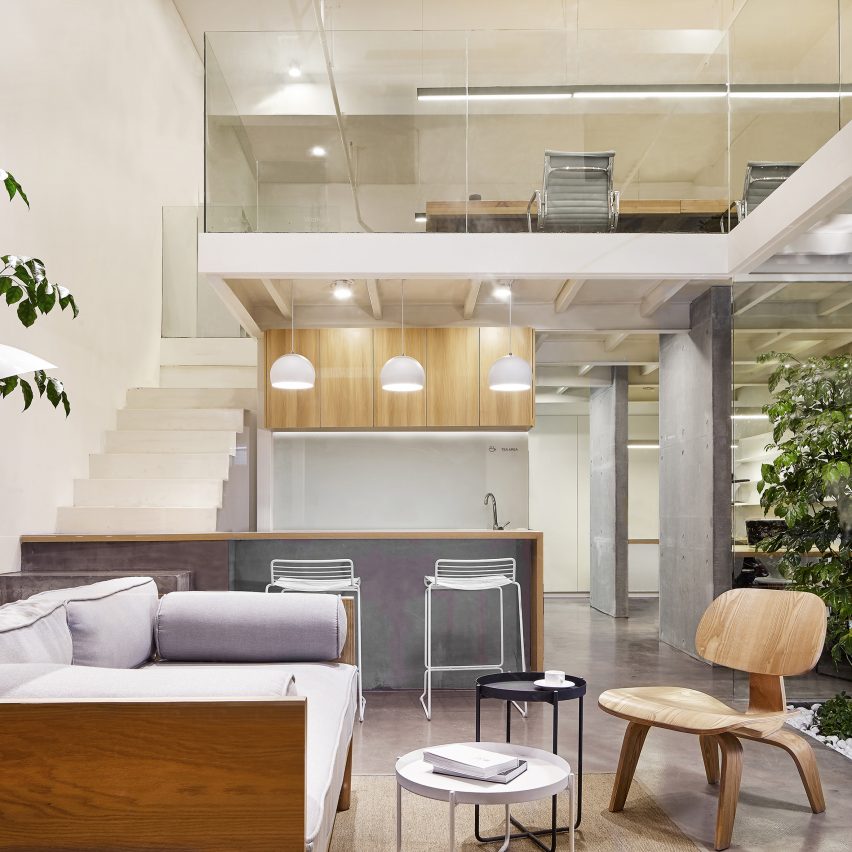
To make this workspace feel more cosy, Muxin looked to the decor of homes and combined warm materials with leafy green plants. Read more
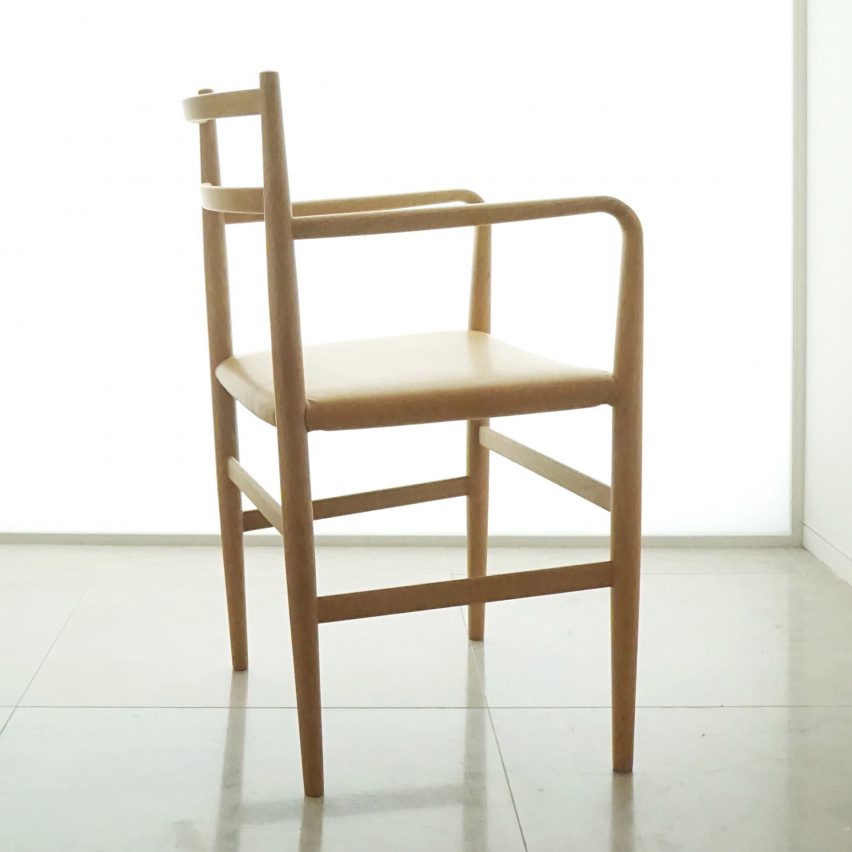
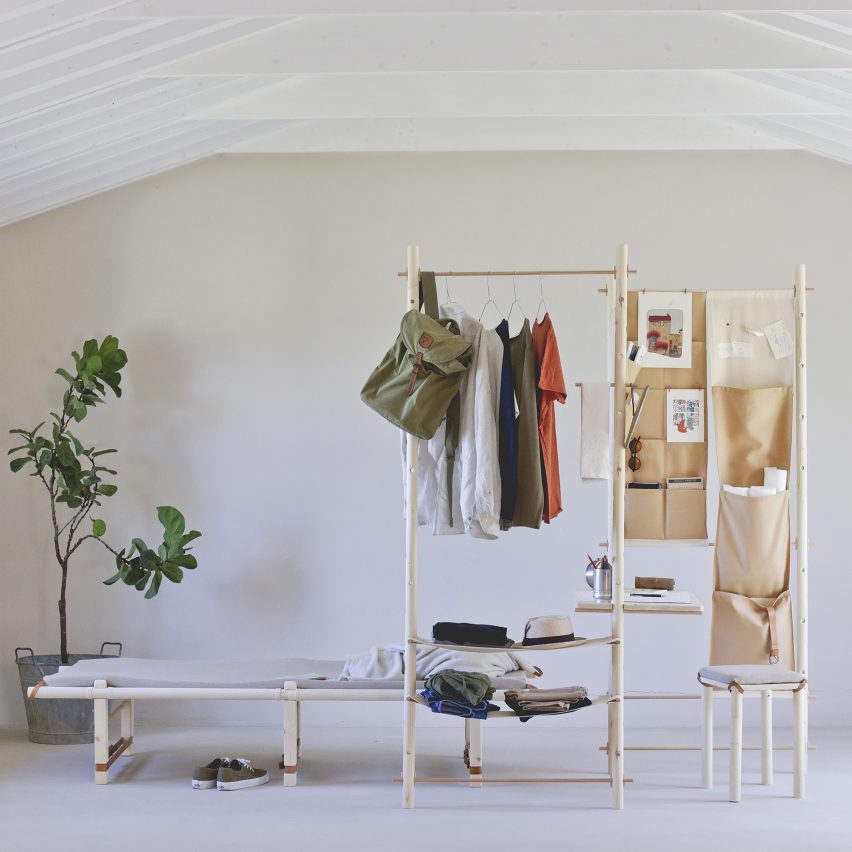
Japanese designer Jin Kuramoto referenced furniture of the 18th century to create a Shaker-style chair for furniture brand Arflex. Read more
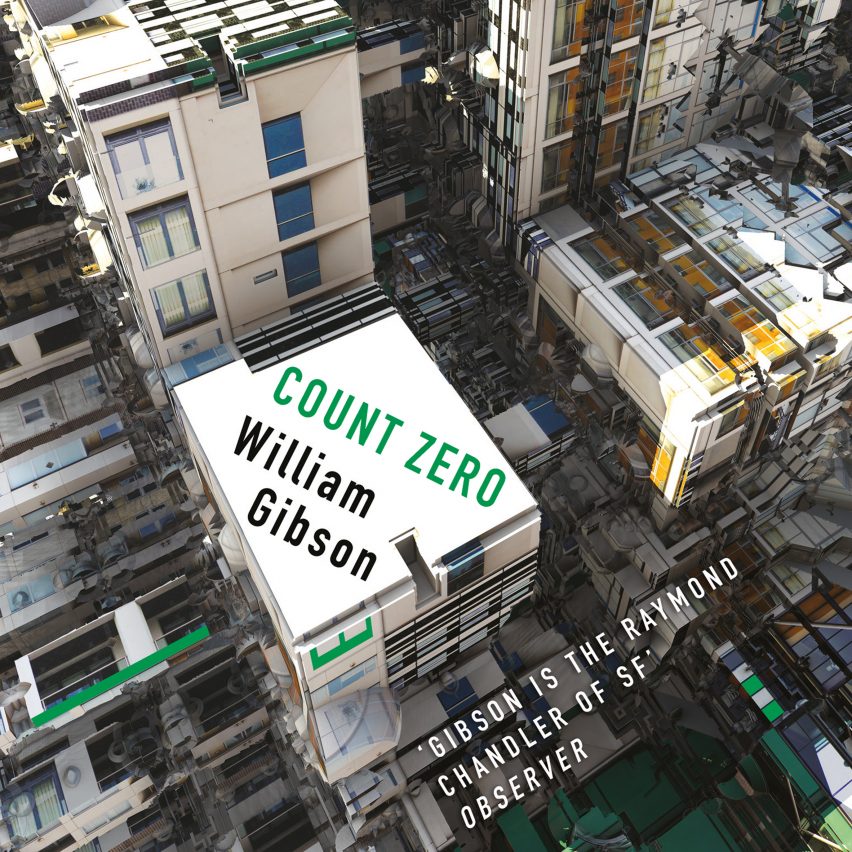
Inception-esque folded buildings feature on new book covers for the science-fiction novels of William Gibson. Read more
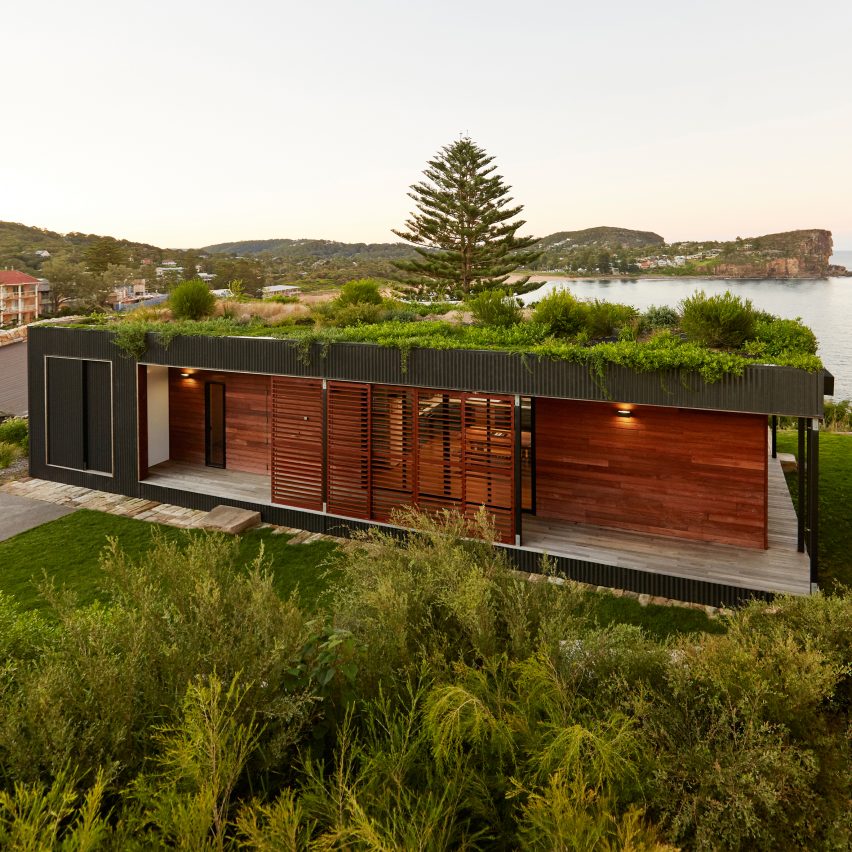
ArchiBlox has given this prefabricated beachfront house near Sydney a verdant plant-covered roof to help it blend into its clifftop setting. Read more