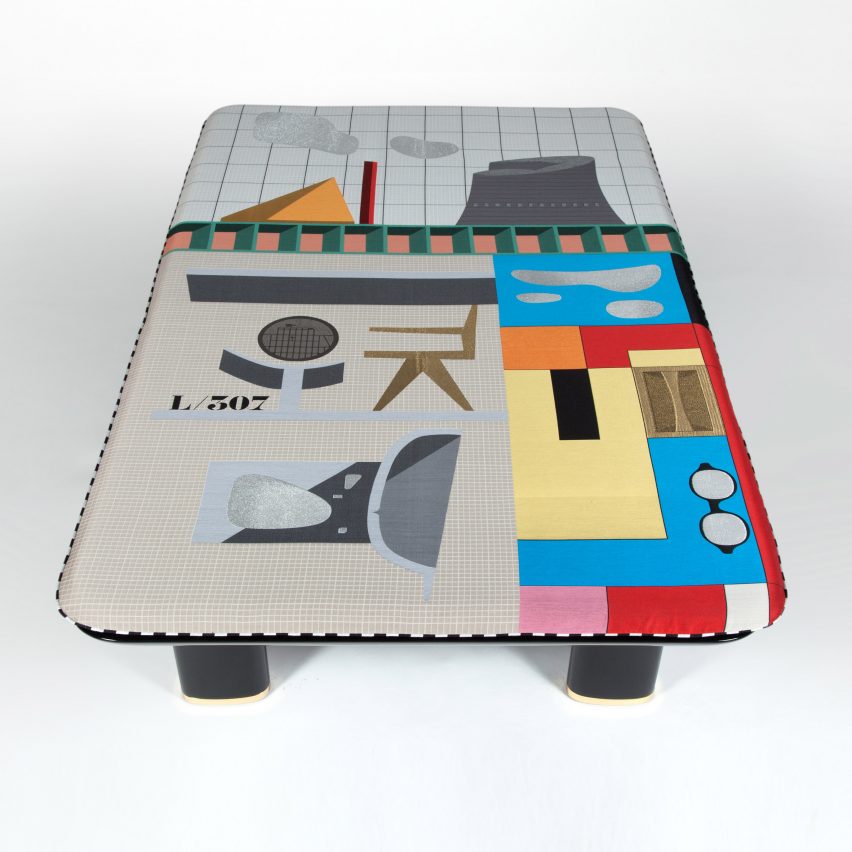
London studio Doshi Levien has borrowed elements from the Le Corbusier-designed city of Chandigarh, India, to create a lamp and tapestry-covered daybed. Read more
London studio Doshi Levien has borrowed elements from the Le Corbusier-designed city of Chandigarh, India, to create a lamp and tapestry-covered daybed. Read more


From the architect. The Sørenga quay was until recently a container port in the eastern harbor of Oslo, near the medieval town. The redevelopment of Sørenga is part of the city’s major plans of reconnecting the city to the waterfront. While the Barcode and Tjuvholmen projects are extensions of the existing city structure, Sørenga is at the tip of what will be an entirely new district in Oslo, also comprising the Bispevika area which is still in its planning phase. The eight blocks on the Sørenga quay were planned by four architecture firms, and Block 6 is the most recent of the two blocks designed by Mad arkitekter.

Layout
Sørenga Block 6 is a residential block with 110 flats and a semi-public green courtyard. Two large, diagonally aligned passages cut through the block to bring the waterfront presence into the courtyard and central park of Sørenga, and vice versa. This visual connection invites visitors into and through the courtyard, and offers easy access for the residents.

Fjord access
Block 6 is adjacent to one of Sørengas perpendicular canals, and there is direct access to the fjord from basement level via two floating docks. With a practical storage room for kayaks and Norways largest outdoor sea bath within throwing distance, the residents of Sørenga enjoy qualities far beyond the fjord view. A Sørenga resident reportedly caught a seatrout from his balcony!


The characteristic sloped roof of Block 6 brings a lot of daylight into the courtyard and the flats within. Also, the sloped structure offers generous terraces and views for the rooftop flats. There is also a large, common rooftop terrace for all residents to use – for parties, cruise ship watching or for sunbathing when their private balconies are in the shade. Block 6 is eight storeys tall towards the boardwalk to the north, yet only one storey tall towards the central park to the south.

Materials
The outer and inner façades of Block 6 are in stark contrast to each other. While the outer ‘shell’ is the dark-yet-shiny brick developed specifically for all eight Sørenga blocks, the façades (and ceilings) within are bright white. This bright white cladding is Steni panels partially embossed with motifs from historic nautical charts of the inner Oslo Fjord. We like to say that the green roof is the 5th façade of the building, and that it creates a visual green link between the Sørenga central park and the green hills surrounding Oslo.
http://www.archdaily.com/799003/sorenga-block-6-mad-arkitekter

Villa Materada is a residential project completed by Proarh in 2014. The home is located in Matera, Croatia. Villa Materada by Proarh: “Play of covered/uncovered – in/out – full/void spaces was the main idea in designing this holiday retreat – the idea of a simple stroke, a swing of form that can enrich a functional and aesthethic vision. By situating the ground floor perpendicular to the shore, the site was..


From the architect. Arthouse is our first built project in the typology of terraced houses. The compact spatial layout of the house, made of several blocks, was largely determined by the small area of the plot and the surrounding urban context. The inner structure of each unit resembles an open “bookcase”, where each living process occupies its own level, all of them being interconnected by means of an open staircase. Besides, each block has its own backyard, which can be accessed from the kitchen-dining room. This unconventional layout of the house originally served as a key to the interior of each of the units. Permeated by sunlight, the interrupted space of the house prevails over colour, texture and other ornamental features. However, while designing the interior in one of the blocks belonging to a cheerful energetic lady, we had to find a compromise between the sterility of the house and its emotional component that could be experienced as warm homeliness. Our close collaboration with the client resulted in a sort of Mediterranean dwelling that combines all the necessary features, striking a delicate balance between integrity and emotions.


Product Description. The use of white parquet boards is prompted by the necessity to preserve the integrity of the inner space of the house of the house, while imparting a warm homely feeling of natural wood.

http://www.archdaily.com/798999/arthouse-pominchuk-architects
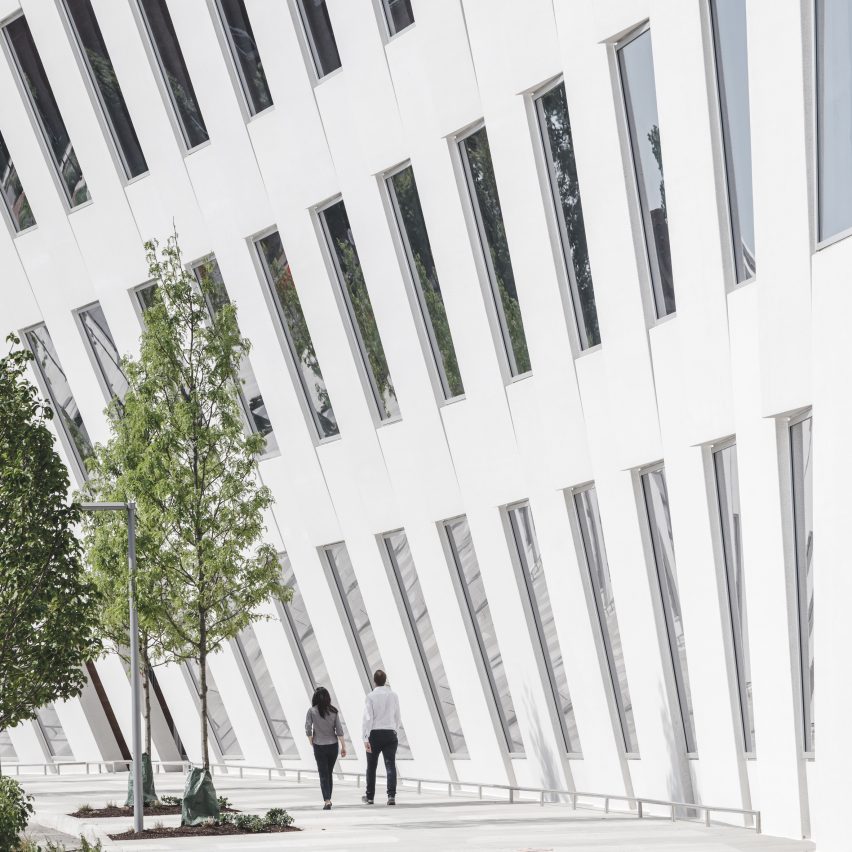
Bjarke Ingels Group has completed an office facility in the Philadelphia Navy Yard with a facade that curves like the bow of a ship. Read more
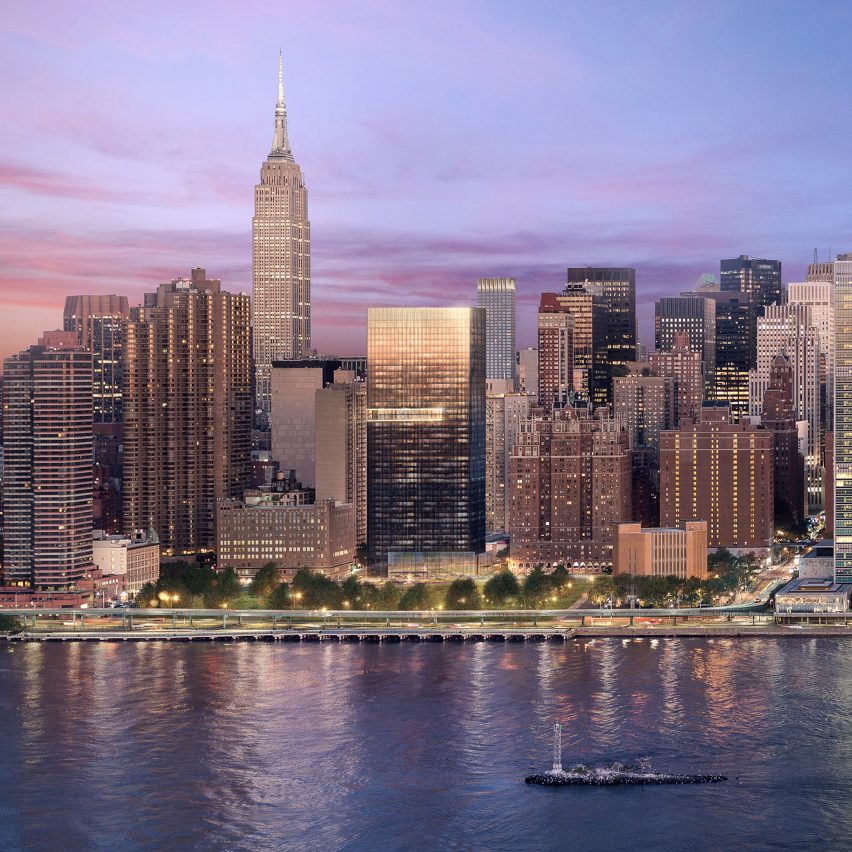
American architect Richard Meier has followed up teasers of a black tower planned for New York‘s East River with a wider set of images showing the firm’s interiors for the building. Read more
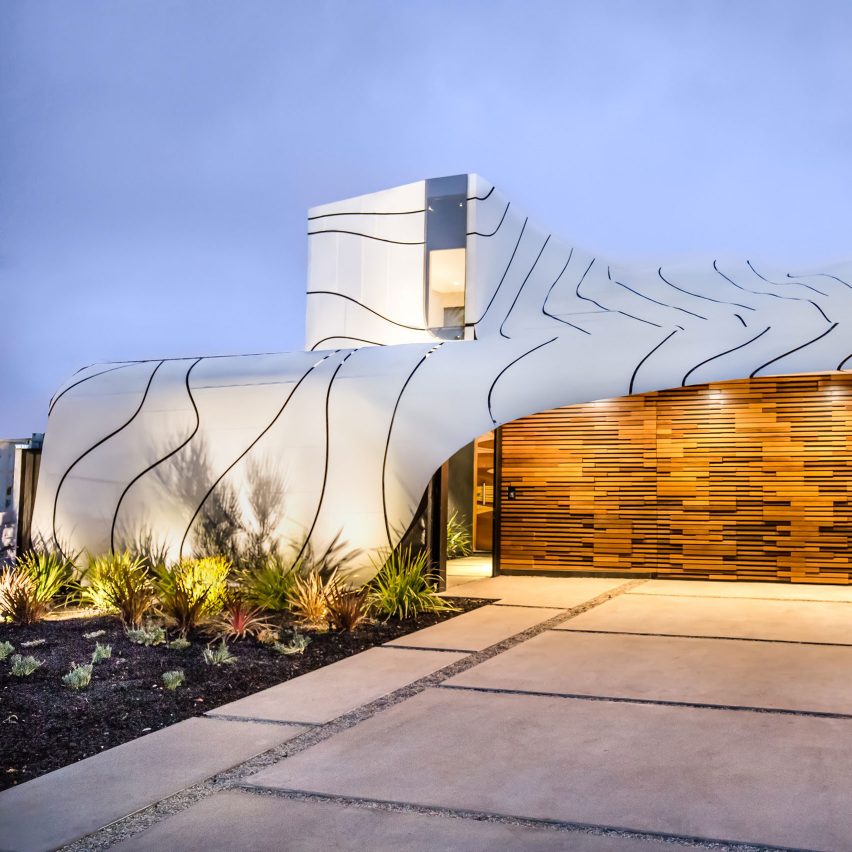
The undulating metal exterior of this family home by Los Angeles designer Mario Romano takes its cues from the movement of the ocean. Read more