100 Broadview Lobby / Quadrangle Architects


© Brandon Barré

© Brandon Barré


© Ben Rahn/A-Frame


© Brandon Barré


© Ben Rahn/A-Frame


© Brandon Barré


© Ben Rahn/A-Frame

© Ben Rahn/A-Frame

From the architect. A self-storage facility beneath a new condominium at the corner of two busy streets, 100 Broadview was an unremarkable and rather awkward brick and beam building in Toronto’s east end. For this building’s transformation, real estate investment and development group Hullmark engaged Quadrangle Architects with the goal of creating an accessible and attractive lobby, targeting new-economy tenants. To entice the intended demographic, Hullmark wanted to make a bold statement at grade—something that would demarcate 100 Broadview as a creative hub.


© Brandon Barré

© Brandon Barré

Beyond 100 Broadview’s virtual invisibility, it was also inaccessible: the entryway denied direct, barrier-free access, forcing entrants to climb a few feet to the “ground floor” or descend a few steps to the lower level. Hallways lacked signage or wayfinding, creating further confusion and discouraging tenancy.


© Ben Rahn/A-Frame

© Ben Rahn/A-Frame

Quadrangle’s mandate for this design was to upgrade 100 Broadview by embracing the building’s potential and history, infusing it with a contemporary spirit that would not only transform it into an attractive, well-designed space, but also a vibrant, neighbourhood hub while providing a wise investment in the property for the long-term.


© Brandon Barré

© Brandon Barré

Quadrangle’s solution starts with a bright orange sign hanging above the lobby entrance, contrasting with the red brick and grey mortar façade, giving the building an identity and clearly marking the entrance. Their big move was to cut out the slab and transform the lion’s share of the ground level into a dramatic lobby. They designed a concrete ramp that zigzags downwards, drawing users to both the upper and basement levels with a sense of depth and movement. Intersecting the ramp are stairs downwards, marked with orange visibility strips, and a blackened steel staircase with wood treads leads upwards. These elements overlap, creating a textured and grand entrance to the building. 


Floor Plan

Floor Plan

The team’s demolition of the floor plate and the dynamic lobby created in its stead have given new life to this once ill-defined space. This balance of industrial elements, inviting warmth and dynamic colour define an entryway that welcomes creative and innovative thought, as well as congregation and rest. With the feature ramp creating a path for users of mobility devices and the bright colours producing high-contrast pathways for those with visual impairments, 100 Broadview demonstrates how universal design goes beyond mere accessibility.


© Ben Rahn/A-Frame
© Ben Rahn/A-Frame

http://ift.tt/2a6CQTq

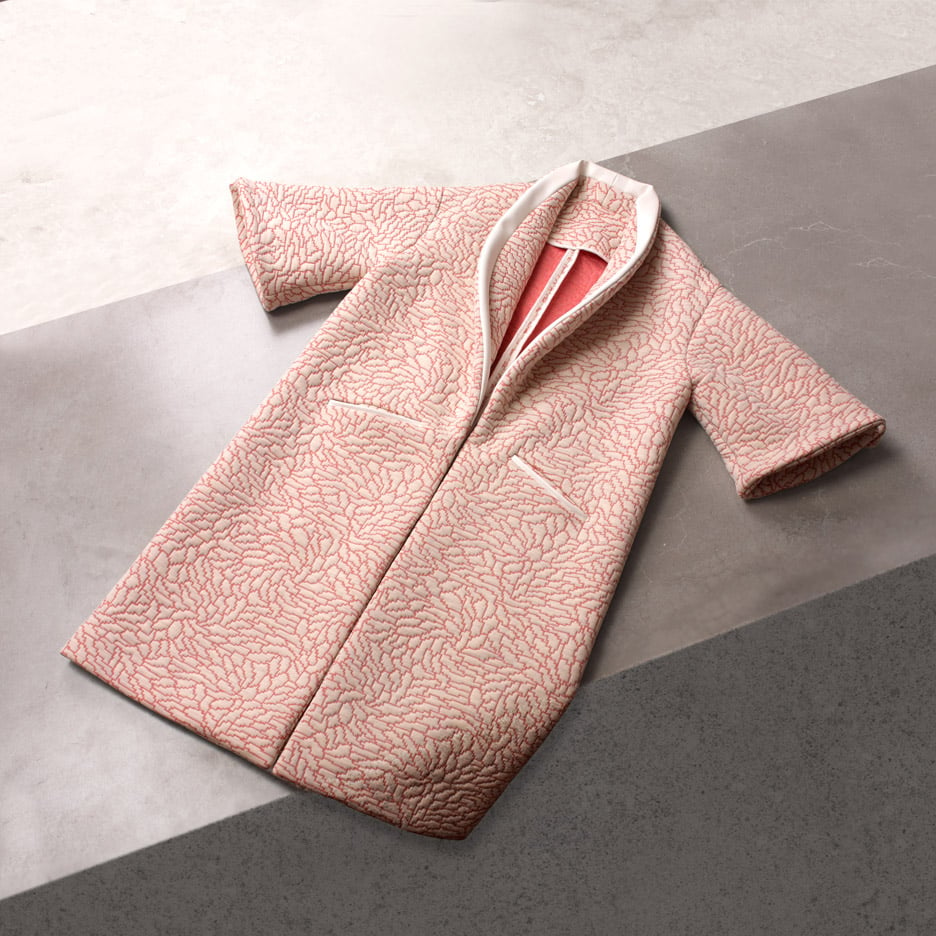
Fashion label Per/Se will release only one piece of clothing every two months


In order to create “less but better” garments, new London-based fashion brand Per/Se will release only one piece of clothing every two months (+ slideshow). (more…)

http://ift.tt/29BDuqR

techinsider: Get these plants for your poorly ventilated…

techinsider:

Get these plants for your poorly ventilated apartment

Is it easier to breathe in here or is it just me? Either way, check out the full graphical breakdown in our full post on these handy plants.

http://ift.tt/29GNQsc

techinsider: THAT’S A LOT OF CALORIES: The total breakdown of…

Burgos & Garrido + LLAMA Urban Design Win Competition for Lima Art Museum (MALI) Expansion


PATIO & PAVILION / Burgos & Garrido Arquitectos Asociados + LLAMA Urban Design. Image Courtesy of Museo de Arte de Lima (MALI)

PATIO & PAVILION / Burgos & Garrido Arquitectos Asociados + LLAMA Urban Design. Image Courtesy of Museo de Arte de Lima (MALI)

A few months ago, the Art Museum of Lima (MALI) announced an international call for a competition to design a new contemporary art wing via an underground expansion. After receiving 387 proposals from 56 countries, the jury has selected the architects Burgos & Garrido Arquitectos and LLAMA Urban Design as the winners of the competition, beating out entries from other top architects including Zaha Hadid Architects and Alberto Campo Baeza.

The new addition will include new exhibition halls, a library, classrooms, a cafe/restaurant, storage space, a public square, access to a future subway station and a landscape proposal for the park surrounding the museum. See images of the winning proposal and the two finalists after the break.

First Place

Patio & Pavilion
Ginés Garrido I Burgos & Garrido Arquitectos Asociados / Mariana Leguía I LLAMA Urban Design


PATIO & PAVILION / Burgos & Garrido Arquitectos Asociados + LLAMA Urban Design. Image Courtesy of Museo de Arte de Lima (MALI)

PATIO & PAVILION / Burgos & Garrido Arquitectos Asociados + LLAMA Urban Design. Image Courtesy of Museo de Arte de Lima (MALI)

PATIO & PAVILION / Burgos & Garrido Arquitectos Asociados + LLAMA Urban Design. Image Courtesy of Museo de Arte de Lima (MALI)

PATIO & PAVILION / Burgos & Garrido Arquitectos Asociados + LLAMA Urban Design. Image Courtesy of Museo de Arte de Lima (MALI)

PATIO & PAVILION / Burgos & Garrido Arquitectos Asociados + LLAMA Urban Design. Image Courtesy of Museo de Arte de Lima (MALI)

PATIO & PAVILION / Burgos & Garrido Arquitectos Asociados + LLAMA Urban Design. Image Courtesy of Museo de Arte de Lima (MALI)

PATIO & PAVILION / Burgos & Garrido Arquitectos Asociados + LLAMA Urban Design

PATIO & PAVILION / Burgos & Garrido Arquitectos Asociados + LLAMA Urban Design

PATIO & PAVILION / Burgos & Garrido Arquitectos Asociados + LLAMA Urban Design

PATIO & PAVILION / Burgos & Garrido Arquitectos Asociados + LLAMA Urban Design

PATIO & PAVILION / Burgos & Garrido Arquitectos Asociados + LLAMA Urban Design

PATIO & PAVILION / Burgos & Garrido Arquitectos Asociados + LLAMA Urban Design

PATIO & PAVILION / Burgos & Garrido Arquitectos Asociados + LLAMA Urban Design

PATIO & PAVILION / Burgos & Garrido Arquitectos Asociados + LLAMA Urban Design

Finalist

10688
Lopes Brenna, Moramarco + Ventrella, Filippo Bolognese


10688 / Lopes Brenna, Moramarco + Ventrella, Filippo Bolognese. Image Courtesy of Museo de Arte de Lima (MALI)

10688 / Lopes Brenna, Moramarco + Ventrella, Filippo Bolognese. Image Courtesy of Museo de Arte de Lima (MALI)

10688 / Lopes Brenna, Moramarco + Ventrella, Filippo Bolognese. Image Courtesy of Museo de Arte de Lima (MALI)

10688 / Lopes Brenna, Moramarco + Ventrella, Filippo Bolognese. Image Courtesy of Museo de Arte de Lima (MALI)

10688 / Lopes Brenna, Moramarco + Ventrella, Filippo Bolognese. Image Courtesy of Museo de Arte de Lima (MALI)

10688 / Lopes Brenna, Moramarco + Ventrella, Filippo Bolognese. Image Courtesy of Museo de Arte de Lima (MALI)

10688 / Lopes Brenna, Moramarco + Ventrella, Filippo Bolognese. Image Courtesy of Museo de Arte de Lima (MALI)

10688 / Lopes Brenna, Moramarco + Ventrella, Filippo Bolognese. Image Courtesy of Museo de Arte de Lima (MALI)

10688 / Lopes Brenna, Moramarco + Ventrella, Filippo Bolognese

10688 / Lopes Brenna, Moramarco + Ventrella, Filippo Bolognese

10688 / Lopes Brenna, Moramarco + Ventrella, Filippo Bolognese

10688 / Lopes Brenna, Moramarco + Ventrella, Filippo Bolognese

10688 / Lopes Brenna, Moramarco + Ventrella, Filippo Bolognese

10688 / Lopes Brenna, Moramarco + Ventrella, Filippo Bolognese

Finalist

Museum in 3 Acts
SMAR Architecture Studio (Dr. Fernando Jerez, Belen Pérez de Juan, Luis Pérez de Juan)


MUSEO EN 3 ACTOS / SMAR Architecture Studio (Dr. Fernando Jerez, Belen Pérez de Juan, Luis Pérez de Juan). Image Courtesy of Museo de Arte de Lima (MALI)

MUSEO EN 3 ACTOS / SMAR Architecture Studio (Dr. Fernando Jerez, Belen Pérez de Juan, Luis Pérez de Juan). Image Courtesy of Museo de Arte de Lima (MALI)

MUSEO EN 3 ACTOS / SMAR Architecture Studio (Dr. Fernando Jerez, Belen Pérez de Juan, Luis Pérez de Juan). Image Courtesy of Museo de Arte de Lima (MALI)

MUSEO EN 3 ACTOS / SMAR Architecture Studio (Dr. Fernando Jerez, Belen Pérez de Juan, Luis Pérez de Juan). Image Courtesy of Museo de Arte de Lima (MALI)

MUSEO EN 3 ACTOS / SMAR Architecture Studio (Dr. Fernando Jerez, Belen Pérez de Juan, Luis Pérez de Juan). Image Courtesy of Museo de Arte de Lima (MALI)

MUSEO EN 3 ACTOS / SMAR Architecture Studio (Dr. Fernando Jerez, Belen Pérez de Juan, Luis Pérez de Juan). Image Courtesy of Museo de Arte de Lima (MALI)

MUSEO EN 3 ACTOS / SMAR Architecture Studio (Dr. Fernando Jerez, Belen Pérez de Juan, Luis Pérez de Juan). Image Courtesy of Museo de Arte de Lima (MALI)

MUSEO EN 3 ACTOS / SMAR Architecture Studio (Dr. Fernando Jerez, Belen Pérez de Juan, Luis Pérez de Juan). Image Courtesy of Museo de Arte de Lima (MALI)

MUSEO EN 3 ACTOS / SMAR Architecture Studio (Dr. Fernando Jerez, Belen Pérez de Juan, Luis Pérez de Juan)

MUSEO EN 3 ACTOS / SMAR Architecture Studio (Dr. Fernando Jerez, Belen Pérez de Juan, Luis Pérez de Juan)

MUSEO EN 3 ACTOS / SMAR Architecture Studio (Dr. Fernando Jerez, Belen Pérez de Juan, Luis Pérez de Juan)

MUSEO EN 3 ACTOS / SMAR Architecture Studio (Dr. Fernando Jerez, Belen Pérez de Juan, Luis Pérez de Juan)

MUSEO EN 3 ACTOS / SMAR Architecture Studio (Dr. Fernando Jerez, Belen Pérez de Juan, Luis Pérez de Juan)

MUSEO EN 3 ACTOS / SMAR Architecture Studio (Dr. Fernando Jerez, Belen Pérez de Juan, Luis Pérez de Juan)

Honorable Mentions

The jury awarded 13 honorable mentions to projects that, in one way or another, were essential during the process of deliberation, whether through their originality or because they helped to shape the discussion that ultimately lead to the winner.

Those thirteen studios are, in no particular order:

  • Luis Calvet Mulleras, Samuel Cárdenas and Antonio Rubio 
  • Heike Matcha and Gunter Barczik
  • OB+RA arquitectos (Oscar Borasino, Ruth Alvarado) y LLOSA CORTEGANA arquitectos (Patricia Llosa y Rodolfo Cortegana)
  • Zaha Hadid Architects with David Mutal Arquitectos
  • Estudio Campo Baeza with La Fábrica (Álvaro Rivadeneira, Alexander Wiegering) y Ghezzi Novak (Arturo and Gustavo Ghezzi)
  • PRODUCTORA (Carlos Bedoya, Wonne Ickx, Victor Jaime, Abel Perles)
  • Linazasoro & Sánchez Arquitectura, Juan Manuel Gutiérrez Gonzáles, and Luis Martin Piccini Acuña. 
  • Philippe Rahm architectes
  • MDDM Studio, Momo Andrea Destro, Margret Domko
  • Buda Mimarlik
  • Andrew Kovacs, Israel Ceja, Peter Boldt
  • Michael Maltzan Architecture with Arup (engineering)
  • Hunerwadel Partnership Basel and Hünerwadel Arquitectos Lima

Jury

The jury was comprised of:

  • Kristin Feireiss
  • Teodoro Fernández
  • Guy Nordenson
  • Paulo Dam
  • Juan Carlos Verme
  • Chris Dercon (Asesor) 

More information about the competition can be found here.

http://ift.tt/29BxmPn

“Architecture is a rough and seldom-rewarding field”

Architects work too hard

Comments update: a study that named architecture as one of the highest ranking jobs for suicides triggered a debate about the state of the profession and its treatment of young graduates this week. (more…)

http://ift.tt/29FclXT

Night boat by hó http://flic.kr/p/7yb7F9

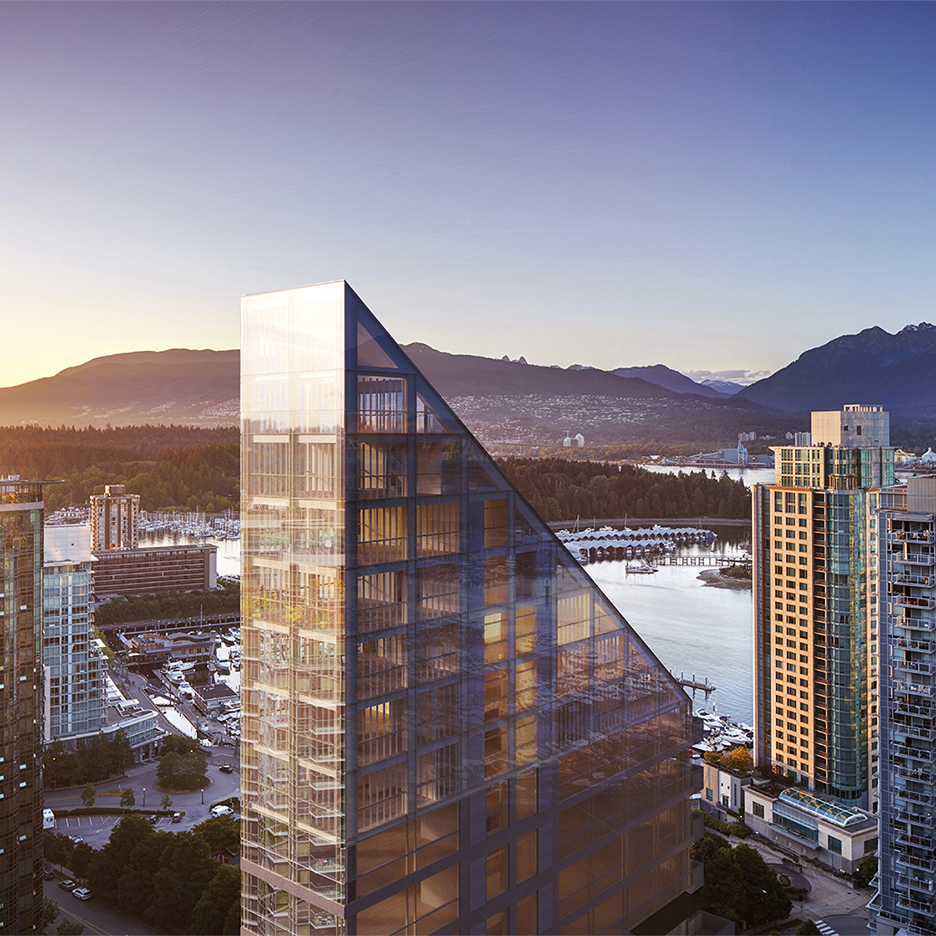
Shigeru Ban unveils “tallest hybrid timber structure in the world” for Vancouver


Japanese architect Shigeru Ban has been commissioned to design a residential tower for Vancouver that its developers claim will be the tallest hybrid timber structure in the world. (more…)

http://ift.tt/29Oq2ld

Chacras Project / Natura Futura Arquitectura + Colectivo Cronopios


© Eduardo Cruz y Natura Futura

© Eduardo Cruz y Natura Futura


© Eduardo Cruz y Natura Futura


© Eduardo Cruz y Natura Futura


© Eduardo Cruz y Natura Futura


© Eduardo Cruz y Natura Futura

  • Architects: Natura Futura Arquitectura + Colectivo Cronopios
  • Location: Reserva Ecológica Militar Arenillas, E50, Ecuador
  • Collaborators: Don Velfor, Joao , Gabriela Torres, Eduardo Cruz, Christian Bravo. Fausto Quiroz, José Gómez, Verónica Alvarado, Víctor Torres, Lorena Torres, Betty Alvarado, Diana Alvarado, Xavier Carrera, Leopoldo Bravo, Jamil Jara, Gonzalo Chávez, Todos somos Ecuador, Cuerpo Militar Arenillas, Wagner Aguirre, Juan Sánchez, Ing. Macas, Santiago Arcos , Lylibeth Coloma
  • Project Area: 30.0 m2
  • Project Year: 2016
  • Photographs: Eduardo Cruz y Natura Futura

© Eduardo Cruz y Natura Futura

© Eduardo Cruz y Natura Futura

Log for a productive emerging dwelling
Architecture as a social catalyst for transformation from the basics.

There are times when starting a project is a dizzying adventure; seductive and inevitable. Passion is enmeshed in a series of circumstances to solve; technical issues, improvisations, interventions, collaborations, then articulating all initiatives to reach the aim: a house for Velfor, his wife and three children.


© Eduardo Cruz y Natura Futura

© Eduardo Cruz y Natura Futura

Located in the province of El Oro, Ecuador, the town of Chacras appears as in an old western movie, full of historical references due to its proximity to neighboring Peru (Manuelita Saenz, partner of Simon Bolivar, the Liberator lived here). Presently Don Velfor lives here with his family. They lost their home in the earthquake from April this year and found refuge in an area of 12 x 10 meters partially occupied by his mother-in-law Mami-Itzi.


© Eduardo Cruz y Natura Futura

© Eduardo Cruz y Natura Futura

The project was built in May 2016 during a period of 10 days. Natura Futura Arquitectura along with Cronopios-El Oro (a cultural management collective) carried out the different processes. After proposing an emerging design, we made calls through press, digital media networking and word of mouth. Donated materials and tools are collected, and volunteers gather for the construction; they are trained to perform the various daily tasks that will achieve the construction of the project.


© Eduardo Cruz y Natura Futura

© Eduardo Cruz y Natura Futura

After making the foundations with concrete and bricks, the house is articulated as modules on pallets, built with pine wood, usually used to load goods in large warehouses. Sticks and strips are used as structural support. The windows were built with semi-hard wood and recycled waste strips. In the end, zinc plates are used to make the roof.


Diagramation

Diagramation

We propose strategies to shore up the family economy, affected by the work stoppage and change of place. Creating a family garden was a first idea to generate a new spirit of livelihood. We included Don Velfor in a process of learning by doing so he can replicate what he learned in basic construction, in order to establish an economic activity within the region. We propose spaces for events to generate revenue, such as selling snacks or lunches.


© Eduardo Cruz y Natura Futura

© Eduardo Cruz y Natura Futura

The access platform is a space for social interaction between family members, and with the families of adjacent houses. It serves both to set a table with chairs and lunch, or to lay a carpet or mat and rest. The opening day a cultural event was made: a puppet show with the group Rompecabezas.
Transparency, light and wind.


Plan

Plan

The house is based on three volumes, two used for sleeping and one for kitchen and living room, with an optional progressive growth towards the platform. The distance from the elevated house to the ground protects the structures from moisture while allowing a constant flow of air under the floor. The height of the roof and open spaces plus the transparency of the windows allow for cross ventilation at all times. The form of the roof and its eaves are like a large hat that protects the house providing shade and protecting it from the rain. It is the choice of passive systems.


© Eduardo Cruz y Natura Futura

© Eduardo Cruz y Natura Futura

The constancy of pallet modules is mixed with spaces for windows whose spaces between strips allow for light to leak generating whimsical shadows inside. The low floor level windows function as escape doors for the little ones; recreational possibilities are embraced in a space that encourages fluidity.


© Eduardo Cruz y Natura Futura

© Eduardo Cruz y Natura Futura

The wide front door articulates the basic kitchen, with its shelves made of recycled baskets (used for fruit) with the platform expanding the space. The garden made of tires filled with sown ground renews hope in children who embrace it as their own project.


© Eduardo Cruz y Natura Futura

© Eduardo Cruz y Natura Futura

We seek to create a new core within the community thus reactivating the area, inverting its meaning, moving from moments of anxiety and uncertainty to a transformation from the basics, whose social catalyst is architecture.

http://ift.tt/2a6hDZP