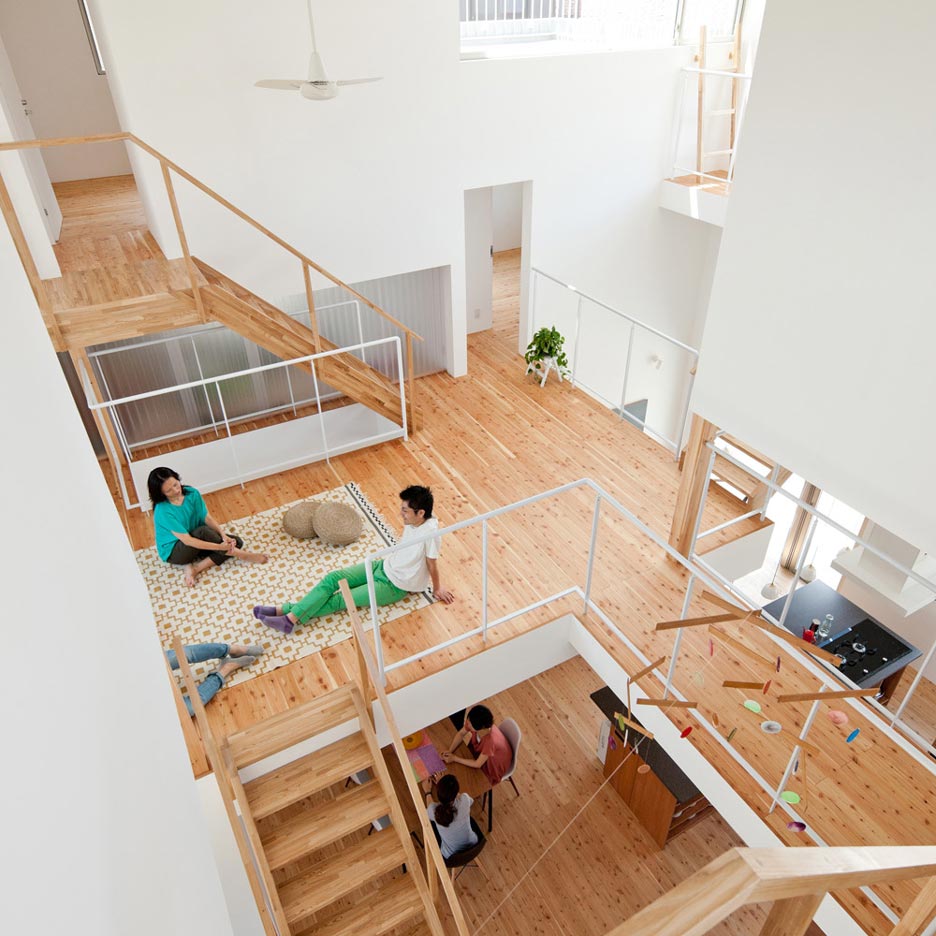
From the architect. We were asked to undertake comprehensive renovation and adaptation of two residential units in a building that was constructed in the 70s. Due to the dilapidated state of the apartments we were required to get passed a significant change with regards to all issues of sanitation, safety, local materials.
The renovation is spread out over 250 square meters, and is designed according to the topography of the lot: It‘s 7 floors, with the ground floor having two levels, with no setup for a service elevator. The initial idea that we tried to keep through the design process was the preservation of the existing parameter of the flat while implementing our notion of Ceramic Rooms which are made from local soil transformed to Tadlak. By doing that we emphasize different body and special entities into space.
Floor Plan
Secondly, strengthening the dialog between the old state and the new, and improving it by simplifying the tenants access to the building. An additional subject is handling of the details and creating a homogeneity between the various spaces. With regard to question of the duration and cost of the project, from the beginning of the process the importance of the issue of staying on schedule and primary supervision, throughout its development.
The architectural proposal includes renewal and preservation of the exterior envelope of the structure, adding an elevator and Safe-Room. Additionally, changing the overall aesthetics of the rooms with plans for demolition and construction and the swapping of rooms for new functions. The proposal includes construction techniques that combine locally sourced ingredients such as the use of natural building materials and solar energy.
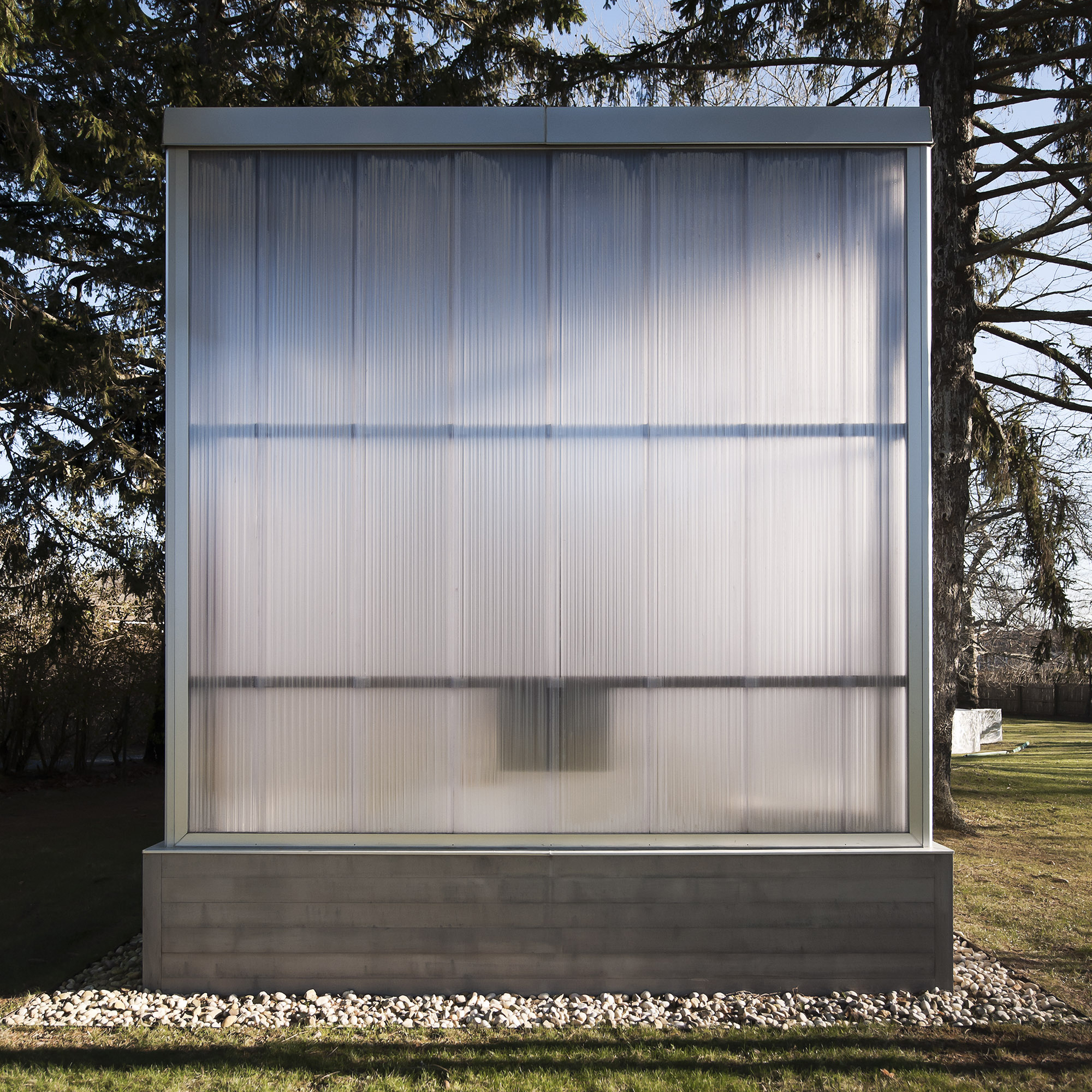
US firm TBD Architecture + Design Studio has created a studio building for a Hamptons couple that consists of two intersecting volumes clad in different materials (+ slideshow). (more…)
The offices of Caá Porá, Siete86 and Ingeniera Alternativa have released designs for “Palenque Cultural Tambillo,” a cultural center dedicated to the artistic tradition of marimba music in the Afroecuadorean town of Tambillo, Ecuador. Consisting of a performance and meeting hall, two multi-use classrooms, rehearsal spaces, an artisanal instrument workshop and ecologically friendly public bathrooms, the project is planned to become one piece of a network of cultural centers to be built in the UNESCO heritage province of Esmeraldas.
Courtesy of Caá Porá Arquitectos
The team began a process of research and design workshops with the community of Tambillo in October 2015 to determine the center’s needs. The main desire of the community was for a place where they could preserve their cultural history, built from traditional construction methods.
Building in a protected ecological reserve and in a mangrove forest presented unique engineering challenges for the project, but also with opportunities to learn from local techniques. One such solution was the use of oyster and conch shells discarded by the fishing industry as aggregate to strengthen the project’s rammed earth walls and concrete foundation. The main structure of the performance hall is made of responsibly-sourced wood and is covered with a palm thatch roof, while classroom and workshop buildings feature zinc roofs lined with acoustical and thermal insulation.
Courtesy of Caá Porá Arquitectos
The main hall also features a sand floor similar to the dance floors used in traditional dance ceremonies, and musicians are elevated to a mezzanine level to keep the floor space as open as possible and provide seating areas for spectators. To optimize acoustics, the palm thatch roof has been designed to absorb excess percussive sound, a tilts to create views out to the nearby mangrove forest.
Courtesy of Caá Porá Arquitectos
Courtesy of Caá Porá Arquitectos
The buildings have been designed to be cost-accessible and easily constructed, while also able to resist the heavy rainfall and earthquakes that are a part of Tambillo’s climate and environment. The project also uses locally-sourced materials to reduce its overall ecological impact – important to a region where concrete block and other less sustainable materials have become to most common construction elements.
The project is currently using the crowdfunding platform indiegogo to gather interest and make the complex a reality. You can donate to the TambilloCultural Centerhere.
The Forks Market Food Hall breathes new life in to one of Winnipeg’s most important and beloved public spaces. The market acts as the city’s living room, a place for people to gather and relax with their friends and loved ones. The design aims to re-define the aging interior as a modern food hall and event space.
While developing the design, it was important to support both the evolving functions of the public space and the site’s rich history. For hundreds of years The Forks has been a place for both gathering and trade. From the late nineteenth century onward the site was used as a rail yard. The two brick structures that today form the market were once machine shops for freight car and coach repair, and later stables for the rail companies. An atrium space was constructed in the late 1980s linking the two historic structures to create The Forks Market building, establishing a shopping and dining destination.
Section
Section
The Forks’ industrial past inspired the direction of the interior design. Raw steel, hand forged blacksmith work and natural wood detailing are all used to reinforce the character of the historic architecture. An exposed steel structure stretching over the craft beer and wine kiosk, composed of exposed c-channels and bent i-beams, was inspired by the architectural language of Canada’s rail history. Its hand forged steel detailing by a local blacksmith references a traditional industrial art. The existing teal structure was painted dark grey and new lighting was added to enhance the character and material of the original stable buildings. Former horse stalls, which act as food kiosks are outfitted with new tile and steel front counters, consistent signage, and a flexible assortment of equipment to accommodate a variety of food and beverage vendors. New tables with steel bases and swinging circular seats reflect factory plant benches, further relating to The Forks as a place of turn of the century industry.
The design aims to enhance the sense of community in The Forks Market’s central court. Smaller wood tables with hinged drop leaves can transform in to an 80-person harvest table, allowing for large communal gatherings. Arched structures with counter seating and upholstered banquettes define the edge of the hall, creating more intimate seating areas within the larger volume of the space. Suspended above, large metal drum pendants with glowing LED Edison bulbs contribute visual warmth and further define the gathering space.
The Forks has acted as a space for gathering and commerce throughout its rich history. Our hope is that the refreshed food hall will breathe new energy into the space, helping this tradition to continue long in to the future.