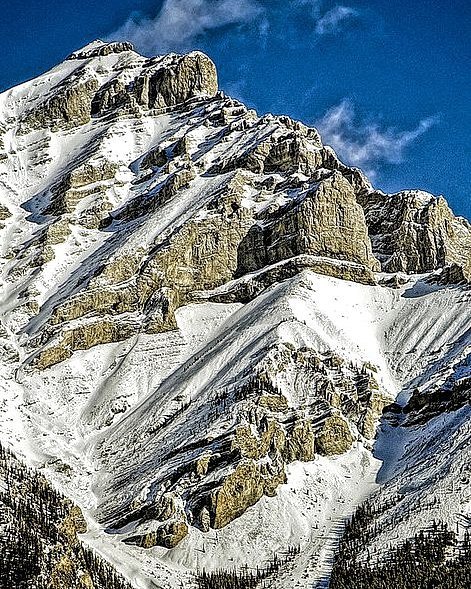
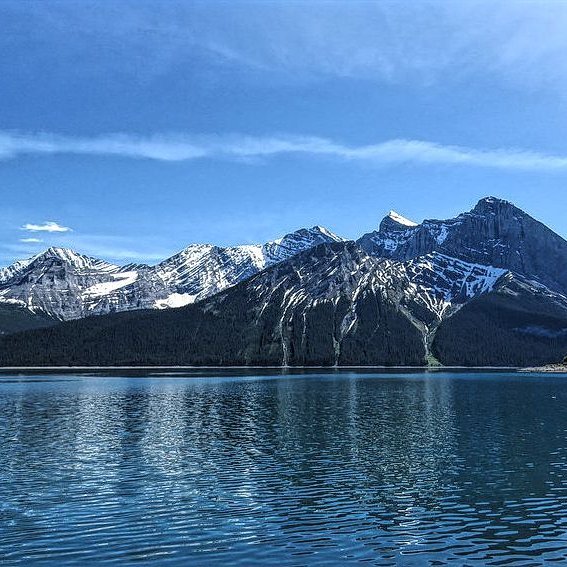
💙 Sea tangle on 500px by Göran Ebenhart ☀ NIKON……

Espedalen is a valley situated in inland Norway to the east of Jotumheimen national park. The valley is home to the largest moose migration route in Europe. RAM Arkitektur was initially approached by the local community to suggest five architectural interventions in the region, with the aim of boosting tourism within the area. Momentum quickly built around and early sketch for a moose-viewing tower, with basic overnight accommodation for six people, located on public forestry land, and in the heart of the migration route.
The 12 meter high tower is located on the edge of a small rocky outcrop, siting on simple anchor points drill directly into the bedrock to minimise the buildings impact on the natural environment. It offers accommodation of a basic standard, with simple wooden platforms for beds, and has no running water or electricity. Guests are expected to take their own camping equipment, although bedding and food can be provided on request. Heating is provided by wood stoves, one on each level.
The entire building is raised three meters off the ground, with a covered outdoor sitting space under the building at ground level. The first plan is a 12sqm bedroom with six beds. Each bed is cantilevered out from the main structure, surrounded on three sides by glass to create the experience of sleeping outside in nature. The second level is a 12sqm ‘viewing lounge’ with a panoramic view of the surrounding landscape, and basic cooking facilities on a wood stove. The top level is a public viewing terrace, and a ‘treetop’ toilet. The toilet is a gas powered combustion toilet, and the room has surround windows on three sides, offering a panoramic treetop view, while still giving privacy from the roof terrace. Vertically the rooms are connected by and external staircase, which allows access to the viewing terrace to the general public. This was one of the premises for the building permit to be granted on public forestry land.
Due to the remote location of the site, and limited accessibility with heavy machinery, it was an important consideration that the majority of the construction was based on prefabricated elements. Each element should not exceed a size that could be handled by two people without assistance of heavy machinery. In addition to this, the elements should be possible to transport by snow scooter in the winter months, to further reduce damage to the delicate flora in the immediate area around the tower. Inspiration was drawn from local building traditions, and pre-machined log construction with dovetail corner joints was chosen, which is stack directly on the main glue laminated bearing structure. In this way the construction process could also be complete directly from the main structure. The timber is untreated and as it weathers will further blend into the surrounding nature. The large glass surfaces reflect the sky and surrounding forrest, helping the tower blend into the surrounding environment.
Product Description:
Inspiration was drawn from the rich local history of log construction, and its logical modular construction principle. A pre-machined element was chosen from Varpin AS for its precision and relative cost effectiveness. The wooden construction ‘is what it is’ without the need for building up layers of material. It is simultaneously load bearing, insulating, and external and internal finishing, without the requirement of further treatment or maintenance.
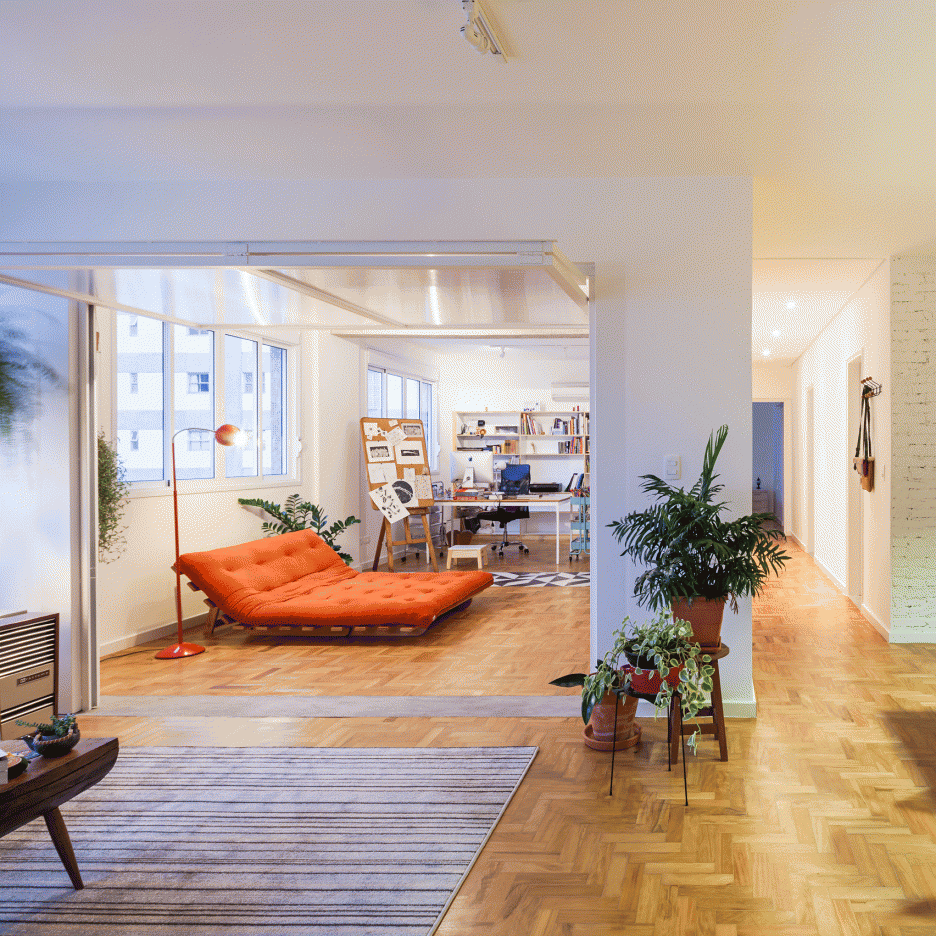
A translucent fold-up doorway separates a studio from a living room in this apartment created for a São Paulo-based illustrator who works from home (+ slideshow). (more…)

Apartment in Sofia is a private home located in Sofia, Bulgaria. It was designed by Edo Design Studio. Apartment in Sofia by Edo Design Studio: “We are the team of Edo Design Studio and we are proud to present the following project. We were asked to create a functional apartment for a young couple with all necessary areas – kitchen, dining nook, TV and relax zone, bedroom and working nook..

Located in green surroundings, right next to the beautiful Husarviken river, this new residential building offers sustainable and attractive housing in one of Europe’s most extensive city-development areas in Norra Djurgårdsstaden, Stockholm. The housing block, designed by Joliark and commissioned by Byggnadsfirman Viktor Hanson, is part of the process of transforming former industrial land into a high-profile environmental-friendly neighbourhood.
The design is based on as few material components as possible – sculpturing a bold, comprehensible and structural grammar. Large horizontal and vertical concrete elements highlights the framework which comprises 30 apartments in various sizes. Each apartment faces the river with large glass openings, dissolving the boundary between building and nature.
The allocation of each dwelling is revealed in the north facade where the accompanying balconies compose a sharp architectural theme. The smallest units are situated at ground level, larger single- decks above and duplexes on top. All apartments in this stacked-row-house structure is accessed either through the indoor entrance hallway, the courtyard level or an entrance balcony on the south side.
The elongated volume is divided in two parts where the in-between space functions as a common foyer with indoor bicycle parking and two elevators connecting all entrance floors.
The characteristic roof landscape is given by – conceptually – slicing and folding up the roof slab, creating triangular wing flaps that are facing the sun. Solar panels placed on the wings catches the sunlight energy. The roof wings also function as a natural distributor of light to the duplexes and serve as physical connections to the private roof terraces. The terraces provide spectacular views of Djurgården recreational area and the archipelago.
All complementary building parts such as canopies, stairs, railings and the access balcony appear as an external web made out of galvanized steel. The shifting of materials from steel to concrete, draws a border between public and semi-private outdoor space, close to the façade, on the south-facing access balcony.
Wooden window frames and greenery softens the otherwise bare materials, characteristic of the building. The gables hold nets for climbing plants and the roof is partly covered with sedum to delay rainwater.
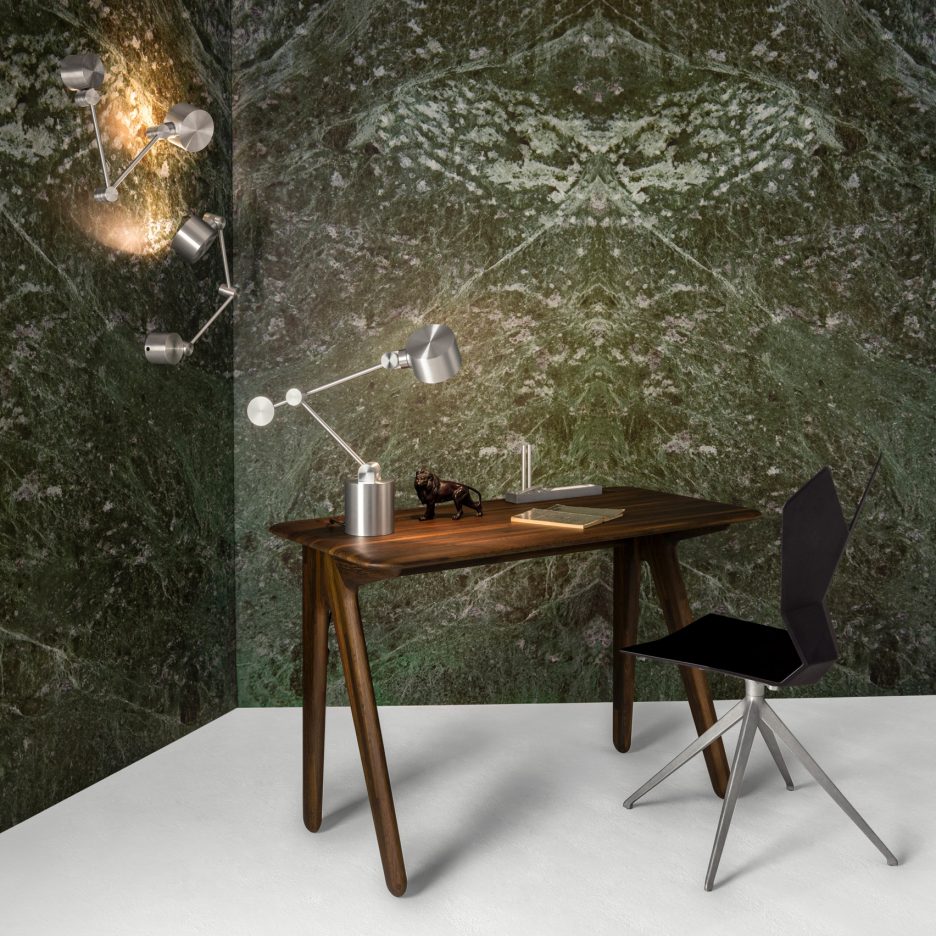
British designer Tom Dixon has launched his first collection of office furniture, which includes a minimalist lamp and a workstation based on archetypical Victorian school desks. (more…)