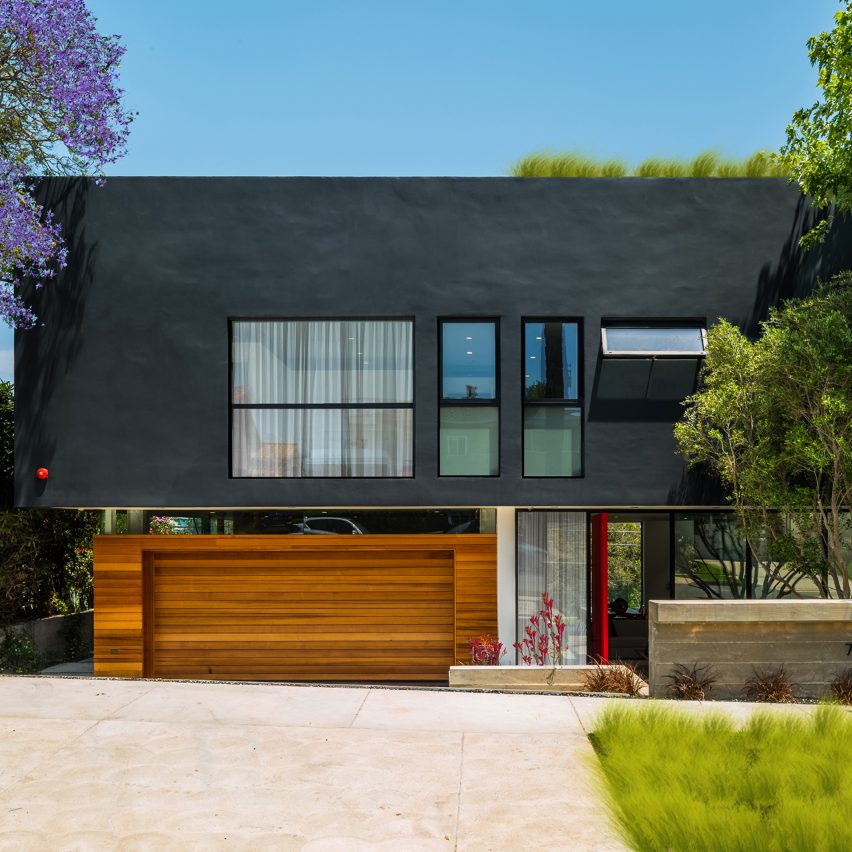
American studio Hu Mn Lab+ has created a spacious family home in Los Angeles that appears to jut out from a hillside like dresser drawers. Read more
American studio Hu Mn Lab+ has created a spacious family home in Los Angeles that appears to jut out from a hillside like dresser drawers. Read more
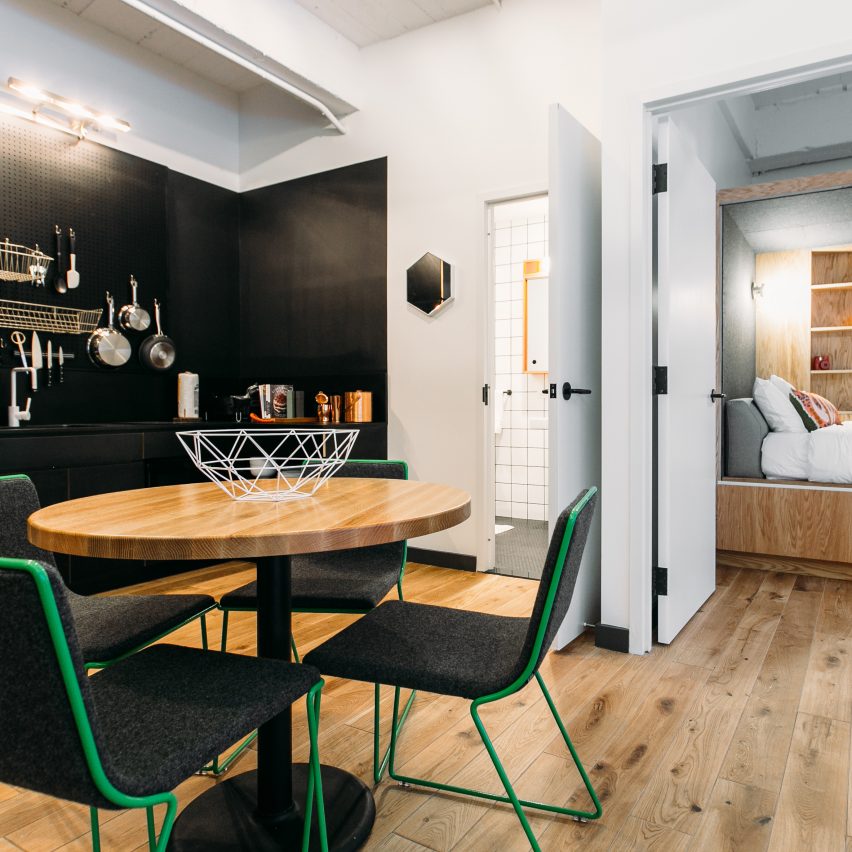
Co-living complexes like WeLive and The Collective aren’t just for millennials – they could also be used to house the growing population of senior citizens, according to architect and Architizer co-founder Matthias Hollwich. Read more
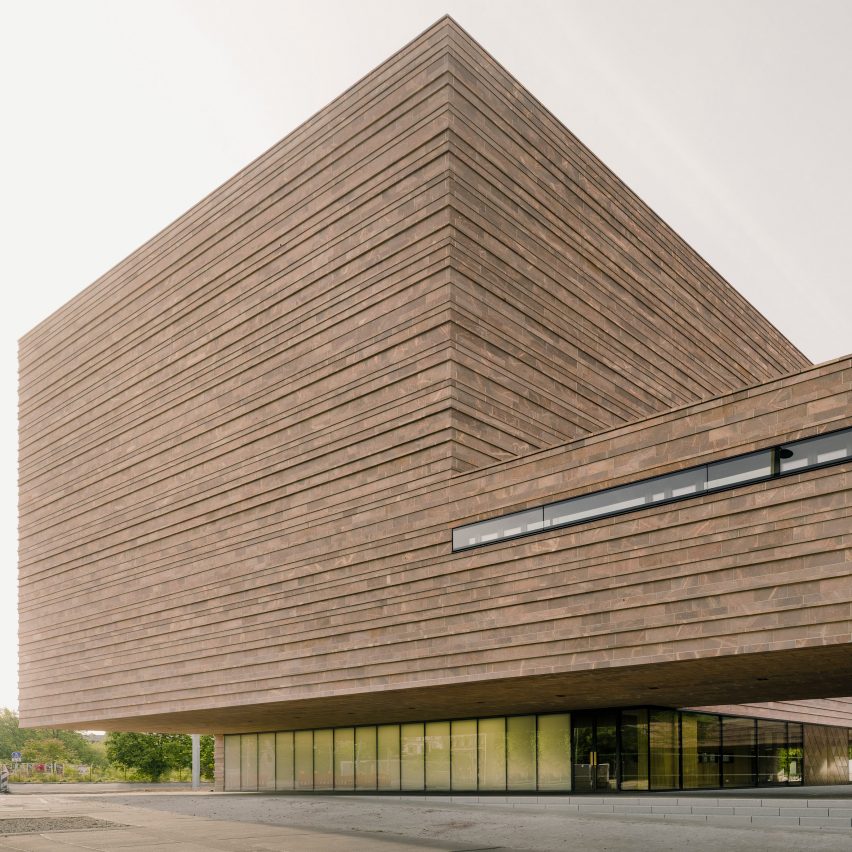
The award winners from day two at the World Architecture Festival include a stone church in Germany, MVRDV’s glass-brick shop and a shiny silver building by Zaha Hadid Architects. Read more
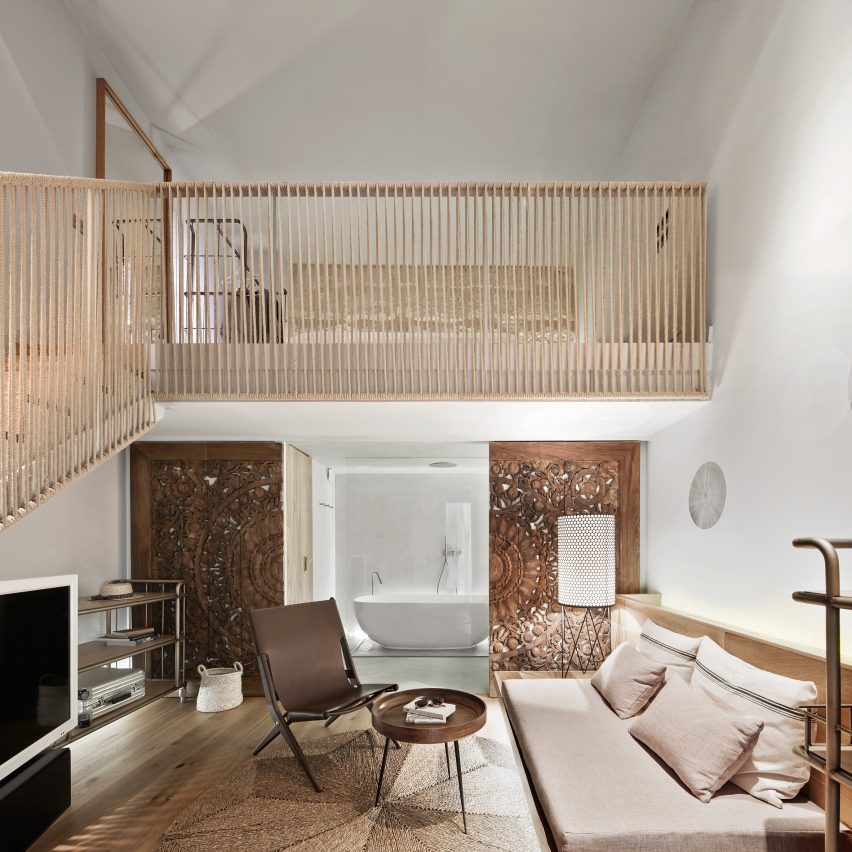
The refurbishment of a historic English theatre and a boutique hotel in Mallorca are among the second batch of category award winners at Inside 2016. Read more

John Pawson and OMA have completed the Design Museum‘s new £83-million London home, which is set to open next week at the former Commonwealth Institute building in Kensington. Read more
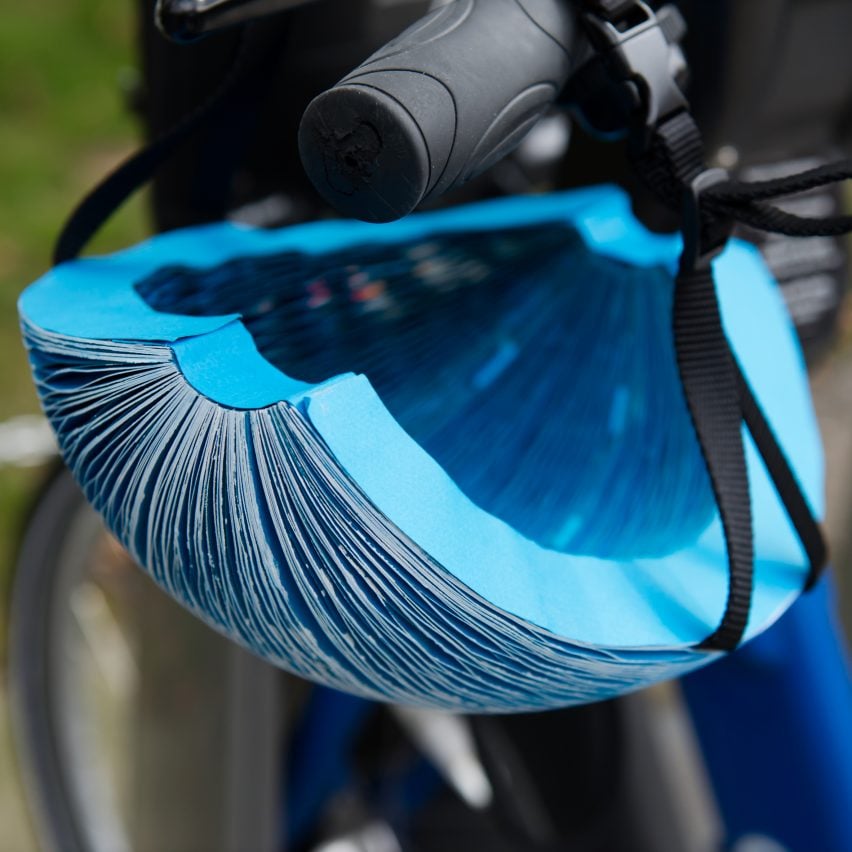
A recyclable, collapsible helmet that could be sold at bike-share stations has been named this year’s winner of the James Dyson Award. Read more

As the second chapter in his series, Iconic Norway, Alejandro Villanueva has released a time-lapse of the Trollstigen Visitor Center, a project by Reiulf Ramstad Architects for the Norwegian Public Roads Administration in Oslo, Norway.
Designed to “enhance the experience of the Trollstigen Plateau’s location and nature,” the Center utilizes water as a dynamic element and rock as a static element, in order to “create a series of prepositional relations that describe and magnify the unique spatiality of the site.”
Experience the beauty and nature of the Visitor Center by watching the video, above.
News via Alejandro Villanueva and Reiulf Ramstad Architects.

From the architect. On the pretext of designing a pre-primary and primary school for children, the solution to an urban problem was sought: the quarter available for construction was characterised by a great void stuck between discordant scales and languages, open to integration into the urban fabric.
The brief for the school comprised three main strands: classrooms, a library, and a common space for a gymnasium and a canteen, each with different areas and volumes. This difference in size and brief enabled its division into different bodies, siting them at different points on the land so as to punctuate a triangular plot with an envelope of varying scales.
The classroom block occupies the largest, lowest and markedly horizontal side of the land lengthwise, relating in landscape terms to the existing void to the north and having the main classroom wing facing south.
The canteen block is a larger volume which relates to the collective housing buildings in this urban area.
At the tapering end of the plot stands a triangular prism, accommodating the reading space and finishing off the quarter to the west to create a proximity with the most informal area of the urban fabric.
These three buildings are connected by a peripheral wall in exposed brick masonry which forms a continuous boundary for the entire complex, connecting the school’s open spaces (playgrounds and courtyards) and built spaces. This brick wall is a strong feature of the urban intervention, somehow maintaining its original calling as a large space available to the city.
It confers an organic expression on it, connecting the construction to the ground and effecting a permanent continuity between the interior and exterior areas.

This month London’s Design Museum will officially open it’s new home on Kensington High Street. The project, which has been redeveloped and designed in collaboration with Rotterdam-based practice OMA and London-based studio Allies & Morrison, has seen a Grade II* Listed Modernist monument sensitively restored into contemporary galleries. For John Pawson—who has been commissioned to create “a series of calm, atmospheric spaces” ordered around a large, oak-lined atrium—this scheme marks his first major public work.
According to the Design Museum’s own narrative of the spaces, “visitors [will] find themselves in a central atrium with striking views up to [an] iconic hyperbolic paraboloid roof.” Here galleries, learning spaces, a café, an events space and a shop are arranged like an “opencast mine” beneath the building’s iconic concrete roof.
Two temporary gallery spaces will display up to seven temporary exhibitions per year. According to the museum, a “double-height basement also features a dedicated museum collection store with a glass window, allowing visitors a behind-the-scenes glimpse of pieces not on display.” In addition, a 200-seat Bakala Auditorium will “allow the museum to expand its public programme and evening talks.”
“Italian terrazzo flooring is used throughout the basement and ground floors, transitioning to warm-toned Dinesen oak flooring and wall panels on the upper floors. A key element of the Pawson vocabulary, a wooden bench with concealed lighting spans one side of the Weston Mezzanine. The bench sits in front of a series of marble panels conserved from the original building, which before that had previously been installed in the Imperial Institute in 1857.”
There are ‘moments’ in the building that I relish every time I walk around, but I think it is really the way everything comes together – the new and the old – that gives me the greatest pleasure. I hope the Design Museum shows people that you don’t have to tear down and start from scratch to make exciting new cultural spaces.

Properly Breathing House is a residential project designed by H&P Architects in 2015. It is located in Dong Anh Town, Dong Anh District, Hanoi, Vietnam. Properly Breathing House by H&P Architects: A “suffocating” situation Just 15 kilometers (9.3 miles) far from the center of Hanoi, the suburban district Dong Anh has witnessed pervasive urbanization – one of the major causes for a trend towards a maximum use of volume and..

