House of the Sun / Keivani Architects + Studio Persian Primavera


© Sergey Savchenko

© Sergey Savchenko


© Sergey Savchenko


© Sergey Savchenko


© Sergey Savchenko


© Sergey Savchenko

  • Executive Manager: Solmaz Fooladi
  • Design Associates / Team: Ladan Mostofi, Konstantin Starodubtsev
  • Graphic: Sina Keivani

© Sergey Savchenko

© Sergey Savchenko

From the architect. The project is located in one of the apartment block of residential complex. during the design, we considered two essential factors to develop the concept of Mehr Khaneh interior design. The first factor is the client’s interests in the Persian civilization, culture, and values, namely the metaphors of Mithraism and sun. The second factor is the artistic character of the client, which had to be reflected in design. 


© Sergey Savchenko

© Sergey Savchenko

Considering the budget restrictions, we aimed to develop a minimal and affordable space, yet artistic and Iranian genius loci with a symbolic approach to Mithraism.

Accordingly, by conceptualizing the design based on the styles of Loft Architecture, we used exposed concrete, rebar, and metal oxide to design the space. The choice of brick and wood as well as lighting design created a cozy and warm atmosphere that is desirable for a residential place.


© Sergey Savchenko

© Sergey Savchenko

One of the most important design ideas is the set of stairs located in the living room; it is a symbolic, yet philosophical element. This element is inspired from historic mehrabs and ziggurats, which are symbols of promotion and approaching closer to sun. Sun is the symbol of light, and light is the symbol of knowledge and wisdom. This design is a symbol of approaching to sun and advancing to knowledge essential for improvement and actualization of thoughts for an artist. The direction and raise of stairs are toward east and sunrise.


Floor Plan

Floor Plan

The design of lighting fixtures is also inspired by the symbolic role of Sun, and it follows the geometric symbol of sun, which a triangle surrounded by a dodecagon, used in traditional Iranian architecture. In a part of ceiling the triangular and pyramidal shapes are used such that they are such as the extensions of the light radiation that pass through the roof and shines inside such that no barrier _even a concrete wall- cannot prevent the knowledge and wisdom.


© Sergey Savchenko

© Sergey Savchenko

The ancient sun pattern was used as a light frame in this unit. Furniture are designed in accord with the aforementioned concepts, realized by using materials such as concrete, rebar, and metals. Not only we applied this concept to the interior design of kitchen for consistency, we also used turquoise tiles in this space to inspire the sense of place (Genius loci) that emerges in the Iranian traditional architecture. 


© Sergey Savchenko

© Sergey Savchenko

Considering the role of plants in traditional Iranian architecture, planting components have been placed in different parts of this unit, for example, in the kitchen, as hanging components.


© Sergey Savchenko

© Sergey Savchenko

In the space right in front of the kitchen, wooden materials are used to create a beautiful scenery with the special daylight available at sunset. One room is considered as the home office and meeting room, designed with simple yet creative ideas like using patterns of concrete for the floor lamps.


© Sergey Savchenko

© Sergey Savchenko

Although affordable materials such as concrete, rebar, and recycled wood are used in the bedroom’s interior design, our design has created a desirable and relaxing space to satisfy the requirements of a bedroom 
http://ift.tt/2dda0p9

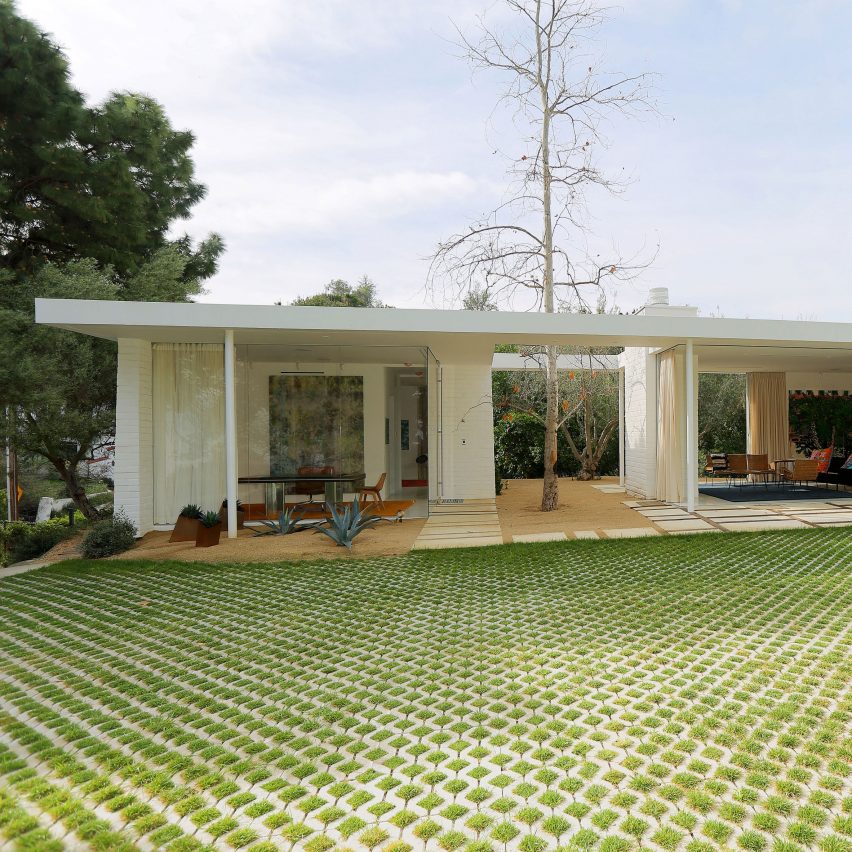
Struere builds Hollywood home to help revive mid-century modernism

Hollywood Hills residence by Struere

This house in the Hollywood Hills, by Los Angeles firm Struere, promises to “renew the modern living promise” by extending the indoor spaces to the exterior. Read more

http://ift.tt/2dQMRrw

Archifest 2016 Pavilion / DP Architects


© Teo Zi Tong

© Teo Zi Tong


© Teo Zi Tong


© Teo Zi Tong


© Teo Zi Tong


© Teo Zi Tong

  • Architects: DP Architects
  • Location: Raffles Blvd, Singapore
  • Area: 19000.0 sqm
  • Project Year: 2016
  • Photographs: Teo Zi Tong

© Teo Zi Tong

© Teo Zi Tong

From the architect. Jointly organized by Singapore Institute of Architects (SIA) and Singapore Institute of Landscape Architects (SILA), Archifest 2016 returns from 23 September to 9 October 2016 with a Pavilion, designed with the theme ‘Exhale’. The annual architecture festival not only celebrates Singapore’s urban environment but also sets the stage for a wider discussion about our city, spaces and life. From exhibitions, conversations, workshops, markets to architecture tours, the Archifest Pavilion @ Raffles Place Park will host an exciting program that is diverse, informative, thought-provoking and fun.


Sketch

Sketch

Celebrating its 10th edition, Archifest’s theme for this year ‘Exhale’ seeks to challenge the rapidity and density of activities that define our pace of life, weigh in on the state of Singapore’s built environment and breathe new life into it.


© Teo Zi Tong

© Teo Zi Tong

© Teo Zi Tong

© Teo Zi Tong

The festival will be bringing back the popular Archifest Pavilion, after a hiatus last year. The winning pavilion design by a team from DP Architects is composed entirely of construction site materials – safety netting suspended on a frame of steel scaffolding. The gigantic Technicolor urban sculpture plays on the interaction of multiple primary colour layers that overlap to create a playful pavilion, offering a respite from the hectic city life right in the centre of the Central Business District. Professor Richard Ho, Chair of Archifest 2016 Organizing Committee said, “One of the primary aims of Archifest is to make architecture more accessible and engaging to everyone. Offering a unique and multi- sensorial experience of the city in the spirit of ‘Exhale’ this year, the psychedelic Archifest Pavilion is set to inspire more people to recognize the profound impact that design and the built environment have on the vitality of the city and our lives.”


© Teo Zi Tong

© Teo Zi Tong

With a line-up of more than 30 events, Archifest 2016 will feature activities for everybody. Highlights include exhibitions featuring winners of SIA Architectural Design Awards and SILA Student Design Awards; lunchtime architecture studio sessions City-Studio; specially curated Architours to explore Singapore’s hidden architectural gems; weekend Barter Market to trade good vibes; SG Farm for a dose of urban farming in the city; a Pop-up Library to borrow and exchange your favorite reads; interactive event #FlipTable to release your work stress; parent-children design workshop by ArKIDecture; as well as several Conversations with creatives sharing their inspirations and projects.

http://ift.tt/2egOexO

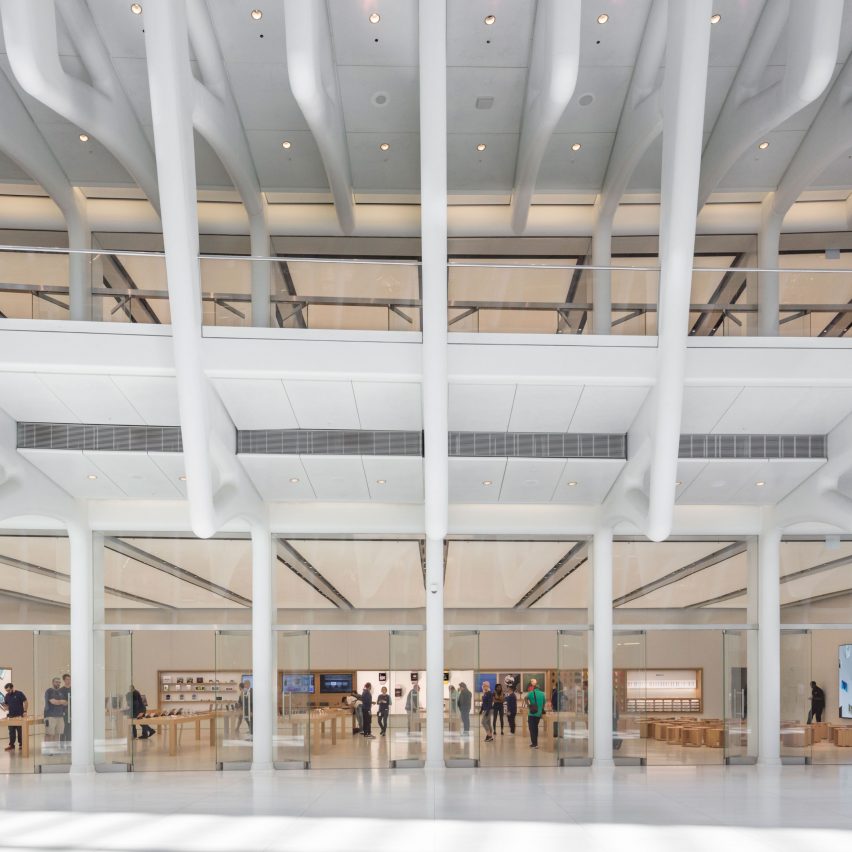
Apple Store by Bohlin Cywinski Jackson opens in Calatrava’s Oculus

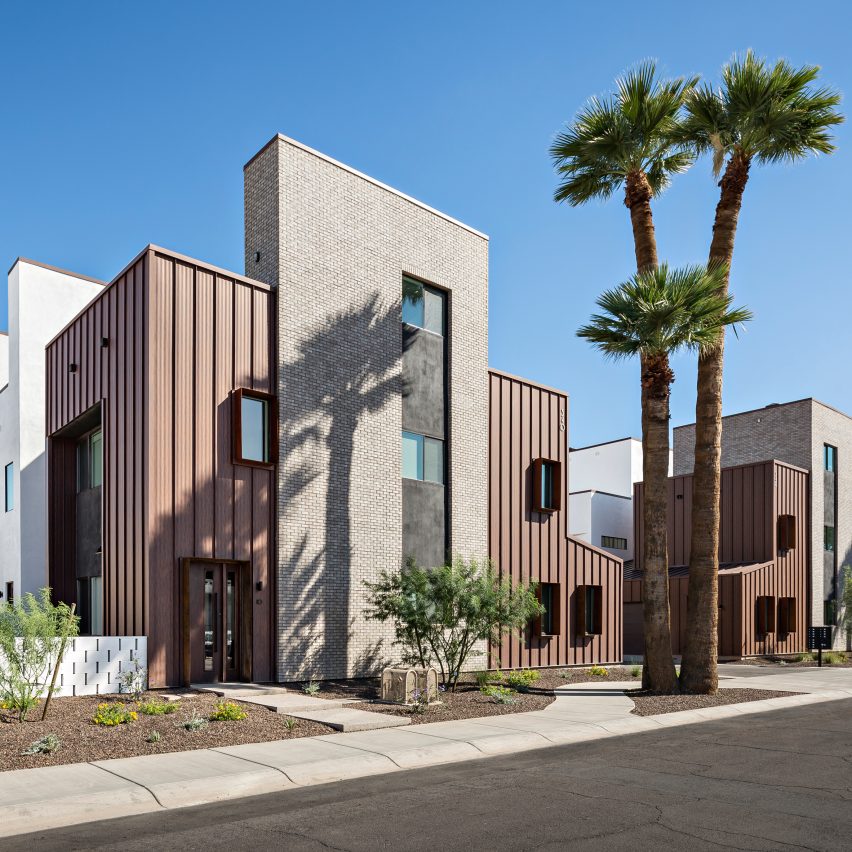
The Ranch Mine clads Phoenix townhouses in brick, stucco and weathering steel

Uptown Row by The Ranch Mine

US studio The Ranch Mine has completed a residential development in central Phoenix that consists of a pair of matching buildings, each containing five spacious townhouses. Read more

http://ift.tt/2egwUJF

YU! Hotel / Alfredo De León Méndez


© JAG Studio

© JAG Studio


© JAG Studio


© JAG Studio


© JAG Studio


© JAG Studio

  • Estructural Design: TECNOMAN
  • Construction: OBRAGRIS

© JAG Studio

© JAG Studio

From the architect. The architectural concept design is based on the hotel itself … a “low cost” hotel where the length of stay for a weekender, a tourist, or a business traveler is only 9 to 12 hours approximately, where the stay should preferably be simple and based on the fact that hotels provide services that the client does not need, does not seek or is not willing to pay, the program was done; reduce those services to a minimum and save those cost, designing the space of the room taking a 20 foot shipping container measures as reference, optimizing the space, uses, and the election of materials and furniture with a minimalist design… the results were 20 compact rooms of 15 sqm., with the elements and accessories of the highest quality.


© JAG Studio

© JAG Studio

The building was designed and constructed taking advantage of the square meters allowed by the city and being a corner the building was implanted in such a way that all rooms had a view to the city, income of ventilation and natural lighting; the short side of the street but with major pedestrian movement was reserved for the entry of the building.


© JAG Studio

© JAG Studio

The hotel is distributed in 5 floors, at street-level are entrance, lobby, reception, administrative office and services, also the snack bar that has two environments separated with a large stained glass window, but with the same use, inside as an air-conditioned place and the outdoor terrace having the feeling of spaciousness.


© JAG Studio

© JAG Studio

The four upper floors have a repetitive distribution, modulated by its structure, optimizing the space and connected by ducts of vertical circulation, the elevator and a staircase of emergency that communicates with the room aisle, differentiated only by a space in common in the façade, a double height for the lobby, a meeting room and an upper balcony which gives access to the terrace where are located the ventilation equipment, air conditioning and domestic hot water equipment.


© JAG Studio

© JAG Studio

The location of the hotel in the downtown area of las Peñas of Guayaquil City is a privilege, being only 200 meters from the greatest tourist attractions reference of the city, Malecón 2000 and Cerro Santa Ana an also near Jose Joaquin de Olmedo Airport, Bus station and the rest of the city in minutes by expressways.


© JAG Studio

© JAG Studio

Construction methodology was done in order to use efficient and sustainable construction materials, modulation, minimum heights between slabs, etc… reducing waste of work and the structure is a mix of reinforced concrete, slabs with the TECNILOSA system and masonry with HORMI2 (reinforced polystyrene) system to reduce the weight of the building, as also the structure and piles, managing to decrease the cost of construction by square meter as well as the time of execution.


© JAG Studio

© JAG Studio

The materials in grey tones, white walls using the color black and silver to accentuate the details, as well as large windows and basic design achieve a pure, simple architecture with lots of natural lighting, giving the feeling of spaciousness in a small site of only 174 sqm.

http://ift.tt/2egA2oy

The Names and Numbers Behind the World’s 100 Tallest Buildings


via CTBUH

via CTBUH

The Council on Tall Buildings and Urban Habitat (CTBUH) has released some of the facts and figures behind the projects appearing in their recent book, 100 of the World’s Tallest Buildings. The construction of tall buildings requires collaboration between many different companies and firms and the efforts of hundreds of people, but a few select firms have been responsible for more of the design and engineering achievements than any other.

Continue reading to see the 18 design architects that have contributed multiple buildings to the top 100 list.

1. Kohn Pedersen Fox Associates – 16 Buildings

2. Skidmore, Owings & Merrill LLP – 12 Buildings

=3. Aedas – 4 Buildings

=3. Dennis Lau & Ng Chun Man Architects & Engineers (HK) Ltd. (DLN) – 4 Buildings

=3. Pelli Clarke Pelli Architects – 4 Buildings

=6. Adrian Smith + Gordon Gill Architecture – 3 Buildings

=6. Atkins – 3 Buildings

=6. C.Y. Lee & Partners Architects/Planners – 3 Buildings

=6. Eng. Adnan Saffarini – 3 Buildings

=6. Foster + Partners – 3 Buildings

=6. Gensler – 3 Buildings

=6. HOK – 3 Buildings

=6. National Engineering Bureau – 3 Buildings

=14. Archgroup Consultants – 2 Buildings

=14. ECADI – 2 Buildings

=14. Goettsch Partners – 2 Buildings

=14. LWK & Partners – 2 Buildings

=14. Pei Cobb Freed & Partners – 2 Buildings

Visit the CTBUH “Skyscraper Center” for a full list of the top 100 tallest buildings, as well as more rankings and analytics, including Top Owners/Developers, Top Consultants, Buildings by City/Region/Country and Structural Material Analysis.

News via CTBUH.

http://ift.tt/2e4m4bG

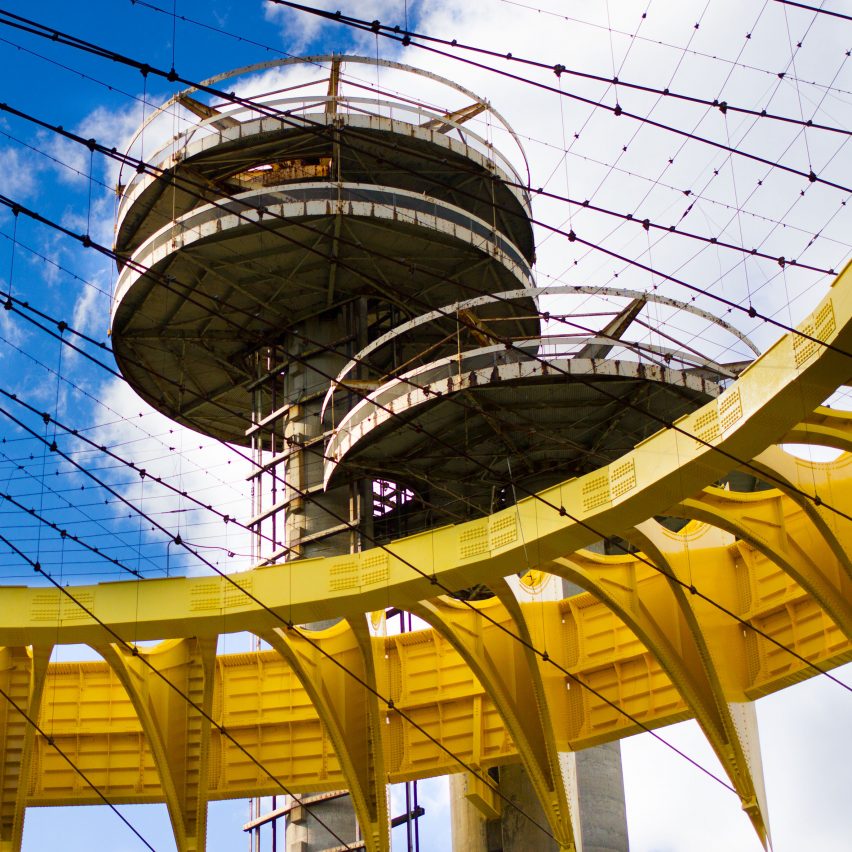
10 of the best sites to explore during Open House New York this weekend

New York State Pavilion by Philip Johnson

The Open House programme, which gives the public a chance to see buildings and sites that are usually off limits, comes to New York this weekend. Here’s 10 places we recommend to explore over the next two days. Read more

http://ift.tt/2e7PtiE

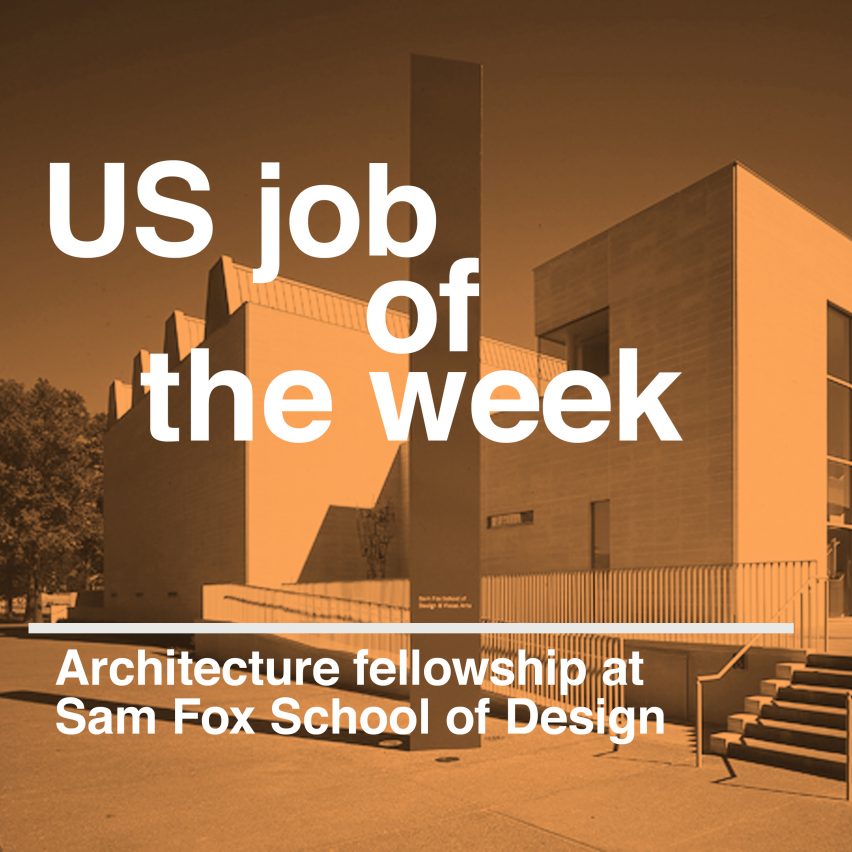
US job of the week: architecture fellowship at the Sam Fox School of Design

Dezeen jobs architecture and design recruitment

Our US job of the week on Dezeen Jobs is for a fellowship in architecture at the Sam Fox School of Design at Washington University, where the Mildred Lane Kemper Art Museum (pictured) is located. Visit the ad for full details or browse other architecture and design opportunities on Dezeen Jobs.

http://ift.tt/2e7QuqQ

Cold Pressed Juicery-Shop Prinsengracht / Standard Studio


© Wouter van der Sar Photography

© Wouter van der Sar Photography


© Wouter van der Sar Photography


© Wouter van der Sar Photography


© Wouter van der Sar Photography


© Wouter van der Sar Photography

  • Team: Jurjen van Hulzen, Marc Brummelhuis, Felix Stadie
  • Graphic Designer: Build in Amsterdam
  • Project Management : Den Dekker Project Management
  • General Contractor : Jan van Esseveld
  • Interior Fit Out : Job Interieur Bouw

© Wouter van der Sar Photography

© Wouter van der Sar Photography

From the architect. After the successful completion of the first and second design for the Cold Pressed Juicery at the Willemsparkweg and the Herengracht, Standard Studio got asked to create their third store. Located opposite the Anne Frank Museum, right in the corner where the busy Prinsengracht meets the calm and peaceful Bloemengracht. Every morning the street is full of cyclists rushing to work and during the day the tourists will appear, trying to find their way around or simply enjoying the beautiful city. Either way, this store is located right in the center where everyone can enjoy a healthy tasty juice.


© Wouter van der Sar Photography

© Wouter van der Sar Photography

The layout has made it possible to create two different worlds. As the front we have the entrance to the Prinsengracht, a canal with so much happening that life never stops. As you enter you will notice how Standard Studio has kept the monumental characteristic of the marble floors, where the fridges are located, containing the “take away” products. The fridges are set up in a way that has been inspired by the intersection of both canals following two different directions. Commuters in the morning pop in for a few minutes, go straight to the fridges, grab their juices, and off they go to work.


Floor Plan

Floor Plan

The calmer world is at the back of the store. This area is elevated by a few steps and is designed as a concrete box. The contrast in material and in height creates the division between both worlds. A very calming and relaxing atmosphere has been created thanks to the possibility of having the space for cosy living room setting, the addition of some plants and the pretty view onto the Bloemengracht.


© Wouter van der Sar Photography

© Wouter van der Sar Photography

Both worlds are connected with a huge tree trunk that was cut to create the counter that houses a smoothie station and the cash desk. This counter was made entirely out of a solid wooden beam weighting over 4 tons. The wood that came out of the beam was used to create a screen that refers to the graphic identity of the brand which was made by Build Amsterdam. The wood was also used to create windowsills and benches outside. For a strong spatial effect a mirror is used in the back to make the space look bigger.


© Wouter van der Sar Photography

© Wouter van der Sar Photography

If you find yourself in the center of Amsterdam, stop by and grab a juice at The Cold Pressed Juicery, and if you need to take a break just pop into the back of the store where you will find enough space to relax and enjoy the beautiful sight both of the inside and outside world.


© Wouter van der Sar Photography

© Wouter van der Sar Photography

http://ift.tt/2dcEuHV