In Wake of Revolution, Francis Kéré Envisions a Transparent New Architecture for the Burkina Faso Parliament Building


Courtesy of Kéré Architecture

Courtesy of Kéré Architecture

On October 30, 2014, as Burkina Faso President Blaise Compaoré was preparing to make an amendment to the country’s constitution that would eliminate presidential term limits and allow him to extend his 27 year rule, tens of thousands of Burkinabé citizens in the capital city of Ouagadougou broke through police lines to set fire to several government buildings, including city hall, the ruling party headquarters, and the National Assembly Building. The following day, Compaoré stepped down, ushering in a new era of democratic rule and resulting in the country’s first ever pluralistic and competitive Presidential election in 2015.

But the revolution left the former government complex in tatters and in need of a clear direction forward both culturally and architecturally. A former French colony, Burkina Faso is home to 19 million people, 50 different ethnicities and more than 60 languages. The country would require a new Parliament that could serve as a common ground for these diverse groups, while providing the technology and education necessary to create opportunities and a better quality of life for all Burkinabés.

To find this solution, last year, the new head of Parliament approached architect and Burkina Faso native Francis Kéré to develop a building and masterplan for the Assembly Building. The new building, in the architect’s words, would need to be one that could “not only address the core democratic values of transparency, openness and equality, but could also become a catalyst for growth and development for the capital city of Ouagadougou as a whole.”


Courtesy of Kéré Architecture


Courtesy of Kéré Architecture


Courtesy of Kéré Architecture


Image of the capital city of Ouagadougou. Image © Francis Kéré


Image of the capital city of Ouagadougou. Image © Francis Kéré

Image of the capital city of Ouagadougou. Image © Francis Kéré

At the 2016 Venice Biennale, as part of the exhibition “In search of a new Ouagadougou” at the 15th International Architecture Exhibition, Francis Kéré and his firm Kéré Architecture, unveiled the plans for their design for the first time.

Kéré’s design takes the form of a grand, stepped ziggurat that invites people to climb, enter or occupy the entire building surface. At 6 stories tall, the building would stand out from the low profile and radically flat topography of Ouagadougou, giving residents a new elevated perspective on the entirety of their city. These design decisions combine to create a new sense of democracy that is both literal and symbolic.


Courtesy of Kéré Architecture

Courtesy of Kéré Architecture

Image of the capital city of Ouagadougou. Image © Francis Kéré

Image of the capital city of Ouagadougou. Image © Francis Kéré

“In a village setting, the process of decision-making is not a private matter occurring behind closed doors; community-members are free to sit near the gathering and observe the proceedings. In this true spirit of transparency and openness, the outer facade of the parliamentary structure is designed to be inhabited by the public,” explain the architects.

The design also draws inspiration from Burkina Faso’s agricultural economy, where nearly 90% of the labor force is employed in farming. For this reason, Kéré has integrated several green terraces along the occupiable facade to create a communal laboratory for pioneering new urban agricultural techniques. The vegetation would be supported by solar shading elements, which would also provide cooling and air circulation to the building’s interior.


Image of the destroyed parliament house. Image © Francis Kéré

Image of the destroyed parliament house. Image © Francis Kéré

Courtesy of Kéré Architecture

Courtesy of Kéré Architecture

Inside the building, the new 127-seat Parliament Assembly hall has been designed not to replicate western models for government chambers, but to respond to local needs, resources and climate. To achieve this, Kéré looked to traditional Burkinabés government settings.

“In rural areas, the elders of a village gather to discuss important matters under the shade of a great tree. Kéré reinstated this Arbre à palabres, or tree of discussion, in a private garden directly adjacent to the formal assembly hall where members of parliament can convene more directly.”


Photo from "In search of a new Ouagadougou" at the 15th International Architecture Exhibition at the Venice Biennale. Image Courtesy of Kéré Architecture

Photo from "In search of a new Ouagadougou" at the 15th International Architecture Exhibition at the Venice Biennale. Image Courtesy of Kéré Architecture

Photo from "In search of a new Ouagadougou" at the 15th International Architecture Exhibition at the Venice Biennale. Image Courtesy of Kéré Architecture

Photo from "In search of a new Ouagadougou" at the 15th International Architecture Exhibition at the Venice Biennale. Image Courtesy of Kéré Architecture

The new parliament building will sit within a larger masterplan that will also pay homage to the site’s history – in place of the ruin of the old assembly building, Kéré has designed a memorial in the form of a shaded depression and pool in the earth where rainwater can be collected for on-site irrigation and to serve as a passive cooling system for the interior. The space is intended to create a serene atmosphere where “visitors can relax in the shade and reflect upon those who lost their lives in the revolts.”

Surrounding the memorial, a grove of native trees will provide shaded areas for seating and gathering. Nearby, new commercial storefronts and exhibitions spaces will activate the space.


Building Diagram. Image Courtesy of Kéré Architecture

Building Diagram. Image Courtesy of Kéré Architecture

In a transformative time for Burkina Faso, Kéré Architecture’s design tackles the question of “How do we move forward?” by creating a building and masterplan that are truly for its people. Says Kéré:

“We want the entire building to be a platform for people to take ownership of.”

This project is currently on display at the 15th International Architecture Exhibition Reporting from the Front for the Venice Biennale. The exhibition is on view until November 27th 2016.


Courtesy of Kéré Architecture

Courtesy of Kéré Architecture

Project Credits

Architect: Kéré Architecture
Location: Ouagadougou, Burkina Faso
Design Team: Francis Kéré, Adriana Arteaga, Jaime Herraiz, Andrea Maretto, Diego Sologuren Martin, Nina Tescari, Blake Villwock

News via Kéré Architecture.

http://ift.tt/2e466MW

Moretti Residence / Norman D. Ward architect


© Charles Davis Smith, AIA

© Charles Davis Smith, AIA


© Charles Davis Smith, AIA


© Charles Davis Smith, AIA


© Charles Davis Smith, AIA


© Charles Davis Smith, AIA

  • Landscape Design: Gearheart Construction

© Charles Davis Smith, AIA

© Charles Davis Smith, AIA

From the architect. An undeveloped sixty-foot wide parcel of land, extending three blocks is a result of two residential developments merging in the 1930’s. In time, houses were built on each end of the three blocks. Moretti’s house began with the purchase of one of these 60’ x 300’ lots, the only lot without an existing house.


© Charles Davis Smith, AIA

© Charles Davis Smith, AIA

The street elevation gives an appearance of solid. Once past the green entry gate, the courtyards open to the sky and the living areas open to a private garden filled with sunlight.


Site Plan

Site Plan

The main volume of the house is clad in CMU. The two courtyards and porch are clad in paint-grip metal. The studio in the garden is clad with Douglas fir. A glass bridge connects the main house to the studio.


© Charles Davis Smith, AIA

© Charles Davis Smith, AIA

Two cubic courtyards are inserted within the main house composition. The courtyards serve as “light wells” filling the interiors with ambient light. The north walls of the courtyards are composed of a steel frame with white translucent panels. The sunlight is cast on the white fiberglass panels and the sunlight is constantly in motion within these courtyards. The movement of sunlight is cast onto the white translucent panels through the roof portal, reflecting the passage of the day.


© Charles Davis Smith, AIA

© Charles Davis Smith, AIA

The deep overhang above the south-facing porch prevents direct sunlight from reaching the window wall; even in winter when the sun’s arc of movement is lowest. The porch runs the length of the garden and serves as a threshold between the interiors and the landscape.


© Charles Davis Smith, AIA

© Charles Davis Smith, AIA

A rain chain is designed with eight strands, one for each grandchild. An aluminum pipe collects the chains, representing their grandmother’s embrace


© Charles Davis Smith, AIA

© Charles Davis Smith, AIA

http://ift.tt/2dPXnzn

Five emerging Mexican designers and studios to watch

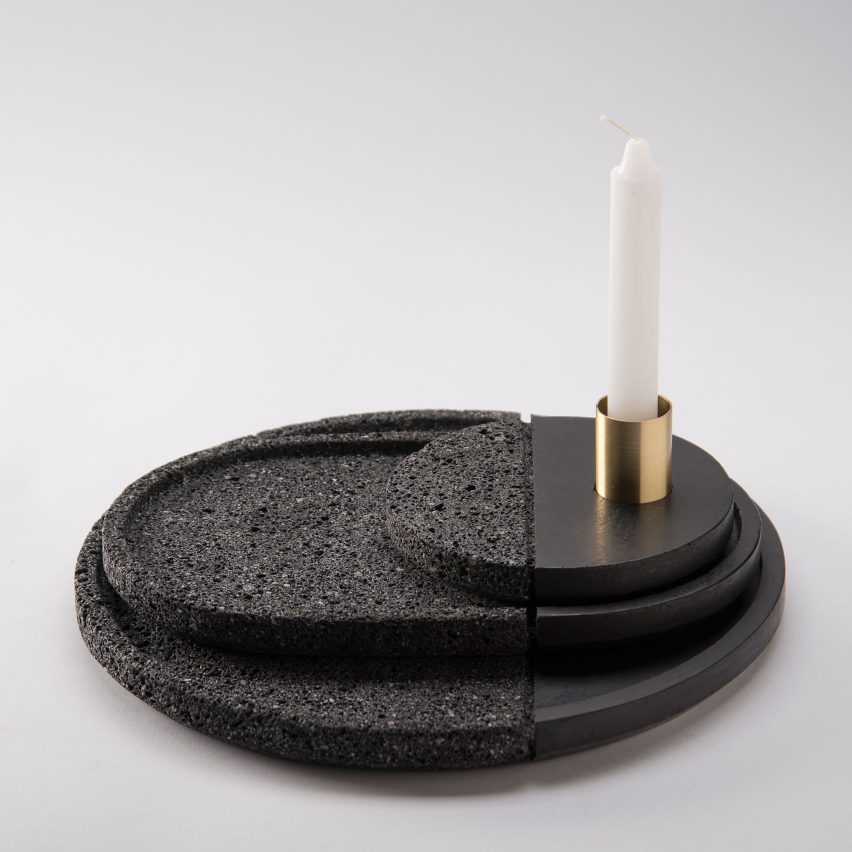
Lava plates by Peca

Following this year’s Design Week Mexico, Dezeen’s US editor Dan Howarth has picked five designers and studios from the country who he is tipping for international success. Read more

http://ift.tt/2e7rf84

Dutch Design Week reveals 2016 programme

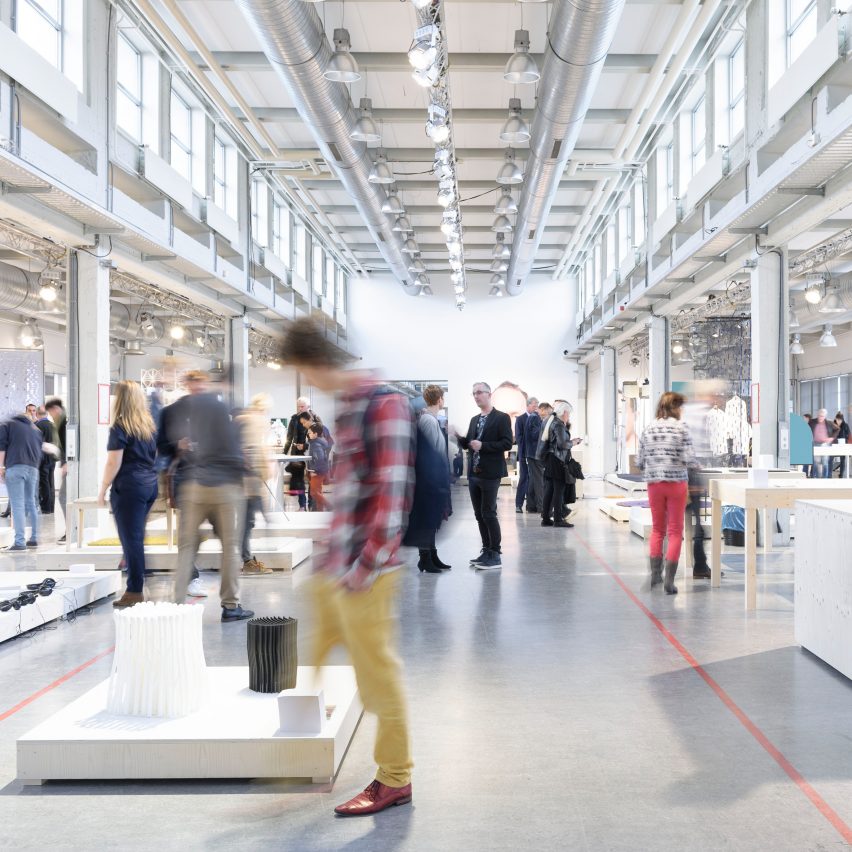
Dutch Design Week 2016

Dezeen promotion: this year’s Dutch Design Week will focus on makers and the creative process, and will include exhibitions, lectures, prize ceremonies, networking events and debates. Read more

http://ift.tt/2dZFdKR

10 homes with clever storage solutions on Dezeen’s Pinterest boards

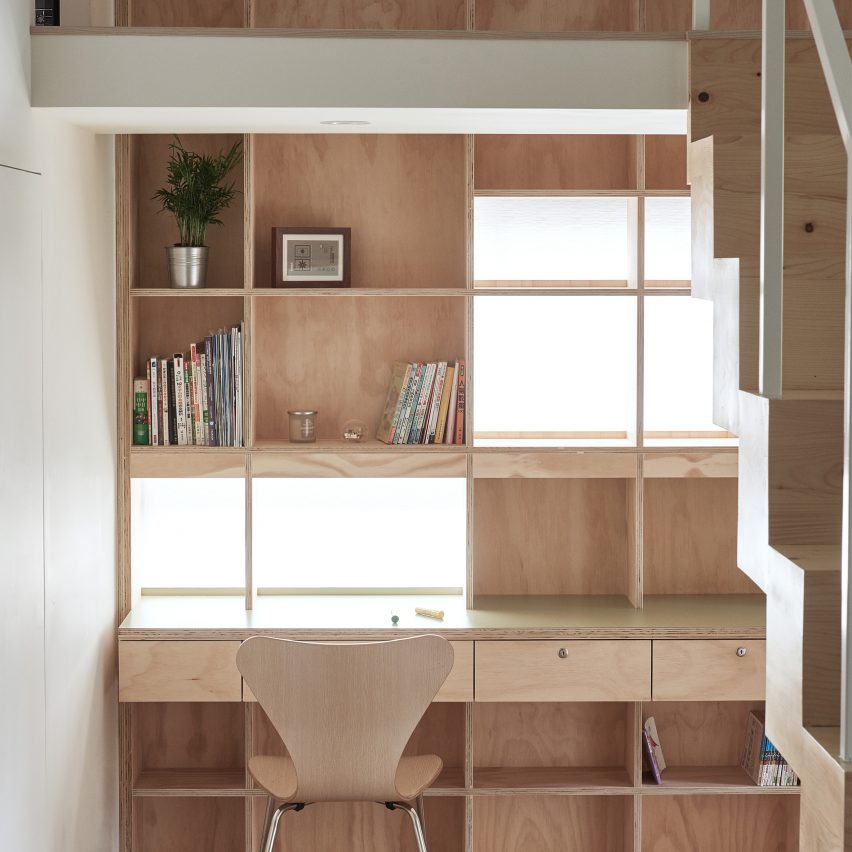
taiwan-apartment-hao-design-space-saving-interiors-sq

Pegboard display walls and a partition made up of maze-like shelving are just some of the clever storage solutions squeezed into the small homes and tiny apartments that feature in this week’s Pinterest roundup. Read more

http://ift.tt/2dppGUT

Snøhetta Selected to Master Plan New Campus for the Oregon Museum of Science and Industry


Courtesy of Snøhetta

Courtesy of Snøhetta

The Oregon Museum of Science and Industry (OMSI) announced today that it has selected Snøhetta to lead in the master planning of their new 16-acre riverfront campus and develop a long-term vision for the future of the Portland, Oregon site.

The overall goal of the master plan will be “to provide a market-driven strategy that outlines the best economic and environmental uses of OMSI’s physical property while highlighting the museum’s work as a cultural touchstone, science education resource, and trailhead to connect the community to learning and skill-building opportunities that equip them for 21st century jobs.”


Courtesy of Snøhetta

Courtesy of Snøhetta

“We look forward to bringing the Oregon Museum of Science and Industry closer in connection to its place, people and visitors,” said Craig Dykers, Founding Partner of Snøhetta. “Together with the museum’s administration, we will certainly see OMSI blossom into a place that is more resourceful and attractive in the years to come. Portland’s future is intimately linked with the pursuit of education, a greater understanding of the sciences, and our relationship to the environment. To be a part of this journey together with OMSI is a rare opportunity to shape a larger component of society.”

Also announced were the key consultants that will work with Snøhetta on the project, including ECONorthwest, for economic and market-driven planning; Buro Happold for environmental sustainability and infrastructure design; Spencer Consultants for local planning strategy; DKS to consult on traffic and parking schemes; civil engineers KPFF; and landscape architects Mayer/Reed.


Courtesy of Snøhetta

Courtesy of Snøhetta

The OMSI master plan joins a series of planning projects currently helmed by Snøhetta in the Portland Metro Area, including the Willamette Falls Riverwalk in Oregon City and the future home of the James Beard Public Market in Portland. The firm also partnered with The Center for Architecture in Portland earlier this summer to present its first full-scale exhibition of their work in North America, featuring sketches, renderings, and models.

“Portland remains one of the most inviting cities in America,” said Michelle Delk, Partner and Director of Landscape Architecture with Snøhetta. “After many years of industrialization, the city is awakening to its waterfront and natural surroundings more than ever before. The city’s food culture, social activities and environmental initiatives are helping create a new attitude along the waterfront, and OMSI’s new Master Plan will contribute to the exciting and evolving character of the city and state.”

Work on initial planning concepts will begin this month and will continue into the spring of next year. Input from surrounding communities and OMSI members will be gathered at a series of future feedback meetings.

News via OMSI, Snøhetta.

http://ift.tt/2dSPYBI

Driessen House / Antonio Altarriba Arquitecto


© Diego Opazo

© Diego Opazo


© Diego Opazo


© Diego Opazo


© Diego Opazo


© Diego Opazo

  • Collaborator: David Lopez Mateo

© Diego Opazo

© Diego Opazo

From the architect. The project aims to explore the possibilities of massive volumes, treating them with two different textures, stone and white.


© Diego Opazo

© Diego Opazo

In an incredible environment where everywhere can see the sea, building makes a gradual this approach, closing access only performing certain openings to generate cross ventilation, but opening completely at sea views.


Plan

Plan

The building is based on a volume-stone plinth, nestled on the ground, with openings on the east side, providing lower stays light, ventilation and magnificent views. On this base volume stone room, the target volume of two heights, access and kitchen-living being on the ground floor and first floor master bedroom is based, and is topped with a volume of three heights which is the stairs connecting the socket with different volumes.


© Diego Opazo

© Diego Opazo

The outdoor spaces are treated as part of the house, since the opening of the massive volumes sea is total, connecting the entire exterior with the interior, even in certain cases such as the kitchen window, blurring the boundary line, entering in the overall composition of the building, causing one of the materials of this project is the blue Mediterranean sea.


© Diego Opazo

© Diego Opazo

With all this, we can say that the materials used are natural stone, white stucco, elm wood and the blue sea of Denia.

http://ift.tt/2efFJmF

Calatrava’s Dubai Creek observation tower breaks ground

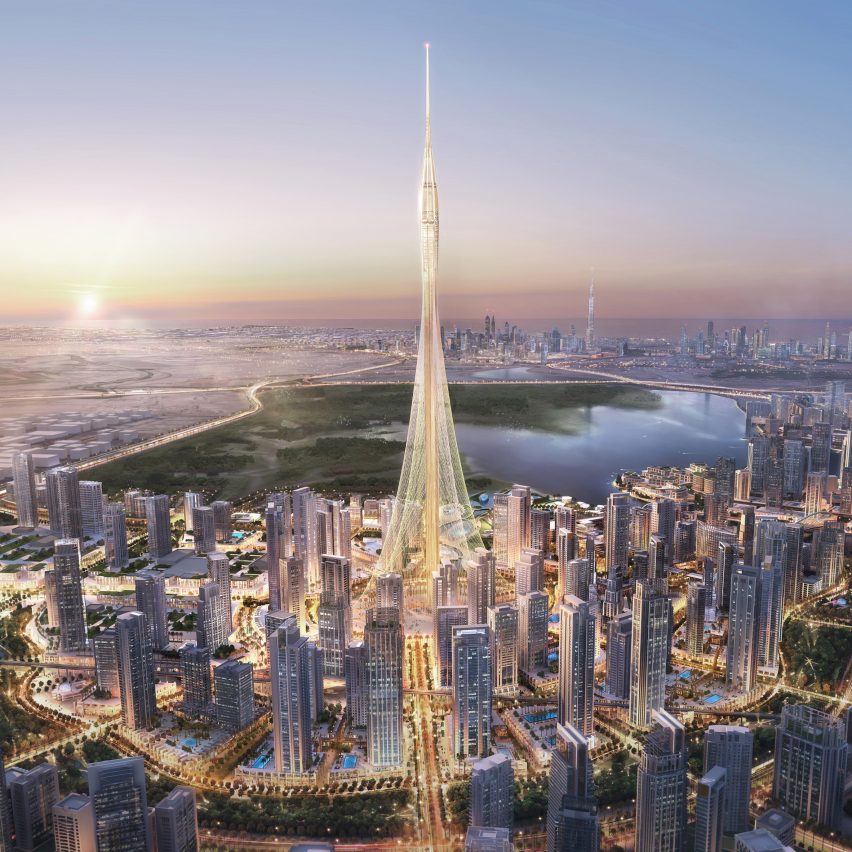
dubai-creek-harbour-worlds-tallest-tower-architecture-new-santiago-calatrava-united-arab-emirates_dezeen_sq

Spanish architect Santiago Calatrava has released more images of his proposed Dubai Creek Tower – now under construction and expected to surpass the 828-metre-high Burj Khalifa. Read more

http://ift.tt/2dgUW4S

115 Highbury Hill / Blee Halligan


© Robert Battersby

© Robert Battersby


© Robert Battersby


© Robert Battersby


© Robert Battersby


© Robert Battersby

  • Architects: Blee Halligan
  • Location: Highbury, London N5, United Kingdom
  • Architect In Charge: Greg Blee
  • Area: 100.0 sqm
  • Project Year: 2016
  • Photographs: Robert Battersby

© Robert Battersby

© Robert Battersby

From the architect. BLEE HALLIGAN ARCHITECTS have added a new kitchen and dining room to a four storey victorian terrace house in Highbury, creating a bright new living space for the owner and their large family.


© Robert Battersby

© Robert Battersby

The frameless glazed side return extension projects out into the garden and in doing so creates a planted courtyard to the main house and a light-filled nook, big enough for a sofa.


Floor Plan

Floor Plan

The glazed roof slopes down to the neighbouring property to reduce the impact of overshadowing without compromising the feeling of space and volume internally.


© Robert Battersby

© Robert Battersby

Crittal windows and doors were used throughout, opening up to the lush verdant garden. A roof extension was added as a home office, with full width glazing to allow panoramic views out over the garden below.


© Robert Battersby

© Robert Battersby

Product Description. Crittals were used in order to unify the elevation – fixed glazing, side-hung windows and doors provide a unified and consistent appearance when they are closed


© Robert Battersby

© Robert Battersby

http://ift.tt/2e2Pa9o

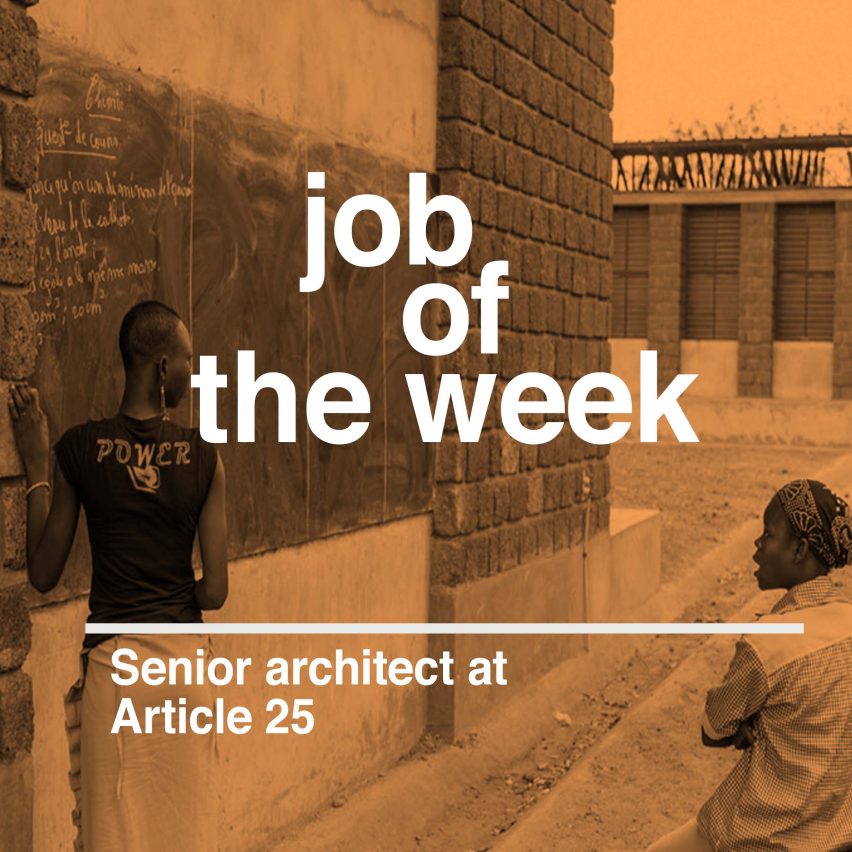
Job of the week: senior architect at Article 25

Dezeen Jobs architecture and design recruitment

Our job of the week on Dezeen Jobs is for a senior architect to work with disaster relief charity Article 25, improving healthcare buildings in Myanmar. Visit the ad for full details or browse more architecture and design opportunities on Dezeen Jobs.

http://ift.tt/2dBnqY6