Can’t Build Up? Why Not Build Down? The Case For Subterranean Architecture


The New York Lowline. Image Courtesy of NYCEDC

The New York Lowline. Image Courtesy of NYCEDC

While most cities strive for a sustainable level of urban density, there are limitations at play that can restrict the amount of upwards growth. In Mexico City, for example, height restrictions guide the growth outwards rather than upwards, and often the preservation of historic low-rise architecture halts expansion plans. In an attempt to mine the possibilities for alternative expansion, Kurt Kohlstedt from 99% Invisible has presented a round-up of the different ways in which architecture can instead grow below the ground surface.

Real-world concerns such as the cost and logistical nightmares of large-scale excavations ground some of the following proposals, but their provocative nature is opening up the dialogue for future possibilities. Several conceptual new projects, such as a 35-story subterranean “Earthscraper” designed by BNKR Architectura and the recent “New York Horizon” proposal which won the 2016 eVolo Skyscraper competition present audacious alternatives to traditional skyscraper design.


"New York Horizon" / Yitan Sun and Jianshi Wu. Image Courtesy of eVolo

"New York Horizon" / Yitan Sun and Jianshi Wu. Image Courtesy of eVolo

"The Earthscraper" / BNKR Arquitectura. Image via 99% Invisible

"The Earthscraper" / BNKR Arquitectura. Image via 99% Invisible

While removing the multi-million dollar infrastructure below Central Park can understandably be deemed as a polemic response to a serious question, the notion of below ground skyscrapers is one that is gaining more and more traction. More than likely, the first to be realized will be an infill project wherein the sunk costs have already been expended, and a stable underground framework already exists for the new architecture to cling to. 

As Kohlstedt explains, “large-scale underground architecture is rarely created from scratch,” but rather is reincarnated through adaptive reuse projects where the excavation occurred years ago. Often taking the form of abandoned mines and silos, within these projects the below-ground void is asking to be revived with a new program. A prime example of the ways in which these subterranean spaces can provide valuable public space for a crowded city is the New York Lowline; the mimetic cousin of the famous High Line.


The New York Lowline. Image Courtesy of NYCEDC

The New York Lowline. Image Courtesy of NYCEDC

The recently approved Lowline will run beneath Manhattan, making use of old rail infrastructure in a similar way to the High Line. The main difference? Rather than an open-air walkway, the Lowline is comprised of a cavernous underground trolley terminal, illuminated by solar reflectors. It will be the first park of its kind in the world; the borrowed sunlight will allow plants to grow, creating an underground oasis. 


The New York Lowline. Image Courtesy of NYCEDC

The New York Lowline. Image Courtesy of NYCEDC

Strong political connotations can often be embedded within these kinds of spaces, especially where the existing void was related to the military. But the Lowline is not the first example of an underground recreational or business zone; others include an amusement park in a mine in Romania, a wellness retreat in an old salt mine in Ukraine, and a trampoline center in an old slate mine in Wales.  


A wellness retreat in an old salt mine, Ukraine. Image via 99% Invisible

A wellness retreat in an old salt mine, Ukraine. Image via 99% Invisible

An underground trampoline center, Wales. Image Courtesy of Weburbanist

An underground trampoline center, Wales. Image Courtesy of Weburbanist

Each of these projects lies in peripheral or completely rural areas, where it is currently more feasible to mine below ground. This makes the Lowline’s approval a historic moment in the development of underground public space, due to its centrality in one of the world’s most bustling metropolis. The unsustainable surges in the cost of real estate, coupled with advancement in construction methodology will undoubtedly result in many more spaces of its kind in the near future, most likely giving rise to an eventual real-life Earthscraper.

To read Kurt Kohlstedt’s essay in full, head to the 99% Invisible Website.

News via 99% Invisible.  

http://ift.tt/2ct8aNk

Call for Submissions: Sketch Your Desk/Workspace


ArchDaily's Newsroom. Image © Leandro Fuenzalida

ArchDaily's Newsroom. Image © Leandro Fuenzalida

A few years ago we asked our readers to submit photos of their offices so that we could celebrate the many different environments in which architecture is created. Now we’re asking you to not only show us where you work but also how you work. We want to see your immaculately curated desks and your overflowing studio cubicles—but more importantly, we want to see those sketching skills! 

Competition Guidelines:

  • Sketch, Drawing, Collage, Gif, etc. MUST be submitted as either a .jpg/.png/.gif and MUST be at least 1080 px wide
  • Maximum submission file size is 8MB
  • Design must be original and suitable for publication on ArchDaily
  • All entries must be received by September 15, 12:00pm EST
  • You may submit more than one entry
  • Our favorite submissions will be published in late September

How to share a link to your submission:
In the form below, please submit a link to the .jpg/.png/.gif that you have created. We will not accept submissions as zip files, nor do we accept submissions sent via WeTransfer, MegaUpload, or a similar service. Any entry submitted as a zip file or using a file transfer service will be disqualified. If you are sharing a file that has been uploaded to Dropbox, Microsoft OneDrive, Imgur or Google Drive, please ensure that you are sharing a public link that can be accessed by ArchDaily editors. 
How to share a file using Dropbox
How to share a file using Google Drive
How to share a file using Imgur
How to share a file using Microsoft OneDrive

http://ift.tt/2bR6Nfy

http://ift.tt/2ct8vPV

Inspired by the Concept of Blooming Flowers MOB Architects’ Residential Project is Shortlisted for the 2016 WAF


Courtesy of MOB Architects

Courtesy of MOB Architects

MOB Architects’ project Liaisons has been shortlisted for the 2016 World Architecture Festival in the Future Projects \ Residential category and has won the Residential category for the 2016 AR MIPIM Future Projects Awards

Designed for the MOLEWA (Mount Lu World of Architecture) competition, Liaisons is a residential project in Ruichang, China near the “Flower Ocean Garden,” one of the world’s largest flower theme parks.

Inspired by the concept of blooming, the project centers on introducing a flourishing essence to the neighborhood by analyzing floral and vegetal properties in pixels and converting them into patterns, which are applied in arrangements and spatial organization principles.


Courtesy of MOB Architects


Courtesy of MOB Architects


Courtesy of MOB Architects


Courtesy of MOB Architects


Courtesy of MOB Architects

Courtesy of MOB Architects

The project is developed in six areas which are defined by distinct flower colors (purple, pink, red, orange, yellow, qing). The areas appear with diverse materialities throughout the horizontal and vertical surfaces (for example in the circulation zones, in the landscape design, in the facades, etc). The color succession remains the same throughout the total height of the buildings, but the specific limit between the areas varies from floor to floor – explained the architect on a press release. 


Courtesy of MOB Architects

Courtesy of MOB Architects

In each of these areas, beds of flowers that bloom year-round will cover the landscaping, as well as semi-public terraces throughout the building.


Courtesy of MOB Architects

Courtesy of MOB Architects

Courtesy of MOB Architects

Courtesy of MOB Architects

Courtesy of MOB Architects

Courtesy of MOB Architects

Both active and passive design strategies are utilized in the project to improve sustainability. For example, the building takes advantage of optimal Southern orientation, utilizes geothermal energy and solar energy, and collects rainwater for watering plants.


Courtesy of MOB Architects

Courtesy of MOB Architects

Courtesy of MOB Architects

Courtesy of MOB Architects

News via MOB Architects.

http://ift.tt/2ct7Uhf

Inspired by the Concept of Blooming Flowers MOB Architects’ Residential Project is Shortlisted for the 2016 WAF


Courtesy of MOB Architects

Courtesy of MOB Architects

MOB Architects’ project Liaisons has been shortlisted for the 2016 World Architecture Festival in the Future Projects \ Residential category and has won the Residential category for the 2016 AR MIPIM Future Projects Awards

Designed for the MOLEWA (Mount Lu World of Architecture) competition, Liaisons is a residential project in Ruichang, China near the “Flower Ocean Garden,” one of the world’s largest flower theme parks.

Inspired by the concept of blooming, the project centers on introducing a flourishing essence to the neighborhood by analyzing floral and vegetal properties in pixels and converting them into patterns, which are applied in arrangements and spatial organization principles.


Courtesy of MOB Architects


Courtesy of MOB Architects


Courtesy of MOB Architects


Courtesy of MOB Architects


Courtesy of MOB Architects

Courtesy of MOB Architects

The project is developed in six areas which are defined by distinct flower colors (purple, pink, red, orange, yellow, qing). The areas appear with diverse materialities throughout the horizontal and vertical surfaces (for example in the circulation zones, in the landscape design, in the facades, etc). The color succession remains the same throughout the total height of the buildings, but the specific limit between the areas varies from floor to floor – explained the architect on a press release. 


Courtesy of MOB Architects

Courtesy of MOB Architects

In each of these areas, beds of flowers that bloom year-round will cover the landscaping, as well as semi-public terraces throughout the building.


Courtesy of MOB Architects

Courtesy of MOB Architects

Courtesy of MOB Architects

Courtesy of MOB Architects

Courtesy of MOB Architects

Courtesy of MOB Architects

Both active and passive design strategies are utilized in the project to improve sustainability. For example, the building takes advantage of optimal Southern orientation, utilizes geothermal energy and solar energy, and collects rainwater for watering plants.


Courtesy of MOB Architects

Courtesy of MOB Architects

Courtesy of MOB Architects

Courtesy of MOB Architects

News via MOB Architects.

http://ift.tt/2ct7Uhf

Florida Street / Paper House Project


© Rory Gardiner

© Rory Gardiner


© Rory Gardiner


© Rory Gardiner


© Rory Gardiner


© Rory Gardiner


© Rory Gardiner

© Rory Gardiner

This former garment factory in Bethnal Green had previously been used as a commercial office before being converted into a large open plan live/work unit nearly ten years ago. The challenge: how to retain the open plan arrangement whilst creating defined spaces and adding a second bedroom.


© Rory Gardiner

© Rory Gardiner

By opening up the enclosed stairwell and incorporating the vertical circulation into the central atrium, we were able to add space, light and volume to the main living areas. Glazing is used throughout to bring natural light deeper into the floor plan, with obscured glass panels creating privacy for the fully refurbished bathrooms and bedrooms. The glazed atrium visually connects both floors whilst separating public and private spaces.


© Rory Gardiner

© Rory Gardiner

Section

Section

© Rory Gardiner

© Rory Gardiner

The industrial aesthetic of the original building has been preserved with a bespoke stainless steel kitchen, open metal staircase and exposed steel columns, complemented by the new metal-framed atrium glazing, and poured concrete resin floor.


© Rory Gardiner

© Rory Gardiner

Paper House Project provided full RIBA Architectural Services.

http://ift.tt/2ct7fw5

Villa A / Perathoner Architects


© Arik Oberrauch

© Arik Oberrauch


© Arik Oberrauch


© Arik Oberrauch


© Arik Oberrauch


© Arik Oberrauch


© Arik Oberrauch

© Arik Oberrauch

From the architect. In Selva of Val Gardena at an altitude of 1563 meter, at the foot of the impressive natural landscape of the UNESCO World Heritage Dolomites, the studio Perathoner Architects designed a house in a peculiar architectural style.


© Arik Oberrauch

© Arik Oberrauch

It is located in the middle of a unique landscape and offers an exceptional view of the Sella massif. The entire building has a modernist architecture with clean lines, but also carries echoes of architectural traditions like the use of local materials such as stone and wood.


© Arik Oberrauch

© Arik Oberrauch

Section

Section

© Arik Oberrauch

© Arik Oberrauch

The main goal of the project was to merge the building with the surrounding natural alpine landscape.The steepness of the terrain suggested extending the building over four floors with the first two levels partly below grade. The house presents a smaller front on the north side, while the main front faces the south side featuring large windows overlooking the beautiful mountains.


© Arik Oberrauch

© Arik Oberrauch

The building offers three separate living units and a large garage with a car lift that provides access to an underground parking space. The preferred space of the house is the attic with floor-to-ceiling windows for a striking view of the landscape.The house was constructed according to high energy efficiency standards in full compliance with regulations of environmental sustainability of the materials used and earned a Nature Climatehouse certification. 

http://ift.tt/2ct8cVv

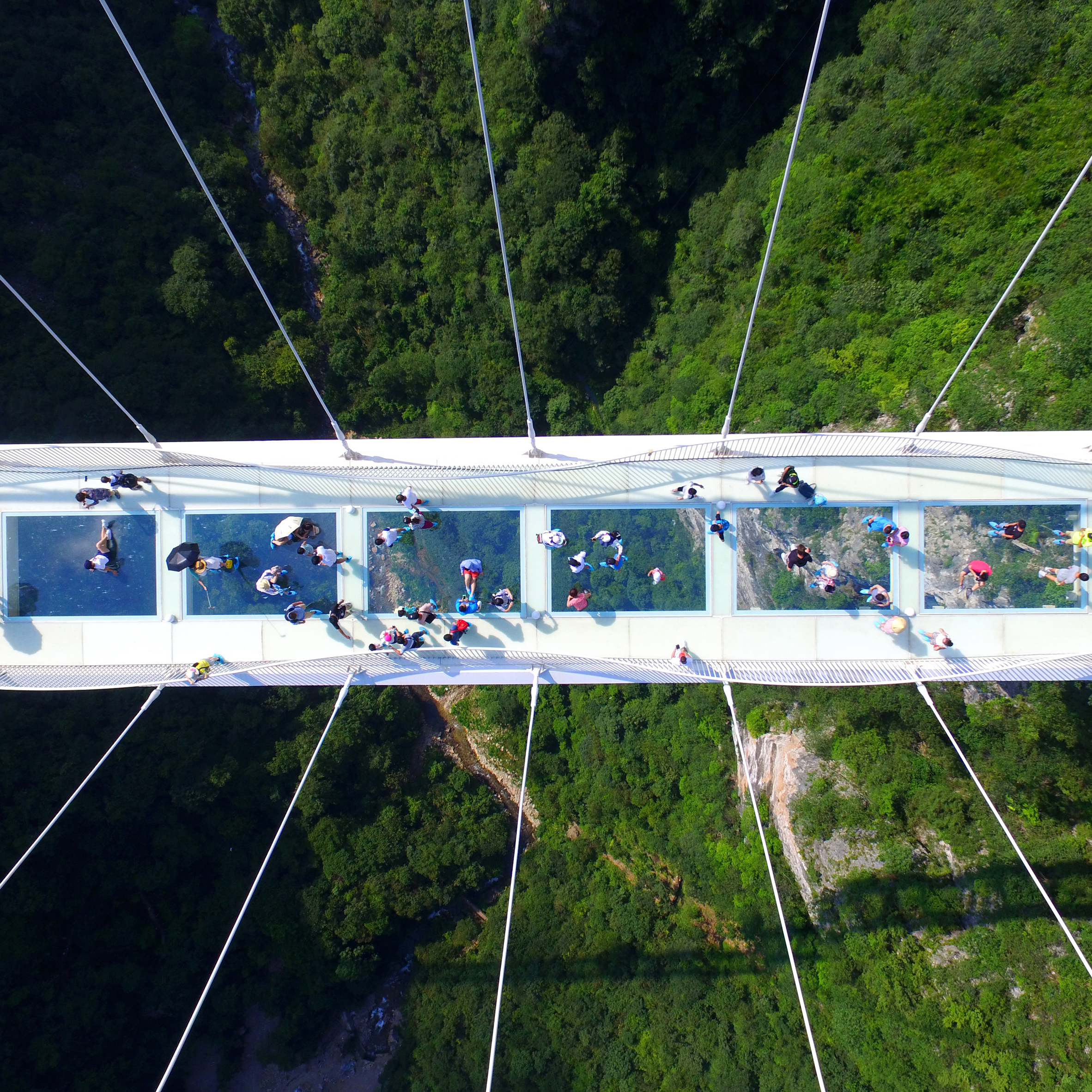
World’s tallest and longest glass bridge closes after just two weeks


430-metre-long glass bridge in China has closed after just 13 days after opening due to being “overwhelmed” by visitors.  (more…)

http://ift.tt/2chfyMy

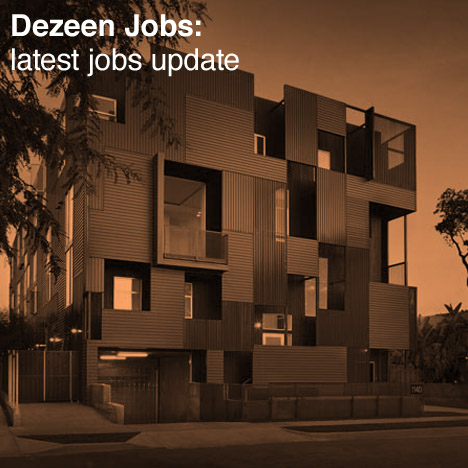
Dezeen Jobs: latest jobs update

Dezeen Jobs: latest jobs update

See the latest from our recruitment site Dezeen Jobs, including positions with Starck, The Lowline and Lorcan O’Herlihy Architects, which clad an 11-unit housing project in West Hollywood in red metal panels (pictured). This is also the last chance to apply for roles with Richard Meier Architects, Maccreanor Lavington, Clive Sall Architecture and more… (more…)

http://ift.tt/2bNCLmO

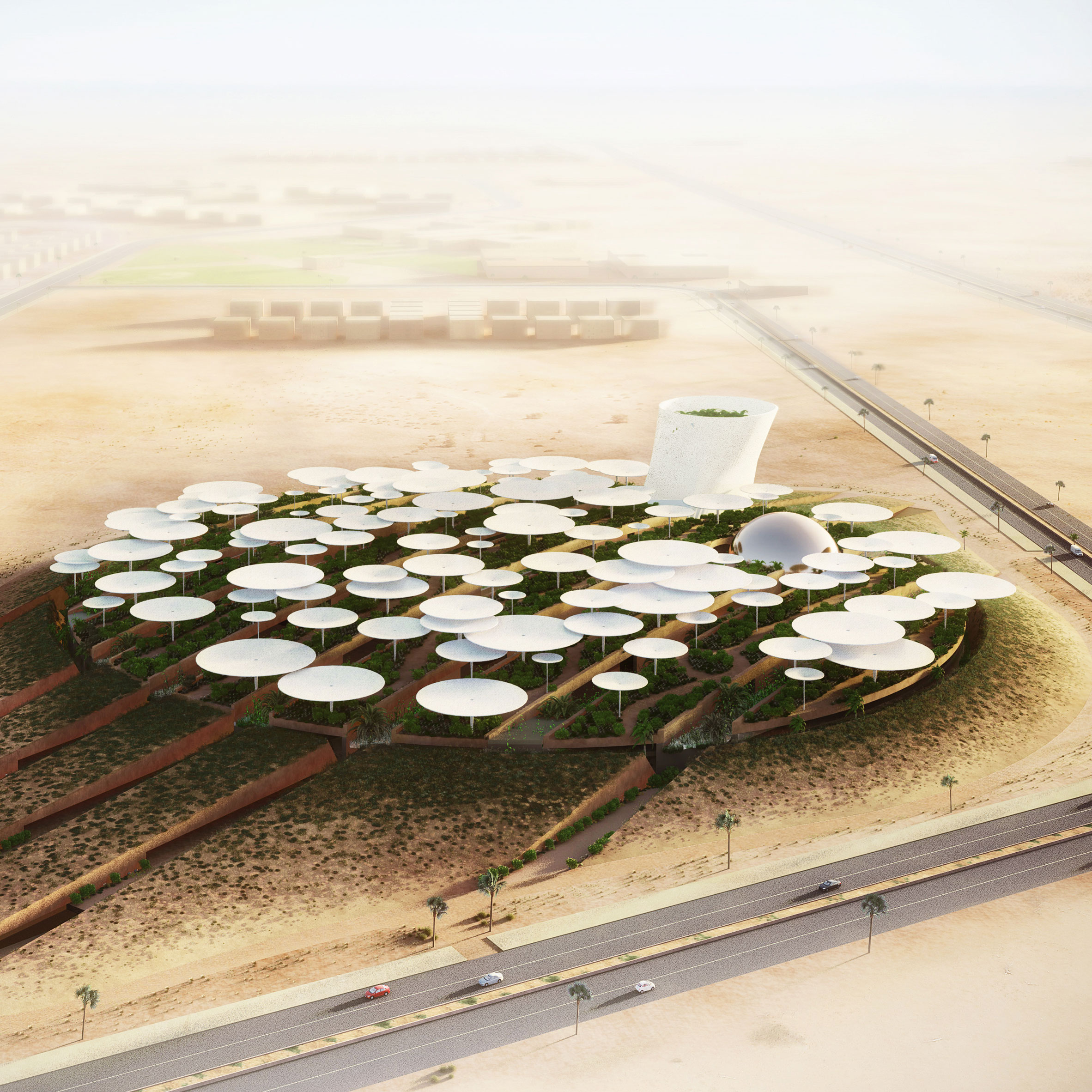
Weston Williamson chosen to design Cairo Science City


London studio Weston Williamson has won a competition to design a major new science complex for the Egyptian capital (+ slideshow). (more…)

http://ift.tt/2c1JwlN

Call for entries to YAC’s Lamborghini Road Monument competition


Dezeen promotion: Young Architects Competitions is inviting architects and designers to imagine architectural installations for the entrances to the Lamborghini museum and plant. (more…)

http://ift.tt/2cAT6kI