
The 4 Steps I Used to Not let Guilt Consume Me

You’re reading The 4 Steps I Used to Not let Guilt Consume Me, originally posted on Pick the Brain | Motivation and Self Improvement. If you’re enjoying this, please visit our site for more inspirational articles.

Guilt is something that is experienced by even the best of us. In fact, it usually only happens to those with a conscience because we tend to hold ourselves responsible for things more so.

Having a conscience is good but sometimes we tend to over generalize things and attribute event to our own actions even when we had very little or nothing to do with them. Sometimes we may have been unintentionally responsible for them. Sometimes we may have actually made mistakes. The result is massive guilt that does not let us sleep at night.

In my life, like everyone else, I too have made some mistakes I am not proud of. Some of them were things I intentionally did in the past and some are more recent events. Had I not applied these strategies, it would be difficult for me to live a happy and fulfilling life despite the events of the past.

So in this piece I will share with you the 4 strategies that have worked for me in effectively dealing with guilt. If they have practically worked for me, there is a good chance they will work  for you as well. Here they are!

1)     Distinguish between events that were your fault and those that weren’t

The factor of the matter is that you are not even responsible for many of the things you do feel guilty about.  Life is extremely unpredictable and most of the things that happen are not under your control at all.

If someone decides to commit suicide in front of your car, is it your fault? Of  course not.  If someone on a motorbike who is not wearing a helmet, ignores traffic signals and drives rashly and gets hit by your car, is it your fault? No!  You can’t even be charged for causing death by negligence unless you yourself were driving rashly or were driving drunk.

There is no doubt that these incidents are shocking and affect you emotionally on a very deep level. This is one of the reasons why people suffer from guilt even when they were not responsible for things.

In the last one year a major event has happened that has led to the passing away of someone because of a heart attack. I rarely interacted with them personally and was extremely polite the one time I did, but they were extremely dear to someone who matters a lot to me.

Prior to their passing, they were quite stressed. But almost everyone is stressed in today’s world due to some reason or the other.  Yet after their passing, I suffered from guilt.

But when I talked to people I trusted about it, they made me understand that I did not give them heart disease, reminded that I had been extremely polite in the one time I interacted with them and had been respecting their wishes for the longest time as well.  So when I did not do anything intentional or even unintentional to harm them, how could I blame myself for what was probably destined?

Thus it is important to be objective and take a hard look at your actual role. Did you intentionally cause this to happen? And if you did not, then it is important to move on. But how do you do so?  Well you do so with the help of people whom you trust like I did.

But there are situations where you actually do the wrong things and now feel guilty? What do you do then?

2) Realize that you will make mistakes, as will everyone else.

The greatest people all over the world have committed mistakes they regretted later. These people may have been idols and role models to a large number of people but they were not free of their follies.  Look at the lives of any great person in history, they have often done some not so admirable things.

Edison, for example, exploited Nikola Tesla and then tried his best to suppress his inventions when he went his separate ways. From using him and then not paying him as promised to sending goons to burn down his lab to electrocuting an elephant to prove him wrong, it’s evident that Edison did not treat the equally great (or greater) genius called Tesla with much respect. On his death bed, Edison admitted that he should have treated Tesla with much more respect than he did. And yet Edison is almost universally considered someone who should be admired, as he should, because his contributions outweigh his negative traits.

And not just great men, if you read the holy books of any religion, they all have characters  committing sins despite the fact they  are considered universally positive. In the Ramayan, which is one of the most famous epics in Hinduism, Ram who is considered to be an incarnation of God and is almost universally considered an ideal son and an ideal husband abandoned his wife only because someone in his kingdom questioned her chastity.

We all have a gray side, none of us can keep our hands to our heart and say we never did anything wrong.  We all make mistakes, some are grave, some are less so. Some are intentional and others are not, but if you are not able to forgive yourself for it or at least move on with your lives, you will be paralyzed.

I have done a few things intentionally that I regretted, especially when I was a teenager. I did not behave well with my parents, I did not treat their money with respect and I was a bully with some kids even though I faced bullying myself.

Am I proud of these things? Of course not. Do I wish they did not happen, yes.  But everyone makes mistakes and even more so when they are young. When I studied people all over the world and found that even the great leaders and even someone considered a God was not above mistakes, how could I, a common man not commit any? Realizing this truth made it much easier for me to forgive myself and move on.

3) Do not obsess over what happened. Stop ruminating about the past.

It is okay to be nostalgic and remember the good times or admit that you made  mistakes, but if you get caught up in the cycle of negative thinking repeatedly, then you are ruining your life.  You can imagine all that you could have done differently, but honestly does it matter anymore? Learn from your mistakes, but don’t obsess about those mistakes.  That will only feed unbearable guilt.

Your brain actually changes depending upon where you divert your attention and that is the basis of Cognitive Behavioral Therapy that is used to treat depression and anxiety disorders without involving medicines.

If you focus on negative things you will only spiral downwards and become guilt ridden to the point that you may even become suicidal.  In fact many such incidents have happened where people become so guilt ridden that they end up committing suicide months or years after the actual event happened.

If only they got the help they needed and learned that ruminating about the past isn’t the solution, but is in fact the problem, their life would have been different. If they learnt that focusing on the present moment is a much healthier option, they would not only be amongst us but also leading fulfilling lives despite the events of their past.

As I have mentioned before, I have done certain things in the past that I am not proud of. But I know that obsessing about those things will not change the events that have already happened. In fact it will only make me feel more guilty and depressed and lead to a non productive outcome.  I realized that the past cannot be changed and even the future is not under my control totally. The only thing that is under my control are my actions in the present moment.

One of the best ways that I have learned to not dwell in the past is through mindfulness meditation.  I set aside short periods of time every week where I sit calmly and just focus on my breathing. My mind wanders in the past and the future or even imaginary things, but when I become conscious of it happening, I bring my attention back to the present moment and focus on my breath.

The benefits have been tremendous even by doing this meditation for short periods. I have become much more adept at keeping my focus on day to day life instead of feeling guilty about things that cannot be changed or daydreaming about the future.

4) If doing things to correct your mistakes makes you feel less guilt then do them. But don’t obsess over trying to be perfect, only aim to do your best.

When you do things you regret, it is natural to want to correct them. Even though the fact is that you cannot change the past, certain things can be done to ensure the same mistakes are not repeated.  You may also want to do things that may offer you a sense of relief so that your heart starts believing that at least the positive things you do outweigh the negative things you did.

That is perfectly fine. It never hurts to do good. But even then you have to realize that changing habits takes time and that no one is perfect. There are possibilities that you may make the occasional slip here and there are and move towards the same old negative habits or actions. That is fine because you are human!  If you try to be perfect all the time, you set yourself up for failure, because that setback will shock you so much that you may just slide back into the pit of guilt.

I made the mistake of not behaving well with my parents as a teenager so I try to make up for it now by showing as much love I can for them.

I made the mistake of throwing away money so now I actively take steps to manage money better and have become much wiser with my finances.

I made the mistake of being a bit of a bully with some kids when I was younger. I made them feel bad about themselves so now I try to make up for it by helping others succeed in their life and boosting their confidence.

But am I perfect? Of course not.  There are times when I get upset with my parents, there are times when I make silly financial decisions and there are times when I get into arguments with people, although all of these times are very rare.

But if I tried to be perfect, I would just give up the first time I had these setbacks. I would probably just resign to the fact that my habits would not change and spiral again into guilt. Instead, I realized that the very fact that I experienced a setback meant that I had made some amazing progress before and if I was trying to climb a mountain, slipping down a little from time to time was expected.

So instead of crying over the fact that some of my old habits resurfaced, I got back up and resolved to do the best I can again, without trying to be perfect. As a result, I made progress yet again and lead a happy, fulfilling life today.

Conclusion.

I hope the tips given in this piece have resonated with you and if they have it would be a wise idea to implement them as well, because nothing can replace practically applying the information you receive.  I have applied these tips myself and my progress is a testament to the fact that you can live a happy life and overcome guilt despite the mistakes you may have made intentionally or unintentionally.

I do understand that everyone’s situation is different and sometimes it maybe hard to get rid of  guilt completely. That is okay, eliminating guilt totally is not the goal, the goal is to live productively, while not letting guilt control your life. No matter what your situation, applying these four strategies I have mentioned will help you tremendously in achieving the same!


You’ve read The 4 Steps I Used to Not let Guilt Consume Me, originally posted on Pick the Brain | Motivation and Self Improvement. If you’ve enjoyed this, please visit our site for more inspirational articles.


http://ift.tt/2f6YSaq

50 Ways To Relax And Be More Productive

You’re reading 50 Ways To Relax And Be More Productive, originally posted on Pick the Brain | Motivation and Self Improvement. If you’re enjoying this, please visit our site for more inspirational articles.

50 Ways To Relax & Be More Productive

Breaks are for losers, right?

Wrong. Breaks are part of our mental and physical programming, and to ignore our instinct to grab a breather is to open the door to stress and reduced productivity.

Naturally, when you have things to get done and deadlines to hit, the old adage ‘time is money’ tends to pop up like an angry neon sign every time you feel the urge to rest. But that adage might better be said, ‘quality time is money’.

Eating lunch at your desk, neglecting to relax properly when you’re not at work, never taking a vacation – these should not be habits that you associate with success. Stress costs American business hundreds of billions of dollars each year – a Harvard study chalked $63.2bn up to sleep deprivation alone.

A key problem is that the same ‘positive’ stress that we’ve relied on to power us through some tight moments does not help us out when the situation is scaled up. The extra concentration you muster when a deadline approaches or you’re put on the spot becomes dissipated when spread over a longer time: instead of working on the job at hand, your brainpower is taken up with trying to deal with the effects of stress.

Listen to your body, which is programmed to shift from a state of alertness to one of fatigue every ninety minutes or so, and you will work more – and work better – in these shorter blocks of time. It’s easier said than done for those of us who are truly driven to succeed, and have built up a glut of bad habits over the years. Overhauling your work ethic is a job best done piecemeal: evolving a little each day and noticing the improvement as you go.

Take Regular Breaks

Find yourself an app such as Pomodoro, which you can adjust to the work pattern that is best for you, for example setting a recurring ten-minute break every ninety minutes. Setting bite-size chunks of work to achieve, instead of surveying the ocean of work you need to get done in a day, can help you get stuck in for a proper session. Rewarding yourself before and after each block of work is also scientifically proven to improve your output.

Exercise Throughout The Working Day

And what to do on those regular breaks? Move! Exercise – be it stretches, push-ups or a walk – is a great way to release endorphins and keep your morale up (not to mention the cumulative physical effect of scheduling regular mini-workouts each day).

If you don’t have the space or the privacy for push-ups, try de-tensing your body where you sit. Relax your face, your shoulders, let your legs fall apart, stretch your toes, and breathe slowly. Do it for three minutes. Really, no time has passed, but you’re ready to launch back into what you’re doing.

Make Better Use Of Your Lunch Break

On your lunch break, get out of the office to stretch your legs, take in some fresh air and be inspired by whatever you see – be it an exhibition, a new café, or simply the trees and the clouds.

You might even take a short nap to reboot your brain, or save that particular treat for your mid-afternoon break. A 20-30 minute nap can boost your alertness without leaving you feeling groggy – again, it’s working with your body’s natural rhythms.

Follow The 20-20-20 Rule

But be sure to take regular, disciplined mini-breaks, too.

Five minutes to walk to the water cooler, stretch at your desk, or just give your eyes a break (when using a computer, we’re recommended to take a twenty second break to focus on something twenty feet away every twenty minutes – remember it as the 20-20-20 rule).

Stop Postponing That Vacation

If these techniques can start to make your daily workload a bit more manageable, don’t neglect to take a vacation to prevent burnout, too. Believe it or not, every ten hours of vacation taken each year has been shown to increase performance ratings by 8% – so the 12% of us who report feeling guilty for not working on vacation can knock that guilt on the head right now.

Taking quality breaks is just the start of adjusting your body and mind to a more productive way of being.

50 Relaxation Techniques You Can Try Today

Want more? Have a look at this infographic, which gathers some of the best mini-relaxations and daily techniques for improving the working day and getting a work/life balance that can enable you to get the best of both worlds – feeling better in yourself while taking your productivity to new levels.

50-ways-to-relax-without-spending-money

You’ve read 50 Ways To Relax And Be More Productive, originally posted on Pick the Brain | Motivation and Self Improvement. If you’ve enjoyed this, please visit our site for more inspirational articles.

http://ift.tt/2eC01WV

5 Steps to Make You Happier and More Productive

You’re reading 5 Steps to Make You Happier and More Productive, originally posted on Pick the Brain | Motivation and Self Improvement. If you’re enjoying this, please visit our site for more inspirational articles.

5 Steps To Make You Happier & More Productive

happier

You look at your watch. The minute hand hasn’t moved much since you last checked 30 seconds ago – it’s still 4:45. Somehow, time seems to be working against you today. Like an impatient schoolboy, you wait. And some more.

Begrudgingly, you get back to work.

If you don’t really love what you do, this probably is a regular occurrence. Lunch breaks feel like holidays, and off-days feel like a vacation.

If you could, you’d just pack everything up and walk away. But you obviously can’t.

You grind out another day at the office, unhappy, exhausted and disillusioned. And this affects your work negatively every single day.

A recent study conducted at the University of Warwick found unhappy employees to be 10% less productive, while their happier counterparts showed a 12% increase in productivity.  

Not all organizations invest heavily in the happiness of their employees. If that’s the case, you’re solely in charge of your own happiness.

So, what steps do you take?

1. Improve Your Morning Mood

Believe it or not, even a few bad minutes in the morning can ruin your entire work day.

Your toast gets burnt. You miss the bus. Or maybe you just get stuck in traffic.

Research shows that your morning mood directly affects productivity in the workplace.

Make time before you get to work to do something you truly enjoy. It can be anything – working out in the morning, getting a tasty bagel or a nice cup of coffee from the place just across the street or even looking at cute cat videos online.

Whatever makes you feel good, do it. And then walk into the office with a smile on your face, ready to take on the world.

 2. Take More Breaks

Plugging away at a task or project for extended periods of time might just bore you senseless. Boredom makes you unfocused, and your productivity suffers.

The solution? Take more breaks.

Bursts of productivity interspersed with small breaks help you escape the monotony of your job.

Eat a snack, take a walk outside or just sit back and stretch your legs – small breaks are extremely relaxing, and you feel happier and more focused when you get back to work.

Remember: Strategically squeeze your breaks into your work schedule, and keep them organized, because taking breaks at random may just be another distraction you don’t need.

 3. Engage your Co-Workers Positively

According to Shawn Achor, author of The Happiness Advantage, your social support network is the “greatest predictor” of happiness in times of stress.

Your workplace may not be the best in terms of the social support you get, but Shawn says that the key to “sustained happiness” lies in the social support you provide.

Organize small activities around the office. Invite work colleagues to lunch and eat at place you’ve never been before.

Do you see a colleague stressing out over an overwhelming amount of work? Pick up their slack and help them out.

Good relations and positive engagement with your co-workers leads to a higher degree of job satisfaction and increased productivity.

In turn, you make friends you can trust and rely on in times of need. A win-win situation, wouldn’t you say?

4. Have Something to Look Forward to After Work

Part of being unhappy is going back to the same old boring routine after a hard day’s work.

Go home. Eat dinner. Sleep. Repeat.

Mix it up. Have something to look forward to after work – every day if possible. It can be a new hobby you’ve recently taken up, a movie with your significant other or even a couple of beers with your work colleagues.

Activities like these are great stress-busters too, and you’ll power through work knowing that you have a fun evening ahead of you.

5. Set Aside Time to Reflect

If I asked you, “What was the best thing that happened to you at work today?” you’d probably be hard-pressed to find an answer.

Sure, it’s hard to find positives in a dull, monotonous job. You’d be better off if you did though.

Try this: reserve 15 minutes at the end of the work day to reflect and jot down every single positive, big or small (even the tiniest of them.)

Maintain a paper journal for this, or just fill up the calendar on your phone.

Reflecting on your day reveals that you’re achieving something (however small) every day, and that builds confidence. As a result, you start putting in more effort into your work, further boosting productivity.

Doing what you love is great, but if you can’t love what you do, follow these steps and work will never be a drag ever again.


Viraj Deshpande is a writer and musician from Mumbai. When he’s not daydreaming about becoming a rockstar, Viraj writes engaging content for clients and businesses. You can find him on Twitter and InstaFreelancer.

You’ve read 5 Steps to Make You Happier and More Productive, originally posted on Pick the Brain | Motivation and Self Improvement. If you’ve enjoyed this, please visit our site for more inspirational articles.
http://ift.tt/2ftFQ2g

3 Ways You Can Use Meditation to Relieve Stress

You’re reading 3 Ways You Can Use Meditation to Relieve Stress, originally posted on Pick the Brain | Motivation and Self Improvement. If you’re enjoying this, please visit our site for more inspirational articles.

3 Ways You Can Use Meditation To Relieve Stress

“If the problem can be solved why worry? If the problem cannot be solved worrying will do you no good.” ― Śāntideva

If there is one thing that held me back for the better part of my life, then it was stress and fear of rejection. I spent my adolescent years, growing up in an environment that took drinking alcohol and consuming drugs for granted, and the idea of healthy living was never on the table.

We all go through some learning lessons in this life, some take longer than others to understand, but ultimately the goal of life is to find happiness within, but when overwhelming stress and fears of rejection are standing in your way — making those first steps can become quite the challenging experience.

I know this feeling by heart, because when the time came to make serious adjustments in my life and leave the old behind, I was left with a turmoil of emotions and big questions as to what my life had become after having had a run of being an addict for more than 5 years.

Little by little I began to pull myself back together. The scars of old friends and lost memories were still there, but having set myself on the path of meditation quickly showed me that there are alternatives in life, such as healthier choices, meaningful relationships, and stress-free living.

When stress has built up.

My biggest fear, as mentioned, was fear of rejection. I know now that part of the reason was because of lack of self-acceptance that I had for myself. Drugs was a convenient solution to forget about my problems, and instead of dealing with obstacles in my way, I would mindlessly spend my resources for temporary boosts of happiness.

Meditation has taught me that happiness resides within, and that it is an accessible emotion available to anyone, all it takes is a little bit of patience and determination to look within as to what are the things standing in the way of your own true happiness.

That is why I want to show you today, how meditation can help you relieve your own stress, and how it can help you to understand yourself better as a conscious human being — someone who is part of something much bigger than just problems alone.

#1: Meditation promotes self-awareness

Self-awareness is the conscious knowledge of one’s own character, feelings, motives, and desires. I recall the amount of emotional turmoil I had to go through in order to break through some of my densest layers of fears, but it also taught me this:

We humans are like a library, before we acknowledge our own self-awareness the library is a complete mess, nothing makes sense. Yet when we tune-in within our inner-library, we understand that with a little bit of organization we can rearrange this library to have everything sit exactly where it needs to sit; just like books do in a real library.

When you become self-aware of your own body and mind, you gain an invaluable tool for organizing your life in a way that resonates deeply with your own heart, and there’s really no better medicine for the soul that being in alignment with the desires of the heart.

For me, this desire ended up being the need to help others understand themselves better, and how they can too, reach a higher understanding of themselves, and the planet that we all share.

#2: Meditation is about breathing consciously

You may go through a range of meditation techniques before you find the right one for you, but ultimately they all come back to a single factor — meditation is about observing your breath.

When you are relaxed, your breath gently flows in and out of your nose. Being deliberate (conscious) with your breathing patterns will automatically calm your nervous system and promote a sense of well-being.

Stress, fears and anxiety promote adrenal breathing which causes you to think that taking big and deep breaths fast is going to reduce your uncomfortable feelings, yet the effect is the exact opposite as you continue to fuel your adrenal response.

Meditation has taught me that breathing should come naturally, it’s a natural function of the human body, and rather than having to force the breaths in and out, we can choose to become mindfully aware of our breathing patterns and how they impact our levels of stress and anxiety.

#3: Meditation brings you in alignment with life

I can’t even begin to fathom as to how many times I have experienced what’s commonly known as existential crisis since having been on this spiritual journey. I think many of us arrive at this point in life after having gone through some challenging hardships.

Drugs left behind a big stain of dirt on my whole being, and eventually it started taking a toll on me. I kept running into questions like “Who am I?”, “What is the purpose of life?” and so forth. Hindsight I learned that these questions helped me to better shape myself as a person, someone who understands the challenges of needing to change, and has allowed me to connect deeper with the alignment of my own life.

I attribute this phenomena to the natural evolution of consciousness as you’re beginning to unravel any layers of security through your meditation practice. The beauty of meditation is that it naturally presents us with that which is holding us back, and with time we learn a way to let go of that heavy baggage that no longer serves a purpose.

Then, things like synchronicity start to become a daily occurrence. You’re suddenly running into situations and people that continue to propel you further on your journey of self-discovery.

You have surely heard of the saying “Being in the right place, at the right time.” — and this is so true for those who remain persistent with meditation, things just start to shift by themselves, and things that used to stress you out in the past are starting to fade in the myst of what was left behind.

Wanting to have a guru in your life to guide you doesn’t always have to be about an ego, as a matter of fact — it’s a beautiful thing to ask for help on this journey we’re all on. When you ask for help, you’re acknowledging a part of you that needs healing, and you’re only looking for ways to resolve issues that you feel is time to let go of.


Alex Hope is a mindfulness teacher with expertise in healing emotional wounds. Over the years of dealing with emotional trauma, he was inspired to start his own wellness project SkillCode — a community of seekers who are dedicated to unraveling their true Self through the practice of cultivating self-awareness.

You’ve read 3 Ways You Can Use Meditation to Relieve Stress, originally posted on Pick the Brain | Motivation and Self Improvement. If you’ve enjoyed this, please visit our site for more inspirational articles.

http://ift.tt/2eOZRyy

The 7 Best Blog Posts on Acceptance

You’re reading The 7 Best Blog Posts on Acceptance, originally posted on Pick the Brain | Motivation and Self Improvement. If you’re enjoying this, please visit our site for more inspirational articles.

The 7 Best Blog Posts On Acceptance

best blog posts on acceptance

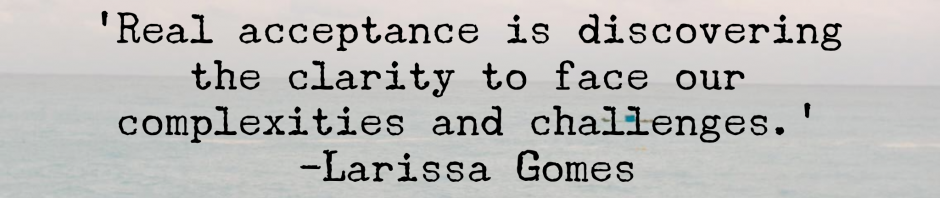
Acceptance is key, it unlocks the denial, fear and negativity of a circumstance or challenge we may face by opening the door for us to face it head on. In other words, acceptance is about ‘getting real’. So often we feel stuck in the mire of stress, powerless to control outcomes, acceptance is a practice that will genuinely affect our ability to make lasting change. Many people find the word ‘acceptance’ to signify weakness by linking it to passivity. Real acceptance is quite the opposite, it is about discovering the clarity to know and face our complexities and challenges, which is more so a sign of strength. Here are 7 blogs that help define what self-acceptance means:

1.Surmising that life is unpredictable and change is bound to happen, resistance to it seems ineffectual. Acceptance therefore, is the power we give ourselves to move through challenges peacefully. This blog helps to illuminate these views.

http://ift.tt/LNWL6u

2.Erin Olivo concentrates on how one can diffuse and rid themselves from the dangers of stress. There is not much one can do to change pain, but the suffering that generally comes along with it, that is within out control. She writes: “Acceptance is an attitude, not an action.”

http://ift.tt/2eKGhDk

3.Rose Caiola gives us 8 ways to begin your journey toward self-acceptance, they are at first seem somewhat elementary, however, they’re incredibly effective in their simplicity. Breaking down what it really means to accept yourself is the very first step in living a fully realized life…and why wait for this reality!

http://ift.tt/2f5bbbJ

4.“The only empowering choice is to accept.” This blog elevates the notion of what it means to have expectations and frustrations of ourselves and others. It reads as a strong reminder of the value in our close relationships and the questions one would want to pose to themselves in these times of frustration.

http://ift.tt/2eKCFBj

5.Darlene Lancer’s blog covers a lot of ground, from stages of denial to facing facts and control, it is this thought that best sums up what it is to acknowledge painful truths: “(Acceptance of a situation) prepares us to be effective agents of change. New options present themselves as our focus shifts from changing the impossible to changing what we can.”

http://ift.tt/2f2VFtj

6.This blog focuses on the work of professor Steven Hayes, and his acceptance and commitment therapy (ACT). He posits that the fundamental idea we posses about unhappiness being abnormal, is counter with the thought that it is in fact suffering and struggle that are normal. The issue lies with the not dealing with them, hence, the lack of acceptance. This is a great perspective to put into practice.

http://ift.tt/2eKBWjJ

7.Kris Carr is a cancer thriver and celebrated author, her advice throughout her blog conveys such authenticity it is difficult not to take away some of her hard earned optimism. With clear steps on how to live in the present and allow the healing to begin by accepting what is, her opinions form a very relatable read.

http://ift.tt/2f2Us5n

Cultivating a shift in one’s mind set is what is needed for true acceptance. This shift must move from criticism and negativity to acknowledgment and responsibility. Even if that shift doesn’t inspiring, it is important to remember that the pain underneath acceptance is not meant to disappear, only the suffering itself may lessen. Those things for which we can accept, we can effectively let go of as well, a freedom to move past life’s greatest challenges.

Do you read a great blog about self-worth that’s not on the list? Leave a comment on FB!


Larissa Gomes is a breast cancer survivor and single mom to her spirited baby boy! Originally from Toronto turned Angeleno, she has worked in roles from writer, actor and producer for well over a decade. In that time, she’s developed concepts, film and television screenplays, short stories, along with freelance articles, blogging and editing work.

You’ve read The 7 Best Blog Posts on Acceptance, originally posted on Pick the Brain | Motivation and Self Improvement. If you’ve enjoyed this, please visit our site for more inspirational articles.

http://ift.tt/2eKDFpg

How to Send Your Spirit from Zero to Sixty-Part II

You’re reading How to Send Your Spirit from Zero to Sixty-Part II, originally posted on Pick the Brain | Motivation and Self Improvement. If you’re enjoying this, please visit our site for more inspirational articles.

how to find fulfillment

how to find fulfillment

continued from part I

I spent decades figuring out lifework that brought me joy and fun and fulfillment.

You don’t want to wait decades. You want a map to your best future NOW.

You want a powerful, well-cared for, and efficient vehicle for your journey.

You need a mission statement, and I promised to help you craft one.

So, get ready!

Remember, you don’t need an exact destination for lifework, just a region, a country, an area. Don’t limit potential joy, creativity, and fun.

Again, what does a good mission statement include?

1-It must be about you as Human Being as much as a human doing, positioning you for constant growth.

2-It must be a prospect that brings you joy every day.

3-It must involve work that’s so immersive, you lose track of time.

4-It must, after a specific and reasonable amount of training, be something that you’re efficient at, (corresponding to the 80/20 rule, such that you can do 80% of your most important work in 20% of the time needed).

5-It must provide a balanced lifestyle with your most important values, and pervasive health in every respect, in your relationships, your physical well-being, and your emotional and spiritual situation.

6-It must give you plenty to work with and plenty of choices on how to SUPPORT your mission, but specific enough so that you know when you’ve gone off track.
So, those qualities above support you as a Human Being.

Your Mission Statement from the Ground Up:

Where to begin?

First, do what I call the “Magic Wand” exercise. Close your eyes, and grasp the power to spend every day EXACTLY IN THE WAY(S) THAT BRING YOU HAPPINESS.

Okay, let’s say you came up with ten ways. Write them down.

That’s the “floor” of your mission statement document.

Okay, take those floor items (“Activities”), and see if any of them go together. Cluster any that do go together, but don’t get rid of any that stand on their own.

Now, you have your rooms. Let’s call those “Categories”.

Now, more specifics.

Want to work with a lot of people?

Want employees?

Want to work in a particular part of the world? No particular place?

Want to work the same time every day?

Let’s call those issues “Qualities”, or to continue with the metaphor of where you are living, the “Lifestyle”.

Okay, you’ve got the “Floor” of “Activities”.

You have the “Rooms”, or “Categories”.

You have the Qualities, or the “Lifestyle”.

The BIG One:

Now, it’s time for your “Mission”, if you choose to accept it!!

What sort of work combines, from the bottom up, your floor, your rooms, your lifestyle, that, in total, makes your “Area”, or, if you prefer, your “Neighborhood”?

This part is straightforward, but not “simple”.

How I Did It:

Here’s what I did.

Activities: I realized that I loved writing of all kinds and creativity that went with it, from blog posts, to direct mail, to fiction, poetry, playwriting, even writing speeches. But I also loved interviewing people, chances to be on the stage, opportunities to perform, even direct.

Rooms: online presence (for blogs); marketing (direct mail, speeches); creative writing (plays, poetry, fiction); screenwriting, television work/media/podcasts.

Qualities: portability, free time to be with family and friends, autonomy, flexibility of opportunity, time to travel.

Mission: I realized that ONE thing tied all this together, what made me happiest since I was a kid: TELLING STORIES OF EVERY KIND. All these activities supported living in that neighborhood. For me, that’s “True North”; I can always reclaim ownership of my life after even the shortest of detours.

So, Why Wait?

I know this can seem overwhelming, but if I can do it, so can you. Besides, aren’t you worth it?

Why should you work for companies that have mission statements when you put off your own?

How much longer are you going to let the clock tick down on that most precious of resources, time?
Remember, these ticks are the bomb of inaction, when you get to the end of your life and you discover you were busy, but ultimately unproductive.

Do you want that explosion of unhappiness at the end of your life, knowing that you knew or could have known where True North was, but you turned away from the quest and ultimately, the destination?

The answer to your purpose, like all the best and most important answers to your life, lies within.

Go find it!

(p.s. to read Part I click HERE)


Lars Nielsen is a free-lance copywriter with a unique selling voice from the cadence and imagery developed through poetry, playwriting, fiction, radio, and comedy.  Go to http://ift.tt/2aI2xgg and see how Ultimate Influence Copywriting can tell compelling stories for your business, your speeches, your ideas, and your life.

You’ve read How to Send Your Spirit from Zero to Sixty-Part II, originally posted on Pick the Brain | Motivation and Self Improvement. If you’ve enjoyed this, please visit our site for more inspirational articles.

http://ift.tt/2eWJDUE

13 Foods That Are as Inexpensive as They Are Healthy

You’re reading 13 Foods That Are as Inexpensive as They Are Healthy, originally posted on Pick the Brain | Motivation and Self Improvement. If you’re enjoying this, please visit our site for more inspirational articles.

13 Foods That Are As Inexpensive As They Are Healthy

healthy cheap food

Eating a quality, nutritious diet is critical to health and wellbeing. Without the right foods, your body and mind cannot function as nature intended them to. Unfortunately, a small budget can make eating well seem impossible. Nutritious but expensive foods are not an option for those with limited resources. Thankfully, there are plenty of foods that are as inexpensive as they are healthy. Here are thirteen of the foods that best combine together these two qualities.

Brown Rice

An affordable staple in many parts of the world, rice is more filling and much healthier in its brown (unprocessed) form. Brown rice is an excellent source for fiber and contains such nutrients as selenium and iron. What’s even better is how versatile brown rice is. While it can be eaten on its own, brown rice can also serve as an ingredient in many delicious recipes, from soups to stews to casseroles.

Oatmeal

Dirt cheap, filling, and packed with nutrients, oatmeal is an almost perfect food for folks without much cash to spare. Oatmeal is an especially good source for fiber, which is necessary for the digestive system to function properly, and can help lower cholesterol. Oats also contain omega-3 fatty acids, potassium, and folate. When buying oatmeal, consumers should avoid flavored varieties, which contain added sugar.

Bananas

Bananas maintain a low price year round, and are extremely healthy to boot. This natural snack food is notably high in potassium, B vitamins, and fiber, and has smaller quantities of vitamin A and healthy carbohydrates. Bananas are especially helpful to the budget consumer since most fruits are not particularly cheap.

Beans

Since they provide lots of protein, beans are as filling and satisfying as they are cheap. Enjoyable on their own, beans are a great way to boost a meal’s nutritional content, since they can be used as an ingredient in many different recipes. Beans are also a valuable source for such nutrients as potassium, an excellent way to consume enough fiber, and often contain antioxidants. Plus, beans can be bought in bulk for greater savings.

Almonds

Though most nuts are expensive, almonds are a happy exception. Almonds are the ideal snack since they provide a quick burst of energy and are much healthier than most other snack foods. Healthy (monounsaturated) fats, magnesium, vitamin E, and vitamin B are the most significant of the important vitamin and minerals found in almonds. Almonds are a valuable source for protein and fiber as well. Studies have found that almonds contribute to heart health and help lower cholesterol.

Whole-wheat bread

Sandwiches, one of the cheapest and most convenient meals there is, are too often created with nutrient-poor white bread. A far better choice is fiber-rich whole-wheat bread, which is just as inexpensive, but much healthier. A grain’s nutritional value is almost entirely contained in its germ and bran, which are generally removed except in products like whole-wheat bread.

Spinach

Vegetables are crucial to any diet, and spinach is one of the most nutrient-dense veggies there is, making it an excellent choice for those on a budget. Spinach is packed with vitamins and minerals such as folate, magnesium, vitamin A, vitamin K, and vitamin E. Though spinach on its own may be unpalatable to some, it can also be used as an ingredient in salads, soups, and many other dishes.

Canned tuna

As convenient as a food can be, canned tuna is an economical way to get a significant amount of the protein and calories the body needs every day. Even better, canned tuna is a great source for omega-3 fatty acids, which are necessary for many basic bodily functions and are crucial to brain health. Vitamin B12 (crucial for processing food into energy) and niacin (which helps the skin and digestive system stay healthy) are found in tuna as well.

Whole milk

Although high in fat, milk’s nutritional value to cost ratio simply can’t be ignored. Since it is high in protein, milk will help drinkers feel full and satiated for longer. Milk is a great source for calcium (crucial to bone integrity), vitamin D, and potassium. Also found in milk are such minerals and vitamins as phosphorus, magnesium, zinc, and vitamin B12. Bottom line: milk provides a fantastic nutritional bang for its buck.

Peanut butter

High in protein, peanut butter will provide a big energy boost and stave off hunger for hours — two qualities important to people needing to save on food. Though peanut butter is rich in fat, this fat is mostly healthy, heart-friendly monounsaturated fat. Magnesium, vitamin E, and potassium are also found in peanut butter.

Frozen vegetables

Besides the specific veggies mentioned above, frozen vegetables of almost any type are a great deal for consumers. Surprisingly, frozen vegetables are also generally at least as healthy as the fresh stuff. As soon as they are harvested, frozen vegetables are flash frozen, locking in almost all available nutrients. In contrast, fresh vegetables start losing their nutritional value immediately after being picked. Cheaper and healthier — frozen vegetables are a fantastic buy.

Eggs

Eggs are so rich in protein they could be described as nature’s answer to protein powder, which means that consuming a hard boiled egg will promote feelings of fullness and provide a big energy boost, making them an excellent value purchase. Plus, B vitamins, vitamin D, iron, and carotenoids are found in eggs.

Whole-grain pasta

A classic budget-friendly meal, normal pasta is, however, not especially healthy. A much better choice is the whole-grain variant of pasta, which is still extremely cheap. Whole-grain pasta is more nutritious than regular pasta because it contains three times as much fiber, double the calcium, extra protein, and higher amounts of substances such as selenium, phosphorus, B vitamins, magnesium, manganese, and copper.

As the above list clearly shows, the idea that eating nutritiously and saving money are mutually exclusive is wrong. Neither a limited budget nor a desire to cut expenses is a serious barrier to eating a good diet. The key is simply to prioritize consumption of foods that are both cheap and highly nutritious — such as those listed in this article.

You’ve read 13 Foods That Are as Inexpensive as They Are Healthy, originally posted on Pick the Brain | Motivation and Self Improvement. If you’ve enjoyed this, please visit our site for more inspirational articles.

http://ift.tt/2eOoo4k

Why Choosing Yourself Is The Best Choice Of All

You’re reading Why Choosing Yourself Is The Best Choice Of All, originally posted on Pick the Brain | Motivation and Self Improvement. If you’re enjoying this, please visit our site for more inspirational articles.

Why Choosing Yourself Is The Best Choice Of All

find yourself

It’s time to take control of your creative career.

We live in a judgmental society. People judge us by our looks, our clothes, our pedigrees, our homes, even our pets. There’s no end to keeping up with the Joneses. Whether you’re looking for a job, submitting art to a gallery, trying to get a poem published, auditioning for a play, or seeking a business deal, you have to get by the gatekeepers.

Gatekeepers are just normal people, but they have been assigned to protect a turf. You may have the greatest novel in the world, but if it doesn’t fit into some kind of marketing plan that can raise lots of profits, it’s toast. You may feel so frustrated you want to give up.

With the Internet, it’s now possible for you to choose yourself and your audience. You may have thought about this, but aren’t sure it’s any easier than getting past the gatekeepers. Rather than one fell swoop, think of it as as series of small steps. Sure, it’s not easy to self-publish and sell a lot of books, or upload fine art prints and sell a lot of those. And some unsavory characters have gamed the systems, making it even harder for honest, hardworking creatives.

But the fact is, the opportunities are out there. And the Internet has merely brought back the way things once were—in the 19th and earlier part of the 20th century, it was common to self-publish or partner with a publisher. Dostoyevsky, Twain, Hemingway and Lewis Carroll all had to finance some of their own works.

Perhaps you’ve taken a stab at doing it on your own, and it hasn’t worked out. What’s great is you can reinvent yourself and keep going. You can test what works and what doesn’t. You can aim your work at the whole world or at your immediate groups.

Study what has done well. You’ll probably find it’s not the most intellectual, not the most creative, and certainly not the most obscure works. It’s those that reach out emotionally to an audience that’s well understood by the author. Did you know that Julia Cameron’s landmark book The Artist’s Way started out as a self-published book? It was called Healing the Artist Within. It didn’t get past the gatekeepers. But once it was out there in the world, the gatekeepers took notice and turned it into a best-seller.

Could it have done just as well without gatekeepers? Well, gatekeepers do have their advantages. They do marketing and distribution—but ask any author and you’ll realize that author is responsible for a lot of her own marketing, even with traditional publishers.

Some best-selling authors are doing it entirely on their own. You can make digital products or paper ones. You can free yourself of all printing and fulfillment duties, or, have your work printed and sell it yourself. You have a greater chance of climbing the success ladder by approaching smaller gatekeepers, such as libraries and bookstores.

The main thing to stick to it regularly, and keep up your confidence. You’re now writer, artist, publisher, gallery, and bookstore (or some of those, anyway). Keep a sense of humor and be patient. Reach out to others, but don’t spend all your time on social media. There’s no substitute for pounding the pavement. One vital thing that all publishers know is to know and understand your target market. Choose your audience.

Give back to your community

One artist just painted dozens of portraits of people in his Brooklyn, NY community. The portraits culminated in a parade, a museum show, and a ton of free publicity. Not only did he bring the community together, he gave them the gift of being immortalized in art, and did his career an enormous favor. That’s classic choosing yourself. Did he sit around and scheme? No, he truly wanted to give back to his neighborhood.

In many non-Western cultures, art is woven into the fabric of life. It’s not stuck in museums, it’s lived, in textiles, dance, language, food, and ritual. When you think about it, that way of living is truly giving back, rather than being fixated on impressing the suits. It’s joyful. It’s what art’s about.

Choosing yourself will increase your gutsiness in all areas. You might just take to it like a bird to flight.


Vicky Young is a writer and and illustrator. She works in traditional and digital art, and has a masters in art education. She blogs at Tablets for Artists.

You’ve read Why Choosing Yourself Is The Best Choice Of All, originally posted on Pick the Brain | Motivation and Self Improvement. If you’ve enjoyed this, please visit our site for more inspirational articles.

http://ift.tt/2fcZbVy

STOP Saying These 7 Phrases: To Be More Successful

You’re reading STOP Saying These 7 Phrases: To Be More Successful, originally posted on Pick the Brain | Motivation and Self Improvement. If you’re enjoying this, please visit our site for more inspirational articles.

STOP Saying These 7 Phrases If You Want To Be More Successful

how to be successful

There’s a lot you want to do with your one and only life. But in wanting to be successful, it’s easy to get lost in the idea of doing more. More trips, more money, experiences, books, relationships and so on.

You focus so much on these externals, that perhaps you pay little attention to the habits that count the most. What you say and think is, in fact, more important than what you do. The words you utter on a daily basis have a huge impact on the decisions you end up taking.

Note: Today I’m going to show you the 7 phrases you need to STOP saying if you want to set yourself up for greater success. Also, I have a special FREE Bonus to help you even further. Make sure you read all the way to the end to get it.

be successful

1) “I need to fix this problem”

Think about how saying that phrase makes you feel. First, you feel obligated because you’ve told yourself you NEED to do something – which makes it more likely you’ll rebel and won’t do anything.

Secondly, you’ve called your situation a problem, and so you’ve compartmentalized a part of your life into a box. Tucked it away. So that it’s something you need to fight.

A problem is never a “problem” – it’s a challenge. Think about just how much more empowering that word is. With a problem, your chest tightens, and you’re likelier to want to hide away.With a challenge, you instantly feel a surge of energy to take some action to move forward – to be successful.

Takeaway: Start seeing every “problem” as a “challenge”.

2) “I can’t wait”

This statement seems like the kind of thing that will make you feel EXCITED. But can’t you see that by looking forward to another point, you’re telling yourself this current moment isn’t as good as it could be? So you’re sacrificing your life, for an imaginary scenario that has no reality of its own.

You can let a vision of the future inspire you, so long as it doesn’t devalue the current moment. Tread carefully with “I can’t wait.”

Takeaway: Start seeing this moment as the moment you’ve been waiting for your whole life. In a way, it is.

3) “I’m tired”

We often say this when we’re trying to do something that we don’t actually want to do. What does saying this statement to anyone achieve? Nothing really. In fact, it makes you more tired just through the act of saying it. A better way to think about the situation when you do feel tired is to accept it, and then proceed to do something that fits in better with your energy levels.

Takeaway: Don’t complain, just accept the feeling and move forward. 

4) “Why did I do that?”

After making a mistake, this question can be constructive. It can allow us to discern the intentions behind our actions. If we stay stuck on this question, however, we can fall into a loop of self-hatred and guilt. The better question worth asking is: “How can I make sure I don’t make the same mistake again?”

Takeaway: Avoid falling into a cycle of guilt – it doesn’t achieve anything. 

5) “I wish I didn’t feel the way I’m feeling”

In his book, The Subtle Art of not giving a Fuck – Mark Manson suggests that: “The acceptance of a negative situation is a positive experience. The desire for a positive experience is in itself a negative experience.”

The moment you resist the way you feel is the moment you intensify those feelings.

Takeaway: Start embracing the way you feel, all the time. 

6) “It’s not my fault”

Whenever you blame someone or something for your present circumstances, you give your power away. You reject the present and throw yourself into victim-hood. While the cards you’ve been dealt are not your fault, the way you play those cards is entirely your full responsibility.

“What you resist persists, what you look at, disappears.” – Conversations with God.

Takeaway: Embed the idea that everything you experience, is your fault. 

7) “I wonder what they’ll think”

It’s not your job to worry about what others will think. The only thing you can ever do is be authentic, and leave the rest to them. You only have yourself to hold yourself to when you’re planning to share something with someone.

Takeaway: If it’s something you feel you want to share, you probably need to. 

Quick Summary: If you grow your awareness to the point where you catch yourself saying these 7 statements, I promise you, a change will happen. We’ve been so caught up with doing more, that we’ve forgotten that it’s the little patterns of speech, that in large part, have taken us where we are today.

In creating a happy, awesome life, change doesn’t just happen with outside measurements of success.

It starts with what we say and think.

Call to action: If you’re interested in paying more attention to the little things, so that you can be more successful, download my free book (9 mins read) at createyourweek.com. Here’s  3 reasons why:

  • First, You’ll find out how to split up your day into four chunks, so you’ll worry less about external influences.
  • Second, You’ll discover how to consistently celebrate your small wins, so that you feel more creative and enthusiastic.
  • Third, I’ll show you the small productivity hacks that will make you EXPERIENCE success each day. Because that’s where life is lived.

About the Author: Samy Felice is a writer who is passionate about ideas related to living a meaningful life. His free book explores ways people can make success easier.

You’ve read STOP Saying These 7 Phrases: To Be More Successful, originally posted on Pick the Brain | Motivation and Self Improvement. If you’ve enjoyed this, please visit our site for more inspirational articles.

http://ift.tt/2exELod

10 Of The Most Important Things You Should Do To Make Life Simple And Happy

You’re reading 10 Of The Most Important Things You Should Do To Make Life Simple And Happy, originally posted on Pick the Brain | Motivation and Self Improvement. If you’re enjoying this, please visit our site for more inspirational articles.

10 Of The Most Important Things You Should Do To Make Life Simple & Happy

girls-women-happy-sexy-53364

“As you simplify your life, the laws of the universe will be simpler; solitude will not be solitude, poverty will not be poverty, nor weakness weakness.” ~ Henry David Thoreau

Are you living a stressed out life? Do you want to change things for good? If you said yes, then you must start to live a simple life. Don’t get me wrong; a simple life doesn’t involve giving up all your material possessions. But it’s about getting rid of unimportant things that ruin your happiness and focus only on things that matter.

Simplicity might involve getting rid of negative people and ditching old bad habits so that you can drive your energy and time towards positive things in life. When you start to live a simple life, you will be happy and be able to keep people around you happy as well. You see, simplicity is more about adding real value and positivity to your life so that you can be happy and healthy.

That said, simplicity isn’t as simple as it sounds. It’s a big and beautiful journey that starts with two simple steps: (1) the short list and (2) the long list.

The Short List

To put it short and neat, simplicity is all about identifying what’s important to you and getting rid of everything else. But yeah, if you are someone who likes to have multiple plans in different areas of operation then the short list won’t be enough. Here is the long list.

The Long List

Again, the long list depends on your priorities in life. It can vary from person to person according to their goals and habits. However, here is a list of things that are common obstacles in the majority of people’s lives. Choose the ones that are apt for your lifestyle and incorporate changes in your routine for the betterment of your life.

1) Make A List Of Short-Term Goals

If you have a long term goal in life, a better way to plan is to break it down into 4-5 smaller tasks. This is a common practice followed by many successful people. It helps simplify things, eases the pressure off you, and allows you to focus better, by taking one step at a time.

How do you break one big goal into several small tasks? Ask yourself what your priority is and start from the one you value the most i.e. the ones that have the biggest impact on your long term goal. Accordingly, plan a list of actionable ways to accomplish them faster.

2) Evaluate Your Daily And Weekly Commitments

The moment you have decided to become successful, you must learn to evaluate your commitments and segregate them according to their importance. Analyze your daily and weekly commitments from home to work and back to home; what are the things that you should be committed to. Once you make a list, you’ll be able to identify activities that are not important but eating your time every day. Get rid of them and keep only things that you love doing.

3) Manage Your Time Better

Time management is probably the most important factor contributing to the success of an individual. Knowingly or unknowingly, there could be a number of ways that you are spending your time on wrong things. For example, if you are a busy person then you might have only 30 minutes of family time in a day. That time can be better utilized by joking or planning for the future. Instead, if you choose to talk about your office things and your colleagues’ problems, then that time is easily wasted. And you aren’t going to get it back for sure.  Eliminate all unimportant things from eating up your time. Time is too precious to be wasted on useless things.

4) Simplify Your Work And Home Tasks

Your work tasks many involve handling multiple responsibilities in the given time. You can never get things done by allowing unimportant things to affect your concentration. Switch off your mind from personal things when you are at work and challenge yourself to complete your tasks faster than your best colleague for extra motivation.

When it comes to home tasks, prepare a list of important things that need to be done in a day. If you think that hiring a housekeeper or additional help can give you some extra time, go for it.

5) Limit Your Screen Time and Communication

Mobile phones, computer, and TV are highly addictive and must be avoided when not required. Instead of chatting (on social media and Whatsapp), emailing and browsing, learn to spend your leisure in nature with your spouse and kids. It will help refresh your mind and keep you calm. You’ll feel a lot better when you get back to work. This is the same reason why wealthy people take vacations on a regular basis. It helps break the monotony of your work routine and helps you come back fresh and energetic.

6) Avoid Negative Thinking

Thinking about negative people and situations is completely useless. Negative feelings like jealousy, bitterness, fear, cowardliness, and resentment can never do any good for your physical and mental well-being. One easy way to develop positive thinking is to practice mind control techniques like yoga and meditation. And make sure you get rid of negative people from your life. People who discourage you and make fun of your aims should never be a part of your success. Reading books on positivity and motivation could also be a great way to help yourself gain success. Get rid of negative thinking completely and develop a positive mindset to make yourself a better person personally and professionally.

7) Diet and Exercise

What you eat and what you do to pump up your heart rate plays a critical role in shaping your health, fitness, and confidence. Let’s face it; you will be able to perform better physically and mentally when you have a healthy body and sound mind. The best way to get that is to exercise daily and eat natural food. Yes, simplifying your diet by getting rid of processed foods and eating more raw vegetables, fruits, green leaves, and nuts will benefit your health immensely. In turn, you will have improved immunity to fight common illnesses that could otherwise hamper your physical and mental performance.

Also, avoid taking over-the-counter medication and instead opt for natural treatments. Common health problems like cold, headache, and fever can be cured by simple home remedies.

  1. Stop Worrying About Debt

Debt is one of the biggest concerns for people who aren’t successful in their careers. That can indeed cause a lot of stress and sleepless nights too. But, let’s be honest. Worrying isn’t going to solve your problems. In extreme cases, it could destroy your happiness and confidence and make you a weaker version of you. So, from now on, simplify your life by focusing on ways to solve your debts and stop worrying about them.  

  1. Restrict Your Attachment to Material Possessions

Sometimes, having too much money can also be a problem. You might be tempted to purchase race cars, build big homes, buy expensive gadgets, luxury items, and so on. Over time, overspending could become a habit and make you more attached to having more material possessions. Even that is an addiction. You might purchase expensive items to live a luxurious lifestyle and show your close friends and relatives how wealthy and successful you are. That can be exciting but what you might fail to notice is that materials and properties can also separate you from your friends. At one point, you will be happier spending your time in the company of materials rather than human beings. To avoid such problems, make sure you restrict your investment in material possessions – at least avoid buying unnecessary items so you can give more time and energy to your family.

  1. Avoid multi-tasking

Because the situation in your home and office demands you to handle multiple tasks at a time, you might start thinking that multitasking is the only possible way to get more things done in less time. But, studies on the brain have concluded that multi-tasking is stressful, distractive, less enjoyable, and can easily make a person less focused and less productive at work. So please avoid task-swapping.

CONCLUSION

Tune your mind to keep things simple, and you’ll be able to lead a much better life personally and professionally.

Simplify and enjoy life to the fullest!


You’ve read 10 Of The Most Important Things You Should Do To Make Life Simple And Happy, originally posted on Pick the Brain | Motivation and Self Improvement. If you’ve enjoyed this, please visit our site for more inspirational articles.

http://ift.tt/2erq5H6