LEVS Architecten Infuse “Dutch Approach” in New Residential Area in Russia


Courtesy of LEVS Architecten

Courtesy of LEVS Architecten

Dutch firm LEVS Architecten won an international competition to design a new residential zone near the Russian city of Kazan. The winning design encompasses the 180-hectare masterplan for the area as well as its architectural content. Along with VLUGP landscape, LEVS used a “Dutch Approach,” embracing pedestrian networks, green space and “spirited architecture.” The extent of the project will form its own neighborhood, titled “Machaon Valley,” and is intended to be fully realized by 2025.


Courtesy of LEVS Architecten


Courtesy of LEVS Architecten


Courtesy of LEVS Architecten


Courtesy of LEVS Architecten


Courtesy of LEVS Architecten

Courtesy of LEVS Architecten

The project is sited upon a largely untouched landscape bordering the town of Malye Kabany, 20 kilometers south of Kazan. Over the next 20 years, the area will undergo rapid urbanization, with the implementation of several new neighborhoods and the necessary infrastructure to link the area to other cities and the nearby airport. The masterplan for Machaon Valley was designed with these connections in mind, while also orienting itself to the natural landscape. 


Courtesy of LEVS Architecten

Courtesy of LEVS Architecten

LEVS and VLUGP have used their shared approach to landscape design to thoughtfully negotiate the disjunct between this historic natural setting and the proposed development. Their design takes its cues from existing geographic features such as the rolling terrain and dry riverbeds to echo the natural topography. Where the development meets the natural landscape, the periphery is softened by an extended parkland, which will eventually create a green link to future north-eastern developments.


Courtesy of LEVS Architecten

Courtesy of LEVS Architecten

The new neighbourhood is divided by a second, urban parkland that connects the new area to the old town. Distributed across the site are new apartments in a series of closed or half-open blocks, each encircling its own green courtyard. The residential density is punctuated with public program, including a community center and library, a theatre, retail, schools and daycare centers. Along with planned communal zones, the intimate dimensions and informal walkways encourage additional, unplanned social interaction. 


Courtesy of LEVS Architecten

Courtesy of LEVS Architecten

Run by Kazan-based developers Unistroy, the competition sought to break from the “typical monotonous and isolated Russian neighborhoods of repetitive housing.” After 11 practices were engaged for the first stage, LEVS and two other firms were asked to present their conceptual masterplans earlier this year. LEVS’ win makes this their second active residential project in Russia, alongside a new neighborhood currently under construction in Yekaterinburg.

News via LEVS Architecten

http://ift.tt/28VfwaM

Cubes House / Studio [+] Valéria Gontijo


© manufatura creative

© manufatura creative


© manufatura creative


© manufatura creative


© manufatura creative


© manufatura creative

  • Author: Valéria Gontijo
  • Co Authors: Isabela Moura e Isabela Valença
  • Landscape: Ana Paula Róseo
  • Structural Calculus: Situare Engenharia
  • Execution And Construction Management: Multiambiental Engenharia
  • Light Installation Project: Lumini

© manufatura creative

© manufatura creative

From the architect. The conception process of the Cubes House has started with the primary need of a blind façade, seeking the privacy the residents were looking for. However, in contrast with the primary condition, the proposed idea was to make a dynamic arrange of volumes out of the basic and monolithic initial form. The result was the cubes, highlighted by large wood panels framed with steel plates.

The exposed concrete was the first choice since the beginning, which added to the project’s aesthetic. A practical, functional and timeless house that could be inserted on the context of a young and modernist city like Brasilia. The couple and its two children accepted all the process as a challenge to make a dream come true.


© manufatura creative

© manufatura creative

Wood, concrete and steel is the trilogy that marks all the facades, coatings and elements in the whole project, besides the brutalist and modern aspects the project was seeking. It was important to take advantage of the impact of the concrete to achieve the facades’ blind plans at the same time where the metallic structure allied to the reinforced concrete made the large spans possible.


© manufatura creative

© manufatura creative

It was important to the couple that the living room, dining room and gourmet area were totally integrated. The solution was to use large glass sliding doors that could be collected in-between the walls to assure the formation of one single area when necessary. On the ground floor, a small scale movie theater for 12 people took place, attending the family’s passion for art and to gather friends.


Ground Floor Plan

Ground Floor Plan

The top floor was projected respecting the privacy of each room which are connected by the 2 meters wide main balcony. The use of skylights, pergolas and wood blinds guaranteed the natural ventilation and lighting, also, the wood blinds made possible the ventilation without losing the aspect of privacy. The cumaru wood flooring is the same for all the environments, making comfortable the constant use of concrete.


© manufatura creative

© manufatura creative

The landscape, executed by the office of the landscaper Ana Paula Róseo, and the lighting design, by Lumni, were all done along with the architecture studio that always seeks integration of all the project steps in order to keep unity on the final result.


Section

Section

As result, an architecture of straight lines with no excesses. We have never had luscious houses and projects in our minds. Just like Mies van der Rohe’s quote: Less is more! Also, every client is unique, therefore, they deserve to be listened with attention because it not only makes our jobs easier but also brings the project closer to reality.


© manufatura creative

© manufatura creative

Doubtless, Brasilia is stimulant to our profession. The city’s modern architecture represents all explored construction possibilities of its time in which we also try to transpose on our projects. We are always seeking this growth, developing the projects’ structure, the large spans and deleting the unnecessary, focusing on what is important: to create projects that are compatible with the architecture of the city.


© manufatura creative

© manufatura creative

http://ift.tt/296mQBq

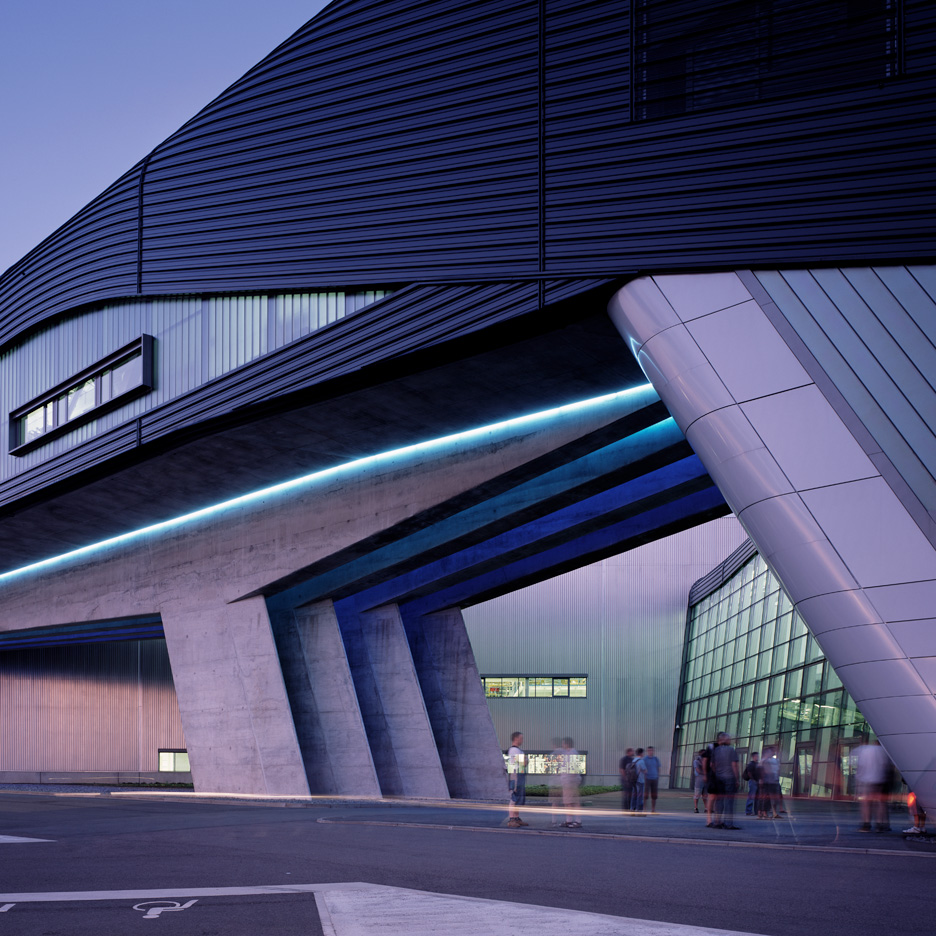
Zaha Hadid’s BMW Central Building is “a radical piece of thinking,” says Amanda Levete


Zaha Hadid 1950-2016: British architect Amanda Levete explains why the BMW Central Building in Leipzig, Germany, is her favourite Zaha Hadid project in the next movie in our exclusive video series. (more…)

http://ift.tt/291R2Ar

ArchTriumph Present the “Energy Pavilion” Now Open at Museum Gardens


Courtesy of Sergio Grazia and Luc Boegly

Courtesy of Sergio Grazia and Luc Boegly

This week, Museum Gardens became the host to the annual Triumph Pavilion, this year focusing on the concept of “energy.” Five Line Projects’ aptly titled “Energy Pavilion” takes a multi-faceted approach to the theme, addressing social sustainability, movement and the power of community. The pavilion presents a playful meeting place, designed to explore the impact of a single positive action on its surroundings.


Courtesy of Sergio Grazia and Luc Boegly


Courtesy of Sergio Grazia and Luc Boegly


Courtesy of Sergio Grazia and Luc Boegly


Courtesy of Sergio Grazia and Luc Boegly

ArchTriumph run an annual, open call competition in order to offer an alternative stream of expression to the architectural profession. They search for innovative, experimental and engaging projects which have the power to benefit society. Five Line Projects is comprised of multiple disciplines, and their enthusiasm and lateral thinking lead them to win this years’ entry. The London-based office’s selection makes them the youngest winners in the competition’s history.


Courtesy of Sergio Grazia and Luc Boegly

Courtesy of Sergio Grazia and Luc Boegly

The pavilion is formed by a forest of stainless steel rods, stacked with mills reminiscent of a children’s pinwheel. By spinning a singular wheel, an individual will set into motion the movement of the adjacent wheels, creating a rippling effect through the forest. This acts as metaphor for the “collective energy of community,” as one action is seen to set off a chain reaction. It also creates a kinetic playground of moving objects, energetic in its own right.

The design focuses on user engagement, and the forest becomes a place where inclusion and accessibility reign supreme. Able to be inhabited by multiple users at once, the pavilion encourages playful interaction between people of all ages and denominations. The prominent site is overlooked by the V&A’s Museum of Childhood, and is attracting architects, designers, museum visitors and the general public.


Courtesy of Sergio Grazia and Luc Boegly

Courtesy of Sergio Grazia and Luc Boegly

The pavilion, engineered by Arup, covers 64 square meters and is entirely self-supporting. It is predominantly constructed from bamboo, a sustainable material choice, and also uses stainless steel rods, timber, CLT panels and solid aluminium cladding.


Courtesy of Sergio Grazia and Luc Boegly

Courtesy of Sergio Grazia and Luc Boegly

News Via ArchTriumph

http://ift.tt/28Umo6m

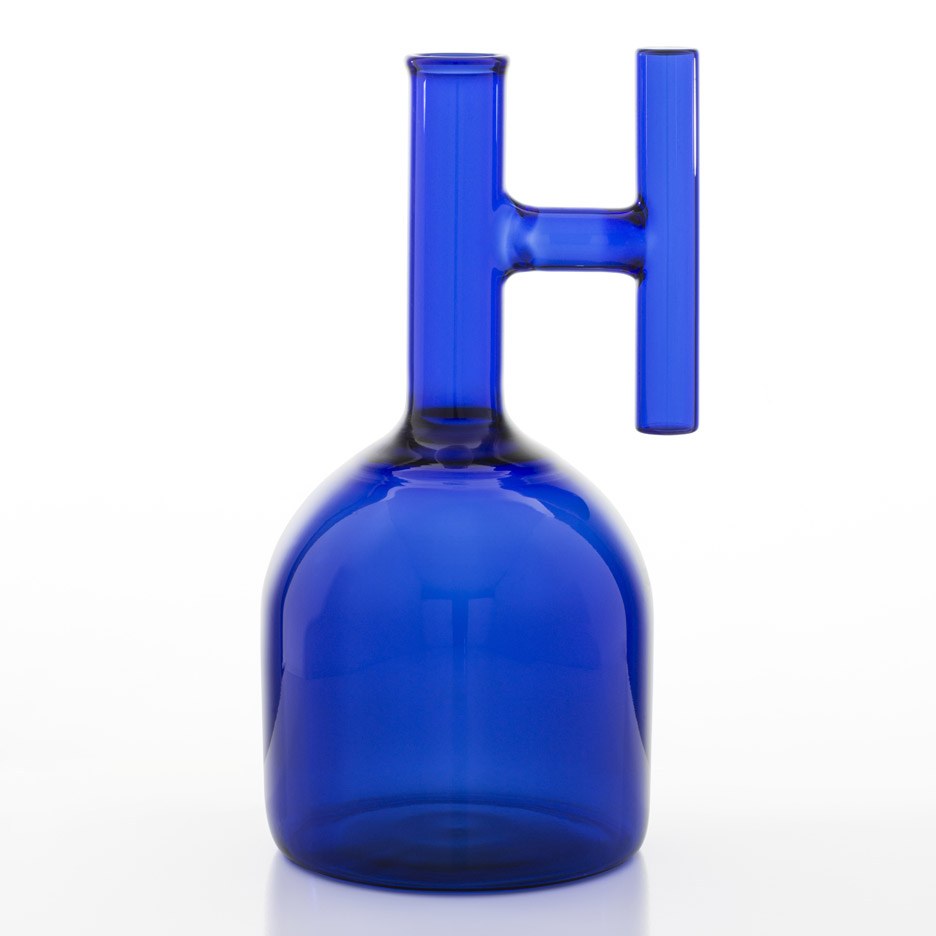
Lanzavecchia + Wai designs cobalt blue glassware based on lab equipment


Designers Lanzavecchia + Wai are the latest to craft objects in coloured glass, producing bright blue tableware for online retailer Luisa Via Roma (+ slideshow). (more…)

http://ift.tt/28XhQlZ

Here’s your daily dose of cute: Four baby foxes 🐺 snuggling on…

Here’s your daily dose of cute: Four baby foxes 🐺  snuggling on the beach at Cape Cod National Seashore in Massachusetts. The seashore protects 40 miles of pristine sandy beach, marshes, ponds and uplands support diverse species, including these cute little red foxes. Photo by National Park Service.