5 Ways to Have Great Conversations

“My music comes from many, many, many places. My emotions, my feelings, my thoughts, and conversations I have with people I know who influence me.”   ~ Alicia Keys~

Think of people who seem to bring out the best in you whenever you talk to them. You feel comfortable conversing with them and could go on talking forever. They may be old friends or someone you just met, but the conversation just seems to flow smoothly and naturally. Have you every wished that you had the capacity to talk to strangers and have them instantly warm up to you? If you wish you had the natural ability of making conversation people you admire have, don’t despair.  Having meaningful conversations is something that can be learned and with focus and practice, we can all become better at this.  With enough practice and perseverance, we can all become excellent conversationalists.

officetalk 1Here are five key ideas that will keep us on the right track.

Get out of yourself and make it about the other person

Have you ever had someone talk endlessly about something that you didn’t have the slightest interest in?  It felt like they were having a conversation with themselves; a monologue, you just happened to be there.  These people seem to be oblivious to the idea that you may not share their interest. The best conversations begin with showing an interest in the other person, their world and what they might value.  Most people love to talk about themselves. Ask them an open ended question about something that you have notice about them.  If you can give them a sincere compliment or give them positive feedback, you’ve made a great start. Great conversationalists have a sincere interest in others, notice things about people and use these thoughts to start and fuel their conversations.

Practice active listening

Most people are thinking of a response, or something that they want to say when another is still speaking.  Become aware of this during your future conversations and when you find your mind going to a response, stop and try to force yourself to listen. This is not easy, especially if you are highly extroverted. You can practice by spending time with your partner, or a friend, by repeating back to them what they just said. This exercise helps create awareness of the amount of time we actually spend active listening with others.

Moving the conversation to a deeper level

Think of the people that you are willing to open up to and share concerns.  What is it about them that makes you so comfortable disclosing your thoughts that separates them from others? Likely they are good at making eye contact with you and help you feel like you are receiving their full and undivided attention. Pay attention to their expressions.  Notice they are with you not only in the tone of their words, but in their expressions. Their faces light up when you are sharing something you are happy or excited about and take on a solemn, sad look when you are sharing bad news. You sense and feel they are totally engrossed in what you are telling them.  If trying this seems unnatural to you, practice and push yourself to do so. Notice that people will start to react differently to you.

Asking good questions

We can encourage others to share more of themselves by showing an interest and asking open ended questions to help them delve deeper into the conversation. Good questions are asking someone how they think or feel about a topic they are discussing.  If you have talked to someone before, ask them about events they volunteered in a previous conversation. Likely, if they brought up something on their own, it is of interest and some importance to them.  Ask yourself what other areas that are related to their interests they would love to talk about.

Time and space

Never start a conversation beyond exchanging quick pleasantries unless you have the time to hear the other person out.  Don’t ask someone how they are, unless you have the time to really hear from them.  Places that are noisy with a lot of people around are not the best venue to engage in great conversation.  Good conversation requires a slow, relaxed pace and a pressure free atmosphere devoid of distractions.  Coffee shops are great for this purpose, sports bars not so much.

The post 5 Ways to Have Great Conversations appeared first on Change your thoughts.
http://ift.tt/2cWXwAw

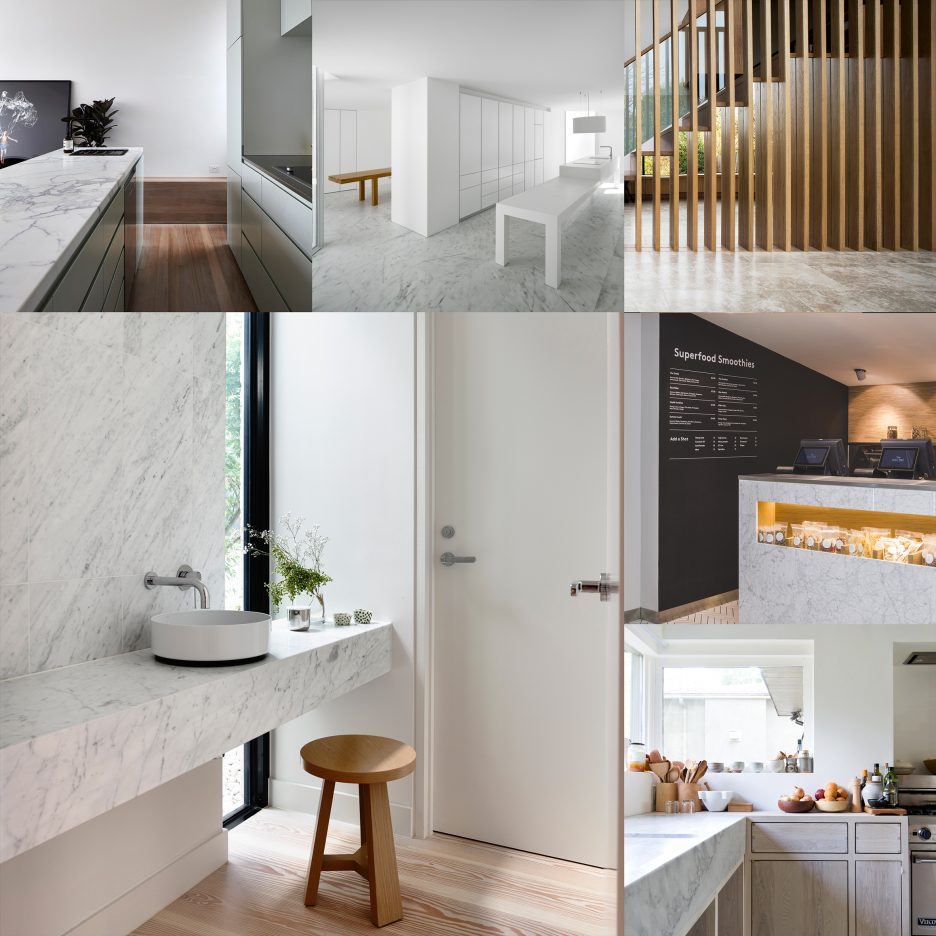
10 of the most popular marble interiors on Dezeen’s Pinterest boards


This week we’re counting down the most-pinned interiors that feature marble on Dezeen, including a juice bar in London with a veined-stone counter and a renovated apartment in Madrid that has a walk-through shower (+ slideshow). (more…)

http://ift.tt/2cXgJR7

660 Congress Street / Present Architecture


© Robert Deitchler

© Robert Deitchler


© Robert Deitchler


© Robert Deitchler


© Robert Deitchler


© Robert Deitchler

  • General Contractor: Bayhill Building and Design
  • Structural Engineer: Engineering Design Professionals

© Robert Deitchler

© Robert Deitchler

PRESENT Architecture, a New York City-based architecture practice, is proud to announce the opening of 660 Congress Street, a designated landmark building, which they have transformed into a contemporary residential and retail space that defines the ambitions of an emerging design-minded Portland, Maine. Located at the corner of Congress Street and Longfellow Square, it’s situated in the thriving Portland arts district near the famed art museum, Maine College of Art, acclaimed restaurants, and a short walk to the harbor.


© Robert Deitchler

© Robert Deitchler

Originally built in 1886, 660 Congress Street had been abandoned for many years when a fire, followed by prolonged water exposure, destroyed its interior. In 2011, under new ownership, it was determined that the compromised structure and deteriorating brickwork required immediate attention and that the building needed a comprehensive rehabilitation.


© Robert Deitchler

© Robert Deitchler

PRESENT approached the $2M redesign with a vision to revitalize the landmarked facade and modernize the building’s interior, allowing the spaces to flow fluidly together.  The 7,500 square foot structure was completed in 2016, and includes a pair of two-bedroom apartments, and a light filled commercial space on the ground floor with a spacious basement retail space.


© Robert Deitchler

© Robert Deitchler

The fire presented a clean slate for the architects, and their approach was to create a new design aware of the past, but not bound to it. “After researching local records, we couldn’t find any documentation of the interiors. We returned to the historical facade, tracing the silhouette of the mansard roof with gently curving walls. At the third floor ceiling, the expansive volume of the roof is revealed with dramatic coffers that bring light into the spaces through skylights and hidden architectural lighting,” said Andre Guimond, co-founder and partner of PRESENT Architecture. 


Section

Section

In other areas, fragments of history were left untouched, like arched doorways, fireplaces, original brickwork, and fire escapes that were converted to balconies for the apartments. The new residential entrance features a blackened steel stair with solid white oak treads, fabricated by a local Maine welder. The thin industrial lines of the steel balusters continue along the stair for three stories, casting shadows from the overhead skylights onto the space’s exposed historic brick. Everywhere, there are high quality materials and building methods that reinforce the ambitions of the renovation. Many of the modern improvements are hidden from view, such as new HVAC and utilities, code compliant structural work, and upgraded environmental and life safety systems.


© Robert Deitchler

© Robert Deitchler

The front facade on Congress Street features meticulously rehabilitated brickwork and ornamental terracotta, a restored slate mansard roof, and large floor to ceiling storefront display windows that were added in the early 20th century to capture the attention of passing pedestrians and motorists. Noteworthy improvements to the facade include the replacement of the double hung windows, and refurbishment of the leaded glass transoms. New copper roofs were installed, and unsightly downspouts which had been haphazardly attached to the facade over the years, were returned to their original concealed brick pockets. The pressed tin frieze and dentil ornamentation were both carefully restored on site, while the rotted wood storefront window frames were replaced in kind.


© Robert Deitchler

© Robert Deitchler

http://ift.tt/2d5WtPv

Are you and your friends excited for the weekend? Whatever…

Are you and your friends excited for the weekend? Whatever you’re up to, we hope you have as much fun as these elk at Tule Elk San Luis National Wildlife Refuge. Once estimated to have a population of less than 30 individuals, these unique California Tule elk now number more than 4,000. See them – and other terrific wildlife – just two hours outside of San Francisco. Photo by Lee Eastman, U.S. Fish and Wildlife Service.

NYPL’s Stunning Rose Main Reading Room to Open After Two-Year Renovation


© Max Touhey Photography

© Max Touhey Photography

This article was originally published by 6sqft as “PHOTOS: After two-year renovation, NYPL’s historic Rose Main Reading Room will reopen October 5th.”

After being closed for a two-year restoration, the New York Public Library’s historic Rose Main Reading Room and Bill Blass Public Catalog Room will reopen to the public ahead of schedule on Wednesday, October 5th at 10am.

The $12 million project, managed by Tishman Construction Corporation, came about in May 2014 when an ornamental plaster rosette fell 52 feet from the Reading Room’s ceiling. In addition to recreating and replacing this piece, all 900 rosettes in both rooms were reinforced with steel cables. Other work included the recreation of a 27′ x 33′ James Wall Finn mural on the ceiling of the Catalog Room and the restoration of the chandeliers. To mark the occasion, the NYPL has shared an incredible collection of photographs documenting the restoration work and the Rose Main Reading Room with nearly all scaffolding removed.


© Max Touhey Photography


© Max Touhey Photography


© Max Touhey Photography


© Max Touhey Photography


© Max Touhey Photography

© Max Touhey Photography

© Max Touhey Photography

© Max Touhey Photography

© Max Touhey Photography

© Max Touhey Photography

© Max Touhey Photography

© Max Touhey Photography

EverGreene Architectural Arts were tasked with recreating the mural. Unlike those in the Reading Room, also by James Wall Finn, this one had not been restored in the 1990s, and therefore it was determined that its loss of original paint, discoloration, and patch jobs were irreparable.


The Reading Room ceilings before restoration. Image © Jonathan Blanc / NYPL

The Reading Room ceilings before restoration. Image © Jonathan Blanc / NYPL

The Reading Room ceilings before restoration. Image © Jonathan Blanc / NYPL

The Reading Room ceilings before restoration. Image © Jonathan Blanc / NYPL

The recreated ceiling mural in the studio before installation. Image © Jonathan Blanc / NYPL

The recreated ceiling mural in the studio before installation. Image © Jonathan Blanc / NYPL

While the work was going on in the Reading Room, the historic oak desks and their brass lamps, which are bolted to the floor, had to be covered. Aurora Lighting restored the chandeliers and added LED lights.


© Max Touhey Photography

© Max Touhey Photography

© Jonathan Blanc / NYPL

© Jonathan Blanc / NYPL

© Jonathan Blanc / NYPL

© Jonathan Blanc / NYPL

© Jonathan Blanc / NYPL

© Jonathan Blanc / NYPL

Not only will the rooms be open for research and study, but there will be daily tours of the building including these two spaces at 11am and 2pm.


© Max Touhey Photography

© Max Touhey Photography

© Max Touhey Photography

© Max Touhey Photography

And while this work was going on, the Library was also busy moving materials into a new, $23 million state-of-the-art storage facility below Bryant Park. This project was conceived after controversy over a previous plan to move the research collection to New Jersey and will be complete by early 2017. The new space will hold 4.3 million research volumes, allowing the Library to “fill over 90 percent of research requests with materials located on-site.” To do this, they also installed a $2.6 million modern conveyor system that uses 24 individual cars to bring these materials up from storage to the Rose Main Reading Room.


© Max Touhey Photography

© Max Touhey Photography

The New York Public Library is celebrating the re-opening with a free exhibition of these and many more photographs at the Stephen A. Schwarzman Building on Fifth Avenue and 42nd Street. “Preserving a Masterpiece: From Soaring Ceilings to Subterranean Storage” will be on view until October 9th, and will also include historic photos from the construction of the building and its early years, as well as two decorative plaster rosettes from the Rose Main Reading Room ceiling.


© Max Touhey Photography

© Max Touhey Photography

© Max Touhey Photography

© Max Touhey Photography

http://ift.tt/2cRB2Dt

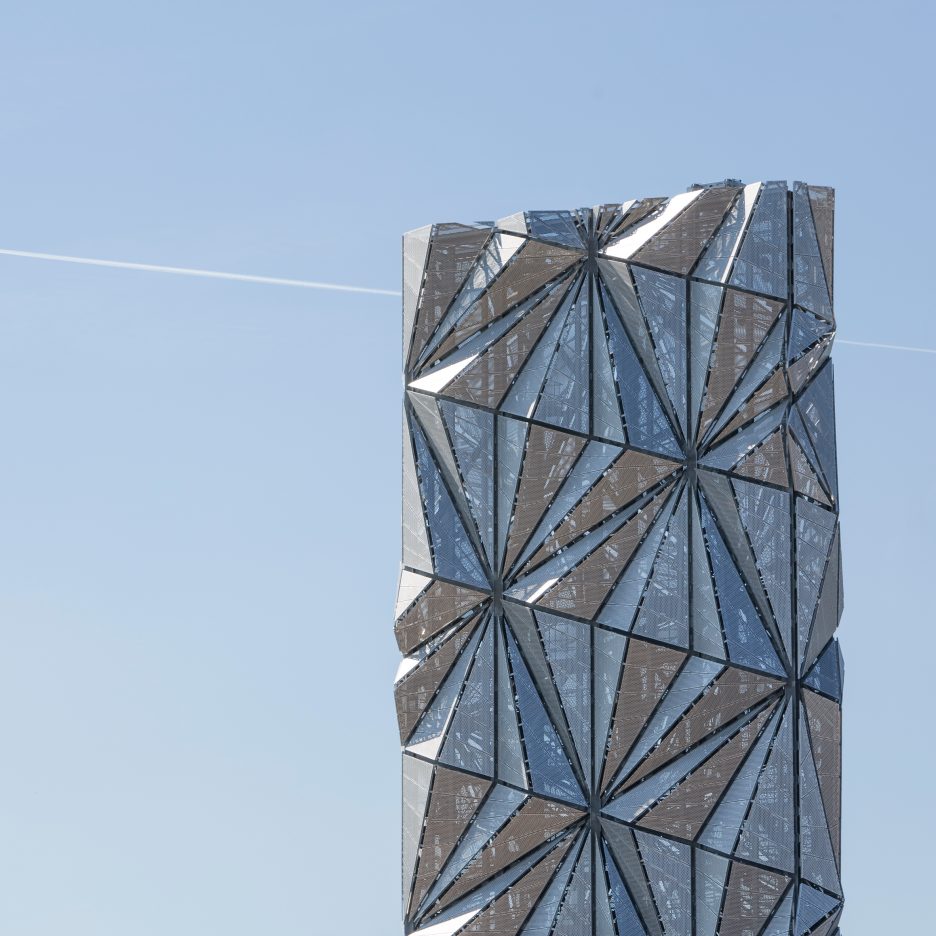
Conrad Shawcross forays into architecture with faceted tower that “defies definition”


British artist Conrad Shawcross has installed a 49-metre-high structure around the soon-to-be built chimneys of an energy centre on Greenwich Peninsula in southeast London (+ movie). (more…)

http://ift.tt/2d9NbTu

Zaha Hadid Architects’ Antwerp Port House Photographed by Laurian Ghinitoiu


© Laurian Ghinitoiu

© Laurian Ghinitoiu

Zaha Hadid Architects’ new Port House in the Belgian city of Antwerp, which has been almost a decade in planning and construction, officially opens this week. A monumental new structure sits above a repurposed and renovated (formerly derelict) fire station, providing a new headquarters for Europe’s second largest shipping port. Housing 500 staff, who will now be under the same roof for the first time, the building represents a sustainable and future-proof workplace for its employees. Photographer Laurian Ghinitoiu has visited to capture his unique perspective on this new addition to the city’s crane-covered skyline.


© Laurian Ghinitoiu


© Laurian Ghinitoiu


© Laurian Ghinitoiu


© Laurian Ghinitoiu


© Laurian Ghinitoiu

© Laurian Ghinitoiu

© Laurian Ghinitoiu

© Laurian Ghinitoiu

© Laurian Ghinitoiu

© Laurian Ghinitoiu

© Laurian Ghinitoiu

© Laurian Ghinitoiu

© Laurian Ghinitoiu

© Laurian Ghinitoiu

© Laurian Ghinitoiu

© Laurian Ghinitoiu

© Laurian Ghinitoiu

© Laurian Ghinitoiu

© Laurian Ghinitoiu

© Laurian Ghinitoiu

© Laurian Ghinitoiu

© Laurian Ghinitoiu

© Laurian Ghinitoiu

© Laurian Ghinitoiu

© Laurian Ghinitoiu

© Laurian Ghinitoiu

© Laurian Ghinitoiu

© Laurian Ghinitoiu

© Laurian Ghinitoiu

© Laurian Ghinitoiu

© Laurian Ghinitoiu

© Laurian Ghinitoiu

© Laurian Ghinitoiu

© Laurian Ghinitoiu

© Laurian Ghinitoiu

© Laurian Ghinitoiu

© Laurian Ghinitoiu

© Laurian Ghinitoiu

© Laurian Ghinitoiu

© Laurian Ghinitoiu

© Laurian Ghinitoiu

© Laurian Ghinitoiu

© Laurian Ghinitoiu

© Laurian Ghinitoiu

http://ift.tt/2cyFpAz

James River House / Architecture Firm


© James Ewing

© James Ewing


© James Ewing


© James Ewing


© James Ewing


© James Ewing

  • Builder: Peter Johnson Builders

© James Ewing

© James Ewing

From the architect. The James River House was designed as a place for three young boys. It is a place where they can grow and learn from their surroundings – experience mud, moths, flowing water, and the changing light of the seasons; a place that would allow for many gatherings of all the people who love them.


© James Ewing

© James Ewing

Floor Plan

Floor Plan

© James Ewing

© James Ewing

 Three volumes hover above a bluff alongside a bend in the James River, arranged loosely and lightly on the land like a scattered group of stones around a campfire.  As a visitor slips between the volumes, the house opens up to light and river views and the fully enveloping woods. 


© James Ewing

© James Ewing

The quiet yet open interior is built around a large and flexible gathering space that can be intimate, expansive, interior, or exterior. Flanked by sleeping quarters, this central living area is at once hearth, tree house, and dining hall and is the nexus of activity for the family and the three boys who fill the house with light and motion.


© James Ewing

© James Ewing

http://ift.tt/1UUkR0J

Can We Figure Out Your Personality Based On What You Hate?

Hate is not a noble feeling. We learn from a young age that we shouldn’t have this feeling, but we have to admit that we all have some things that we don’t like at all, to put it mildly.

Those things can reveal a lot about us, about who we really are. So, let’s see if you are a frustrated idealist, or an intelligent analyst…

hateTake just now this quick and fun quiz and find out your personality based on the things you hate!

Can We Figure Out Your Personality Based On What You Hate?

//cdn.playbuzz.com/widget/feed.js

Leave a comment below to tell us what you’ve got!

The post Can We Figure Out Your Personality Based On What You Hate? appeared first on Change your thoughts.

http://ift.tt/2cqu5Tq

Chicago – Illinois – USA (by Anh Dinh) 

Chicago – Illinois – USA (by Anh Dinh