CEBRA Designs New Museum Dedicated to Greenland and the Arctic


Courtesy of CEBRA

Courtesy of CEBRA

Danish firm CEBRA has released images of ARCTIC, a new museum and research center dedicated to the study and education  of Greenland and the Arctic, to be located along the Hundested harbour in Halsnæs, Denmark. Although Greenland has been a part of the Kingdom of Denmark for over 600 years, ARCTIC will be the first museum or center that communicates the relationship between these countries through historic, contemporary and future perspectives.


Courtesy of CEBRA


Courtesy of CEBRA


Courtesy of CEBRA


Courtesy of CEBRA


Courtesy of CEBRA

Courtesy of CEBRA

”The idea is to create a place that currently does not exist in Denmark. A place where Greenland, the Arctic and Denmark are physically linked together, and which can provide visitors with experiences that promote a better understanding of the connections between Denmark, Greenland and the Arctic. A place where we can explore Greenland and the Arctic and where [polar researcher] Knud Rasmussen’s travel descriptions and stories can be expanded to include the history of the whole of the Arctic region – today and in the future,” explains Søren La Cour Jensen, Senior Curator and daily manager of Knud Rasmussen’s house in Hundested. “Just consider themes such as international politics, climate change, new shipping routes and raw materials.”


Courtesy of CEBRA

Courtesy of CEBRA

The design of the center has been inspired by the traditional architecture of the Arctic region as well as its bright, natural landscape to create an icon, in hopes of making the importance of arctic study literally more visible.


Courtesy of CEBRA

Courtesy of CEBRA

”The architecture is inspired by the Arctic forces of nature and the buildings with their rounded forms are designed to withstand this type of harsh climate,” explains architect and CEBRA partner Carsten Primdahl. ”A building with sculptural, round forms and curved lines will stand as an iconic and culture-bearing attraction for the town. A cultural attraction that will show the beauty and significance of the Arctic landscape.”  


Courtesy of CEBRA

Courtesy of CEBRA

Courtesy of CEBRA

Courtesy of CEBRA

The building consists of three interlinking domes housing the various museum and research center program elements, and is surrounded by a series of outdoor spaces to allow visitors to fully take in the Hundested harborfront.

The team will now work with a group of stakeholders to refine the design and determine a construction schedule.

News via CEBRA.


Courtesy of CEBRA

Courtesy of CEBRA
  • Architects: CEBRA
  • Location: Amtsvejen 2, 3390 Hundested, Denmark
  • Architect In Charge: CEBRA
  • Client: Halsnæs Municipality
  • Area: 3000.0 sqm
  • Project Year: 2016
  • Photographs: Courtesy of CEBRA
http://ift.tt/2e5lZUl

Yves Béhar and OMA to present at The Met’s A Year of Architecture in a Day symposium

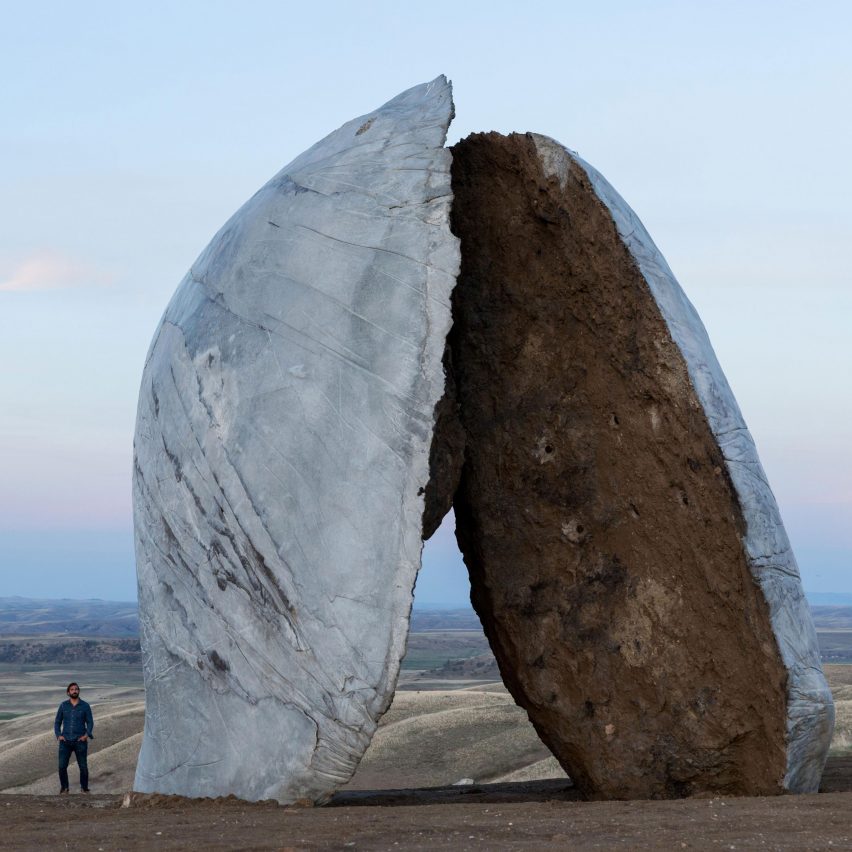
Tippet Rise Arts Center

In Our Time: Dezeen has teamed up with New York’s Metropolitan Museum of Art for a day of architecture talks and discussions next month, which will include presentations on robotic furniture by Yves Béhar and the arts centre for Fondazione Prada by OMA. Read more

http://ift.tt/2ePsBHI

Public Day Nursery Jules Guesde / B+C Architectes


© Sebastien Morel

© Sebastien Morel


© Sebastien Morel


© Sebastien Morel


© Sebastien Morel


© Sebastien Morel

  • Conservation Architect: Enrico D’AGOSTINO
  • Structural And Environmental Engineers: LM Ingenierie
  • Engineers : ATELUX, M&E
  • Cost Consultant: Fabrice BOUGON
  • Client : Ville de Paris – Direction du Patrimoine et de l’Architecture – DFPE

© Sebastien Morel

© Sebastien Morel

The nursery Jules Guesde, built in 1898, is the first Paris public nursey dedicated to small children built with the objective to reinforce the care, sanitary protection and wellbeing of new born and very young children.


Site

Site

The original building is representative of a “generous” architecture which sought, in line with the initial hygienist ideals, comfort, health and wellbeing for the occupants and quality of air which did not exist in the majority of homes at that time.


© Sebastien Morel

© Sebastien Morel

Our project of rehabilitation aims to achieve the following objectives:

  • increasing the capacity of the day-nursery to receive 33 children with 3 distinct age sections
  • creating an new entrance hall for the public on the lower ground floor
  • reduction by 50% of the primary energy consumption of the building with an aim for 80kWhEP/m² per year established by the “Paris Climate Protection Plan” to achieve less greenhouse emission and less energy consumption by 2020 in excess of European targets. 

© Sebastien Morel

© Sebastien Morel

Street Side Courtyard and the New Entrance
The original brick street facade is richly decorated with polychromatic multi-materials with ceramic floral motifs.

The new entirely glazed facade for the lower ground floor opens out completely and offers a maximum of natural light into the internal spaces including the main entrance hall.


© Sebastien Morel

© Sebastien Morel

Street Facade
The design intent for the project is seen in continuity with the original building, taking into account the value of its architectural heritage and its intrinsic qualities (volumes, and natural light penetration).


Cosntruction. Image © Sebastien Morel

Cosntruction. Image © Sebastien Morel

At the same time, it introduces contemporary elements which, inspired by the vocabulary and characteristics of the original decorations and playing with the reference to the world of plants as a leading thread, translates and presents them in the global project.

For the lower ground floor facade this play on references is expressed in the tree form of the new steel columns supporting the facade above and which seem to extend the plant form decorations to the ground below, making them “take root”.


© Sebastien Morel

© Sebastien Morel

Rear Courtyard Facade 
The same creative spirit and architectural treatment gives life to the rear courtyard. The existing blind facade is transformed into a translucent envelope of polycarbonate with a metal mesh serving as brise-soleil allowing natural light to penetrate internally.


© Sebastien Morel

© Sebastien Morel

The mesh, laser cut with tree form shapes, botanical references and enriched with recognizable forms of animals, projects these forms in a shadow play through the polycarbonate.


Elevation

Elevation

The effect obtained internally suggests an exterior open and natural world, whilst outside the forms and textures of the mesh, directly accessible to the touch and views of the children, constitute for them an interesting sensory and cognitive experience.


© Sebastien Morel

© Sebastien Morel

Treatment of Internal Spaces
Our project has integrated the quality of the original generous volumes and maintains the original structure and the largely glazed partitions allowing natural light to penetrate deep inside.

At upper ground floor, in the volume under the restored rooflight, the sleeping space for the “middle children’s section” is accommodated under an igloo shaped structure naturally lit by the new polycarbonate facade.


Section

Section

Product Description.The EVERLITE DANPALON façade facing the courtyard allowed us to transform the existing opaque wall into a translucent backdrop of polycarbonate with an external metal mesh serving as brise-soleil.

The polycarbonate allows natural filtered light to penetrate the large volume under the skylight.


© Sebastien Morel

© Sebastien Morel

The mesh, laser cut with tree form shapes, botanical references and enriched with recognizable forms of animals, projects these forms in a shadow play through the polycarbonate.

With an external space surrounded and constrained by imposing buildings the effect obtained internally suggests an exterior open and natural world, whilst outside the forms and textures of the mesh, directly accessible to the touch and views of the children, constitute for them an interesting sensory and cognitive experience.


© Sebastien Morel

© Sebastien Morel

http://ift.tt/2eVehf2

10 of the most creative office interiors from Dezeen’s Pinterest boards

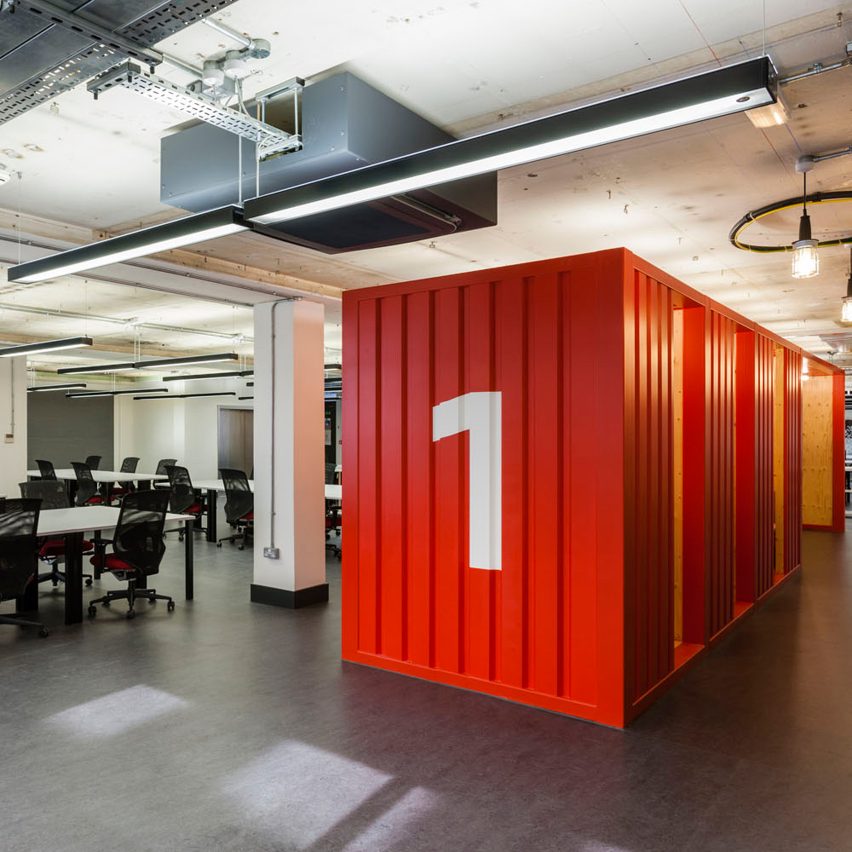
google-campus-jump-studios-office-interiors-col1

Google‘s flexible workspace featuring bright red shipping containers and a meeting area with five-metre-high trees are included in this week’s Pinterest roundup, which focuses on office interiors. Read more

http://ift.tt/2eZBJpz

20 of the World’s Best Building Images Shortlisted for Arcaid Awards 2016


via Arcaid Images

via Arcaid Images

Arcaid has shortlisted 20 of the year’s best architectural photographs in the running for the 2016 Arcaid Images Architectural Photography Awards. The annual award presents prizes in four categories – Exteriors, Interiors, Sense of Place, and Building in Use – and judged by an esteemed panel on their atmospheric quality, composition, use of scale and more.

This year, judges for the award include Emily Booth, executive editor of The Architectural Review; artist and Sto Werkstatt curator Amy Croft; Katy Harris, director of communications at Foster + Partners; architect Kai-Uwe Bergmann of BIG and photographers Fernando Guerra and Ulrich Müller.

The photographs will be showcased at World Architecture Festival from November 16-18 in Berlin, Germany, where the overall winner will be announced. The shortlist of 20 images is as follows:

Buildings in Use


via Arcaid Images

via Arcaid Images

Photographer: Fabrice Fouillet
Building: Musee de Confluences, Lyon, France / Coop Himmelb(l)au


via Arcaid Images

via Arcaid Images

Photographer: Adrien Barakat
Building: Allianz Headquarters, Zurich, Switzerland / Wiel Arets Architects


via Arcaid Images

via Arcaid Images

Photographer: Julien Lanoo
Building: Independence Square, Accra, Ghana


via Arcaid Images

via Arcaid Images

Photographer: Laurian Ghinitoiu
Building: ‘Forest of Light’ for COS, Salone del Mobile, Milan, Italy / Sou Fujimoto Architects


via Arcaid Images

via Arcaid Images

Photographer: Torsten Andreas Hoffmann
Subject: Dharavi, Mumbai, India

Exteriors


via Arcaid Images

via Arcaid Images

Photographer: Nick Almasy
Building: Shanghai Tower, Shanghai, China / Gensler/Marshall Strabala


via Arcaid Images

via Arcaid Images

Photographer: Inigo Bujedo Aguirre
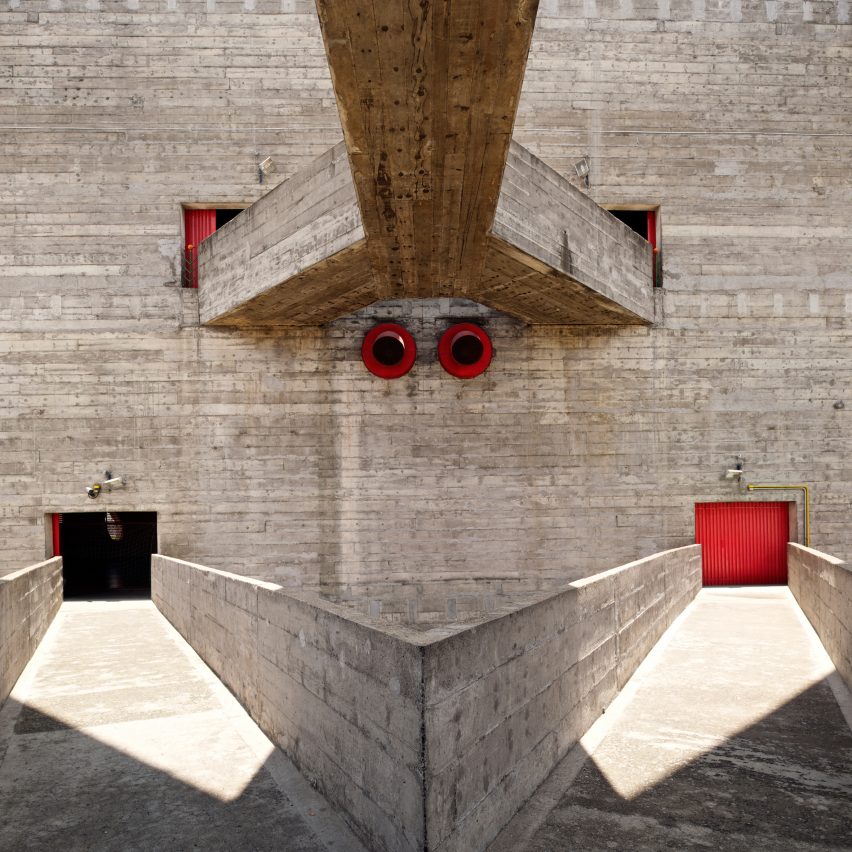
Building: SESC Pompeia, Sao Paolo, Brazil / Lina Bo Bardi


via Arcaid Images

via Arcaid Images

Photographer: Edmund Sumner
Building: Lattice House, Kashmir, India / sP+A Architects (Sameep Padora)


via Arcaid Images

via Arcaid Images

Photographer: Julien Lanoo
Building: Vitra Shaudepot, Weil am Rhein, Germany / Herzog & de Meuron


via Arcaid Images

via Arcaid Images

Photographer: Sebastian Weiss
Building: Olympic Stadium, Helsinki, Finland / Yrjo Lindegren and Toivo Jantti

Interiors


via Arcaid Images

via Arcaid Images

Photographer: Fabrice Fouillet
Building: Jesus Church, San Sebastian, Spain / Rafael Moneo


via Arcaid Images

via Arcaid Images

Photographer: James Newton
Building: Serpentine Gallery Pavilion, London, United Kingdom / Selgascano


via Arcaid Images

via Arcaid Images

Photographer: Kilian O’Sullivan
Subject: Interior and portrait of Derry Road Resident on the Queen’s Birthday / Bell Phillips Architects


via Arcaid Images

via Arcaid Images

Photographer: Matt Emmett
Building: Covered Reservoir, Finsbury Park, London, United Kingdom / East London Water Works Company 1868


via Arcaid Images

via Arcaid Images

Photographer: Will Scott
Subject: Helical Staircase in Workshop, Littlehampton, United Kingdom / Finkernagel Ross Architects

Sense of Place


via Arcaid Images

via Arcaid Images

Photographer: Victor Romero
Building: Baku National Stadium, Azerbaijan / ROSSETTI with Heerim Architects


via Arcaid Images

via Arcaid Images

Photographer: Paul Turang
Building: Hygge House Warming Hut, Winnipeg, Canada / Plain Projects, Pike Projects, Urbanink


via Arcaid Images

via Arcaid Images

Photographer: Inigo Bujedo Aguirre
Building: Blok 23, Novi Beograd, Belgrade, Serbia / Aleksandar Stjepanovic


via Arcaid Images

via Arcaid Images

Photographer: Julien Lanoo
Building: The stage for Haduwa Arts & Culture Institute, Ghana / [a]FA [applied] foreign affairs


via Arcaid Images

via Arcaid Images

Photographer: Mark Wohlrab
Building: Bruder Klaus Field Chapel, Mechernich-Wachendorf, Germany / Peter Zumthor

News via Arcaid Awards.

http://ift.tt/2feDrsb

Bouroullec Brothers design Cyl office furniture to recall the warmth of home

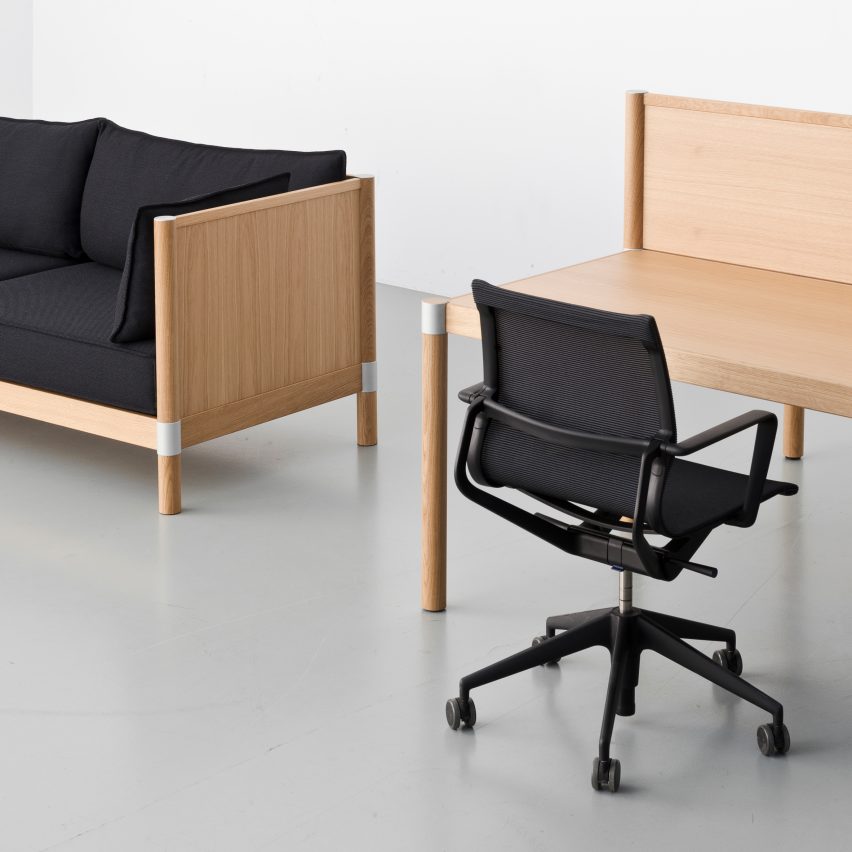
Orgatec system - Studio Bouroullec + vitra

French designers Ronan and Erwan Bouroullec have created a furniture range for Vitra that aims to bring the atmosphere of home into the officeRead more

http://ift.tt/2eUQRX3

BYA House / BUDIC


© Jaime Navarro

© Jaime Navarro


© Jaime Navarro


© Jaime Navarro


© Jaime Navarro


© Jaime Navarro

  • Architects: BUDIC
  • Location: Culiacán, Sinaloa, México
  • Architect In Charge: Fernando Pérez Vera
  • Area: 1250.0 sqm
  • Project Year: 2015
  • Photographs: Jaime Navarro
  • Project Manager: Luis Ramírez Villaseca
  • Project Architect : Edgar Benítez
  • Team : Octavio Cabrera, Andrea Canut, Dania Gómez.
  • Local Architect: Alan Machado
  • Interior Designer: Gloria Cortina
  • Structural Engineer: Oliver Ubando
  • Lighting Design: Artec3 Studio

© Jaime Navarro

© Jaime Navarro

From the architect. The client approached BUDIC (http://www.budic.com.mx) with two main requests for their house project, one functional and one aspirational. On the one hand, they needed a house that had adequate scale and comfort for a couple whose kids have grown and left the home, but that at the same time in which they could have a Christmas celebration with over 60 members of their extended family. On the other hand, they wanted to live in a “French Villa” that took advantage of the privileged location that the site provides on a peninsula.


© Jaime Navarro

© Jaime Navarro

Using the “French Villa” as a conceptual departure point, we adapted a pyramidal hipped-roof module that is implemented throughout the plan varying in size depending on the hierarchy of the space. This approach allowed for an integrating concept, at the same time it permitted for continuous and flexible, yet differentiated, spaces. This approached fulfilled the restriction from the residential development, where the project is located, to have pitched roofs covered in the clay roof tiles common to traditional Mexican residential architecture and it also met the clients’ desire to have tall expansive spaces, as the roof measures as much as 7.8 in height internally.


First Floor Plan

First Floor Plan

The pyramid as an organizing module was not only employed in plan, but in elevation as well, generating the organization of all of the façade elements as a series of protruding and detracting pyramids clad in smooth “conchuela” marble in combination with rough marble panels to create a series of contrasting textures. The façade pyramids are then cut to open windows and doors whose edges are delineated by metal frames that integrate LED lighting to highlight the volumes and to produce dramatic effects at night.


© Jaime Navarro

© Jaime Navarro

The pyramid motif is repeated in other details in the house, including flooring, doors and fixed furniture design in order to weave a formal logic through all of the scales of the project


Sections

Sections

Functionally, the project is arranged very simply in two main wings –public and private- connected by a vestibule that opens up to a garden-patio that overlooks the lake and can be filled with a thin layer of water or emptied to allow for bigger family events.

 The access to the vestibule is through a closed courtyard shaded by an existing tree.


© Jaime Navarro

© Jaime Navarro

The private volume of the house includes the owners’ bedroom, which includes a bathroom with a jacuzzi that visually blends with the adjacent outdoor pool. It also includes the visitors’ bedrooms in the second floor, accessible through the main stair. The TV Room/Office acts as the space that marks the transition between the public and private realm.


Axonometric

Axonometric

The public wing is conceived as a series of continuous spaces –living room, bar, dining room, breakfast room and kitchen- that can be integrated or used separately. The covered terraces that they connect to on the south façade also act as sun protection and extensions of the interior public space. An additional request by the owners to be able to constantly see and hear their visiting grandchildren from the kitchen -where they enjoy cooking- was solved through the insertion of a game room in a mezzanine that overlooks an expansive double-height kitchen.


© Jaime Navarro

© Jaime Navarro

In the end, the project achieved the original goals of the clients by using their dream of living in a French Villa to develop a formal organizing concept that was flexible enough to seamlessly accommodate their lifestyle requirements as well.


© Jaime Navarro

© Jaime Navarro

http://ift.tt/2eXxUm9

Refugee-made backpacks are produced from recycled life vests and boats

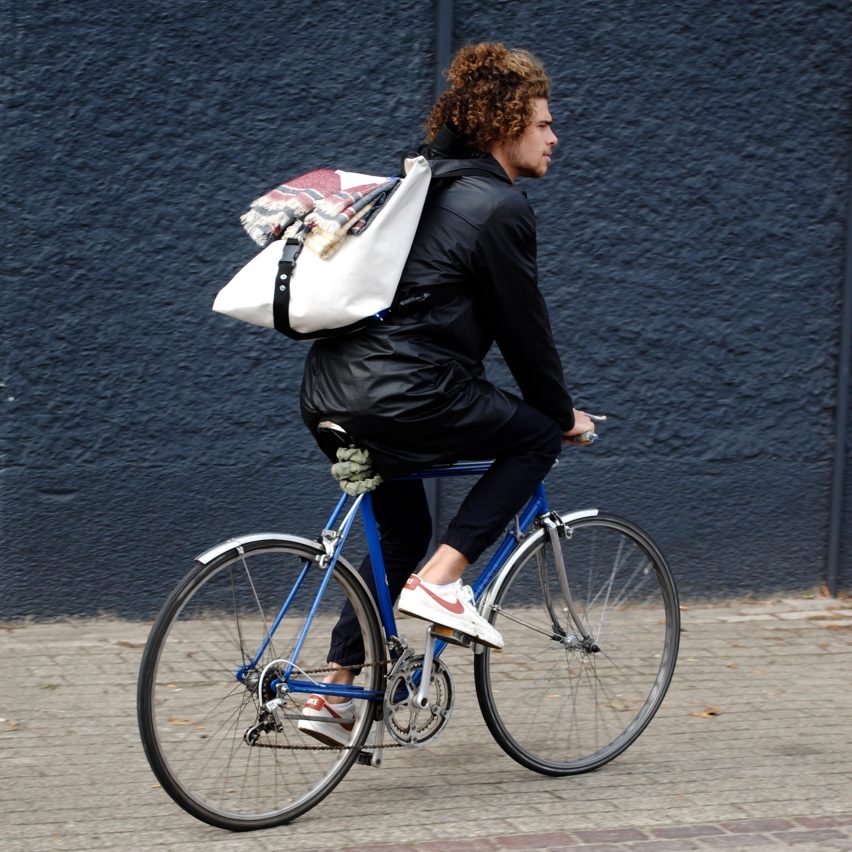
BAG2WORK backpacks by refugees

Two Dutch designers have worked with refugees to create a rucksack from discarded boats and life vests. Read more

http://ift.tt/2eOHcDt

The Docks / Atelier du Pont


© Frédéric Delangle

© Frédéric Delangle


© Frédéric Delangle


© Takuji Shimmura


© Takuji Shimmura


© Frédéric Delangle

  • Structure: Scyna 4
  • Fluids: Cardonnel
  • Landscape Designers: Laurence Jouhaud
  • Control: Socotec
  • Coordinator Ilot H1: Gaëtan Le Penhuel
  • Execution Contractor: Cotec

© Takuji Shimmura

© Takuji Shimmura

From the architect. The Docks area is a new ecodistrict on a former industrial area near Paris. Located at the edge of the city directly along the Seine, its significant industrial heritage provided inspiration for the construction of this 90-housing unit building.


© Frédéric Delangle

© Frédéric Delangle

Elevation

Elevation

© Takuji Shimmura

© Takuji Shimmura

Next to the former Alstom industrial hall, which is in the process of being rehabilitated, this project drew on the considerable history of the area. It was inspired by early 20th century concrete industrial buildings, whose forms were powerful and imposing, if at times strange, to which it has added footbridges and metal stairways. 

The project has a strong, very assertive, and even imposing character that draws on the surrounding environment and its history to insert itself into this novel urban situation. To the north, along the parvis des Bateliers, across from the new parc des berges de Seine, the building asserts its verticality and height. To the south, the stories descend in steps, refining the overall volume and allowing for light to penetrate the core of the block.  Perforated metal, lacquered “boxes” stretch out from the building to shape its silhouette, creating large outdoor spaces that look out onto the landscape. At the ground level, a private passageway crosses right through the block through a landscaped garden while the base of the building houses businesses.


Ground Plan

Ground Plan

Floor Plan

Floor Plan

Floor Plan

Floor Plan

Planted terraces punctuate the project at almost every level. On the 6th floor, a large, shared vegetable garden is open to inhabitants who want to grow things high up.  At a time when local consumption has become a necessity and even a commitment, and as the open surfaces of our cities continue to dwindle, using rooftops opens up a world of alternatives.  


© Frédéric Delangle

© Frédéric Delangle

http://ift.tt/2eOrkAV

Arcaid unveils architecture photograph of the year shortlist

arcaid-images-architectural-photography-awards-2016-shortlist-sop_dezeen_2364_col_2

A chapel by Peter Zumthor, marble-patterned offices by Herzog & de Meuron and a São Paulo museum by Linda Bo Bardi are among the subjects of 20 images shortlisted for architecture photograph of the year. Read more

http://ift.tt/2e46Pz2