University of Arizona Cancer Center / ZGF Architects


Nick Merrick © Hedrich Blessing Photographers

Nick Merrick © Hedrich Blessing Photographers


Nick Merrick © Hedrich Blessing Photographers


Nick Merrick © Hedrich Blessing Photographers


Nick Merrick © Hedrich Blessing Photographers


Nick Merrick © Hedrich Blessing Photographers

  • Owner: The University of Arizona
  • Architect / Interior Designer: ZGF Architects LLP
  • Landscape Architect: Wheat Design Group
  • Lighting Designer: Francis Krahe & Associates
  • Environmental Designer: Atelier Ten
  • General Contractor: Hensel Phelps Construction Company
  • Structural Engineer: Martin, White & Griffis Structural Engineers / John A. Martin & Associates
  • Civil Engineer: Dibble & Associates Consulting Engineers
  • M/E/P Engineer: Affiliated Engineers, Inc.
  • Acoustical Consultant: Colin Gordon Associates
  • Code Consultant: Jensen Hughes

Nick Merrick © Hedrich Blessing Photographers

Nick Merrick © Hedrich Blessing Photographers

The underlying goal was to bring the highest standard of cancer care to Phoenix within an evidence-based, multidisciplinary model, using the most modern technologies. This new cancer center represents the first clinical healthcare component on the Phoenix Biomedical Campus. The 220,000 SF building includes spaces for radiation oncology, diagnostic imaging, endoscopy and interventional radiology, exam and procedure rooms, a support and wellness center, an infusion area, and a clinical pharmacy. A secured healing garden, located outside the main lobby, can also be used for outdoor gatherings. 


Nick Merrick © Hedrich Blessing Photographers

Nick Merrick © Hedrich Blessing Photographers

A deliberate layering of glass, copper-colored metal, and neutral stone forms the building’s architectural expression, which directly relates to the patient experience—their comfort, privacy, and warmth—while simultaneously establishing the building’s unique identity on the campus. Travertine stone, which matches the desert palette, gives scale to the pedestrian environment and grounds the building. This stone flows inside to the main waiting  spaces, bringing the outside in. The waiting areas on each floor are expressed on the exterior as a glass volume that rises through the center of the building, articulated with horizontal glass sunshades, with a dense frit that protects occupants from the glare of the sun. Because the sun interacts differently with every side of the building, the double façade on the east and west is cloaked in an outer layer of folded, perforated-metal sunshades that protect the exam rooms and offices from the glare of the morning and evening sun, helping to control heat gain and providing a sense of privacy, while still allowing for unobstructed views. The project is targeting LEED-Gold certification.


Tom Harris © Hedrich Blessing Photographers

Tom Harris © Hedrich Blessing Photographers

Plan 3

Plan 3

Nick Merrick © Hedrich Blessing Photographers

Nick Merrick © Hedrich Blessing Photographers

Materials and furnishings used in the interior infuse this healthcare facility with warmth and hospitality. The look and feel of the interior environment more closely resembles a hotel or spa, with an elegantly designed lobby, floor-to-ceiling windows, valet parking, and a coffee bar. Travertine stone, in a variegated palette of creams, tans, and browns, used at the exterior building base, was carried through to the interior public spaces, uniting all aspects of the building and creating connections to the desert backdrop. At each level, the public elevators open to a wood feature wall with an oversized graphic numeral in contrasting wood tones to highlight the level being accessed. Public restrooms tuck discretely behind these wood walls. Large waiting lounges on each floor, in close proximity to the elevators, are carpeted and appointed with chairs and sofas in mostly light neutral hues. A unique sense of transparency was achieved through the use of slatted wood divider walls and a mix of clear and etched glass in the lounges and at check-in on the second floor. While the clinical spaces are more representative of medical facilities, the neutral palette is continued, binding the entire facility together. All of the exam and treatment rooms have access to daylight, which is supported by the floor-to-ceiling windows on all sides of the building. Those façades that receive the harshest sunlight rely on a series of see-through exterior screens to help maintain patient comfort.


Nick Merrick © Hedrich Blessing Photographers

Nick Merrick © Hedrich Blessing Photographers

Detail

Detail

Product Description. The east and west facades are clad with a solar shading system composed of repetitive rectangular quarter-inch aluminum composite panels (ACP) perforated with half-inch diameter holes yielding a 40 percent openness factor. The panels are folded once at a calculated angle, bending outward to reveal a shaded view of the surrounding desert context from the interior. This copper-toned assembly takes on the coloration of the landscape, adding a contextual aesthetic to the project.


Nick Merrick © Hedrich Blessing Photographers
Nick Merrick © Hedrich Blessing Photographers

http://ift.tt/2eBFKnQ

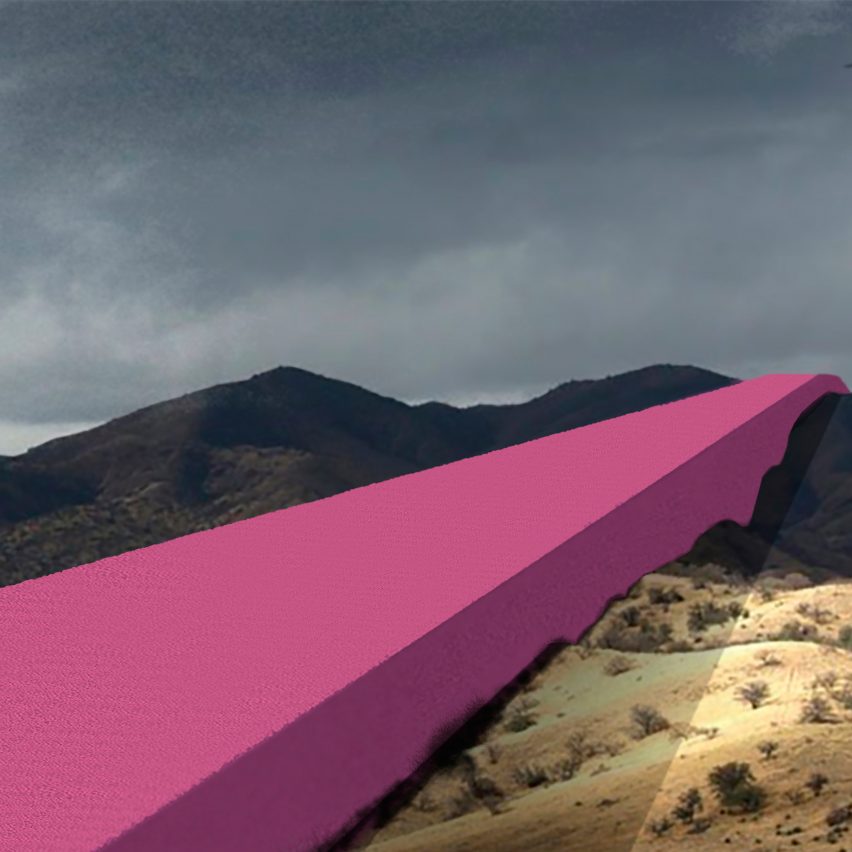
“Another one will be needed on the Canada border to prevent people fleeing”

JDS Architects’ Maison Stéphane Hessel Photographed by Laurian Ghinitoiu


© Laurian Ghinitoiu

© Laurian Ghinitoiu

In this latest photoset, photographer Laurian Ghinitiou turns his lens toward JDS Architects’ Maison Stéphane Hessel, a recently-completed, competition-winning mixed-use building in Lille, France. Containing space for a 70-cradle nursery, a 200-bed youth hostel and an office for socioeconomic innovation, the expressively playful building has been designed to respond to the three stages of human growth, from birth, through adolescence and into adulthood. The building volume lifts at its entrances to create public space and invite the entire community to use the building as a retreat from the bustling city, while inside, carved spaces with built-in, soft-edged furniture provide the ideal setting for learning and development.


© Laurian Ghinitoiu


© Laurian Ghinitoiu


© Laurian Ghinitoiu


© Laurian Ghinitoiu


© Laurian Ghinitoiu

© Laurian Ghinitoiu

© Laurian Ghinitoiu

© Laurian Ghinitoiu

© Laurian Ghinitoiu

© Laurian Ghinitoiu

© Laurian Ghinitoiu

© Laurian Ghinitoiu

© Laurian Ghinitoiu

© Laurian Ghinitoiu

© Laurian Ghinitoiu

© Laurian Ghinitoiu

© Laurian Ghinitoiu

© Laurian Ghinitoiu

© Laurian Ghinitoiu

© Laurian Ghinitoiu

© Laurian Ghinitoiu

© Laurian Ghinitoiu

© Laurian Ghinitoiu

© Laurian Ghinitoiu

© Laurian Ghinitoiu

© Laurian Ghinitoiu

© Laurian Ghinitoiu

© Laurian Ghinitoiu

© Laurian Ghinitoiu

© Laurian Ghinitoiu

© Laurian Ghinitoiu

© Laurian Ghinitoiu

© Laurian Ghinitoiu

© Laurian Ghinitoiu

© Laurian Ghinitoiu

© Laurian Ghinitoiu

© Laurian Ghinitoiu

© Laurian Ghinitoiu

© Laurian Ghinitoiu

© Laurian Ghinitoiu

See more of Laurian Ghinitiou’s work on ArchDaily here, and check out his website for more photography.

Euralille Youth Centre / JDS Architects
//cdn.embedly.com/widgets/platform.js

http://ift.tt/2fcnIJm

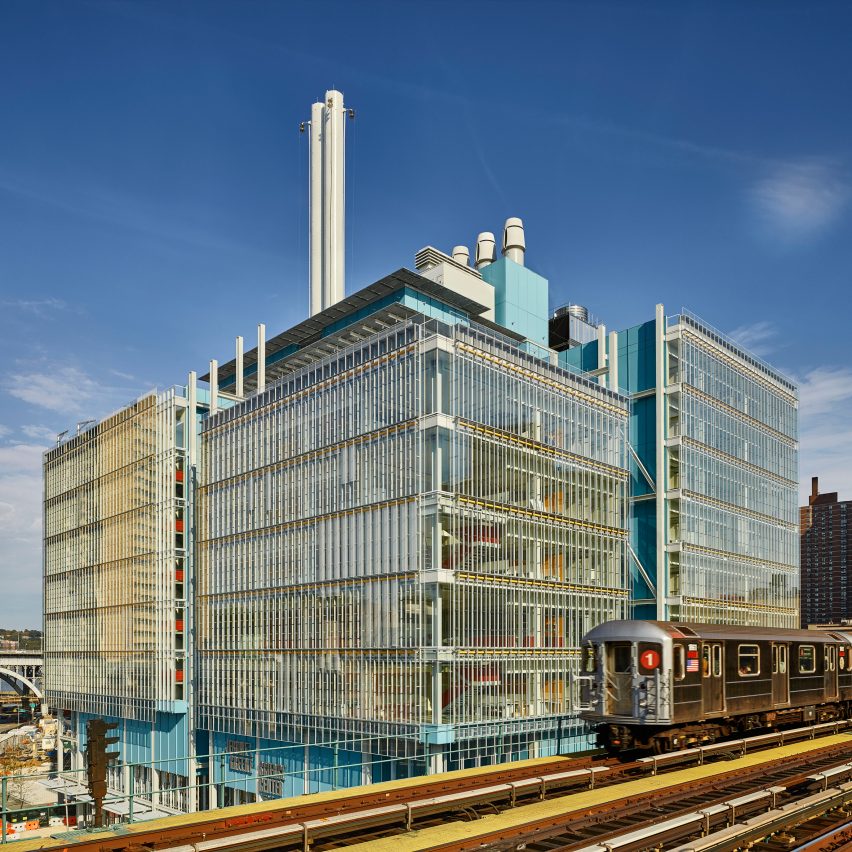
Renzo Piano completes “palace of light” for Columbia University medical researchers

Jerome L Greene Science Center by Renzo Piano

Renzo Piano Building Workshop has designed a light-filled neuroscience research facility at Columbia University‘s new campus in Upper Manhattan. Read more

http://ift.tt/2e7jIpr

Canari House / NatureHumaine


© Adrien Williams

© Adrien Williams


© Adrien Williams


© Adrien Williams


© Adrien Williams


© Adrien Williams

  • General Contractor: N. Deslauriers Inc.

© Adrien Williams

© Adrien Williams

An athletic young couple wants to transform a fourplex to create their primary residence, while maintaining a rental unit on the first floor. The existing part of the house, dating from the 1930s, is restored on the street side, and the attached garage is restructured to match, as well as to accommodate the new outdoor terrace perched on its roof. Topped with an angular wooden structure, this volume breaks up the perpendicular volumetry of the corner building and allows gardens to nestle into its interstices.


© Adrien Williams

© Adrien Williams

Large bay windows overlooking the north-facing garden bring maximum light to the living areas and show off the striking colour of the stairway. As a focal point of the interior composition, the stairway brings a warm and vibrant tone to the project. The layout of this sculptural object, playing with diagonal lines, is the central dynamic element of the Canari House. 


© Adrien Williams

© Adrien Williams

Plan 2

Plan 2

© Adrien Williams

© Adrien Williams

A black band defines circulation through the house, all the way to the garden. The colour accents in the bathrooms, in orange and blue tones, energize the look of these confined spaces and complete the graphic composition of the project.  


© Adrien Williams

© Adrien Williams

http://ift.tt/2e7ev0L

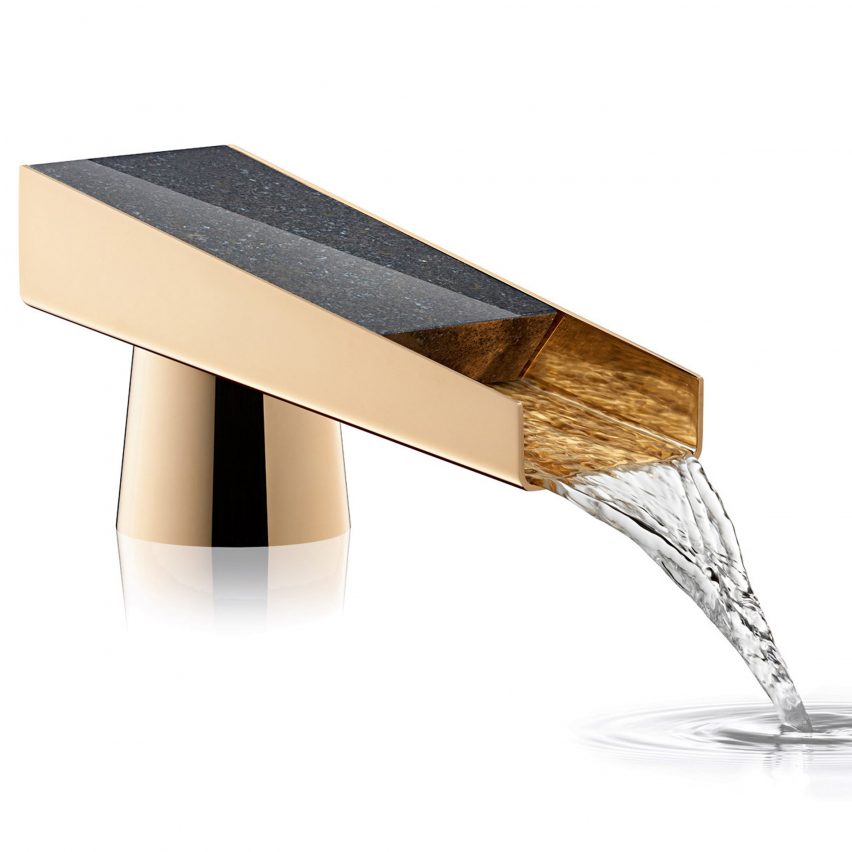
Grohe brothers to step down from Hansgrohe

Grohe brothers step down from Hansgrohe

Philippe and Richard Grohe are to leave their management roles at Hansgrohe SE, the company their grandfather founded 115 years ago. Read more

http://ift.tt/2eBbNEn

House in Krostoszowice / RS+


© Tomasz Zakrzewski

© Tomasz Zakrzewski


© Tomasz Zakrzewski


© Tomasz Zakrzewski


© Tomasz Zakrzewski


© Tomasz Zakrzewski

  • Architects: RS+
  • Location: Krostoszowice, Poland
  • Architect In Charge: Robert Skitek, Jakub Zygmunt
  • Area: 305.0 sqm
  • Project Year: 2016
  • Photographs: Tomasz Zakrzewski

© Tomasz Zakrzewski

© Tomasz Zakrzewski

From the architect. Krostoszowice is a village in a southern part of Silesia (region in Poland). The Investor owns large parcel with a significant slope in the east. The building should to stand on the highest point of the parcel, close to the road, in the north- west corner.


© Tomasz Zakrzewski

© Tomasz Zakrzewski

The surrounding buildings are very diverse and chaotic. There are mainly houses of the 60’s and  70’s of the twentieth century.


Floor Plan Level 0

Floor Plan Level 0

The surrounding landscape  interested us more than unexciting development context. Hilly area and forest in the background has become a main point of reference. The building fits to existing topography, coincides with the landscape. House is open towards the most interesting views and separate from the nearest buildings.


© Tomasz Zakrzewski

© Tomasz Zakrzewski

From the street we can see single-storey building with garage and glass foyer between. This characteristic body of the buildings have a required by the local law sloping roofs, they are covered totally with slate. Concrete  fence wall marks platform with building, entrance area, driveway and wooden terrace suspended over the ground. 


© Tomasz Zakrzewski

© Tomasz Zakrzewski

Bedrooms are located downstairs. This part of the building is partially covered by ground and invisible from the street. Under the upper terrace, at the ground level is second, fully covered terrace. Exterior cantilevered stairs link both terraces.


© Tomasz Zakrzewski

© Tomasz Zakrzewski

In interiors, white surfaces of walls and slanted ceiling are complemented by glass, polished concrete and natural wood floors, wooden stairs and dark accessories.


Section

Section

On the top level there is open living room. Pantry, study room, toilet and kitchen were hidden in white cuboid. Above cuboid there is mezzanine with bookcase. Wooden stairs are a conspicuous part of the living room.


© Tomasz Zakrzewski

© Tomasz Zakrzewski

When we go downstairs we can walk out directly to lower terrace. On this floor there are 2 rooms for children, main bedroom with dressing room, toilet, technical rooms with laundry room and climbing gym. In addition, a storage accessible from the outside is located on the lower floor.


© Tomasz Zakrzewski

© Tomasz Zakrzewski

Product Description. We covered all main solids by natural slate (Rathscheck Schiefer). We wanted to create dark homogeneous solids and choosing a slate was perfect solution for covering roofs and walls by one lasting material, composing  really good with concrete and natural wood.

http://ift.tt/2eBvUni

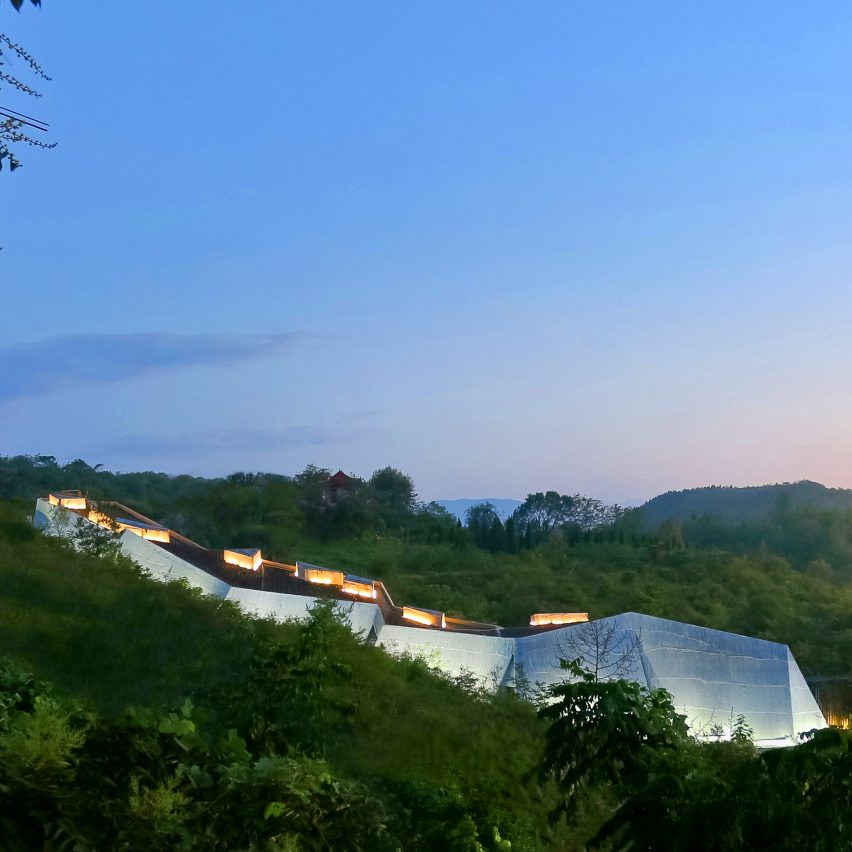
Dinosaur egg museum in China features bamboo-textured walls

dinosaur-egg-geological-museum-wuhan-hust-architecture-qinglong-mountain-china_dezeen_sq

Chimney-shaped skylights spotlight dinosaur eggs inside this museum with craggily textured concrete walls at China’s Qinglong Mountain Geopark.  Read more

http://ift.tt/2f46zlP

Heathrow Illustrations Envision the Future of Sustainable Airports

Alongside designer Paul Tinker and developer Esteban Almiron, UK-based illustrator Sam Chivers has created a series of animations visualizing the sustainable development of airports for a recent Guardian piece. The animations, which describe the topics of transport, alternative energy, noise reduction, airport terminal design, biodiversity, and fuel efficiency, capture the passage of time from morning to evening in Heathrow Airport in London.


Courtesy of Sam Chivers


Courtesy of Unknown


Courtesy of Unknown


Courtesy of Unknown

The article describes recent technological and design advancements in airports around the world that serve to reduce emissions, create healthier indoor environments, and overall support the wellbeing of communities near airports and under flight paths. 

Check out the full article and animated illustrations here.

http://ift.tt/2ejLznY

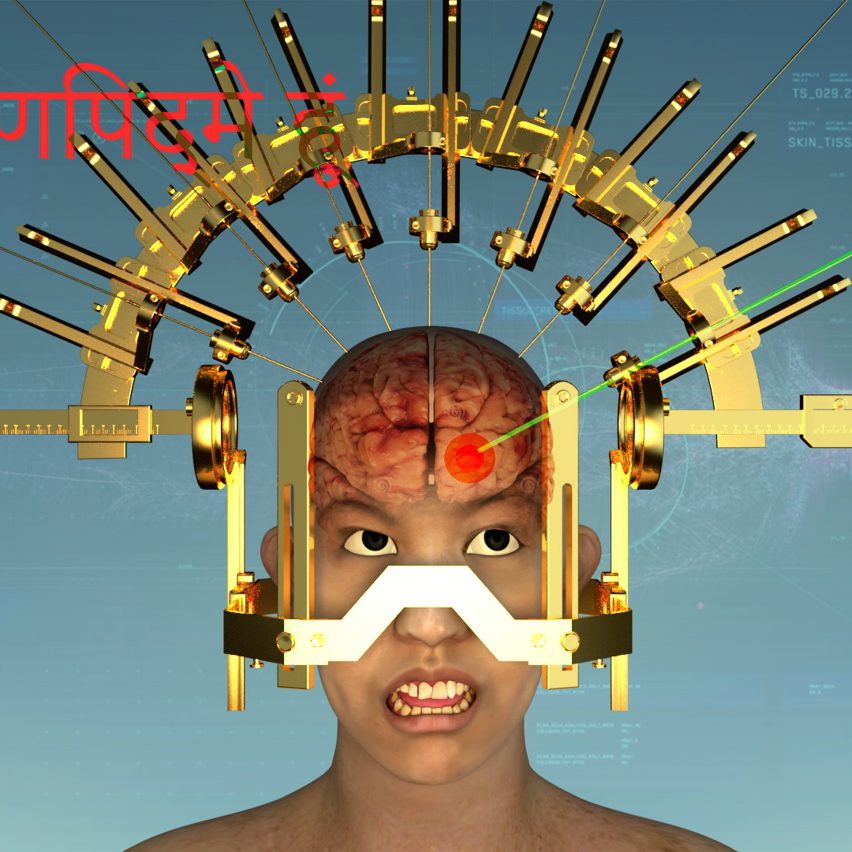
Seven shocking sights at the Istanbul Design Biennial 2016

Seven shocking sights at the Istanbul Design Biennial 2016

The evolution of the human body is one of the major topics of this year’s Istanbul Design Biennial, with exhibits ranging from a cyborg skeleton to a brain in a book. Dezeen editor Amy Frearson has selected seven of the most provocative examples. Read more

http://ift.tt/2dRVDFn