Grupo Santander Montevideo Headquarters / BVO ARQ


© Marcos Guiponi

© Marcos Guiponi


© Marcos Guiponi


© Marcos Guiponi


© Marcos Guiponi


© Marcos Guiponi

  • Architects: BVO ARQ
  • Location: Parque Batlle, 11600 Montevideo, Departamento de Montevideo, Uruguay
  • Area: 1070.0 sqm
  • Project Year: 2015
  • Photographs: Marcos Guiponi
  • Author Architectes: Martín Boga y Gustavo Vera Ocampo
  • Collaborators: Julia Pereda, César Reisch y Carla Ribas, arquitectos
  • Structure: Ings. Marella & Pedoja
  • Sanitary Instalations: Alejandro Curcio
  • Lighting: Soledad Suanes
  • Electrical Instalations: Nytro S.A.
  • Thermal Conditioning And Mechanical Extractions: Dobarro & Pichel
  • Contractor: Alpha Construcciones (Gonzalo Simeone y Juan Tiscornia, arquitectos)

© Marcos Guiponi

© Marcos Guiponi

From the architect. Towards the end of the 20th century Montevideo’s historic city centre began to lose importance in favour of other districts which in themselves became new urban centres. This process, by now probably irreversible, acquired far greater significance in the last decade; with the progressive erosion of the existing social/urban balance, the original, hierarchical urban structure was not preserved and underwent considerable degradation.


© Marcos Guiponi

© Marcos Guiponi

In this context, it comes as no surprise that a wide variety of actors with different typological programmes abandoned the 19th century city or set up new premises in radial alternatives to the original urban fabric.


Ground Floor Plan

Ground Floor Plan

New technological possibilities played a key role in bringing this about, having changed working methods, physical dependence patterns and actual needs in terms of distances and connections: administrative, financial, commercial and even government offices (due in part to the process of decentralisation of the municipal authority) chose to move away from the centre. There was no new growth as such: the new buildings were scattered throughout the lower-density neighbourhoods.


© Marcos Guiponi

© Marcos Guiponi

In the present case, a company which operated from the heart of what the 19th-century development plan had called ciudad novissima took the decision to relocate to the Parque Batlle heritage district, a central area where the morphology is practically suburban. The new building is located on a corner on Dr. Francisco Soca Ave., just metres away from the park boundary.


Section / Elevation

Section / Elevation

In this area, the urban landscape features a consolidated ensemble of two- and three-storey residences of considerable urban significance and substantial gardens; the reds and terracottas of the brickwork and roof tiles intermingle with the vibrant greens of the exuberant botanical varieties in Parque Batlle. The park was laid out early in the 20th century on designs by Carlos Thays along the outer rim of the ciudad novissima, at the end of its principal avenue, and was intended as a “green lung” for the city.


© Marcos Guiponi

© Marcos Guiponi

The building itself is a simple, regular three-storey volume, with a break at the corner at ground floor level and a generous covered area to mark the entrance. A folly in the park: a colourful urban container housing a contemporary typological programme, to which it responds functionally and technologically while aspiring to leave unaltered the semantics of the surroundings.

Beyond its nature as an iconic object, the detached, pavilion-like building seeks to replicate and meld with the colour palettes that currently define the Parque Batlle heritage district while also stressing the horizontal rhythm.


© Marcos Guiponi

© Marcos Guiponi

The aluminium curtain wall regulates sunshine through variable settings and contributes to energy efficiency. To that effect the wall, made up of over a thousand thermal panels, has been equipped with sunscreens. Ten different types of glass have been used and the flexibility of the system allows for variable solutions depending on the aspect and purpose of each room and the colouring or silk-screening chosen for each pane of glass. Where the thermal panels are transparent, venetian blinds in four different shades of green provide for interior brightness control.


© Marcos Guiponi

© Marcos Guiponi

The exposed concrete structure, slightly inset from the facade line and explicitly apparent in the triple-height columns and beams, enables a permanent perception of the flow of space parallel to the enclosing walls and gives continuity to each enclosed area as part of the whole multicoloured volume.

The pulsating, dynamic enveloping wall offers both the users inside and the surrounding neighbourhood a very particular image, providing a feeling of ownership and identifying each individual space with the object as a whole.


Floor Plans

Floor Plans

The two chromatic schemes combine in the views into and out of the premises. The “pavilion building” was designed a holistic unit, perceived as such when seen both from the park and from within. 

The simplicity of the structure and the detailed study of each element made it possible for construction to take place as planned and without incident over an eleven-month period, and the strict schedules required by the client were met. Previously-agreed budgets were adhered to and no additional costs were incurred.


© Marcos Guiponi

© Marcos Guiponi

http://ift.tt/2bE84UG

UN Studio Announces 20th Anniversary Exhibition of Erasmus Bridge, New Book and App


© flickr user lukeprice88. Licensed under CC BY 2.0

© flickr user lukeprice88. Licensed under CC BY 2.0

Marking the 20th anniversary of the opening of their iconic Erasmus Bridge in Rotterdam, UN Studio, along with the Kunsthal and Heerema Group, have organized an exhibition demonstrating “the many and varied ways that the bridge has been embraced by the public and become a symbol of the city of Rotterdam.”


Courtesy of UN Studio

Courtesy of UN Studio

UN Studio will also being using the exhibition opening as an opportunity to launch their new book, Knowledge Matters. Written by firm co-founders Ben van Berkel and Caroline Bos, the book was envisioned as “an exploration into a more agile form of practice – one that is scalable, relevant and opens conversations about the future of the discipline in the context of today’s knowledge sharing society.”


Courtesy of UN Studio

Courtesy of UN Studio

Courtesy of UN Studio

Courtesy of UN Studio

The book will also be released with a companion app / interactive book, Spaces of Flow – Arnhem Central Station, featuring drawings, diagrams, photographs, videos, audio commentary, animations and a detailed timeline narrating the history of Arnhem Central Station.

The Erasmus Bridge exhibition will run from Saturday, September 3rd to November 20th, 2016. More information and sample pages from Knowledge Matters can be found here.

News via UN Studio.

http://ift.tt/2bTjNNa

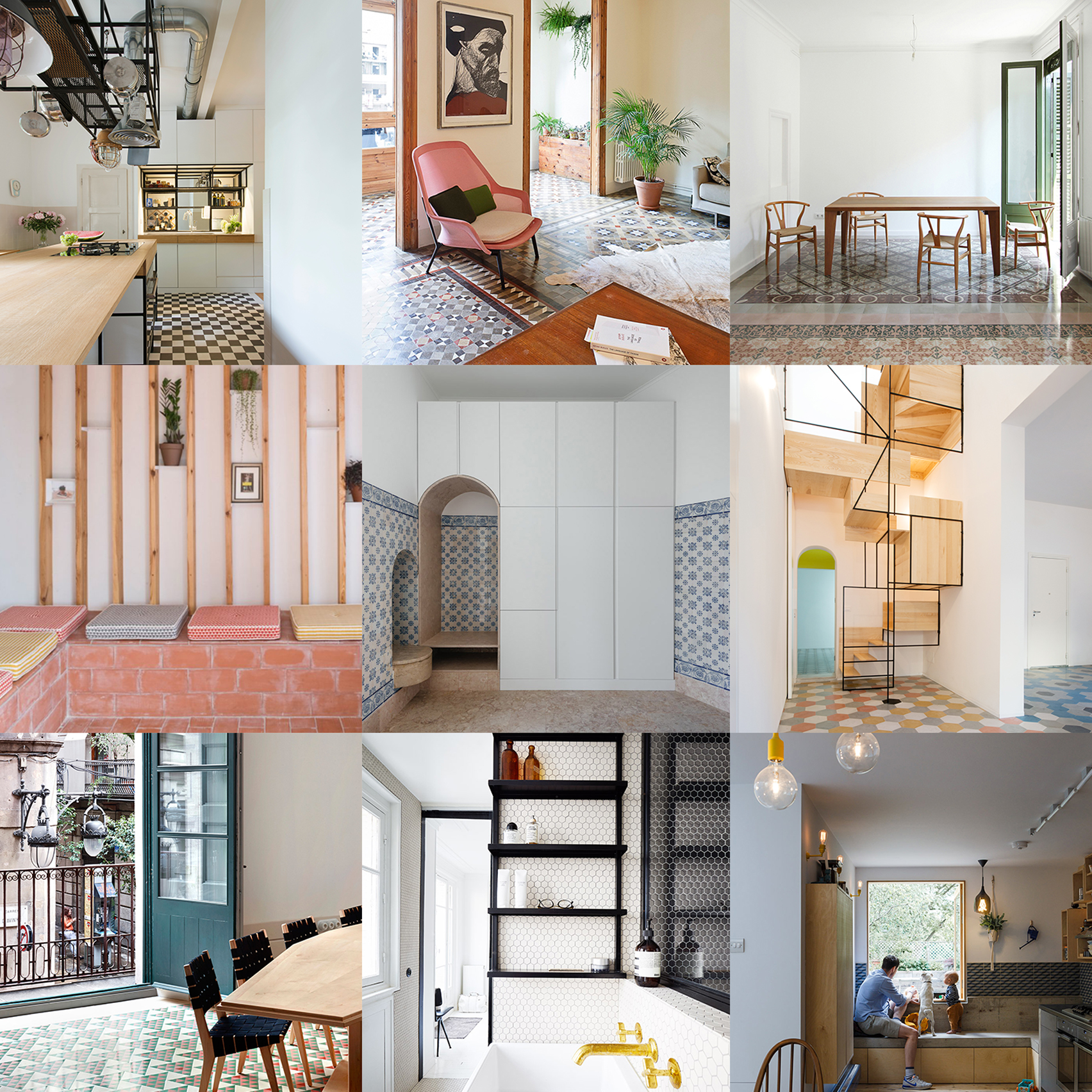
10 of the most popular tiled interiors on Dezeen’s Pinterest boards

Modern Barn House / Rios Clementi Hale Studios


© John Ellis

© John Ellis


© John Ellis


© John Ellis


© John Ellis


© John Ellis

  • Interior Designer: Waldo’s Designs

© John Ellis

© John Ellis

From the architect. Rios Clementi Hale Studios renovated and expanded an eclectic, 1980s manor house into a contemporary “farmhouse” retreat for a film and television producer.  Since the original house was already well situated in its orientation to canyon views, the architects kept the building footprint in place and preserved the height and steep pitch of the roof to create a loft feeling inside.  They extensively remodeled and expanded the interiors to open the rooms, simplify the circulation, better capture views, and blur the boundary between indoors and outdoors.  The architects maximized the existing “bones” of the house and then focused on letting the landscape flow through.  


© John Ellis

© John Ellis

Complementary slate roof tiles and tongue-and-groove siding of gray-painted cedar replace the original exterior materials.  New expanses of glass are screened from direct sunlight by a rhythmic pattern of vertical, aluminum fins forming a continuous, two-story brise soleil (that also deters nosy onlookers).  Large, cantilevered windows rimmed in steel project from gabled additions on the north and south sides of the house to engage the landscape.  Original masonry chimneys were rebuilt to current seismic standards and internal gutters hidden from view to maintain the home’s taut profile.  The resulting design reinterprets the traditional barn vernacular through modern simplicity and transparency.  


1st Floor Plan

1st Floor Plan

The house is organized into a T-shape with rooms on each level accessed from the longer, horizontal bar, essentially a central, east-west circulation spine that extends the entire length of the house.  Staircases and less-used spaces—including guest rooms, home gym, garages, and screening room—occupy the perpendicular wing at the front of the property.  To highlight the owner’s extensive art collection, the architects designed the interiors as clean-lined, flowing spaces open to views through floor-to-ceiling windows.  New skylights funnel daylight into living spaces and bedrooms.  Banks of glass doors open the ground floor rooms to the outdoors.  Steel-framed windows on the second floor project into the landscape to create the feeling of being suspended in midair.  Connections to the outdoors are reinforced through floors of gray limestone extending from the entrance through the foyer, living area, and family porch to cover the rear patio.


© John Ellis

© John Ellis

A staircase featuring full-height, gunmetal-finished metal railings at the center of the house leads to the middle of the spine, where a mezzanine office/den overlooks the living room on the west end, and bedroom suites sit at the east.  The original master suite was moved from the southwest corner of the house to the northeast side overlooking the pool view.  The master bedroom was enlarged and new his-and-her bathrooms added to the suite.


2nd Floor Plan

2nd Floor Plan

The interior furnishings selections—by Waldo’s Designs, which is known for its high-profile Hollywood clientele—complement the architecture in their soft contemporary style.  Natural textures, including dark-stained oak, rough-hewn stone, and high-grained woods, are balanced against the hard-edged, metal surfaces, glass walls, and stone floors throughout.


© John Ellis

© John Ellis

An important component of the design is the estate’s park-like landscape that was refreshed and refined by the architects.  Old-growth trees, including redwoods, cedars, and palms, are preserved and surrounded by manicured lawns and hedges.  The lawn appears as an extension of the golf course below the property to reinforce the vistas from the estate.  Separating building from landscape is a strip of gravel encircling the base of the house to set off its modern architecture.  A new reflecting pool and illuminated bridge create a dramatic entrance to the front door, particularly at night when the glass-faced house glows like a lantern.


© John Ellis

© John Ellis

http://ift.tt/2bcws0a

Studio Pei-Zhu Unveils Plans for Performing Arts Center in Dali, China


Courtesy of Studio Pei-Zhu

Courtesy of Studio Pei-Zhu

Studio Pei-Zhu has unveiled plans for the Yang Liping Performing Arts Center in Dali, Yunnan, China. Located at a low latitude and high elevation, Dali features a dramatic terrain and a unique climate that create a boundless relationship between earth and sky. The project site is located in the heart of this landscape, on a fertile plateau between the Cangshan mountain range and Erhai lake.

In designing the Performing Arts Center, Studio Pei-Zhu has drawn inspiration from these natural variations in landscape and climate, employing a large canopy roof and a flowing form to invite users into the complex.


Courtesy of Studio Pei-Zhu


Courtesy of Studio Pei-Zhu


Courtesy of Studio Pei-Zhu


Courtesy of Studio Pei-Zhu


Courtesy of Studio Pei-Zhu

Courtesy of Studio Pei-Zhu

Graded topography and grassy hills draw theatergoers into an interior plaza, A “theater box” opens onto the plaza, transforming the space into an interior-exterior performance area. The blurred boundary between indoor / outdoor and landscape / stage also work to erase the psychological boundaries between performer and spectator.


Courtesy of Studio Pei-Zhu

Courtesy of Studio Pei-Zhu

Courtesy of Studio Pei-Zhu

Courtesy of Studio Pei-Zhu

The entire building itself is performative and accessible, as the building slopes down to create a stairway leading from the interior plaza to the building roof, opening up casual public space featuring views of the surrounding terrain.


Courtesy of Studio Pei-Zhu

Courtesy of Studio Pei-Zhu

Courtesy of Studio Pei-Zhu

Courtesy of Studio Pei-Zhu

The building’s materiality evokes the spirit of the surrounding mountains, while its unique woven facade allows light to penetrate into and through the building.


Courtesy of Studio Pei-Zhu

Courtesy of Studio Pei-Zhu

Courtesy of Studio Pei-Zhu

Courtesy of Studio Pei-Zhu

Courtesy of Studio Pei-Zhu

Courtesy of Studio Pei-Zhu

Construction on the Yang Liping Performing Arts Center is currently underway, with an expected completion date coming in 2017.


Courtesy of Studio Pei-Zhu

Courtesy of Studio Pei-Zhu
  • Architects: Studio Pei-Zhu
  • Location: Dali, Yunnan, China
  • Design Principal: Zhu Pei
  • Lead Designers: Edwin Lam, Shuhei Nakamura
  • Project Manager: Virginia Melnyk
  • Project Team: Han Mo, Gary Poon, You Changchen, Ke Jun, Wang Zheng, Ding Xinyue, Feng Chaoying, Wang Peng
  • Theater Consultant: dUCKS scéno
  • Structural Consultant: Fu Xueyi
  • Mep Consultant: CCDI
  • Project Year: 2017
  • Photographs: Courtesy of Studio Pei-Zhu

http://ift.tt/2bmrugo

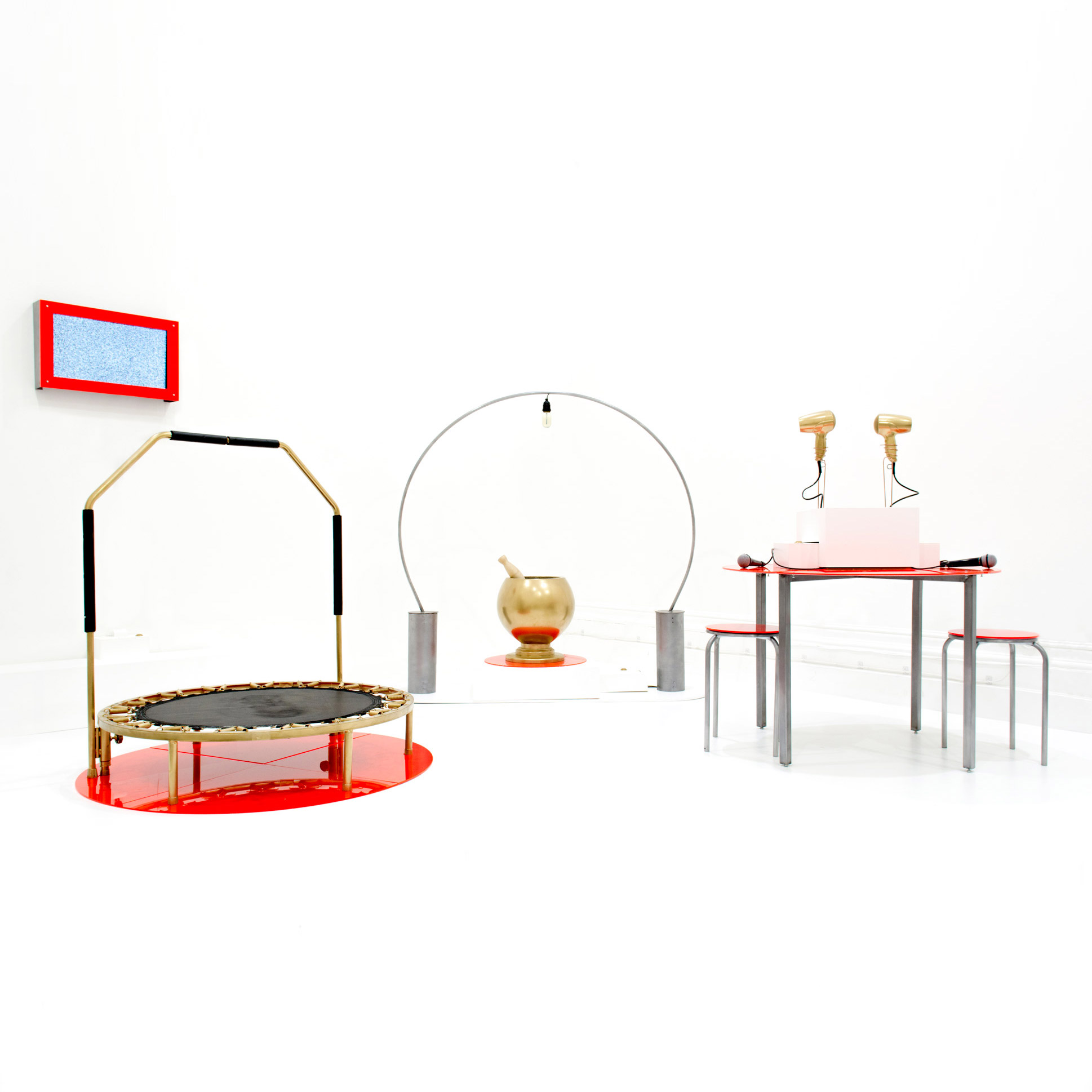
Inefficiency Machines by Meret Vollenweider and Wasabii Ng highlight energy use in the home


Graduate shows 2016: in this movie, Royal College of Art graduate Meret Vollenweider explains how her interactive installation of human-powered appliances aims to stop people taking electricity for granted. (more…)

http://ift.tt/2cf2N8f

Diane Dufresne de Repentigny Art Center / ACDF*


© Adrien Williams

© Adrien Williams


© Adrien Williams


© Adrien Williams


© Adrien Williams


© Adrien Williams

  • Architects: ACDF*
  • Location: Repentigny, QC, Canada
  • Area: 1365.0 sqm
  • Project Year: 2015
  • Photographs: Adrien Williams
  • Architectural Project Team: Maxime-Alexis Frappier, Joan Renaud, Martin Champagne, Maxime Boiselle, Mathieu St- Hilaire, France Perras, Christelle Montreuil Jean-Pois, Étienne Laplante, Guillaume Pelletier
  • Structural Engineer: Dubé Beaudry et associés
  • Mechanical And Electrical Engineers: WSP
  • General Contractor: L’Archevêque et Rivest
  • Landscape Archictect: BC2
  • Scenic Consultant: Scéno Plus
  • Artists: Jean-Paul Mousseau (lamp), Marcelle Ferron (stained glass), Richard Langevin (exterior sculpture)
  • Budget: 6M CAD

© Adrien Williams

© Adrien Williams

From the architect. With the Centre d’Art Diane Dufresne, ACDF Architecture has created a new arts centre for the suburban municipality of Repentigny, providing a dynamic core where residents can take in stirring arts and culture without getting on the highway to nearby Montreal. The centre’s architecture, including its siting, massing, circulation and materiality, are instrumental in reinventing the desired community image. It plays with notions of rootedness while gesturing to a vibrant future, instilling a sense of belonging and optimism. Familiar yet distinct, it invites visitors in and encourages long, lingering stays.


© Adrien Williams

© Adrien Williams

With this project, the Municipality of Repentigny and ACDF conceived of the centre as a part of a larger master plan. It is the kick-off element to transform a once-sparse, underutilized park into a cultural corridor with thematic gardens, a civic plaza and a theatre. Part of the broader redevelopment scheme is to provide connections between previously disjointed, bungalow-lined streets. The design team positioned the building at the nexus of new walking paths, linking a main boulevard with surrounding residential lanes, helping to draw people to the site.


© Adrien Williams

© Adrien Williams

Plan

Plan

© Adrien Williams

© Adrien Williams

The building’s overall form further helps attract residents. The studio reinterpreted classical principles — a carefully proportioned colonnade in front of a calm reflecting pool, a monolithic materiality, and a solid, reassuring appearance — with its signature, contemporary sophistication. A number of the columns are off kilter to foster moments of encounter; the materiality is a glinting stainless steel; and the inner mass is sub-divided into three sinuous, Aalto-esque volumes, each of which conceals the centre’s multipurpose room, dance recital space and main gallery area. These spaces again balance functionality and flair. Each interior is understated to let the art shine, and was designed to optimize acoustics and lighting. Beyond contemporizing the façade, the building’s materiality deftly acts as a beacon — important, as the structure is set back from the nearby roads. The row of shimmering columns gleams in the sun, their reflectivity calling to passers-by as well as amplifying and dramatizing the surroundings, such as sunlight, vegetation, and seasonal colours. The qualities of the cladding also echo those of the bell towers of the Église de la Purification-de-la-Bienheureuse-Vierge-Marie, the oldest church in the Montreal region. To contrast the metal’s slickness, the three sinuous volumes in the interior are clad in locally sourced wood, which emanates warmth under an array of skylights.


© Adrien Williams

© Adrien Williams

© Adrien Williams

© Adrien Williams

The classic-meets-contemporary appearance helps establish a sense of familiarity and the porous circulation allows the public to weave through layers of the building, informally experiencing the art. Visitors can wander along through the newly landscaped forecourt, crossing a slatted wooden promenade that transverses the serenity of the reflecting pool (which doubles as a filter for storm water runoff). They can walk through the exterior colonnade, which also functions as an open-air exterior gallery, and absorb the creativity of the place without stepping inside the building. Or they can enter the interiors, and explore the galleries of linger in the interior colonnade.


© Adrien Williams

© Adrien Williams

Importantly, the centre contributes to the community regardless of the time of day. At night, it acts as a lantern, activating the surrounding park, and making serene reflections in the pond — reflections that express a sense of temporality, and which will instil a sense of calm for years to come.


© Adrien Williams

© Adrien Williams

http://ift.tt/2bpkewI

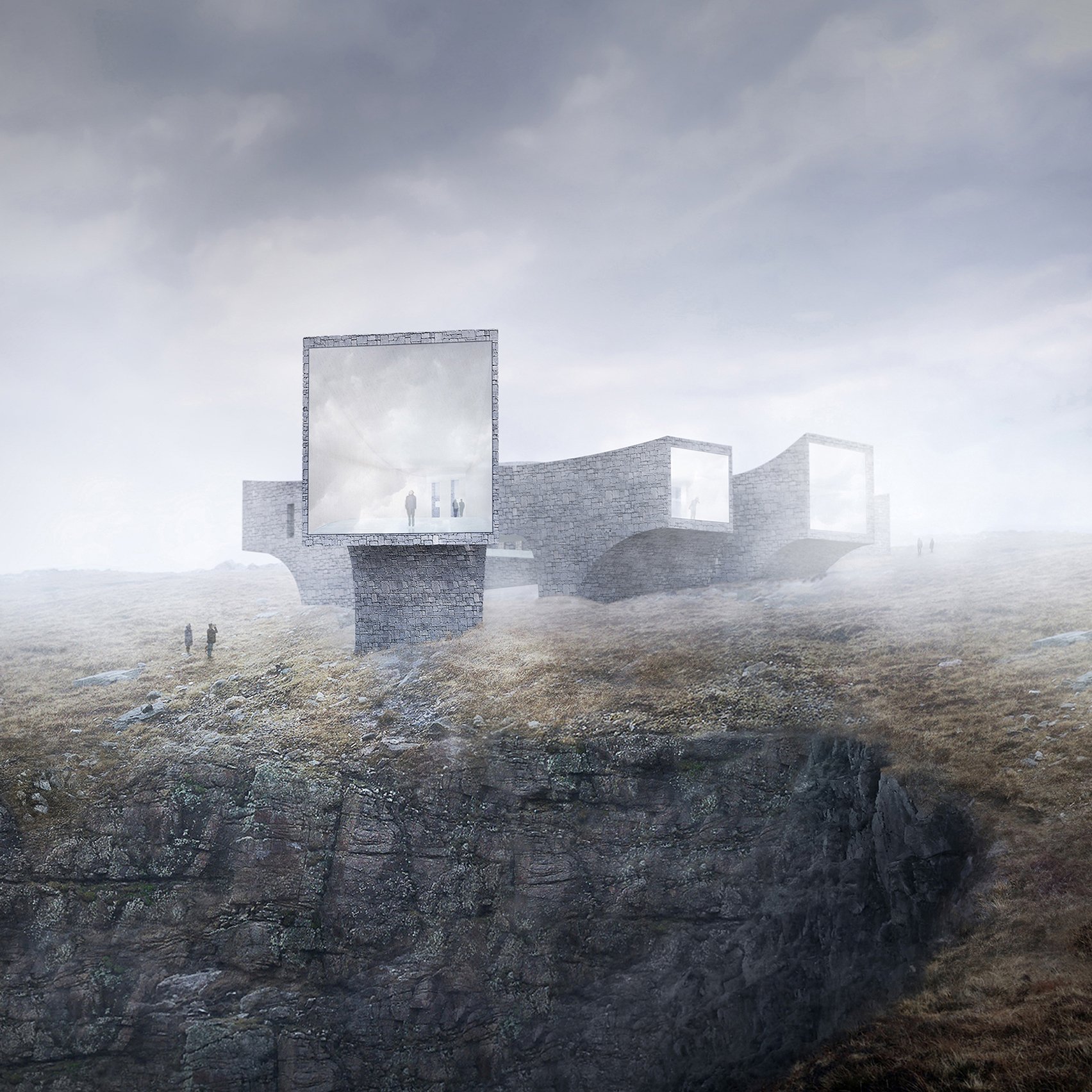
Reiulf Ramstad and Dualchas design cliffside visitor centre for Scottish island


Norwegian firm Reiulf Ramstad Arkitekter has teamed up with Scottish studio Dualchas Architects to design a seafront visitor centre for an island in Scotland’s Outer Hebrides. (more…)

http://ift.tt/2bLYyPO

Could Development Hoardings Be the New “Canvas for London”?


Courtesy of Primebuild

Courtesy of Primebuild

Walking next to a construction site is anything but enjoyable. Unavoidable noise (and sometimes air) pollution is partly responsible, but development hoardings also contribute to the unpleasant feeling. In most cases you walk alongside blank canvases, made from OSB or poorly built plywood boxes, and covered with a concrete grey or navy blue Dulux paint. If you’re lucky enough to pass by a development for luxury apartments, you’ll find some lavish advertising for the homes which, of course, you couldn’t afford anyway. With her blog “Development Aesthetics,” Crystal Bennes gives credit to the visual importance of hoardings, showcasing London’s latest construction sites and commentating on the inadequacy and often absurdity of the advertising on their hoardings. As apartment blocks mushroom around the British capital, the issue increasingly affects inhabitants’ use and understanding of public spaces.

Hoping to turn this trend around, the UK-based construction, architectural and engineering firm Primebuild has launched its “Canvas for London” Initiative, using construction site hoardings as platforms for artists to display their work.


Courtesy of Primebuild


Courtesy of Primebuild


Courtesy of Primebuild


Courtesy of Primebuild


Courtesy of Primebuild

Courtesy of Primebuild

According to Primebuild’s director Tom Tighe, “We believe in not just the end product, but the beauty of the process along the way. We see hoardings as temporary structures, which are the only connection with the public during works–a huge opportunity and one which we should give to the creatives of our cities who need the chance to promote their work on some of the biggest canvas sizes around.”


Courtesy of Primebuild

Courtesy of Primebuild

Hoardings could also meet educational goals, as exemplified by local artist Joshua Richardson with his “Project Plural.” The drawings–currently displayed on Primebuild’s construction sites–aim to “bring to life the ongoing importance of animal conservation, to educate children and adults through humorous illustrations and unearth all of the forgotten collective nouns.”


Courtesy of Primebuild

Courtesy of Primebuild

But the initiative’s primary goal is to raise awareness within the building industry. Architects and construction firms are not only responsible for the completion of their design, but also for the quality of “temporary” living environments during construction works. This approach needn’t even be an expensive added construction cost, as young artists looking for recognition could offer low-cost, compelling solutions to the design of suitable hoardings. In fact, only one question remains: why isn’t Primebuild’s approach more widespread?


Courtesy of Primebuild

Courtesy of Primebuild

http://ift.tt/2bUX96H

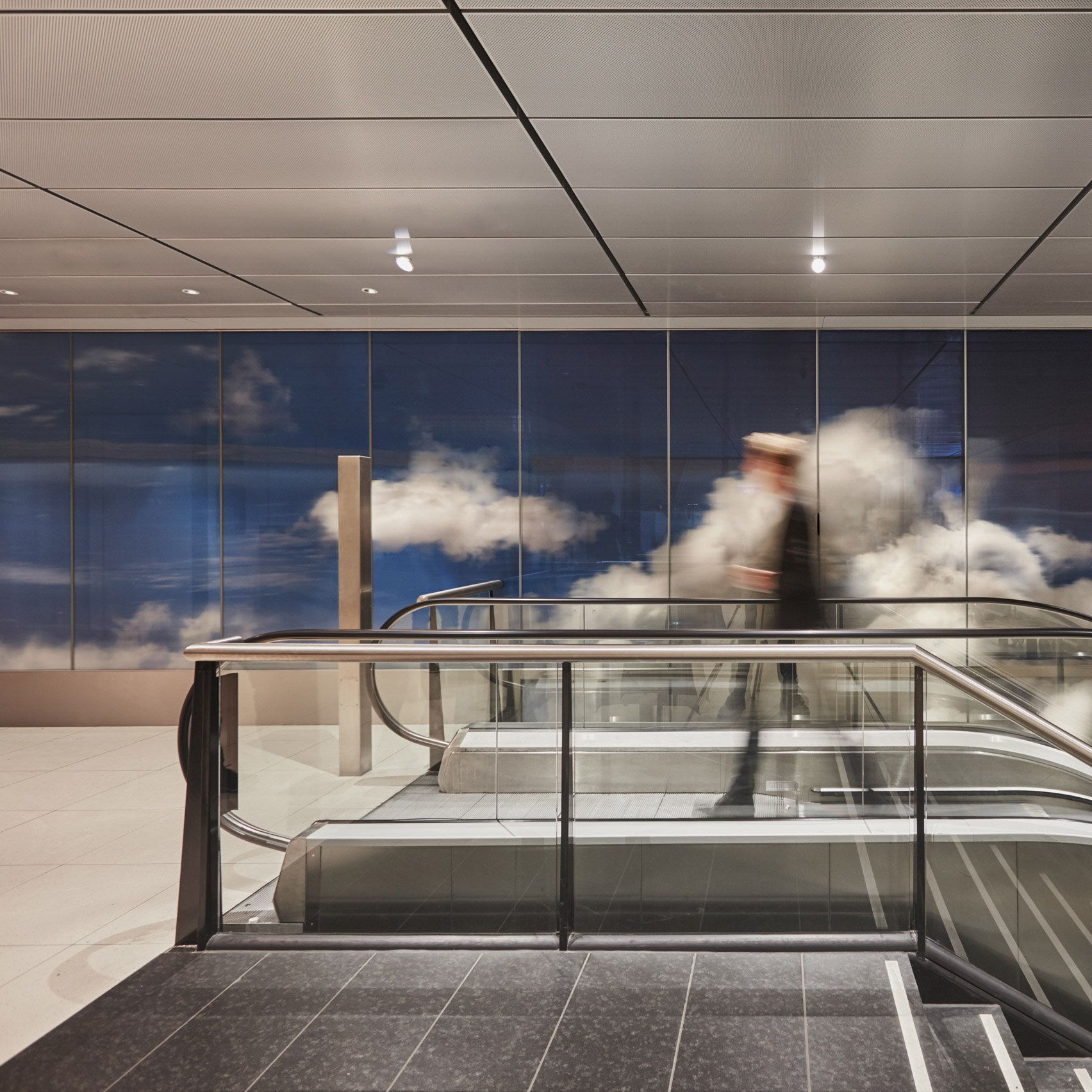
Daan Roosegaarde creates illusion of depth in cloud-filled Beyond installation


Dutch designer Daan Roosegaarde has covered a wall at Amsterdam’s Schiphol Airport in a realistic, cloud-studded sky (+ movie).  (more…)

http://ift.tt/2blVxEO