Time Box – Temporary Exhibition Pavilions / Gergely Sági


© Zsolt Vasáros

© Zsolt Vasáros


© Gergely Sági


© Zsolt Vasáros


© Gergely Sági


© Gergely Sági

  • Design Team: Sándor Ambrus, Ferencz Andrási, János Antal, István Balla, Lehel Balla, Zsigmond Balla, Zsolt Balla, József Bálint, Botond Csiki, Szilárd Dósa, Szilárd Kacsó, Nándor Laczkó, Regő László, Norbert Moldován, Botond Siklódi, László Siklódi, József Szabó, Hunor Szász, Zsolt Szilveszter
  • Chief Consultant: Zsolt Vasáros
  • Consultant: Cicelle Gaul
  • Local Partner: Zsolt Tövissi
  • Structural Designer: Péter Dénes
  • Chief Curators: Szilamér Péter Pánczél, Silvia Mustață, Koppány Bulcsú Ötvös
  • Curators: Alpár Dobos, István Karácsony, Nicoleta Man, Dávid Petruț, Katalin Sidó
  • Chief Site Manager: Koppány Bulcsú Ötvös

© Gergely Sági

© Gergely Sági

From the architect. It is a great challenge in an architectural sense, a great question whether contemporary architecture can be present in a village where the largest architectural intervention of the past 100 years has been some change of windows and doors; where the idea of the most modern materials is the red and blue metal rooftops and the idea of „form” remains the archetypical shape of the house. What tools does contemporary architecture have in such a conservative village sticking so much to traditions? Where could we start? Which values are we reflecting on, trying to save them from the current decay that will obviously disappeare soon and forever without intervention? How can something fit into this environment having a function that has never been seen there before, something that has no ancestors, no past, no natural location in the village? Being in connection with the environment is not a cliché here coming from the vibes of „genius loci” creating nice forms and transcendent content,it is rather a very practical need that could secure the long-lasting future of the pavilion: having connection is means of survival here. In a situation where the house is left alone for 11 months of the year (the 12th one being the time of the excavation) in the cornfield by the village the only chance for survivor is to have owner.


© Gergely Sági

© Gergely Sági

Elevations

Elevations

© Zsolt Vasáros

© Zsolt Vasáros

And there can be owner only if locals become owners. If locals can relate to the small constructions by their village, if they are able to accept them, and the community is able to look at them as its own and feel responsibility for them – in this case the pavilions can last the time they were constructed for. In any other case their inevitable future is decay and destruction. Considering these having connection is not only a purpose-it’s the only chance for the existance of the pavilions.


© Gergely Sági

© Gergely Sági

Sketch

Sketch

© Zsolt Vasáros

© Zsolt Vasáros

Detail

Detail

http://ift.tt/2boTSv3

Clark Nexsen Wins Activate Urban Housing Design Competition With a Food-centered Vision


Courtesy of Clark Nexsen

Courtesy of Clark Nexsen

Clark Nexsen has won the international Activate Urban Housing Design Competition with its proposal for an urban dwelling on South Mint Street in downtown Charlotte, North Carolina. The design, entitled Mint, focuses on connectivity and neighborhood and includes residential, retail, and open green spaces. 

Conceived as a catalyst for a culinary district, Mint aims to create a new urban living and working space, in which the connectivity of food-centered entrepreneurial enterprises fosters a sense of community.


Courtesy of Clark Nexsen

Courtesy of Clark Nexsen

Courtesy of Clark Nexsen

Courtesy of Clark Nexsen

Conceptually, we found a culinary incubator an interesting way to tie the residential with the retail and on a macro scale tie the development in with the bigger picture in Charlotte,” said Clark Nexsen architect, Albert McDonald. “We started to make connections between Johnson & Wales, a culinary school in Charlotte, tapping into new restaurants, bars, and breweries popping up in the local area. We started making connections to downtown Charlotte and the Carolina Panthers Stadium and started to think this could be a really good place for people to hang out before going downtown for games, as one example.


Courtesy of Clark Nexsen

Courtesy of Clark Nexsen

Courtesy of Clark Nexsen

Courtesy of Clark Nexsen

The site design additionally focuses on green space, incorporating a co-op garden for residents in partnership with test kitchens and on-site restaurants, as well as green pedestrian paths between residential and shared spaces.


Courtesy of Clark Nexsen

Courtesy of Clark Nexsen

Courtesy of Clark Nexsen

Courtesy of Clark Nexsen

Furthermore, a plaza will accommodate live entertainment and market or food trucks on Saturdays.


Courtesy of Clark Nexsen

Courtesy of Clark Nexsen

Courtesy of Clark Nexsen

Courtesy of Clark Nexsen

Learn more about the project here.

News via Clark Nexsen

http://ift.tt/2bUFk7W

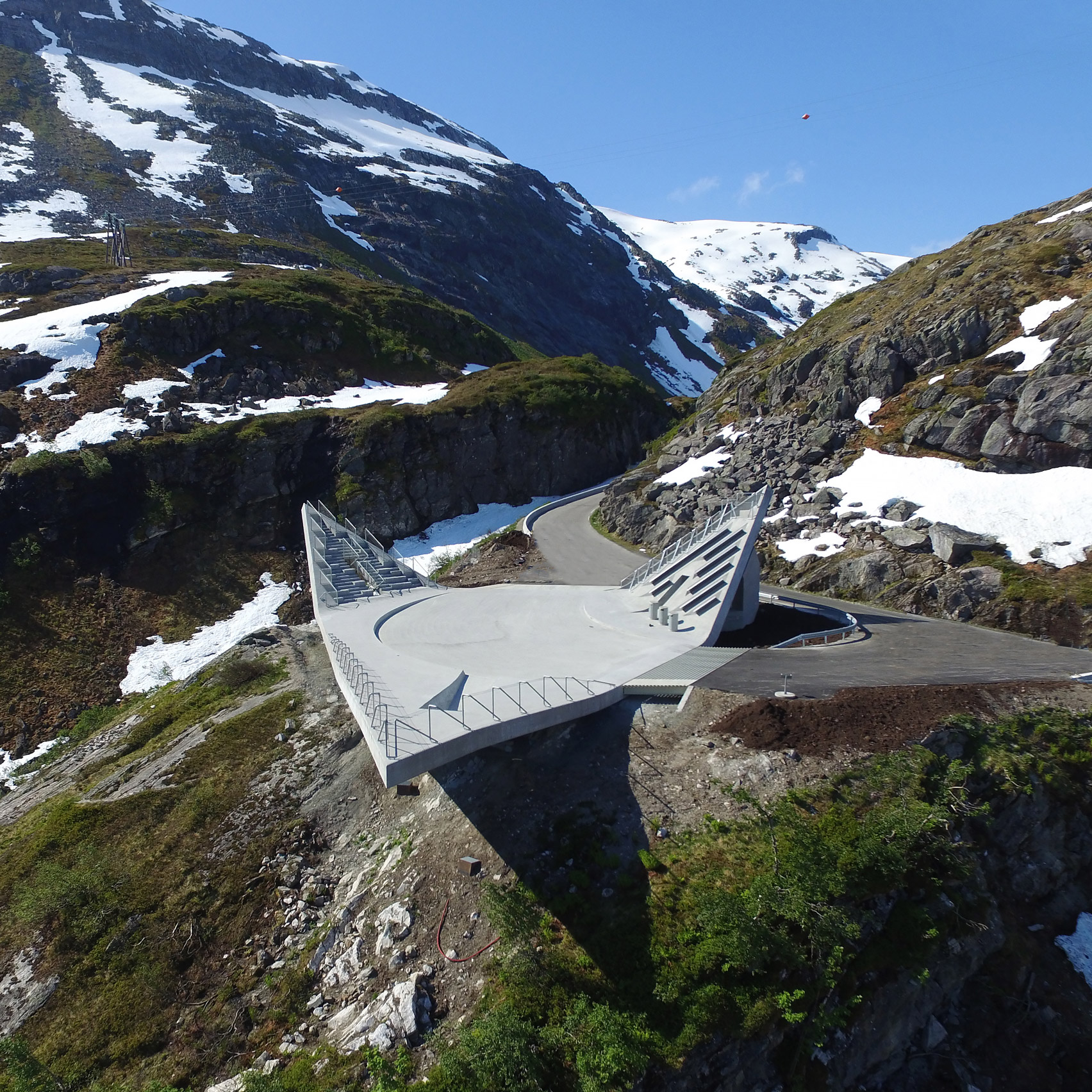
Mountainside platform by Code Arkitektur creates three vertiginous viewpoints


This triangular viewing platform perched on the edge of a mountain was created by Norwegian studio Code Arkitektur as a rest stop for one of the country’s picturesque tourist trails (+ slideshow). (more…)

http://ift.tt/2bkT0YM

Job of the week: architecture curator at the Royal Academy of Arts

Catalina Patiño & Viviana Peña Work Together to Create a Home in the Valley of San Nicolas

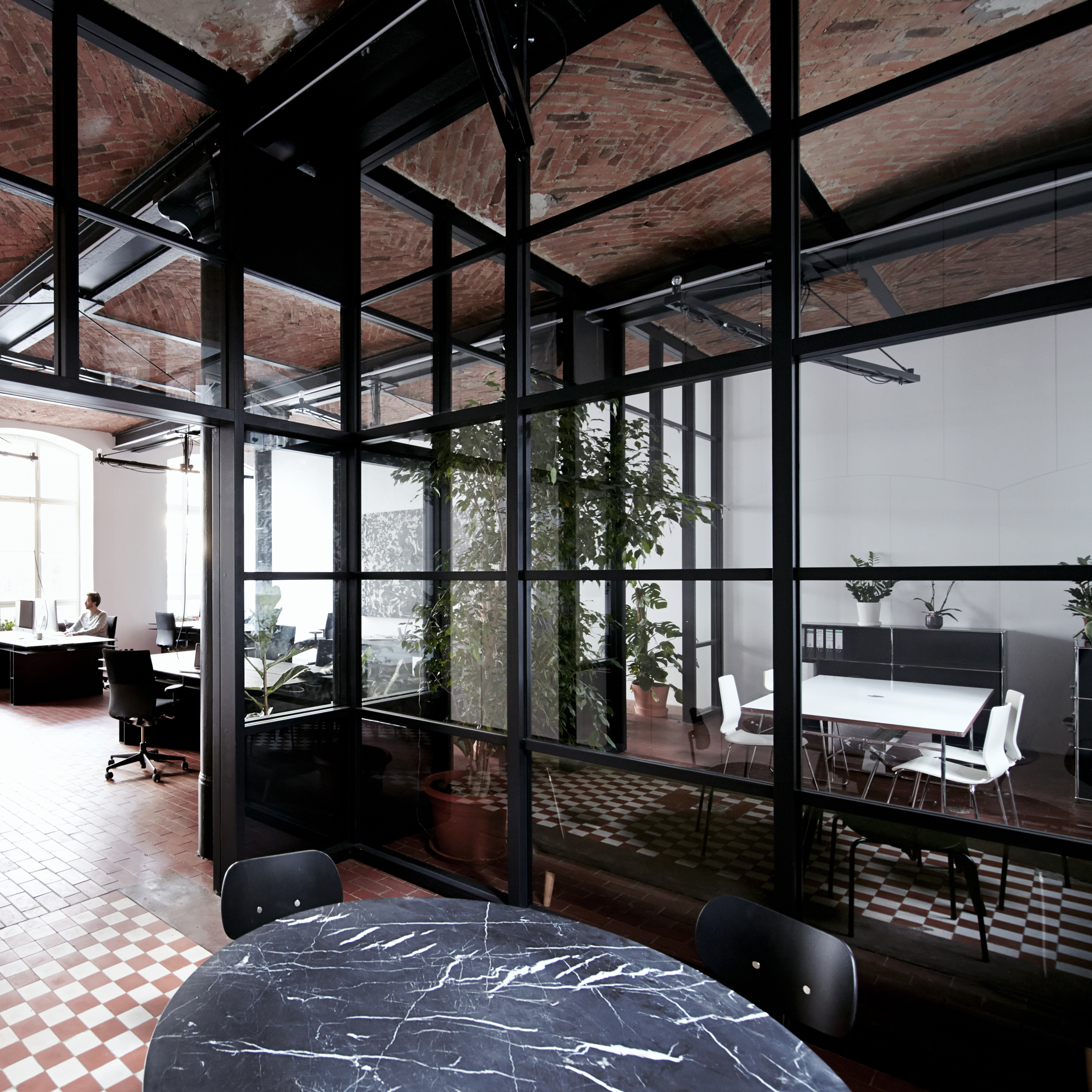
IFUB transforms former chocolate factory into office with secret storage


Munich architecture firm IFUB has converted the ground floor of a Berlin factory into an open-plan office with a wall of hidden cupboards and rooms (+ slideshow). (more…)

http://ift.tt/2bnHoIP

Norell/Rohde Propose a Lively and Colorful Volumetric Composition for the Skellefteå Kulturhus


Courtesy of Norell/Rodhe

Courtesy of Norell/Rodhe

The Skellefteå Kulturhus competition provided a critical opportunity to shape the cultural landscape of Skellefteå in northern Sweden, and the brief elicited a range of exciting responses. Stockholm-based architecture studio Norell/Rodhe have now unveiled their entry, titled “Supergroup.” 


Courtesy of Norell/Rodhe


Courtesy of Norell/Rodhe


Courtesy of Norell/Rodhe


Courtesy of Norell/Rodhe


Courtesy of Norell/Rodhe

Courtesy of Norell/Rodhe

Their proposal features a colorful composition of interlocking building volumes which reference the traditional use of luminous, colored plaster facades in the local area. The masses retain their own function and qualities but form a lively community when grouped together.


Courtesy of Norell/Rodhe

Courtesy of Norell/Rodhe

Norell/Rodhe’s entry gathers several cultural institutions – a theater, two art galleries, a library, a conference center and a hotel – as a set of individual buildings grouped on top of a low podium. This way, each institution retains some of its independent identity, while simultaneously allowing for productive adjacencies with neighboring institutions. On the exterior, each building mass acquires its own character based on color, proportions, and planar rotation. 


Courtesy of Norell/Rodhe

Courtesy of Norell/Rodhe

Alongside the colorful links to Skellefteå’s building stock, the project also links back to the town through a specialist glulam timber structure. The industrial processing of timber and associated local expertise is here utilized to create a contextually relevant and structurally expressive building. The glulam timber features prominently in the interior, where a short-span structure and densely arrayed columns help to emphasize the direction of each building.

Shared and communal spaces are created in the podium as well as in intersections between building volumes. In this way, the interior becomes a dense urban condition with junctions, piazzas and landmarks – a city without streets consisting solely of tightly packed architecture – said Norell/Rohde in their press release.

The scheme was developed in response to an open, anonymous competition run by Skellefteå Municipality, which was won by White Arkitekter. The second place winning entry was from a team of young Danish architects. For more information, the competition brief can be viewed in full at Sveriges Arkitekter.

  • Architects: Norell/Rodhe
  • Location: Skellefteå, Sweden
  • Design Team: Daniel Norell, Einar Rodhe, Aron Fidjeland
  • Structural Engineer : Raphael Le Gall and John Möller, Sweco
  • Project Year: 2016
  • Photographs: Courtesy of Norell/Rodhe

News via Norell/Rodhe.

http://ift.tt/2bkBovY

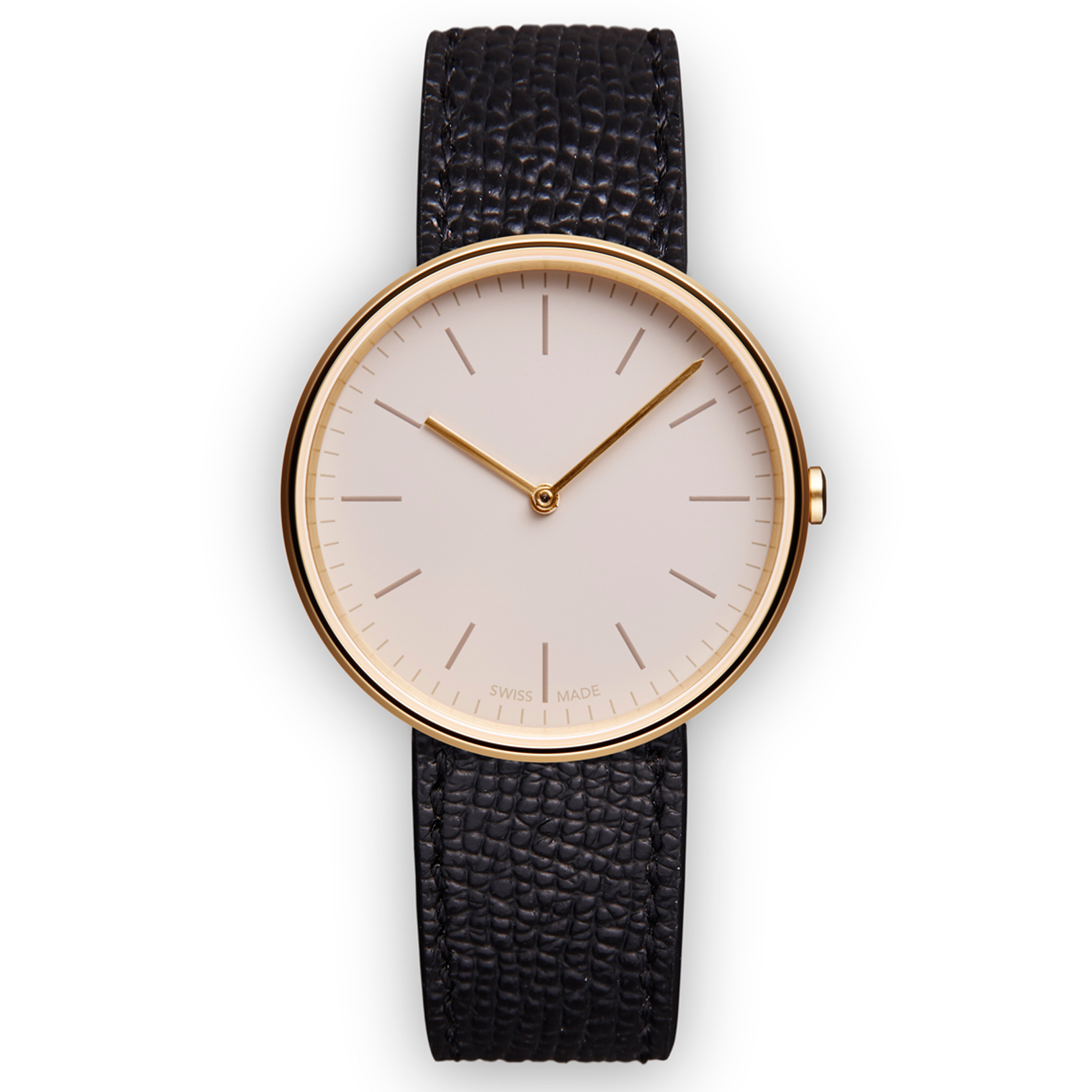
Uniform Wares’ new collection for “urbane” women arrives at Dezeen Watch Store


Dezeen Watch Store: Uniform Wares has become the latest watch brand to design a range specifically aimed at women.  (more…)

http://ift.tt/2btIwIf

Schaufelschlucht Bridge / Marte.Marte Architects


Courtesy of Marte Marte Architects

Courtesy of Marte Marte Architects


Courtesy of Marte Marte Architects


Courtesy of Marte Marte Architects


Courtesy of Marte Marte Architects


Courtesy of Marte Marte Architects

  • Architects: Marte.Marte Architects
  • Location: Ebnit, 6850 Dornbirn, Austria
  • Architect In Charge: Arch.DI Bernhard Marte, Arch.DI Stefan Marte
  • Photographs: Courtesy of Marte Marte Architects
  • Client: Stadt Dornbirn
  • Supporting Width: 16,50m
  • Total Width: 5,00m bis 6,50m
  • Clear Width Of Carriageway: mind. 4,20m
  • Ferroconcrete Bow: Mindeststärke 50cm

Courtesy of Marte Marte Architects

Courtesy of Marte Marte Architects

From the architect. With the second arch bridge on the spectacular alpine road to Ebnit, a sub-district of Dornbirn, the master plan for three infrastructure projects is one step closer to completion. The Schaufelschlucht Bridge has been integrated into the tremendous natural surroundings just as naturally and impressively as the Schanerloch Bridge before it.


Courtesy of Marte Marte Architects

Courtesy of Marte Marte Architects

Plan

Plan

Courtesy of Marte Marte Architects

Courtesy of Marte Marte Architects

Both were built following the same principle: a visible display of internal and external forces, cast in concrete. The twisting and tapering of the bridge on the valley side gives a clear idea of the structural capabilities of the arch shape, while its counterpart on the Ebnit side withstands the dynamic force of the water, which has carved a deep gorge in the rock face over the course of thousands of years.


Courtesy of Marte Marte Architects

Courtesy of Marte Marte Architects

The dark, narrow tunnels, formed by the forces of nature, and the forbidding sheer rock walls along the road act as the backdrop for a dramatic spectacle no one passing by could hardly miss. The bridge’s concrete parapets escort motorists and give them a sense of safety as they cross the roaring, rain-swollen waters, and the solidity and equilibrium of the homogeneous structure make it seem invincible and built for eternity. Sustainability in its truest, while timeless, form.
[Marina Hämmerle]


Courtesy of Marte Marte Architects

Courtesy of Marte Marte Architects

http://ift.tt/2bloz7k

ARTELABO Designs a Quiet Home Overlooking the Hérault Valley in France

Villa Tranquille by ARTELABO (13)

Villa Tranquille is a private residence designed by ARTELABO. Completed in 2015, it is located in Gignac, France. Villa Tranquille by ARTELABO: “The « Villa Tranquille » or « Quiet House », designed by Artelabo is located on tiny plot of land with a gorgeous view on the Hérault Valley. The overall geometry of the house is based on a repeated sequence of four volumes, inscribed in a regular pattern,..

More…