The Significance of Botticelli’s Renaissance Masterpiece ‘The Birth of Venus’

Botticelli Birth of Venus Painting Botticelli Venus Italian Renaissance Art

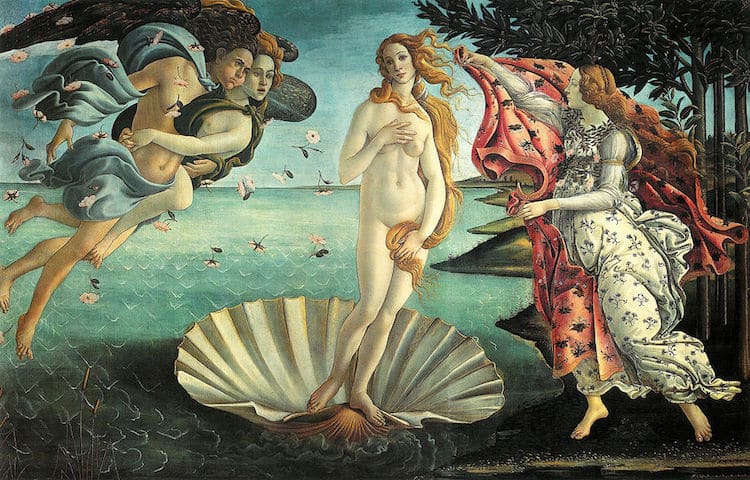
‘The Birth of Venus’ (c. 1486) (Photo via Wikimedia Commons)

An early master of the Italian Renaissance, Sandro Botticelli is celebrated for his painterly contributions to the major art movement. While the artist’s oeuvre features secular portraits and Biblical depictions, he is most well- known for his larger-than-life, mythological scenes—namely, The Birth of Venus.

Created in the late 15th century and exhibited in Florence’s famed Uffizi Gallery since the early 1900s, the monumental painting has been admired and analyzed for centuries. Today, along with famous pieces like Leonardo da Vinci’s Mona Lisa and Michelangelo’s Sistine Chapel ceiling, it is regarded as a key work of the Italian Renaissance.

So, why is this painting so famous? In addition to stylistic qualities—like color and brushwork—Botticelli’s approach to subject matter is what sets The Birth of Venus apart from other Renaissance depictions. Before examining these characteristics, however, it is important to understand the context of the prominent painting.

Context

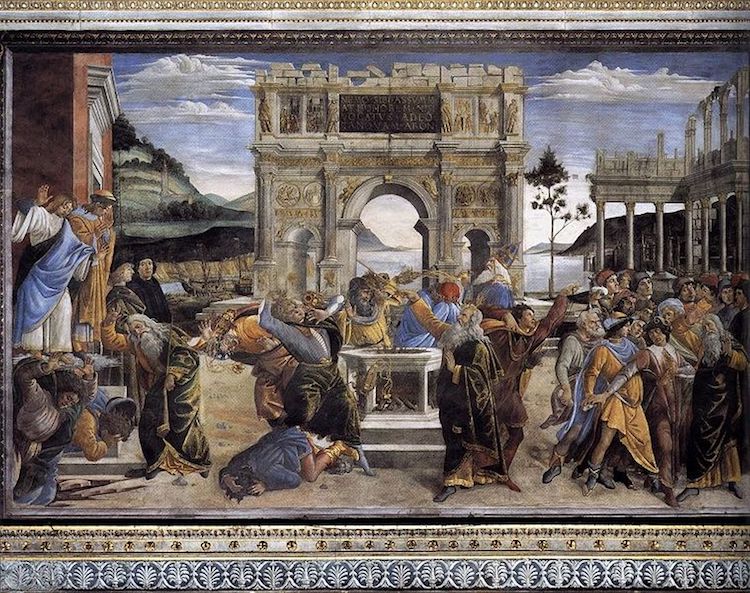
Though the exact dates of creation are not known, art historians believe that The Birth of Venus was likely painted between 1482 and 1485. At this time, the High Renaissance in Italy was less than a decade away, and Botticelli was working in Florence—the city of his birth—after a stint in Rome, where he was commissioned to create frescoes in the Sistine Chapel. Upon returning to Florence, he resumed regularly painting Roman Catholic depictions. However, he also began to dabble in new subject matter: Greek and Roman mythology.
Botticelli Birth of Venus Painting Botticelli Venus Italian Renaissance Art

‘Scenes from the life of Moses’ -in the Sistine Chapel (c. 1480) (Photo via Wikimedia Commons)

As a result of his newfound interest in this ancient iconography, he produced two large-scale paintings: Primavera and The Birth of Venus. Though not a pair, these pieces are often viewed simultaneously due to their similar subjects, style, and scale. Additionally, both pieces are rendered in tempera paint, a traditional medium made of pigment and egg yolk. Unlike Primavera, however, which was painted on panel, The Birth of Venus is a work on canvas—the first of its kind in Tuscany.

Subject Matter

In addition to its context, The Birth of Venus is remarkable for its content, which stands out from other Renaissance scenes.

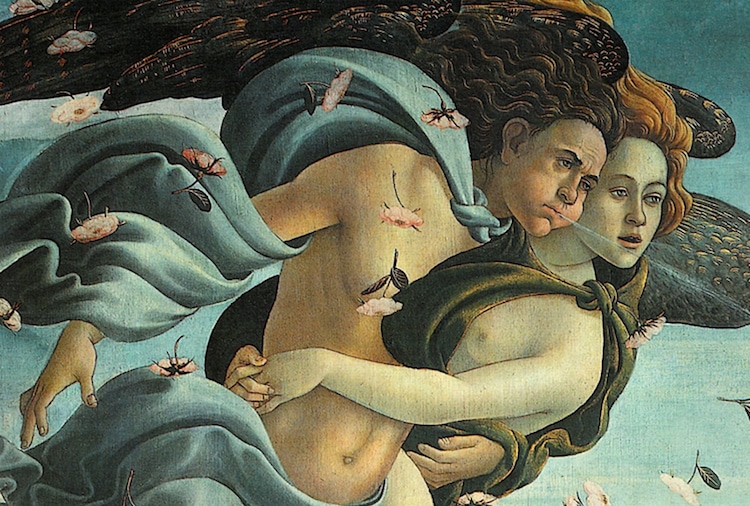
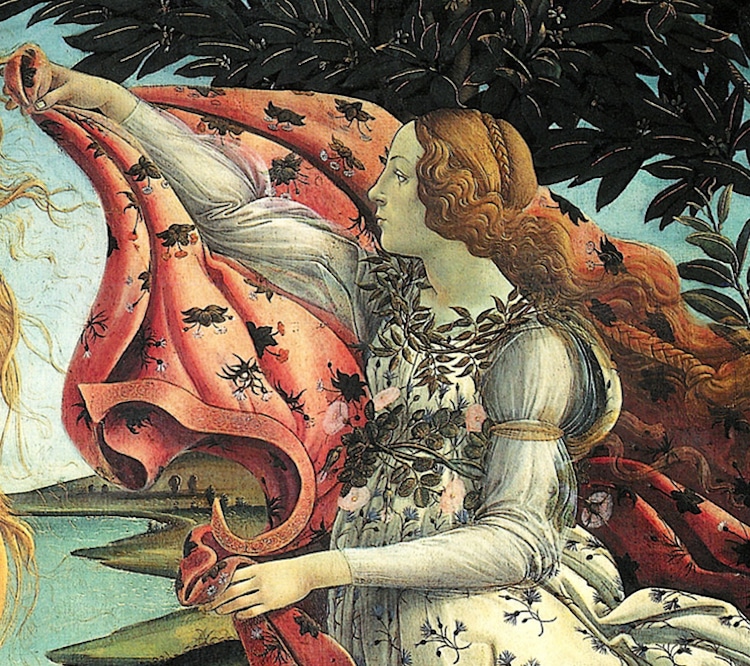
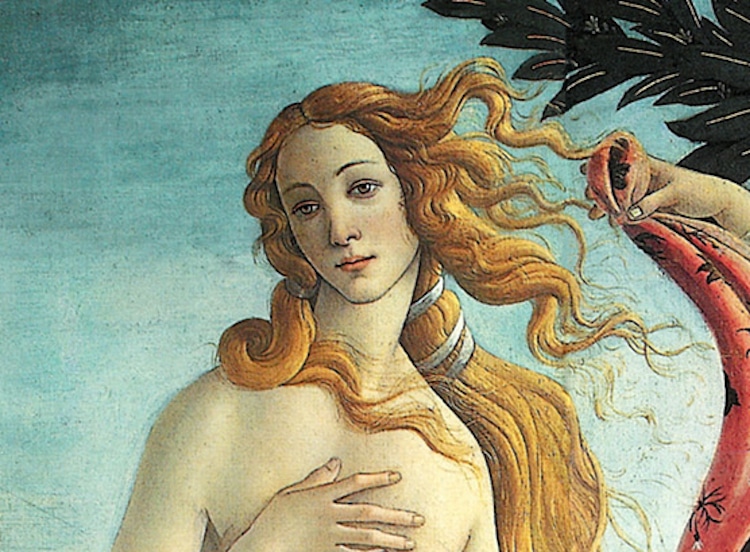
The Birth of Venus shows the recently-born Venus, the Roman goddess associated with love and beauty. Standing nude in an enlarged scallop shell, she is flanked by three figures from Classical mythology. While the intended identities of these individuals are not clear, they are widely believed to be Zephyr, the god of wind; Chloris, Zephyr’s wife and a nymph associated with flowers; and an Horae, a Greek goddess related to the seasons. Together, Zephyr and Chloris push Venus toward the shore with their breath, while Horae waits to cover her with a cloak.
Botticelli Birth of Venus Painting Botticelli Venus Italian Renaissance Art

Detail of Venus

Botticelli Birth of Venus Painting Botticelli Venus Italian Renaissance Art

Detail of Zephyr and Chloris

Botticelli Birth of Venus Painting Botticelli Venus Italian Renaissance Art

Detail of the Horae

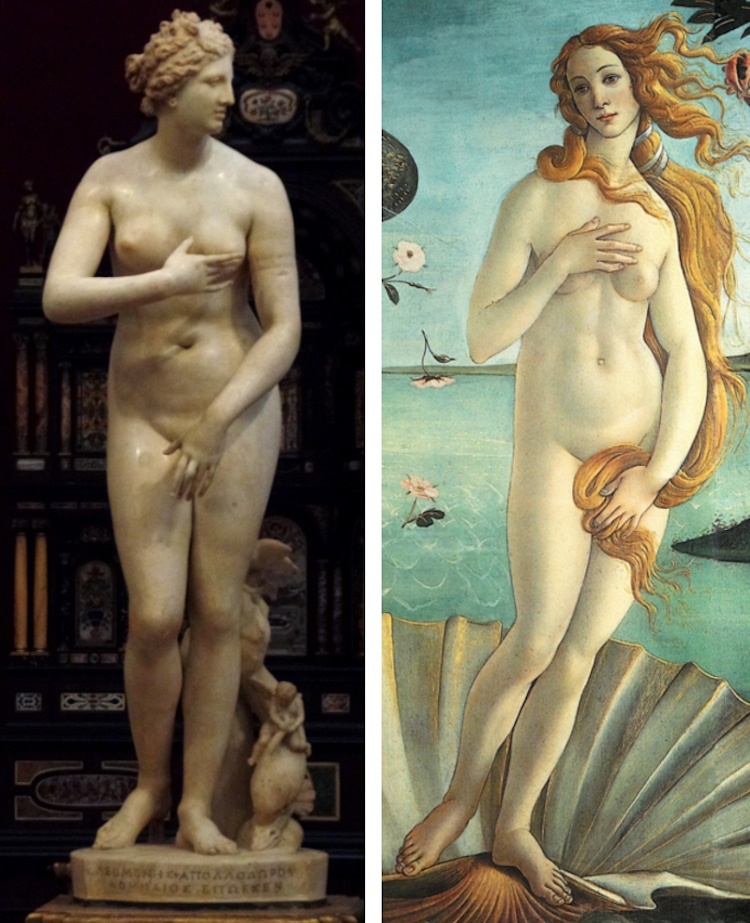
According to the Uffizi Gallery, this scene showcases several influences, including Ovid’s Metamorphoses, Agnolo Poliziano’s poem, Stanzas, and Venus Pudica, a pose found in Classical art.

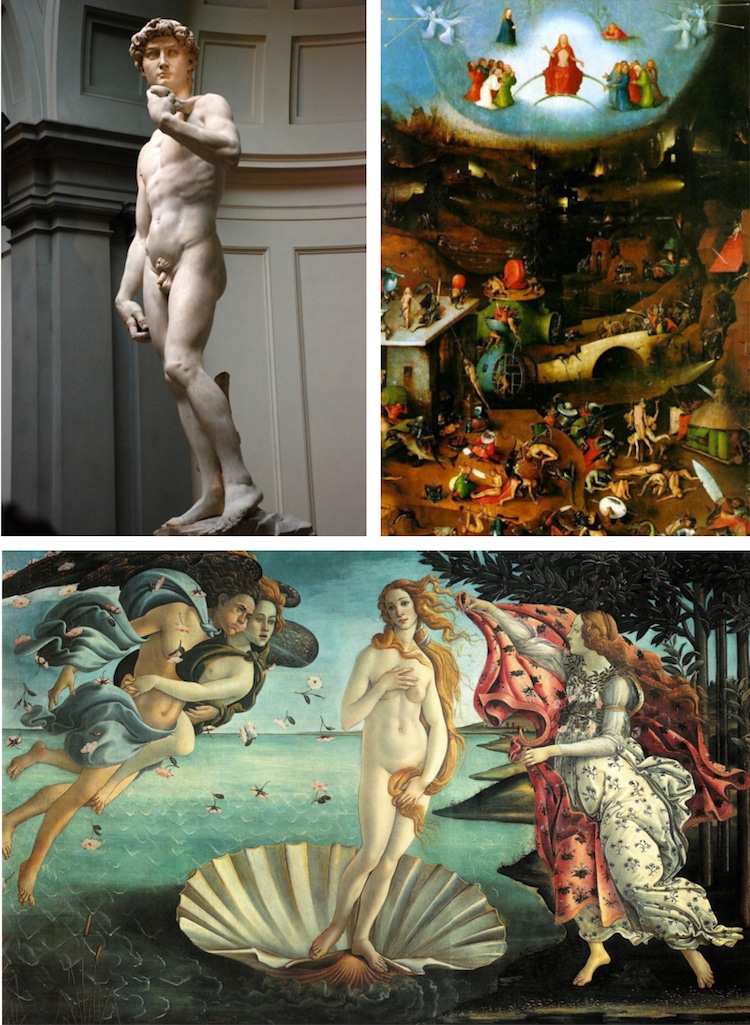
Similar to the contrapposto (s-shaped) stance of Michelangelo’s David, the Venus Pudica is a pose characterized by asymmetry. Unlike the former, however, which is employed only to convey naturalism, the Venus Pudica bend occurs when a figure uses his or her hand to conceal their nudity. The Venus de’ Medici, a Hellenistic sculpture, illustrates this.
Botticelli Birth of Venus Painting Botticelli Venus Italian Renaissance Art

Left: ‘The Venus de’ Medici ‘ (first century BCE) (Photo: Wai Laam Lo via Wikimedia Commons)

The post The Significance of Botticelli’s Renaissance Masterpiece ‘The Birth of Venus’ appeared first on My Modern Met.

http://ift.tt/2E9U01z

Exquisite Paper Wreaths Promote Equality with Empowering Words

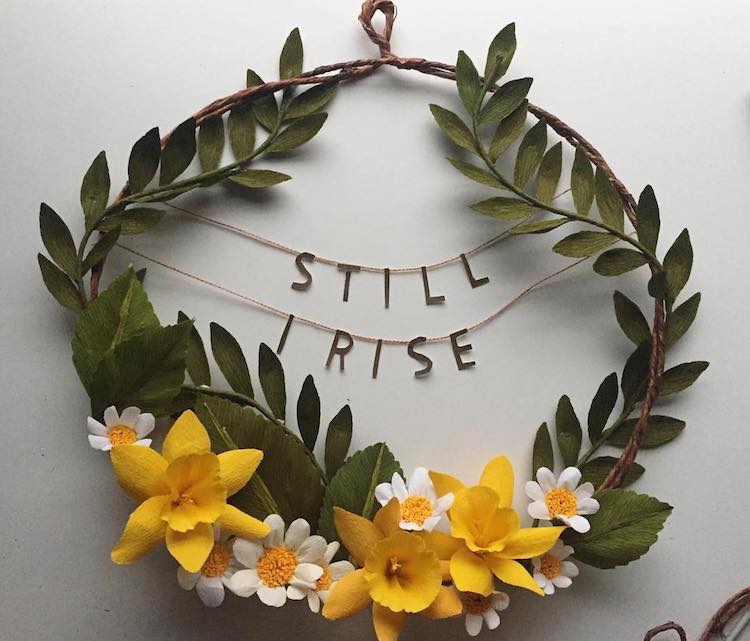
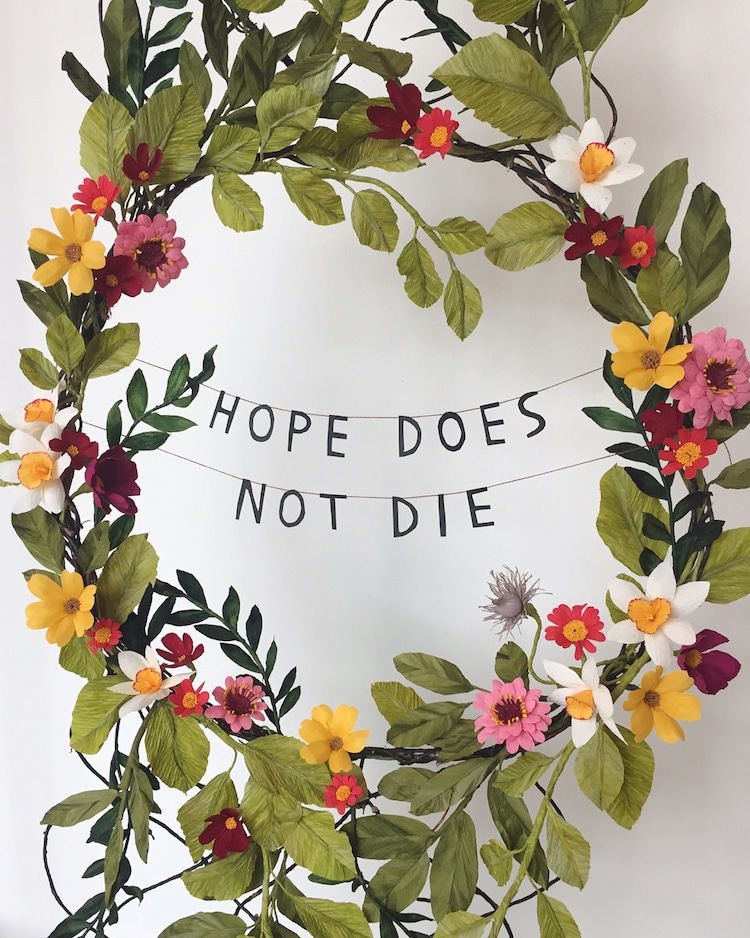
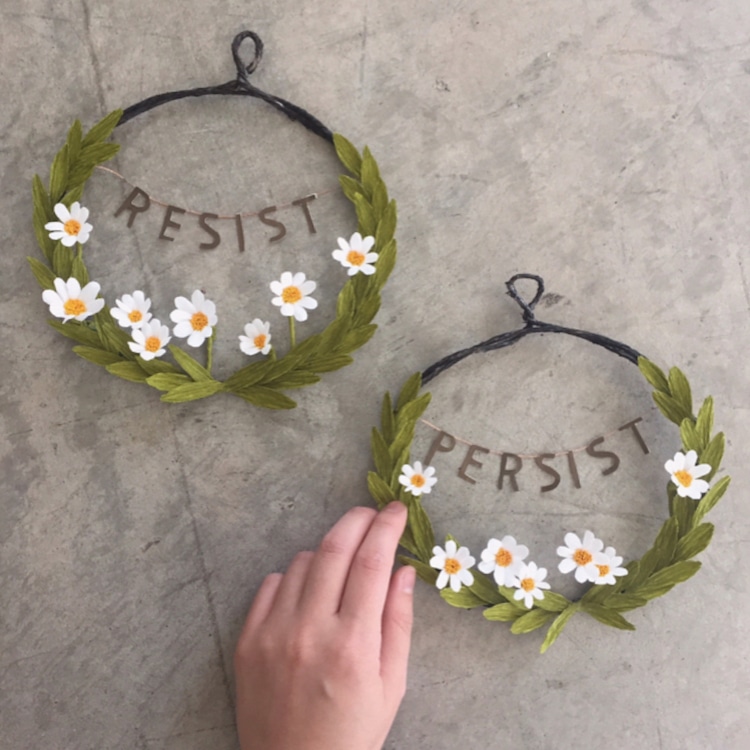
With a preference for paper and a focus on feminism, Kansas-based creative Grace D. Chin creates art that is as exquisite as it is empowering. Though formally trained in printmaking, Chin’s “craft roots” are evident in her growing collection of handmade wreaths. What started as an imaginative art project has blossomed into a creative call for equality by pairing crepe paper flowers with powerful phrases.

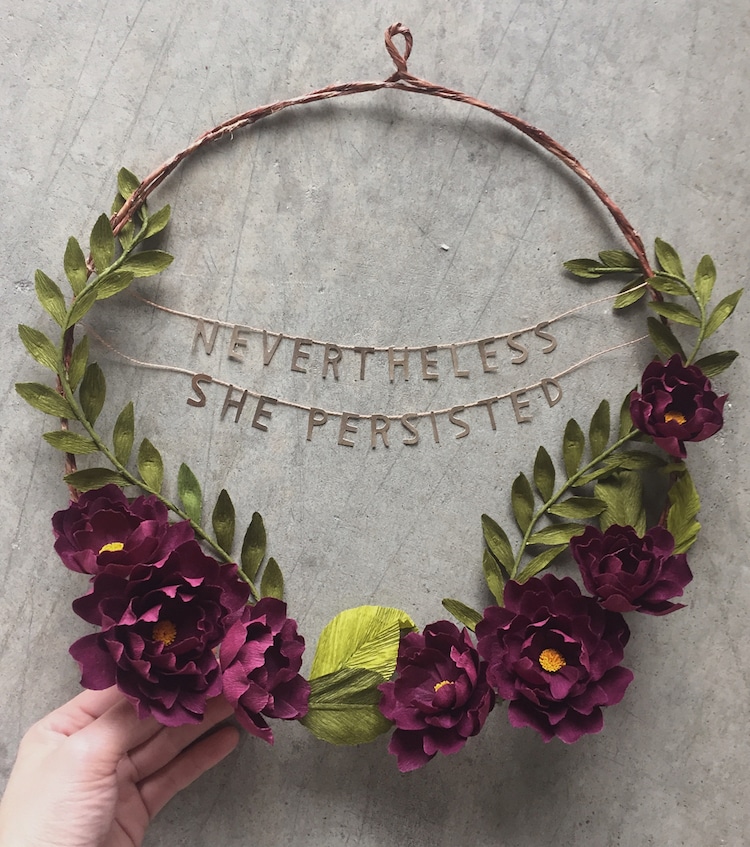
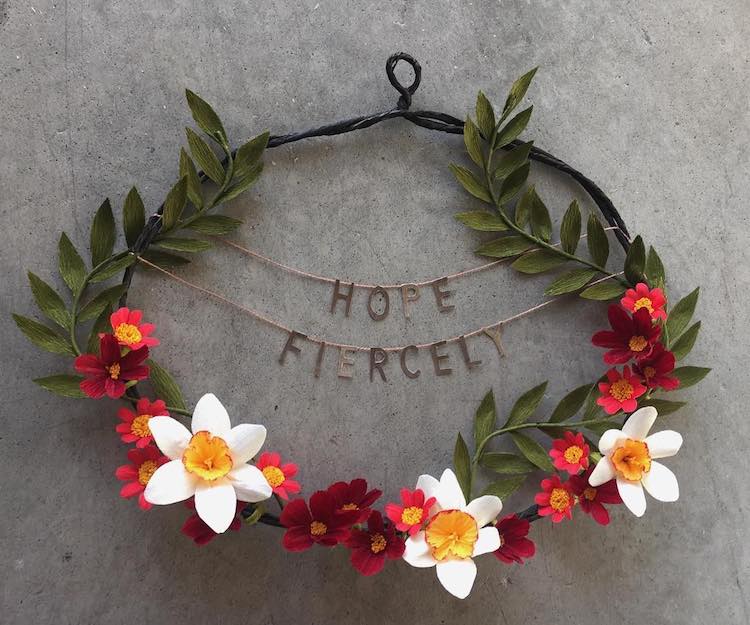
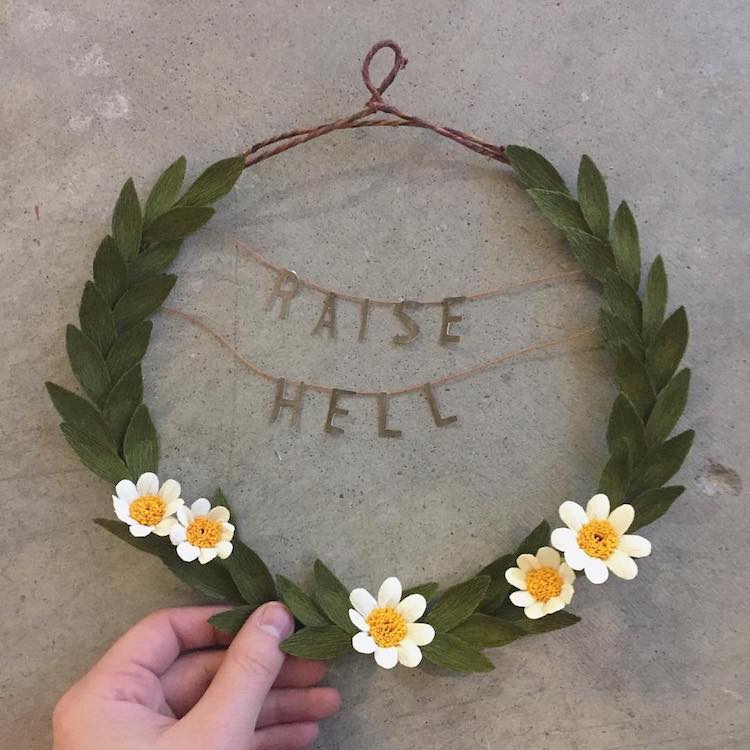
Chin carefully crafts the ring-shaped foundation for each piece using floral wire. Inspired by traditional wreaths, she covers the frame in bunches of lifelike leaves and an abundance of realistic blooms. Though undeniably decorative, these one-of-a-kind works double as feminist art, as Chin adorns each piece with compelling text composed of hand-cut paper letters.

“In positioning myself firmly between craft and art traditions,” she explains, “I hope to do what many women artists and artisans did before me: create beautiful everyday objects that also serve some usefulness beyond their aesthetic value.” Whether reassuring audiences that “feminism is for everybody” or reminding people that “kindness prevails,” each paper wreath aims to encourage equal rights through its message.

Chin sells these delicate works of art in her online shop. Given the popularity of the powerful pieces, however, they sell out quickly, so be sure to follow Chin’s Instagram for updates on what’s in-stock—and, of course, for daily reminders to resist, persist, and “smash the patriarchy!”

Printmaker and paper artist Grace D. Chin crafts exquisite wreaths with empowering messages.

Paper Wreath Feminist Art Floral Wreath Paper Flowers Paper Art Grace D Chin

Specializing in feminist art, Chin often creates pieces with an emphasis on women’s rights.

Paper Wreath Feminist Art Floral Wreath Paper Flowers Paper Art Grace D Chin

Paper Wreath Feminist Art Floral Wreath Paper Flowers Paper Art Grace D Chin

Short and sweet, each paper wreath serves as a daily reminder to fight for equality and “combat the myriad negative messages we’re exposed to.”

Paper Wreath Feminist Art Floral Wreath Paper Flowers Paper Art Grace D Chin

Grace D. Chin: Website | Instagram | Facebook | Tumblr | Shop
h/t: [Brown Paper Bag]

All images via Grace D. Chin.

Related Articles:

9 Paper Cutting Artists Whose Works Are a Cut Above the Rest

21 Uplifting Embroideries to Remind Us Everything Will Be Okay

Beautiful Paper Cut Sculptures Resemble Living Floral Wreaths

10 Amazing Paper Artists You Should Know

The post Exquisite Paper Wreaths Promote Equality with Empowering Words appeared first on My Modern Met.
http://ift.tt/2G94dMj

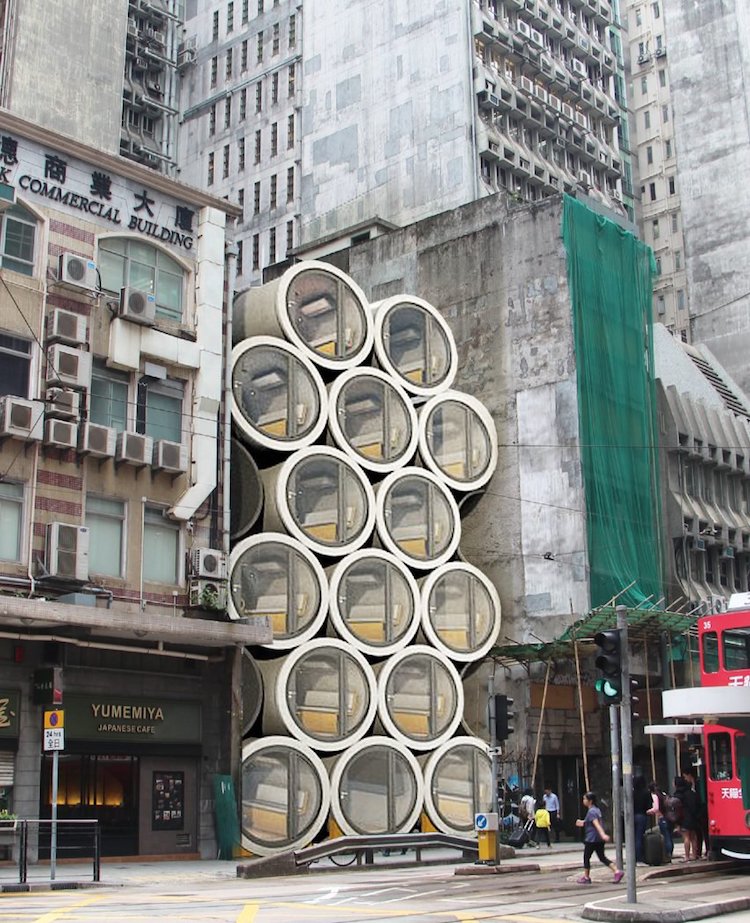
Concrete Water Pipes Reimagined as Micro-Apartments for Innovative Housing Solution

micro housing solutions opod tube housing

Housing shortages are a reality in many parts of the world, but nowhere more so than Hong Kong, where the average one-bedroom apartment downtown rents for $2,100 and many people are forced into cheap black market apartments called coffin cubicles. But James Law Cybertecture, a Hong Kong-based studio, is looking to change that through the development of affordable micro-housing.

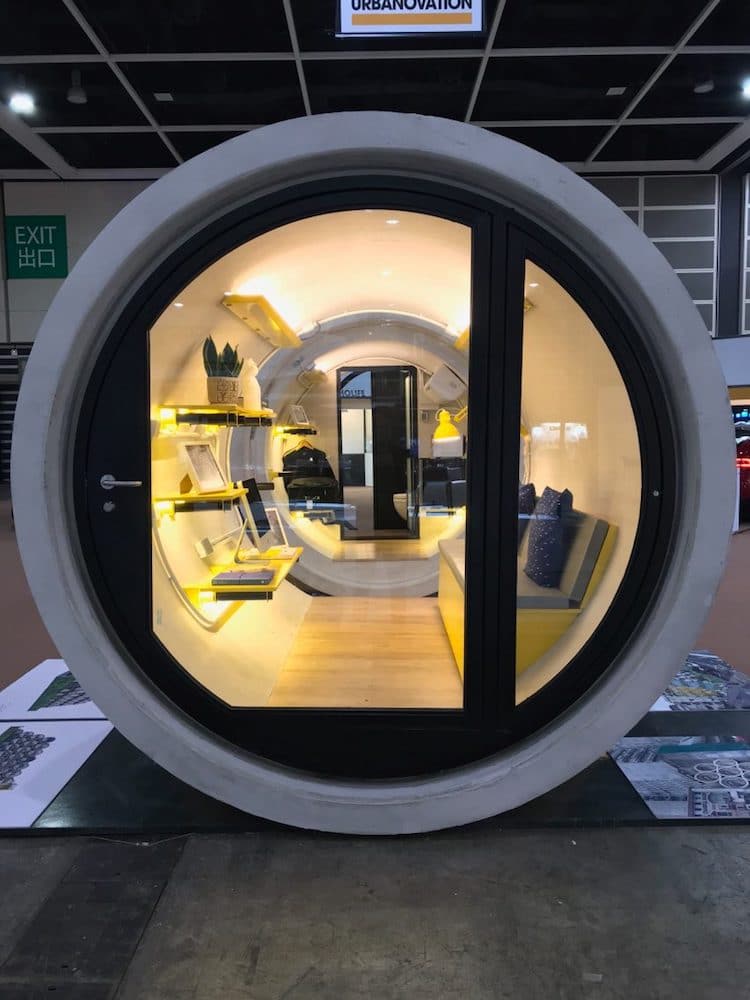
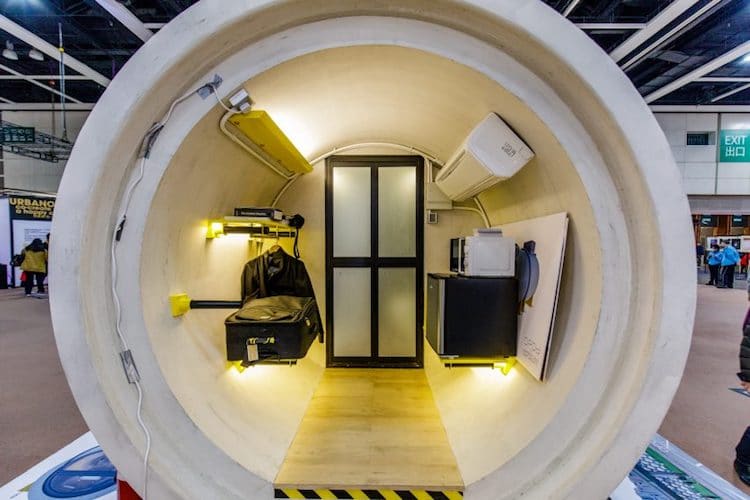
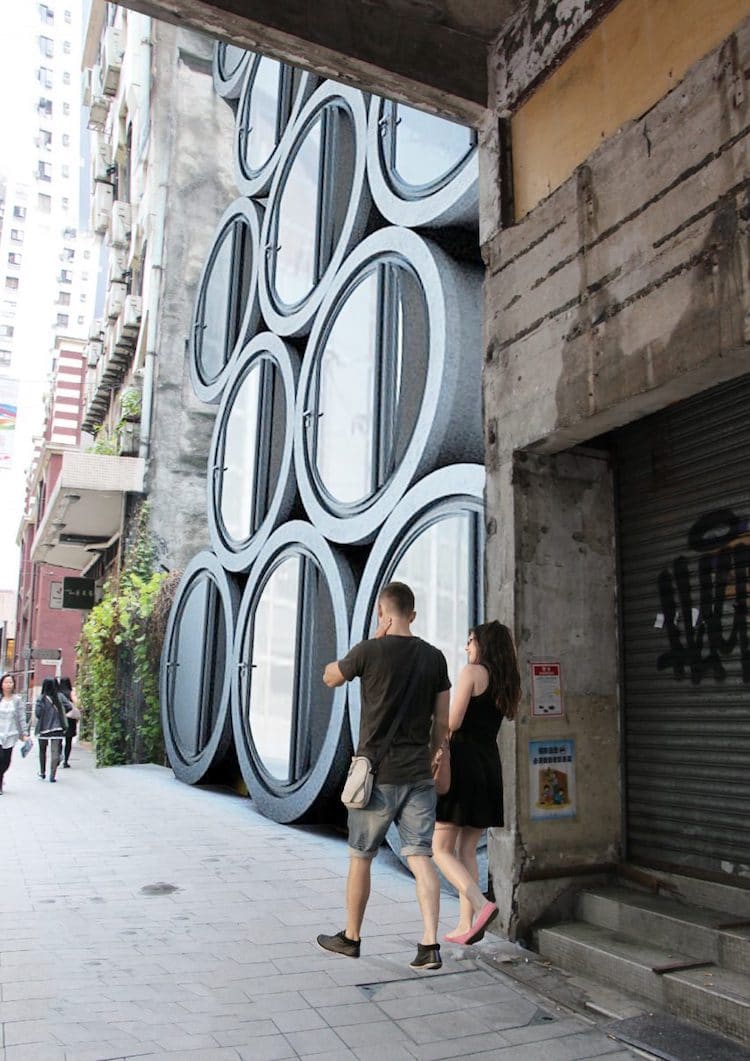
The firm recently built a prototype of the OPod Tube House, a concrete water pipe transformed into modular housing. Measuring a little over 8 feet wide, each 1,000-square-foot space is designed to house one or two people. The Opod Tube Houses come with the standard features of any apartment, including a foldable bench that doubles as a bed, space for a microwave and mini-fridge, and a bathroom area at the rear. The large circular door—which can be opened and closed with a smartphone—also doubles as a window to let in natural light and the whitewashed interior gives a surprisingly spacious feel to the small space.

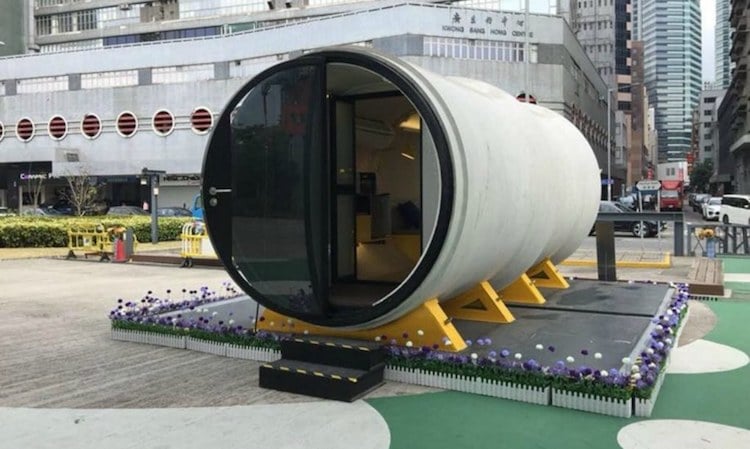
Studio founder James Law tells Dezeen that the micro-apartment would appeal to “young people who can’t afford private housing” and who are looking for a temporary living situation for a year or two. One of the most interesting features of the OPod Tube House is that due to its size, it can fit almost anywhere, something critical in a high-density city like Hong Kong. The compact structure can slot into the spaces between buildings or be stacked in vacant lots. Their ease of portability also means that they can be transported to different areas, as needed. And, because they weigh 22 tons, installation costs are kept low due to the absence of brackets or bolts needed to secure them.

“Sometimes there’s some land left over between buildings which are rather narrow so it’s not easy to build a new building,” Law tells Curbed. “We could put some OPods in there and utilize that land.”

The firm claims that the OPod Tube House can be built for a little over $15,000 and rented out for about $400 a month, providing relief for renters in Hong Kong and other cities around the world.

Made from repurposed concrete water pipes, the OPod Tube House micro-apartments are an innovative solution to Hong Kong’s housing shortage.

housing crisis solutions hong kong
micro housing solutions opod tube housing
housing crisis solutions hong kong
micro housing solutions opod tube housing

Take a closer look inside this innovative housing shortage solution.


James Law Cybertecture: Website | Facebook
h/t: [Dezeen, Curbed]

All images via OPod Tube Housing.

Related Articles:

Architecture Students Design Sustainable Low-Income Homes That Can Be Built for $20K

America’s Oldest Mall Now Contains 48 Charming Low-Cost Micro-Apartments

Crowded Overhead View of Tiny Hong Kong Apartments

Designer Suspends Tiny Hidden Art Studio Under a Bridge

The post Concrete Water Pipes Reimagined as Micro-Apartments for Innovative Housing Solution appeared first on My Modern Met.

http://ift.tt/2rp5w6r

Designers Use Aerial Scans to Turn Any Street in Chicago into Detailed 3D Models

Microscape - Architectural Scale Model Chicago

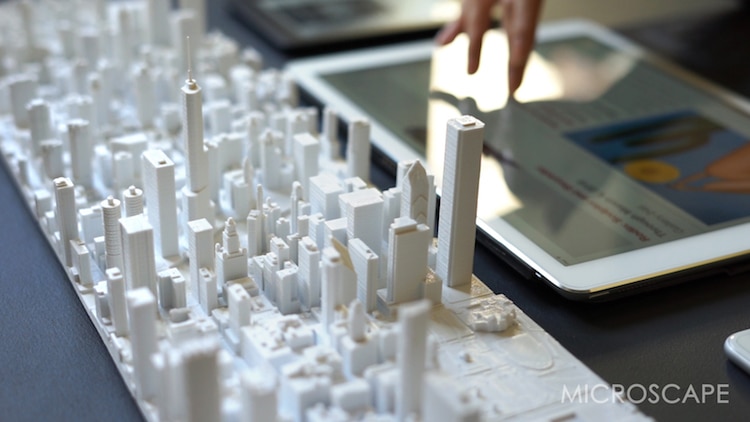
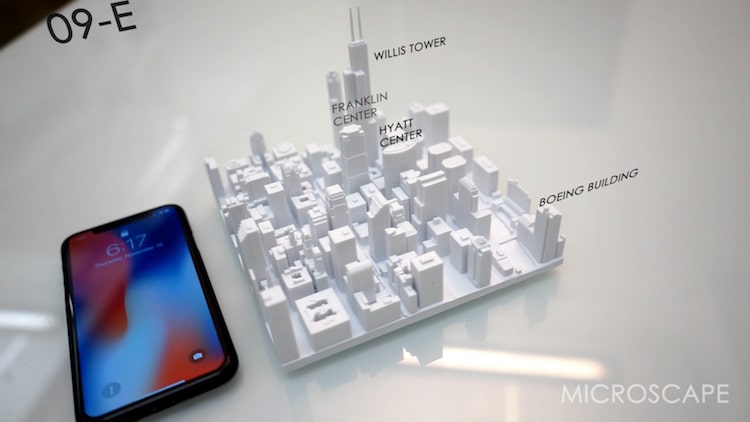
A master of transforming architecture into sculpture, Microscape, is back with another highly detailed site model of a beloved American city. After the enormous success of their New York City scale model, they are back with another 1:5000 scale replica of Chicago.

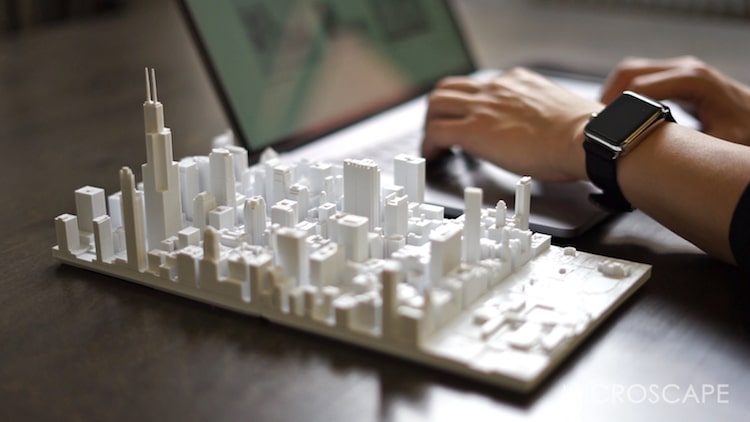
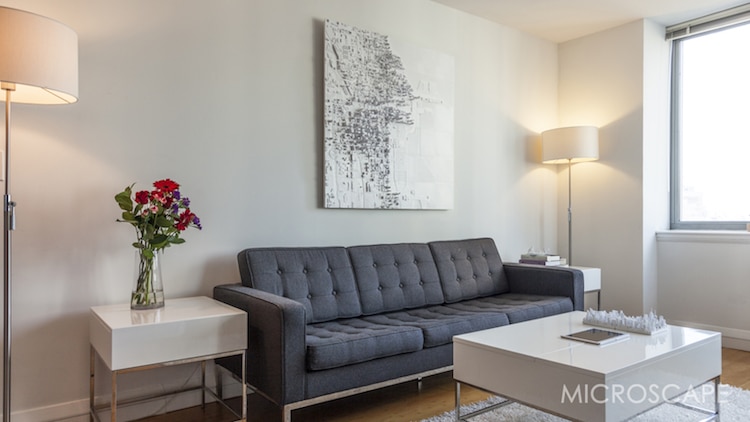
Microscape’s 3D printed cities are fully customizable, coming in square sections that allow you to select the areas of the city you love the most or fit together several areas like pieces of a puzzle. For the Windy City, the firm has created the replica from 9 square miles of the downtown area, broken into 36, 6-inch by 6-inch squares. So whether you want a model of Willis Tower on your desk as an architectural sculpture or the full downtown map as a piece of wall art, Microscape can make it happen.

And since you can have as little—or as much—of the Chicago replica as you’d like, you can enjoy the beauty of an architectural scale model without having to sacrifice space in your home or office. A searchable map on their website allows you to see the different areas of the site model that are available, even letting you type in a monument or street address to quickly access the quadrant that suits your needs. Microscape guarantees the accuracy of its 3D printing, as it manually processes aerial scan data, meaning that it can also evolve over time as new buildings pop up.

Looking for your own piece of Chicago? At the time of writing, Microscape was making the first pieces available to Kickstarter supporters and with over 200 backers, it’s sure to be as successful as their previous model.

Microscape creates highly detailed 3D scale replicas of different American cities.

Microscape - Architectural Scale Model Chicago

Microscape - Architectural Scale Model Chicago

The new Chicago architectural model is available in squares that fit together like puzzle pieces.

Microscape - Architectural Scale Model Chicago

Microscape: Website | Facebook | Instagram | Kickstarter
h/t: [ArchDaily]

All images via Microscape.

Related Articles:

Customizable “Microscape” Tiles Celebrate the Beauty of Beloved City Skylines as 3D Puzzle Pieces

Memo Pad “Excavates” Architectural Sites with Each Sheet You Remove

Gravity-Defying ‘Inception’ Coffee Table Suspends a City Skyline Over Itself

Architecture Rings Celebrate the World’s Iconic Skylines of Beloved Cityscapes

The post Designers Use Aerial Scans to Turn Any Street in Chicago into Detailed 3D Models appeared first on My Modern Met.

http://ift.tt/2EXaUQ2

8 Renaissance Artists Whose Work Transformed the Art World

Renaissance Artists Italian Renaissance Northern Renaissance Art

Viewed as a much-needed revival of art and culture, the Renaissance played a pivotal role in ushering Europe out of its Dark Ages and into a world of enlightenment. Beginning in the 14th century and coming to an end in the 17th, this “golden age” swept the continent, culminating in two distinctive yet unified art movements: the Northern Renaissance and the Italian Renaissance.

Based north of the Alps—namely, in Flanders and the Netherlands—the Northern Renaissance was the first of its kind. This movement began in the 14th century following a renewed interest in secular subject matter. Soon, Renaissance ideas spread throughout Europe. This led to the Italian Renaissance, which began in 1400 and reawakened Italy’s interest in Classical antiquity.

While numerous figures shaped both the Italian and the Northern Renaissance, today, a select few are particularly praised for their contributions to Europe’s “golden age.” Here, we present these artists and take a look their most well-known masterpieces.

Northern Renaissance Artists

Pieter Bruegel the Elder

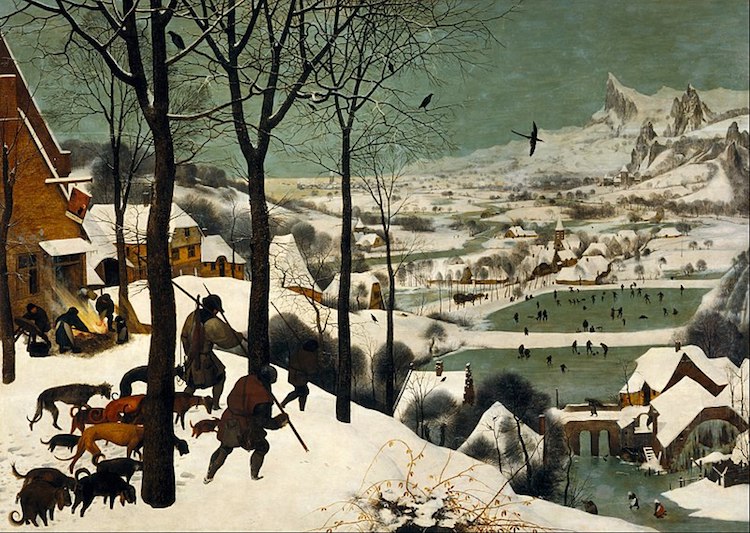
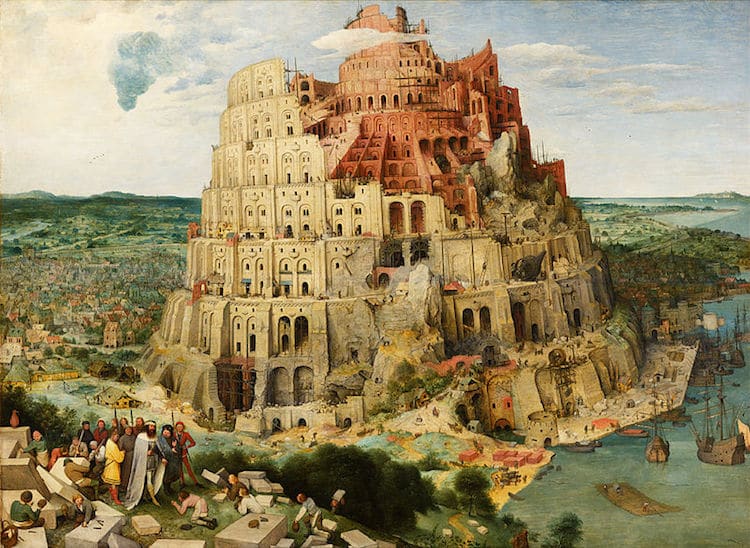
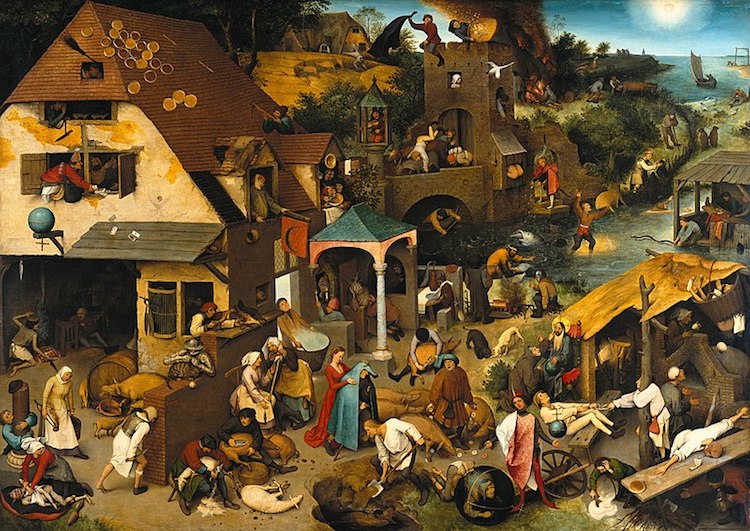
Today, painter and printmaker Pieter Bruegel the Elder (c. 1525-1569) is regarded as the master of Dutch and Flemish Renaissance art. With a penchant for painting scenes of lower-class life—evident in Netherlandish Proverbs—on top of more common religious iconography (like the tower of Babel) he is esteemed for his unique approach to subject matter. Additionally, his crowded canvases are distinctive for their detail and, with their beautiful backdrops (like the icy peaks in The Hunters in the Snow), their influence on modern landscape painting.

Famous Renaissance Artists Bruegel the Elder The Hunters in the Snow (Winter)

‘The Hunters in the Snow’ (1565) (Photo: Google Art Project via Wikimedia Commons )

Famous Renaissance Artists Bruegel the Elder Tower of Babel

‘The Tower of Babel’ (1563) (Photo: Google Art Project via Wikimedia Commons )

Famous Renaissance Artists Bruegel the Elder Netherlandish Proverbs

‘Netherlandish Proverbs’ (1559) (Photo: Google Art Project via Wikimedia Commons )

Jan van Eyck

Bruges-based painter Jan van Eyck (c. 1390-1441) was an Early Netherlandish painter and key figure of the Northern Renaissance. Though only 20 paintings are attributed to the artist, his work is among the most well-known Dutch art.

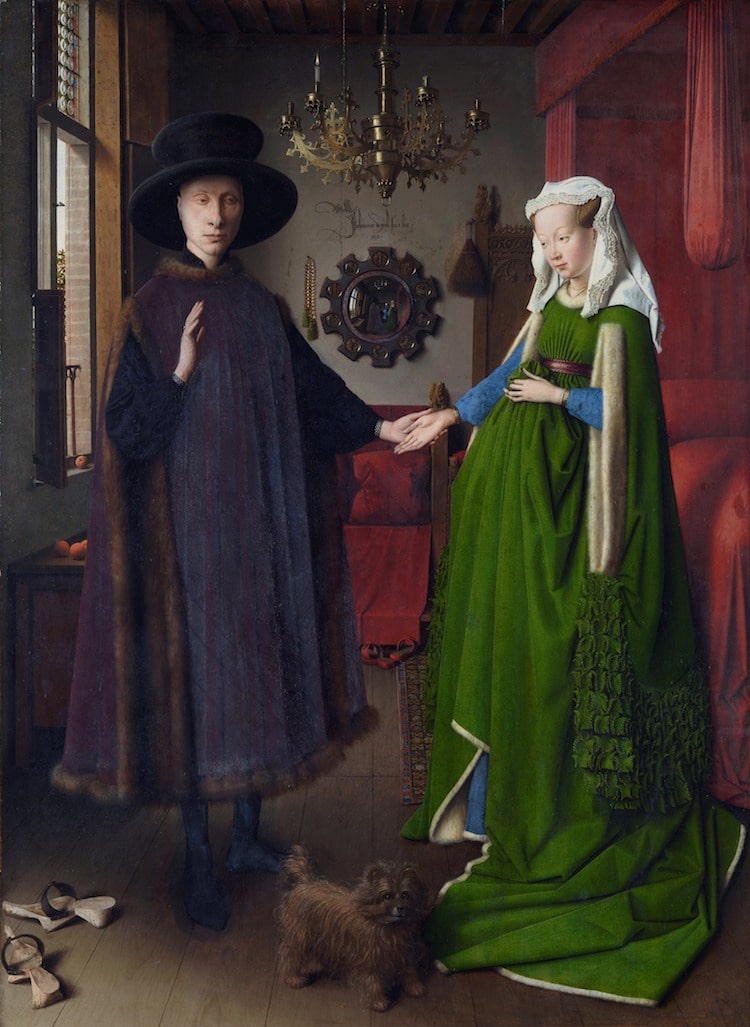
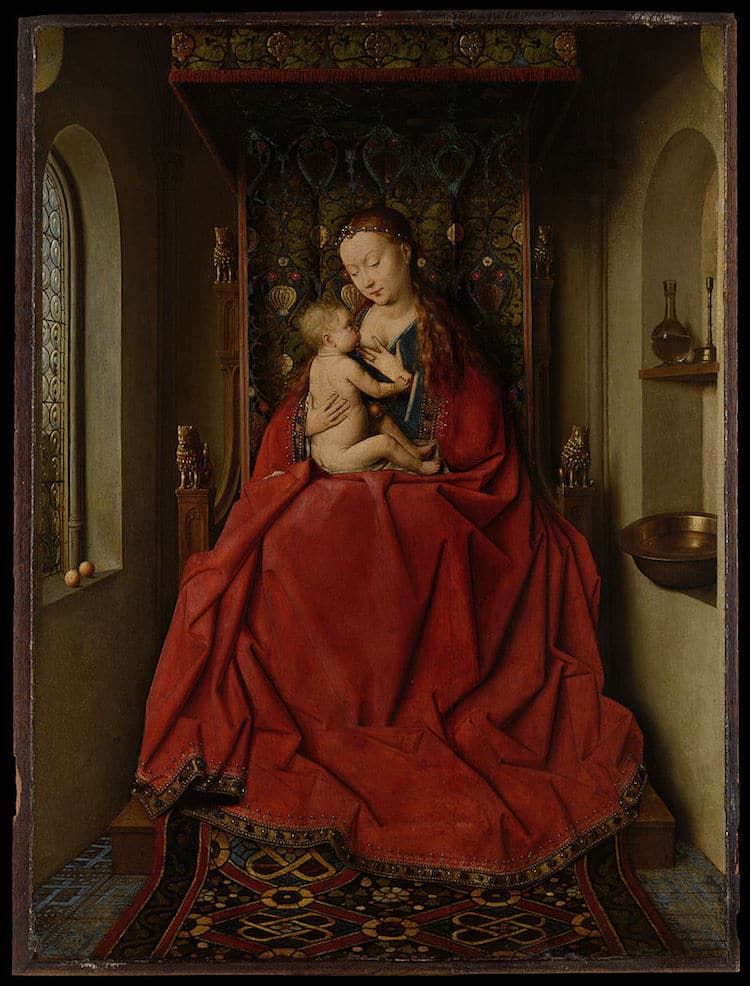
Like other Netherlandish artists, van Eyck had an eye for detail and a knack for naturalism, evident in oil paintings like The Arnolfini Portrait—so detailed that it features a hidden self-portrait—and the Lucca Madonna.

Famous Renaissance Artists Van Eyck The Arnolfini Portrait

‘The Arnolfini Portrait’ (1434) (Photo: National Gallery UK via Wikimedia Commons )

Famous Renaissance Artists Van Eyck Lucca Madonna

‘Lucca Madonna’ (1437) (Photo: Google Art Project via Wikimedia Commons )

On top of his works on canvas, van Dyck is also celebrated for his Ghent Altarpiece. A wooden piece with many panels, the Ghent Altarpiece features richly painted scenes from the Old and New Testament. The masterpiece has been housed in St. Bavo’s Cathedral, a Gothic church in Ghent, since 1432.

Famous Renaissance Artists Van Eyck The Ghent Altarpiece

‘The Ghent Altarpiece’ (c. 1430–1432) (Photo: Web Gallery of Art via Wikimedia Commons )

Hieronymus Bosch

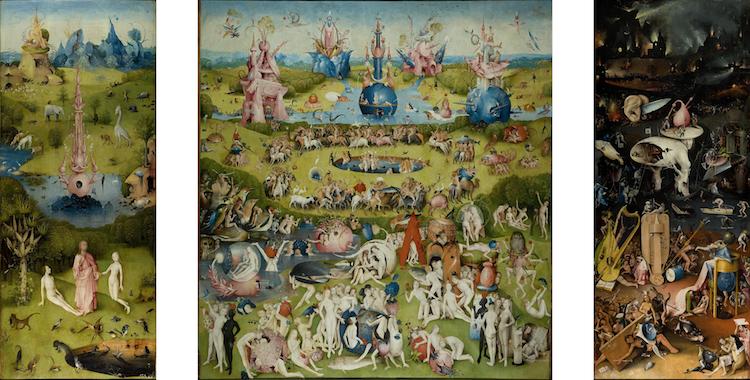
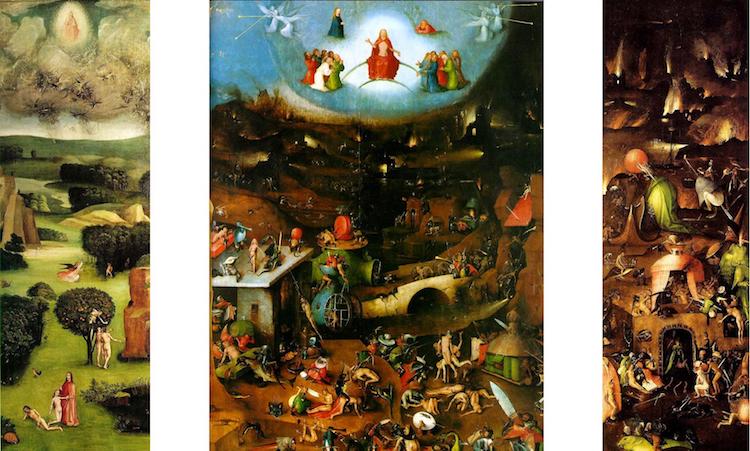
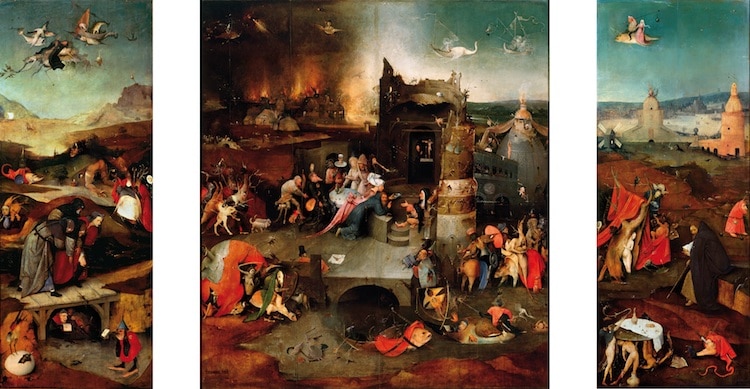
Dutch draughtsman, painter, and master of the triptych Hieronymus Bosch (c. 1450-1516) is known for his narrative-rich panel paintings that feature iconography ranging from whimsical to grotesque. Rendered in intricate detail, his most famous pieces, The Garden of Earthly Delights, The Last Judgment, and The Temptation of Saint Anthony, each mix a menagerie of surreal creatures with lesson-laden Biblical themes.

Famous Renaissance Artists Bosch The Garden of Earthly Delights

‘The Garden of Earthly Delights’ (c. 1480-1505) (Photo: The Prado in Google Earth via Wikimedia Commons )

Famous Renaissance Artists Bosch The Last Judgment

‘The Last Judgment’ (1482-1516) (Photo: https://www.statenvertaling.net/ via Wikimedia Commons )

Famous Renaissance Artists Bosch The Temptation of Saint Anthony

‘The Temptation of Saint Anthony’ (c. 1495-1515)
Photo: Bosch Universe via Wikimedia Commons

The post 8 Renaissance Artists Whose Work Transformed the Art World appeared first on My Modern Met.

http://ift.tt/2EYwILd

Photographer Captures Busy But Beautiful City Streets Unique to Tokyo

Tokyo at night

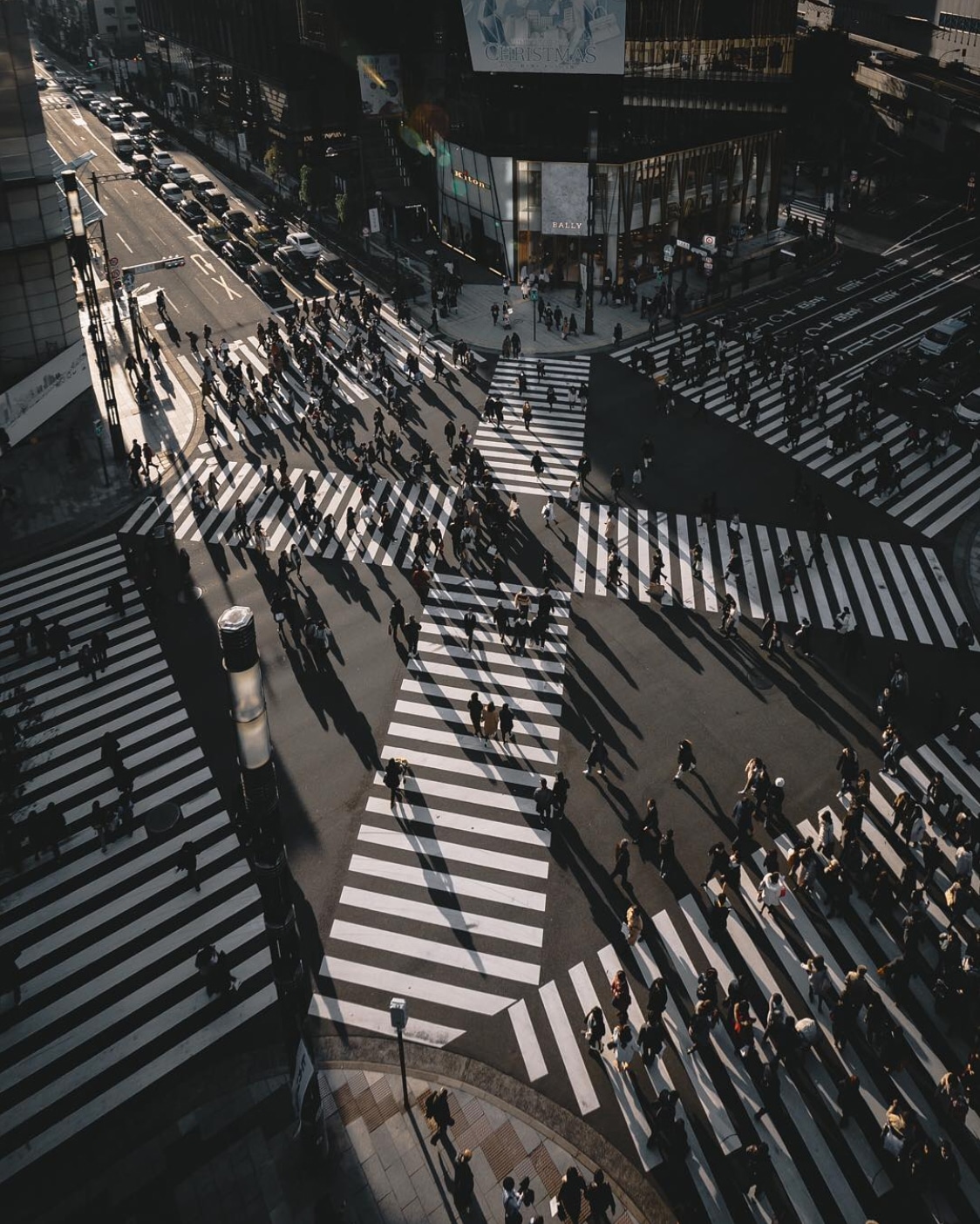
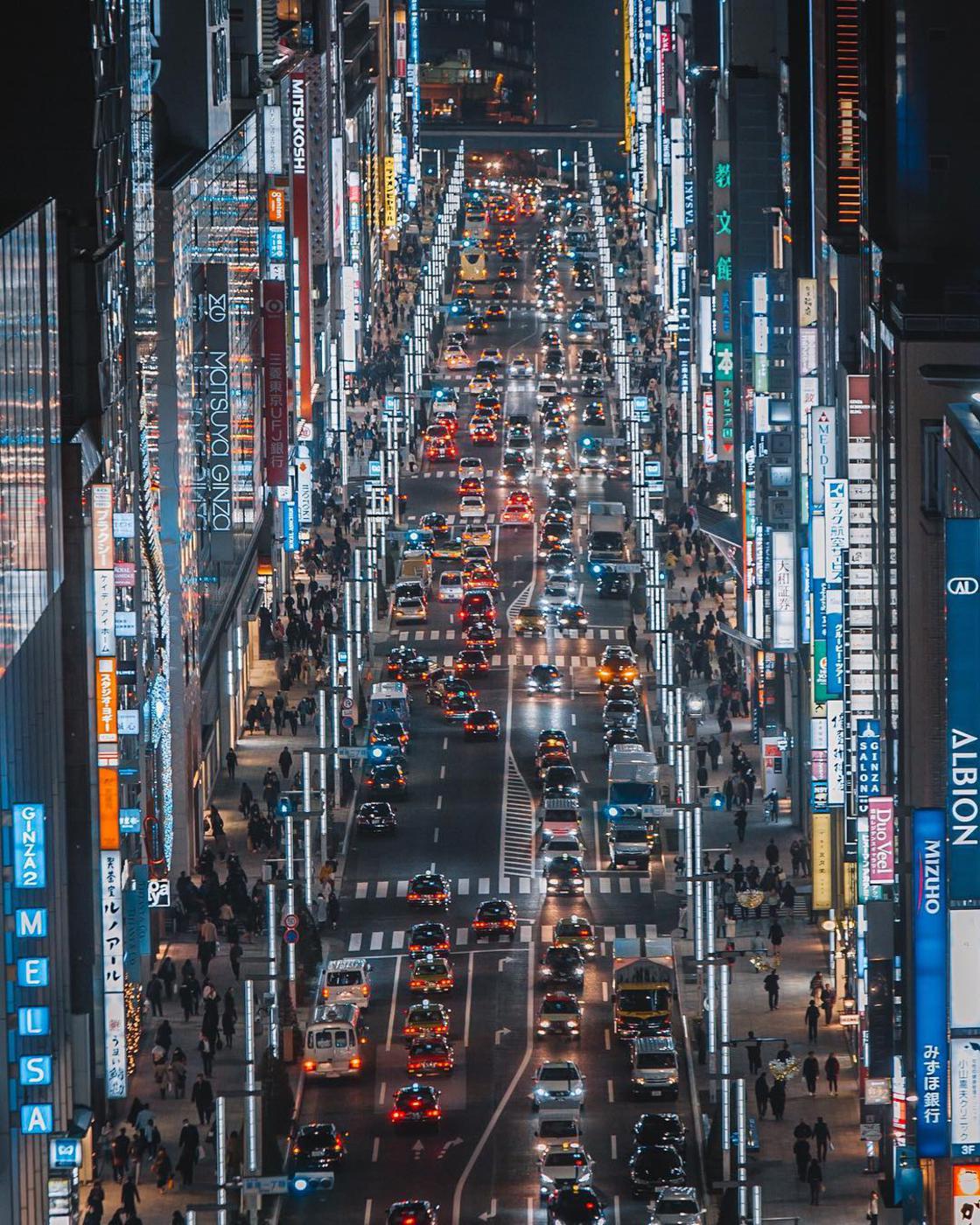
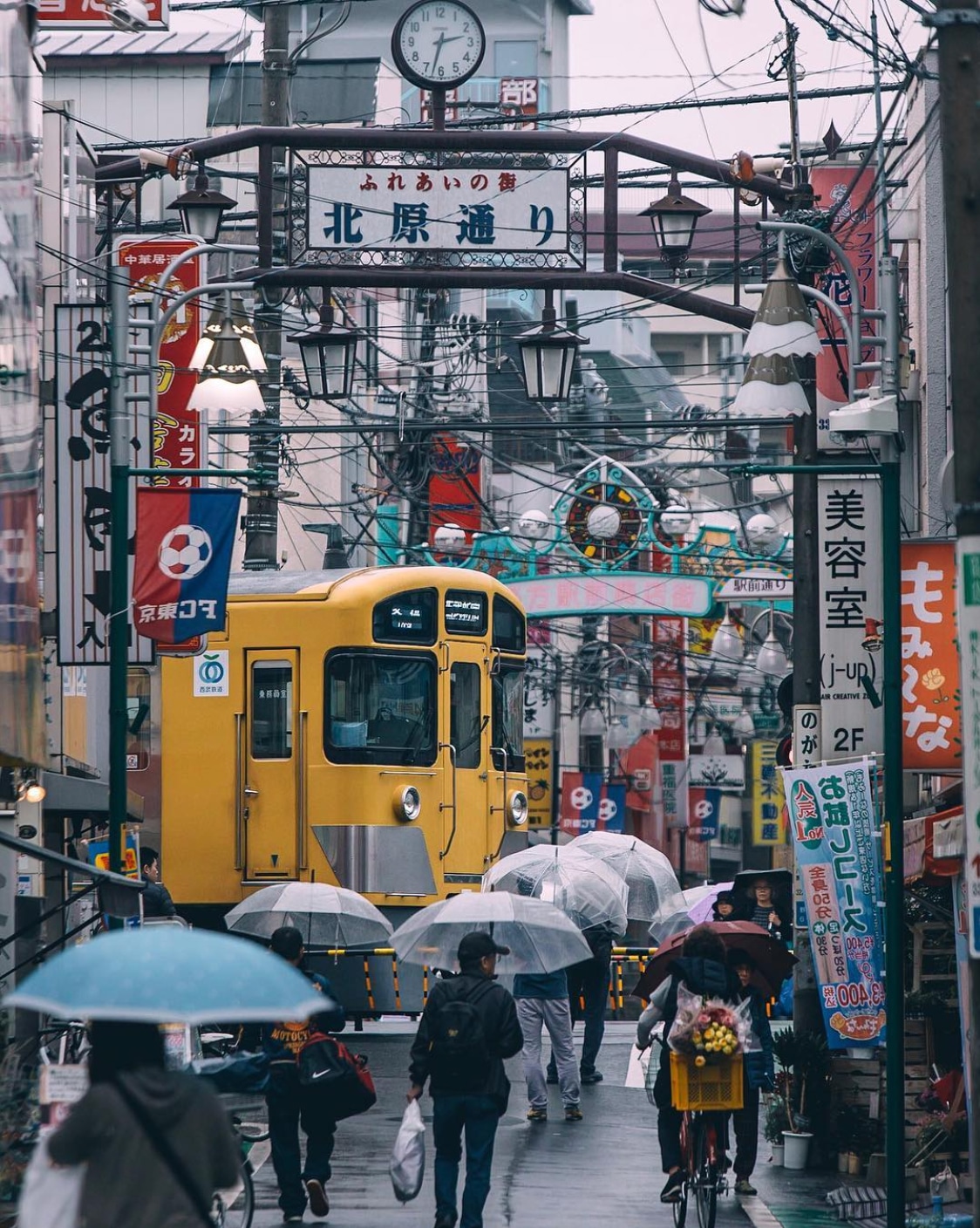
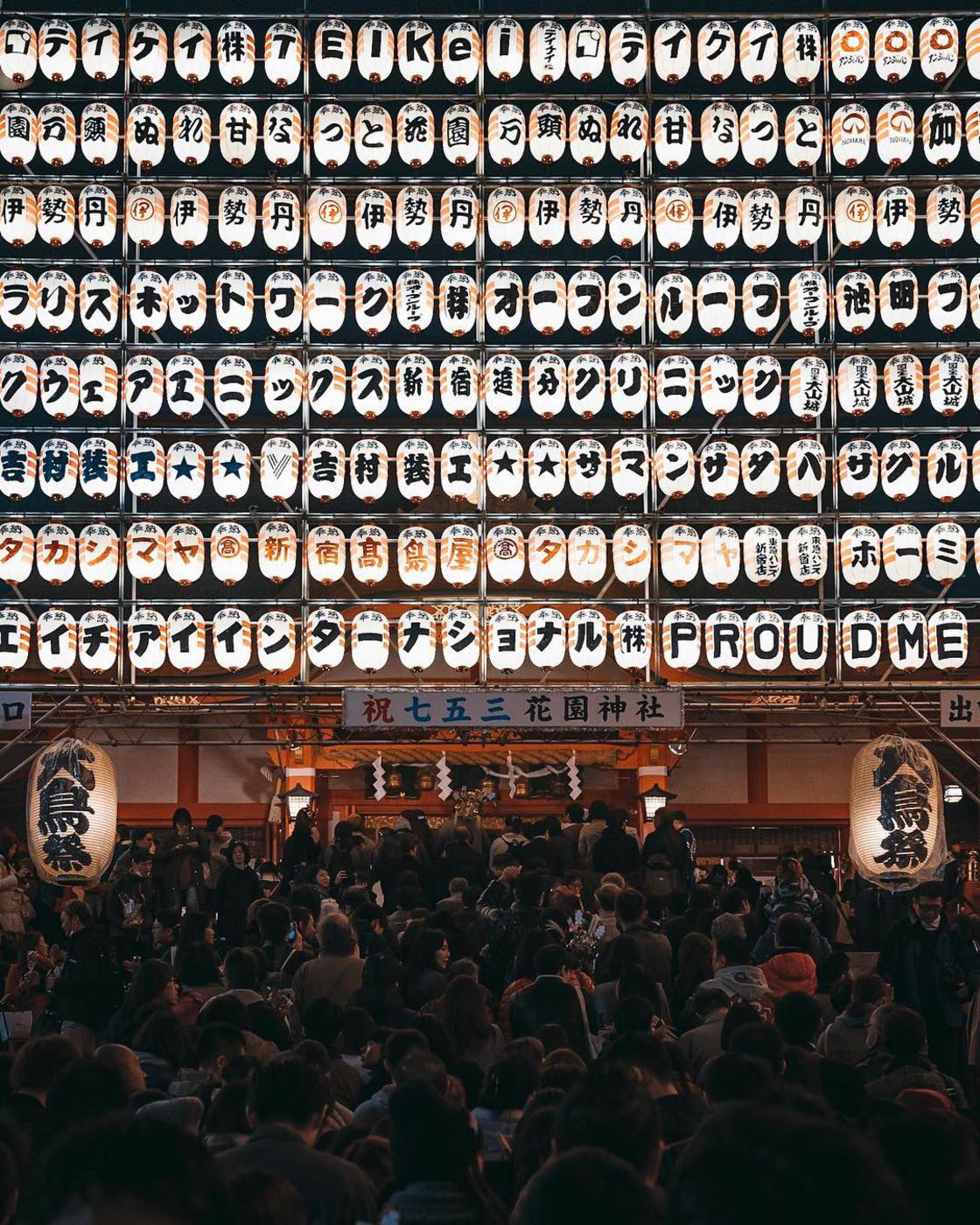
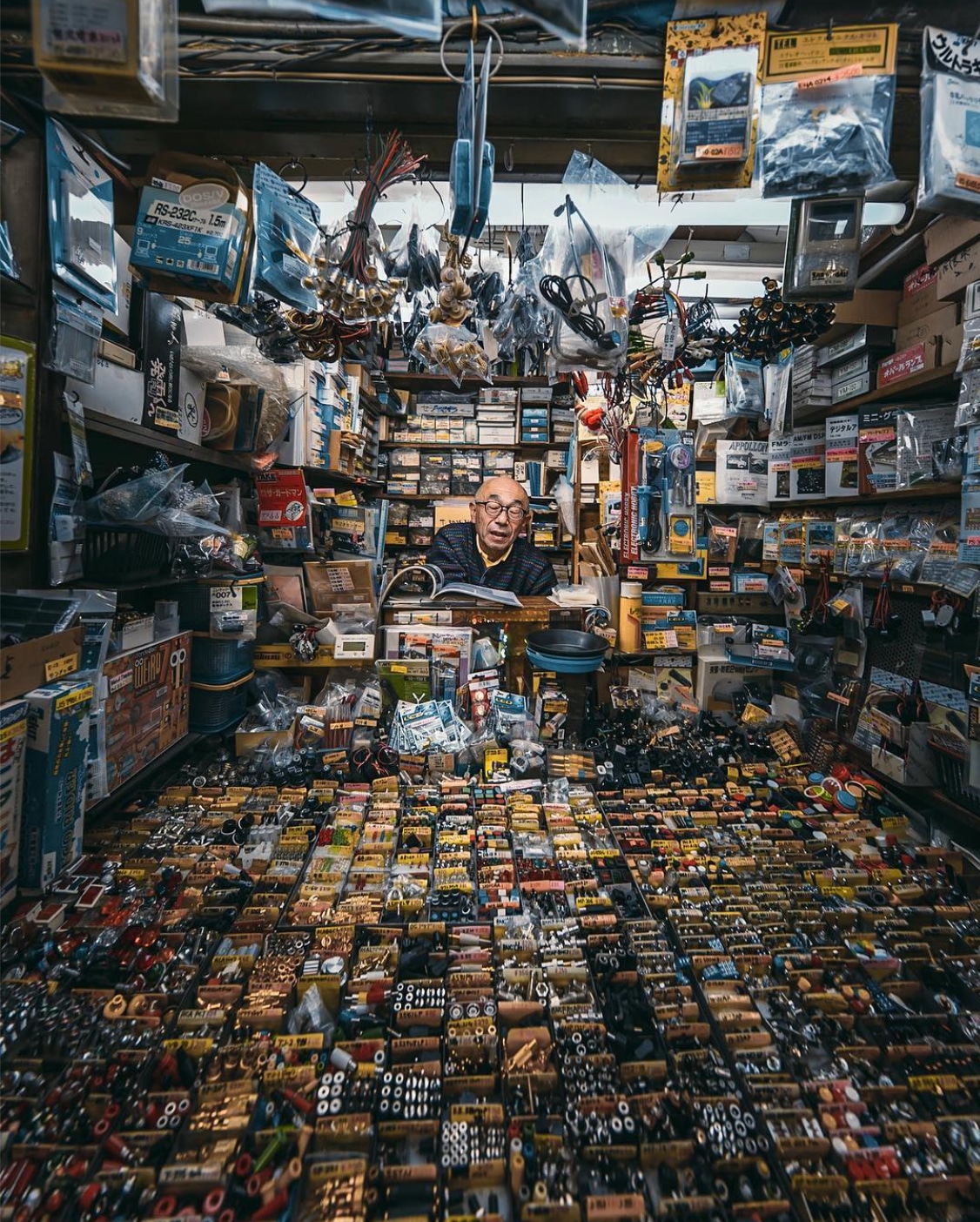
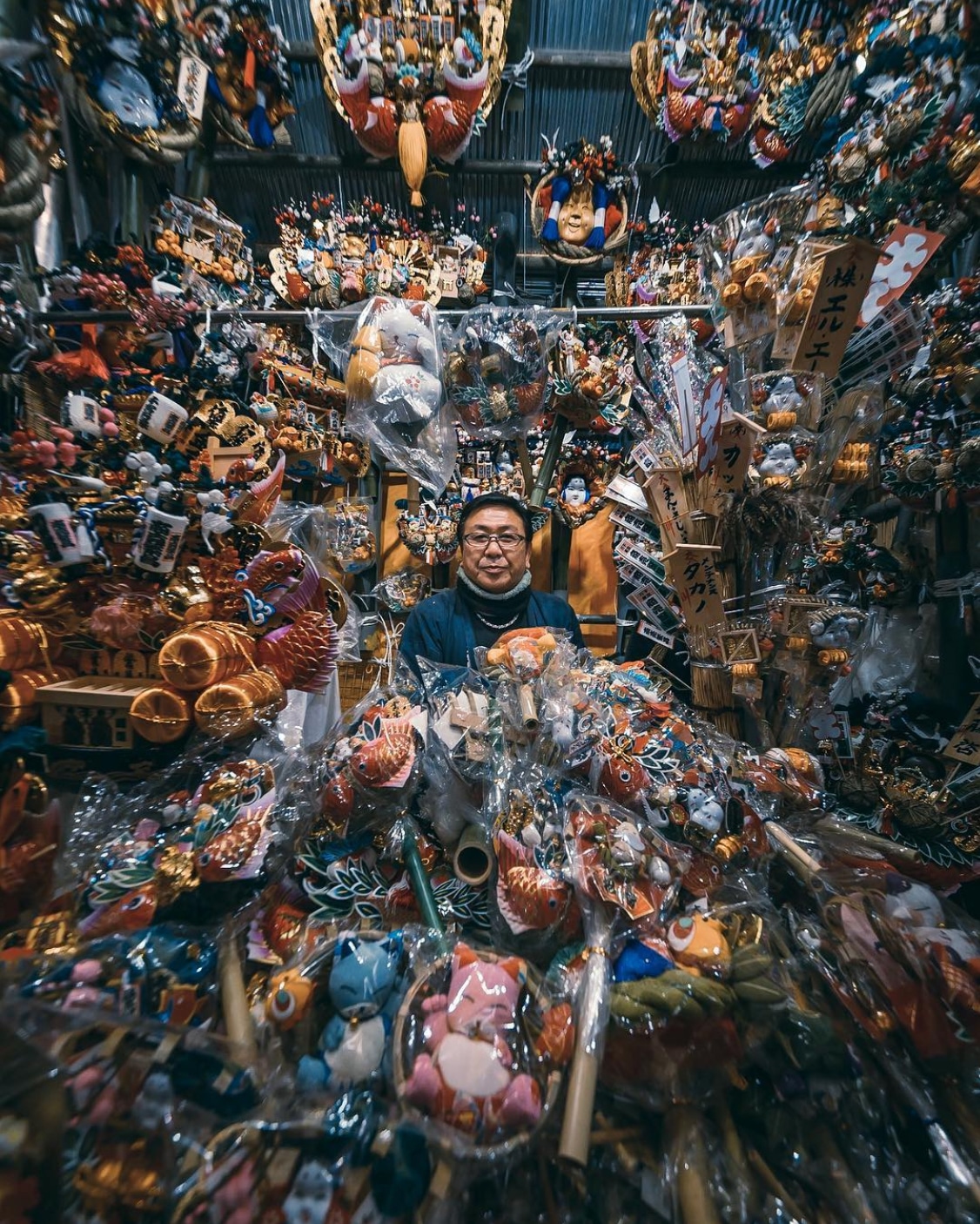
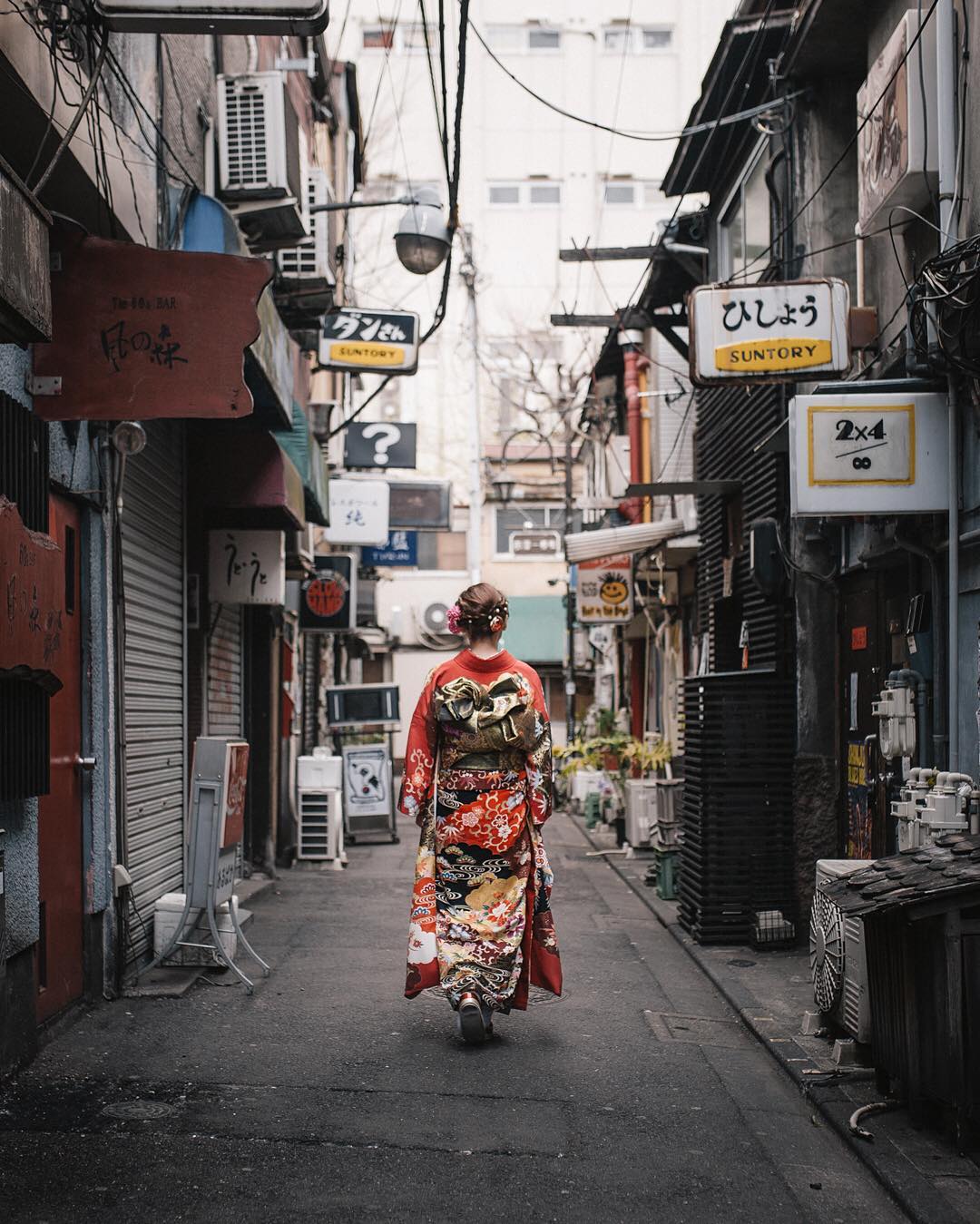
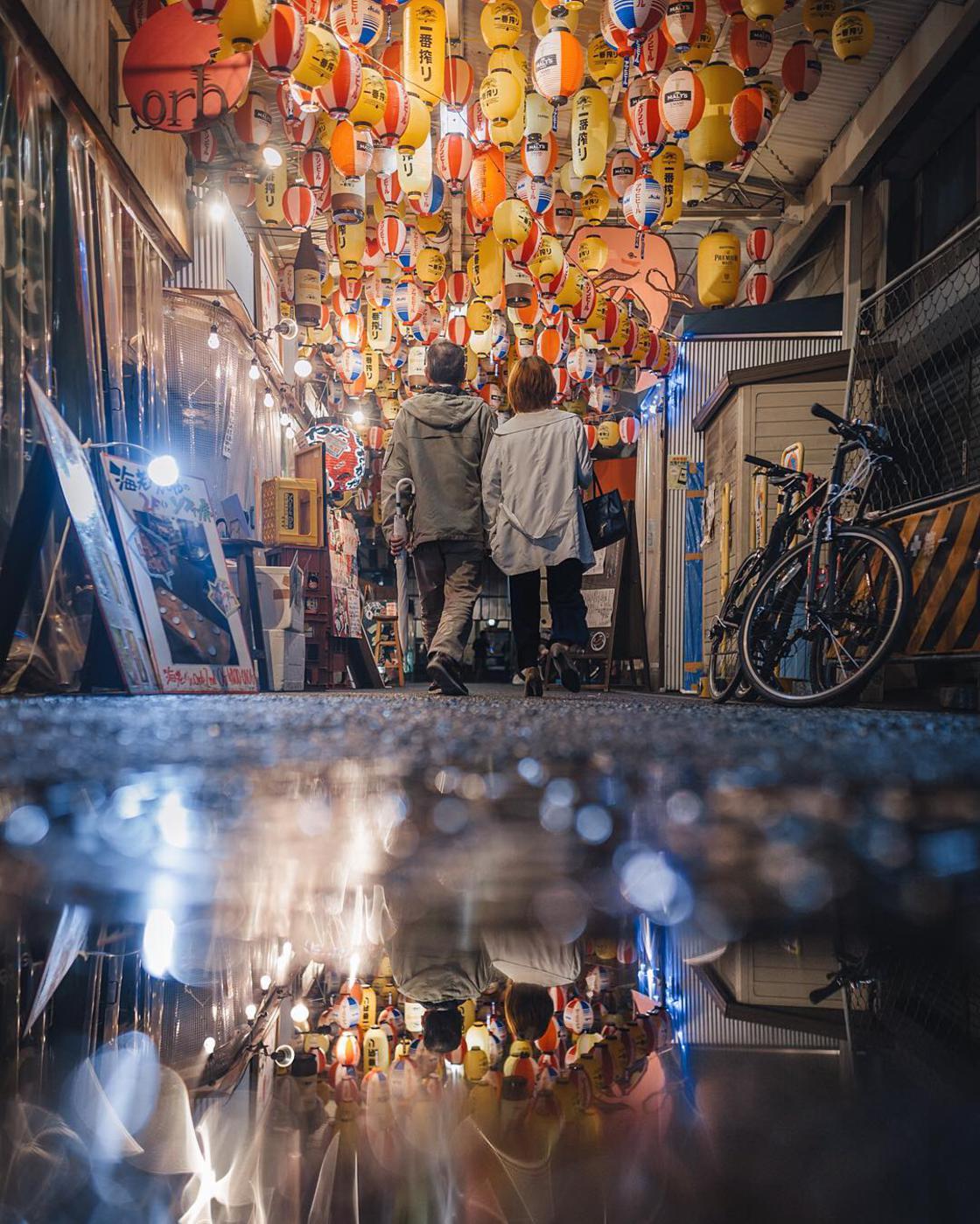
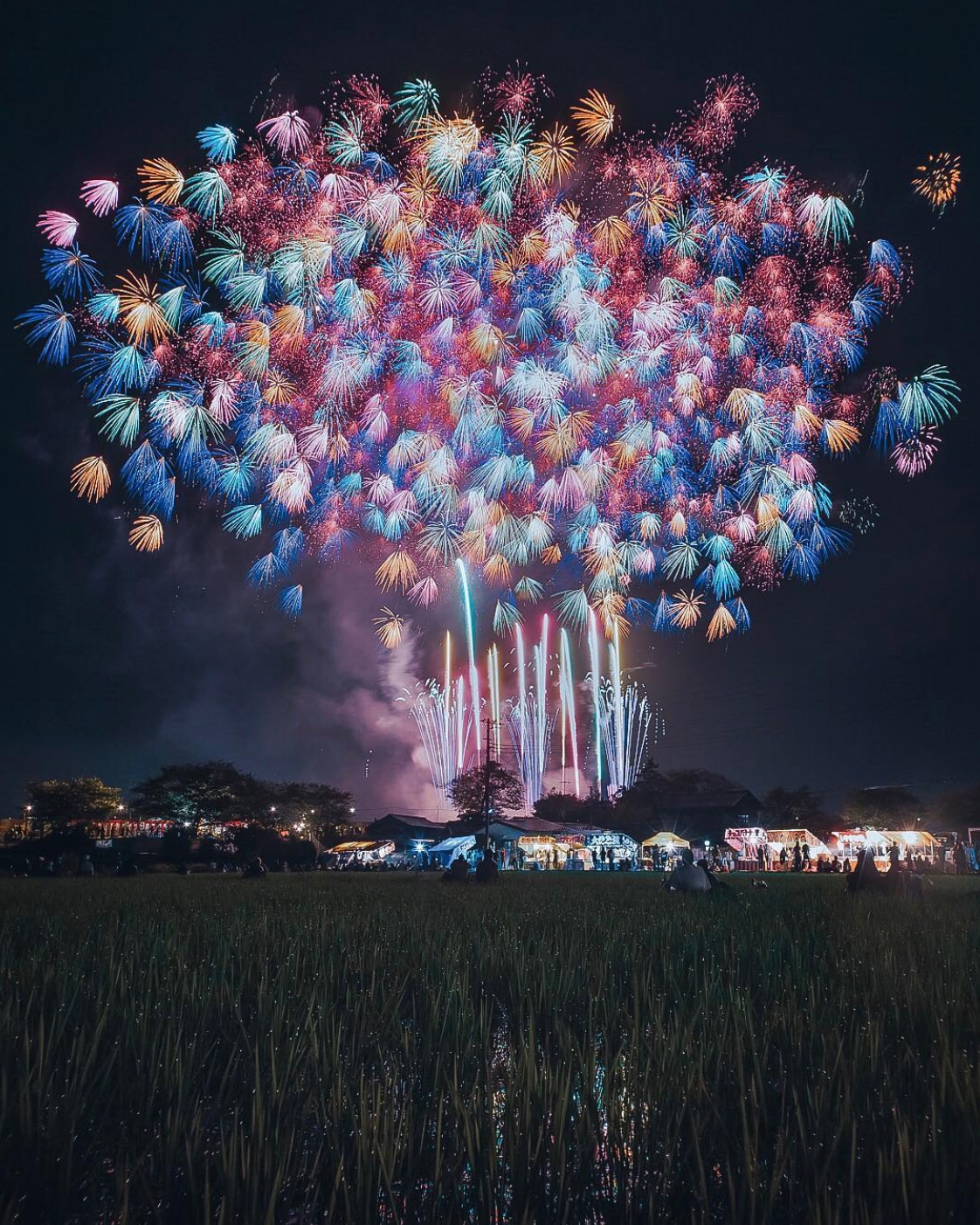
Photographer Tatsuto Shibata (known as on Instagram) is known for his ability to capture the spirit of modern Tokyo. From the chaotic main avenues to quiet side streets, Shibata’s photographs show just how multi-faceted the metropolis really is.

Even oft-photographed spaces, such as the expansive crosswalks of Ginza, take on a new dimension through his lens. Shooting at the perfect time of day, his aerial perspective captures the elongated shadows of commuters and tourists, providing a dynamic light and shade to the composition. “Tokyo is one of the biggest cities in the world and it is always crowded,” the photographer tells My Modern Met via email. “Everyone is hustle and bustle. I enjoy photographing the chaotic street views of Tokyo.”

But for every chaotic view, Shibata manages to sneak in some quiet moments on the side streets of Shinjuku or the reflective beauty of colorful fireworks. Look through his feed and you’ll discover there’s more than just Tokyo in his repertoire. Shibata travels far and wide, whether south down to Kyoto, within Asia to South Korea and China or across the ocean to New York City. No matter the location, he manages to frame the scene perfectly, transporting his followers to each city.

Tatsuto Shibata is a Tokyo-based photographer who explores the chaotic streets of the city.
culture in Tokyo

Tokyo at night
Tokyo photographs
Tokyo Photography by Tatsuto Shibata

He loves capturing the chaos of Tokyo, with its streets always brimming with activity.

city photography tokyo
people in Tokyo
Tokyo at night

But he also manages to show a quieter side to Tokyo, providing a multi-faceted view of the metropolis.

Tokyo Photography by Tatsuto Shibata
Tokyo street photography
urban photography tokyo
Japanese culture and family
japan fireworks

Tatsuto Shibata: Instagram

My Modern Met granted permission to use photos by Tatsuto Shibata.

Related Articles:

Stunning Color Street Photography Captures the Spirit of Modern Tokyo

Visually Pulsing Photos of Tokyo at Night Show the City Saturated in Neon Lights

Portraits of Tokyo’s Fascinating Rockabilly Subculture Amongst Roller-Zoku Gangs

Evening Photos Explore the Peaceful Side of Tokyo’s Rarely Empty Streets

The post Photographer Captures Busy But Beautiful City Streets Unique to Tokyo appeared first on My Modern Met.

http://ift.tt/2Dt2wuu

How the Pioneers of Pointillism Continue to Influence Artists Today

The Pioneers of Pointillism

Neo-Impressionists Georges Seurat and Paul Signac pioneered a painting technique, dubbed Pointillism, that was revolutionary for its time. Bored of traditional paintings, artists of the era were searching for new ways to make “impressions” of landscapes and day-to-day life. Seurat and Signac looked to science for inspiration, and discovered how to trick the eye into seeing more in a painting than the sum of its parts: an arrangement of colored dots.

Informally known stippling art or dot art, since its inception, Pointillism has influenced many artists working across a diverse range of mediums, and today we see traces of it in modern art, fashion, and tattoos.

What is Pointillism?

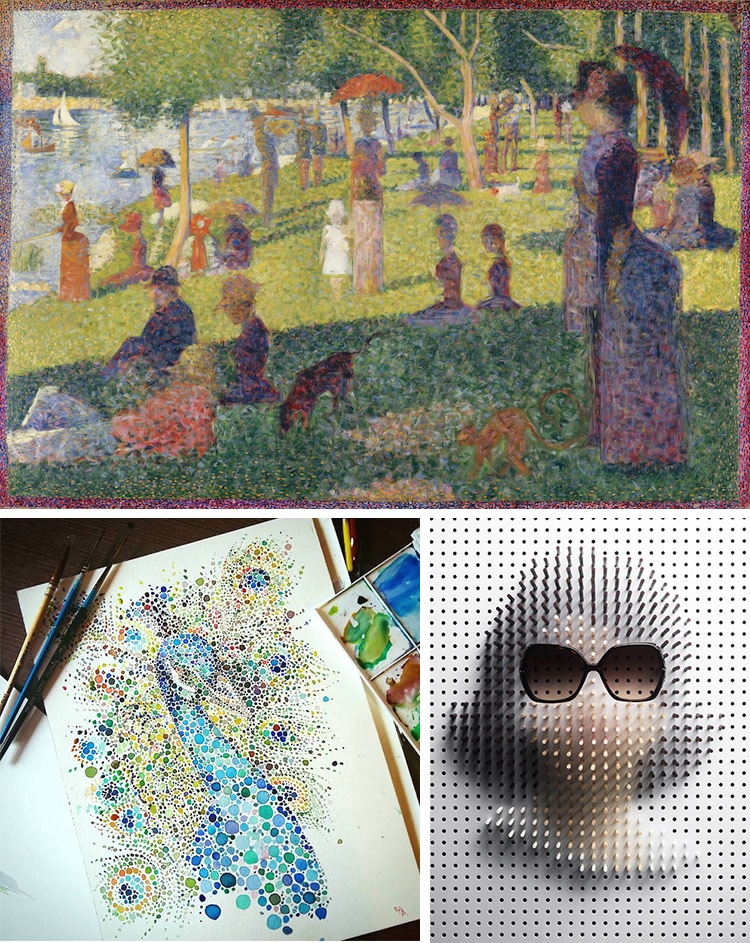
Part of the Post-Impressionist movement, Pointillism is the technique of painting with distinct dots of color, which are meticulously applied in patterns to compose a cohesive image.

While Impressionists, such as Claude Monet and Vincent van Gogh, often used small dabs and strokes of paint as part of their technique, Pointillism artists took this idea a step further, by painting tightly packed, individual dots of pure color. When viewed from afar, the viewer’s mind and eye blur the dots together to create detailed images, comprising a fuller range of tones than the dots provide alone. The term “Pointillism” was in fact coined by art critics in the late 1880s to ridicule the works of these artists. Little did they know that the term would be used today as a positive association for some of the world’s most renowned master painters.

Influential Pioneer Artists of Pointillism

Georges Seurat

The Pioneers of Pointillism

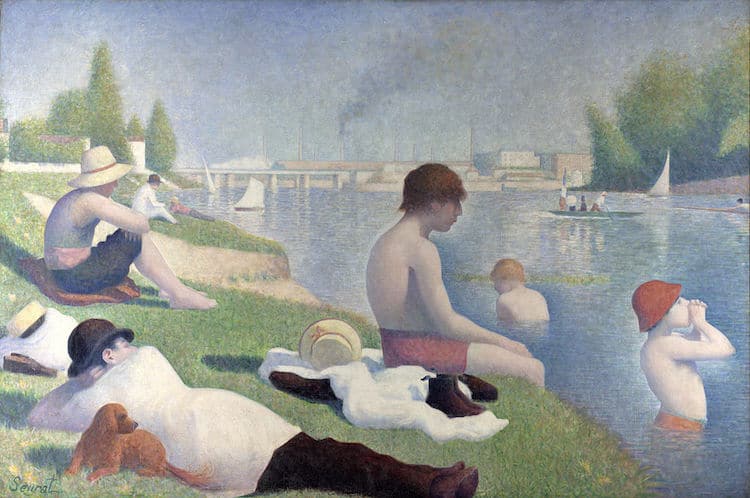
“A Sunday Afternoon on the Island of La Grande Jatte” (1884-1886) by Georges Seurat via Wikimedia Commons

The Pioneers of Pointillism

“Bathers at Asnières” (1884) by Georges Seurat via Wikimedia Commons

The first pioneer of Pointillism was French painter Georges Seurat, who founded the Neo-Impressionist movement. One of his greatest masterpieces, A Sunday Afternoon on the Island of La Grande Jatte (1884–1886), was one of the leading examples of Pointillism. The dotty composition depicts 19th century Parisians relaxing on the River Seine. One of his other works painted shortly before—titled Bathers at Asnières (1884)—mirrors the riverbank scene. In this piece, the bathers are doused in light, while most of the people in the …Sunday Afternoon… painting are hidden in shade. Both pieces were painted on large canvases with dots of oil paint in a range of summer hues.


Paul Signac

The Pioneers of Pointillism

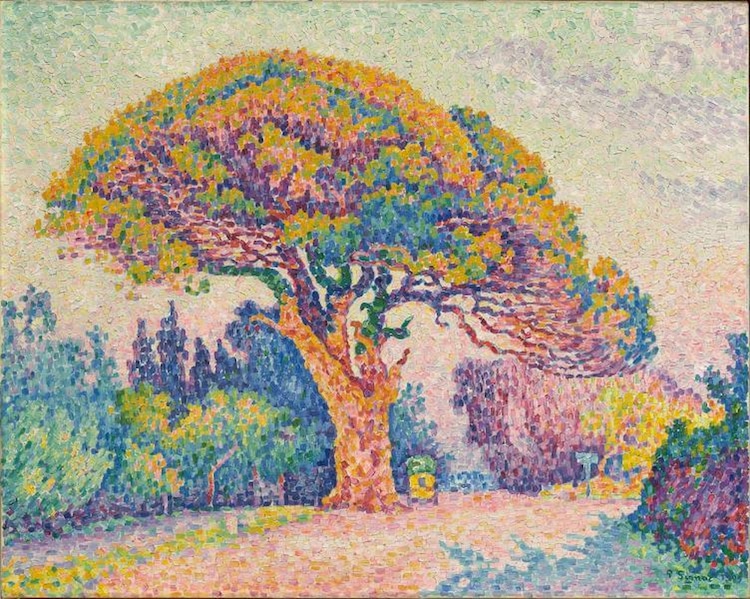
“The Pine Tree at Saint Tropez” (1909) by Paul Signac via Wikimedia Commons

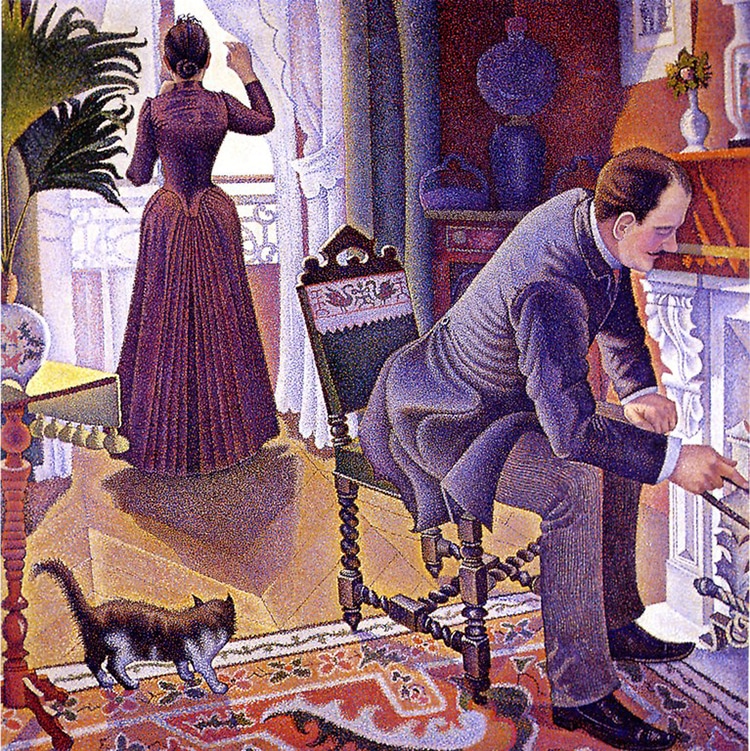
Another artist to adopt the revolutionary style was Paul Signac, who studied the science of dot art with Seurat. Since 1886, the French artist worked in this style throughout the entirety of his career, and carried on producing a large collection of Pointillism artwork, even after Seurat died in 1891, aged just 31. Among his most well-known works is The Pine Tree at St. Tropez, which depicts a brightly colored pine tree in the south of France; a place where the artist spent his time each summer. In another, titled Un Dimanche (A Sunday), Signac’s close-together, vibrant oil paint daubs depict a Parisian couple and their cat on a Sunday afternoon. This is an example of how Pointillism artists created clearer pictures: by painting smaller dots, closer together.

The Pioneers of Pointillism

“Un Dimanche (A Sunday)” (1888-1890) by Paul Signac via Wikimedia Commons


End of the Golden Age of Pointillism

By the 1890s, Pointillism had reached its peak, with many artists of the time choosing to adopt the technique. However, even though the golden age of Pointillism is now over, many of the concepts and ideas still continue to be used by artists today, in many different mediums.

The post How the Pioneers of Pointillism Continue to Influence Artists Today appeared first on My Modern Met.
http://ift.tt/2Bex2D1

Sexist Vintage Ads Completely Reimagined Just by Reversing Gender Roles

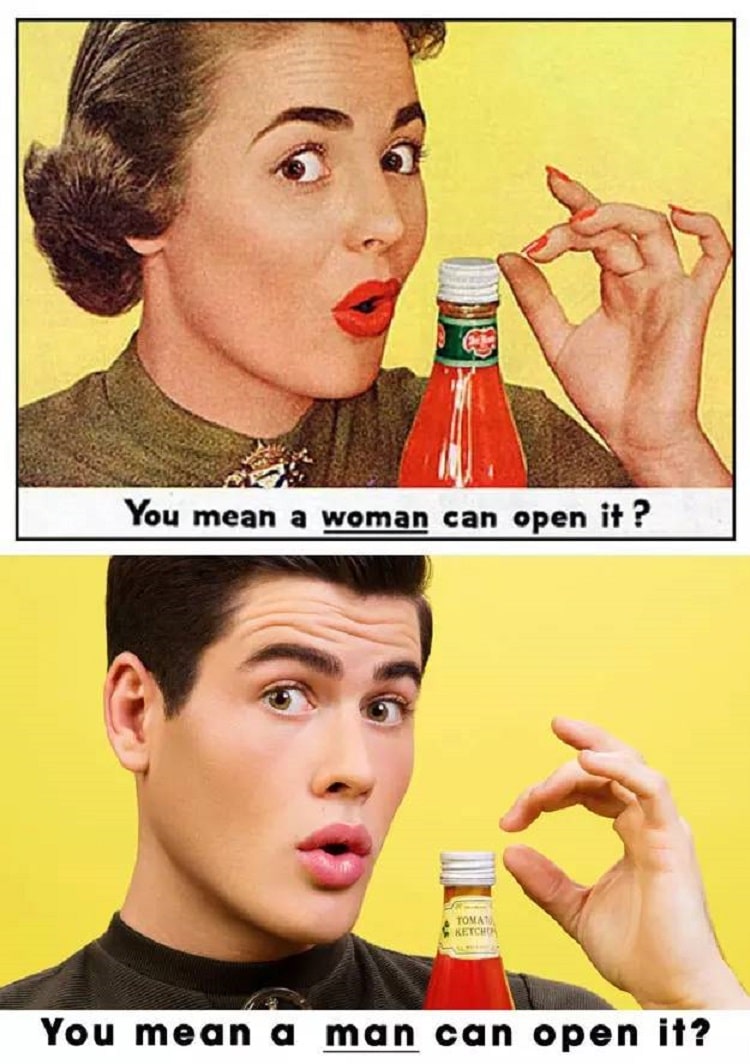
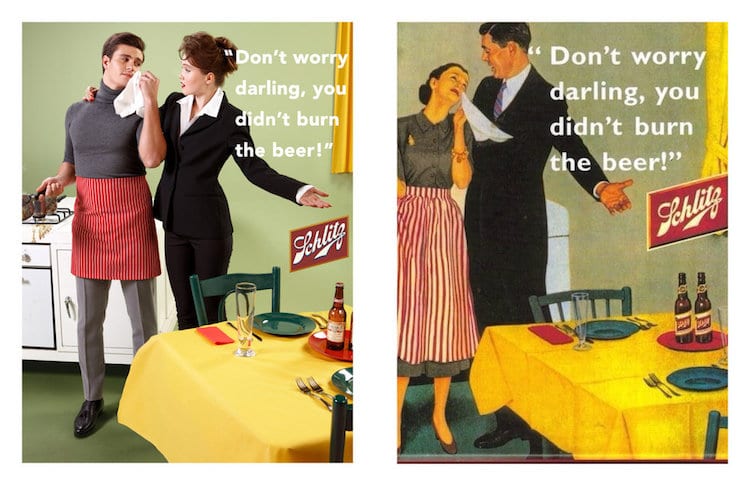
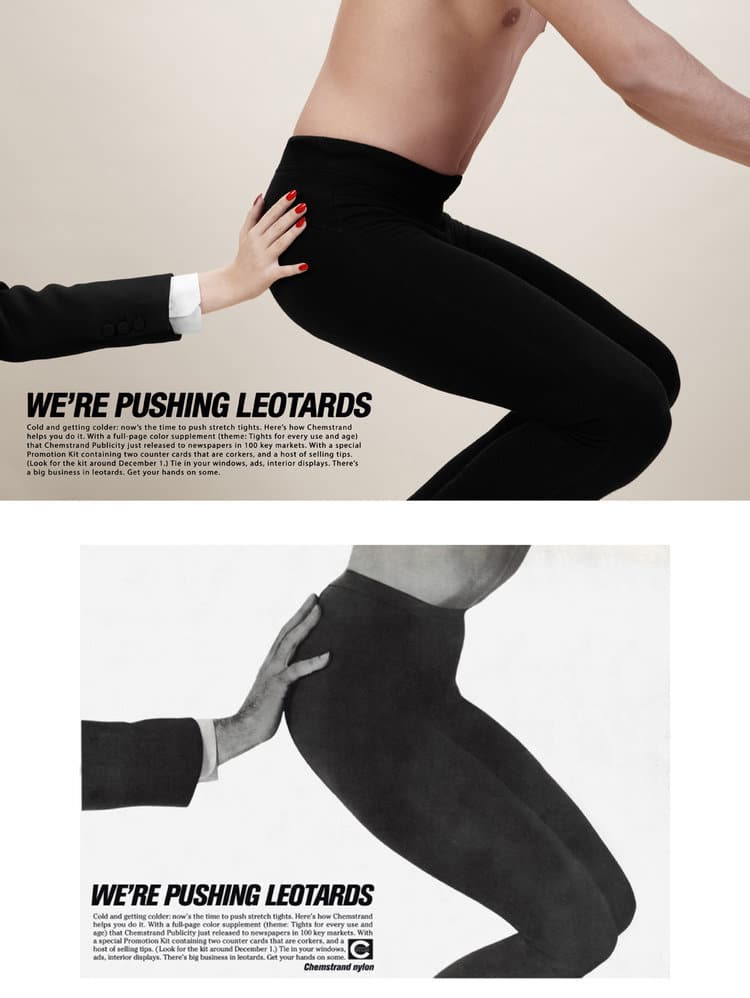
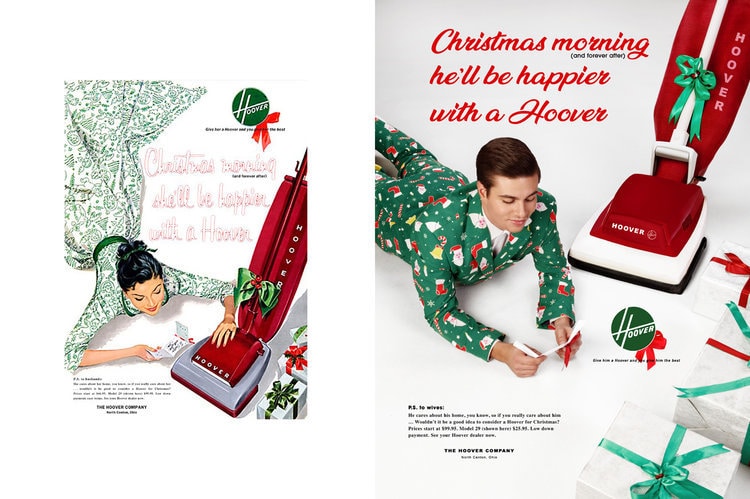
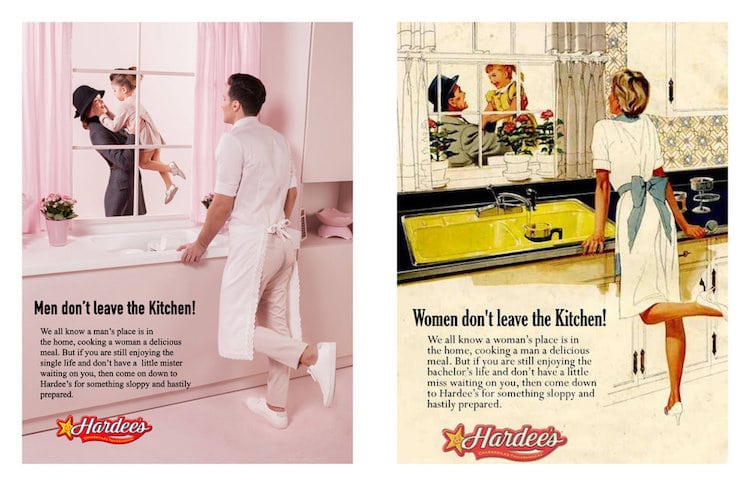
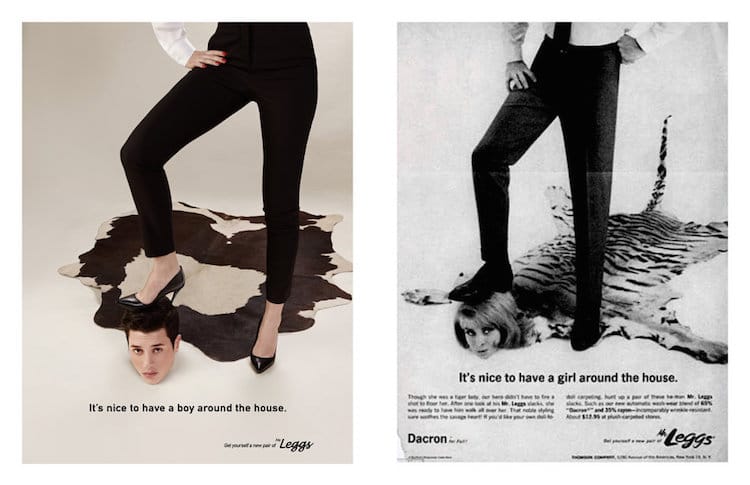
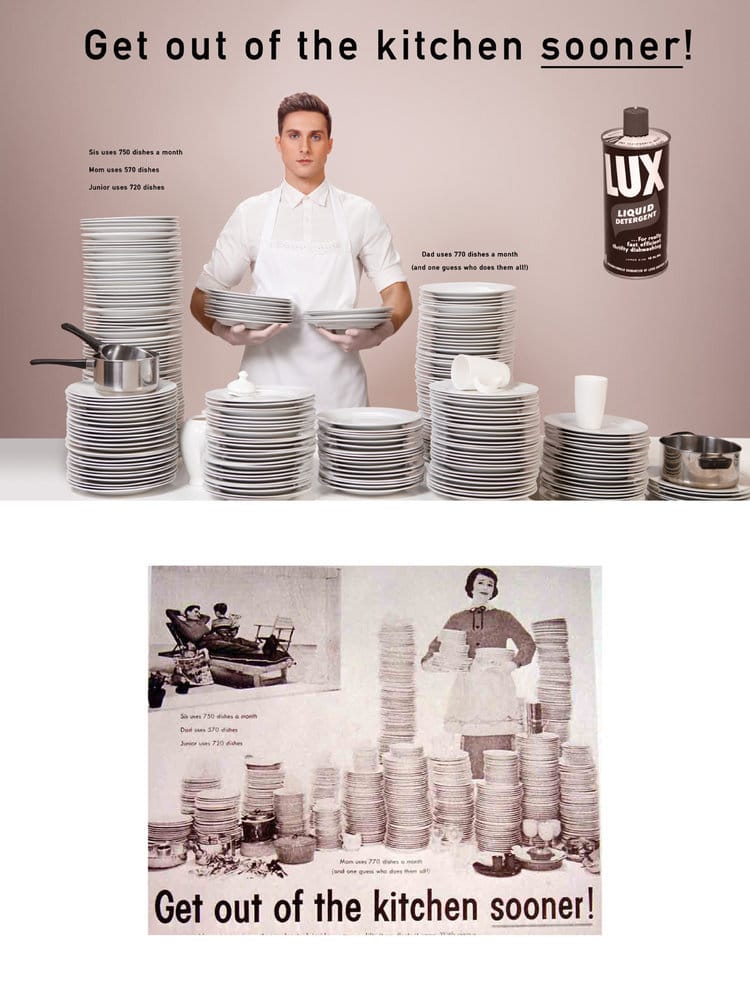
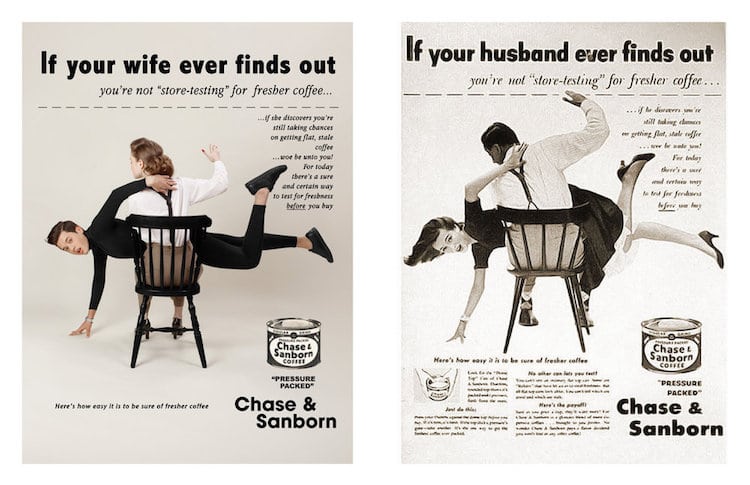
You don’t have to look far to find sexist vintage ads. In the middle of the 20th century, these advertisements were considered completely normal and even amusing. Nowadays, they’re not just dated but appalling for the misogynistic treatment of women they display. (Of course, these types of gendered stereotypes in advertising still exist today, though in less potent forms.) To help expose its toxicity, photographer Eli Rezkallah is reimagining some of the worst old sexist ads by swapping gender roles.

Rezkallah calls his series In A Parallel Universe, and it’s a redo of the advertising of yesteryear—with men taking on the tasks commonly reserved for women. In his retelling, the women are the ones who have careers and demand dinner be on the table when they come home each day; the men, however, are so inept that they can hardly open a ketchup bottle.

The photographer had the idea for In a Parallel Universe after Thanksgiving with his relatives. “I overheard my uncles talk about how women are better off cooking, taking care of the kitchen, and fulfilling ‘their womanly duties.’” he explained. “Although I know that not all men like my uncles think that way I was surprised to learn that some still do, so I went on to imagine a parallel universe, where roles are inverted and men are given a taste of their own sexist poison.”

Rezkallah’s images are a satisfying rebuttal to the advertising of long ago, but it’s not a solution to their harmful point of view. Instead, he intends for this series to help illuminate the problematic aspects of the print ads. “I hope that people who are stuck in stereotypical gender roles imposed by patriarchal societies will be able to visually see the cracks in the limitation that those roles carry through this project.”

In his series In a Parallel Universe, photographer Eli Rezkallah reimagines gender stereotypes in advertising.
Sexist Vintage Ads Reimagined by Eli Rezkallah

The sexist vintage ads are given a twist by swapping the roles of men and women.

Gender Stereotypes in Advertising Reimagined by by Eli Rezkallah

“I hope,” he explained, “that people who are stuck in stereotypical gender roles imposed by patriarchal societies will be able to visually see the cracks in the limitation that those roles carry through this project.”

Gender Stereotypes in Advertising Reimagined by by Eli Rezkallah
Sexist Vintage Ads Reimagined by Eli Rezkallah

Eli Rezkallah: Website | Instagram | Facebook
h/t: [Design TAXI]

All images via Eli Rezkallah.

Related Articles:

Bizarre Vintage Ads From 1910 Are Oddly Similar to Modern Marketing

Black Model Recreates Fashion Photo Shoots for Powerful Statement About Beauty in Diversity

Cannes Lions Winning Campaign Adds Feet to Famous Portraits

London Tube Station Advertisements Are All Replaced with Adorable Photos of Adoptable Cats

The post Sexist Vintage Ads Completely Reimagined Just by Reversing Gender Roles appeared first on My Modern Met.

http://ift.tt/2Bek4Fj

Couple Defies Gravity by Getting Married 400 Feet Suspended in Mid-Air

Extreme Wedding Pictures in Moab Utah

Photo © The Hearnes

There are many ways to say “I do” but few are as daring as Ryan Jenks and Kimberly Weglin. After getting engaged on a space net in Moab canyon, the adventurous couple decided to have their wedding in the same place—suspended net and all. When the big day finally came, Jenks and Weglin said their vows four hundred feet above the desert floor. The photographers, Abbi and Callen Hearnes, captured the extreme wedding pictures, which are as stunning as they are breathtaking.

As if the ceremony site wasn’t unconventional enough, the couple customized their nuptials with other playful (if not terrifying) elements. While Jenks and Weglin exchanged their vows, their friends were performing aerial moves on silks below and walking on high lines. And in a creative take on “flower girls,” they had the roles fulfilled by BASE jumpers who plunged off the cliffs with 5,000 “petals in their packs.”

The gorgeous wedding photos convey the incredible energy of all who participated in the special day. “It was unreal,” Abbi recalls, “I am so beyond in love with this amazing community and stoked to see everyone’s creativity come together for Kim and Ryan.” Weglin echoes this in an Instagram post: “It was so fun to be able to take the traditional ceremony of marriage and turn it into something so completely ‘us,’ down to every last detail.”

Looking for extreme wedding ideas? Ryan Jenks and Kimberly Weglin made it happen when they got married suspended 400 feet in the air.

Extreme Wedding Ideas in Moab Utah

Photo © The Hearnes

Extreme Wedding Ideas in Moab Utah

Photo © The Hearnes

Extreme Wedding Ideas in Moab Utah

Photo © The Hearnes

Extreme Wedding Ideas in Moab Utah

Photo © The Hearnes

The event, which included a space net and BASE jumpers, was captured in extreme wedding pictures by photography couple The Hearnes.

Extreme Wedding Ideas in Moab Utah

Photo © The Hearnes

Extreme Wedding Ideas in Moab Utah

Photo © The Hearnes

Extreme Wedding Ideas in Moab Utah

Photo © The Hearnes

Extreme Wedding Ideas in Moab Utah

Photo © The Hearnes

Extreme Wedding Ideas in Moab Utah

Photo © The Hearnes

Extreme Wedding Ideas in Moab Utah

Photo © The Hearnes

Extreme Wedding Ideas in Moab Utah

Photo © The Hearnes

Extreme Wedding Photos by The Hearnes

Photo © The Hearnes

The post Couple Defies Gravity by Getting Married 400 Feet Suspended in Mid-Air appeared first on My Modern Met.
http://ift.tt/2mRxfYG

Ethereal Portraits of Women Who Look Like They’re Straight Out of a Fairy Tale

Fairytale Photography by Bella Kotak

Inspired by fantasy and fairytales, photographer Bella Kotak creates ethereal images that combine sumptuous color and bountiful nature. Her portraits of women fuse flowers, gorgeous fashion, and picturesque settings, resulting in moments that seem plucked from the pages of a storybook.

Kotak masterfully composes her fantasy photography to be meticulously constructed. This can be attributed to her training as an architect, which is where she learned about the power of photography in the first place. “Whilst in my Architecture course,” she told My Modern Met in 2015, “I was introduced to Photoshop and also to Flickr where I saw many young artists using the program to realize their visions.” She started taking one photo a day for 365 days and became “more and more obsessed” with the technical parts of photography—such as the lens, composition, and color toning. Now, one picture might take her months of planning!

Since last featuring Kotak’s work, she has started a company with retoucher Pratik Naik. Called Fine Art Actions, it makes available Photoshop actions and color collections that you can apply to your own images.

Bella Kotak creates meticulously composed fantasy photography that looks plucked from a storybook.

Fairytale Photography by Bella Kotak
Fantasy Photography by Bella Kotak
Fairytale Photography by Bella Kotak
Fantasy Photography by Bella Kotak
Fairytale Photography by Bella Kotak
Fantasy Photography by Bella Kotak

The post Ethereal Portraits of Women Who Look Like They’re Straight Out of a Fairy Tale appeared first on My Modern Met.

http://ift.tt/2ER9Ddf