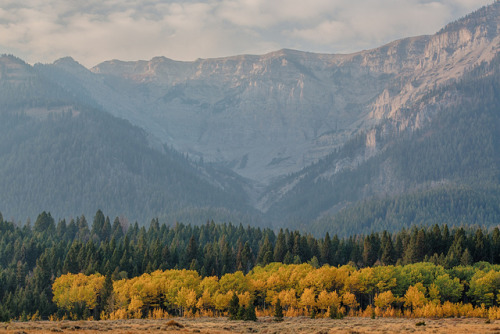
Centennial Mountains Wilderness Study Area is some of southwest…

Centennial Mountains Wilderness Study Area is some of southwest Montana’s wildest and most scenic country. The mountain range connects the Yellowstone Ecosystem with the northern Rockies, providing wildlife like moose, elk, deer, wolverines, badgers and black bears an intact migration corridor. The Continental Divide forms the southern boundary of the wilderness and the northern face of the range rises nearly 3,000 feet in less than a mile. The scenic mountains and contrasting colors of the valley provides outstanding opportunities for photography. Photo by Bob Wick, Bureau of Land Management, @mypubliclands

Within sight of New York City skyscrapers, Jamaica Bay Wildlife…

Within sight of New York City skyscrapers, Jamaica Bay Wildlife Refuge is a great place for hiking, biking, boating and birding. With numerous islands, a labyrinth of waterways, meadowlands and two freshwater ponds, the wetlands provide a unique environment for both wildlife preservation and urban recreation. In every season, there’s beauty to be found. Fall photo by Micael Fano (http://ift.tt/18oFfjl).

If you like taking the road less traveled, the Nabesna Road at…

If you like taking the road less traveled, the Nabesna Road at Alaska’s Wrangell-St. Elias National Park and Preserve might be right for you. Along the way, you’ll find scenic vistas, hiking routes and wildlife viewing, but you won’t find many people. Photo from Dead Dog Hill by Bryan Petrtyl, National Park Service.

Happy birthday, Yosemite National Park! On October 1, 1890,…

Happy birthday, Yosemite National Park! On October 1, 1890, Yosemite became a national park, and 127 years later, it’s still wowing visitors with its waterfalls, towering granite monoliths, deep valleys and ancient giant sequoias. What’s your memory about this legendary California landmark? 

Learn more: https://on.doi.gov/yosemite 

Photo courtesy of Jonathan Basiago.

It’s National Public Lands Day! Today is the perfect time to get…

It’s National Public Lands Day! Today is the perfect time to get out and explore parks, refuges and wilderness areas near you. There are also thousands of volunteer events across the country and fees are waived, so head outdoors and enjoy some active time in nature. Photo from Kenai National Wildlife Refuge in Alaska by the U.S. Fish and Wildlife Service.

Fall brings dramatic color to Great Sand Dunes National Park and…

Fall brings dramatic color to Great Sand Dunes National Park and Preserve in Colorado. Dense colonies of aspens grow in moist soil, sharing a root system and changing their leaves in unison. Like a river of gold, these gorgeous trees fill Morris Gulch, high in the mountains above the sand dunes. Photo by Patrick Myers, National Park Service.

Fascinating animals, muskoxen look like survivors of the Ice…

Fascinating animals, muskoxen look like survivors of the Ice Age. Whiles other arctic animals spend their winter in hibernation, muskoxen live in open, unsheltered tundra enduring the unforgiving elements that come their way. One secret to muskoxen survival is their two layers of fur – a very long outer layer of fur that looks like hair and a short fuzzy underlayer of qiviut. You can find muskoxen on several public lands in Alaska, including Cape Krusenstern National Monument. Photo by Doug Demarest, National Park Service.

Rafting is a popular way to experience Dinosaur National…

Rafting is a popular way to experience Dinosaur National Monument’s remote canyons. From origins high in Colorado’s Rocky Mountains, the Green and Yampa Rivers wind their way past steep canyon walls and across sagebrush-covered plains. Some stretches are calm and peaceful, others promise the thrill of swift rapids. All offer amazing views and fun outdoor adventures. Photo by Alan Nyiri, National Park Service volunteer.

Guess who’s excited for Sea Otter Awareness Week! Sea otters…

Guess who’s excited for Sea Otter Awareness Week! Sea otters have the thickest fur of any animal with up to 1 million hair follicles per square inch, are one of the few mammals that use tools, and are critical to how their ecosystems function. What’s your favorite sea otter fact?

More fun otter facts: https://on.doi.gov/otters 

Photo of a group of sea otters at Alaska’s Glacier Bay National Park and Preserve by Becky King, National Park Service.

Happy birthday Sequoia National Park – our nation’s 2nd…

Happy birthday Sequoia National Park – our nation’s 2nd national park! On this day in 1890, Sequoia National Park was established to protect this California park’s iconic sequoia trees, which are some of the largest and oldest trees in the world. From rolling foothills to immense forests to sheer granite peaks rising above lush meadows and broad lake basins, Sequoia National Park astounds visitors with their wild beauty. Photo by Daniel Suh (http://ift.tt/18oFfjl).