8 Reasons To Say It First

If you’re familiar with getting cold feet, let me tell you something – that it’s ok if you’re introverted or extroverted because we all get the butterflies when it comes to saying things like “I love you”, or “sorry” first. The uncertainty of consequences, the overthinking of timing and word play and whether or not the feelings will be mutual are all things that make even the most outgoing of us stop before we speak, and for good reason. Sometimes revealing your love for someone can be a life changing situation for both parties; better make sure it’s the right time.

healthy_coupleHow can you know? Well, as I’ve said before there is no guide book for life, but there are principles we can follow to make sure we live the best life we can. Overcoming your fear of engagement is a great asset to have in your social and business life.

“ I think I can, I think I can, I think I can! ”

1. Remove fear from your vocabulary

Let’s start here, because the first step of being the first, is being fearless. We all have a history of uncomfortable situations – rejection, failures and bad days accumulate in our memory and dictate our behaviour to this day. It decides how we act when we are about to walk on eggshells. The best thing to do is to remember your victories and keep facing struggles head on. The more you overcome daily struggles with a smile, the more fearless you will become!

2. Have a positive attitude

That said, keep a smile on your face all day. If you’re negatively adverse to rejection and dismay, you need to put that smile back on and learn to recover ASAP! Keep a positive attitude and remember all the hurdles you’ve overcome. If you’re smiling, you’re positive, and if you’re positive, you’re unstoppable!

3. Being proactive

Once you’ve nailed those two, you’re on your way to being a more proactive person. Taking the first step to say I love you makes you a proactive, fearless person, ready to get what she deserves! You’re ready to get what you want, and you’re ready to show the world that too.

4. Accepting the consequences

If you can say it first, you’re embracing a critical part of maturity – that you are ready to accept the consequences of your decisions for good or for worse. Don’t feel like you’re behind, because there’s no right time to feel comfortable at this stage. We all mature at different degrees, and you can only do the best you can be, so make sure not to compare yourself with others – ever! Say it first, and deal with the aftermath like an adult.

5. Making peace with your feelings

Go beyond “shoulda, coulda, woulda”, by just doing it. If you feel a certain way about something, do something about it. If you have feelings for someone, let them know it. Don’t be shy – chances are, they are feeling the same way, and waiting for who is going to make the first move. So make peace with your feelings and pull the trigger. You’ll be happier you did it!

6. Finding conclusion

If something has been getting to you for over a day, then you’re certainly overthinking something. Get to the meat of it by saying it first. Once you’ve opened the doors, everything is out and the open. Sometimes the truth hurts, but if you’ve gotten past steps 1 and 2 already, then we are beyond that! Put your overthinking to rest by finding conclusion in your day to day like – all part of living proactively.

7. Relieve a tense situation with your strength

Even though we might all be a little shy when it comes to emotional situations, we’ve all had to make a move before. Keep doing it. Be proud that you can make the first move, not the other person. Although it might seem a little selfish to take pride in being more outgoing than someone else, take reprieve in the fact that you’ve helped someone else who was more shy to move first.

8. Spread the love

Once you’ve become comfortable with saying big things to people first, watch how the changes in your life unfold. You will be stronger in social situations, and without knowing it you will soon be attracting love and positivity in all aspect s of your social and business life. You will attract attention from others, and bind other people together with your engaging spirit. So go out, and say it: I love you! You’re not afraid anymore.

The post 8 Reasons To Say It First appeared first on Change your thoughts.

http://ift.tt/1UwUnm3

What Stress is Doing to Your Body and How to Reduce It?

You’re reading What Stress is Doing to Your Body and How to Reduce It?, originally posted on Pick the Brain | Motivation and Self Improvement. If you’re enjoying this, please visit our site for more inspirational articles.

woman-570883_1280

The American Psychological Association reports that nearly 50% of Americans believe their stress has increased during the past year. According to the Regus Group, China has the highest percent (86%) of stress in a workplace in the world. A Lifeline Australia’s survey indicates that more than 90% of Australians claim they are stressed in at least one important aspect of their life. As claimed by the National Institute for Health and Clinical Excellence in the UK, work-related illness is a major cause of 13.7 million lost working days each year.

Clearly, stress is in every corner of the world and in every sphere of our life. Rarely is one immune to this potentially serious health and social problem. In order to understand how to build stress resilience, we need to understand what stress is doing to our body and what potential health consequences it can bring.

man stress

How chronic stress affects our body?

From our heart to chromosomes, chronic stress affects all organs and cells in the body. Adrenal glands are responsible for releasing stress hormones – adrenaline, cortisol and norepinephrine. If stress is activated too often, it can result in hypertension since adrenaline increases the heart rate and blood pressure. High levels of cortisol can lead to atherosclerosis. To sum up, a heart attack or stroke are the potential health consequences of chronic stress.

When you are stressed-out, the autonomic nervous system is activated, which then activates the intestinal nervous system. Anxiety can trigger a digestive imbalance, heartburn and even irritable bowel syndrome. The composition and function of the gut bacteria can be also changed due to stress. Additionally, cortisol is a reason behind weight gain as it increases appetite making you crave for carbohydrates and other energy-rich foods. Finally, high levels of cortisol can increase not only subcutaneous, but also visceral fat, which results in heart diseases, insulin resistance, or diabetes type 2.

stress manifestations

Chronic stress can affect immune cells, making you more susceptible to illness. The more nervous and agitated you are, the slower the healing rate. Stress can affect the length of telomeres on chromosomes. Each time chromosomes divide, telomeres shorten. If telomeres become too short, a cell dies, meaning that if you want to live a longer life, you should learn about stress management techniques.

buddhist-481763_1280

How to raise your stress tolerance?

You cannot avoid stress, but you can decrease your stress response in a variety of ways. Physical activity is one of the most effective ways to reduce the effects of stress. Social engagement creates the experience of safety and releases stress-reduction hormones. Even though you feel that you are caught in the hustle of life and that you cannot get out, try to make more time for yourself. Read a book, spend time in nature, listen to music, or watch a comedy. Consider visiting spiritual retreats as it offers all these positive changes combined.

Yoga and the psoas muscle

Stress is usually stored in the psoas muscle, located on the two sides of the lumbar spine. If you are dealing with stressors constantly and do not respond to them, stress hormones become stored in the body and the psoas muscle becomes chronically tightened. Yoga can help you stretch your psoas muscle. This ancient practice offers a great number of poses, which can help you on your road to a stress-free life.

stress success

Accepting is the first step

Stress is a physical and emotional response to a negative change in our life. The impossibility of accepting this negative change causes stress and anxiety. Controlling of the uncontrollable is fighting a losing battle. Stressors cannot be avoided and they cannot be changed. The only thing you can do in order to go on with your life is to accept stressors as they are and to try to see stress in a positive way.

Healthy comfort foods

Adopting a healthy lifestyle includes taking control of the nutrition plan, eliminating bad habits, such as cigarettes and alcohol and getting enough sleep. Instead of comfort food, choose other snacks which can calm you down. Berries, for instance, are a vitamin C-dense fruit and vitamin C is the one associated with successful fighting with stress. Next, a study by the researchers from the University Pennsylvania found that chamomile tea can decrease anxiety symptoms. Chocolate, garlic, asparagus, cashews, walnuts, oatmeal and oysters are all examples of healthy comfort foods.

garlic-139659_1280

From deep breathing to a Zen state of mind

Deep breathing techniques allow you to ease physical symptoms of stress. The relaxation response is followed by decreases in blood pressure, heart rate, breathing rate, muscle tensions and aches. Some certified techniques are quieting response, SKY and teddy bear breathing (for children). You can also opt for breathing tools, such as the EmWave and the StressEraser.

woman-570883_1280

Stress is known as a silent killer. You are not aware, it is looming in the background, ready at every moment to have the final say in your life. Coping with stress means happier and longer life and that is what we all strive for.

————–

Nicole is a lifestyle blogger passionate about travel and healthy living. She always seeks new adventures and enjoys sharing her experiences with others. In her free time, she likes to prepare healthy and delicious food for her friends. You can find her on Twitter and FB

You’ve read What Stress is Doing to Your Body and How to Reduce It?, originally posted on Pick the Brain | Motivation and Self Improvement. If you’ve enjoyed this, please visit our site for more inspirational articles.

http://ift.tt/25ZcgSw

#ns What Stress is Doing to Your Body and How to Reduce It?

You’re reading What Stress is Doing to Your Body and How to Reduce It?, originally posted on Pick the Brain | Motivation and Self Improvement. If you’re enjoying this, please visit our site for more inspirational articles.

woman-570883_1280

The American Psychological Association reports that nearly 50% of Americans believe their stress has increased during the past year. According to the Regus Group, China has the highest percent (86%) of stress in a workplace in the world. A Lifeline Australia’s survey indicates that more than 90% of Australians claim they are stressed in at least one important aspect of their life. As claimed by the National Institute for Health and Clinical Excellence in the UK, work-related illness is a major cause of 13.7 million lost working days each year.

Clearly, stress is in every corner of the world and in every sphere of our life. Rarely is one immune to this potentially serious health and social problem. In order to understand how to build stress resilience, we need to understand what stress is doing to our body and what potential health consequences it can bring.

man stress

How chronic stress affects our body?

From our heart to chromosomes, chronic stress affects all organs and cells in the body. Adrenal glands are responsible for releasing stress hormones – adrenaline, cortisol and norepinephrine. If stress is activated too often, it can result in hypertension since adrenaline increases the heart rate and blood pressure. High levels of cortisol can lead to atherosclerosis. To sum up, a heart attack or stroke are the potential health consequences of chronic stress.

When you are stressed-out, the autonomic nervous system is activated, which then activates the intestinal nervous system. Anxiety can trigger a digestive imbalance, heartburn and even irritable bowel syndrome. The composition and function of the gut bacteria can be also changed due to stress. Additionally, cortisol is a reason behind weight gain as it increases appetite making you crave for carbohydrates and other energy-rich foods. Finally, high levels of cortisol can increase not only subcutaneous, but also visceral fat, which results in heart diseases, insulin resistance, or diabetes type 2.

stress manifestations

Chronic stress can affect immune cells, making you more susceptible to illness. The more nervous and agitated you are, the slower the healing rate. Stress can affect the length of telomeres on chromosomes. Each time chromosomes divide, telomeres shorten. If telomeres become too short, a cell dies, meaning that if you want to live a longer life, you should learn about stress management techniques.

buddhist-481763_1280

How to raise your stress tolerance?

You cannot avoid stress, but you can decrease your stress response in a variety of ways. Physical activity is one of the most effective ways to reduce the effects of stress. Social engagement creates the experience of safety and releases stress-reduction hormones. Even though you feel that you are caught in the hustle of life and that you cannot get out, try to make more time for yourself. Read a book, spend time in nature, listen to music, or watch a comedy. Consider visiting spiritual retreats as it offers all these positive changes combined.

Yoga and the psoas muscle

Stress is usually stored in the psoas muscle, located on the two sides of the lumbar spine. If you are dealing with stressors constantly and do not respond to them, stress hormones become stored in the body and the psoas muscle becomes chronically tightened. Yoga can help you stretch your psoas muscle. This ancient practice offers a great number of poses, which can help you on your road to a stress-free life.

stress success

Accepting is the first step

Stress is a physical and emotional response to a negative change in our life. The impossibility of accepting this negative change causes stress and anxiety. Controlling of the uncontrollable is fighting a losing battle. Stressors cannot be avoided and they cannot be changed. The only thing you can do in order to go on with your life is to accept stressors as they are and to try to see stress in a positive way.

Healthy comfort foods

Adopting a healthy lifestyle includes taking control of the nutrition plan, eliminating bad habits, such as cigarettes and alcohol and getting enough sleep. Instead of comfort food, choose other snacks which can calm you down. Berries, for instance, are a vitamin C-dense fruit and vitamin C is the one associated with successful fighting with stress. Next, a study by the researchers from the University Pennsylvania found that chamomile tea can decrease anxiety symptoms. Chocolate, garlic, asparagus, cashews, walnuts, oatmeal and oysters are all examples of healthy comfort foods.

garlic-139659_1280

From deep breathing to a Zen state of mind

Deep breathing techniques allow you to ease physical symptoms of stress. The relaxation response is followed by decreases in blood pressure, heart rate, breathing rate, muscle tensions and aches. Some certified techniques are quieting response, SKY and teddy bear breathing (for children). You can also opt for breathing tools, such as the EmWave and the StressEraser.

woman-570883_1280

Stress is known as a silent killer. You are not aware, it is looming in the background, ready at every moment to have the final say in your life. Coping with stress means happier and longer life and that is what we all strive for.

————–

Nicole is a lifestyle blogger passionate about travel and healthy living. She always seeks new adventures and enjoys sharing her experiences with others. In her free time, she likes to prepare healthy and delicious food for her friends. You can find her on Twitter and FB

You’ve read What Stress is Doing to Your Body and How to Reduce It?, originally posted on Pick the Brain | Motivation and Self Improvement. If you’ve enjoyed this, please visit our site for more inspirational articles.

http://ift.tt/25ZcgSw

What Stress is Doing to Your Body and How to Reduce It?

You’re reading What Stress is Doing to Your Body and How to Reduce It?, originally posted on Pick the Brain | Motivation and Self Improvement. If you’re enjoying this, please visit our site for more inspirational articles.

woman-570883_1280

The American Psychological Association reports that nearly 50% of Americans believe their stress has increased during the past year. According to the Regus Group, China has the highest percent (86%) of stress in a workplace in the world. A Lifeline Australia’s survey indicates that more than 90% of Australians claim they are stressed in at least one important aspect of their life. As claimed by the National Institute for Health and Clinical Excellence in the UK, work-related illness is a major cause of 13.7 million lost working days each year.

Clearly, stress is in every corner of the world and in every sphere of our life. Rarely is one immune to this potentially serious health and social problem. In order to understand how to build stress resilience, we need to understand what stress is doing to our body and what potential health consequences it can bring.

man stress

How chronic stress affects our body?

From our heart to chromosomes, chronic stress affects all organs and cells in the body. Adrenal glands are responsible for releasing stress hormones – adrenaline, cortisol and norepinephrine. If stress is activated too often, it can result in hypertension since adrenaline increases the heart rate and blood pressure. High levels of cortisol can lead to atherosclerosis. To sum up, a heart attack or stroke are the potential health consequences of chronic stress.

When you are stressed-out, the autonomic nervous system is activated, which then activates the intestinal nervous system. Anxiety can trigger a digestive imbalance, heartburn and even irritable bowel syndrome. The composition and function of the gut bacteria can be also changed due to stress. Additionally, cortisol is a reason behind weight gain as it increases appetite making you crave for carbohydrates and other energy-rich foods. Finally, high levels of cortisol can increase not only subcutaneous, but also visceral fat, which results in heart diseases, insulin resistance, or diabetes type 2.

stress manifestations

Chronic stress can affect immune cells, making you more susceptible to illness. The more nervous and agitated you are, the slower the healing rate. Stress can affect the length of telomeres on chromosomes. Each time chromosomes divide, telomeres shorten. If telomeres become too short, a cell dies, meaning that if you want to live a longer life, you should learn about stress management techniques.

buddhist-481763_1280

How to raise your stress tolerance?

You cannot avoid stress, but you can decrease your stress response in a variety of ways. Physical activity is one of the most effective ways to reduce the effects of stress. Social engagement creates the experience of safety and releases stress-reduction hormones. Even though you feel that you are caught in the hustle of life and that you cannot get out, try to make more time for yourself. Read a book, spend time in nature, listen to music, or watch a comedy. Consider visiting spiritual retreats as it offers all these positive changes combined.

Yoga and the psoas muscle

Stress is usually stored in the psoas muscle, located on the two sides of the lumbar spine. If you are dealing with stressors constantly and do not respond to them, stress hormones become stored in the body and the psoas muscle becomes chronically tightened. Yoga can help you stretch your psoas muscle. This ancient practice offers a great number of poses, which can help you on your road to a stress-free life.

stress success

Accepting is the first step

Stress is a physical and emotional response to a negative change in our life. The impossibility of accepting this negative change causes stress and anxiety. Controlling of the uncontrollable is fighting a losing battle. Stressors cannot be avoided and they cannot be changed. The only thing you can do in order to go on with your life is to accept stressors as they are and to try to see stress in a positive way.

Healthy comfort foods

Adopting a healthy lifestyle includes taking control of the nutrition plan, eliminating bad habits, such as cigarettes and alcohol and getting enough sleep. Instead of comfort food, choose other snacks which can calm you down. Berries, for instance, are a vitamin C-dense fruit and vitamin C is the one associated with successful fighting with stress. Next, a study by the researchers from the University Pennsylvania found that chamomile tea can decrease anxiety symptoms. Chocolate, garlic, asparagus, cashews, walnuts, oatmeal and oysters are all examples of healthy comfort foods.

garlic-139659_1280

From deep breathing to a Zen state of mind

Deep breathing techniques allow you to ease physical symptoms of stress. The relaxation response is followed by decreases in blood pressure, heart rate, breathing rate, muscle tensions and aches. Some certified techniques are quieting response, SKY and teddy bear breathing (for children). You can also opt for breathing tools, such as the EmWave and the StressEraser.

woman-570883_1280

Stress is known as a silent killer. You are not aware, it is looming in the background, ready at every moment to have the final say in your life. Coping with stress means happier and longer life and that is what we all strive for.

————–

Nicole is a lifestyle blogger passionate about travel and healthy living. She always seeks new adventures and enjoys sharing her experiences with others. In her free time, she likes to prepare healthy and delicious food for her friends. You can find her on Twitter and FB

You’ve read What Stress is Doing to Your Body and How to Reduce It?, originally posted on Pick the Brain | Motivation and Self Improvement. If you’ve enjoyed this, please visit our site for more inspirational articles.

http://ift.tt/25ZcgSw

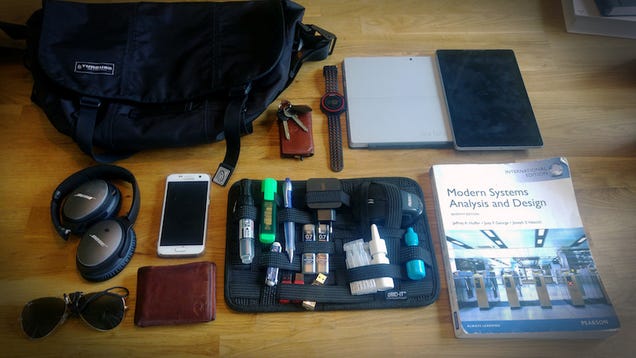
The Organized Student’s Bag

Being a student doesn’t have to mean being a mess. Case in point, reader Anders Nordlander’s shares their bag.

Read more…

http://ift.tt/1ttcNOK

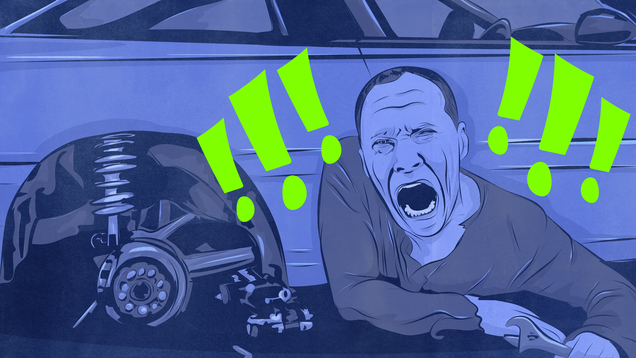
How To Work On Cars And Not Kill Yourself

Over the last six or seven years, I’ve been wrenching on cars almost non-stop. But since I don’t have any formal training, I’ve hurt myself quite a few times. I’ve cut myself on rusty sheetmetal, squirted battery acid in my eye, and set lots of stuff aflame. All of these mistakes are common—but they can be avoided.

Read more…

http://ift.tt/1VVqYXI

Poach Sausages Before Grilling for Perfect Char and Juicy Meat

Grilling meat like sausages can be tricky—you want that delicious caramelization on the outside, but still want juicy, succulent meat inside. The Kitchn has a simple solution: poach your sausages before throwing them on the grill. It’s key to keeping them juicy and getting a perfect char every time.

Read more…

http://ift.tt/25YKwNG

Remains of the Day: iOS 10 Will Finally Let You Delete Apple’s Default Apps

Slow news day, huh? Between E3, Apple’s developer conference
, and Microsoft’s acquisition of LinkedIn
, we’re starting this week off with a deluge of news for those who enjoy the intersection of tech and culture. I know I do! Here are a few more stories from today’s downpour.

Read more…

http://ift.tt/1rmAGpn

A Memory Champion’s Best Mental Trick for Remembering Where You Put Your Keys

If you’re tired of misplacing your keys around the house, this explosive memory trick will help you remember. All you need is a little imagination.

Read more…

http://ift.tt/1XT5jS6

Deadspin J.R.