The 7 Biggest Mistakes That College Students Make

So many great things can happen in college. It’s essentially your launching pad.

This is the time and place where you meet people, have your ideas and perceptions challenged, and get prepared for your next steps in life. It’s also a time where you can make some pretty costly mistakes and miss out on some great opportunities.

Here’s a quick list of the 7 things not to do in college.

Going Out Too Often

For many students, college is where you can make spontaneous plans. You can make your own schedule without the need to ask for your parents’ approval.

That, however, isn’t always a great thing.

You may face pressure from friends and roommates to go out and enjoy yourself. They’ll encourage you to stop reviewing and just go out for a night of fun.

When students give into pressure and temptations to go out too often, they usually end up low on cash, sleep-deprived, and behind on their studies.

Fortunately, a solution is available.

Rather than randomly going out on half-baked nights with pals, pick a single night each week or month where you can truly enjoy. This will make it much easier to stay in.

Skipping Classes

Let’s be honest.

If you ever attempted it, you know that skipping class in high school is a real challenge. Now, what happens when you skip class in college?

Well, nothing. There are no phone calls, lectures, and warnings.

But, that doesn’t mean there are no consequences.

Missing lectures, labs, quizzes, or simply not being there to take notes can put you behind very quickly.

So, how do you avoid the temptation?

First, avoid getting overwhelmed and exhausted. Get enough sleep and give yourself plenty of time to do your homework. Try to find other ways to give yourself a mental break when you need it.

Finally, if you must, give yourself one day per semester to take the day off. Just be prepared to get your notes ahead of time and make up for any work.

Not Reaching Out For Help

No college experience is perfect. One of the only certainties is that, at some point, you’re going to struggle with something. For some, that struggle may be academic.

You may find yourself struggling in a particular class or just unsure of where you’re headed in terms of your major.

On the other hand, you may do wonderfully with academics but struggle with homesickness and depression.

Sadly, many students make the mistake of keeping their problems to themselves rather than asking for help.

Keep this in mind.

There are people who are willing to help you if you are having troubles. There are tutors in your student learning center that are waiting for people to come to them for academic help. Your academic adviser can help you stay on the right path and your instructors can help if you are behind. There are also counselors if you are struggling mentally or emotionally.

None of those people will be annoyed or bothered if you approach them. Instead, they will be happy to apply their talents to help you.

See Also: 4 Ways To Overcome Depression Naturally

Taking Classes That Contradict With Sleep/Awake Patterns

You know you aren’t a morning person but if you take that 8 A.M. class, you’ll have all of your basic credits in. That means you can take the summer semester off.

But should you sign up for that class?

You might want to think twice.

How tired will you be and how much sleep will you lose?

Too many students sign up for early classes and then have a really hard time. If you commit to an early class and coffee isn’t enough to keep you going, your grades can really suffer.

Know your sleep patterns and energy levels. Be honest with yourself. Getting in one more class won’t do you any good if you lower your overall GPA or fail a class.

Missing Out on Student Discounts

Your student ID card might just be your ticket to tons of discounts around the campus. Restaurants, movie theaters, clothing stores- there’s a good chance that you can receive a pretty nice discount from those places.

Pay attention to your local banks and credit unions as well. Many of them offer free or reduced price checking accounts and other perks just for college students. This is a great way to establish yourself as a local banking customer and get into the habit of saving.

Ignoring Your Health And Wellness

Poor health doesn’t happen overnight. It comes incrementally.

You go to school sick when you should be resting. Skipping breakfast becomes a habit. You eat too much junk food and you indulge in a few too many beers each week. You rarely visit the gym, too.

Before you know it, you’ve put on weight. You’re depressed and anxious and you feel awful.

Don’t procrastinate.

If you’re sick or experiencing pain, deal with it immediately. Commit to eating right most of the time and always include some form of exercise in your day.

See Also: 4 Habits That Will Improve Your Focus And Destroy Procrastination

Overspending Student Aid Checks

Your tuition is paid. Now, you’re waiting for that awesome check from the school bursar. It finally arrives and you have visions of a flat screen television and the latest gaming system in your eyes.

Before you go spending, be careful!

Remember that this money is supposed to cover your expenses for the term. Even if you’re sure you can make it and earn extra money, there are a lot of things you can do with your windfall.

You can consider:

  • Pay off or avoid credit card debt.
  • Get needed maintenance done on your vehicle.
  • Put money aside for savings.
  • Start an emergency fund.
  • Pay your student loan interest.

If you make it to the end of the semester, then spend the leftover money on something fun and frivolous.

Conclusion

Save money. Stay healthy. Get the most out of your education.

Isn’t that what most college students want? Avoid these seven screw-ups and you will accomplish those goals.

The post The 7 Biggest Mistakes That College Students Make appeared first on Dumb Little Man.

http://ift.tt/2BLyJIk

8 Negative Effects of Having Crooked Teeth

The way you look isn’t the only thing you have to worry about when you have crooked teeth. It can also have a lot of negative effects on your general health if you don’t get it fixed in time.

Genetic susceptibility, facial injuries, premature loss of baby teeth, and excessive use of pacifiers are just some of the things that can cause crooked teeth. For some, it’s a result of thumb sucking and tongue thrusting during childhood.

Timely orthodontic treatment can help restore crooked teeth. However, since it’s time-consuming and costly, not all people are willing to undergo it.

If you are thinking twice about getting proper treatment, check out the following negative effects of crooked teeth that can help you make up your mind.

Gum disease

This is one of the most common consequences of having crooked teeth. When the gums do not fit firmly around your teeth, they allow bacteria to grow. This condition eventually leads to plaque buildup. If left untreated, it can lead to periodontal disease.

See Also: 3 Natural Home Remedies to Heal Gum Diseases

Difficulty in Chewing Food

If you have a misaligned set of teeth, you might find it difficult to chew your food normally.

Teeth can function optimally only when they operate together and chew on each other. If you have a crooked upper or lower arch that protrudes from your jaw, normal jaw alignment is disrupted and this makes it very difficult to chew food.

Difficulty in Cleaning Teeth and Increased Risk of Injuries

It is very difficult to clean all the tiny nooks and crannies between your teeth when you have a crooked set of teeth. Despite flossing or brushing, you still won’t be able to clean the vulnerable areas between your teeth.

When your upper teeth are crooked and deviate from the arch, they are at an increased risk of trauma when you play a sport or if you meet with an accident. There is also a good chance that your teeth can get chipped or cracked.

Bad Breath

Lingering bacteria in the mouth is one of the most common reasons for bad breath. This is due to the difficulty in cleaning the space between crooked teeth.

Worn Out Tooth Enamel

Crooked teeth lead to an improper bite, which wears the tooth enamel. If you suffer from bruxism (or tooth grinding) while you sleep, your enamel will get eroded or chipped. Worse, the enamel gets so weak that it breaks.

Excessive Pain in the Gum, Teeth, and Jaw

When you have a misaligned bite, you will suffer from sore gums and the inside of your cheek may get injured. This can invite excessive pain in the jaw, gums, and teeth.

Reduces Your Confidence to Smile

Smiling lowers your stress levels and even improves your ability to think. An unimpressive smile can affect your self-esteem and lower your self-confidence.

Affects Overall Health

You may not realize the seriousness of the problem of having crooked teeth but it does affect your overall health. Studies conducted by the Australian Dental Association have proven that bacteria buildup caused by crooked teeth invites oral infections.

Those infections lead to many serious medical conditions, including heart diseases, stroke, diabetes, and pneumonia.

Cosmetic dentistry provides an easy, cost-effective, comfortable, and convenient solution to fix crooked teeth. Whether your teeth need a simple realignment or a complete transformation, it is important to plan and execute the treatment properly.

Seek the help of dental professionals. After checking your dental history, your dentist will also check the real cause of your alignment issues and will treat you accordingly.

Teeth straightening will not only improve your smile but also your overall health condition. You can try orthodontic treatment, like Invisalign, braces, and veneers. Advanced technology and dental treatments are undetectable and look so natural that your friends and colleagues wouldn’t even know that you are getting treated.

The post 8 Negative Effects of Having Crooked Teeth appeared first on Dumb Little Man.

http://ift.tt/2DTK3s1

11 Remedies For Menstrual Cramps You Need To Try

Dysmenorrhea or painful menstrual periods is a common concern for a lot of women. Most of them have mild abdominal cramps while others experience intense pain that greatly affects their daily activities.

If you are dealing with this kind of pain each month, here are some of the most effective remedies for menstrual cramps you can try.

Exercising

Believe it or not, any kind of physical activity can ease your belly pain. Exercises, like brisk walking and aerobic routines, can help release endorphins. They are your body’s natural painkillers.

So, exercising four to five times a week can help keep your menstrual cramps at bay.

See Also: 19 Ways to Get Motivated to Exercise

Carrot Juice

Carrot juice contains a lot of iron.

Drink carrot juice without fail for 3 months and you’ll see good results for sure. You can mix carrot juice with other vegetable juice as well.

Turmeric Powder

Mix a spoon of turmeric powder in a glass of milk and drink this daily.

Turmeric stimulates the menstrual flow and balances the hormones. Taking it every day can greatly reduce your menstrual cramps.

Applying Heat

The main cause of menstrual pain is the contraction of your uterine muscles. Applying heat can help relax those muscles.

There are many heating pads and patches you can try. If you don’t have a heating pad, you can just pour hot water into a plastic bottle and apply it to your abdomen. Just make sure that you have a clean fabric in between the bottle and your abdomen to avoid burning your skin.

Mint

For irregular periods, mint is one of the best natural remedies. It relieves and soothes menstrual cramps.

Mix one teaspoon of honey with one teaspoon of dried mint powder. Take it 3 times a day and continue for a few weeks.

Unripe Papaya

Unripe papaya is another easy and effective solution to painful menstrual cramps. It helps in the proper contraction of the muscle fiber in your uterus. It’s a great help for delayed menstrual cycles associated with menopause or stress, too.

Consume unripe papaya for two months. Be sure to eat it before your menstrual cycle.

Grape Juice

Consuming grapes or drinking grape juice once or twice a day can get rid of the menstrual pain you experience every month.

Having an Orgasm

Yes, you heard it right.

Orgasms can greatly reduce menstrual cramps.

The uterus is more relaxed before an orgasm and there’s increased blood flow, too. Those two conditions can soothe your pain.

In addition to that, orgasms release endorphins as well. They can help your body relax so you can rest and sleep without any discomfort.

Bitter Gourd

Most people don’t like having bitter gourd because of its taste. It is, however, extremely good for the health.

Chop the bitter gourd into pieces and churn it in a mixer. Once it turns liquid, you can add a teaspoon of sugar and drink it.

Ginger

If your menstrual flow is light and the periods are late, you require ginger in your life. You can eat it raw or drink its juice. Both methods greatly help with painful and abnormal periods.

Asafoetida

Asafoetida is a famous ingredient that has a lot of medicinal value. It is helpful in getting rid of hormonal disorders because of the chemical compounds it contains.

Fry little amount of powdered asafetida in clarified butter and add it to goat milk and some honey. 200 to 500 mg of asafoetida is recommended for a single day.

Conclusion

While these remedies for menstrual cramps are highly effective, you shouldn’t rely completely on them. Make sure to visit your doctor to find out the real reason why you’re experiencing so much pain at that time of the month.

With proper diagnosis, your doctor will be able to find and provide the best possible treatment for you.

The post 11 Remedies For Menstrual Cramps You Need To Try appeared first on Dumb Little Man.

http://ift.tt/2nwbePB

8 Easy Steps To Your Browser Security And Privacy

Bad news.

There’s really no such thing as the most secure browser.

Want proof?

In a poll in 2013, Firefox was voted as the most secure web browser. However, in a hacking contest in March of 2014, Firefox was deemed as the least secure after it went down to four zero-day exploits.

Because you can’t really rely on one browser to protect you and your data, it’s critical that you know how to make your favorite browser the most secure browser for you.

Here are some steps you can follow:

Check your browser’s default setting

The most convenient way to start using any device, including browsers, is by its default setting. It is, however, not the most secure way.

In fact, it can expose you to a lot of potential threats.

With your browser’s default configuration, hackers can easily access your program and even make internal changes without you knowing.

Creepy, right?

The best solution to that is to configure all your browsers as well as your operating system before use. Doing that can greatly increase your security.

Use only one browser when dealing with sensitive activities

use only one browser

Your computer probably has multiple browsers installed and that’s actually a good thing. It means you’ll be able to dedicate one browser for one activity only, limiting the risk of compromising your sensitive data.

Think of it this way:

You can use one browser to pay your bills or purchase something online. You can use a separate browser for researching and random browsing.

This way, if someone hacked the one you are using for general web browsing, the other browser won’t be compromised.

Of course, this doesn’t mean that using separate browsers will automatically protect your data. You also have to play your part to make your browser the most secure browser.

It can also help if you can make a complete browser comparison first before deciding which ones to use.

Update your browser

Security holes will keep on popping up as more and more security threats emerge. One of the few ways you can protect yourself is by updating your browser.

Make sure to follow your vendor’s instructions when updating your browser. If your operating system no longer supports newer browsers, it’s time to get that updated as well.

Browsers like Chrome and Firefox have an auto-update feature by default. If yours isn’t enabled, check if your computer’s firewall is preventing the auto-update or someone else has configured it the way it is.

Get an antivirus installed

A good anti-virus remains one of the best ways to stay protected on the internet. Just make sure that the one you are using is real as a fake antivirus software is already a security threat on its own.

And if you already have one, keep it up-to-date. Using an expired antivirus is more likely to put your security at risk.

Now, listen closely.

While you might think that the antivirus that came with your computer is enough to protect you, it actually isn’t. You see, free antivirus programs aren’t that comprehensive.

It can only provide limited protection and it can only detect certain threats. It has lower and slower scanning performance, too.

The bottom line?

Don’t skimp on your antivirus program and be sure to keep it updated.

Be careful in installing plugins and extensions

Extensions and plugins might look harmless but they can be extremely dangerous. They have access to your every move online. And because they know everything, you can just imagine the damage they can create.

They know what you’ve been searching and they can capture your passwords. These extensions can even insert advertisements in the pages you visit.

One problem with extensions is that they frequently require access to everything. For example, an extension that’s meant to make changes in Google.com will require access to everything related to Google.

Most of the time, that includes your email and Google account.

To stay safe, use fewer extensions and plugins as possible. If you aren’t using the ones already installed on your computer, uninstall them and stick with the ones you use frequently.

If you are planning on adding more, make sure to read the permissions they require.

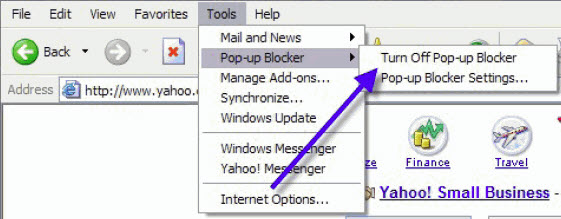
Use pop-up blockers

turn off pop up blockers
Via hotComm

Ads and pages that pop out of nowhere aren’t just annoying; they can also be dangerous.

By using a pop-up blocker, you’ll be able to prevent those ads from installing harmful malware on your computer. They can also prevent your screen from cluttering.

Now, if the website you are trying to access needs you to temporarily disable the blocker, remember to reactivate it once you are done.

Turn on fraud protection

There are tons of untrustworthy websites on the internet. If you aren’t careful, you can inadvertently visit one of those phishing sites and expose your sensitive information.

Phishing sites are sites that are made to look legit and trustworthy so that they can get your personal details. This includes your credit card number and password in your cached data.

To stop that from happening, always turn on fraud protection. It can blacklist known phishing sites so you won’t be able to access them.

See Also: 7 Top Tips to Avoid Being Caught in a Phishing Net

Be careful with auto-complete features

Being able to log into your email or any of your accounts without typing your login details sound convenient. However, in terms of safety and security, it’s a totally different story.

Just think about what can happen when your laptop or device gets stolen or lost. It’s like giving away your personal login information to everyone.

For protection, always turn that feature off. You can do that by accessing your browser’s setting.

If you are using Chrome, for example, you can open its Setting window, select Advanced, and make the necessary changes in the Manage Password section.

In case you are using Firefox, access the Options window, select Privacy, and look for History. Once you are there, select Firefox will: Use custom settings for history and disable the Remember search and form history option.

These changes don’t take a lot of time. In fact, you can complete them in less than a minute.

See Also: How To Maintain Your Privacy Online


The post 8 Easy Steps To Your Browser Security And Privacy appeared first on Dumb Little Man.

http://ift.tt/2nrz3Yy

5 Everyday Things That Will Disappear Really Soon

What happens to the world around us is called exponential growth. The most powerful processor, the fastest connection, the highest video quality— all of them double in performance each time a new module is out.

If you hear someone complaining how everything sucks, remind them that this is the best we’ve been off since forever. And no matter what it seems like, the facts prove that it gets better each year.

That’s why ordinary things that surround us now will be gone soon and you will only miss them in the 90s-nostalgia-kind of way. What comes to replace them is infinitely better.

So, what are the things that will disappear in our lifetime?

Passwords

passwords fingerprint scanner

Replaced by: fingerprint scanners

Passwords are already migrating inside browsers and all-in-one apps, but that entails obvious security issues. So, the clear trend would be advanced fingerprint recognition.

Surprisingly enough, the technology has been around for quite some time. In fact, the concept has been around 1859 to be exact.

In that glorious year, Sir William Herschel came up with using handprints to tell his Indian employees from non-employees during payday. It must have been a hell of a turnout in his cabin by the end of the month that prompted that idea.

There are, however, a few troubles with current fingerprint scanners.

For one, fingerprints are actually not as unique as we’d like to think. There can be other people with the same or dangerously similar finger patterns as yours. The chances that this person gets near your smartphone are low, but they exist.

Scanning your fingers when they’re sweaty can be tricky. The same goes for older people whose skin is not elastic and clear enough for their scanners.

Apps

Replaced by: smart assistants and built-in tools

You’re probably surprised to see this on the list when there are millions of apps out there. Well, that is exactly the reason why they’ll be gone.

Apps have grown too niche and small.

People don’t need 500 icons on their Macs or iPhones and people shouldn’t be forced to pick only the best apps for their phone.

That can mean wasting time assessing quality, reading reviews, and ranking choices.

That’s why apps will soon merge into a single tool that can help us do stuff.

You can already see it happening with services like Setapp. Keeping up with the spirit of shared economy and subscription-based goods, Setapp rents us apps. You pay once a month for nearly a hundred of apps that can be used without separate purchases.

You still have to look for the app you need for a specific task, but it’s way faster than browsing the Mac App Store.

The next step would be merging all the apps into one intelligent assistant that draws the tools out when the need arises.

For instance, you’ll be telling your future assistant:

“Ok, Samantha, I want to edit this picture and then have it as a closing slide in my presentation.”

And your helper goes:

“You got it, Johnny.”

Done. You get your picture in your presentation.

Wires

Replaced by: WiGig

We already have wireless internet, chargers, headphones, and laptops.

No more than twenty years ago, having such technology as everyday items was unthinkable. With the progress speed we’ve picked up, wires will be entirely gone in three to five years.

The trouble with current WiFi is that it’s too slow for the amount of data we use, like VR and augmented reality. But the new Wireless Gigabit Alliance technology allows multi-gigabit per second speed of communication, which is exactly what we needed. It just needs time to get adopted.

And the headphone jack you’ve joked about since the iPhone 7 keynote. Yeah, that will be gone, too.

Smartphones

Replaced by: wearable AI and the internet of things

Smartphones are slowly dissolving into watches, ear-pods, your own hands, and other small wearables. People want them gone because it’s clearly not the best way to interact with the world anymore.

The futuristic vision is obviously a built-in connection via direct brain implants, like Neuralink or digital eye lenses. If it scares you, remember that trains were once called “the devil’s machines”.

So far, we’re stuck with less intrusive tools, like small wireless headphones or watches that can call, play music, and track your heart rate.

Home appliances will soon be converted into self-controlled and mainly voice-operated systems. Also, they will eventually be unified so you won’t have to use separate interfaces or commands for lights, kitchenware, and cleaning utilities.

You’ll get a real, actual “smart home” that welcomes you back from work, cooks you dinner, and kisses you goodnight (ok, scratch that, there should be a line somewhere).

Credit cards

credit cards

Replaced by: all things cashless

We’re already almost cashless and we’ll soon forget about credit cards as well.

The only remaining ethical question on our way to becoming a completely cashless society is the privacy of our purchases. What if you are not interested in letting your bank know your sex toy preferences?

Norway refused to adopt a nationwide cashless system because they decided to let their people buy stuff privately. However, this doesn’t seem to be a general trend or a major concern for most countries.

And after all, even if we still have cash, credit cards are over for good.

We can expect Apple Pay, Android Pay, and all kinds of pays to take over plastic cards within the next few years. When paired with advanced fingerprint scanning, it will eliminate or dramatically reduce fraud, speed up transactions, and improve shopping.

The future shines upon us with its beautiful artificial intelligence, drone deliveries, and car-charging roads. And the coolest thing is we’ve lived up to witness it all.

See Also: 5 Reasons Why You Should Consider AI Automation for Small Business

The post 5 Everyday Things That Will Disappear Really Soon appeared first on Dumb Little Man.

http://ift.tt/2ntR2N7

Top Business Ideas of 2018 You Should Consider

With 2017 under our belts, the holidays over, and a slew of unrealistic New Year resolutions to tackle, getting a good start for the new year isn’t easy. Our goals and resolutions have a tendency to change as our priorities shift.

New Year, New Me

new year new me

Just as you set your own goals for personal growth, you should also set your professional goals, too.

The predicted business trends of 2018, though all different, are based on a single and simple principle: personality. To put it plainly, the road to success in 2018 begins and ends with building character.

See Also: How to Set Personal SMART Goals To Succeed

Anti-Social Media

Companies are beginning to realize that social media does not and will never replace in-person interaction. Even Internet-based companies without a brick and mortar presence recognize this.

Thanks to social media, smart businesses will have an opportunity to reconnect with their customers. As consumers expect more and more of a personal touch from the companies they patronize, businesses will have to deliver.

Consumers are more likely to interact with posts made by humans rather than bot-modded accounts. Adding a face, voice or image to your business will be as important as ever this year as a new generation of consumers enters the industry. This generation highly values human relationships above all else.

Artificial intelligence is good for mundane and repetitive tasks, but it should not be applied to customer service. Real-time interaction between consumer and company benefits both parties.

Think of it this way:

With real-time interactions, consumers feel involved and listened to while companies get a clearer understanding of who their consumers are.

Savvy companies realize that social interaction goes further than a live stream. Since this generation is dedicated to social reform and community support, companies will be encouraged to give back to their communities as well as serve their customers.

Giving back to local or impoverished communities helps companies to appear not only stable and reliable but also aware of local needs.

Smart companies are already seeing the value of earning the trust of their customers rather than creating ads to get their attention.

New Generations

This year will mark the early stages of a business structure overhaul. The youngest of the millennials are taking over more leadership roles within their industries, bringing with them new and different management styles.

New employees will be seeking autonomy and flexibility from employers, rather than just a good salary. One-on-one encounters will help employees solve problems and improve teamwork.

Consumer demographics are also rapidly changing as this year will welcome a new era of 21st-century adults. Smart companies will take this paradigm shift into account, working quickly to understand this new generation of consumers and make room for them within their professional ranks.

teamwork

Tech-savvy generations taking a front seat in management roles will boost lagging companies into the future. Young and new employees will have an easier time relating to their millennial bosses than previous generations.

See Also: 4 Useful Tips For Managing Millennials In The Workplace

Successful Trends

Don’t let your New Year’s resolutions disappear the minute you step into your office! The future ultimately remains a mystery to us, but with some smart predictions and a little dedication, we will be able to see 2018 as a great year for our personal and professional growth.

Think about your own resolutions and try to apply them in a professional setting. You’ll be surprised at how well they work together.

Remember, don’t be afraid to encourage your company to show a little personality and connect with customers.

It’s not too late to put your best foot forward this year. With the predicted business trends discussed in this infographic, success is closer than ever.

top_business_trends_infographics

The post Top Business Ideas of 2018 You Should Consider appeared first on Dumb Little Man.

http://ift.tt/2np0Glb

6 College Health Tips They Won’t Teach You At Orientation

College years are a great time. It’s when you become more independent, make new friends, and learn a lot of new things. From managing your finances to taking care of your health, you start to become more responsible.

The tricky part is that you often need to learn those things from your own experience and if it’s your health we’re talking about, it isn’t always pleasant.

Most of the time, it’s inconvenient. You’ll have a pile of writing assignments to complete and a lot of catching up to do if you want to maintain your grades.

So, instead of waiting for an experience to teach you, why not start making positive changes in your life? You can start with these healthy tips for college students.

Be careful with food

Food poisoning might not last as long as flu does but it’s still unpleasant. The easiest way to avoid it is to wash your hands before you eat (and after, obviously) or simply sanitize it.

A sanitizer is a big help if you go around campus a lot and don’t always have time to go to the bathroom to wash your hands. Sanitize your phone as well. After all, you touch it all the time and put it near your face often.

Also, be careful with drinking from someone else’s cup in parties or eating food someone already ate. That’s the easiest way to become sick.

See Also: The Importance of Personal Hygiene for Healthy Living

Get your vaccines

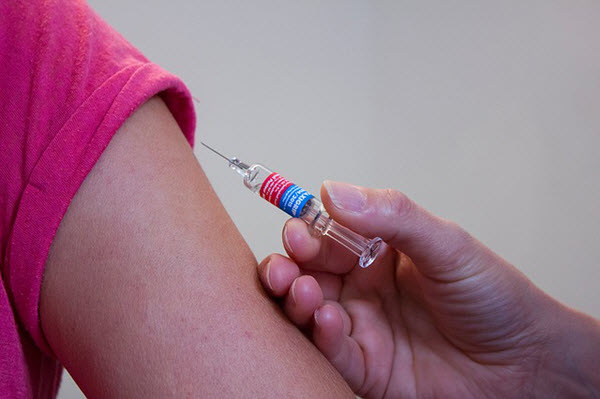
vaccine before college

Getting a vaccine shot may not be that uncomfortable, but it can help you get through the year without getting ill too often. It’s not a complete guarantee that you won’t be sick, but it can help you greatly minimize the risk.

So, don’t forget to get a flu shot before the flu season starts.

Be careful with antibiotics

Antibiotics can fight the most serious forms of flu and help you recover quicker, but you need to be careful when you take them.

First of all, it’s important to finish the whole course of antibiotics to ensure that all the bacteria are completely eliminated.

Second, you need to avoid alcohol during the course. We know that drinking happens often in college.

A 2014 study on college drinking published by the National Institute On Alcohol Abuse And Alcoholism showed that 60% of college students drank alcohol during the past month and almost with 2 out of 3 students engaged in binge drinking.

That study might look old but the situation now is pretty much similar, if not worse.

Even moderate drinking should be forgotten during your antibiotics course. This is important because some antibiotics simply become less effective when taken with alcohol.

And even if there’s no such side effect, alcohol simply makes your body more dehydrated, making it hard to recover from an illness.

Invest time in proper cleaning

The dirtier your room is, the easier it is for you to get sick. Even not changing your sheets on time after you recover from the flu can make you sick again.

Proper cleaning means not simply putting all things back to where they belong. If you really want to avoid illnesses, you need to start eliminating all the germs and dust in your room. Start vacuuming, sweeping, and wiping all the dust.

And if this sounds time-consuming, just think about your health.

You don’t need to do all those things every day or even every week. Do them at least once a month and do your best to keep your room generally tidy in between general cleaning. Spending 10 to 15 minutes cleaning daily is much easier than spending the whole weekend tidying up.

Create a first-aid kit

first aid kit

It doesn’t matter whether you bring it with you from home or create one when you’re already living in your dorm. Just make sure that you have one around.

Fill it with all kinds of medicine you might need for different kinds of emergencies. Make sure that there are medicines for the flu, stomach pain, and treating wounds.

Don’t forget to refill your kit when you run out of certain medicines, too.

Eat healthily and drink enough water

One of the easiest ways to avoid getting sick is to stick to a healthy diet on a daily basis. This isn’t always easy but it’s possible. All you need to do is to make it your top priority.

A proper nutrition boosts your immunity and gives you many other perks. For example, you’ll receive all necessary vitamins and minerals, which can make it easier for you to concentrate.

Also, don’t forget to drink enough water.

It’s what helps your brain to function better. It can also hydrate your body, improve digestion, and make your skin clearer.

See Also: 5 Easy Healthy Habits You Can Start Straight Away 

Staying healthy in college is easier than you think. Often, it’s all about basic nutrition and hygiene. These healthy tips for college students should be able to help you get started on the right track.

The post 6 College Health Tips They Won’t Teach You At Orientation appeared first on Dumb Little Man.

http://ift.tt/2FvtUFr

5 College Skills That Have Lasting Value

Between writing essays, going into interviews, and managing deadlines, you refine several skills while you’re applying for college. Those skills are important because not only do they help you get into your dream college, but they can also help you find jobs and manage your career.

Here are some of the best college skills that can help you achieve success in your life.

Creative Writing

KudosWall recently conducted a survey and found that creativity is king. In fact, 72% of admissions professionals say they accepted applicants who submitted creative admission essays over those who have better academic qualifications but failed to convey passion.

To put it simply, if you can learn how to think outside the box and effectively convey your passion and tell stories, you will improve your odds of getting into the college of your dreams. Better yet, you’ll also be able to impress potential employers with cover letters and resumes.

In fact, the Job Outlook 2017 survey from the National Association of Colleges and Employers found that 75% of employers look for communication skills (written) on resumes.

Creativity goes hand-in-hand with writing skills. According to a new report from the World Economic Forum, creativity will be the third most important work skill by 2020.

So, even after the college application process, you should continue improving your creativity and writing skills. You can take courses online through websites like Udemy and Coursera. You can also sharpen your skills by visiting writing centers and working on projects with a tutor or coach.

Communication

improve communication

Communication, both verbal and nonverbal, is vital to building your career. As the same survey found, 71% of admissions professionals say they’re more likely to accept those who convey outgoing, friendly personalities.

Being outgoing doesn’t come naturally to many. However, that doesn’t mean you can’t learn basic communication skills. You don’t need to be a boisterous people person. You just need to know how to express yourself and tailor your style to different audiences.

In addition to that, you should also know how to follow up. 94% of admissions professionals who responded to the survey said they prefer applicants who follow up during communications.

Bottom line: When you exhibit strong verbal and nonverbal communication skills, you will ace interviews and thrive both in your academics and future profession.

According to a Graduate Management Admission Council (GMAC) 2017 survey of nearly 1,000 employers who recruit on business school campuses, good communication skill tops the list of abilities employers look for when hiring graduates.

A simple way to cut your teeth in communication is by putting yourself out there. Join professional and student organizations and attend events. Shake hands, meet strangers and build meaningful relationships with the community around you.

See Also: How To Boost Your Communication Power

Active Listening

Active listening is a skill you can develop on a daily basis. It refers to your ability to fully concentrate on someone who is speaking and to understand the information they share.

During the college application process, you will be in contact with admissions professionals for a series of interviews. Half of those professionals conduct the interviews to assess your character as well as your personality.

Use this as an opportunity to let yourself shine and to become a great listener. Build this skill by giving your full attention, making eye contact, and ignoring your surroundings. Don’t plan out your response. Instead, hold onto your thoughts and focus on their ideas.

Show you’re listening by nodding in acknowledgment and provide feedback on what the speaker is saying when it’s your turn to speak. The best part about this skill is that you can practice it in daily conversations.

Networking

networking

Networking is always valued in the professional world, but it can also benefit students looking to land their dream school. Six in 10 admissions professionals who responded to the survey said that people with large networks are more likely to fit into a college’s culture.

If you have a large network, you demonstrate that you can start and maintain meaningful relationships with others. With strong communication and active listening skills, you’re well equipped to start building your network immediately.

A big network pays off throughout your career because you will have more people to turn to for advice and guidance. You might even earn job referrals. An astounding 80% of professionals consider professional networking to be important to career success, according to a 2017 Linkedin survey.

Why? Because it leads to amazing opportunities.

The Linkedin survey also found that 70% of people in 2016 were hired at a company where they had a connection.

Networking is easier now than ever before, thanks to online communities. In fact, 61% of professionals who participated in the Linkedin survey agree that regular online interaction with their professional network can lead to possible job opportunities.

Be strategic in how you make connections and interact with them. Organize your network in a way that makes sense for you and plan outreach. Schedule check-ins with people you’re close with and consider how you can add value to their lives, like sending them an article they might enjoy or congratulating them on a new project they started.

Personal Branding

Personal branding defines how you manage your online presence and how you present yourself to colleges and potential employers.

In the survey, 71% of admission professionals state that people who already have a personal brand have a major advantage over others. In other words, start defining your brand now.

Once you know what your strengths are, begin creating content that showcases your skills and share that content through social media. This helps you stand out during the college application process and throughout your career.

As a 2017 CareerBuilder survey found that 70% of employers use social media to screen candidates. They are looking for information that supports their job qualifications (61%), if the candidate has a professional online persona (50%), and what other people are posting about the candidate (37%).

See Also: How Building Your Personal Brand Can Affect Your Job Prospects

The best part about starting your personal branding strategy before college is that your brand evolves with you. As you learn new skills or even change areas of expertise, you can update your online presence to reflect how much you’ve grown.

The post 5 College Skills That Have Lasting Value appeared first on Dumb Little Man.

http://ift.tt/2GxBsZw

4 Useful Tips For Managing Millennials In The Workplace

Many millennials and recent college grads are opting for remote working positions. Working remotely provides a better work-life balance for them, along with the freedom to work where and how they please. It offers some great opportunities, too. Millennials can be great assets to remote teams, but managing them can be a difficult task. You have to know how to manage them without stepping on their toes or their fresh perspectives. To help you out, here are some tips for managing millennials in the workplace.

Set Clear Expectations

Since a remote position doesn’t require team members to check in daily at the office, job expectations can sometimes be a little muddled. So, once you’ve welcomed a new remote worker to the team, be clear with your expectations right away. Explain the daily tasks you expect to be accomplished, like doing a routine Skype meeting in the morning or summarizing finished tasks at the end of each day. Lay out clear communication plans and processes to make things easier. Be transparent about the opportunities the job can create for your employees. Millennials generally feel uncertain about the future of the economy. They will surely appreciate the idea of having a job that will allow them to continuously pay their bills. Be candid about the experience that they will gain as a remote employee, along with the possible promotions that lie ahead.

See Also: How Millennials Measure Success At Work

Stay Up-to-Date with the Latest Tech

millennials latest tech gadgets Millennials have gotten a bad rap as lazy, entitled, and under-ambitious workers. In reality, however, most of them are just interested in finding a better way to do things. They like utilizing the latest technology and processes to make their efforts more efficient. In fact, Deloitte’s 2016 Millennial Survey found that one of the top considerations of the generation in choosing a career was whether or not the company invested in the latest technology. Millennials are into the freshest and greatest technology available. Many young people welcome innovation and are more comfortable with emerging tech than other generations, especially in the workplace. As an employer, you should understand that millennial workers may prefer to use newer tech over traditional practices. 41% of millennials prefer electronic communication, such as IM’ing or texting than phone calls for work. Many of them are completely comfortable with an entirely virtual office with no pen, paper or filing cabinet in sight. Since remote positions often rely on online tools for the job, integrating technology isn’t so much an issue. If you’re not sure what online tools to invest in, be open to suggestions from your younger team members.

Keep Employees Accountable

Since remote workers don’t have to check in to the office every day, it can be tempting for them to take advantage of the freedom their job provides. Keeping employees accountable is one of the number one remote management problems for all age groups, not just millennials. However, this generation does tend to seek autonomy and independence over micro-management, so finding the balance can be tricky. One study found that 75% of millennials had no idea whether or not their performance was up to par and 90% wished that their managers would let them know how they were doing. With that, be sure to provide regular feedback on areas of improvement or jobs well-done to encourage millennials to keep up the good work. Using time tracking tools is one way to keep employees more accountable. Using a project management tool that offers specific task assignment and project progression can also help team members and leaders make sure that everything gets completed on time.

Cultivate Meaningful Culture

millennials in the workplace Company culture is a huge deal to millennials. The majority of them are even willing to take a $7,600 pay cut for a job with a better workplace environment. While running a remote workplace makes it difficult to achieve that, it is still quite possible. Prioritize in-person meetings as often as possible, along with phone calls and Skype meetings, to create a more concrete connection between team members. Celebrate milestones or accomplishments by acknowledging these things during virtual meetings. Encourage each team member to participate in large meetings and share their inputs and suggestions. Millennials need to feel connected with their co-workers and business, so focus on creating a culture that they can participate in and enjoy.

See Also: Adulting Isn’t Just Instagramming Your Dinner – Soft Skills For Millennials 

In Conclusion

While millennials certainly don’t need special treatment, keep their concerns and questions in mind. Be open to their suggestions and communicate everything clearly to avoid frustration and confusion. Millennials appreciate genuine concern from their superiors and remote peers. As much as possible, try to create an inviting culture that prioritizes teamwork and personal connection.

The post 4 Useful Tips For Managing Millennials In The Workplace appeared first on Dumb Little Man.

http://ift.tt/2BDIaJY

Becoming A Skilled Worker In Canada: What You Need to Know Before Immigrating

In Canada, there are plenty of work opportunities. If you are thinking of becoming a skilled worker in Canada, this article can help you learn a lot about the guidelines and the procedures you have to go through in applying for Canadian citizenship.

The Programs

One of the main objectives of Canadian migration is to allow people to contribute to Canada’s growing economy. Workers who visit Canada are highly important not just for the country’s economy but its workforce as well. People who have successfully passed the Skilled Worker Immigration project will get a chance to possess a Canadian Visa, which will allow him to bring his family to Canada. You have a lot of options when it comes to processing your application. For example, if you plan to work in Quebec, you can go through the Quebec Skilled Worker Program. You can also go through one of the Provincial Nominee Programs of the country Underneath, you will discover a rundown of the programs you can consider:

  • Federal Skilled Worker: This is a good option for people who plan to work in any area or region outside of Quebec.
  • Quebec Skilled Worker: This is for those who would like to move to and work in Quebec.
  • Provincial Nominee Programs (PNPs): These are quick track Canadian migration programs that enable one to get a common selection testament. Most of the time, a selection testament works faster than other Canadian migration programs.

Numerous Canadian bosses are currently looking for remote gifted specialists to be with their team as fast as possible. On the off chance that you get an offer, you should consider a quick track Canadian movement application.

Criteria of the Canadian Government

canadian government Before you actually become a skilled worker in Canada, you need to fit the following requirements:

  • Possess proficiency in the English and the French language
  • Educational background
  • Related work experience
  • An existing valid employment in Canada
  • Ability to adapt quickly

Once you can show that you fulfill all of those requirements, you can start completing the requirements you’ll need for your application.

Download the form and submit it

You need to download your application form from the internet. For skilled workers, you can download the application from the skilled worker’s application module. Complete the form and answer all the questions truthfully. Avoid all sorts of discrepancies which can make your application invalid. Remember, do not send incomplete forms.

Payment

Once you have finished filling your form up, be sure to make the fee payment. If you do not qualify for your application, the fee will be refunded to your account. After fulfilling all the requirements, you have to send your application form to the Canadian centers. You can’t submit your form to the Canadian high commissions of your own country. The total process should not take too long if you meet all the requirements.

Conclusion

workers in canada For skilled workers, Canada indeed has many opportunities. However, there are specific guidelines which you must adhere to for a successful immigration process. Hopefully, this article helped you understand a bit about the immigration process and how you can get started.

The post Becoming A Skilled Worker In Canada: What You Need to Know Before Immigrating appeared first on Dumb Little Man.
http://ift.tt/2nmz93F