One To Three / Create + Think Design Studio


© Figure x Lee Kuo-Min Studio

© Figure x Lee Kuo-Min Studio


© Figure x Lee Kuo-Min Studio


© Figure x Lee Kuo-Min Studio


© Figure x Lee Kuo-Min Studio


© Figure x Lee Kuo-Min Studio

  • Site Supervisor : Ying Chou

© Figure x Lee Kuo-Min Studio

© Figure x Lee Kuo-Min Studio

One To Three
Desirably situated in proximity to Keelung River and a small park directly in front, the property is enveloped on two sides by an L-shape sliding glass doors, with a balcony to enjoy the view of Keelung River in the distance or the greenery of the park down below.  


© Figure x Lee Kuo-Min Studio

© Figure x Lee Kuo-Min Studio

As the total floor plan resembles approximately a perfect square, the long wood cabinet transfigures this single space from one to three distinctive sections: the relaxation space wrapped by the sliding doors, the sleeping quarter of master and guest bedroom, and the culinary area of kitchen and wine cellar.


Plan

Plan

Relaxation
Lounging in front of the cabinet structure and facing out toward the glass doors, this space of relaxation is encased, like a box full of surprises, by concrete ceiling and floor.  Serving as the main visual focus and a contrast in texture, the upside down U-shaped stainless-steel central island adds cool sexiness to the warmth from the grain pattern of the cabinetry.  The warmth of the wood stretches from the entrance to the reading area.


© Figure x Lee Kuo-Min Studio

© Figure x Lee Kuo-Min Studio

As the steel structure expands into an elongated bar, the doors of the cabinetry open in various ways to reveal the multi functions hidden behind, such as music equipment, wine storage, espresso machine, and light faire food preparation counter.


© Figure x Lee Kuo-Min Studio

© Figure x Lee Kuo-Min Studio

The steel structure links the three sub-sectors of the relaxation space: living room, dining area, and reading area, which is partitioned with metal frame accordion glass doors.  When closed, the reading area is a distinct and separate section off the relaxation space.  When opened, the entire space becomes a great room, connecting with the greenery outside through the L-shaped sliding glass doors.


© Figure x Lee Kuo-Min Studio

© Figure x Lee Kuo-Min Studio

It is a place of exuberance where the host, with his friends and family, can enjoy exquisite food and fine wine.  This concrete box reflects and records the moments of living.


© Figure x Lee Kuo-Min Studio

© Figure x Lee Kuo-Min Studio

Sleep
The media center cleverly separates the bed and closet in the master bedroom.  Wood element fuses the bathroom with the sleeping area, yet the clear glass subtly divides the different functionalities.  The combination of classic footing of the tub, rugged masonry counter, and the Roman X desk legs creates an aura of Tuscan villa.


© Figure x Lee Kuo-Min Studio

© Figure x Lee Kuo-Min Studio

From Sleep to Culinary

Culinary 
The culinary area is as pristine as the kitchen of a three-star Michelin restaurant, further enhanced with an oval table made from solid wood and a wine cellar containing the owner’s immaculate wine collection.  When the owner hosts a party, sumptuous banquets and luscious wines flow from here into the concrete box. Ces’t la vie!


© Figure x Lee Kuo-Min Studio
© Figure x Lee Kuo-Min Studio

http://ift.tt/2dCnZoU

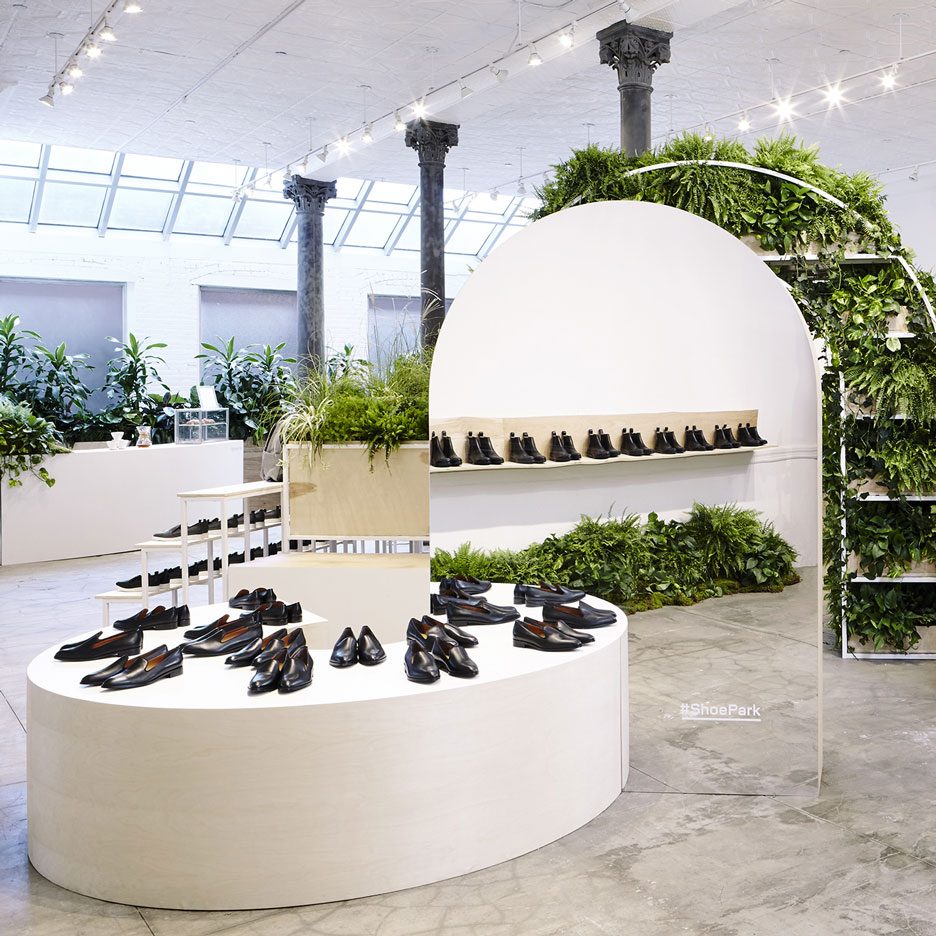
Robert Storey’s pop-up Shoe Park for Everlane references Barbican conservatory


US set design studio Robert Storey has designed a plant-filled temporary retail space for online store Everlane in New York, influenced by the verdant conservatory at London’s brutalist Barbican Estate (+ slideshow). (more…)

http://ift.tt/2dLFvqk

Nelson House / a.k.a Architecture


Courtesy of a.k.a Architecture

Courtesy of a.k.a Architecture


Courtesy of a.k.a Architecture


Courtesy of a.k.a Architecture


Courtesy of a.k.a Architecture


Courtesy of a.k.a Architecture

  • Architects: a.k.a Architecture
  • Location: Kapiti Coast District, Wellington, New Zealand
  • Area: 229.0 sqm
  • Project Year: 2014
  • Photographs: Courtesy of a.k.a Architecture, Nic Nelson

Courtesy of a.k.a Architecture

Courtesy of a.k.a Architecture

The Nelson House is situated on a rise overlooking Kapiti Island and the coastal residences of Waikanae Beach. The clients brief was for a house that was quintessentially ‘Kiwi’ in its’ aesthetic and materiality. With a love of timber weatherboards, plywood and concrete, it became important to include these materials in the house in an honest and integral way. Due to the sloping nature of the site and the need to have a division between the owners’ day-to-day living spaces and guest accommodation, the plan required a split from the start – whether horizontal or vertical in nature.


Courtesy of a.k.a Architecture

Courtesy of a.k.a Architecture

Plan 0

Plan 0

Courtesy of a.k.a Architecture

Courtesy of a.k.a Architecture

Plan -1

Plan -1

The concrete spine wall serves as a divider between the two distinct building forms (one clad in weatherboard, the other ‘service’ area clad in plywood) and also a heat-sink for the fire, maintaining a uniform heat during the colder winter months. The dual roof forms collide over the dining/gallery area with a clear intersection of the two highlighted over the central fireplace.


Courtesy of a.k.a Architecture

Courtesy of a.k.a Architecture

Detail

Detail

Timber has been used in its’ natural form throughout, with natural stains to allow the texture and grain of the wood to gleam through.


Courtesy of a.k.a Architecture

Courtesy of a.k.a Architecture

http://ift.tt/2dLDN8n

KCAP & Kunst + Herbert Win Competition for “Garden City of the 21st Century” in Hamburg


© KCAP / Kunst + Herbert

© KCAP / Kunst + Herbert

KCAP Architects & Planners in cooperation with Kunst + Herbert have won the international Fischbeker Reethan competition to master plan the Harburg district of Hamburg, Germany. The 70 hectare site is being developed by the  IBA Hamburg (International Building Exhibition) as a new residential and business district with the aim of creating a “Garden City of the 21st Century.” The design will accommodate a total of 2,200 apartments, 100,000 square meters (1,080,000 square feet) of small industry space and nearly 200,000 square meters (2,150,000 square feet) of diverse public landscapes.


© KCAP / Kunst + Herbert


© KCAP / Kunst + Herbert


© KCAP / Kunst + Herbert


© KCAP / Kunst + Herbert


© KCAP / Kunst + Herbert

© KCAP / Kunst + Herbert

KCAP and Kunst + Herbert’s plan responds to existing the existing landscape to reveal a new, sustainable organization of living and working program pieces. Buildings have been arranged to optimize density of housing with innovative open spaces and community buildings.

“The connection with the landscape is the starting point for our design. We consider this functional mixture as an opportunity for the Fischbeker Reethen area and as a paradigm for the peripheral development of cities,” said Kees Christiaanse, partner at KCAP.


© KCAP / Kunst + Herbert

© KCAP / Kunst + Herbert

A variety of housing typologies have been placed in the center of the district, with green spaces and landscape extended out from the site in the form of fingers. A small plaza will contain a school and an artificial lake, linked to its surroundings through a boulevard. Housing and commercial functions will transition into alternative uses as the district reaches the rail zone located at its perimeter.


© KCAP / Kunst + Herbert

© KCAP / Kunst + Herbert

The central lake, an integral part of the design’s “green-blue” network of greenery and waterways, also plays a role in the neighborhood’s overall sustainability, serving as a basin for rainwater and energy management.

“At Fischbeker Reethen, we realise new environments for living and working. KCAP and Kunst + Herbert’s design sets new standards for the Garden City of the Future,” said Karen Pein, director IBA Hamburg GmbH.


© KCAP / Kunst + Herbert

© KCAP / Kunst + Herbert

Team KCAP and Kunst + Herbert is supported by advisors Büro Sieker, Berlin (rainwater management), ARGUS, Hamburg (traffic) and Keoto, Zurich (energy and sustainability).

News via KCAP Architects & Planners.


© KCAP / Kunst + Herbert

© KCAP / Kunst + Herbert

http://ift.tt/2dhRLvT

Alvar Aalto “changed the history of skateboarding”


Finnish Modernist architect Alvar Aalto accidentally invented the skateboard bowl with a 1930s swimming pool design, according to a US skateboarding magazine and a Finnish newspaper. (more…)

http://ift.tt/2dtyB4A

Capitol Federal Hall / Gensler


© Garrett Rowland

© Garrett Rowland


© Garrett Rowland


© Garrett Rowland


© Garrett Rowland


© Garrett Rowland

  • Architects: Gensler
  • Location: Lawrence, KS, USA
  • Area: 166000.0 ft2
  • Project Year: 2016
  • Photographs: Garrett Rowland
  • Design Team: David Broz, Brian Vitale, Todd Heiser, Meghan Webster, Lindsey Feola, John Natale, Geoffrey Diamond, Rachel Sears, Linda Chavez
  • Architect Of Record: Gastinger Walker
  • Architecture Of Record Project Team: Kevin Harden, Dan Nenonen, Kevin Wineinger.
  • Landscape: Vireo
  • Lighting Consultant: Yarnell & Associates

© Garrett Rowland

© Garrett Rowland

Incubation by Design 

In a marked shift from traditional academic design, the school’s interiors are more closely related to academic incubators, co-working spaces and start-up offices than they are to typical classrooms, student unions, libraries, or laboratories. The design offers students a glimpse of where they could go after they make the leap from campus to workplace. 


© Garrett Rowland

© Garrett Rowland

Louis Pasteur’s quote, “Chance favors the prepared mind,” served as inspiration to the design team. The team designed flexible interior spaces that offer cues to people using them, to motivate people to connect in new ways. The design engages students by inviting authorship and offering students choice and control over where and how they learn. 


Plan 1

Plan 1

Designers realized that students and faculty had to see each other while going about their daily routines to promote new kinds of interactions. To that end, Gensler designers crafted sight lines to connect spaces that were previously isolated: faculty workspaces and student classrooms. Staggered floors and openings further drive a sense of awareness and continued connectivity. 


© Garrett Rowland

© Garrett Rowland

Plan 2

Plan 2

© Garrett Rowland

© Garrett Rowland

Rock Chalk Red Roofs 

A signature feature of KU’s campus buildings are their iconic hitched red roofs. As a nod to the campus’ storied history, Capitol Federal Hall’s new auditorium features a “Red Green Roof.” Using a 60/40 mix of red to green sedum, the environmentally friendly surface compliments and visually connects with the red roofs across KU’s campus. 


© Garrett Rowland

© Garrett Rowland

Located at the heart of KU’s campus within sight of Allen Fieldhouse, home to KU’s legendary Jayhawks Basketball, Capitol Federal Hall aligns itself with high performing institutions and acts as a dynamic gateway for students, alumni, faculty and visitors alike. The building’s central location positions it to connect KU’s older campus on the north and east to its newer campus on the south and west. Capitol Federal Hall is intended to be a building for the entire campus, not just for those in the School of Business. 


© Garrett Rowland

© Garrett Rowland

Looking to mimic the hilly topography of the campus, the building’s “Social Steps” allow students to see and be seen, again encouraging the chance encounters that were at the core of the design of Capitol Federal Hall. Gensler collaborated with students from the School of Architecture, Design & Planning to design, manufacture, and install bench/work platforms on the steps. 


© Garrett Rowland

© Garrett Rowland

Alumni Integration 

Through donor embracement and mentor dependency, KU’s School of Business seeks to integrate its current students with alumni, recruiters, companies, and visitors. By creating an environment where professionals can feel comfortable, Capitol Federal Hall achieves the integration of these key stakeholders, encouraging alumni mentorship of current students. 


© Garrett Rowland

© Garrett Rowland

A sponsored Jumbotron located in the building’s central atrium allows the space to become customizable. 


© Garrett Rowland

© Garrett Rowland

http://ift.tt/2dxsSA9

US job of the week: architect at 20th Century Fox

US JOTW Fox for Dezeen

Our US job of the week on Dezeen Jobs is for an architectural job captain at film studio 20th Century Fox in Los Angeles. Visit the ad for full details or browse other architecture and design opportunities on Dezeen Jobs.

http://ift.tt/2dBQyTB

Steven Holl’s Hunters Point Community Library Tops Out in Queens


Courtesy of Steven Holl Architects

Courtesy of Steven Holl Architects

The new Hunters Point Community Library, designed by Steven Holl Architects, has topped out. Located along the East River in Long Island City, New York, the 22,000 square foot library will add a new community-devoted space to the waterfront, while serving as a new icon that can be seen from across the river in Manhattan.


Courtesy of Steven Holl Architects


Courtesy of Steven Holl Architects


Model of the library. Image Courtesy of Steven Holl Architects


Rendering of the library. Image Courtesy of Steven Holl Architects


Courtesy of Steven Holl Architects

Courtesy of Steven Holl Architects

The building’s exposed concrete structure has been painted with aluminum to give the entire building a subtle sparkle and set it apart from the backdrop of recently built residential towers. To reveal the circulation and interior of the library, the building volume has been carved away following a golden-section motif, and glazed to give visitors views out toward the city as the ascend a series of bookshelf-flanked stairways.


Model of the library. Image Courtesy of Steven Holl Architects

Model of the library. Image Courtesy of Steven Holl Architects

“This remarkable building has caught the eyes of people on both sides of the East River,” said Queens Library President and CEO Dennis M. Walcott. “We owe it to them, our customers, the community and everyone who helped to bring the project to this point to mark how much progress we’ve made since we broke ground in May 2015.” 


Courtesy of Steven Holl Architects

Courtesy of Steven Holl Architects

“The building topping out clearly shows the curvilinear cuts and subtractions in its simple rectangular volume, revealing the internal circulation and indicating the most important elements of its program such as the Children’s Library on the east and west facades,” said Steven Holl. “The balance between the digital and the book is key to its inner spatial organization. This is a joyful day!”


Rendering of the library. Image Courtesy of Steven Holl Architects

Rendering of the library. Image Courtesy of Steven Holl Architects

Other consultants to the project include landscape architecture firm Michael Van Valkenburgh Associates; structural engineering firm Robert Silman & Associates; contractor Triton Structural, MEP engineer ICOR Associates and civil engineer Langan Engineering & Environmental Services.

The library is scheduled to open in Summer 2017. 

News via Steven Holl Architects.

Breaking Ground: Steven Holl Architects Celebrates 8 Projects Currently Under Construction
//cdn.embedly.com/widgets/platform.js

http://ift.tt/2cGKMiR

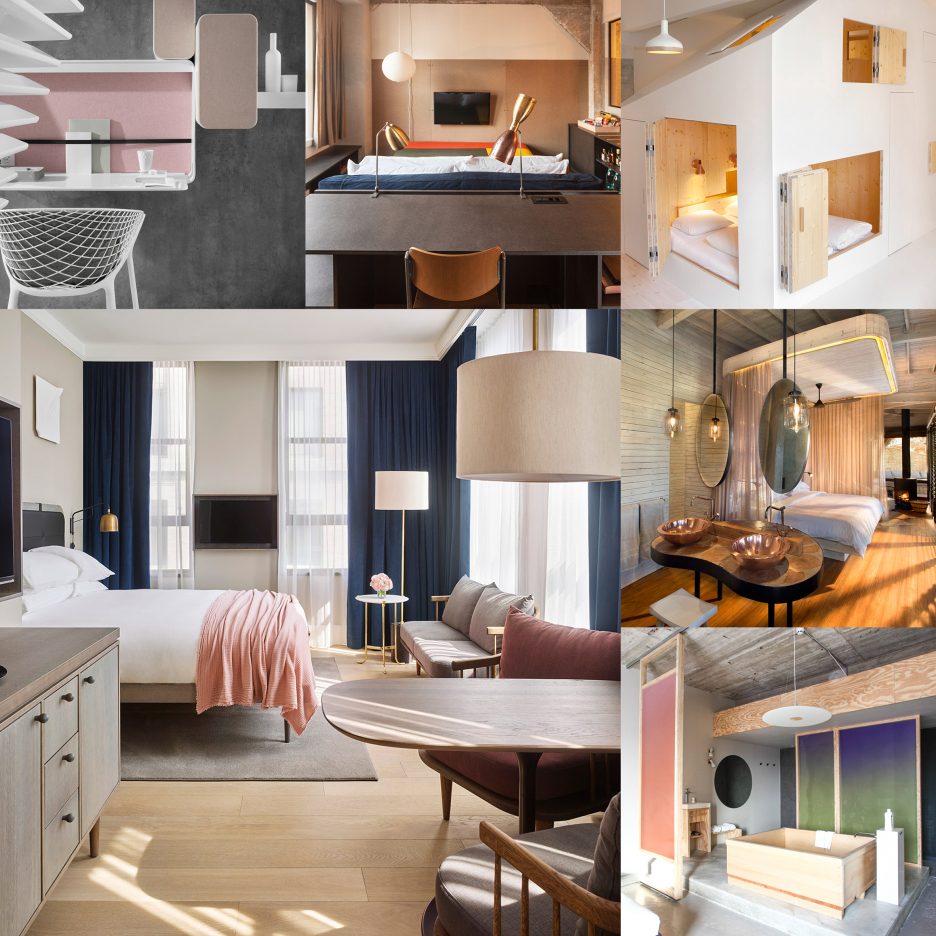
10 of the most popular hotel rooms on Dezeen’s Pinterest boards


From a bed cocooned in an ice vortex to a colourful suite in America’s first gay boutique hotel, this week we’re counting down Dezeen’s most-pinned hotel room interiors from all around the world (+ slideshow). (more…)

http://ift.tt/2dBBoOl

Libertad Street House / Pedro Livni + Karin Bia


© Federico Cairoli

© Federico Cairoli


© Federico Cairoli


© Federico Cairoli


© Federico Cairoli


© Federico Cairoli

  • Structural Calculation: Ingeniero Alberto Catañy
  • Visualisations: Victoria Martin
  • Model: Federico Lapeyre

© Federico Cairoli

© Federico Cairoli

From the architect. Starting with the aforementioned demands and the conviction of designing an urban house, two ideas relative to the spatial organization prevailed above the rest.

The first consisted of appealing to the horizontal dimension: this was materialized through the configuration of the living spaces in an open plan set at street level. In this manner it established a link and an uninterrupted prolongation of the interiority and domestic uses onto the exterior spaces. Continuity only mediated and protected from the street noise by green spaces. This was achieved with the application of diverse mobile walls which with their hiding and different configurations enable the spatial performance.  


© Federico Cairoli

© Federico Cairoli

Plan 2

Plan 2

© Federico Cairoli

© Federico Cairoli

The second idea, and as a counterpoint to the previous one, was to introduce the vertical dimension: for this a rotative center was defined, occupied by the stairs and the double height hallway, which organizes the floor plan distributing the different rooms around itself. Likewise, this center allows the access of direct natural lighting to all of the common areas of the house and establishes a very intense relation between the ground floor of communal use and the first floor reserved to the private spaces. 

Finally, from a material standpoint the monomateriality of reinforced concrete is resorted to for slabs and vertical surfaces in contrast to the application of the warmer wood for the pavements and mobile dividing elements.


© Federico Cairoli

© Federico Cairoli

Section

Section

© Federico Cairoli

© Federico Cairoli

http://ift.tt/2dfRDyL