Some people are so weak they think money makes them stronger. We see the consequence of this thinking daily. If one doesn’t have the belief in oneself, no amount of money will compensate for the deficiency. 
Photo Pixabay
Some people are so weak they think money makes them stronger. We see the consequence of this thinking daily. If one doesn’t have the belief in oneself, no amount of money will compensate for the deficiency.
Photo Pixabay

Every time we sit down to write, our mood and state of mind affect our words. We infuse, to some extent, everything we write with our unique “voice.” Our emotions come through on the page. When we’re struggling to eke out even a few words and make sense of our writing, it shows in our […]
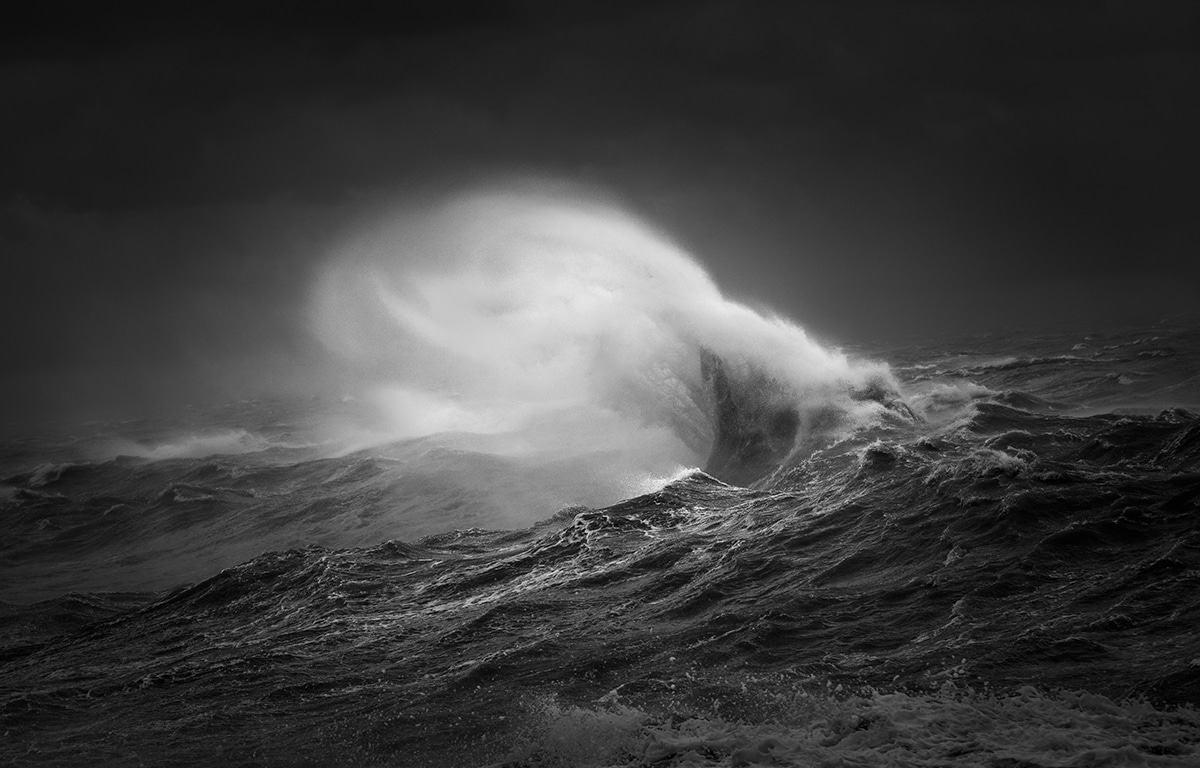
Rachael Talibart, Winner – Black + White Photographer of the Year 2018
Celebrating the best of monochromatic photography, the Black+White Photographer of the Year (BPOTY) contest has awarded the winners of the 2018 competition. The biennial contest is organized by Black+White Photography Magazine in partnership with Fujifilm and is open to amateur and professional photographers.
Rachael Talibart was awarded the top prize for her striking image of a breaking wave captured off the southern coast of England. The ocean spray, frozen in time, is a dramatic shot that takes on even greater mystery in black and white. “With the right image, I find that shooting black and white can powerfully enhance the emotion I’m trying to evoke and, being one step removed from reality, it can offer a fresh perspective,” she shared.
Talibart, who is both an experienced sailor and professional photographer, beat out a field of talented international photographers to win the title of Black+White Photographer of the Year. Participants were asked to submit images across three categories: The World of People, The World Around Us, and The Creative World. The winners were judged by an expert panel that included Elizabeth Roberts (editor of Black + White Photography Magazine), Shoair Mavlian (assistant curator of Photography at the Tate Modern), and 2015 BPOTY winner Vicki Painting.
Talibart’s image was selected for its combination of technical skill and artistry, which tipped the balance in favor of the landscape photograph. In a field heavily peppered with imagery including people, Talibart’s win proves that this type of photography is just as powerful as portraiture or photojournalism.
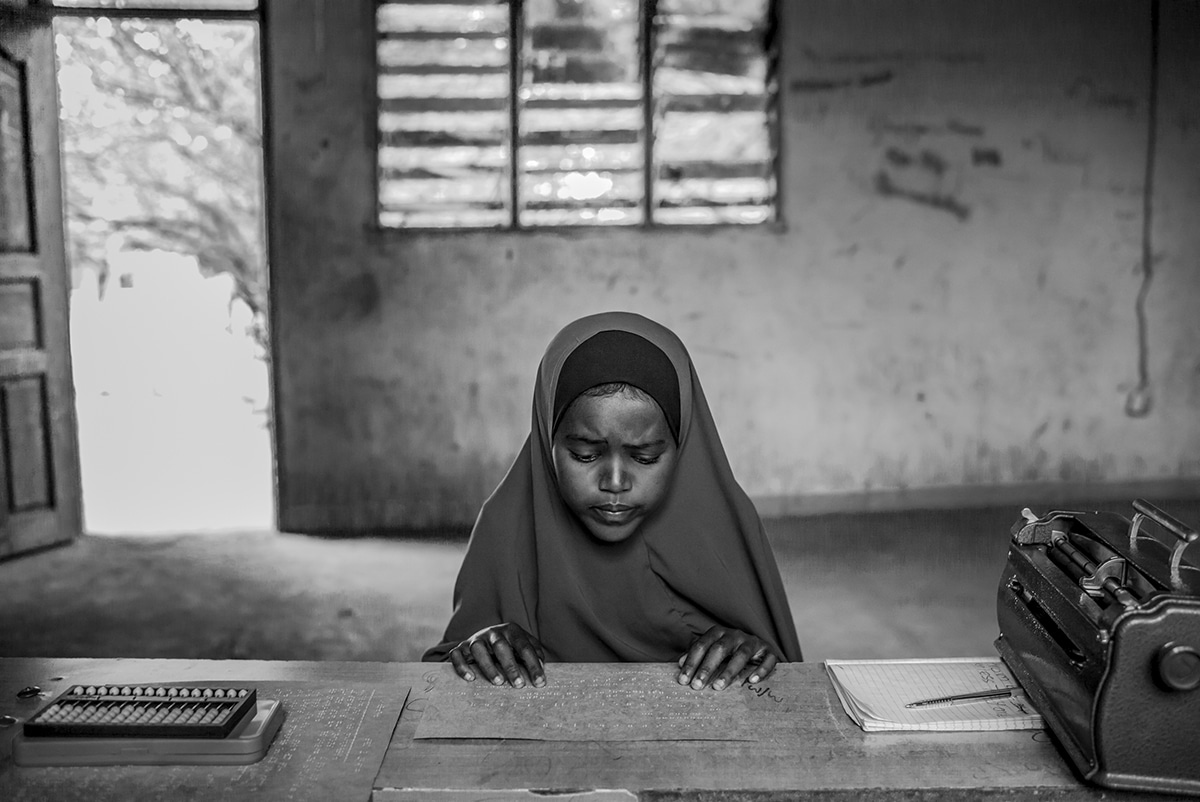
Eduardo Lopez Moreno, Second Prize
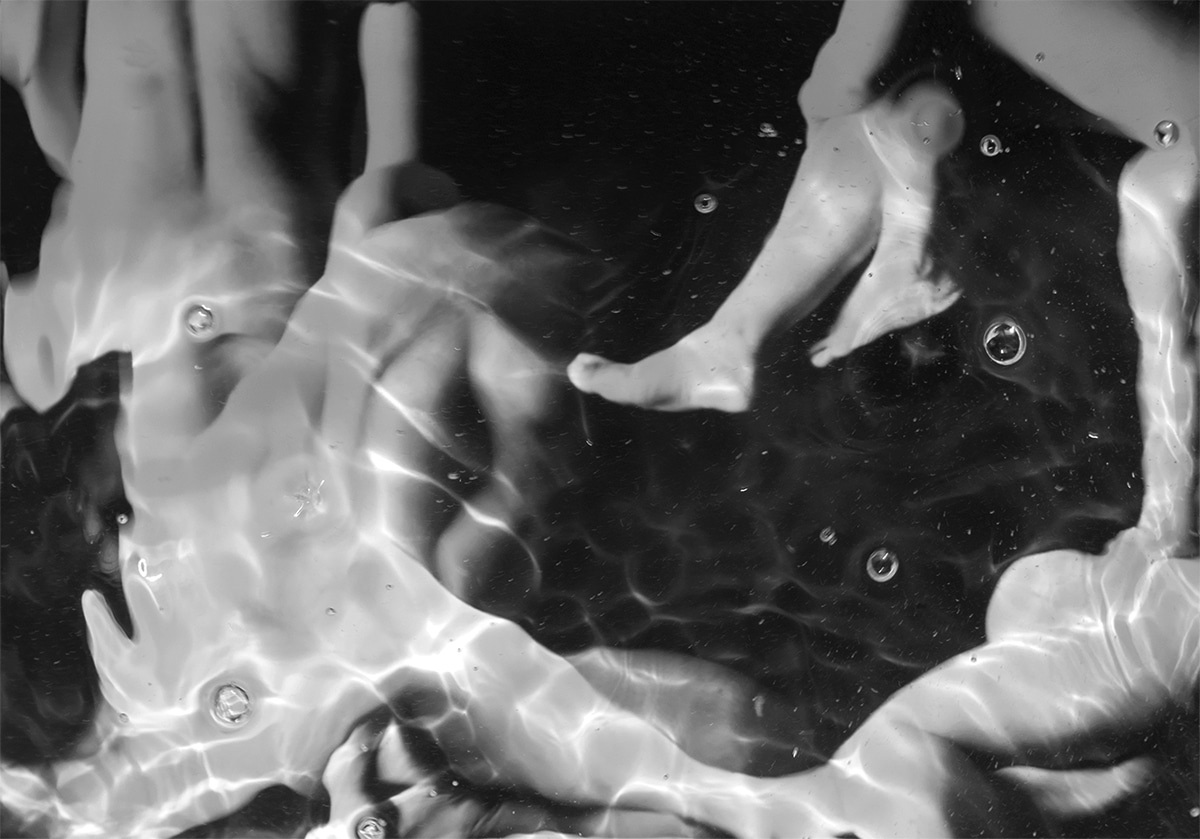
Aqua Lin, Third Prize
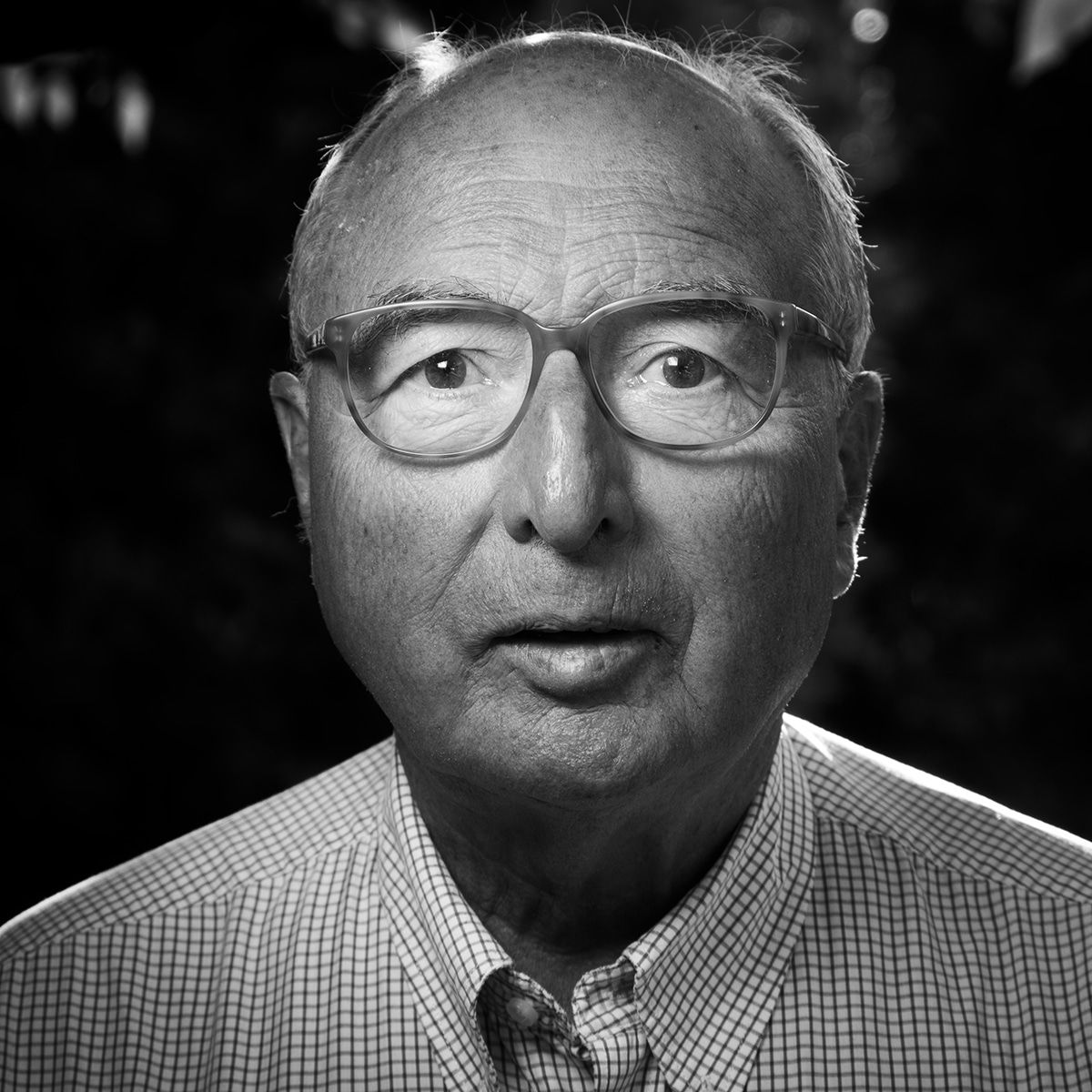
Patrick Dumont, Shortlisted
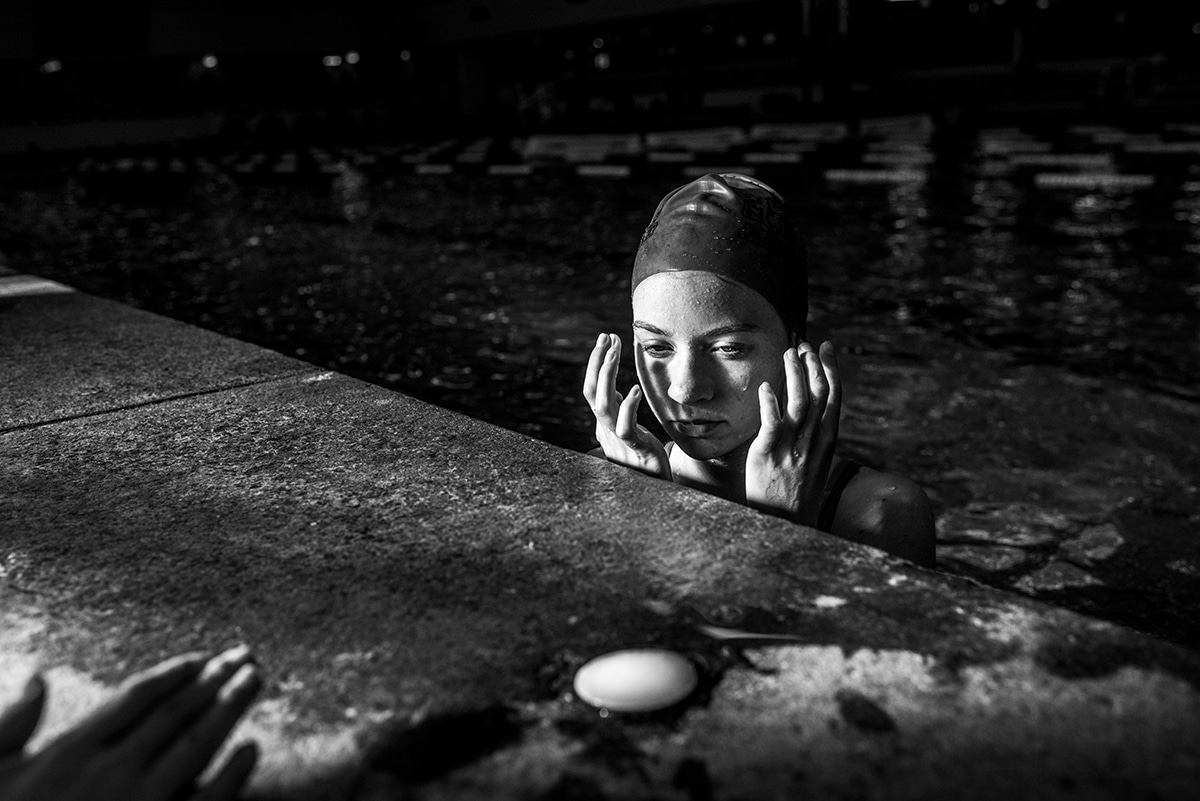
Carla Kogelman, Shortlisted
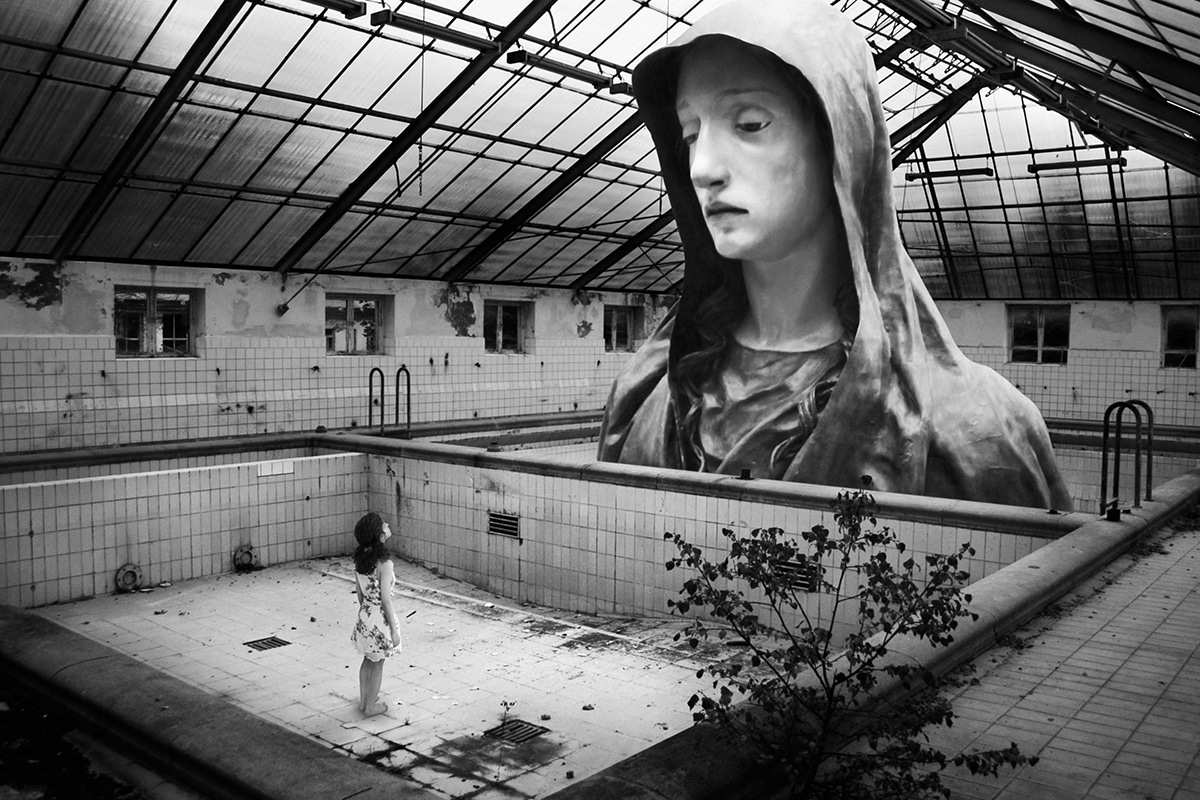
Saeed Rezvanian, Shortlisted

Szymon Barylski, Shortlisted
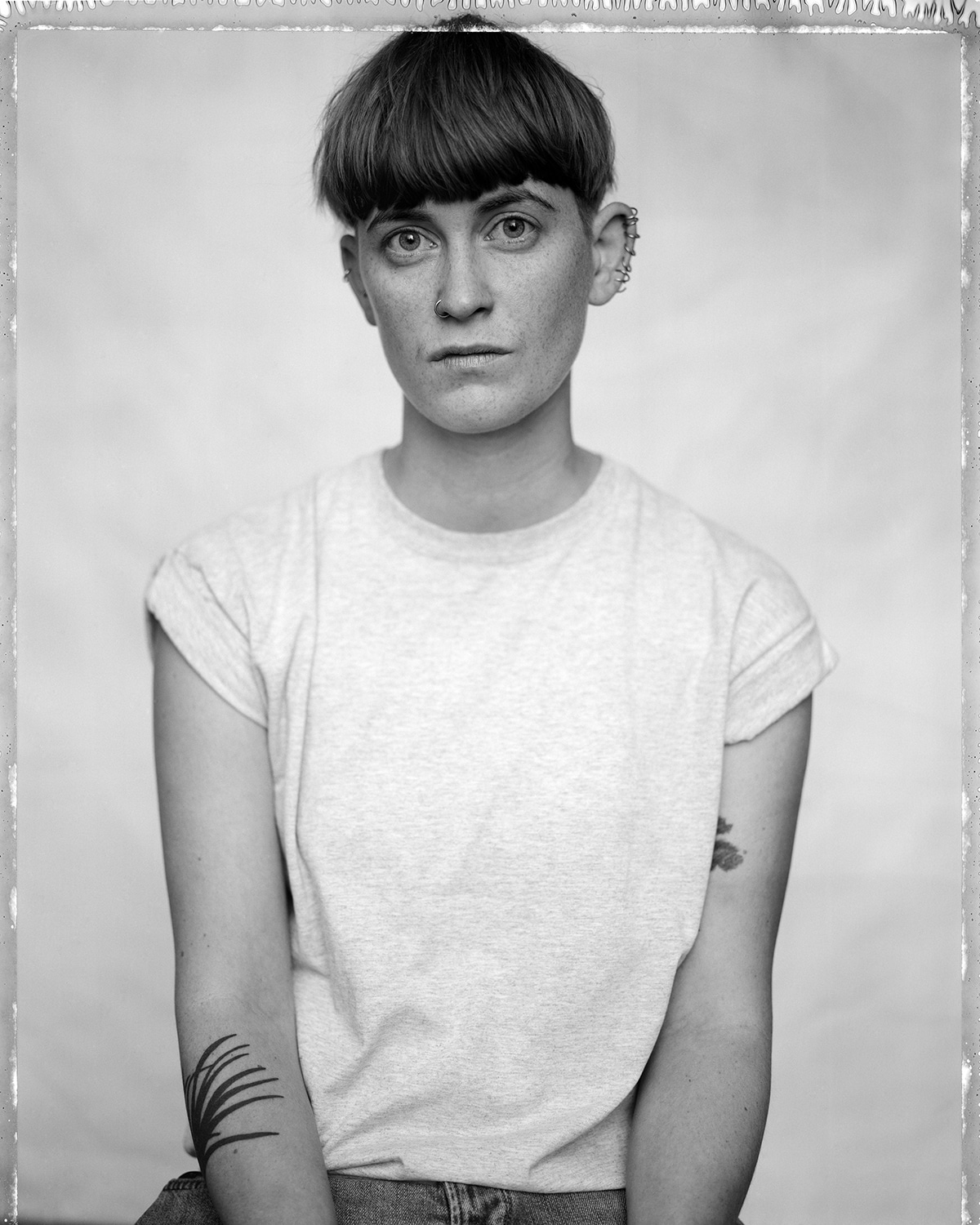
Richard Pilnick, Shortlisted
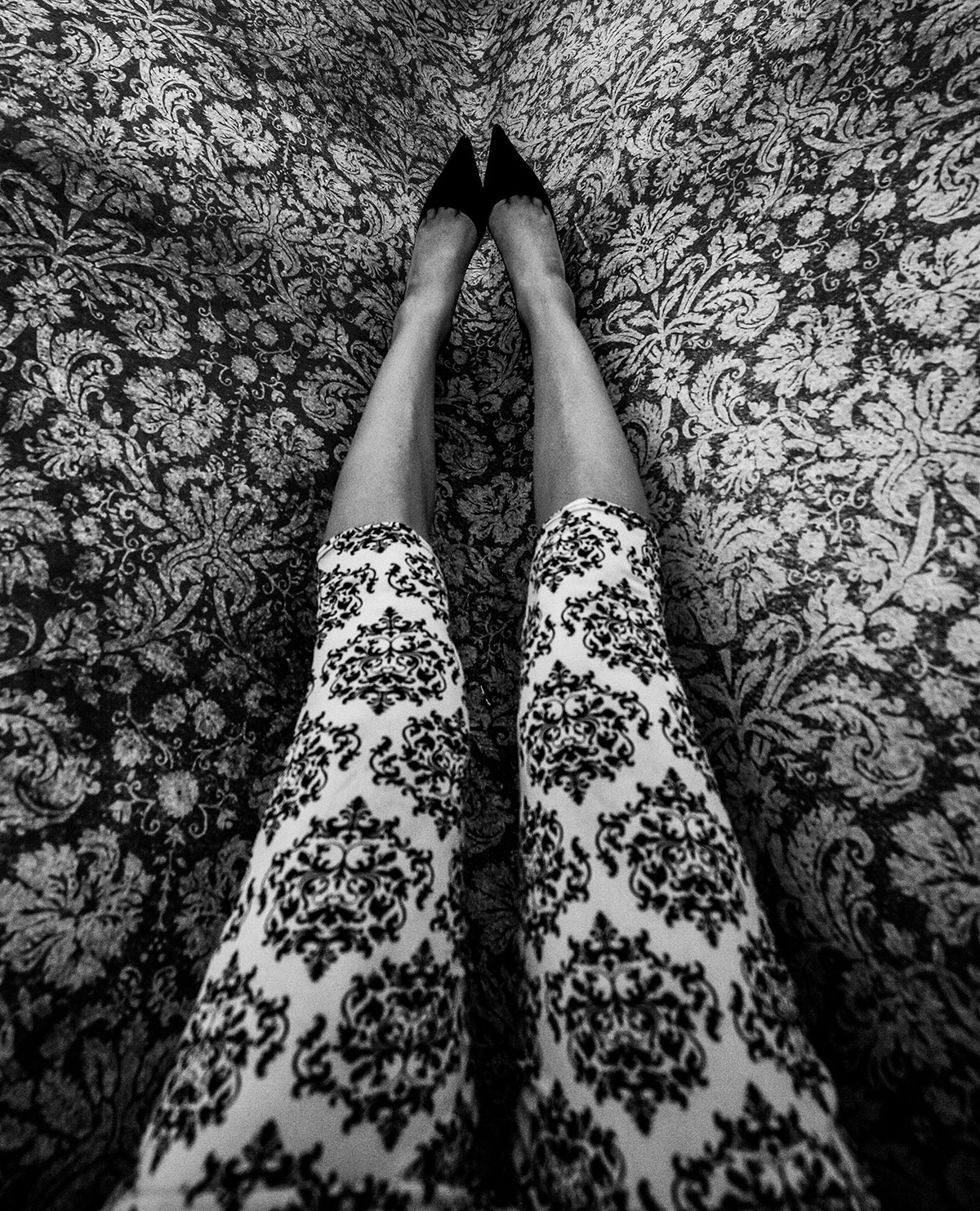
Nicola Davison Reed, Shortlisted

Joseph Chung, Shortlisted
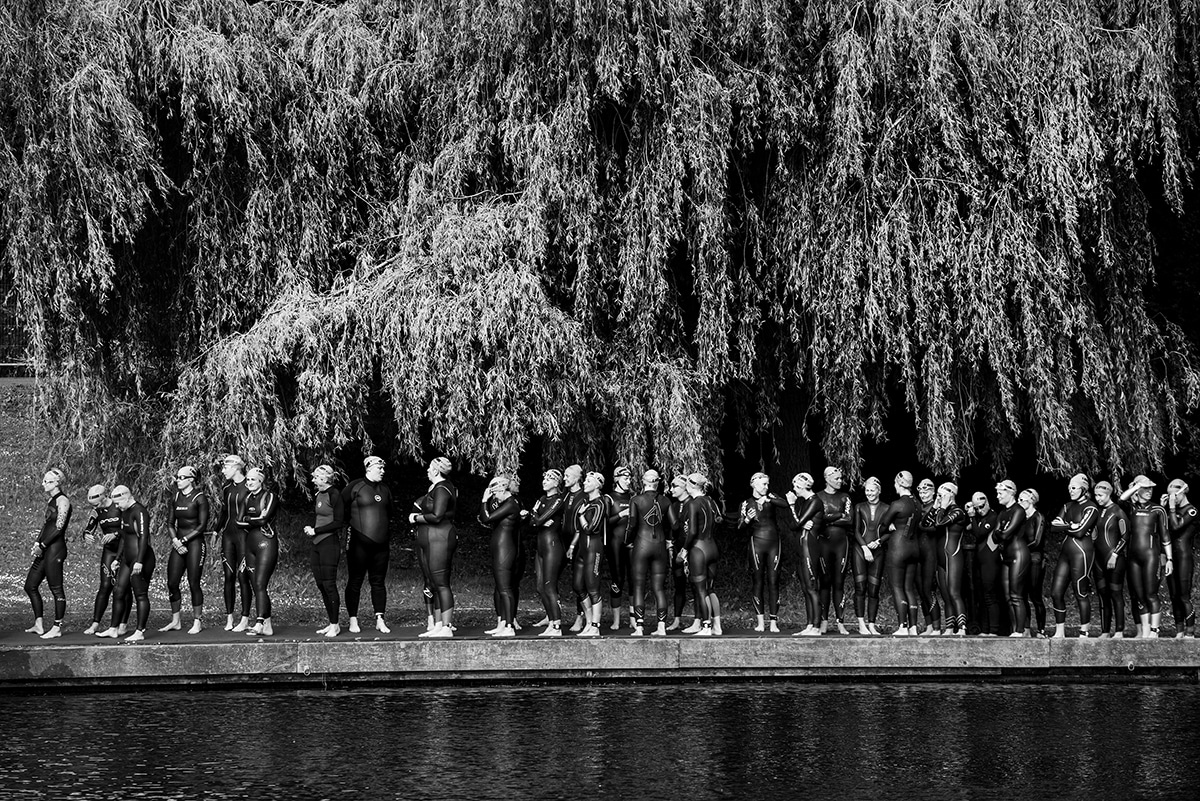
Mark Bickerdike, Shortlisted
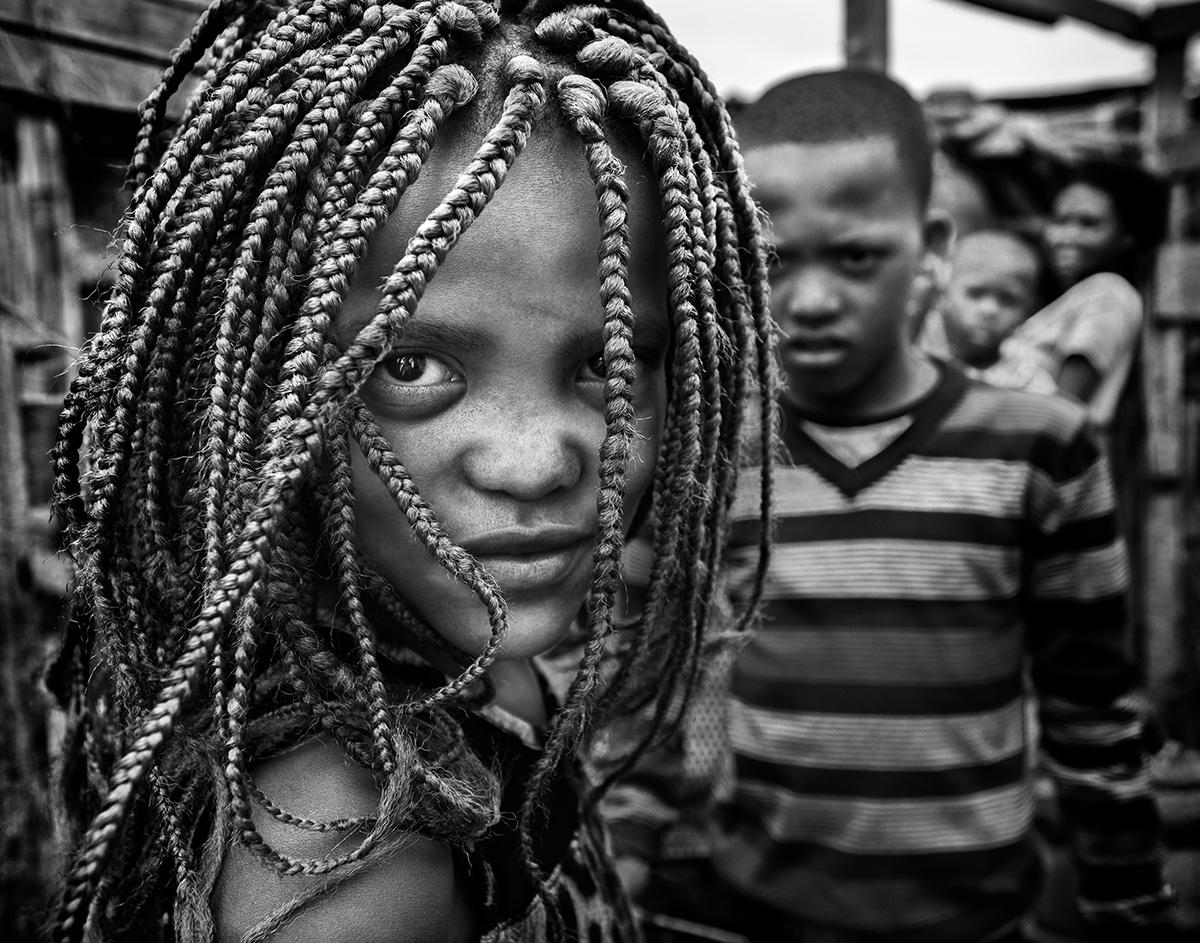
Andre du Plessis, Shortlisted
The post Striking Winners of the 2018 Black + White Photographer of the Year Competition appeared first on My Modern Met.
BEHIND THE BLOGGER
Hi! Welcome to yet another series on Two Book Thieves. As well as promoting our own blog this year, we also want to spread the love amongst the blogging community! As well as my current Bloggers I’m Currently Loving series, we also came up with the idea of ‘interviewing’ some of our favourites. Each person featured will be asked a few questions by us and you get to read their answers and get to know the person behind the blog! We hope you love them as much as we do.

View original post 846 more words
The Tattooist of Auschwitz
I will try my best for this review to do justice to this beautiful story of courage, hope and the power of love to endure all things, but I just don’t think I’m a good enough writer to express how much this book has touched me.
My sister has always wondered why I’m so morbidly fascinated with everything related to the Holocaust. She looked at me with horror when I suggested we watch Schindler’s List for Christmas morning last year (okay, that may have been too depressing a choice for what’s supposed to be a joyous occasion) or when I spent the entire holiday reading The Final Solution by David Cesarani the year before that.
For me it all started with a visit to Anne Frank’s house in Amsterdam. I was well-versed with the history of the holocaust and the events of World War II of course, but in…
View original post 1,056 more words

No matter the season, Yosemite National Park is one of the most beautiful places on earth. What’s your favorite time of year to visit this stunning California park? Photo of a double rainbow 🌈 over Yosemite Falls by Rob Lester, National Park Service.
 The Stephen Shore exhibition at the Museum of Modern Art casts a wide net, including the anomalous periods when Shore worked abroad, but its main focus is his many photographs of hyper-quotidian America, our stalest shades of red, white, and blue. These quiet and straightforward pictures—of food, buildings, cars, and toilets—show that Shore is best understood as a photographer uninterested in photographing what is agreed to be worthy of capture.
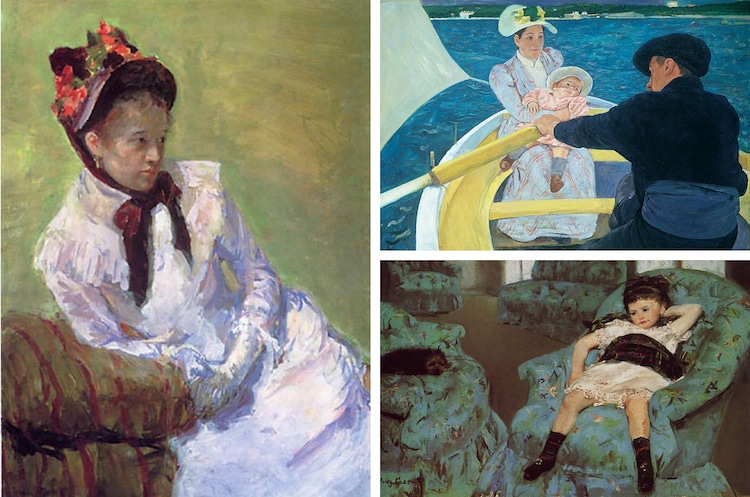
Left: Mary Cassatt, Self-Portrait (1878) (Photo: The Met via Wikimedia Commons)
As a prominent Impressionist artist, Mary Cassatt (1844-1926) is often regarded as one of art history’s most famous female painters. An unmarried American woman living in Paris, Cassatt was able to make a name for herself in the male-dominated movement, defying 19th century gender expectations and paving the way for future female artists.
In addition to admiring her canvases, understanding the context of her art is an important aspect of appreciating her role in both Impressionism and in the realm of modern art. While her most well-known pieces were produced when she was an established artist, her desire to become a painter can be traced back to her childhood.
As Cassatt’s career was largely based in Europe, it is no surprise that traveling abroad as a child is what sparked her interest in art. In the 1850s, Cassatt spent many years in Germany and France, where she picked up the languages and developed an interest in drawing. Following her return to Philadelphia, she enrolled in the Pennsylvania Academy of the Fine Arts, where she began to study painting in 1861.
While her parents supported her interest in the arts, they—like many other people during this time—did not deem it a suitable career for a woman. Nevertheless, she continued her artistic education until 1865, when she grew tired of the restraints placed upon female students. One year later, she moved to Paris, France, where her career came to fruition.
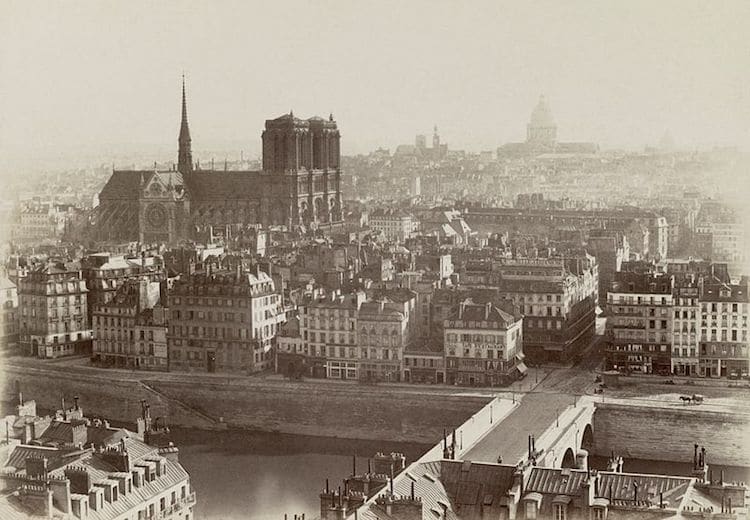
Charles Soulier, Paris in 1865 (Photo: Library of Congress via The National Gallery of Art via Wikimedia Commons)
Traditionally, most aspiring artists living in Paris studied at the École des Beaux-Arts (School of Fine Arts). Due to her gender, however, Cassatt was not allowed to attend. To make up for this loss, she paired independent study (she was privately taught by Jean-Léon Gérôme, a prominent French painter) with hands-on learning as a Louvre copyist.
In addition to producing copies of masterpieces, Cassatt created original paintings during her early years in Paris, including Two Women Throwing Flowers. With the hope of being selected for the traditional salon—an annual exhibition that featured hand-picked paintings—most of these works are painted in a realist style. Frustrated by a string of salon rejections and unhappy with the treatment of female participants, however, she abandoned this path and found her place among Paris’ avant-garde up-and-comers, the “Impressionists.”
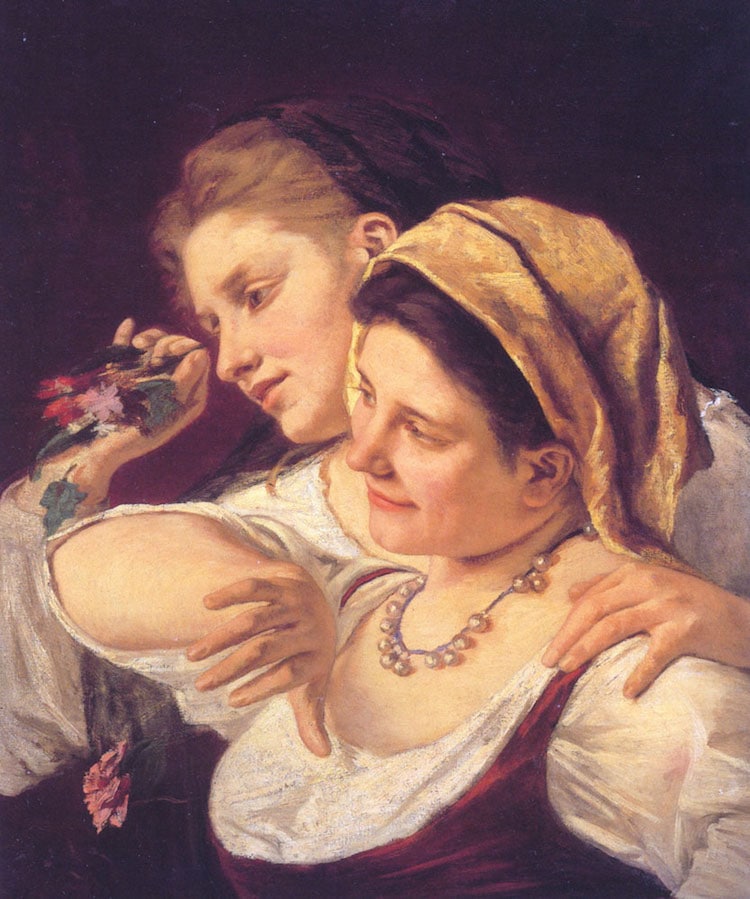
Mary Cassatt, Two Women Throwing Flowers (1872) (Image via Wikimedia Commons)
Cassatt was invited to exhibit with the Impressionists by Edgar Degas, an established artist whose work Cassatt had admired for years. The Impressionists were connected by a unique approach to painting, characterized by a preference for thick brushstrokes, an interest in everyday subject matter, and a habit of painting en plein air, or outdoors. While most of the artists associated with the movement—including Claude Monet, Édouard Manet, and Pierre-Auguste Renoir—were male, the Impressionists accepted and exhibited female artists, including “virtuoso colorist” Berthe Morisot and, of course, Mary Cassatt.
Cassatt began showing her work—like the iconic Little Girl in Blue Armchair—with the Impressionists in 1879, five years after the group’s first independent exhibition. For the remainder of her career, she would reject realism and abandon the confines of her studio in order to produce Impressionist paintings and pastels.

Mary Cassatt, Little Girl in Blue Armchair (1878) (Image via Wikimedia Commons)
The post How Female Painter Mary Cassatt Became an Important Impressionist Figure appeared first on My Modern Met.
 Our campground in the Serengeti National Park in Tanzania.
It was nearly 2am in Tanzania’s infamous Serengeti National Park, and there we were, tucked into our cots underneath mosquito netting, with nothing between us and the wildlife except for a canvas tent.
I had been sitting awake for the past half hour, listening to the tell-tale whooping sound of spotted hyenas getting closer-and-closer to our camp. It was both terrifying and mesmerizing. I couldn’t help but wonder what they were doing and where they were heading.
We had arrived at camp late that evening, as we had come directly from safari at Lake Manyara National Park. We didn’t have a whole lot of time to get acclimated and settled before we had to head to our tents to sleep.
 The main tent at our campground in the Serengeti National Park.
When we arrived, we were greeted with a refreshing glass…
View original post 852 more words


 Sig Nordal