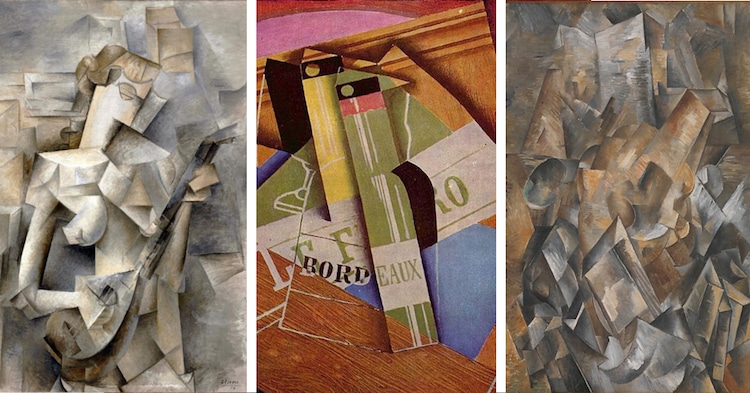
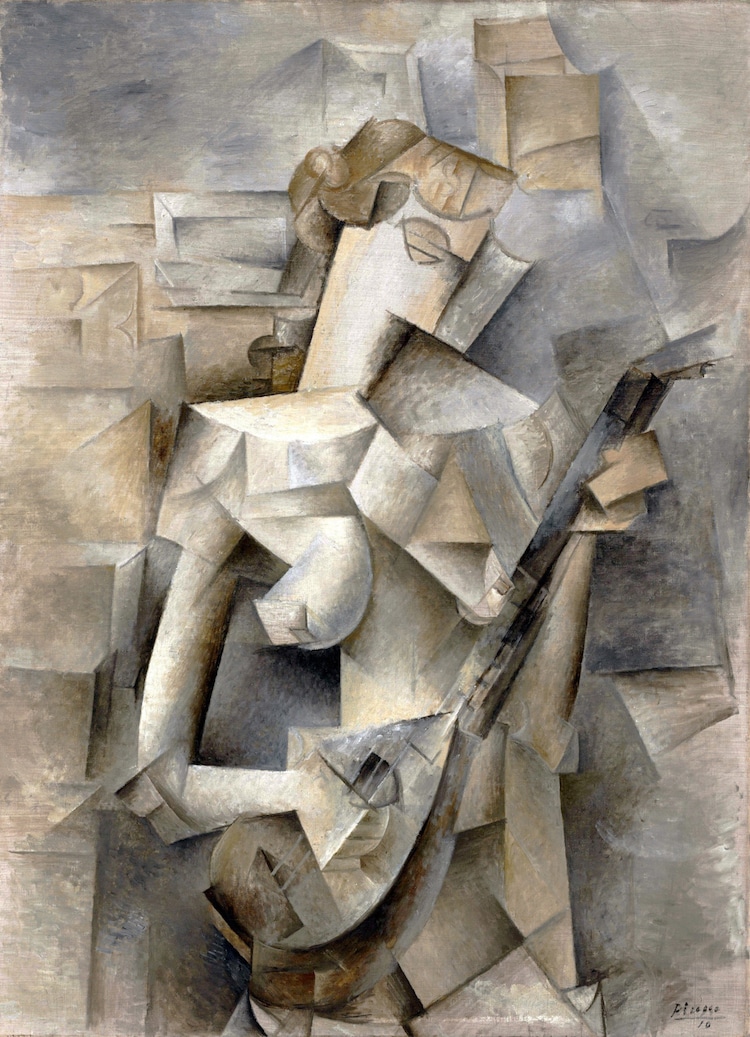
8 Negative Effects of Having Crooked Teeth

The way you look isn’t the only thing you have to worry about when you have crooked teeth. It can also have a lot of negative effects on your general health if you don’t get it fixed in time.

Genetic susceptibility, facial injuries, premature loss of baby teeth, and excessive use of pacifiers are just some of the things that can cause crooked teeth. For some, it’s a result of thumb sucking and tongue thrusting during childhood.

Timely orthodontic treatment can help restore crooked teeth. However, since it’s time-consuming and costly, not all people are willing to undergo it.

If you are thinking twice about getting proper treatment, check out the following negative effects of crooked teeth that can help you make up your mind.

Gum disease

This is one of the most common consequences of having crooked teeth. When the gums do not fit firmly around your teeth, they allow bacteria to grow. This condition eventually leads to plaque buildup. If left untreated, it can lead to periodontal disease.

See Also: 3 Natural Home Remedies to Heal Gum Diseases

Difficulty in Chewing Food

If you have a misaligned set of teeth, you might find it difficult to chew your food normally.

Teeth can function optimally only when they operate together and chew on each other. If you have a crooked upper or lower arch that protrudes from your jaw, normal jaw alignment is disrupted and this makes it very difficult to chew food.

Difficulty in Cleaning Teeth and Increased Risk of Injuries

It is very difficult to clean all the tiny nooks and crannies between your teeth when you have a crooked set of teeth. Despite flossing or brushing, you still won’t be able to clean the vulnerable areas between your teeth.

When your upper teeth are crooked and deviate from the arch, they are at an increased risk of trauma when you play a sport or if you meet with an accident. There is also a good chance that your teeth can get chipped or cracked.

Bad Breath

Lingering bacteria in the mouth is one of the most common reasons for bad breath. This is due to the difficulty in cleaning the space between crooked teeth.

Worn Out Tooth Enamel

Crooked teeth lead to an improper bite, which wears the tooth enamel. If you suffer from bruxism (or tooth grinding) while you sleep, your enamel will get eroded or chipped. Worse, the enamel gets so weak that it breaks.

Excessive Pain in the Gum, Teeth, and Jaw

When you have a misaligned bite, you will suffer from sore gums and the inside of your cheek may get injured. This can invite excessive pain in the jaw, gums, and teeth.

Reduces Your Confidence to Smile

Smiling lowers your stress levels and even improves your ability to think. An unimpressive smile can affect your self-esteem and lower your self-confidence.

Affects Overall Health

You may not realize the seriousness of the problem of having crooked teeth but it does affect your overall health. Studies conducted by the Australian Dental Association have proven that bacteria buildup caused by crooked teeth invites oral infections.

Those infections lead to many serious medical conditions, including heart diseases, stroke, diabetes, and pneumonia.

Cosmetic dentistry provides an easy, cost-effective, comfortable, and convenient solution to fix crooked teeth. Whether your teeth need a simple realignment or a complete transformation, it is important to plan and execute the treatment properly.

Seek the help of dental professionals. After checking your dental history, your dentist will also check the real cause of your alignment issues and will treat you accordingly.

Teeth straightening will not only improve your smile but also your overall health condition. You can try orthodontic treatment, like Invisalign, braces, and veneers. Advanced technology and dental treatments are undetectable and look so natural that your friends and colleagues wouldn’t even know that you are getting treated.

The post 8 Negative Effects of Having Crooked Teeth appeared first on Dumb Little Man.

http://ift.tt/2DTK3s1

Putin: From Oligarch to Kleptocrat

Oligarchical capitalism destroys legitimate competition and eats away like a cancer at the resources of a nation. Any semblance of dynamic, healthy competition is strangled by fake competition based solely on firms’ relationships with people in power. The twenty or so oligarchs in Putin’s Russia do not get access to powerful people in government because of their wealth, as is the case, say, with many billionaire political donors in America, but rather, the reverse. Russian oligarchs get access to obscene amounts of wealth because they are loyal to the only person in government who matters: Vladimir Putin.


http://ift.tt/2FxVSAE

11 Remedies For Menstrual Cramps You Need To Try

Dysmenorrhea or painful menstrual periods is a common concern for a lot of women. Most of them have mild abdominal cramps while others experience intense pain that greatly affects their daily activities.

If you are dealing with this kind of pain each month, here are some of the most effective remedies for menstrual cramps you can try.

Exercising

Believe it or not, any kind of physical activity can ease your belly pain. Exercises, like brisk walking and aerobic routines, can help release endorphins. They are your body’s natural painkillers.

So, exercising four to five times a week can help keep your menstrual cramps at bay.

See Also: 19 Ways to Get Motivated to Exercise

Carrot Juice

Carrot juice contains a lot of iron.

Drink carrot juice without fail for 3 months and you’ll see good results for sure. You can mix carrot juice with other vegetable juice as well.

Turmeric Powder

Mix a spoon of turmeric powder in a glass of milk and drink this daily.

Turmeric stimulates the menstrual flow and balances the hormones. Taking it every day can greatly reduce your menstrual cramps.

Applying Heat

The main cause of menstrual pain is the contraction of your uterine muscles. Applying heat can help relax those muscles.

There are many heating pads and patches you can try. If you don’t have a heating pad, you can just pour hot water into a plastic bottle and apply it to your abdomen. Just make sure that you have a clean fabric in between the bottle and your abdomen to avoid burning your skin.

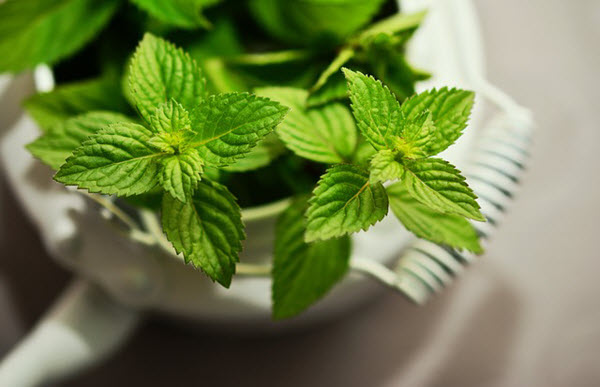
Mint

For irregular periods, mint is one of the best natural remedies. It relieves and soothes menstrual cramps.

Mix one teaspoon of honey with one teaspoon of dried mint powder. Take it 3 times a day and continue for a few weeks.

Unripe Papaya

Unripe papaya is another easy and effective solution to painful menstrual cramps. It helps in the proper contraction of the muscle fiber in your uterus. It’s a great help for delayed menstrual cycles associated with menopause or stress, too.

Consume unripe papaya for two months. Be sure to eat it before your menstrual cycle.

Grape Juice

Consuming grapes or drinking grape juice once or twice a day can get rid of the menstrual pain you experience every month.

Having an Orgasm

Yes, you heard it right.

Orgasms can greatly reduce menstrual cramps.

The uterus is more relaxed before an orgasm and there’s increased blood flow, too. Those two conditions can soothe your pain.

In addition to that, orgasms release endorphins as well. They can help your body relax so you can rest and sleep without any discomfort.

Bitter Gourd

Most people don’t like having bitter gourd because of its taste. It is, however, extremely good for the health.

Chop the bitter gourd into pieces and churn it in a mixer. Once it turns liquid, you can add a teaspoon of sugar and drink it.

Ginger

If your menstrual flow is light and the periods are late, you require ginger in your life. You can eat it raw or drink its juice. Both methods greatly help with painful and abnormal periods.

Asafoetida

Asafoetida is a famous ingredient that has a lot of medicinal value. It is helpful in getting rid of hormonal disorders because of the chemical compounds it contains.

Fry little amount of powdered asafetida in clarified butter and add it to goat milk and some honey. 200 to 500 mg of asafoetida is recommended for a single day.

Conclusion

While these remedies for menstrual cramps are highly effective, you shouldn’t rely completely on them. Make sure to visit your doctor to find out the real reason why you’re experiencing so much pain at that time of the month.

With proper diagnosis, your doctor will be able to find and provide the best possible treatment for you.

The post 11 Remedies For Menstrual Cramps You Need To Try appeared first on Dumb Little Man.

http://ift.tt/2nwbePB

America will never be destroyed from the outside. If we falter and lose our freedoms, it will be because we destroyed ourselves. -Abraham Lincoln

Easy Life Hacks for Better Organization

You’re reading Easy Life Hacks for Better Organization, originally posted on Pick the Brain | Motivation and Self Improvement. If you’re enjoying this, please visit our site for more inspirational articles.

ways to organize your life

Organization and productivity hacks are a hot topic right now. From best sellers like Kingston’s “Clear your Clutter with Feng Shui” to the Marie Kondo “Bringing You Joy” method, there seem to be almost as many ways to ditch your clutter as there are plans to lose weight. While studies show that one in four Americans would like to, it’s not always the easiest thing to do.

There are scientific studies that back the benefits of being organized, which makes it worth your while. First, we’ll take a look at the causes and benefits, then show you how to implement them with easy hacks for organizing your home, work-life, family, meals, and social life.

Why do we accumulate clutter?

  • It can (literally) hurts to throw things away:

It turns out that some people’s brains are built to create clutter and it takes actual physical exertion to reduce it. A Yale School of Medicine study of hoarders found that the action of throwing something away caused pain sensors in the brain to fire. It was literally hurting them to declutter. Also, clutter can be tied to identity and nostalgia.

  • You are thinking about storage all wrong:

According to this article, storage is not a place to put all your junk. Instead, it should be about the convenience of use. Something that you store should be easy to access when you need it, not piled underneath a lot of unrelated items. The article goes on to quote declutter guru Marie Kondo who says, “Clutter is caused by a failure to return things to where they belong. Therefore, storage should reduce the effort needed to put things away, not the effort needed to get them out.”

Why be more organized?

  • Decluttering makes your brain work more effectively:

A study from Princeton University discovered that an abundance of items around you makes it more difficult for you to focus.

  • Organization can be better for your children:

Research shows that children from more organized households tend to perform more effectively in school and excel in future careers.

  • Planning helps you reach fitness goals: 

If you plan out your activity, you will are more likely to achieve your fitness goals. Planning meals means you are less likely to reach for unhealthy foods out of desperation.

  • You sleep better in a clean environment:

A National Sleep Foundation study shows that a more organized bedroom means an improved night of sleep.

It is useful to look at organization from a multi-layered perspective. The three major elements to consider are organization of items, organization of time, and digital organization.

Wrangle your physical items:

  • Everything in its place:

Designate spaces around your home for certain things and keep them organized. For example, you can organize your junk drawer, the shoes in your closet, or your desk at work. You can hide visible cables by tying them together with zip ties and labeling them with bread tags! Another great hack? Putting velcro on the back of remotes and game controllers to easily store them in the same place every time.

  • Keep papers organized:

One of the best things you can do is invest in a paper protocol. Keep papers neatly nestled in “retain”, “archive” and “toss” piles. You’ll be amazed at how much paper you really don’t need, and you’ll know exactly where the paper you do need is!

  • Know when to store it:

A good rule of thumb is, if you haven’t looked at it in six months (and it’s not seasonal), go ahead and store it out of sight or toss it. You can also store creatively–like storing stuffed animals in a bean bag cover so that it doubles as a comfy seat!

Improve your organization of time:

  • Plan your meals:

Taking the time to plan meals for the week saves time (and money) and also leads to better diet choices. Use Sunday evening to plan for the week. Write down the meals on a sheet of paper and write it on a dry erase board in your pantry. You can cook several proteins at a time by using the same pan separated with foil, or cook large amounts of food in a crockpot. You can also pack ahead smaller portions of snacks for grab-and-go convenience.

  • Prepare your clothes:

Taking the time to plan your clothing for the next day or even the next week will save you time in the morning. Particularly, planning your children’s outfits will give them a sense of structure and save loads of time in the mornings.

  • Create a “Family Command Center”:

This is an area where family members can store their keys, shoes, calendar, leave notes for each other, or grab their lunch in the morning. Knowing exactly where to look when you need these items can be super handy!

  • Plan time for loved ones:

Plan to talk to family members who don’t live near you at the same time each week, that way you will always have a “catch up” date scheduled. If you’re finding it difficult to make time for your friends, schedule a quick lunch date during the work day, during the time you would have spent eating anyway!

Organization your digital space:

  • Clean your inbox:

If you are a digital hoarder it’s time to get to the bottom of it. Take 20 minutes every day to clean your inbox, and that also means unsubscribing from unwanted emails.

  • Purge your social media:

Clear out your social space of brands or people you no longer wish to follow, friends you’ve lost touch with or photos you don’t like. You would be surprised how much a digital house cleaning can liberate you!

  • Digitize whenever possible:

Take some time to scan important documents so that you can go as paperless as possible. Try to send communication, memos and important documents digitally. Keep your digital space organized by deleting unneeded files and folders or erasing your “downloads” folder.

Ultimately it’s the old adage “a place for everything and everything in its place” that generally allows for good organizational habits. In the below infographic, you can get more tips for organization broken up into each aspect of life. Check out the infographic below for the best tips!

25 ways to organize your life

You’ve read Easy Life Hacks for Better Organization, originally posted on Pick the Brain | Motivation and Self Improvement. If you’ve enjoyed this, please visit our site for more inspirational articles.

>

Cubism: How Picasso and Others Broke From Tradition to Transform Modern Art

What is Cubism Definition Cubism Art Picasso Cubism

Since its emergence over 100 years ago, Cubism has been regarded as one of modern art‘s most famous and fascinating art movements. Cubism is closely associated with iconic artists like Pablo Picasso, whose avant-garde approach to everyday subject matter turned art history on its head.

Featuring fractured forms and topsy-turvy compositions, Cubism abandoned the figurative portrayals found in genres of art and moved toward total abstraction. This aspect—along with its unique evolution and lasting influence—has made Cubism one of the 20th century’s most celebrated forms of art.

What is Cubism?

Cubism is an art movement that made its debut in 1907. Pioneered by Pablo Picasso and Georges Braque, the style is characterized by fragmented subject matter deconstructed in such a way that it can be viewed from multiple angles simultaneously.

What is Cubism Definition Cubism Art Picasso Cubism

Pablo Picasso, ‘Girl with a Mandolin’ (1910) (Photo: MoMA via Wikimedia Commons)

History

At the turn of the century, Post-Impressionism and Fauvism—movements inspired by the Impressionists‘ experimental approach to painting—dominated European art. French painter, sculptor, printmaker, and draughtsman Georges Braque contributed to the Fauvist movement with his polychromatic paintings of stylized landscapes and seascapes.

[ B ] Georges Braque - Passage à la Ciotat (1907) - Detail

Georges Braque, Detail of ‘Landscape at La Ciotat’ (1907)

//embedr.flickr.com/assets/client-code.js

In 1907, Braque met Spanish painter, sculptor, printmaker, and designer Pablo Picasso. At this time, Picasso was in his “African Period,” producing primitive works influenced by African sculpture and masks. Like Braque’s Post-Impressionist paintings, these pieces played with form (and sometimes color), but remained figurative.

Pablo Picasso, Gertrude Stein, 1905-06, Met

Pablo Picasso, ‘Gertrude Stein’ (1905-1906)

//embedr.flickr.com/assets/client-code.js

After they met, however, Braque and Picasso began working together, deviating further from their previous styles and collaboratively creating a new genre: Cubism.

The post Cubism: How Picasso and Others Broke From Tradition to Transform Modern Art appeared first on My Modern Met.

http://ift.tt/2EtDPMI