Interview: Rare Portraits Immortalize Siberia’s Indigenous People in Danger of Extinction

Alexander Khimushin Siberia portraits

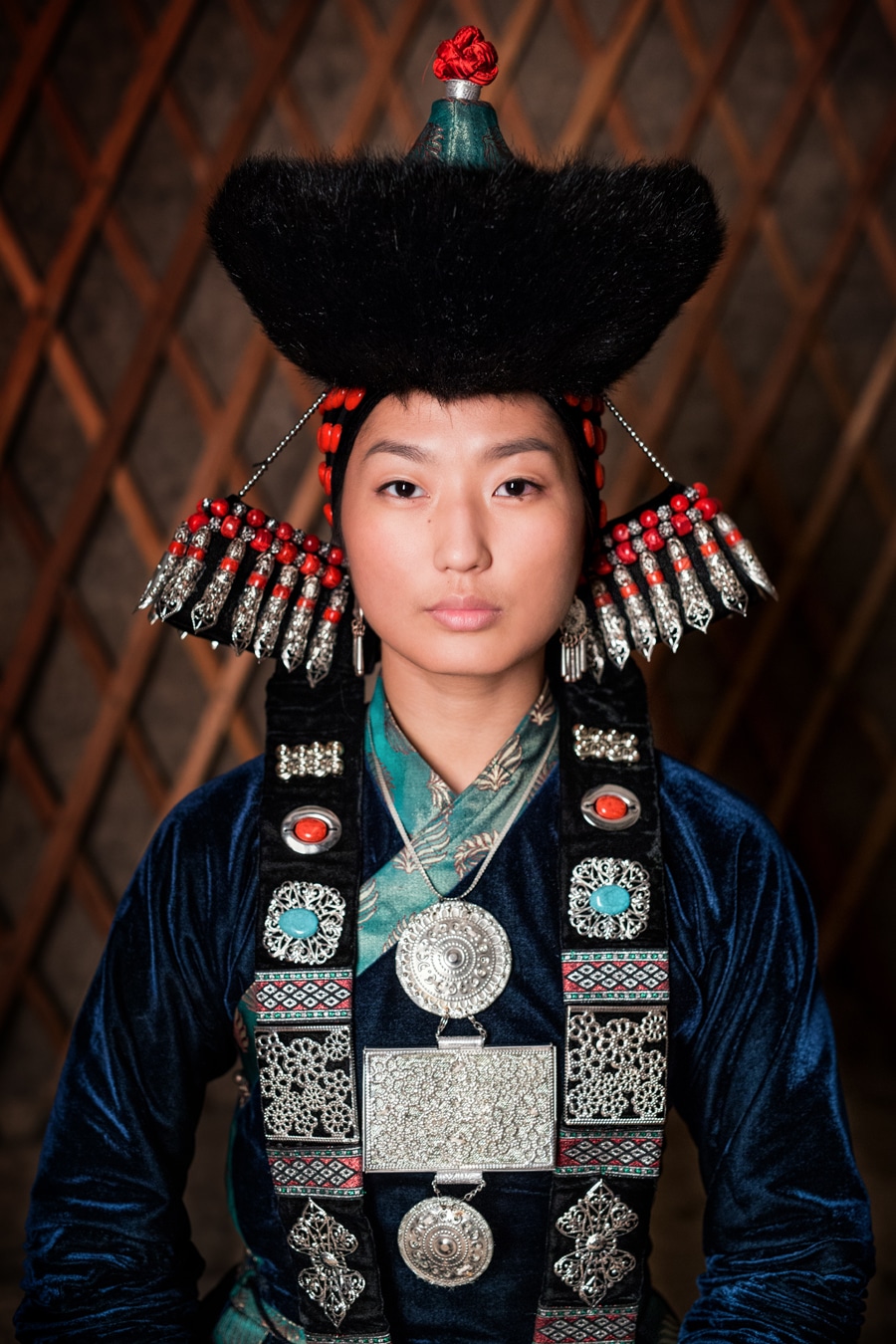
Buryat young woman. © Alexander Khimushin / The World In Faces

When we last checked in with Alexander Khimushin, he had just spent 6 months capturing portraits of Siberia’s indigenous people. It’s now been over a year, and after almost 25,000 miles behind the wheel of an SUV, Khimushin is back with previously unpublished photographs from his time in Siberia. It’s all part of his The World in Faces project, which has seen the photographer traveling continuously since 2014 to immortalize the native cultures and traditions that make up the tapestry of our world.

The viral project has been published around the globe, from India to Israel, its popularity a testament to Khimushin’s skill at capturing the spirit of each culture within the model he photographs. Most recently, he was approached to partner with United Nations Human Rights, which used some of his images to celebrate the 70th anniversary of the Universal Declaration of Human Rights. It’s an incredibly fitting reward for the photographer’s hard work. Without corporate or government sponsorship, Khimushin’s journey is a highly personal one aimed at reminding the world at large about these special communities we can’t afford to lose.

In between trips, we were able to speak with Khimushin, who grew up in the Yakutia, one of Siberia’s most remote areas. After voyages to Mongolia and Papua New Guinea, Khimushin is set for even more exciting adventures in 2018. The coming months will see him helicopter to the Arctic with scientists to capture remote indigenous groups before turning back to Siberia, where he aims to photograph even more ethnic minorities before setting out to visit other regions of the world on his mission of love and peace.

Scroll down to read our exclusive interview with this incredible photographer.
The World In Faces by Alexander Khimushin

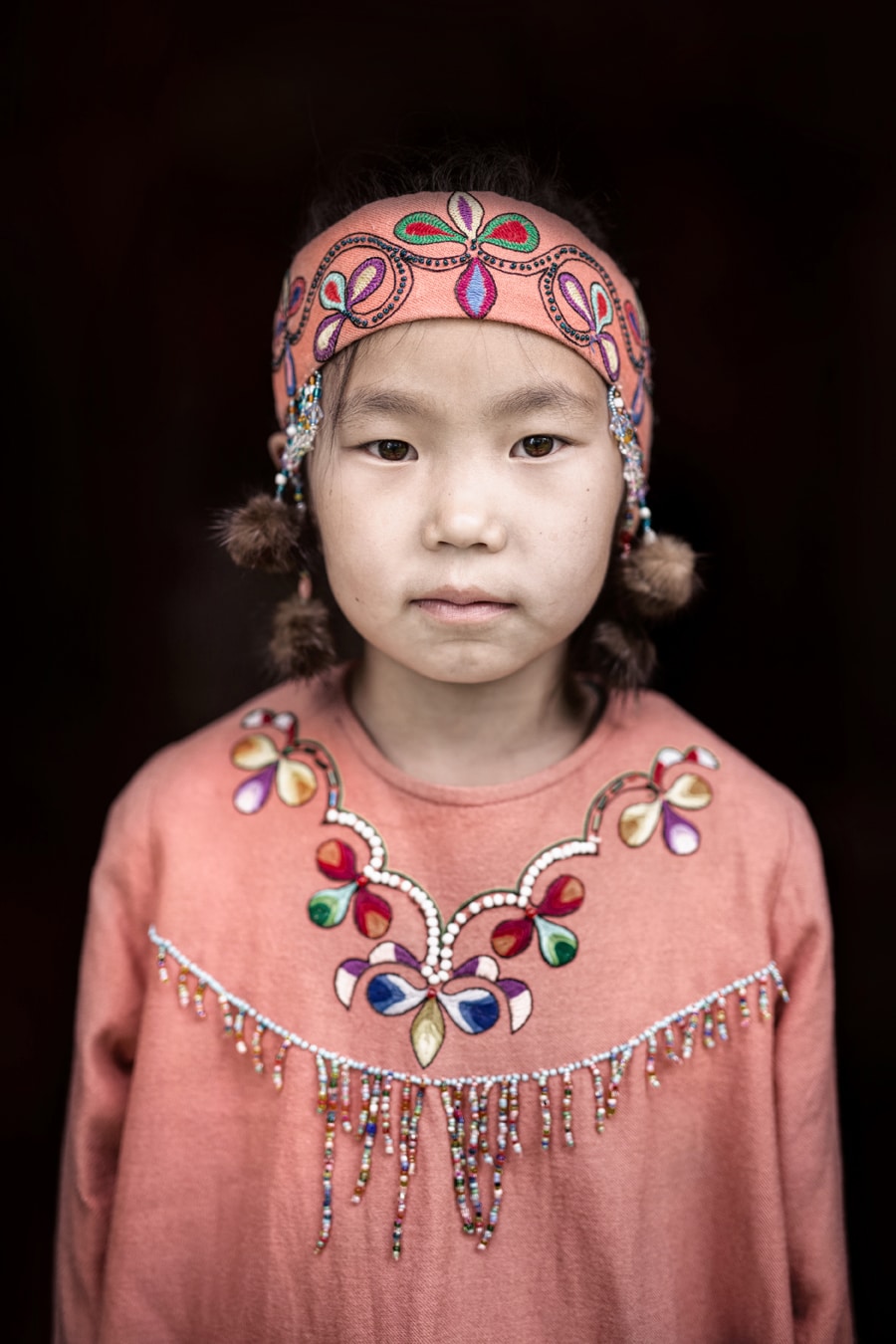
Negidal girl. © Alexander Khimushin / The World In Faces
Alexander Khimushin indigenous people Siberia

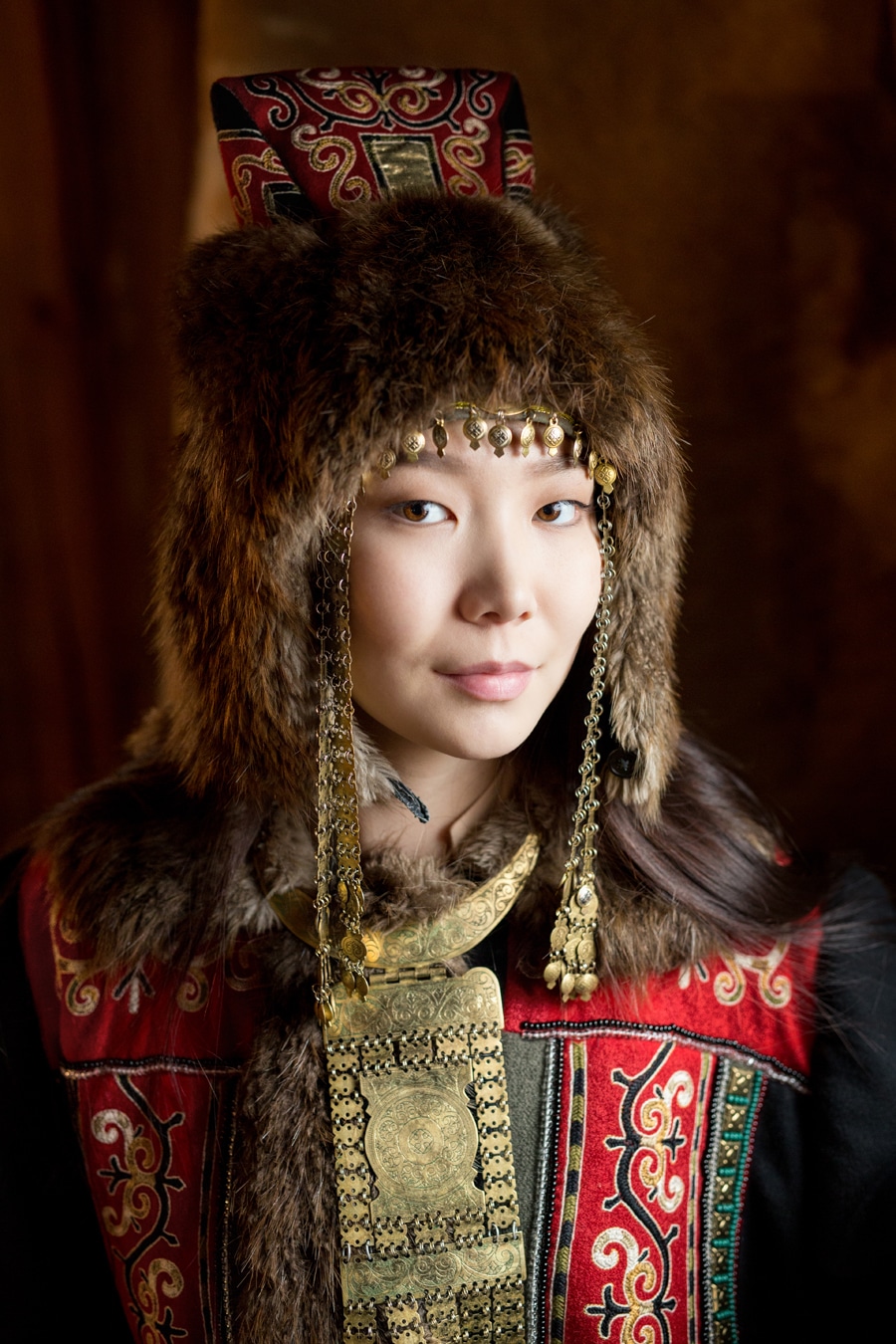
Sakha young woman. © Alexander Khimushin / The World In Faces

What was the most rewarding thing about your time in Siberia?

Meeting people. They are completely different there. It may seem to many that they are laconic and unemotional, but behind this external roughness lies an open and kind heart and a generous soul. These people will never leave someone in danger, this is inherent in them at the genetic level. Life in severe climatic conditions at a great distance from everything in the world is not easy, but apparently, it is what brings up in a person qualities such as true friendship and mutual assistance.

In Russian, there is even an expression that describes these qualities – “a true Siberian character.” These lands have always attracted romantics, but still remain a mystery behind seven seals—there are only a few such places in the world. Only now, when I have traveled half of Siberia, can I understand how huge this territory is with absolutely different climate and nature zones (Siberia is more than the whole territory of the USA by 30%), how many amazingly different indigenous ethnic groups are living on this land and how unique is the chance I’ve been given to observe and learn it all by myself and tell the world about these people.
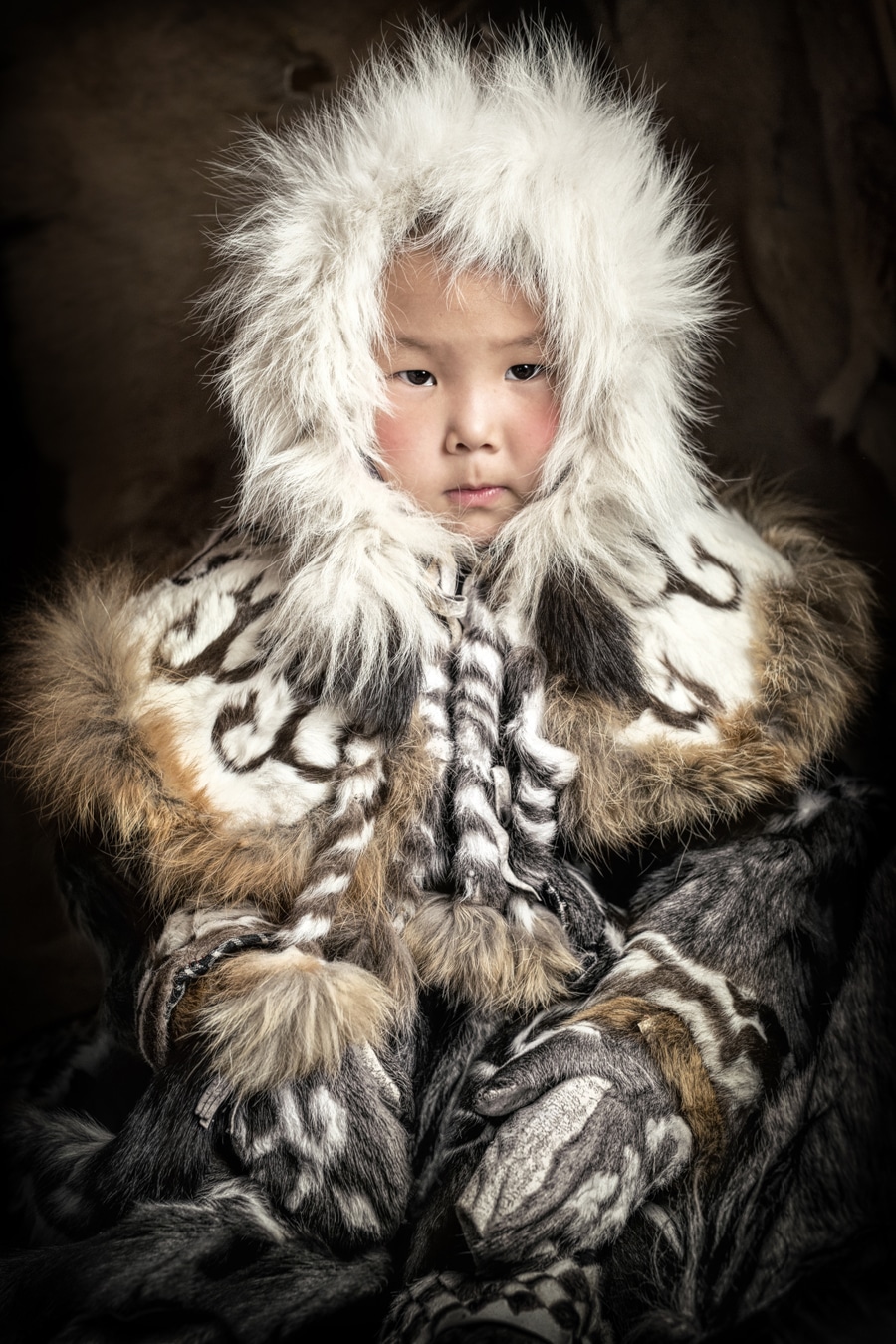
Alexander Khimushin indigenous people Siberia

Even little girl. © Alexander Khimushin / The World In Faces
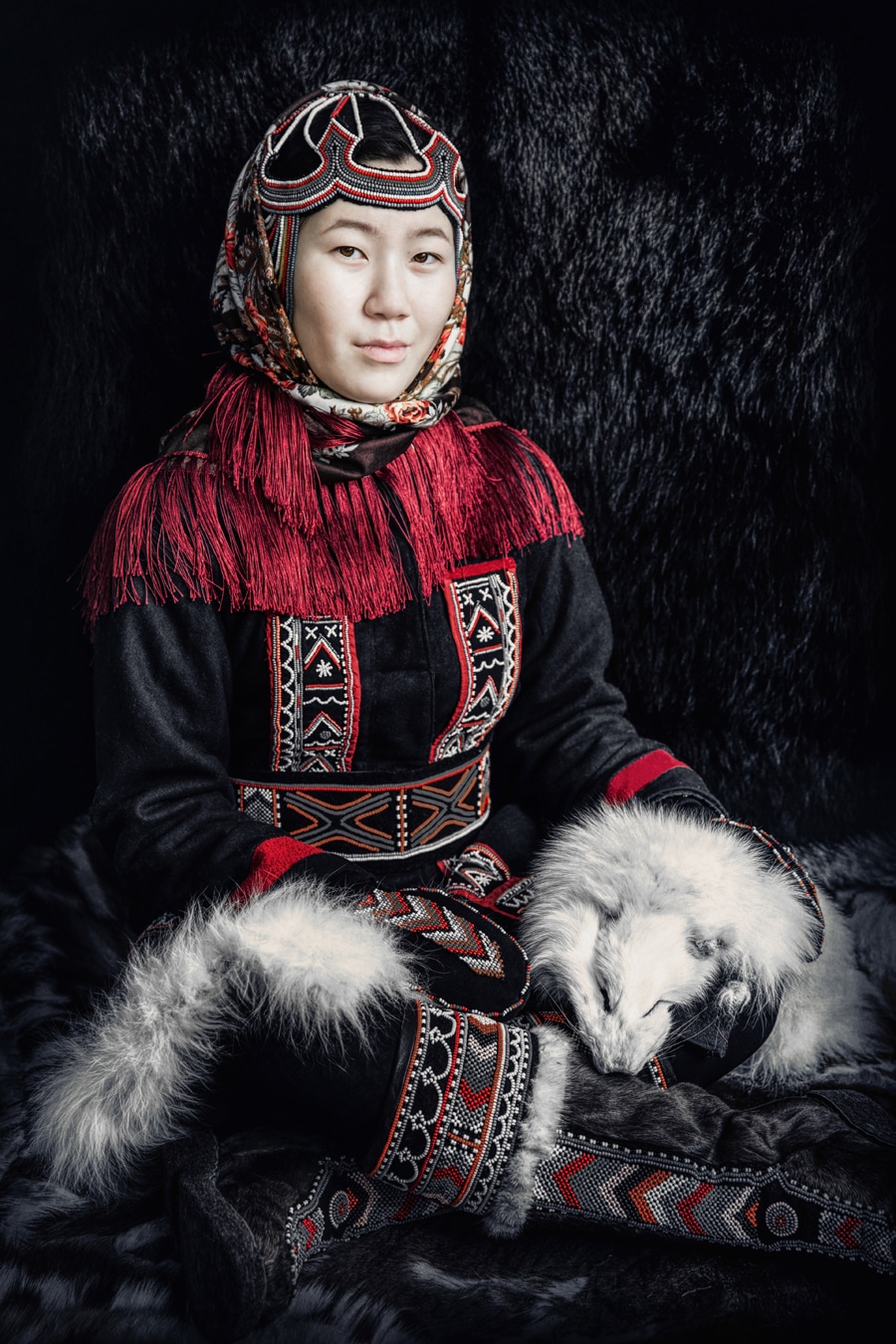
Alexander Khimushin portraits from Siberia

Dolgan young woman. © Alexander Khimushin / The World In Faces

You’ve been doing The World in Faces for some time now and have traveled all over the world. How has the series changed since you began?

My travel transformed me as a person enormously over the years on the road, and the project itself has definitely evolved, since I started it, too. The first portraits taken years ago were just photos of the people I randomly met somewhere. They were street photos basically taken as a part of my journey.

Now, my journey is all about the people—the one and only reason for traveling. I am definitely going more in-depth. Some time ago I decided not just to photograph people, but also tell their stories; there are so many people with amazing stories that are very different from those of people living in the modern world. However, to do it all is much much more challenging, I have to stay longer, find the ways to speak the local language, find not only people who wear traditional clothing but interesting personalities to talk to. And you wouldn’t expect people to tell you an interesting personal story right away. I must be very patient, spending hours having tea, talking. It’s only possible if I show genuine interest and people feel the same about me.
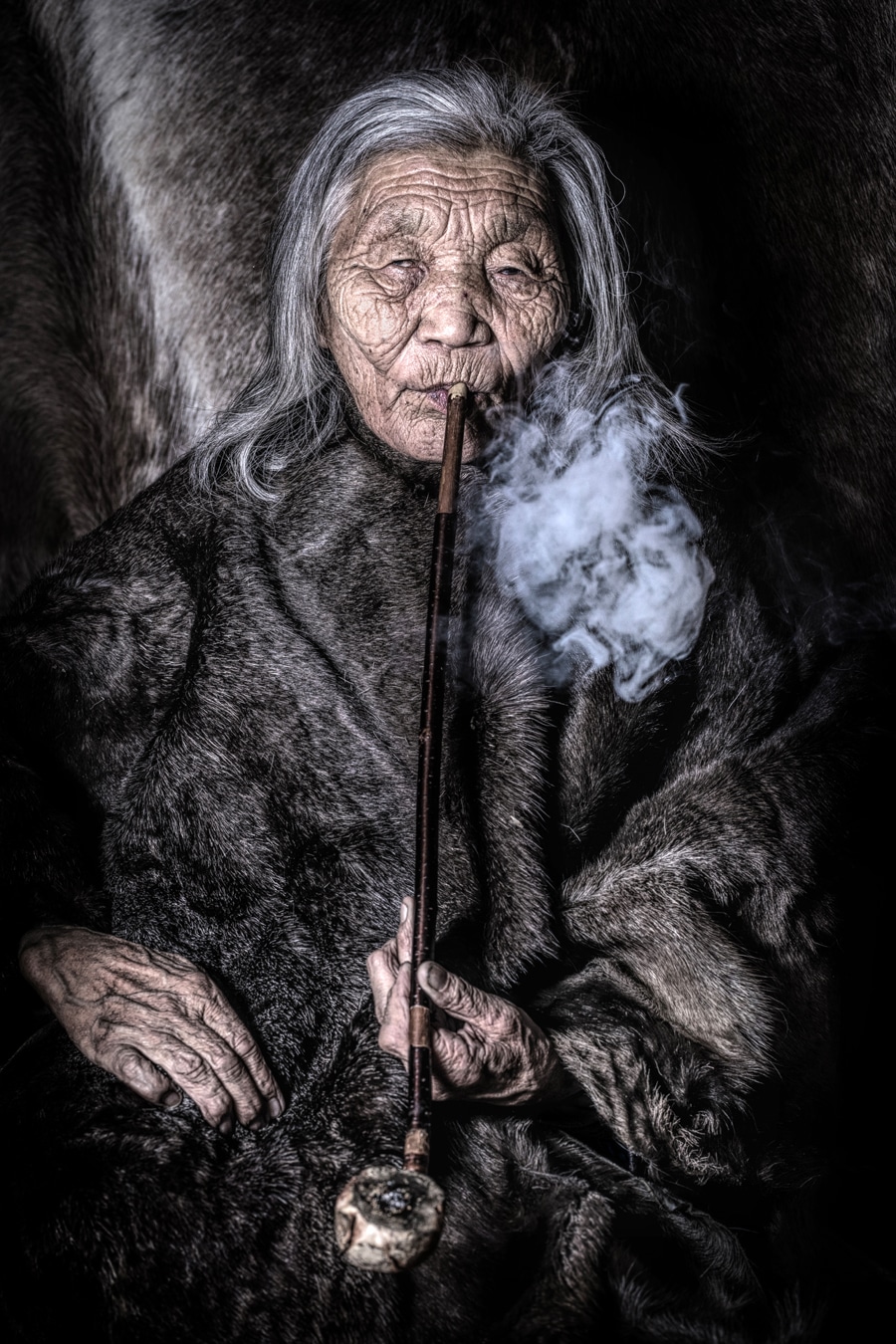
Alexander Khimushin Siberia portraits

Dukha woman. © Alexander Khimushin / The World In Faces
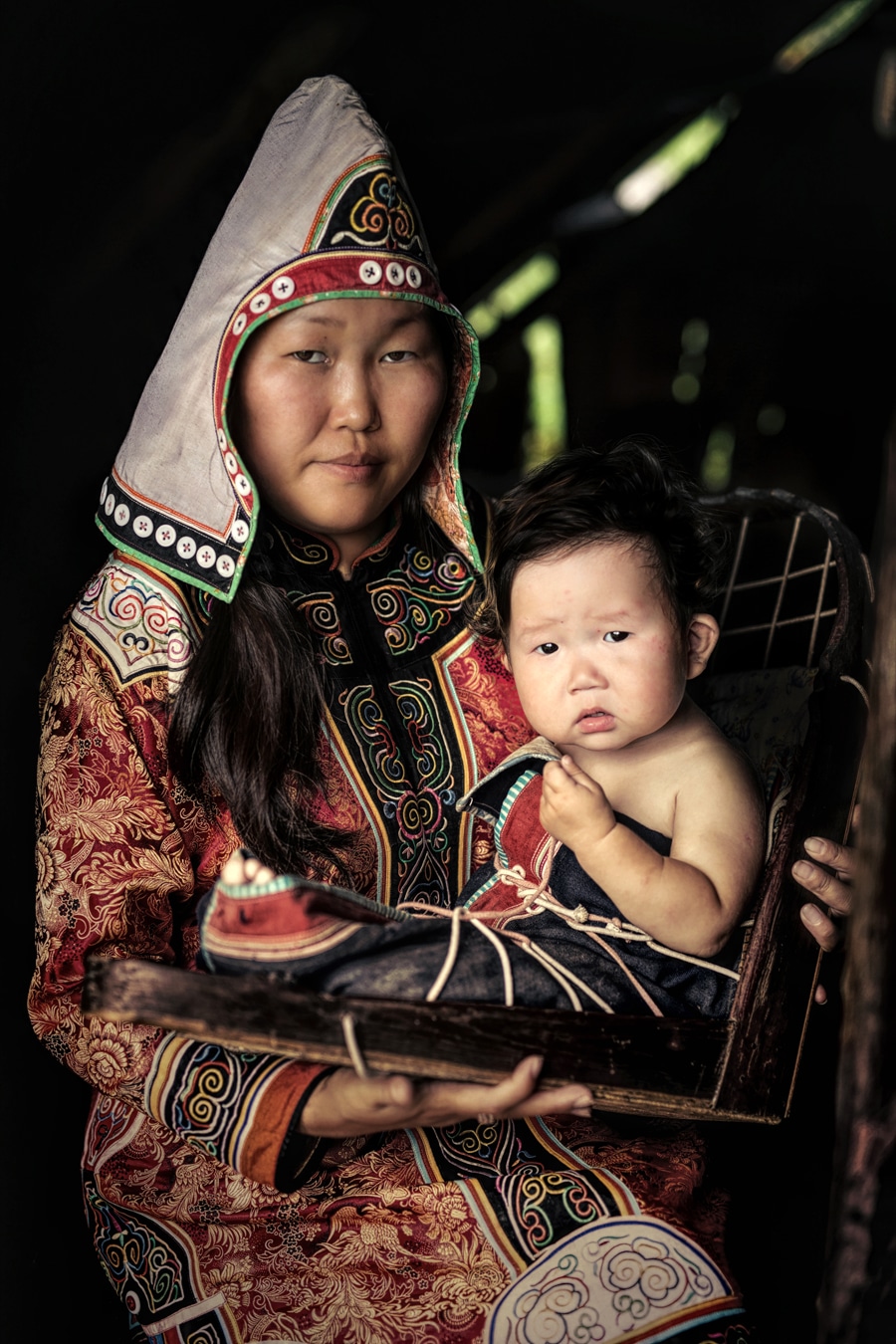
Alexander Khimushin portraits from Siberia

Udege woman with child. © Alexander Khimushin / The World In Faces

I also found myself exploring the depths of each country’s ethnic kaleidoscope. For example, I have just completed the Mongolian leg on my journey. While I had been there already some years ago and took some photos of Mongolian people at that time, this time I spent months, and learned that there are about two dozens of different ethnic minority groups of Mongols. While they are not officially recognized as different nationalities, for me they are. They have a difference in language, traditions, and costume.

These days most of these ethnic groups are blended with the main Khalkh Mongolian population and basically culturally disappeared, but I was able to visit and photograph them and some of the coolest traditional clothing I have seen in my life too! Again, no one really knows much about these ethnicities—even the locals—let alone the rest of the world. So, my next story will be about them! Stay tuned!
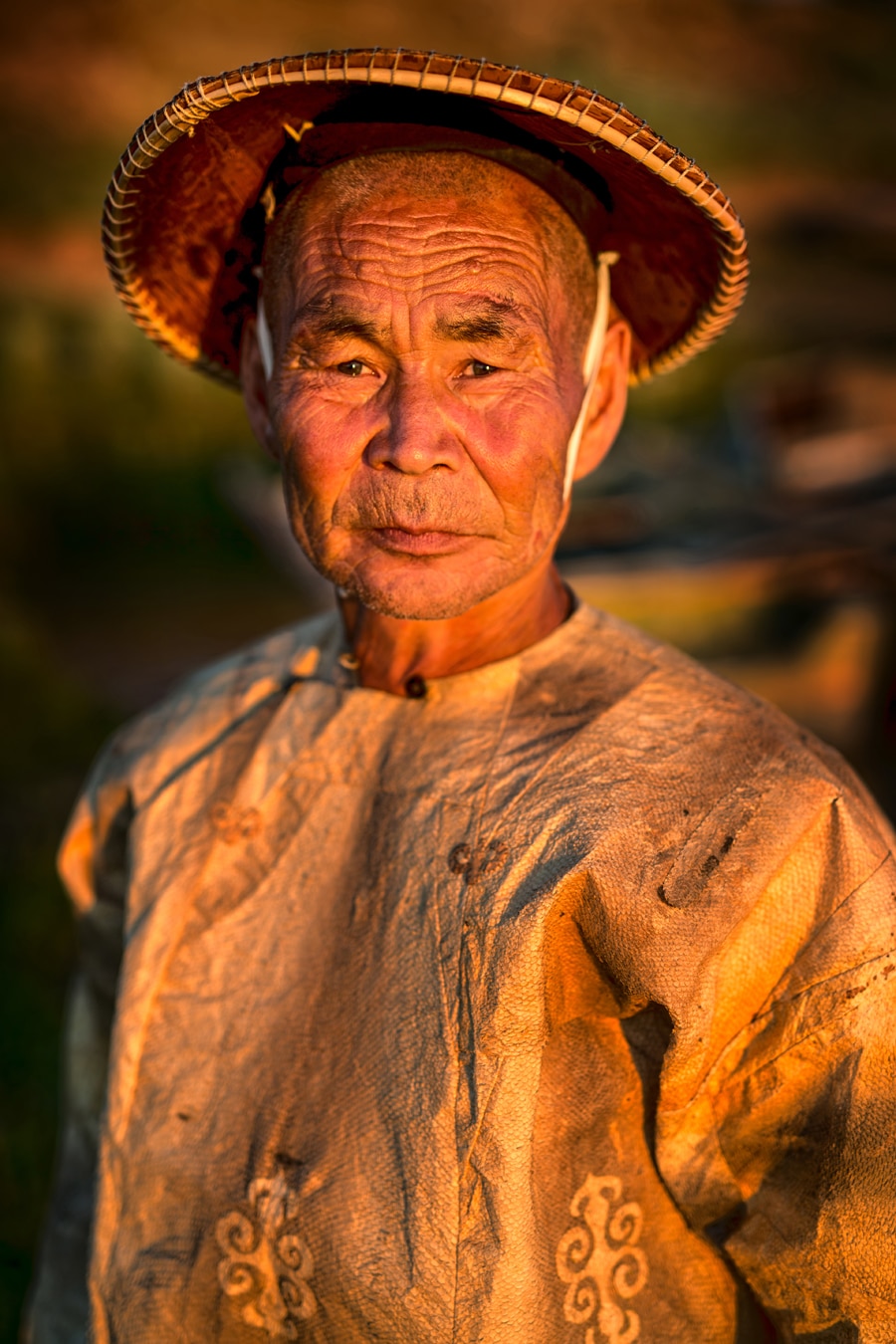
Alexander Khimushin Siberia portraits

Ulchi man. © Alexander Khimushin / The World In Faces
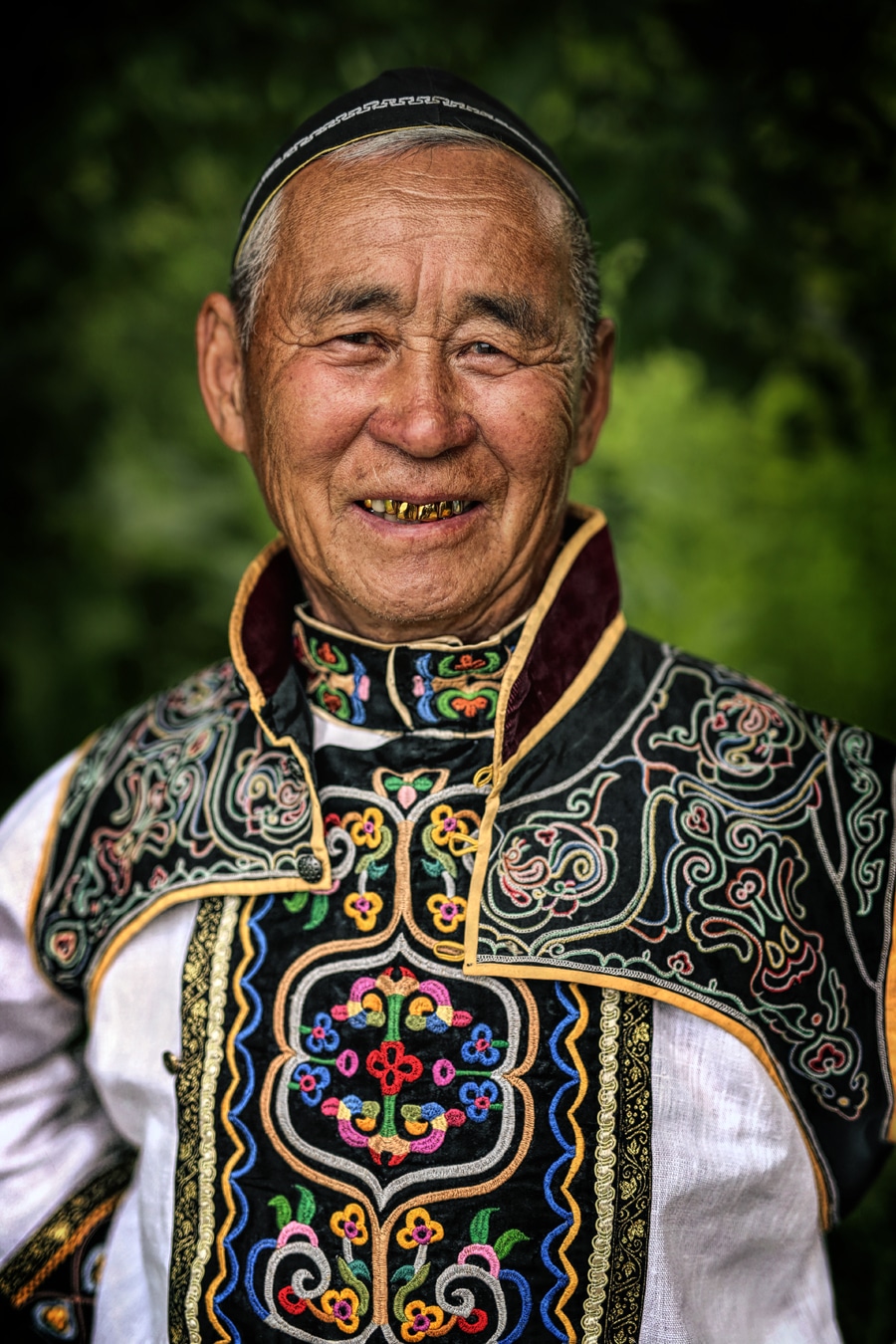
The World In Faces by Alexander Khimushin

Nanai man. © Alexander Khimushin / The World In Faces

Where do you see The World in Faces going in the future?

First, when the project went viral, there were some producers/promoters around, telling me: “Man! You have to grasp the opportunity. Let’s do one country per week, take a “snap” of one or two people and move on. This way we can do 52 countries a year!” I said that I am not interested. It’s not about going on a photo tour, not about “Let’s get you on TV to host a travel show.” I don’t care about those things. I will do it at my own pace, with a deep connection to the land and the people I am taking photos of. I have to live it, feel it under my skin—otherwise, it’s just fake. I don’t know where this project will finally take me, but it is a personal development journey for me as well.

I see there is a lot of interest to what I do on the global level. Later this year it will be an anniversary—10 years of my travels. I think it will be good moment to stop for some time and finally build a team of professionals willing and able to contribute their time and knowledge to The World In Faces, as it gets challenging to me to continue traveling and working on the project as well as organizing exhibitions, publishing a photo book (long awaited by my fans), communication with various organizations, and taking care of social media. Personally, I also would like to do some more work with the UN Human Rights, to contribute more of my time and effort to a better world.
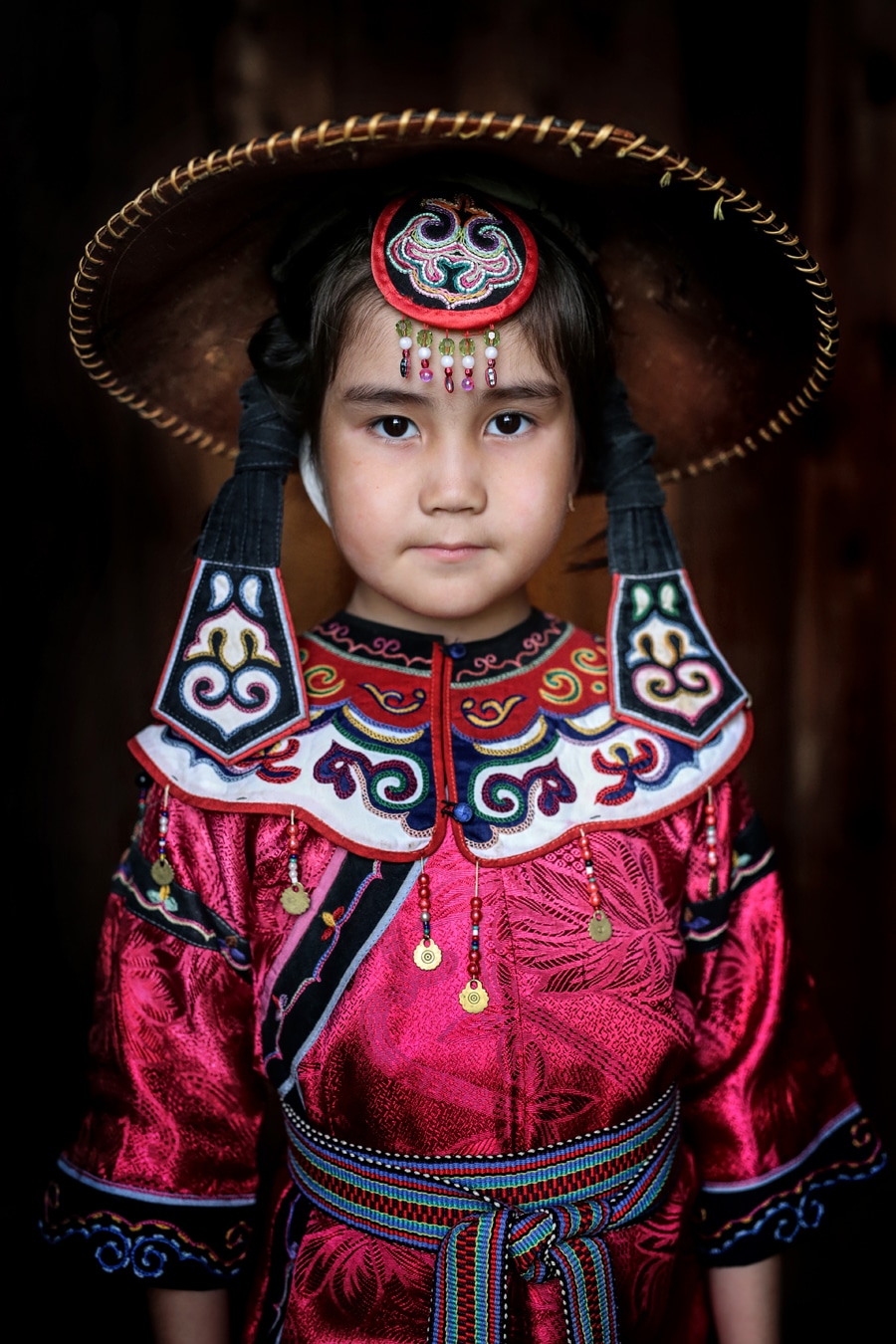
Alexander Khimushin portraits from Siberia

Ulchi girl. © Alexander Khimushin / The World In Faces
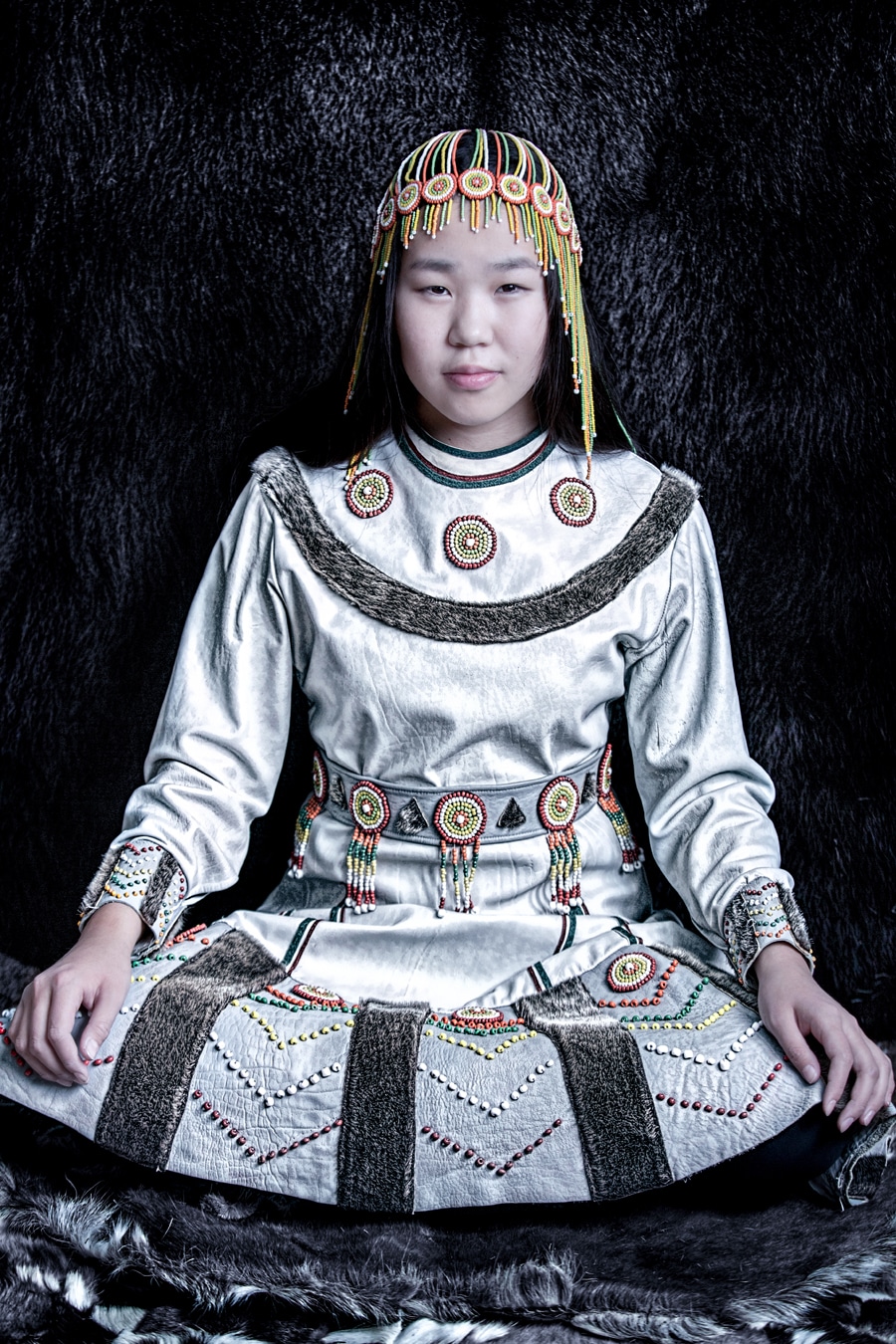
Alexander Khimushin The World In Faces

Chukchi girl. © Alexander Khimushin / The World In Faces

What do you hope viewers learn about Siberia and its culture from viewing your images?

Siberia is a part of my global photo project and my goals are not different if the photo portraits are taken in Siberia or anywhere else in the world. I would like the viewer to realize that while we are all different, we are all the same, sharing the same human values. Let’s all respect our cultural diversity, love each other and live in peace.

Siberia is a home to 41 different ethnic groups. While these people have unique different cultures—many of them, unfortunately, rapidly disappearing—they remain largely unknown to the rest of the world. Since I was born in Yakutia, can speak the language, am aware of the cultural nuances and probably know more ways of reaching some of the most remote areas of the world, I feel that I just have to visit all of the ethnic groups of Siberia and show their proud faces and unique traditions to the rest of the world.

Continue reading to see more unpublished images of ethnic minority groups Siberia.

The post Interview: Rare Portraits Immortalize Siberia’s Indigenous People in Danger of Extinction appeared first on My Modern Met.
http://ift.tt/2E8A954

“If there is an idiot in power; it is because those who elected him are well represented.” Mahathma Gandhi

Mahatma-Gandhi-Getty-Images-380

Interview: Artist Creates “Woven” Paintings of How Man and Nature Are Connected

Woven Oil Paintings by Alexi Torres

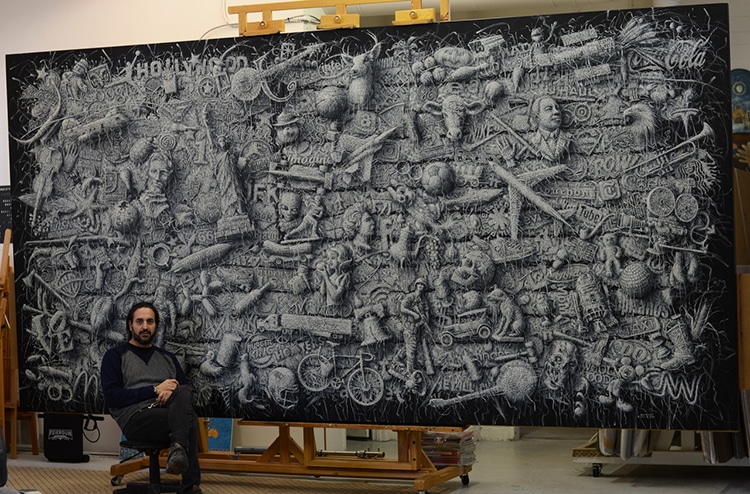
Alexi Torres with “Mastermind America” 96″ x 192″. Oil on canvas 2017

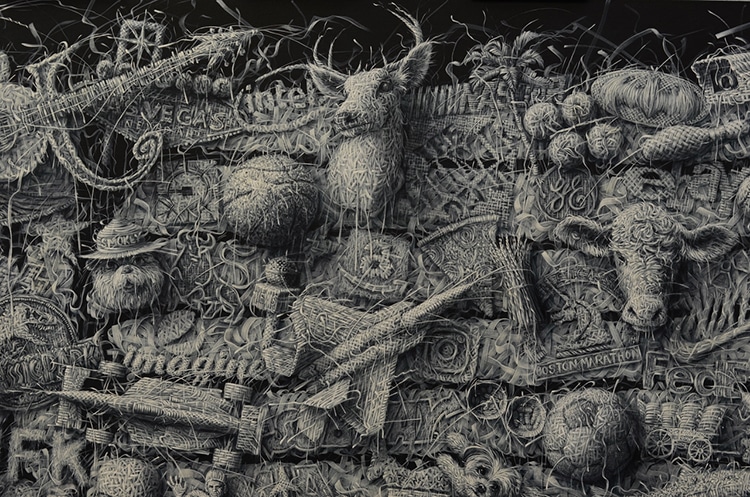
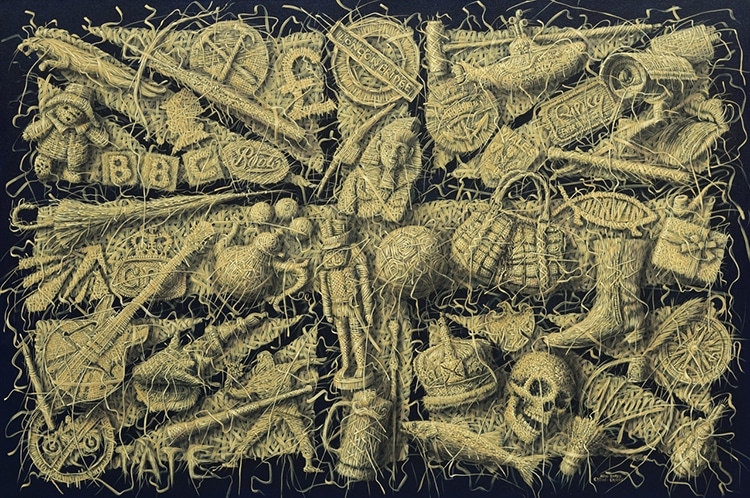
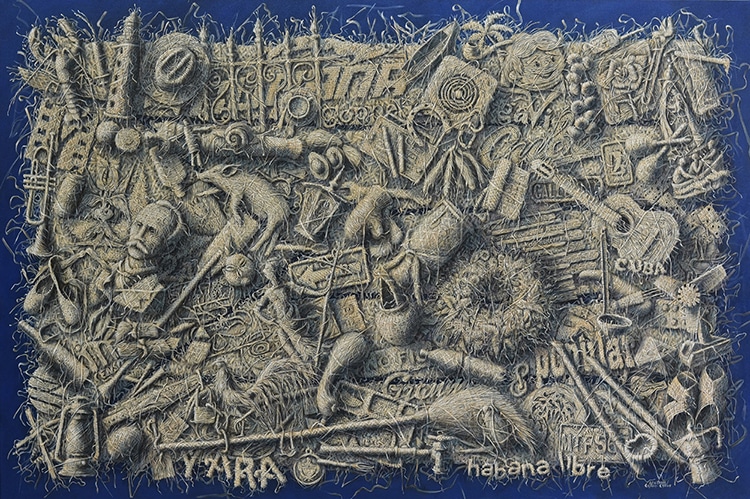
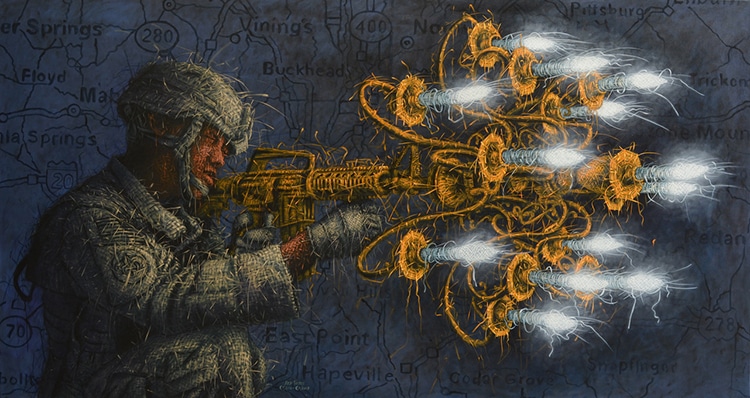
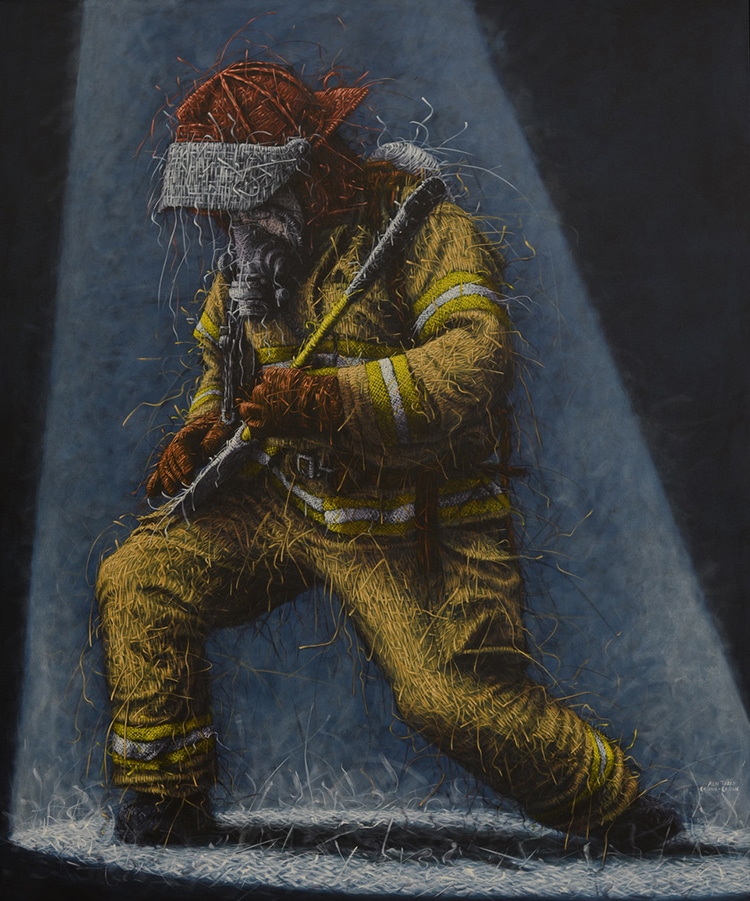
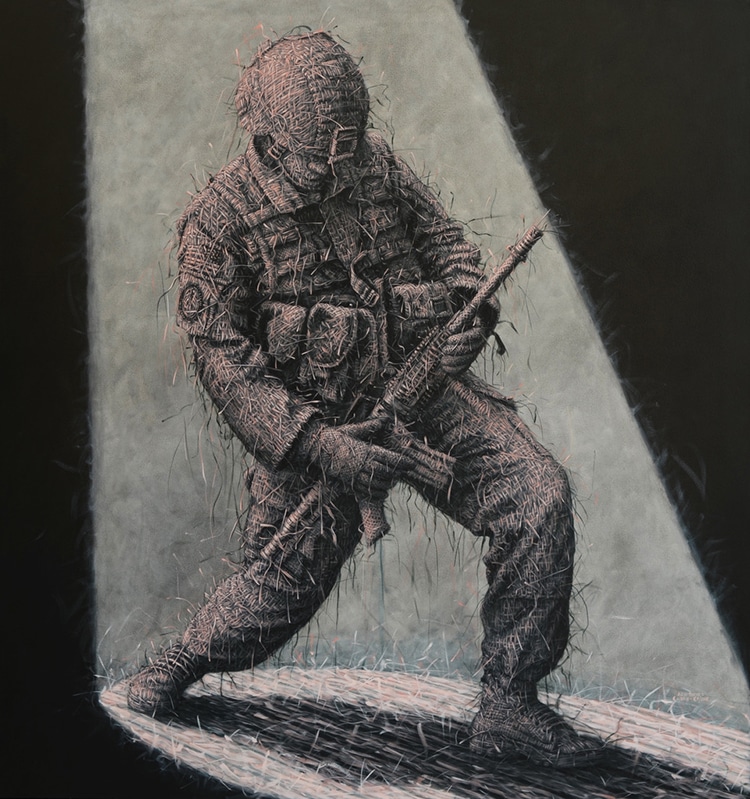
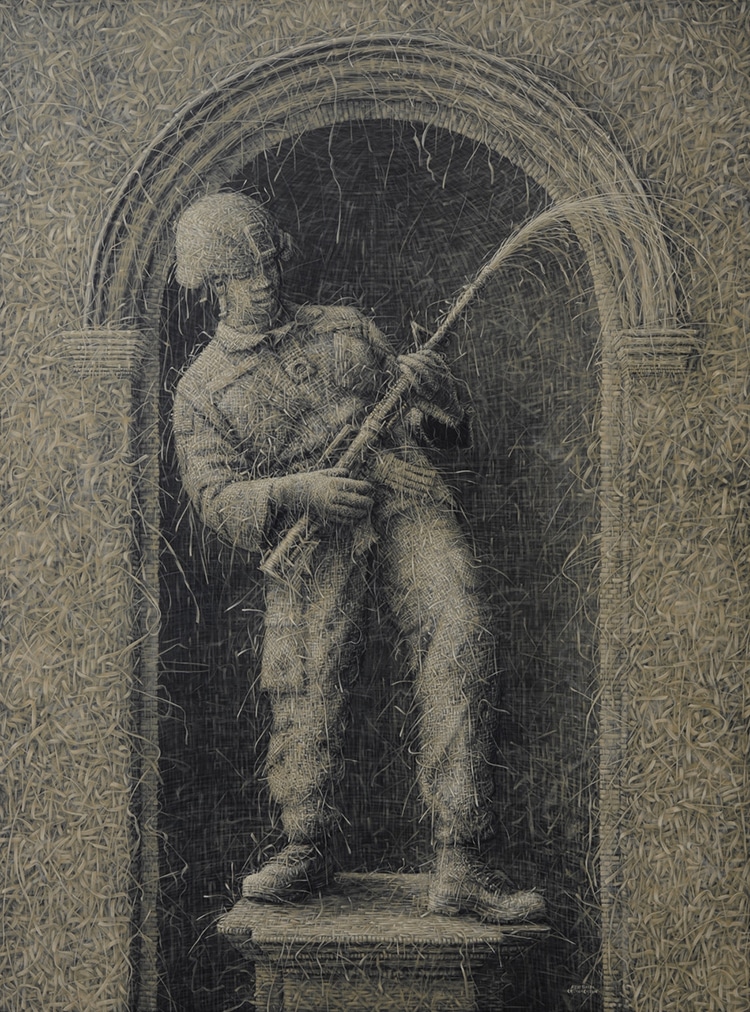
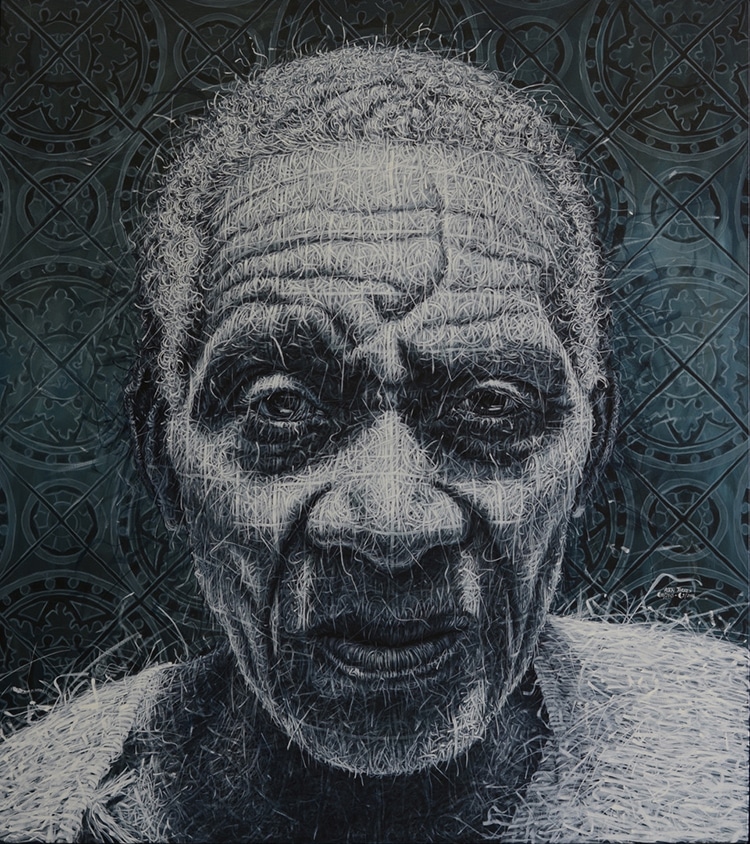
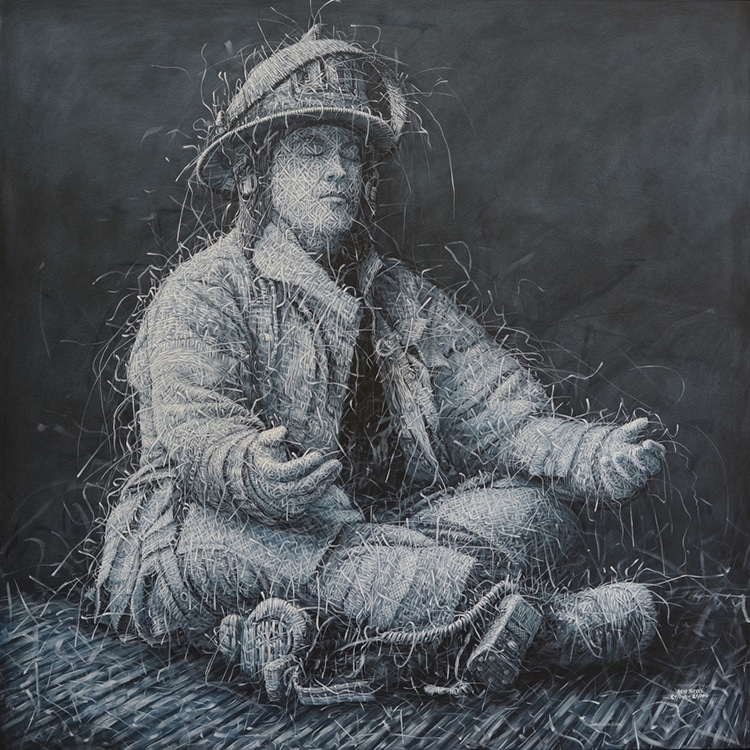
Cuban artist Alexi Torres creates surreal, large-scale oil paintings using an intricate “woven” technique. The incredible pieces create a three-dimensional, multi-layered illusion that draws the viewer in for a closer look. Ranging from striking portraits and depictions of military and emergency services personnel to woven memory “flags,” Torres’ impressive work explores the relationship between nature and man or, as he describes it, the “interconnectedness of all living things.”

The colossal paintings—including his 192-inch-long Mastermind America piece—intricately weave together symbolic elements, which stimulate the viewer’s memories and tap into their imagination. In one piece, titled U.K. Flag I, Torres paints a Union Jack-shaped “flag” that’s interlaced with iconic motifs of Britain, including St Edward’s Crown, Paddington Bear, and the London Underground. Taking inspiration from traditional processes and materials, the artist’s distinctive style is mostly rendered in traditional wicker colors, or monochromatic tones that highlight the depth and shadow of his subjects.

Woven Oil Paintings by Alexi Torres

“Mastermind America” (Detail)

Torres immigrated to America in 2003, but still holds his Cuban heritage close to his heart. He honors his culture in his artwork, both with his subject choices and his processes. For example, the Sunlight series features portraits of Cuban people affected by the current political conditions. “Most of the Cuban population is made up of farmers who plant and harvest their crops on the waning moon,” Torres reveals in his artist statement. “To be in harmony with my people and our ancestors, I begin and complete each painting according to the same lunar pattern.”

We recently had the chance to chat with Torres about his work, processes, and inspirations. Read on for our exclusive interview.

Cuban artist Alexi Torres creates large-scale “woven” paintings that stimulate the viewer’s memories and tap into their imagination.

Woven Oil Paintings by Alexi Torres

“U.K. Flag I” 48″ x 72″. Oil on canvas 2015

Woven Oil Paintings by Alexi Torres

“White Flag – Cuba” 72″ x 108″. Oil on canvas 2014

When did you first begin painting?

I started painting when I was very young, around 4th grade. My notebooks were always full of drawings. One day, I came home after school and my father had bought a large landscape painting and placed it in the living room. When I first saw it, I was completely struck by it. I could not believe that someone could do such a beautiful painting. I looked at it for hours and my motivation for becoming an artist grew that day. I was born in a small village east of Havana, Cuba, and I did not have access to other art or art museums until later when I went to art school in Havana.

Woven Oil Paintings by Alexi Torres

“Brain Wash – Enlightenment” 48″ x 90”. Oil on canvas 2017

What inspired you to paint in your distinct woven basket style?

What really always inspired me was making things with other things. That way, I was changing the meaning of the original object. When I was living in Cuba, all my work was political against the Castro regime. As a way to describe the sickness of the whole system and how things were so corrupt and unfiltered, I was using other elements in my work like pills, locks, keys, cigarette filters, etc. In 1999, myself and four other artists created the “Grupo Puentes,” a collective group of artists. Most of our shows were censored completely by the government.

When I came to the USA in 2003, I suddenly had freedom to create anything and so the political issues I dealt with in Cuba were not applicable anymore. I had access to information and to spirituality that I did not have before. This helped me to get a better understanding of the world’s problems based on religion, races, separation and disconnection from others. As a result, I started to paint objects and people made out of natural elements, like feathers and basket weaving. Using these elements helps to transmit the idea of interconnectedness within all of us as one, as well as with nature on a spiritual and physical level.

Woven Oil Paintings by Alexi Torres

“Spiritual Security – Meditation II” 60″ x 60″. Oil on canvas 2016

Woven Oil Paintings by Alexi Torres

“Spiritual Security – Rocking” 72″ x 60″. Oil on canvas 2016

How long might it take you to complete one piece?

After I started painting with the basket weaving technique, I began incorporating a ritual into my work process based on lunar cycles. I did this to make the connection between man and nature / man and the universe more direct and strong. I start each work when the moon is waning and I complete it a few months later when the moon is waning again, very much like my father does and his ancestors did to farm the land, plant the seeds and later harvest the crops.

With my works, it is as if I am planting an idea and working with universal laws in their realization. I always have around five paintings that I am working on at the same time. Each one takes a few months to complete and almost every month, I start and complete several works.

Woven Oil Paintings by Alexi Torres

“Spiritual Security – Love Song” 72″ x 68″. Oil on canvas 2016

Woven Oil Paintings by Alexi Torres

“Spirit of Security – Seduction” 96″ x 72″. Oil on canvas 2016

Why did you choose to paint on canvases of such a large scale?

Some works need to be large to be effective in meaning and intention. I personally challenge myself with every work that I do. This is how I grow and expand as a creator and an artist.

When and where is your favorite time and place to create your art?

I have my main studio in Atlanta, GA. This is the place where all the large works are created. I am a very disciplined artist. I work almost every day and I am at the studio early in the morning. My wife, Julie, and my daughter, Kali, are artists as well, so we all spend most of the day at the studio. Even if it looks like a lot of effort to create my paintings, they are effortless because it is total joy to make them.

Woven Oil Paintings by Alexi Torres

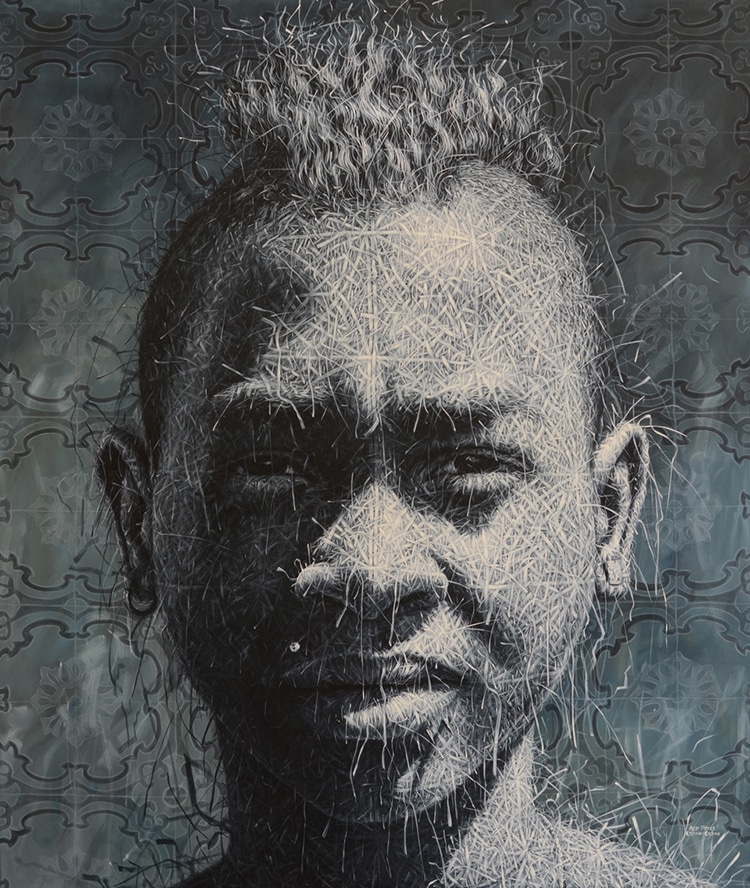
“Sun Light – Domingo” 72″ x 64″. Oil on canvas 2016

Woven Oil Paintings by Alexi Torres

“Sun Light – Ronald” 72″ x 64″. Oil on canvas 2016

Any upcoming projects or exhibitions you’d like to share?

I have two exhibitions coming up: Art Boca Raton, represented by Evan Lurie Gallery in March 2018, and a solo show at Mason Fine Art, Atlanta in October 2018.

Alexi Torres: Website | Facebook | Instagram | YouTube

My Modern Met granted permission to use photos by Alexi Torres.

Related Articles:

Artist Skillfully Details Paintings to Look Like Real Ornate Rugs

Artist Creates Exquisitely Detailed Paintings That Look Like Authentic Persian Carpets

Antonio Santn’s Oil Paintings of Tapestries Create Mind-Bending Illusions of Depth

Powerful Palette Knife Paintings Capture Vulnerability of Men with Mental Health Issues

The post Interview: Artist Creates “Woven” Paintings of How Man and Nature Are Connected appeared first on My Modern Met.
http://ift.tt/2s463uz

Nathaniel Tower is a writer with a family and a full-time job — and his position on whether or not a daily writing habit is crucial has become more nuanced over time.

via Should You Write Every Day? A Close Look at the Oldest Piece of Writing Advice

5 Best Wine Regions To Visit Before You Die

When the weather starts to get warmer and the vines begin to grow, a trip to one of the best wine regions can be a really fruitful experience. Not only do you get the opportunity to sample and learn about some of the finest wines in the world, but you also get to explore the beautiful regions they exist in.

Here are 5 of the best wine regions that you simply must visit before you die.

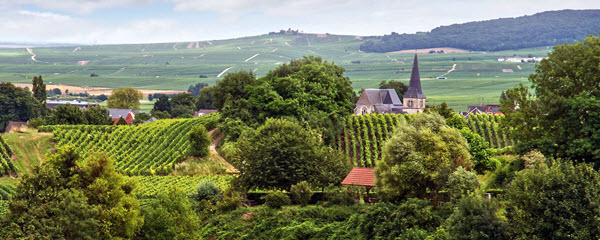
Champagne

The Champagne-Ardenne region is located in the northeast of France and- you guessed it- it’s the birthplace of champagne, the most celebrated of sparkling wines. Because of its close proximity to Paris, you could easily make a day trip to the region.

However, if you really want to make the best of your trip, try to spend at least two nights there. This way, you can fit in a visit to the towns of Reims and Epernay.

In Reims, you can choose from a variety of wine production and cellar tours. Those tours include the world-famous houses of Taittinger, Ruinart, Veuve Clicquot, Pommery, and G.H. Mumm. While you’re there, be sure to pay a visit to Notre-Dame de Reims and the glorious basilica, Saint Remi de Reims.

In Epernay, the tourism is solely centered around champagne. It includes tours to the prestigious houses of Moet & Chandon, Perrier-Jouet, Martel and De Castellane.

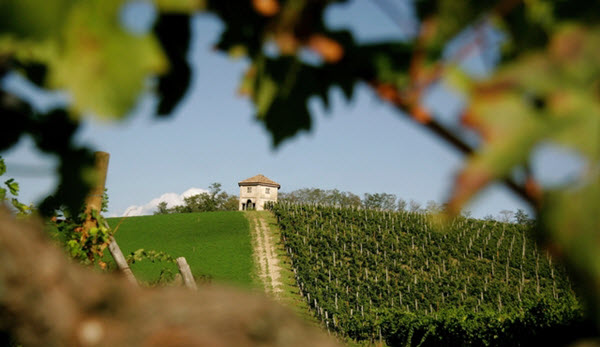
Lombardy

Just like France, Italy is famed for its wine regions and Lombardy in northern Italy is one of the largest in the country. Lombardy also produces some of the finest sparkling wines around: Franciacorta and Lambrusco.

The region is known as the industrial capital of Italy but it has this really beautiful view.

Take a tour of the gorgeous Tenuta Montelio, a monastery estate where vines have been cultivated since the 13th century. While you’re in the region, you can also visit the many attractions that nearby Milan has to offer. Great examples include the Duomo cathedral and the Royal Palace of Milan.

Or why not hit the shops for a spot of upmarket retail therapy?

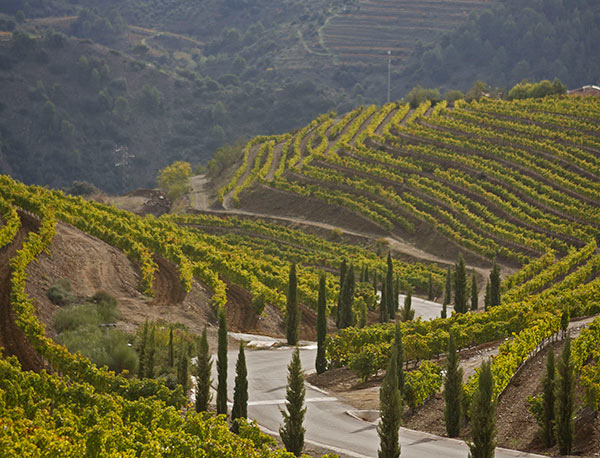
Catalonia

Catalonia is one of 17 autonomous regions in Spain and is home to more than 850 wineries. Because of the region’s warm weather, the wines of Catalonia are full-bodied and are generally high in alcohol content, particularly the red wines.

Red wine lovers should take a trip to Priorat, just south of Barcelona. It has a history of wine-making dating back to 1163.

There are a number of tours there that allow you to explore two to three cellars per day and sample many fine wines. Make sure you take the time to appreciate the incredible mountainous views the region has to offer before the wine gets to your head!

No trip to Catalonia would be complete without spending some time in Barcelona. There, you can enjoy beautiful architecture, culture, and art. Don’t miss the Sagrada Familia, the Casa Mila, and Park Guell. They are all designed by the architect Antoni Gaudi. Book your flights to Europe and start exploring!

Santiago

Santiago is considered to be one of the best wine destinations in the whole of South America. Some of the most acclaimed wineries and vineyards can be found in areas such as Maipo Valley, Casablanca Valley, and Colchagua Valley. They are only a short drive away from the city.

Maipo Valley is perhaps the most popular choice for tourists, renowned for its cabernet sauvignon.

The best time to visit?

Harvest season in April.

Wine tours and tastings are very bespoke here and need to be arranged beforehand.

While you’re in Santiago, trek up the San Cristobál Hill for a panoramic view of the city. You should also pay a visit to the Parque Forestal, which is dotted with famous landmarks and sculptures.

Melbourne

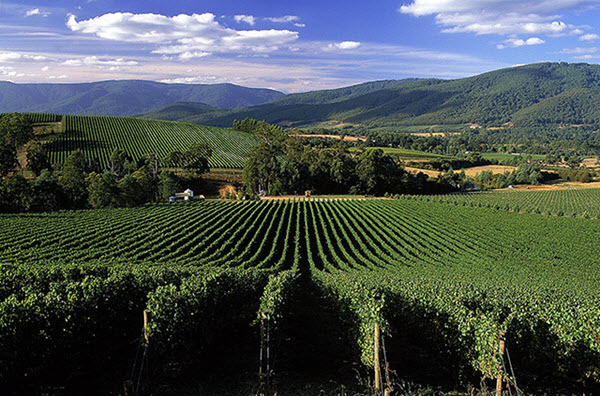
Melbourne provides the perfect climate for winemaking, allowing the region to produce chardonnay, pinot noir, and shiraz.

Yering Station Winery, a 43,000-acre vineyard, is only an hour away from the city, making it the ideal place to sample some fine red wines. You can also have a delicious meal at the restaurants there.

Yarra Valley, Sunbury, and Mornington Peninsula are just some of the other celebrated wine regions near Melbourne. They all deliver varying results due to their unique geographical characteristics.

Aside from the wine tourism, spending time along Melbourne’s sunny shores will surely make you understand why it’s often considered the most “liveable city” in the world.

The post 5 Best Wine Regions To Visit Before You Die appeared first on Dumb Little Man.

http://ift.tt/2ExbftD

Along the lower reaches of the Columbia River in Washington,…

Along the lower reaches of the Columbia River in Washington, Ridgefield National Wildlife Refuge preserves unique habitat for wintering birds and other fascinating wildlife. Quiet and attentive visitors may be treated to the sight of a long tailed weasel running across a trail or a group of river otters playing in the water. Look out over distant fields and you might see a coyote hunting for rodents or a white tailed deer grazing watchfully. The refuge is a place where people can share a bond with nature, and each other, by passing on outdoor traditions to new generations. Sunset photo by Donna Torres (www.sharetheexperience.org).


Confederation: The One Possible Israel-Palestine Solution

The peacemaking of the Oslo Accords is stuck over the same linked problems that thwarted peacemaking during the previous generation: terrorism, settlements, Jerusalem, borders, the economy, and refugees. It seems vain to blame only leaders or “narratives” for the impasse, and not the way peacemakers have framed the peace that is notionally to be made. “One state” is a mirage. But so, now, is “two states”—unless this portends an overt structure of independence and interdependence: in effect, a confederation. No other arrangement can work.


http://ift.tt/2s2GOc7

“Remember the Maine!”

There must be two Americas: one that sets the captive free, and one that takes a once-captive’s new freedom away from him, and picks a quarrel with him with nothing to found it on; then kills him to get his land.

–Mark Twain (“To the Person Sitting in Darkness,” 1901)

The USS Maine exploded in Havana Harbor 120 years ago this month, killing 261 and kick-starting the Spanish-American War. The cause of the February 15, 1898 explosion was likely accidental, but those favoring increased American support for Cuba’s independence struggle against Spain were quick to capitalize. Their patriotic “Remember the Maine — to Hell with Spain!” rallying cry ramped up pressure on President McKinley to seek retribution, and within two months war was declared.

Twain was a leading member of the Anti-Imperialist League, an organization founded in June 1898 as the U.S. was sweeping to victory in a “splendid little war” (coined by Secretary of State John Hay) against Spain. The AIL interpreted American enthusiasm for the war as a violation of the nation’s founding principles and a dangerous precedent. After the U.S. took over from Spain in Guam and Puerto Rico and then chose to rule the Philippines rather than promote self-government there, the AIL felt that their worst fears had been realized. Twain’s “To the Person Sitting in Darkness” pamphlet was perhaps his most famous attack on what he regarded as burgeoning imperialism and, given the Emancipation Proclamation just a half century earlier, shameless hypocrisy.

In The True Flag: Theodore Roosevelt, Mark Twain, and the Birth of American Empire, Stephen Kinzer describes the Spanish-American War as a watershed moment for the U.S. and the world. The opportunity to dominate faraway lands plunged the nation into the farthest-reaching and longest-running debate in American history, says Kinzer, the two sides representing “matched halves of the divided American soul.” Fanned by the fake news of the day, the inflammatory “yellow journalism” practiced by the competing Pulitzer and Hearst news empires, the debate polarized Main Street America and reached fistfight levels in Congress. As assistant secretary of the Navy under McKinley, Roosevelt aggressively promoted U.S. involvement in the war, then resigned in July in order to lead his volunteer Rough Riders into battle — this iconic story told in Mark Lee Gardner’s recent Rough Riders: Theodore Roosevelt, His Cowboy Regiment, and the Immortal Charge Up San Juan Hill. Roosevelt continued to promote his “Speak softly and carry a big stick” approach to foreign policy while vice president under McKinley in 1901; when he took over after McKinley’s assassination, Twain was a relentless adversary of the new president’s policies and his blustering, “bully pulpit” style: “Mr. Roosevelt is the Tom Sawyer of the political world of the twentieth century; always showing off; always hunting for a chance to show off; in his frenzied imagination the Great Republic is a vast Barnum circus with him for a clown and the whole world for audience . . . ”

In his new biography, President McKinley: Architect of the American Century, Robert W. Merry argues that the rise of the U.S. to world power status owes less to Roosevelt’s bluster than it does to McKinley’s quiet competence. Merry portrays McKinley as a conscientious worker, a details man, an effective administrator-in-chief running a White House that “never questioned whose hand was on the tiller of the national destiny or whose judgment would prevail as government officials grappled with the challenge of molding unfolding events into American greatness.” Moreover, says Merry, just as the Spanish-American War offers us lessons today about American imperialism, so the contrast between McKinley and Roosevelt offers us a chance to reflect about leadership. McKinley’s quiet, methodical personality and style have earned him a place well down the list of important presidents, while Roosevelt’s personality — “impetuous, voluble, amusing, grandiose, prone to marking his territory with political defiance” — has earned him a place near the top. Put differently, over “the American century” the nation has developed not only a taste for imperialist politics but imperial style:

We have come to regard true presidential greatness as consisting of boldness, brashness, directness, and flamboyance. It is difficult for many in the television era to see anything approaching greatness in a man lacking those traits, a man whose leadership was more of the hidden hand variety.


The post “Remember the Maine!” appeared first on The Barnes & Noble Review.

The Barnes & Noble Review http://ift.tt/2BP2et1

Phone

Long before they had mutated into those digital, immoderately powerful, GPS-fueled tracking devices that we all carry around in our back pocket, the telephone possessed a remarkable power to limn our hopes and fears. In the realm of cinema alone there was Hitchcock’s ’50s horror classic Dial M for Murder, the early-’70s phone-surveillance thriller The Conversation, and the ’90s Scream franchise, not to mention all of the bizarre phone calls in David Lynch’s films, and also The Matrix, which turns it into a conduit between competing human realities. In the literary realm we might briefly recall Philip K. Dick’s famous line — “There will come a time when it isn’t ‘They’re spying on me through my phone’ anymore. Eventually, it will be ‘My phone is spying on me’ ” — which now seems to have eerily foreshadowed the bouts of phone hysteria we regularly experience whenever there’s a new story about mass government surveillance, Russian hackers, or the unsettling experience of your phone showing you an ad for a product you were just talking about with your friend.

So it’s hardly a surprise that the British author Will Self, whose work has long displayed its affiliation with such giants of techno-modernism as J. G. Ballard, William Burroughs, and Franz Kafka, would get around to tackling this ubiquitous element of post-industrial technology. His new novel, simply titled Phone, is the much-heralded conclusion to his so-called neo-modernist trilogy, following 2012’s Umbrella and 2014’s Shark.

This 600-page, single-paragraph stream-of-ranting begins with some of this reviewer’s favorite writing of the entire novel, a dozen pages of impressionistic, only fleetingly connected phrasal riffs, each separated by a mysterious ” . . . . !” It later becomes evident that this is, apparently, the mind of Self’s recurring character Zachary Busner in the midst of an Alzheimer’s-inflicted episode of senility. When Busner comes to, we (and he) realize that he wears only a blazer and has his genitals laid out on the buffet of a swank hotel. As security begins its inevitable task of apprehending and escorting him off the premises, Self does a rather beautiful job of sketching in the details of precisely who Busner is, how he came to be here, and where he’s headed next.


Busner, we learn, is the aging patriarch of a sprawling family, as well as a wealthy, if somewhat eccentric innovator in the field of psychiatry (a role that Self has explored in several of Busner’s prior appearances in his work). This early stretch features some of Phone‘s most affecting and penetrating writing: Busner’s dismay and embarrassment as he discovers what Alzheimer’s has made of him (for starters, he and the security men discover that his hotel room is smeared with his own feces); Busner’s loneliness amid his bickering family, who have long since grown disconnected from and impatient with their odd and increasingly disruptive patriarch; and his own fears about his impending mortality and doubts about what he has done with his life.

It’s all rather rich and full of potential, but then, out of nowhere and without even so much as a paragraph break, we are rocketed into a parallel life — that of the aptly named Jonathan De’Ath, a.k.a. the Butcher, a closeted British MI6 agent who, among other strange affectations, endearingly carries on a running conversation with his lisping penis, whom he’s named Squilly. When we catch up with him, the Butcher is setting out to quarry a gorgeous, somewhat naïve member of the armed forces, ostensibly straight but in whom the Butcher senses a definite kink. Self rather gleefully narrates De’Ath’s militarily precise, boa constrictor–tight operation.

At this point the Butcher and his new lover, the somewhat excessively named Gawain, become Phone‘s core, as Self opens up their world while exploring their passionate, and completely secret, relationship. De’Ath is an entertaining, if absurdly macho and generally juvenile mind to hang around with, and through his involvement in every government conspiracy this side of Margaret Thatcher, Self takes the opportunity to traipse through many of the signal events of post-1989 world history. De’Ath’s back-story — involving his homophobic parents and the challenges of being closeted while pursuing a military and espionage career– is intriguing enough, but it lacks the urgency and emotional depth of Busner’s story.


Worse, it never feels as though the Butcher is going anywhere. Although Self grants De’Ath an almost unbelievably privileged position (at one point Tony Blair makes a cameo and sucks up to the Butcher about his tailored shirt), his thoughts about society are generally uninteresting. In essence, anyone who isn’t as brilliant and as macho as he is gets dismissed as a “sheeple,” and his reflections on ethics and morality tend to manifest around briefly celebrating his lost innocence, before thanking God that he’s eliminated his sentimental attachment to the perfectibility of man. But perhaps the biggest disappointment is Self’s failure to delve into the Butcher’s much-bandied “data set” — apparently the Butcher’s genetically abnormal, encyclopedic, and drug-addled mind has the ability to crunch an impossibly immense array of sociopolitical information to divine secret truths about the world, but we never learn more about this remarkable capacity or its implications.

All throughout the escapades of Busner and De’Ath, Self shows a thoroughly modernistic lack of interest in developing his plot — there are sizable chunks of back-story, and absolute deluges of raw information, but neither are caught up in anything close to a compelling narrative fix. Self does get some mileage out of the Butcher’s guilty vacillations over coming out, and he draws some interesting parallels between the clandestine lives of spies and those of closeted gay men, but it never feels like very much to hang your hat on, certainly not enough to propel one through hundreds of densely packed pages.

And then there’s Camilla, who feels a little bit like an afterthought that somebody forced Self to toss in. Daughter-in-law to Busner, mother of an autistic son, wife to a schizophrenic husband, she’s the book’s only real female presence. It must be said that rarely is absolute human misery so completely evoked in a work of fiction as it is during Camilla’s brief appearance in Phone. That’s no small achievement, but it also relegates Camilla to stoically enduring everything from her child’s stony distance to condescending doctors to menstrual cramps. One can’t help but notice the short shrift and relative lack of agency that Self grants her, particularly when Busner and the Butcher merrily go about their maximalist masculine mischief with such enviable freedom.


A lack of plot need not be an impediment to the success of a novel — see Joyce, Woolf, Beckett, Bernhard, etc., etc. — but something has to develop over the course of a work, or else one has stasis, and this is an issue with Phone. As the images and quips pile up, one is alternatively wowed by the author’s linguistic virtuosity and increasingly desperate for something in this cathedral of cleverness to spring into life. At length, the feeling of being inside of this book comes to resemble being forced to listen to one gargantuan hip-hop freestyle: the sheer tonnage of puns, coinages, one-liners, jargon, and alliteration is undeniably impressive — and for a while entertaining — but eventually one succumbs to dullness: the rhythms never change, the tone is ever posted at a fever pitch, and it more and more feels that less and less is at stake.

This stylistic excess would be more forgivable if Phone didn’t feel like a novel fruitlessly in search of ideas. Everything from the last quarter century that you could ever want is here, from the second Iraq war and the Balkan conflagration to autism (cue references to the MMR vaccine hysteria), terrorism, the evolution of queer culture, the rise of the Internet, and, of course, the massive revolution in telecommunications. All of these things, plus about 100 more — not to mention plenty of allusions to heroes of literary modernism — are carefully woven into Self’s furious flow of data. Self seems to be fascinated by the way that our increasingly technological civilization has granted outliers — be they geniuses, drug junkies, suffers of autism, or just long-tail bloggers with bizarre theories about the world — greater and greater inroads to society at large, but it all never collects into anything more than snapshots of various eras (which, for what it’s worth, are quite gorgeously done). One reads through this novel titled Phone and littered with communication devices of every kind — from humble tin cans tied with string to high- and low-tech spy devices to the newest, most powerful iPhone — without coming away with anything close to a new way of seeing the glowing tablets we’re now trying not to be addicted to, or the web of connections that gives them their increasing power.

The result is an energetic ride that offers a lot of fun and erudition — probably for many readers that will be enough. Phone presents a thoroughly domesticated, tamed version of modernism, akin to some enormous, armor-plated rhinoceros that’s been so subdued by the forces of civilization that you can walk right up to it and hop on its back. Taming such a creature might well be admired as a feat: but it leaves us wanting a confrontation with something wilder.

The post Phone appeared first on The Barnes & Noble Review.

The Barnes & Noble Review http://ift.tt/2nw6dX2

8 Meaningful Gifts To Surprise The Man Of Your Life On Valentine’s Day

For all the beautiful surprises your boyfriend plans for you to make you happy and for every little thing he does for you to make you feel special, it is now your time to show all your love for him. This February 14, make him feel loved and special by surprising him with a beautiful gift.

Now, if you aren’t sure what to give him, here are 8 Valentine’s Day ideas for him.

An Electric Wine Opener

This Valentine’s Day, surprise your boyfriend with an electric wine opener. You can make it a little more special by adding his favorite bottle of wine. He would definitely love this surprise from you.

Love Cushions

Cushions make one of the best Valentine’s gifts as they don’t just provide comfort but also remind the recipient of you even when you are away. A comfy and cozy cushion with a ‘You’re My Hero’ quote printed on it will really make your partner special. This gift will also show him how much you care for him.

Best Boyfriend Mug

A cute coffee mug that says ‘Best Boyfriend’ can make your boyfriend’s coffee time a lot more special. Each time he drinks his favorite coffee, you’ll surely find him with a beaming smile on his face.

A Grooming Kit

A grooming kit will make a meaningful gift for any man on Valentine’s Day because it’s something every man can put to use almost every day. Just make sure that your grooming kit contains all the necessary items your partner needs.

Include his favorite hair styling product, shower gel, and trimmer. You can also add his choice of shaving cream and deodorant. And because he also needs to pamper himself, you can include a good set of skincare products for him.

A Fitness Band

If your boyfriend is health conscious and regularly goes to the gym, then gifting him a fitness band on Valentine’s Day will really make him happy. This gift will show how much you respect his individuality. With a fitness band, he’ll be able to keep track of his fitness progress, including his weight loss or weight gain.

A Delicious Cake

This special day wouldn’t be complete without a delicious cake.

So, begin the celebration on a sweet note with a delicious cake. Make sure to get one in his favorite flavor.

While you can order a cake from online cake shops, he’ll appreciate it more if you bake one especially for him.

Books

If your partner loves reading and getting lost in the world of fantasy, a good book would be the perfect gift. Now, before you give him one, it’s a good idea to find out what genre he’s interested the most.

You can check out the collection he already has at home. You can also see what books he likes talking about the most or ask some of his friends for some recommendations.

Accessories

As much as women enjoy getting dolled up, men love being fashionable, too. You can get your partner a new belt, necktie, watch or a new pair of sunglasses. You can even design a hamper and wow him on Valentine’s day.

Be the reason for your boyfriend’s smile and prepare a surprise with these Valentine’s day ideas for him. Your gift doesn’t really have to burn holes in your wallet. Remember, it’s the effort and thoughts that matter.

See Also: Korean Valentine’s Year: 12 Romantic Celebrations Every 14th of the Month

The post 8 Meaningful Gifts To Surprise The Man Of Your Life On Valentine’s Day appeared first on Dumb Little Man.

http://ift.tt/2EaLiCw