 In 1979 I took a United Service Organizations bus tour from Seoul to the DMZ. Once there, we were admitted to a conference room that straddled the border. North Korean soldiers peered in at the windows. My negatives from that day sat collecting dust on a shelf for nearly forty years. Seeing the images for the first time, I’m struck by the choreography of the soldiers on either side of the border; they seemed to be involved in an intricate dance of watching and being watched. There was a paradoxical intimacy to the encounter despite the great unknowing.
Month: March 2018
This weekend, the annual Iditarod race kicked off in Alaska….

This weekend, the annual Iditarod race kicked off in Alaska. This famous dog-sled race traverses across the rugged Alaska tundra, including on the Iditarod National Historic Trail. A 2,300-mile system of trails that first connected Alaska Native villages and opened Alaska up for America’s last great gold rush, the Iditarod Trail now plays a vital role for travel and recreation in modern-day Alaska. Photos by Kevin Keeler, Bureau of Land Management, @mypubliclands

9 Ways to Shine in Meetings as an Introvert

There are lots of times when being an introvert can be good for your career, but meetings are rarely your chance to shine. More naturally extroverted colleagues tend to hog the limelight and you are left cursing yourself for not speaking up and showing what you can contribute to the discussions. It doesn’t mean that you don’t have good ideas, but you’re just not able to showcase them at the right time, so it can feel like this is holding you back in your career.
But what can be done? Unfortunately there’s no sign that meetings are going to become less important as a part of workplace culture anytime soon, so it’s up to introverts to find ways to utilize their particular skills to emphasise their qualities rather than the areas where they struggle.
So here are nine ways introverts can shine in a meeting:
Use the agenda to plan ahead
If you aren’t as good at thinking out loud, you need to be able to take your ideas in fully-formed so that you can share them. Read the agenda if possible and start to think about things you can say ahead of the meeting, making notes that you can take in.
Avoid caffeine
You might think that something like coffee would help stimulate your body and mind to be more extroverted in a meeting, but over-stimulation can actually exhaust you and send you further into your shell, so try swapping it for a calming camomile tea instead.
Get there early and make small talk
You enjoy small talk about as much as you enjoy meetings, but participating in some of the former can actually get you warmed up and ready to impress in the latter, so try and get to the meeting early to talk to other people in a less formal setting.
Look interested and enthusiastic
Fake it until you make it, basically. Even if you are lacking confidence on the inside, using positive body language like sitting up straight and leaning forward to speak can actually boost your testosterone and reduce levels of the stress hormone cortisol.
Say something early on
The longer the meeting goes on without you having contributed, the more nervous you are likely to get and the less likely you are to speak up, so try to ensure that you have something to say early on. Find something in the agenda that you can contribute to.
Don’t let people rush you
While you will want to avoid seeming like a shy introvert in meetings, that doesn’t mean falling into the trap of going against your own nature and looking foolish. If you need more time to answer a question, ask for the time and have people come back to you when you’ve had the chance to come up with a strong answer.
Give yourself the role of summing things up
Introverts are typically very good at listening and forming concrete conclusions, so take notes during the meeting and offer to run-through actions and key aspects at the end, giving yourself an important role and something to say.
Follow up on your terms
As an introvert, you much prefer dealing with people on a one-to-one basis, so instead of sitting through a meeting without speaking and them admonishing yourself afterwards, use the opportunity to find topics that you can pick up with colleagues in smaller meetings afterwards. This gives you the chance to contribute more in a more comfortable setting.
Get more practice
Like any workplace skill, the more you attend meetings, the better you will be in them. So try asking to be involved in as many relevant meetings as you can, and keep working through these tips to build up your confidence and also your profile at work.
You can read more about these tips in this infographic from On Stride Financial, and if you follow them, you’ll soon be the star of every meeting you’re involved with.
Luke Doyle writes on behalf of NeoMam Studios and is based in Manchester, UK. When not sharing content, Luke’s passions include traveling and photography.
You’ve read 9 Ways to Shine in Meetings as an Introvert, originally posted on Pick the Brain | Motivation and Self Improvement. If you’ve enjoyed this, please visit our site for more inspirational articles.
>
Created on March 3, 1849, the Department of the Interior was…

Created on March 3, 1849, the Department of the Interior was sometimes called the “Department of Everything Else.” Today, Interior’s mission is a diverse mix of duties ranging from managing the nation’s natural resources and cultural heritage to pursuing cutting-edge science to benefit the pubic and honoring trust responsibilities to American Indians, Alaska Natives and affiliated island communities. Of course, we’re known best for public lands like Great Smoky Mountain National Park in North Carolina and Tennessee, one of the most visited national parks in the system.
Photo by Chris Mobley (www.sharetheexperience.org).
The Waste Land & Art: An Intriguing Jumble
 The exhibition “Journeys with ‘The Waste Land'” tries, perhaps too hard, to embrace the poem’s multiplicity. This does not altogether work. There’s an air of clutter, of packing too much in, of a lack of direction that leaves visitors baffled. The clue to the problem lies in the exhibition’s slippery subtitle, “A visual response to T.S. Eliot’s poem.” The show, it turns out, is not the response of artists, but of the group itself. Some artworks here respond directly to The Waste Land, others to Eliot and Modernism more generally. Many more are included simply to conjure moods and themes.
Using Yoga As A Relapse Prevention Strategy

Yoga Balances Mind And Body
Researchers have found that yoga might help break the cycle of addiction. Yoga treats the mind and body together, releasing stress and creating balance. Incorporating yoga in long-term treatment helps those in recovery avoid relapse and achieve a lifetime of better health
The Danger Of Relapse
Turning away from substance abuse is hard. Staying sober after detox is harder, even when people in recovery know the potentially devastating effects of relapse.
The most recent data from the National Survey on Drug Use and Health found 21.5 million Americans 12 and over struggle with substance abuse. While experts consider addiction a highly treatable disease, less than 11 percent of individuals who need treatment actually receive it.
Relapse is common, with rates in some studies between 40 and 60 percent and in others as high as 85 percent. Relapse may occur weeks, months or years after addiction treatment.
Relapse rates for substance abuse are similar to those of other chronic diseases affected by lifestyle choices and psychological factors. Relapse doesn’t mean treatment has failed, but it does indicate a need for adjustment.
Relapse prevention programs teach techniques for recognizing the danger signs and developing skills that help individuals resist. Holistic addiction treatment involves overall mind and body health. Without a long-term prevention plan, people in recovery are more likely to fail, but the right plan can create lasting success.
How Relapse Prevention Strategies Help
Knowing relapse triggers and coping skills helps you see danger while it is still in the distance and make plans for taking an alternative route. Relapse prevention coping skills also give you tools for fighting intense cravings that come on suddenly. Prevention strategies help you manage the emotional, mental and physical factors that make you more likely to choose substance abuse over continuing health.
Relapse Triggers
Every person is different, with unique factors that set them off. One person might feel a sudden urge to drink when they associate with old friends. Another may be thrown off balance when they see drug paraphernalia or smell alcohol. Some triggers are common to almost everyone.
Individuals are more likely to relapse when they feel withdrawal symptoms like nervousness, upset stomach or shakiness. Even after withdrawal, they may feel anxiety, depression or irritability that acts as a trigger.
How you take care of your body and stress management affects mental health. A poor diet, inconsistent sleep schedule or stressful environment can increase your relapse risk. You may be tempted to return to substance abuse when you feel strong negative emotions like loneliness, exhaustion or anger.
When relationships go wrong, or you have too much time for thoughts to run unchecked, it upsets your mental balance. Countless individuals have relapsed because they decided the struggle was behind them, that they no longer had a problem.
Relapse Stages
While relapse might feel like a force that jumps on you out of nowhere, it’s actually a process that starts well in advance of an individual’s return to substance abuse. It often happens in three stages.
The first stage, emotional relapse, starts with unhealthy feelings and behaviors. Factors outside your control may lead to work stress, financial pressure or days of poor eating and sleeping. You’re not thinking about drugs or alcohol, but you may stop going to meetings and feel moody, anxious or isolated. When you recognize the process at this stage, it’s easiest to make adjustments.
The next stage is a mental relapse, when your mind begins to suggest substance abuse as a way to feel better. You might start to fantasize about using drugs or alcohol and plan how you might accomplish it without those close to you noticing. You reach out to old friends or drive past old hangouts, tempted to go inside. You come up with ways to have just a little and this time show self-control. The temptation becomes harder to resist.
At this stage, you can still prevent relapse by reaching out for help. Contact your support individuals and tell them you’re struggling to release the internal pressure. Then occupy your time with other hobbies and interests. Yoga helps because it takes that tension and channels it into something that is healthy and right.
The final stage is the physical relapse. If your mind continues to entertain the idea of using drugs or alcohol, eventually you give in.
Benefits Of Yoga
Relapse has both physical and mental components, and yoga strengthens both. When many people enter recovery, they have spent years engaging in unhealthy behaviors that weaken muscles, create nutrition imbalances and reduce stamina. They also may have co-existing mental health disorders that affect healthy thought processing. Recovery itself is stressful, and yoga helps channel that stress into an activity that improves mind and body strength.
One of the biggest benefits of yoga therapy is that it’s accessible to individuals at every fitness level. It helps people become physically strong and develop greater muscle control. Even if you can’t touch your toes at your first session, over time you’ll see improved flexibility. As joints and muscles become strong and limber and tight connective tissue begins to stretch, chronic aches and pains will decrease, encouraging even more physical activity.
Substance abuse and unhealthy eating impact cartilage and joints. Yoga improves circulation to flood these areas with nutrients, so they begin to rebuild. When you lift your body weight in postures like downward and upward facing dog, you strengthen bones and reduce your risk of osteoporosis.
Some describe yoga as meditation in motion. It helps you focus on being present, on the sensations in your body. You feel healthy breath fill your lungs and strong muscles move you fluidly through your space. Your self-awareness improves and your mood lifts. Whether you think of yourself as spiritual or not, you feel a connection between body and mind. While yoga is commonly thought of as a fitness activity for women, men can and should make it a part of their exercise regimen as well.
Additional Resources
Reflections Recovery Center helps individuals find sobriety and stay healthy for life. Find more resources for preventing relapse and living sober on our relapse prevention page.
You’ve read Using Yoga As A Relapse Prevention Strategy, originally posted on Pick the Brain | Motivation and Self Improvement. If you’ve enjoyed this, please visit our site for more inspirational articles.
>
Aerial Drone Photos Immortalize the Dynamic Beauty of a Fast-Changing Shanghai

German photographer, digital artist, design director, and adventurer Mark Siegemund captured the incredible cityscape of Shanghai with a drone camera. Now living and working in the Chinese metropolis, his growing portfolio showcases the city’s dynamic, urban landscape from hard-to-reach angles, just like views from a bird’s perspective, above winding streets and between skyscrapers.
A city that is essentially divided into two parts by the Huangpu River, Shanghai separates the future from the past. On one side is the Financial District, also known as Pudong, and on the other is the old sector, called Puxi. Siegemund’s images capture this strange juxtaposition, showing the contrast between tradition and modernity. Images of the sprawling Financial District reveal it’s vast scale, swirling neon lights, and skyscrapers bathed in sunlight. As a design director for an architectural firm, Siegemund is often drawn to Shanghai’s most majestic structures. A focal point is often the needle-like Oriental Pearl Tower which is the second tallest structure in China (the first being the Shanghai World Financial Center).
In contrast, old town scenes include ancient villages, crowded spring festivals, and the flag-filled streets of temple towns, in celebration of the Chinese New Year. Recently though, there’s been ongoing demolition projects with plans to replace traditional neighborhoods with low-rise housing developments. Siegemund reveals on Instagram that sadly, some of the “ancient winding streets that have housed Shanghainese communities for generations” will cease to exist. “Residents welcome visitors, saying, ‘You’d better look now, it’s not going to be here for long.’” He continues, “Living in a mega city like Shanghai it is not always easy to calm down and find peace!” It is only when he looks behind a wall or discovers hidden paths, that he might find communities living the “slow life.” “I hope they will prevail forever and overcome the endless urbanization process!”
Find more of Siegemund’s incredible images on Instagram.
German photographer, digital artist, design director, and adventurer Mark Siegemund captures Shanghai’s incredible cityscape with a drone camera.



His growing portfolio of drone photography showcases the city’s dynamic landscape from hard-to-reach angles…


…just like views from a bird’s perspective, above winding streets and between skyscrapers.






From the vast Financial District…






..to the backstreets of old temple towns…



…his stunning images capture the city’s unique mix of old and new.








The post Aerial Drone Photos Immortalize the Dynamic Beauty of a Fast-Changing Shanghai appeared first on My Modern Met.
Living Room Portraits: ‘They Betray Who You Are’
 Lucy McKeon: You see photographs of living rooms as portraits of people’s interiors—both literally and as visual representations of who they are.
Dominique Nabokov: Yes, the living room is ultimately the vitrine, your vitrine, to the world. It’s where you want to show yourself to the world, consciously or unconsciously. And even if you use an interior decorator, it still will betray who you are. So, in a way, it’s like your clothes. It betrays who you are—not 100 percent, of course, but 75 percent.
Man’s DIY Maple Tree Tapping System Collects 100 Gallons of Sap
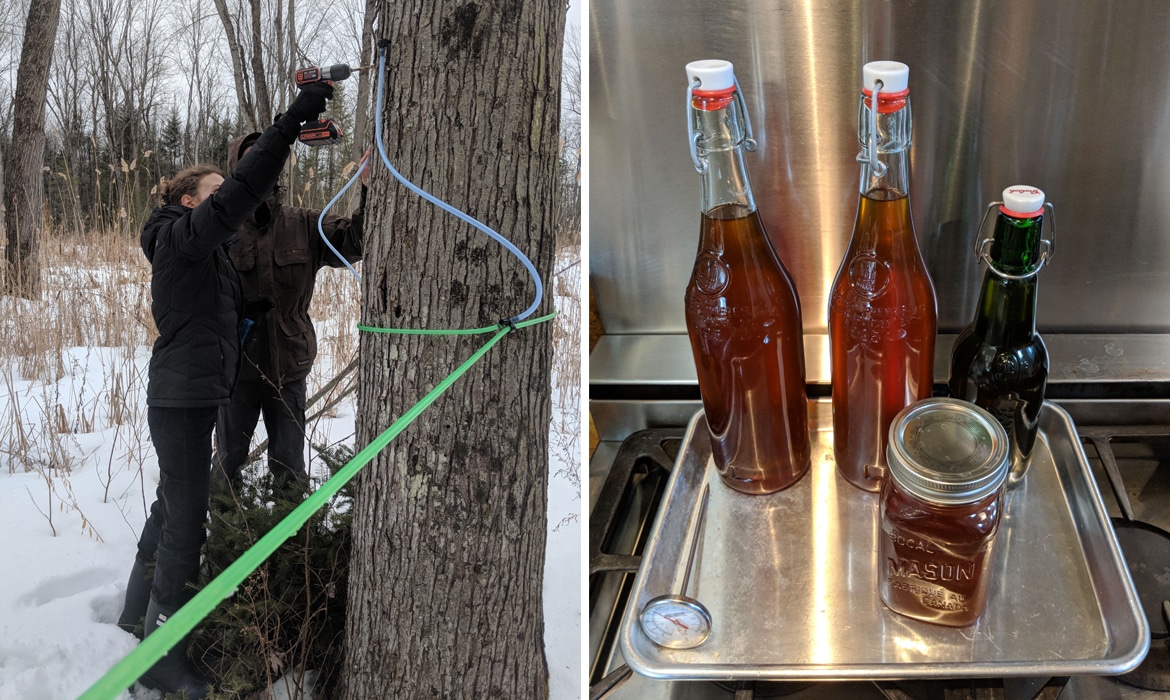
Tapping maple trees is a tradition spanning hundreds of years. Dating back to the 17th century, early settlers in the Northeast US and Canada learned about sugar maples from the Native Americans. For a brief period of time between winter and spring, holes drilled into the tree yield the sap we’ve come to love on pancake and waffles. This still exists today, but technology has helped tweak the process—one that Redditor HDC3 shares in an epic DIY maple syrup tree tap.
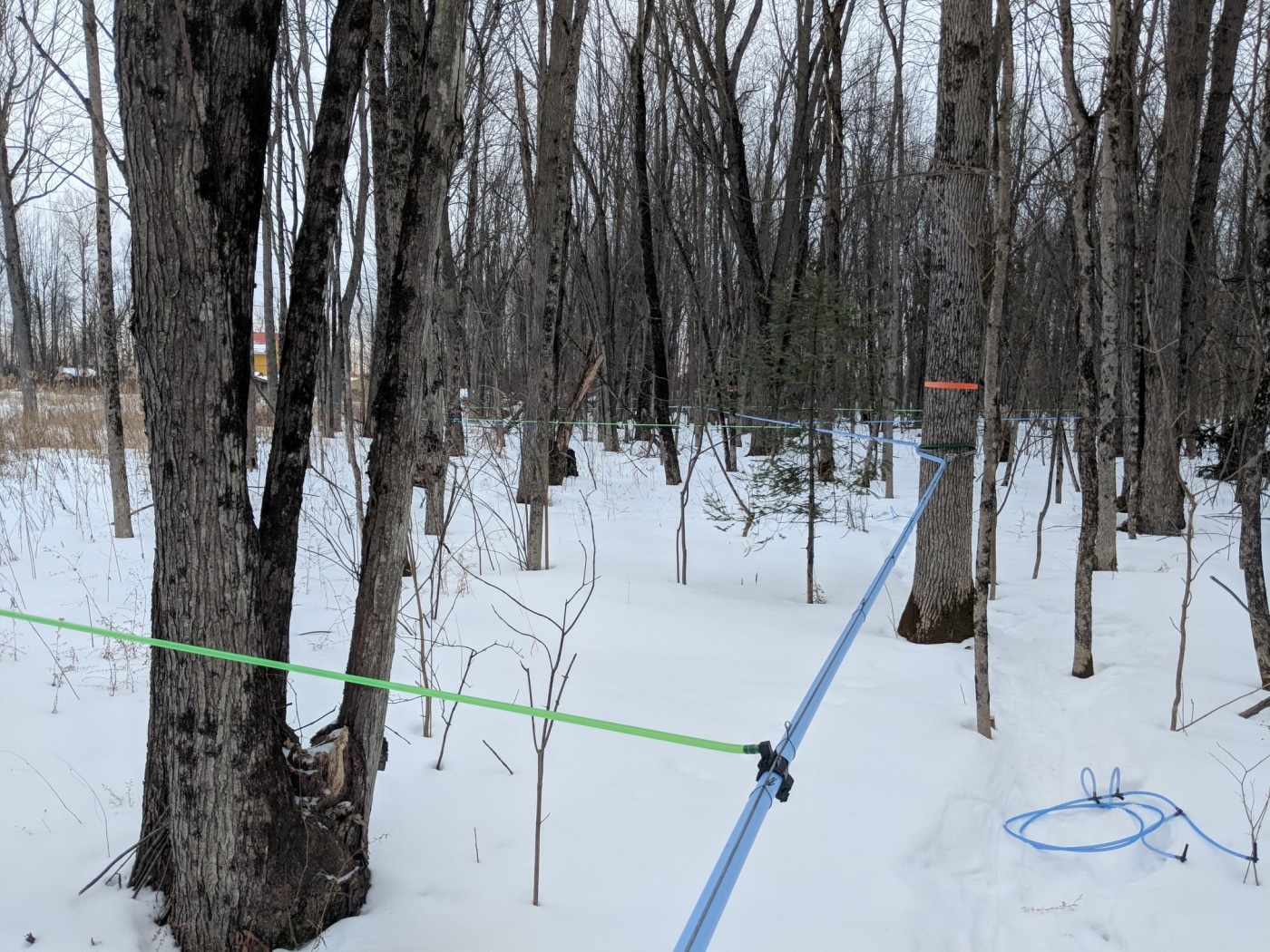
In a post on Imgur, HDC3 showed the extensive prep that went into the tree tap. The savvy DIYer readied 200 reusable drop rigs, which “combine a spile or spigot or tap with a one meter (three foot) 5/16″ hose and a tee with a cap on it.” The taps were then drilled about two inches deep into the tree. Those 200 drop lines connected to “lateral lines” using the tree, which further connected to a larger mainline and collected the sap—almost 100 gallons of it.
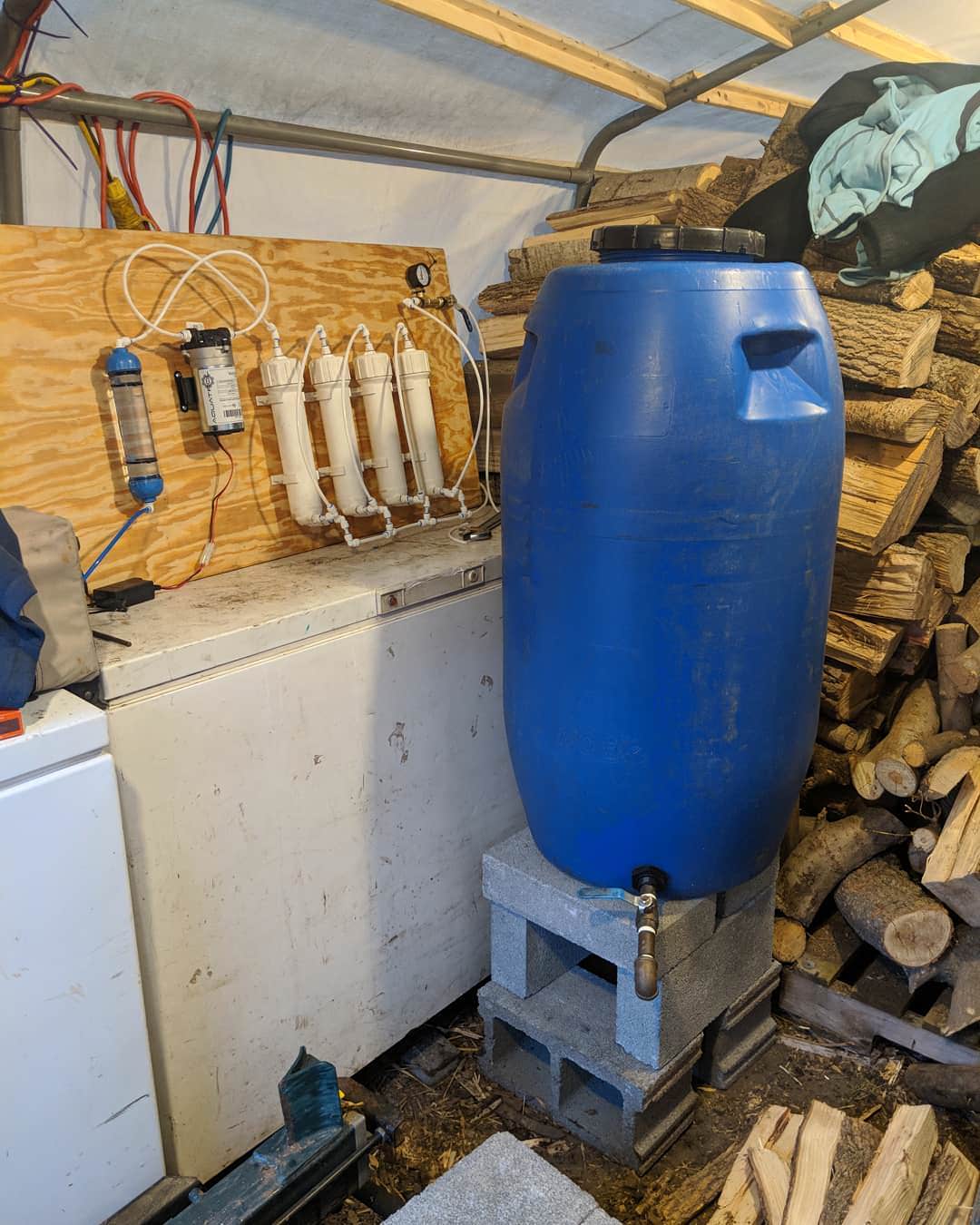
This system also allowed HDC3 and crew to tweak the sap itself. “The sap comes out of the trees at around two percent sugar,” they explained. “This year (yesterday) I added this four-stage reverse osmosis system that I assembled from parts I found on eBay and stuff I bought at Lowes. It brings the sugar content up to eight percent which means that it’s saving us 75% of the work boiling out the water and increasing our yield by a factor of four.”
After collecting the sap, half of an oil tank helped to evaporate the water in it. “It isn’t pretty but it makes delicious maple syrup,” HDC3 recalled. Once that was complete, it was time to boil. “We bring the sap to around 60% sugar on the evaporator then filter it and take it into the house to finish on the stove. We filter it again when it reaches 66% sugar then bottle it.”
After all that work, the first production run of 2018 yielded about 2.5 liters after eight hours of evaporation. HDC3 is hopeful that their future batches will make even more syrup to enjoy. Learn more about this DIY in HDC3’s Imgur post.
Redditor HDC3 showed off an impressive DIY project for tapping maple trees. It started with 200 drop rigs.

Then, the group drilled a 5/16″ hole about two inches deep into the tree and inserted the tap.
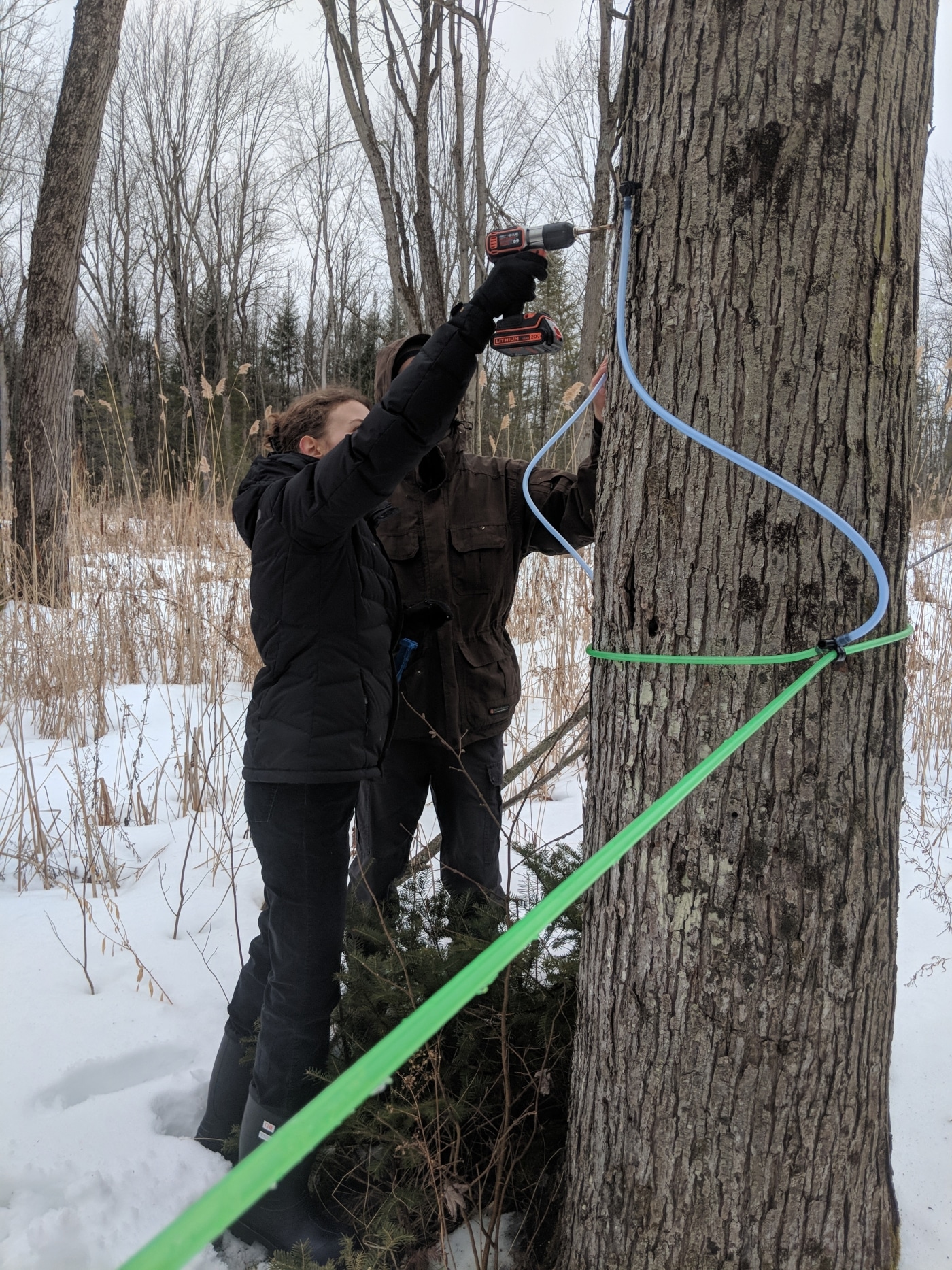
The drop lines were connected to the lateral lines…
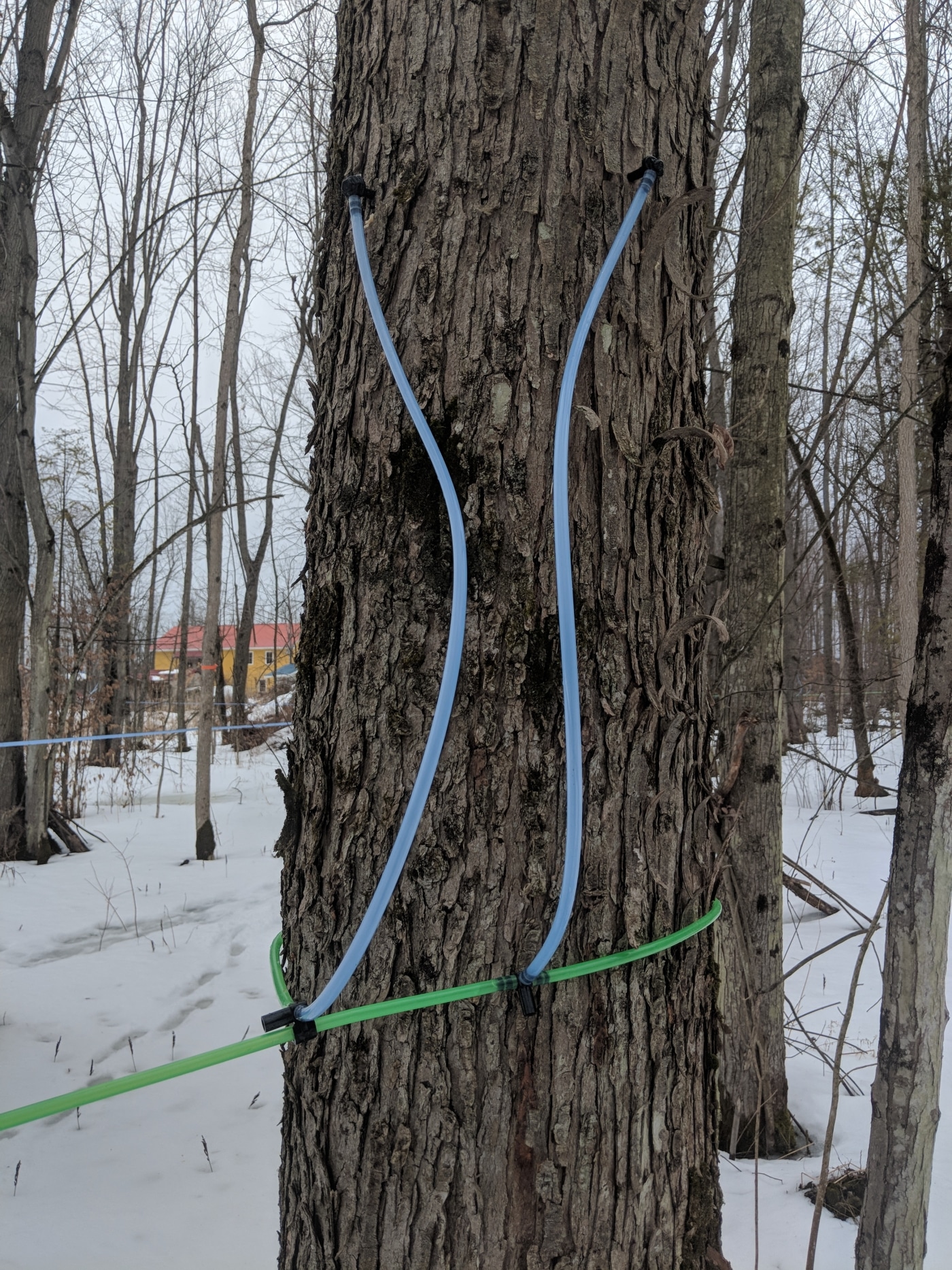
… that ran to a mainline.

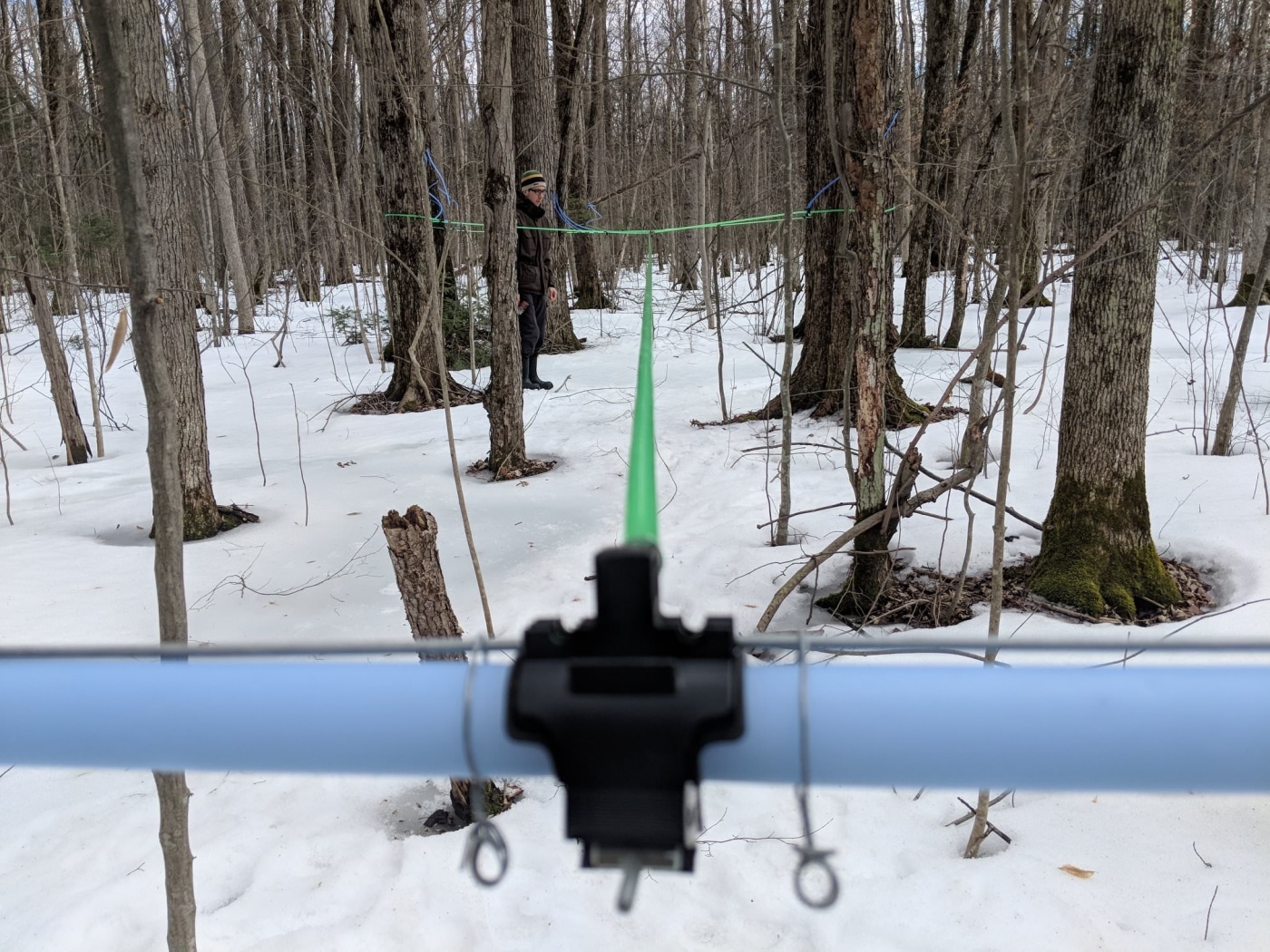
The lateral line serves four trees and a total of 10 taps.


They collected almost 100 gallons of sap!
The post Man’s DIY Maple Tree Tapping System Collects 100 Gallons of Sap appeared first on My Modern Met.
The B&N Podcast: Steven Pinker

Every author has a story beyond the one that they put down on paper. The Barnes & Noble Podcast goes between the lines with today’s most interesting writers, exploring what inspires them, what confounds them, and what they were thinking when they wrote the books we’re talking about.
Harvard psychology professor and award-winning author Steven Pinker has been named one of the 100 most influential people in the world by Time magazine, and his specialty is books that challenge our preconceptions about human nature and human history. On this episode, the author of The Language Instinct and The Blank Slate joins Jim Mustich to talk about his new book Enlightenment Now: The Case for Reason, Science, Humanism, and Progress, and how the advances of the 18th century are still powerfully at work in the 21st.
If you think the world is coming to an end, think again: people are living longer, healthier, freer, and happier lives, and while our problems are formidable, the solutions lie in the Enlightenment ideal of using reason and science.
Is the world really falling apart? Is the ideal of progress obsolete? In this elegant assessment of the human condition in the third millennium, cognitive scientist and public intellectual Steven Pinker urges us to step back from the gory headlines and prophecies of doom, which play to our psychological biases. Instead, follow the data: In seventy-five jaw-dropping graphs, Pinker shows that life, health, prosperity, safety, peace, knowledge, and happiness are on the rise, not just in the West, but worldwide. This progress is not the result of some cosmic force. It is a gift of the Enlightenment: the conviction that reason and science can enhance human flourishing.
Far from being a naïve hope, the Enlightenment, we now know, has worked. But more than ever, it needs a vigorous defense. The Enlightenment project swims against currents of human nature—tribalism, authoritarianism, demonization, magical thinking—which demagogues are all too willing to exploit. Many commentators, committed to political, religious, or romantic ideologies, fight a rearguard action against it. The result is a corrosive fatalism and a willingness to wreck the precious institutions of liberal democracy and global cooperation.
With intellectual depth and literary flair, Enlightenment Now makes the case for reason, science, and humanism: the ideals we need to confront our problems and continue our progress.
See more books by Steven Pinker.
Like this podcast? Subscribe on iTunes or Stitcher to discover intriguing new conversations every week.
The post The B&N Podcast: Steven Pinker appeared first on The Barnes & Noble Review.
The Barnes & Noble Review http://ift.tt/2FLbqSB
 Sig Nordal