 Young people dressed in bright puffer jackets and pom pom hats were accompanied by older chaperones, some wearing buttons and stickers, and holding signs that conveyed simple messages of urgency: Protect kids, not guns, Books not bullets, and Arms for hugging, not for killing (in the uneven crayon scrawl of a seven-year-old named Henry).
Month: March 2018
Colorado National Monument preserves one of the grand landscapes…

Colorado National Monument preserves one of the grand landscapes of the American West. Towering monoliths exist within a vast plateau and canyon panorama. You can experience sheer-walled, red rock canyons along the twists and turns of Rim Rock Drive, where you could spy bighorn sheep and soaring eagles. And if you visit in winter, you might get to see early morning fog engulfing the landscape in a cloud inversion. Photo by Larry Bennett (www.sharetheexperience.org).
Learn a Language Online and on Your Own

First the bad news. I’m not going to tell you learning a language is easy, it isn’t. Anyone who tells you otherwise is probably selling you something . You may be able to “speak” a language in a few months, but if you want to reach a level where you can read, work, live and study in the language, it’s going to take longer. For most languages, the time to become truly fluent is five months to a year of dedicated study. For English speakers, check out the Foreign Service Institute’s guide if you’re curious about where your language falls.
Hopefully, you didn’t stop reading, because there is a lot of good news. Can you think of a more useful skill that virtually anyone can acquire in six months? I did it, and I’m not being falsely modest about my abilities, either. I was awful at French in high school, I mean really really bad. No blaming the class either, the teacher was great. Everyone else in that school learned French, just not me. Despite this, I later decided to learn Spanish for my career and spent six months in Guatemala. It was intense, but after six months I understood a completely new culture, could communicate with millions of people throughout the world, and read and write well enough to enter a Latin American Literature graduate program at the University of Delaware.
More good news, you no longer have to live abroad to immerse yourself in a language. Everything you need to practice is online and probably free.
Getting Started
Get a textbook or at least a grammar guide. I know it isn’t sexy, and I know new commercial textbooks are ridiculously expensive, but you need something to explain how to form the past tense, if the adjective goes before or after the noun, etc. Besides, your textbook doesn’t have be new or even commercially sold. Odds are pretty good there’s a free open access book that’s just as good, if not better. Here’s my quick list, but there are many more.
Spanish
COERLL Spanish Grammar in Context – http://grammar.spanishintexas.org/
Spanish 001 PSU – https://psu.pb.unizin.org/spanish001fa16/
English/ESL
Communication Beginnings – http://open.umn.edu/opentextbooks/BookDetail.aspx?bookId=502
Athabasca University – http://eslau.ca/e.php
French
Français interactif – https://www.coerll.utexas.edu/coerll/project/fran%C3%A7ais-interactif
Liberté – http://open.umn.edu/opentextbooks/BookDetail.aspx?bookId=194
German
Deutsch im Blick – http://coerll.utexas.edu/dib/
The Fun Part
If you’ve read this far, I’ve hopefully convinced you that learning a language requires a major time commitment, and there’s no avoiding learning some basic grammar. Like a lot of things, the hardest part of learning a language is getting started. So you have your textbook and you’ve looked through the introduction, maybe learned greeting or even a few basic sentences, now it’s time practice. Anything you do in a foreign language is helpful, so pick things you enjoy. Just try and be sure to practice all four language skills: listening, speaking, reading and writing.
Listening
Got Netflix? Netflix is our first global on demand TV station, so they have lots of multilingual content, especially their original content. Depending on how you watch, you can either set the language of the audio and subtitles before you start the program or via an icon bottom right after you start.
No Netflix, no worries. The web is full of sitcoms from around the world. Sneer if you like, there’s no better language learning tool than a predictable yet enjoyable sitcom. If you’re learning German, search for MediaThek. Otherwise YouTube is the way to go, search for “Episode” in your language of choice and filter for length.
- Youtube: English, French and Spanish (includes results in Portuguese, too)
- MediaThek ARD, I enjoy “Tatort”, Google MediaThek for other German channels.
Speaking
Find a language partner. Especially for English speakers, you shouldn’t have any trouble finding someone who is looking to practice their English in exchange for equal time helping you. At Dickinson College, we created “The Mixxer”. We use it for our own students, it’s completely free and pretty self-explanatory.
Reading
The whole web, whatever you like. If you’re just beginning, you may want a little help, though. There are several plugins that will translate a word with one click. Google Translate (free), Readlang (free but limited), and Word Reference all have one. I prefer Word Reference since it provides a dictionary definition. Your call.
Writing
Remember “The Mixxer”? It has a writing section, too. Write a paragraph or two, submit, and a native speaker will correct it. Return the favor and correct someone writing in your native language. You can also send written messages back and forth if you prefer a penpal.
Todd Bryant is the language technology specialist at Dickinson College. You can follow him on Twitter @bryantt
You’ve read Learn a Language Online and on Your Own, originally posted on Pick the Brain | Motivation and Self Improvement. If you’ve enjoyed this, please visit our site for more inspirational articles.
>
Six Ways Brexit Could Affect Global Finances
With the UK still locked in negotiations with the 27 member states of the EU following the country’s decision to leave the Union, a great deal of uncertainty still remains about what form a post-Brexit world will take. At the moment, even the negotiating position is open to debate with the country’s MPs split on what the best approach should be.
Although the direction Brexit is taking is still uncertain, there is no denying that it is going to influence more than the UK or the EU’s finances.
Let’s take a look at the likely influences of Brexit around the world, in six key areas.
Supply chains and manufacturing
Today’s supply chains are global, so the cost of raw materials for manufacturing may increase under new trade agreements, as well as being affected by currency exchange rates. One thing’s for sure, whichever way Brexit goes, it’s a monumental event on the world’s economic data calendar, with ramifications for more just one country. Increased customs procedures for materials entering or leaving the UK for EU countries could also slow down the supply chain, increasing costs and reducing efficiency.
Corporations
Many global corporations have their headquarters in the UK and are actively considering what this could mean for them once the country has separated from Europe. If they do decide to move to an EU country, it will obviously have financial consequences for them, not least in meeting the costs for both new premises and relocation expenses for valued staff.
Trade

The UK is actively looking to draw up new trade agreements worldwide as a hedge against any changes in the way that it trades with EU countries. One of the UK government’s key mantras has been “Britain is open for business” so it could be that many countries are in a good position to negotiate especially favourable terms to minimize tariffs for exports and imports.
Exchange rates
As was seen shortly after the Brexit referendum result was announced when the value of sterling dropped by 10% almost immediately, the pound is likely to be weaker against all of the world’s major currencies. Some hope that this may help to offset the higher tariffs that might form part of new trade agreements.
Taxes
The UK is very aware of the need to both retain the companies headquartered there and attract new ones. So, there have been suggestions that the level of corporation tax, which is currently 20%, could become as low as 15%. If this was the case then it would be one of the lowest rates of any of the world’s major economies.
Equity markets
Just as the value of sterling fell after the Brexit vote, global equity markets also showed considerable volatility. So, although nothing can be certain right now, it is expected that these will react in one way or another as more is known about the world economy after the UK has finally severed ties with the EU.
So these are interesting times not just for the UK and Europe but for the whole world. But it’s only after March 2019 that anyone will know just how interesting they are for the global economy as a whole.
The post Six Ways Brexit Could Affect Global Finances appeared first on Dumb Little Man.
Interview: Photographer Turns Travels Into a Visual Love Letter to South America
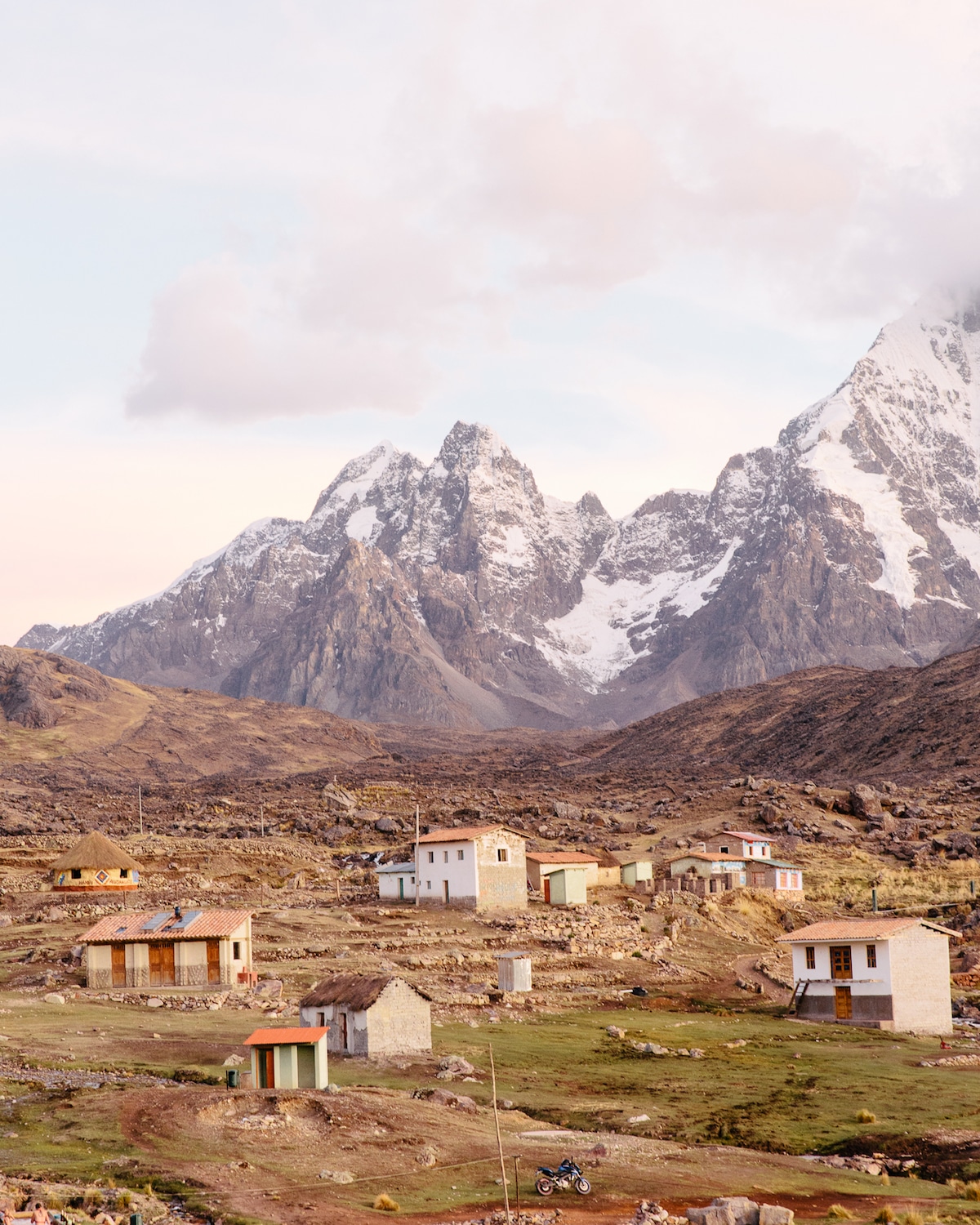
Peru
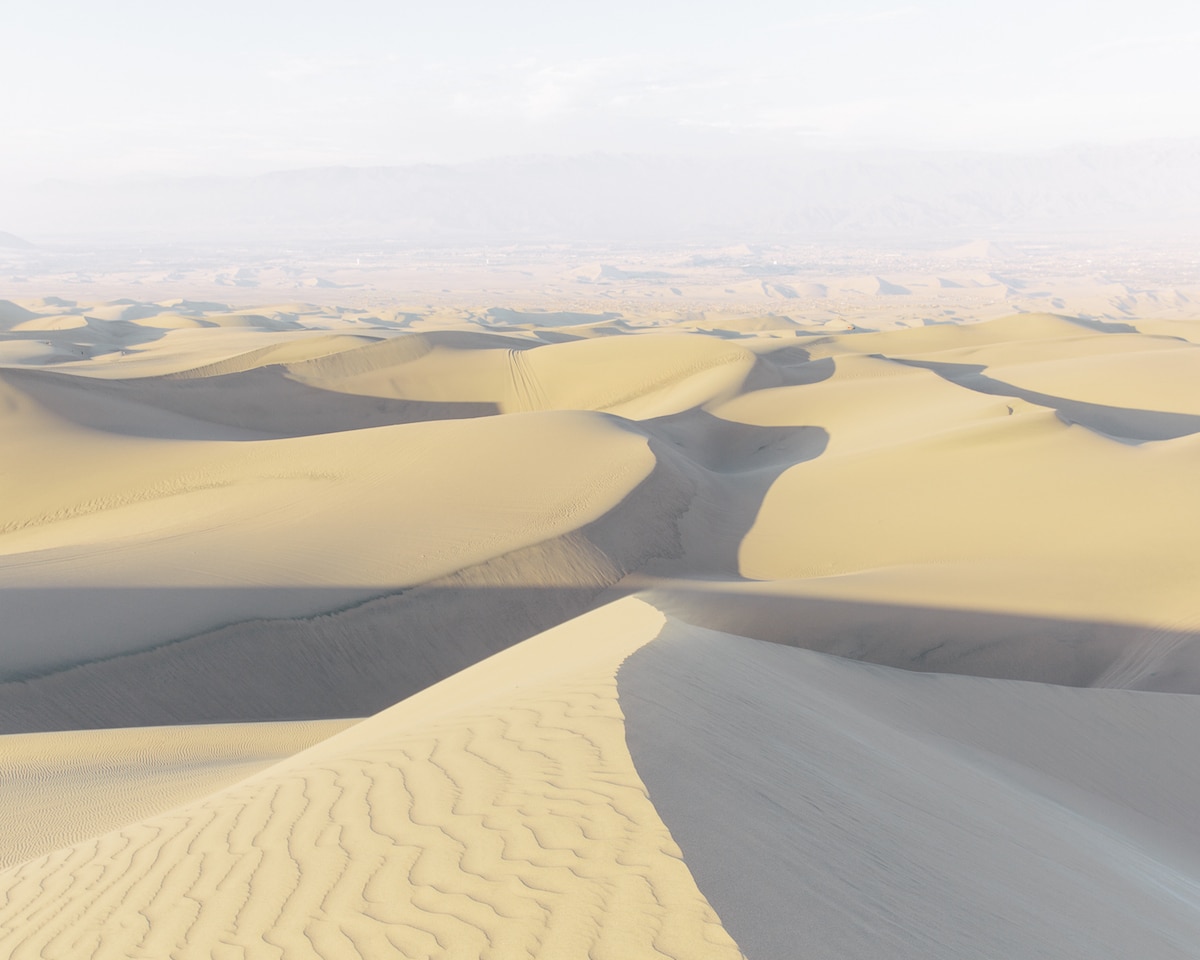
Belgian travel photographer Kevin Faingnaert spent three months traversing Bolivia, Argentina, and Peru, forgoing winter in his home country for an exploration of South America. The resulting travelogue is an incredible visual diary that pays homage to the people and places of the countries he visited.
From breathtaking landscapes to nuanced portraits, Faingnaert captures the spirit of each location in his desaturated, timeless photographs. Faingnaert’s past clients include National Geographic, VICE, AFAR, and Outside Magazine, each of whom have called upon his skills as a gifted storyteller. While his South America voyage was personal, that didn’t stop him from weaving an incredible tale that immediately draws viewers in.
Photographing all that he experienced, from Lake Titicaca to the snowcapped peaks of Patagonia, Faingnaert brings us along on his travels. By photographing the small, quiet moments in this trio of countries, he moves well beyond the typical tourist vision and settles into a peaceful, loving reportage of the place he called home for a season. We had to chance to speak with him about his memories of the trip and what he’s up to next. Read on for our exclusive interview.
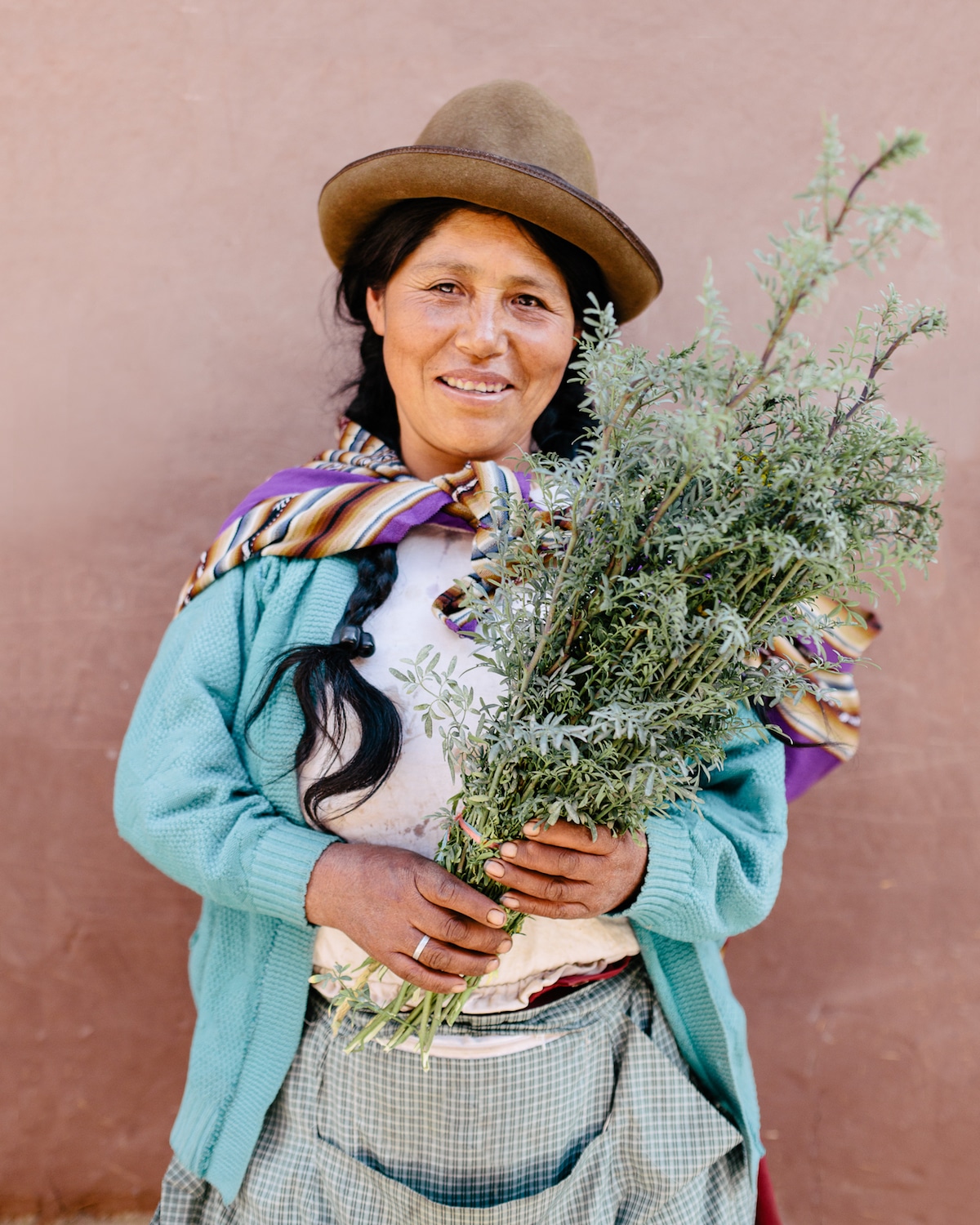
Peru
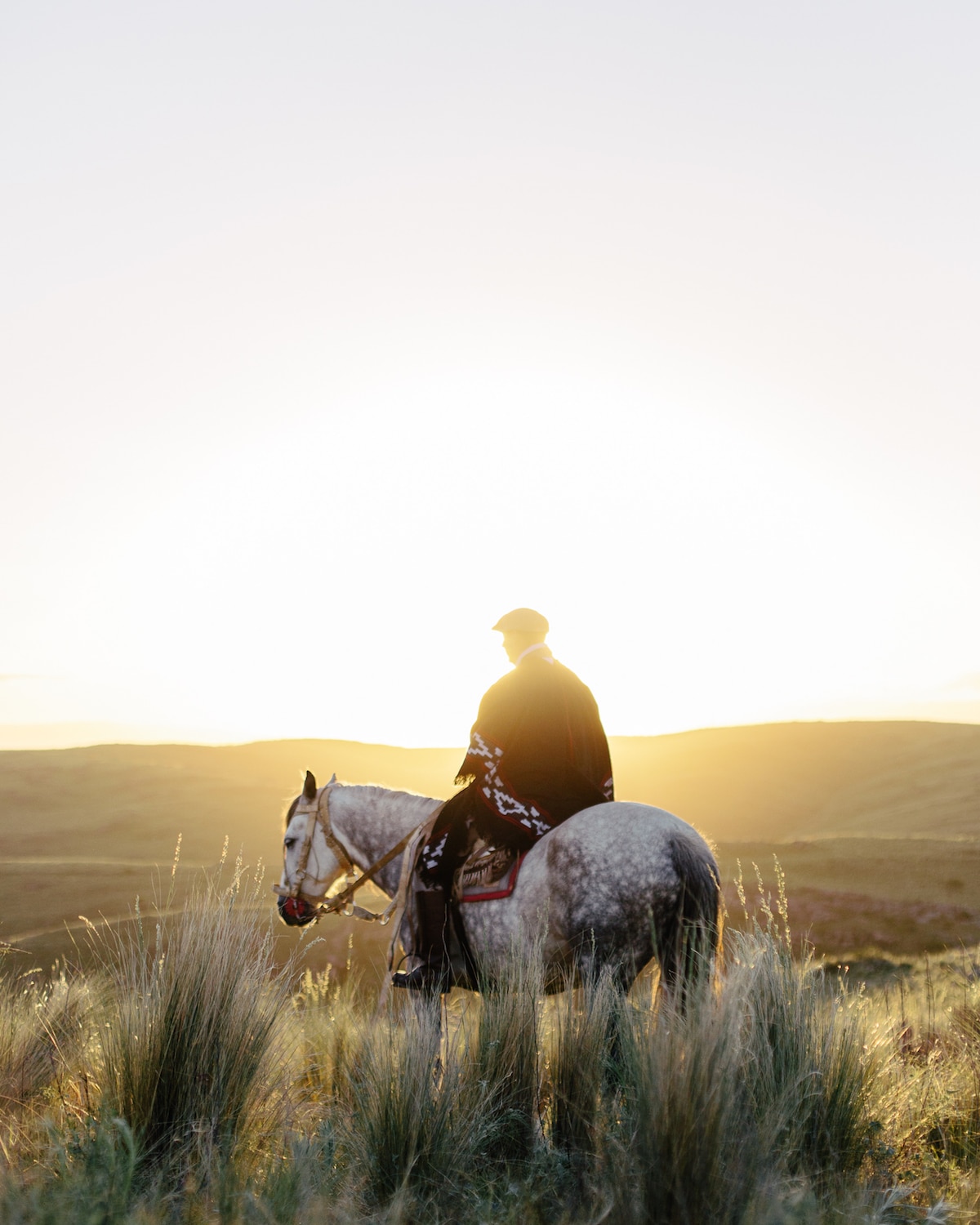
Argentina
What sparked your trip to South America and how long were you in each location?
I spent October to December 2016 escaping the cold of Brussels’ winter into the heart of South America: the Andes. I photographed my way across the South American landscape—from the rugged extremes of the Andes in Peru, over the world’s largest salt flats in Bolivia, to the genuine Patagonian wilderness in Argentina. For 3 months I traveled through Peru, Bolivia, and Argentina. I had long dreamt about this trip, but never found the time for it until the winter of 2016.
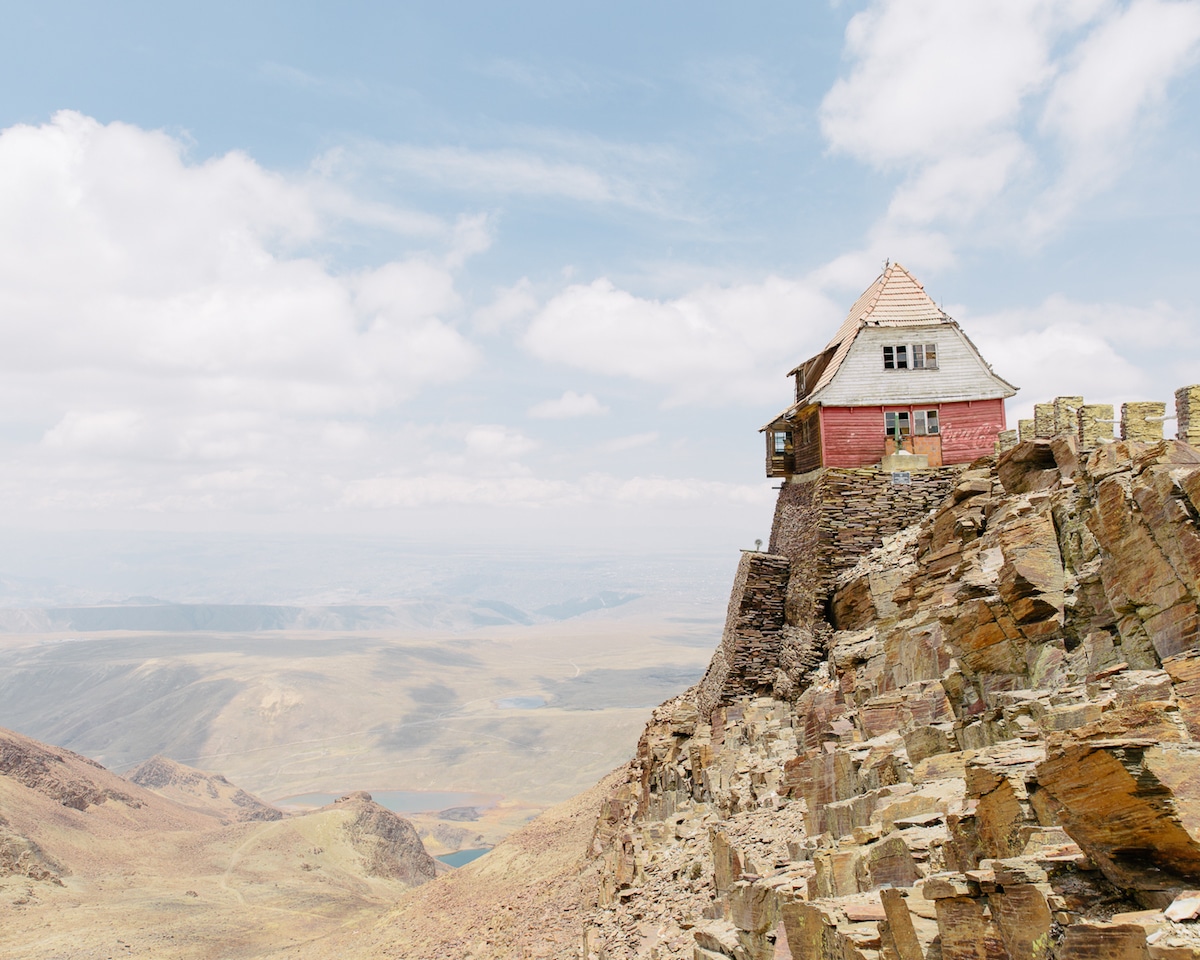
Bolivia
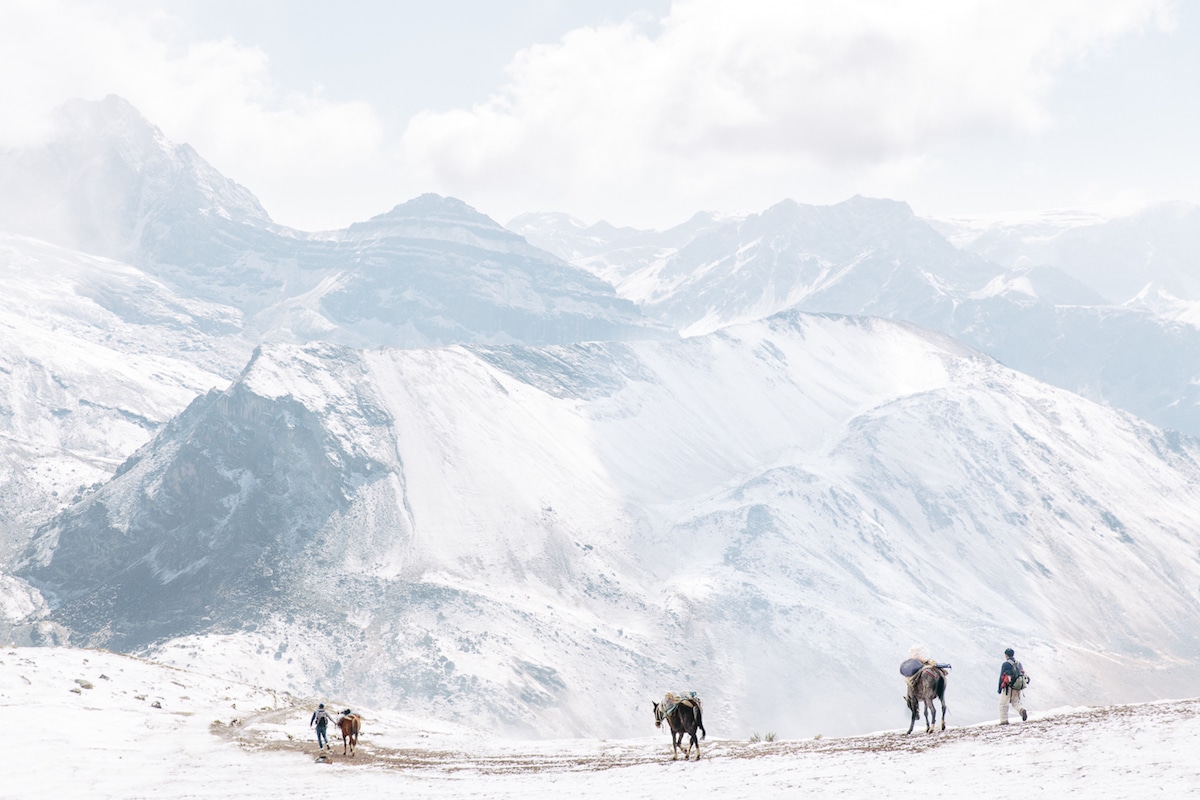
Peru
What were the most memorable locations you visited during your travels?
In Bolivia, far off the tourist trail, south of the large lagoon Colorado and giant Uyuni salt flats, there is a beautiful place, Eduardo Avaroa NP, where several beautiful lagoons surrounded by a number of high volcanoes and geysers stretch over a relatively small area.
Buenos Aires in Argentina. Argentines love to dance and Buenos Aires is famous for its tango, the symbol of passion and tragedy. Tango is being practiced at almost every street corner of the San Telmo and La Boca neighborhood. I loved the dark, moody but warm atmosphere of the tango houses I visited. I took some classes and they are some of my best memories of my trip.
And to give each country credit, the Ausangate trek in the sacred valley in Peru. The trek is a 43-mile backpacking trip that runs through one of the most beautiful landscapes in the Andes. Reaching high passes close to 17,000 feet, the Ausangate Trek reaches some seriously high elevations. Along the way, I passed by small villages, glacial lakes, towering snow-capped peaks and herds of alpacas.
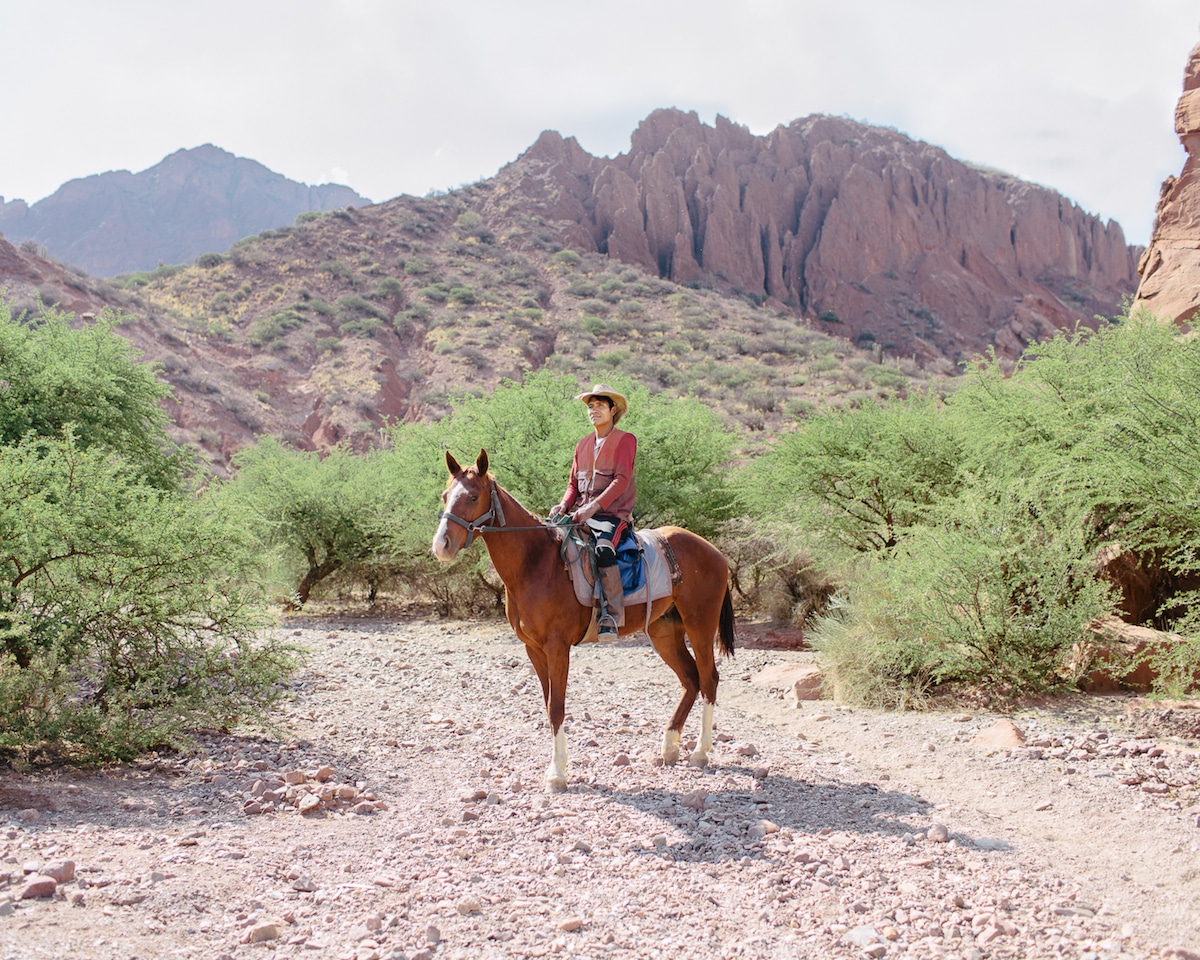
Bolivia
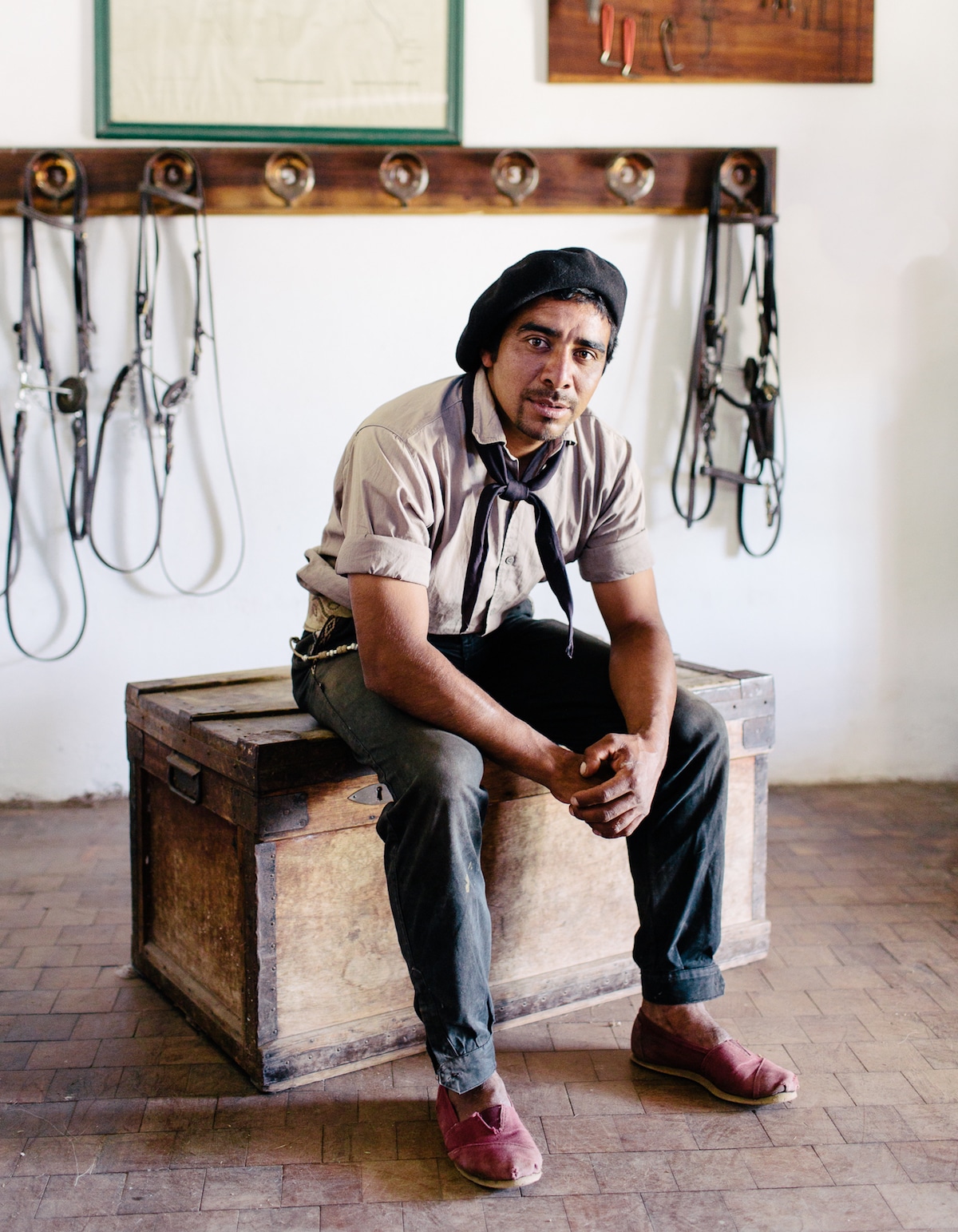
Argentina
What type of story were you hoping to tell through these images?
I didn’t plan on telling a particular story. That only came afterward when I was home. There was no roadmap. The hope was simply to watch, listen, and record life in the balmy desert, the lush forest, the highest altitudes and vibrant cities. With this series, I hoped to combine vast natural wonders with portraits and tiny flashes of everyday life. It’s my love letter to Peru, Bolivia, and Argentina.
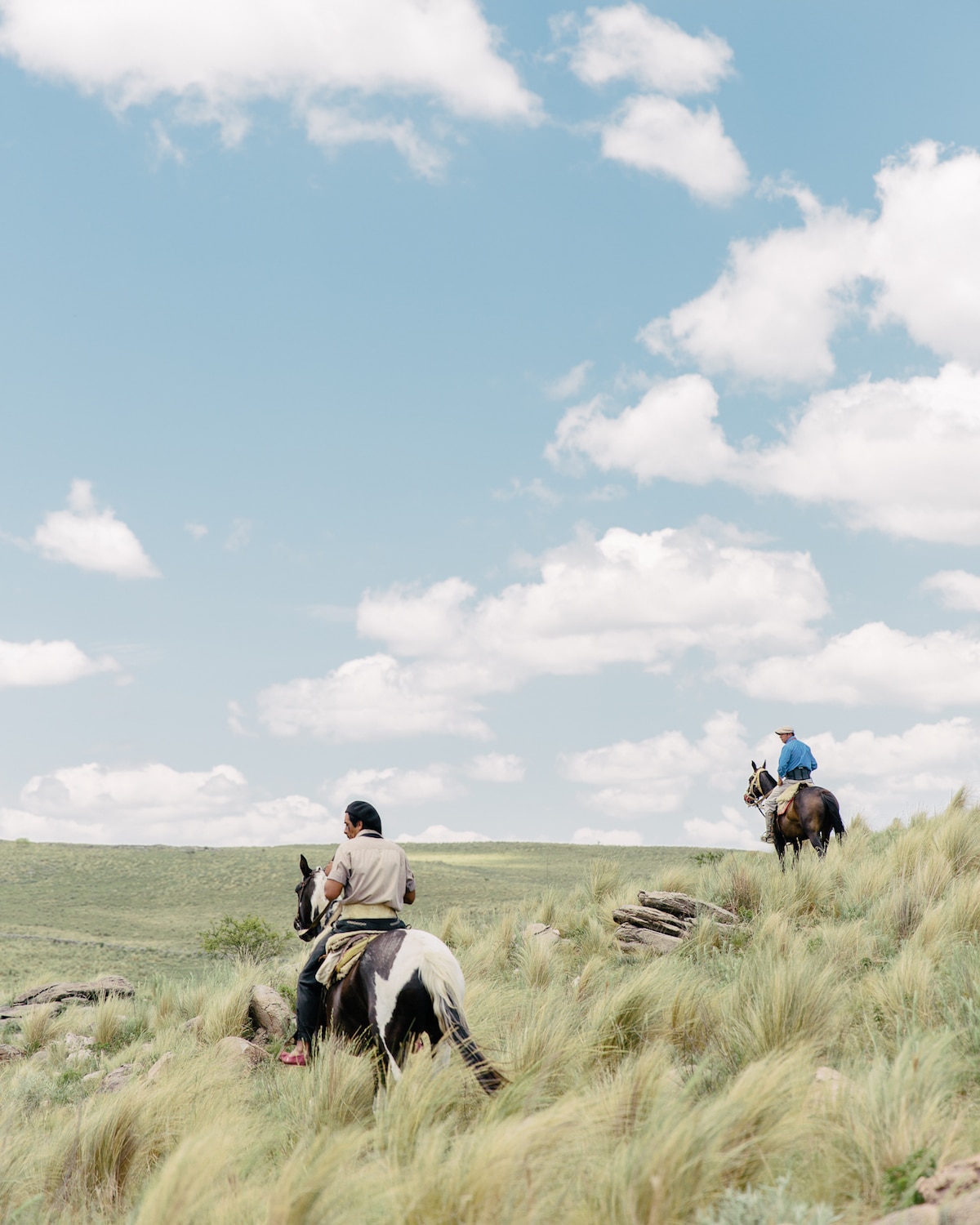
Argentina
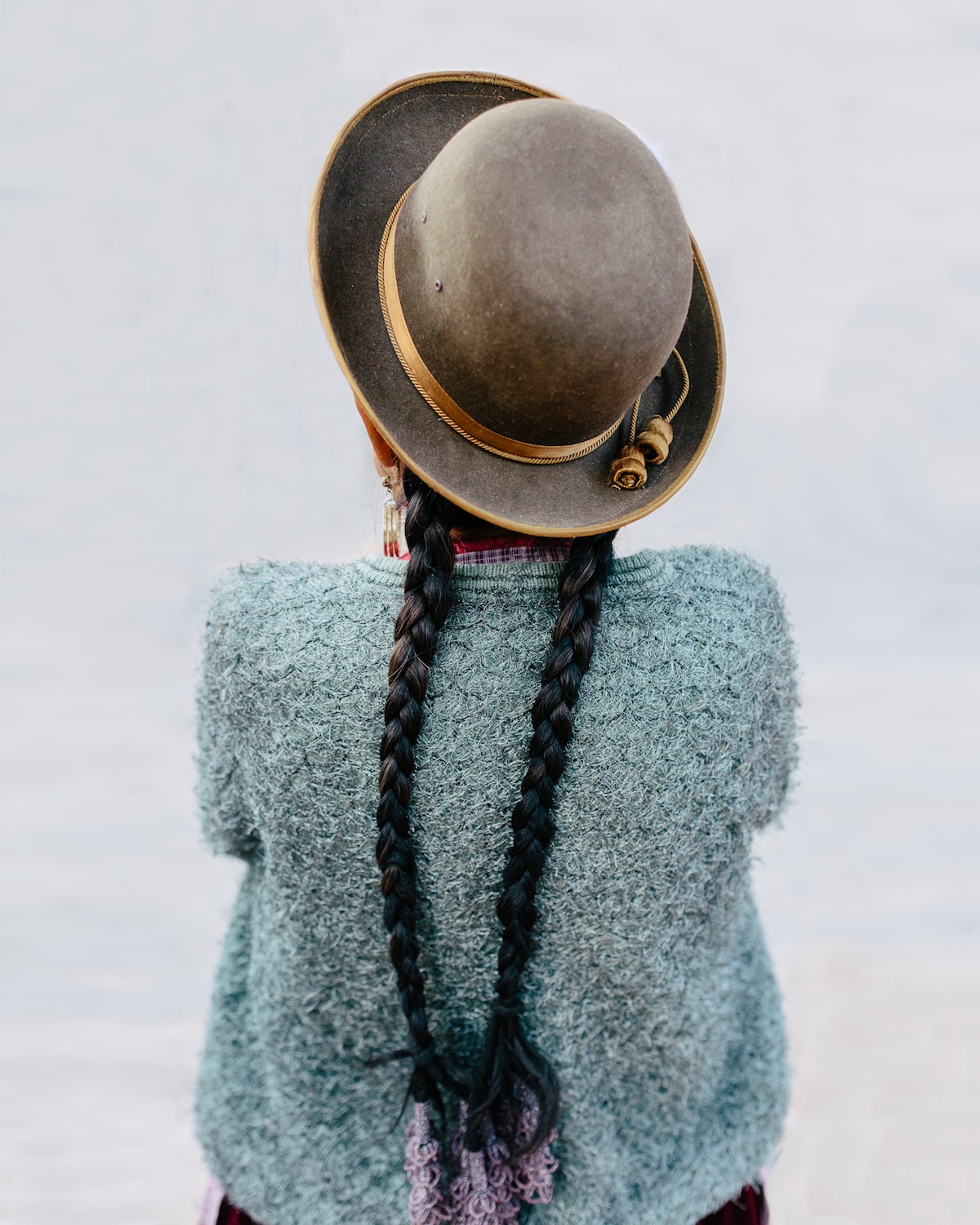
Bolivia
What was the most surprising encounter you had during your trip?
All the cholitas I got to talk to and photograph near La Paz in Bolivia. It’s the first thing that will strike you when visiting Bolivia—the cholita women with their bowler hats. They are everywhere, and most of the women wear them perched atop their long black braids. This cholita fashion is a source of pride. It’s this kind of tradition and sense of pride which I hadn’t felt anywhere else and which intrigued me about Bolivian culture. It is definitely the most traditional country in South America.
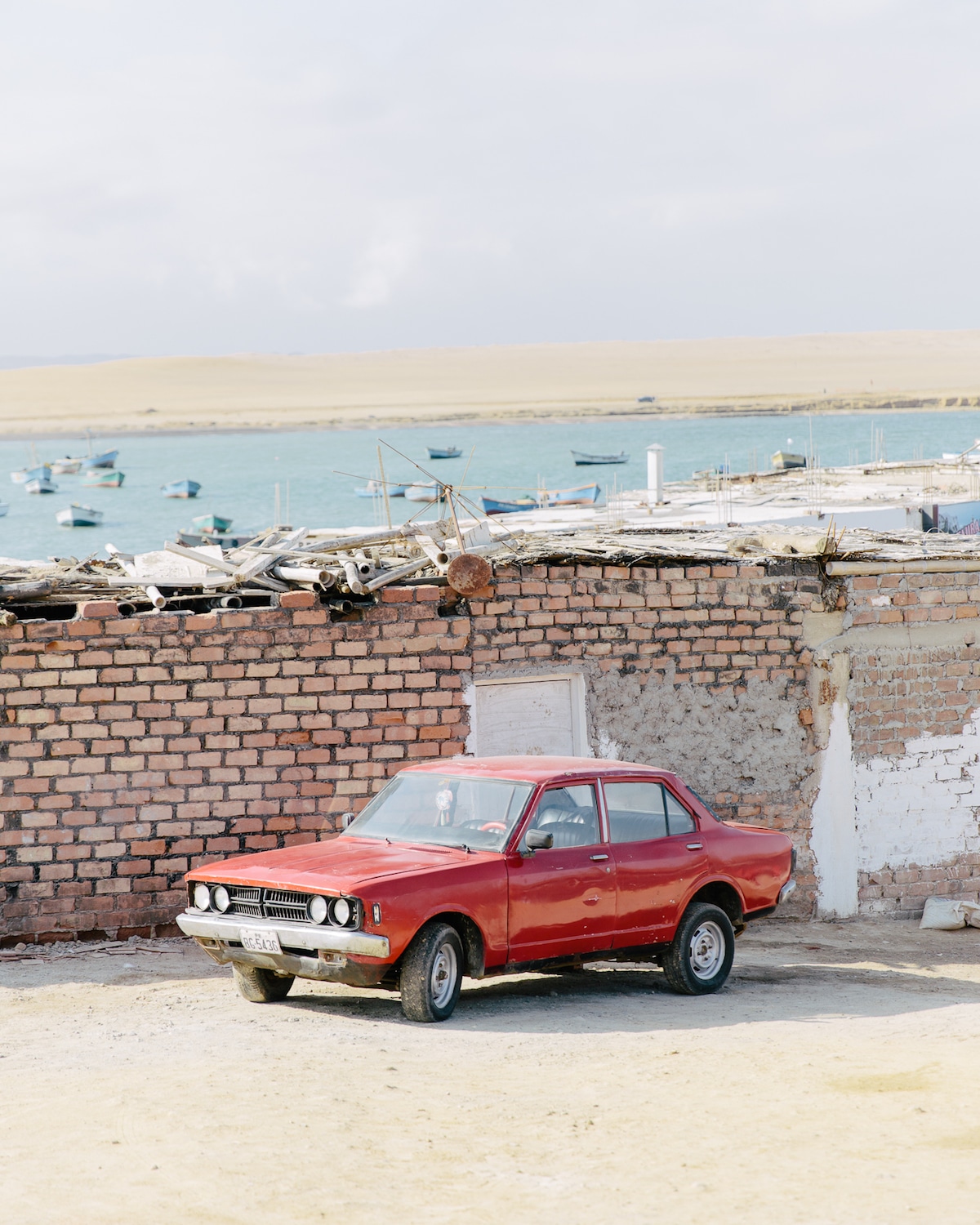
Peru
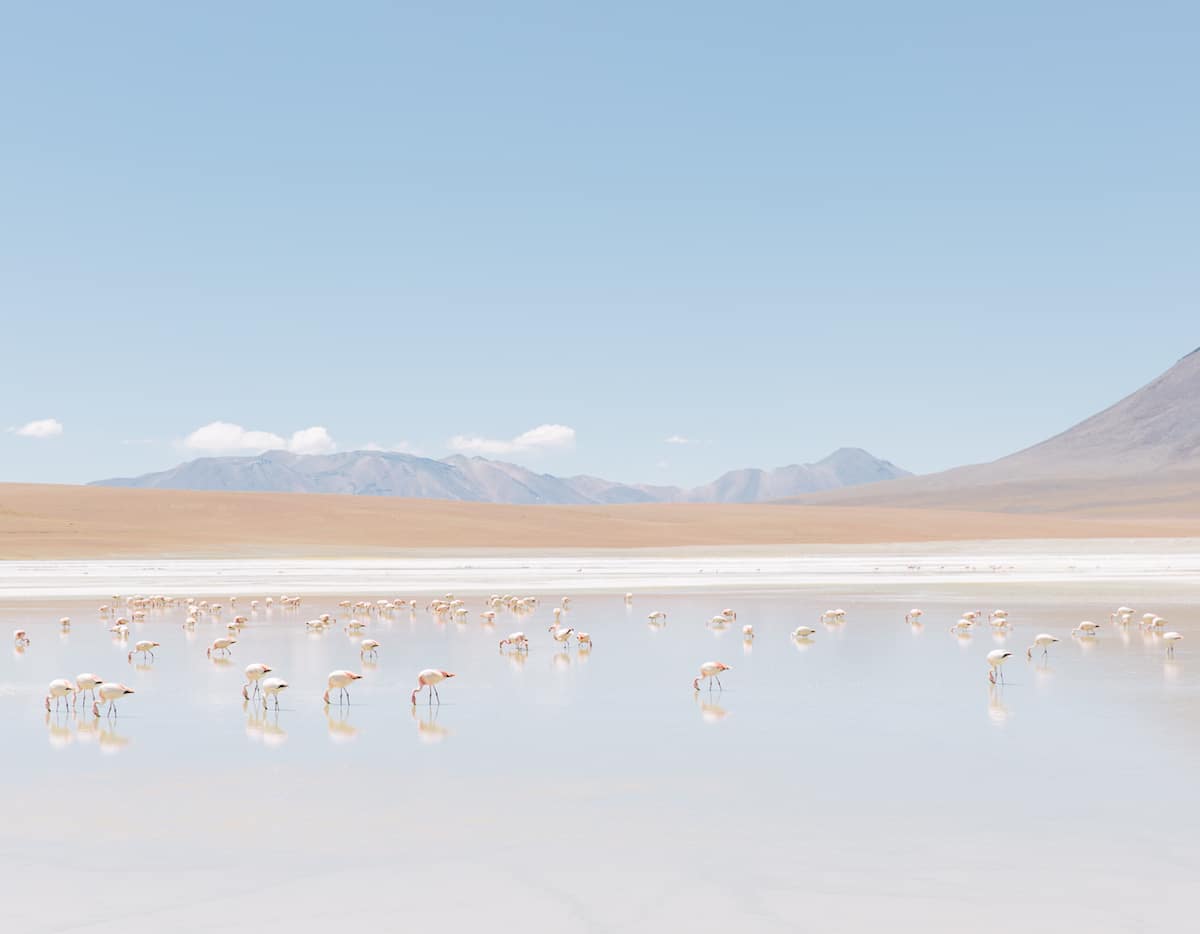
Bolivia
Your images have a timeless quality to them, how do you go about deciding what to photograph as part of your travelogue?
I always pay attention to the weather, the story, and the color palette while traveling and photographing. If the light isn’t right, I leave my camera in its bag. When the colors of a scene aren’t my thing, I turn around. Compared to other photographers I know, I don’t shoot much. I don’t try to shoot everything while traveling. I spend 80% of my time hanging around and talking to people with my camera in its bag. At times, I even leave it at the hotel, explore the area and only come back later when the light is right. I also don’t like things which are too obvious, too vibrant, too much in your face. I like my images to be poetic. There’s not much happening in my images. As you pointed out, I aim to give them a timeless quality.
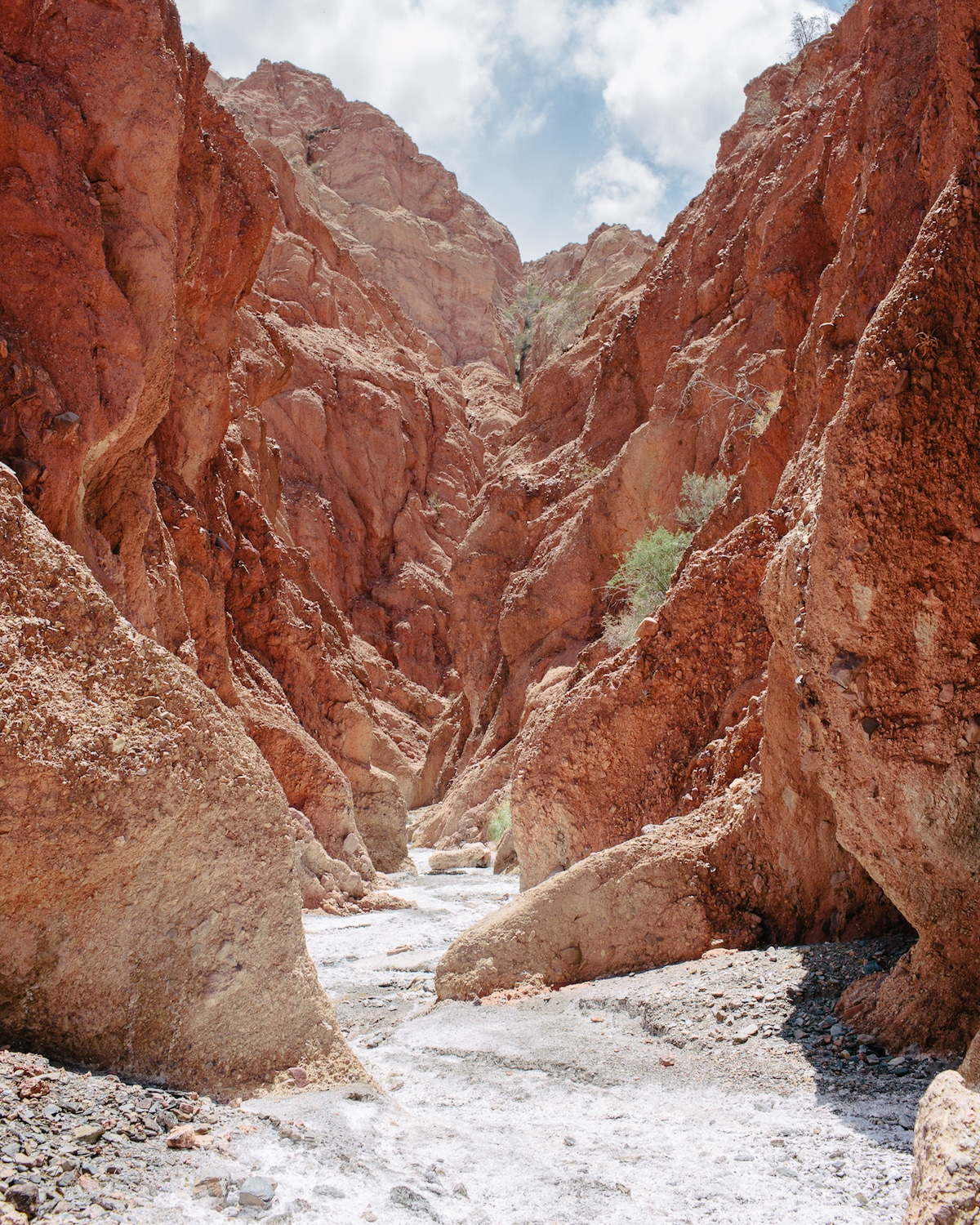
Bolivia

Argentina
What were some of the commonalities you found throughout the three countries you visited?
South America is a continent full of big contrasts in somewhat everything—in nature and politics, poor and rich. South America, from the Amazons to the Andes mountains, offers an infinite scale of landscapes, climates, flora and fauna: high mountain chains, the endless plains of the Altiplano, the Amazons with muddy rivers and tropical valleys, the mesmerizing salt flats, high altitude colored lagoons crowded with flamingos, the highest navigable lake in the world and then there’s the beauty of Patagonia. It is also striking in contrast between its small villages with mud houses, the giant metropole Buenos Aires, colonial charming cities like Sucre….
Argentina is definitely a lot more different than Bolivia and Peru. While Peru and Bolivia are countries with incredibly bad roads, the Argentinian roads are better than in Belgium. The weather differences are also very extreme. Not to mention the height differences. La Paz, for example, rests 3660 meters (12,000 feet) above sea level. It means you have to get used to the altitude, which takes some time. But it’s these extremes which make South America all the great for adventurous travelers
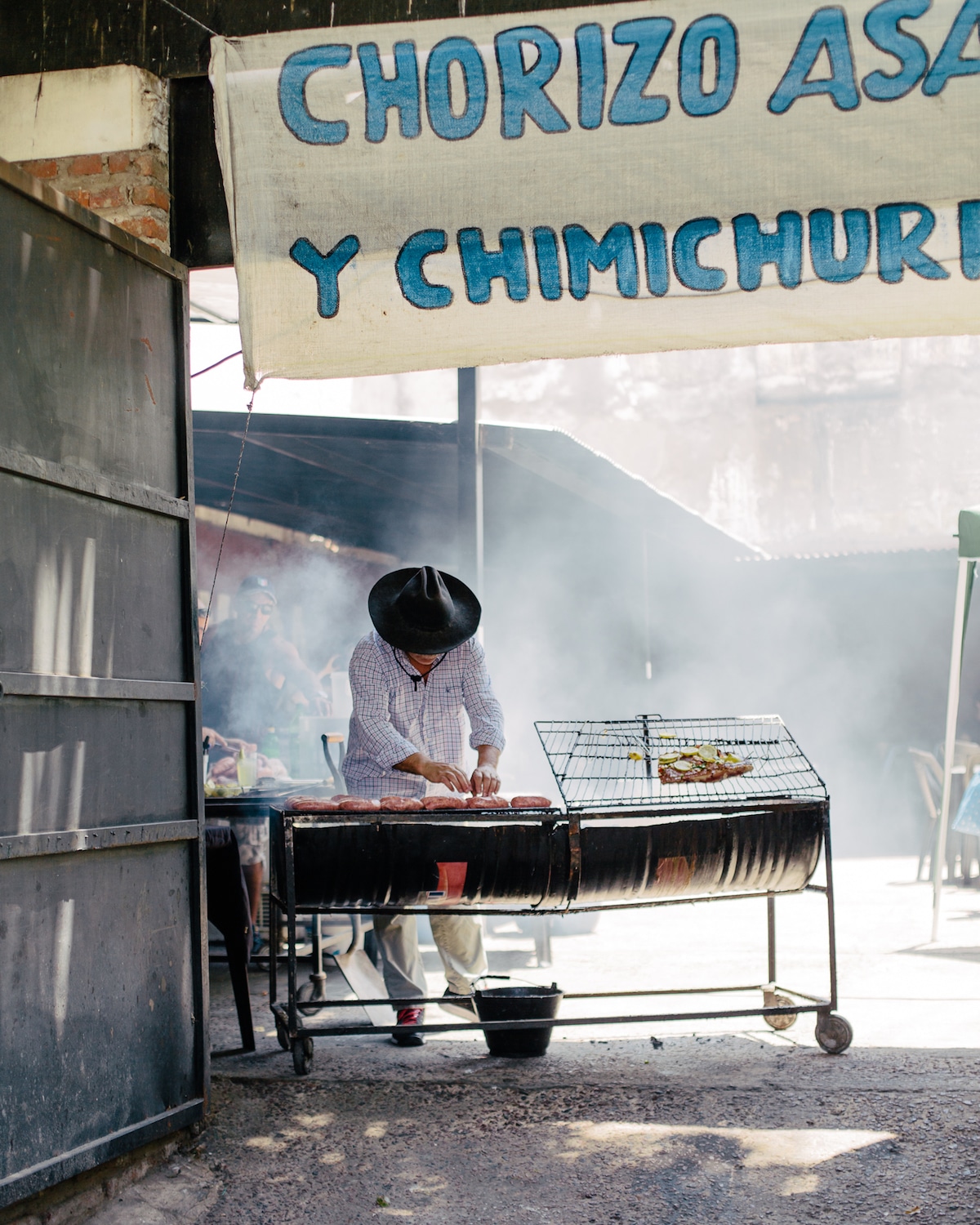
Argentina
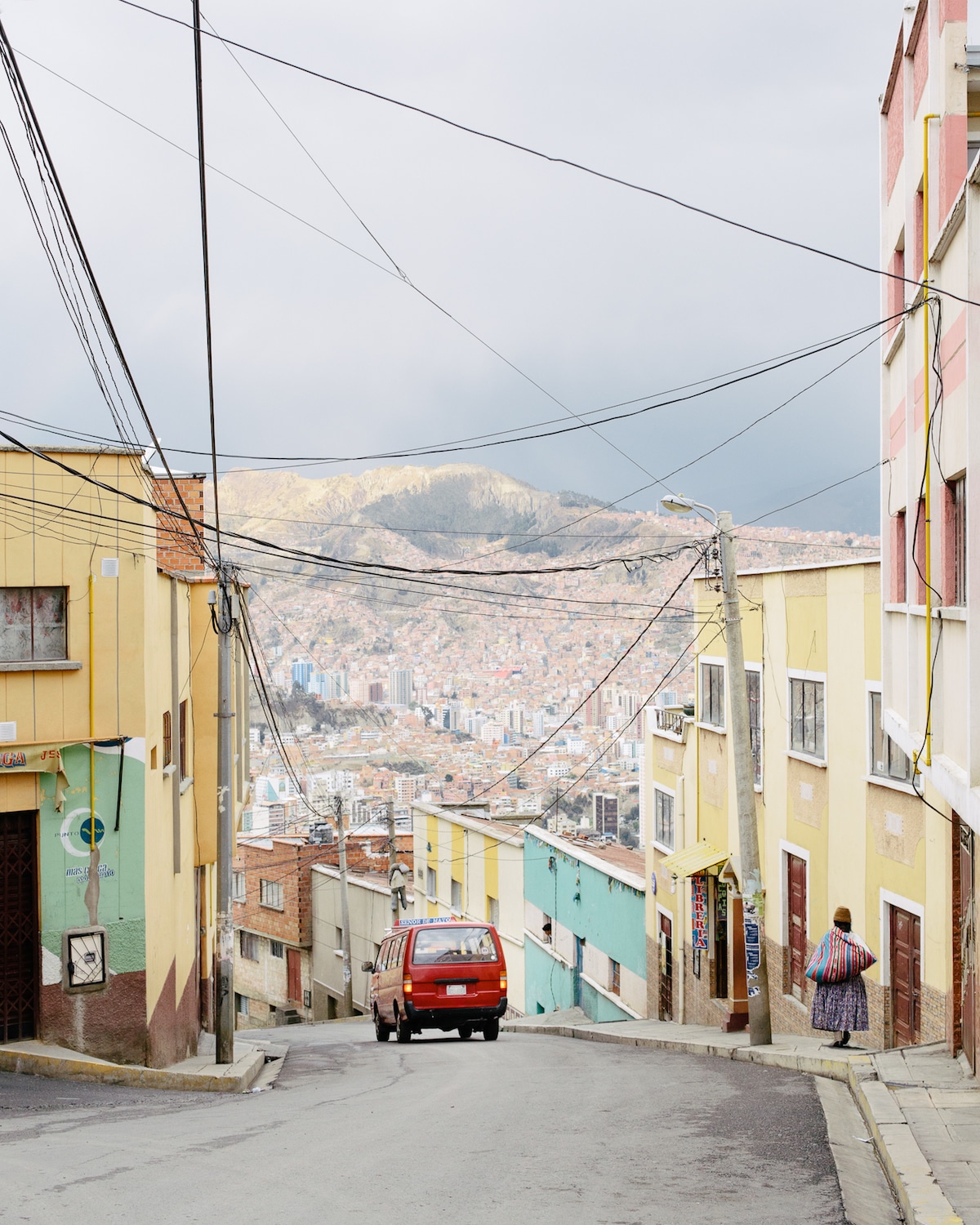
Bolivia
What photo equipment did you bring with you during your trip?
I shoot part film and part digital. I brought a Mamiya 7II camera with only one lens and a Canon 5D Mark III with two lenses.
It’s been a few years since your trip, do you plan to return?
At the moment, I don’t plan to return to Bolivia, Peru, or Argentina. I’m looking to travel to other countries in South America though. Columbia is high on my list. Just need to find time for it.
What’s next for you?
I have some travel assignments for different magazines planned this year—Senegal, Vietnam, Spain… And I’ll be in Finnish Lapland this summer, working on a new personal documentary project.
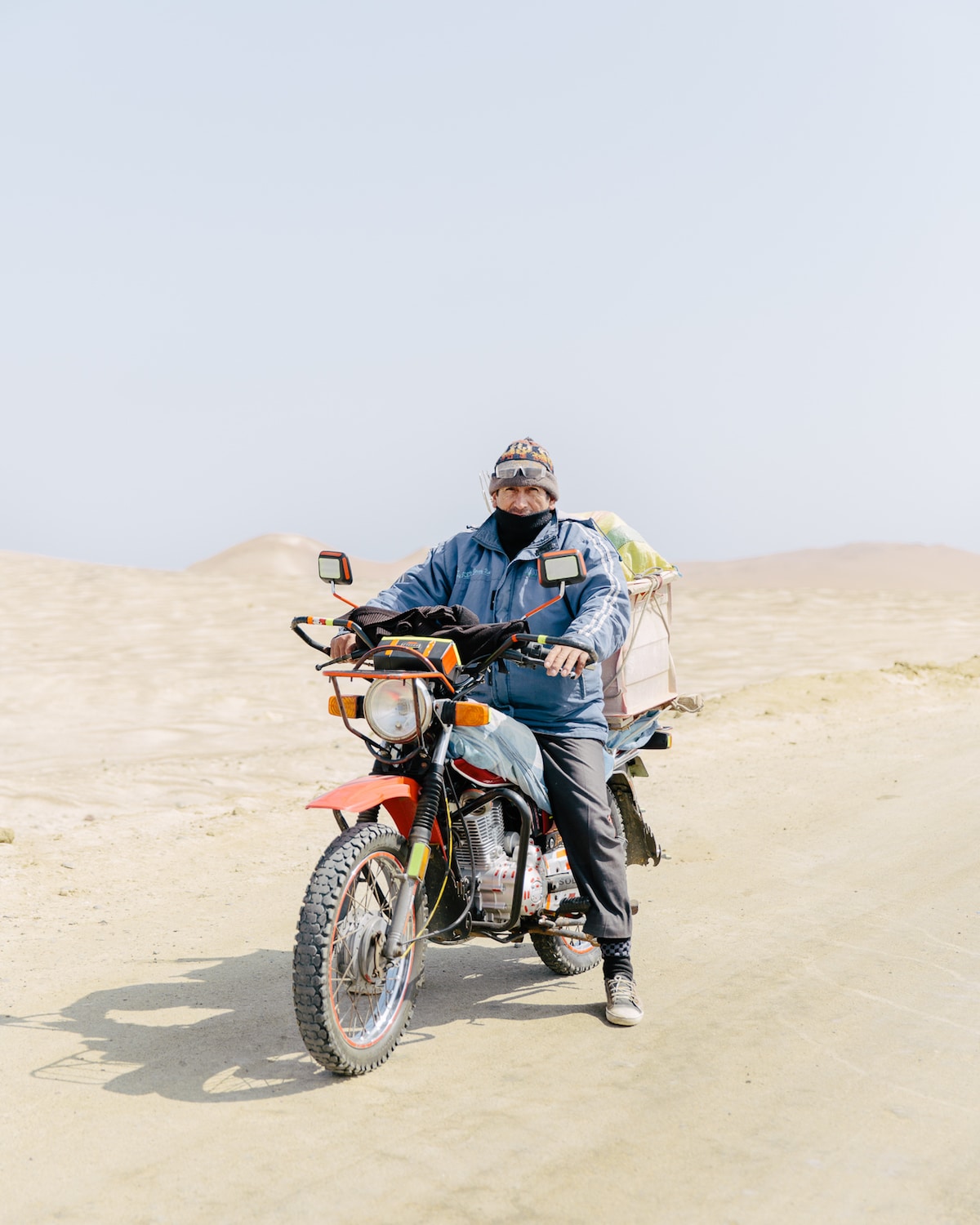
Peru
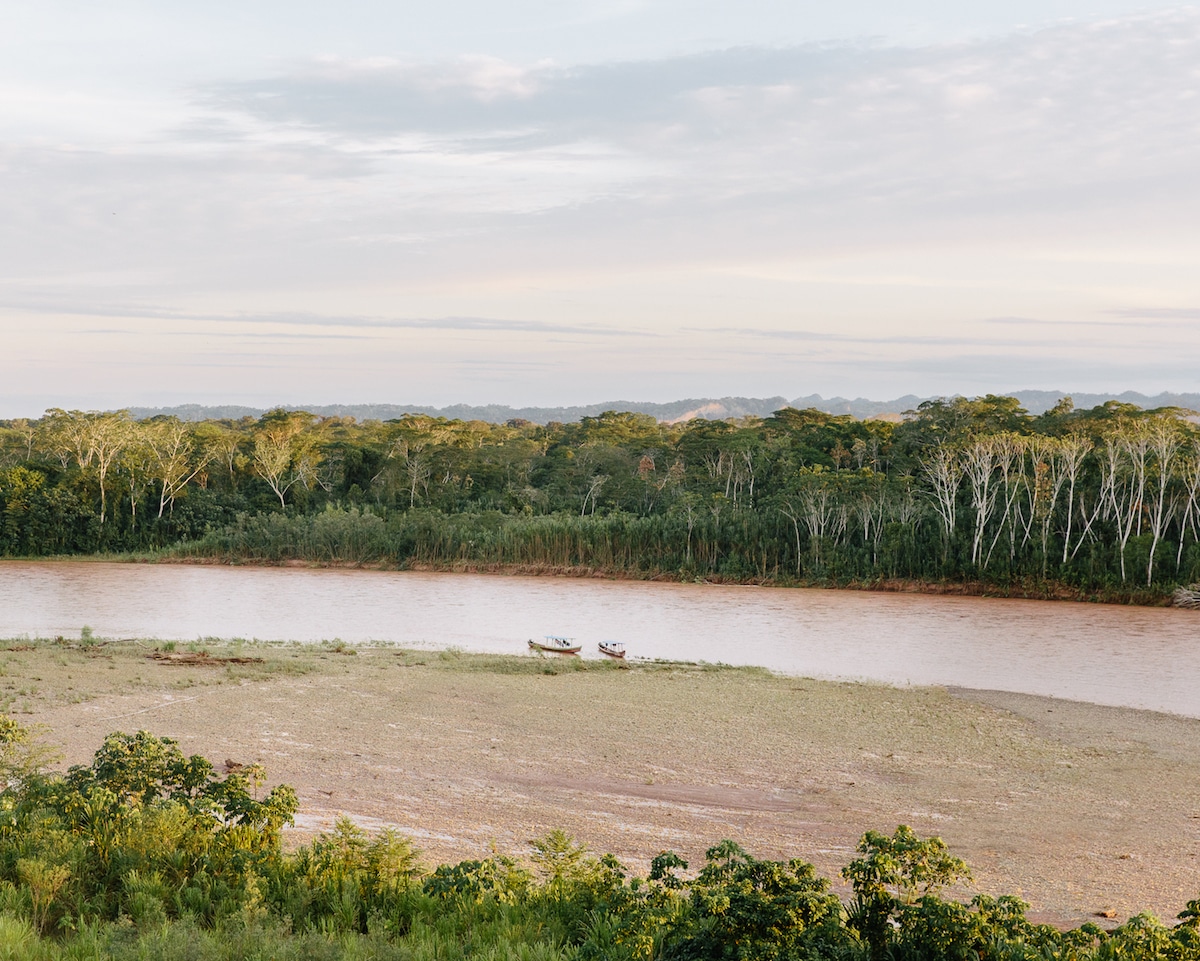
Bolivia
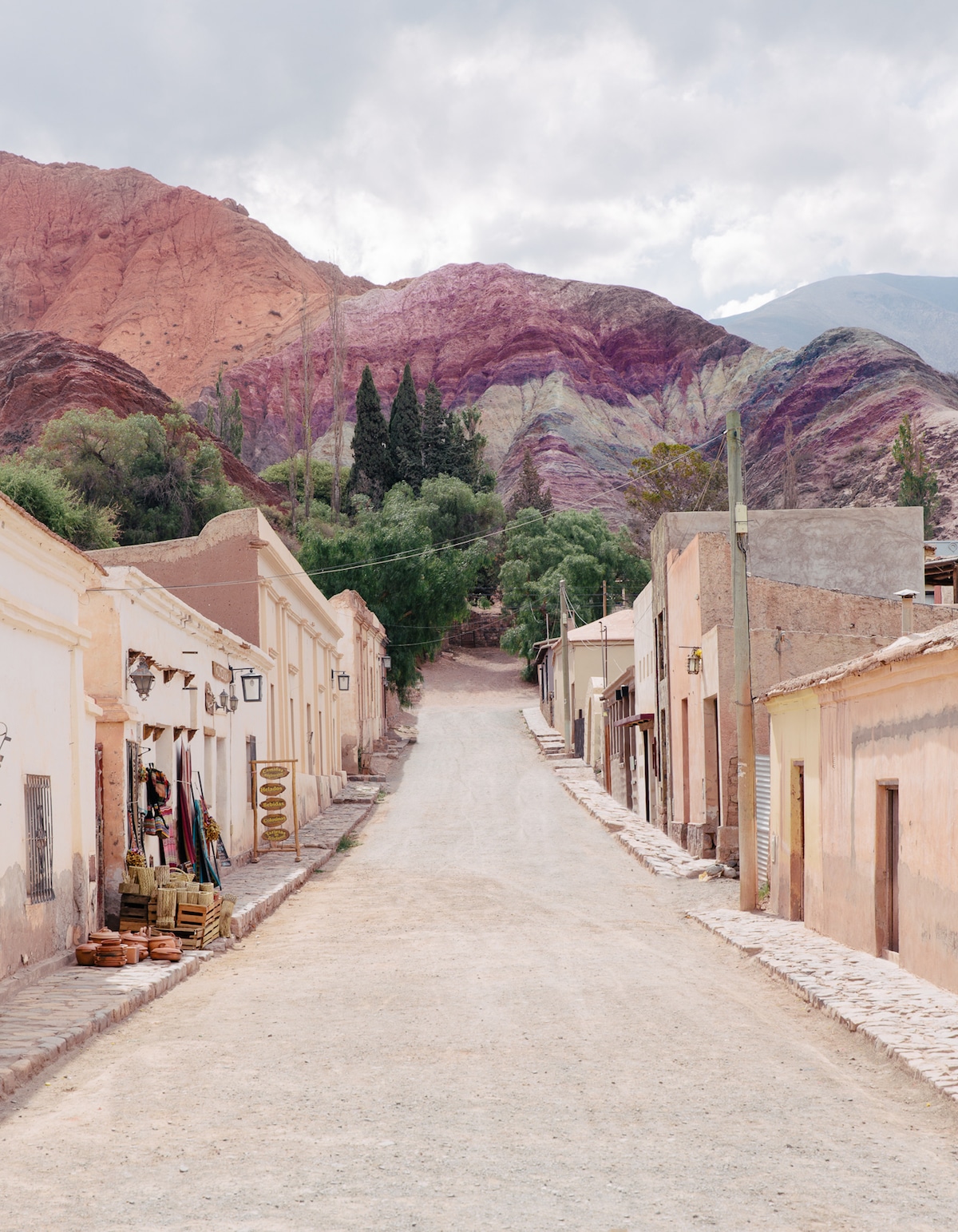
Argentina
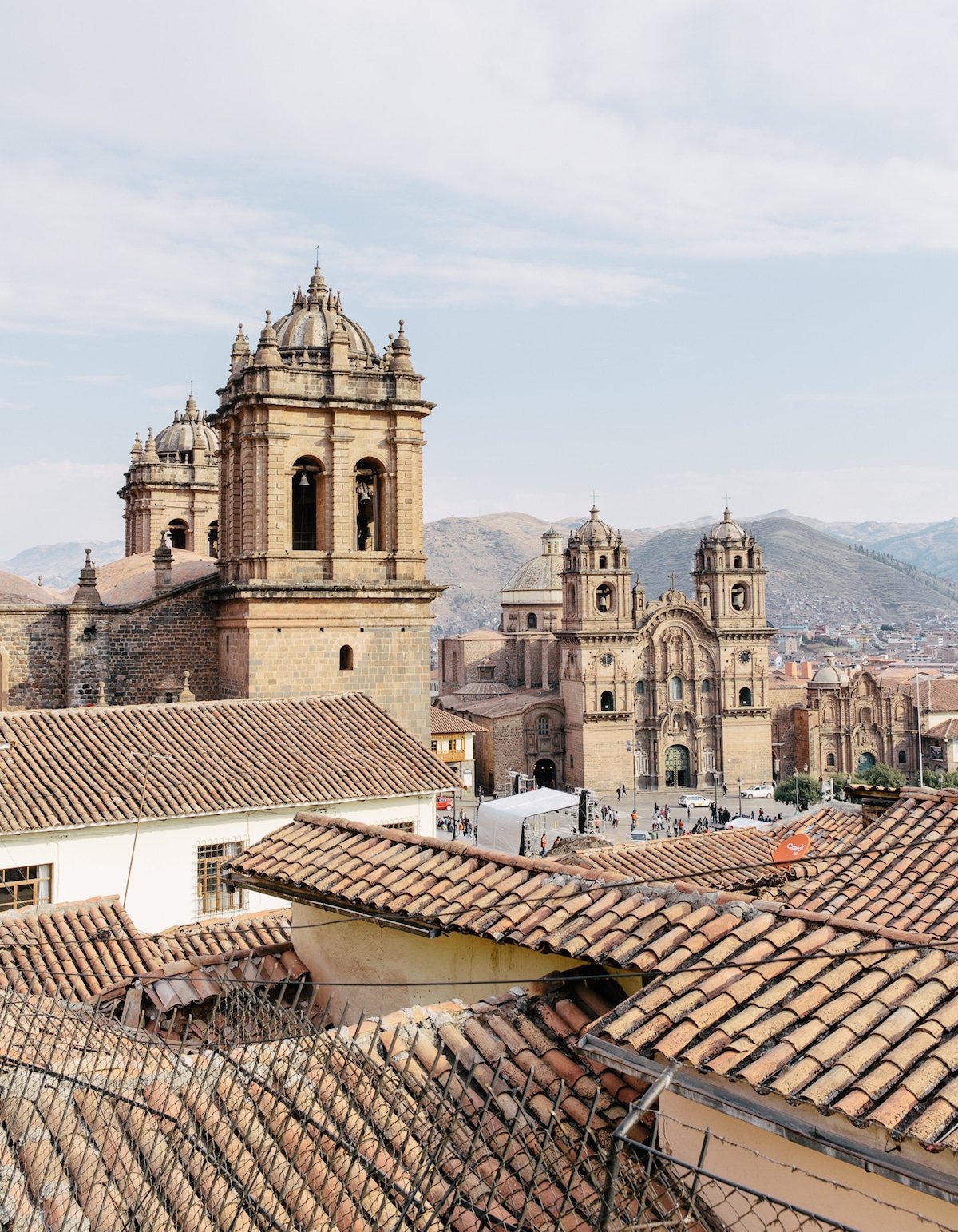
Peru
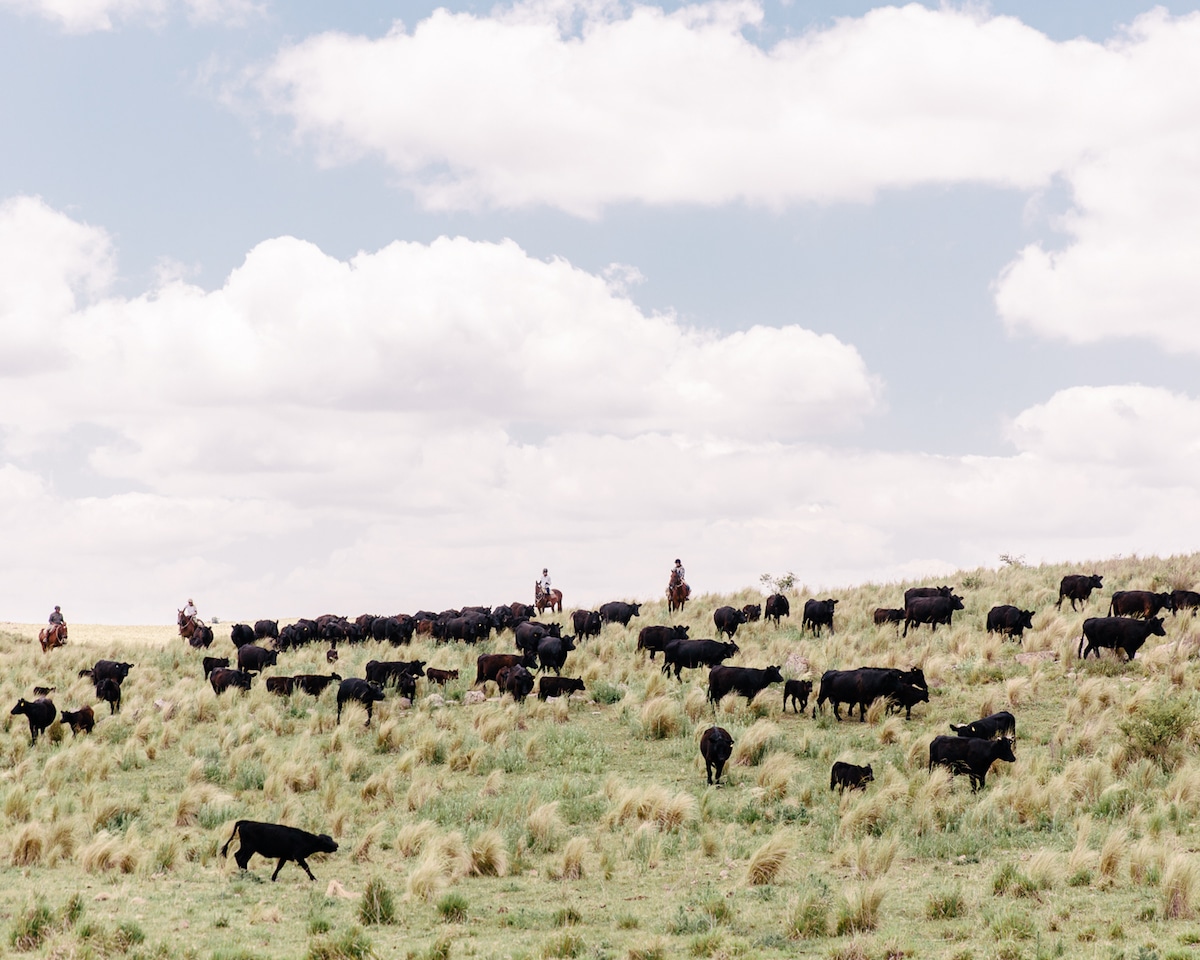
Argentina
Peru
Kevin Faingnaert: Website | Instagram
My Modern Met granted permission to use photos by Kevin Faingnaert.
Related Articles:
Photographer Unearths a Rare Community of People Living in Harmony with Nature
Architect Is Reinvigorating Bolivia with Colorful Architecture Inspired by Indigenous Cultures
Breathtaking Photos Celebrate the Wild Beauty of Patagonia’s Untouched Landscapes
Photographer Creates Visual Love Letter to the Welcoming Land and People of Peru
Interview: Nomadic Couple Captures the Timeless Natural Beauty of Peru
The post Interview: Photographer Turns Travels Into a Visual Love Letter to South America appeared first on My Modern Met.
To watch the sunrise, most people face east. At Grand Teton…

To watch the sunrise, most people face east. At Grand Teton National Park in Wyoming, turning west will allow you to see the morning’s first rays touch the peaks and work their way down the mountain faces, spreading light, warmth and beauty. Shades of orange and pink glow on the snow to create a picture perfect moment. Photo by John Corso (www.sharetheexperience.org).
German Art, Out of the Rubble
 Many of the artists here will be relatively new to American audiences, who are likely more familiar with pre-war German names—Beckmann, Dix, Grosz, Klee, Kandinsky—and contemporary ones—Baselitz, Richter, Kiefer. The exhibition features German art from 1943 to 1955: late works by Otto Dix, as well as by Fritz Winter (including that first acquisition), and an exhilarating range by Willi Baumeister, with exuberant large paintings such as Growth of the Crystals II (1947–1952) and Large Montaru (1953). The energy, colors, and lines of these later Baumeister works, recalling Kandinsky and Klee, delight—but more unexpected are the small early lacquers he produced, along with Oskar Schlemmer and Franz Krause, in Wuppertal during the war. Their ethereal beauty in the face of such destruction is itself a type of resistance.
3 Negative Effects of Bad Mattresses You Need To Be Aware Of
You must pay special attention to your mattress and make sure that it’s in a great condition. You spend about one-third of your entire lifespan sleeping on your bed so it’s really important that you’re using the right mattress.
An average mattress could be used for a maximum of 8 years. Beyond this, your mattress can have negative effects on your health and well-being.
If you are wondering about the effects of a bad mattress, below are some great examples.
Pain

Even if you have been using a top quality mattress, it can still lose its shape with time. Once that happens, your mattress would no longer be able to give your body the support it needs both for your safety and comfort.
As a result, sleeping on a saggy mattress can leave you with a very painful neck and back. It can also affect your posture.
To temporarily prolong the life of your mattress, you can consider rotating it and using the other side. However, this isn’t really encouraged since its structure will no longer be the same.
When buying a replacement, there are many good mattress buying guides on the internet that teach about firmness, size, support, and different materials. Choose carefully depending on your needs, sleeping position, and weight.
See Also: 6 Sleeping Tools To Help You Sleep Better And Alleviate Back Pain
Itchy Skin

Bed bugs are quite commonly found in many old mattresses. With age, your mattress can become a fantastic habitat for these bugs as well as dust mites.
Although these insects aren’t really that dangerous to your health, they can make you itch and that can be really uncomfortable. You can even end up with rashes and redness on your skin as they feed on your dead skin cells.
Dust mites can also trigger severe allergic reactions, which can be simply devastating for people with asthma. You must buy a new mattress and keep replacing dirty linen with freshly washed sheets on a regular basis.
See Also: How to Get Rid of Bed Bugs
Allergies
An old mattress provides an optimum environment not only for dust mites and bed bugs but also for mold and bacteria. This includes Norovirus, Enterococcus, Staphylococcus, and also MRSA. These microorganisms trigger skin infections, serious viruses, and urinary tract infections.
Mold is most frequently found in a damp environment. It can trigger allergic reactions, like eczema, coughing, and itchy eyes.
Conclusion
Once your mattress is quite old, consider replacing it right away. If you see changes in its structure or if you feel that it’s no longer giving you the good night sleep it used to, get a new one.
Don’t wait for your neck and back to get painful or for red, itchy spots to appear on your skin. Be proactive about your health and maintain a safe environment even when you sleep.
Change your sheets regularly and ensure that your pillow covers and linens are clean and washed properly. Air out your mattress once in a while to make sure that no bacteria or mold can grow in it. You may also invest in a good vacuum to completely get rid of dust in your bedroom.
The post 3 Negative Effects of Bad Mattresses You Need To Be Aware Of appeared first on Dumb Little Man.
Too Stressed to Sleep? Here’s How to Relax

This fast-paced modern world often keeps the mind whirling long after it should be asleep. Finding a balance between work, family, and other obligations bring stress that can keep you awake late into the night. But, there are yoga and meditation techniques you can use to release stress and bring the mind to a state of calmness.
Yoga and Meditation Relieve Stress
Yoga and meditation have been proven to decrease inflammation, reduce blood pressure, and improve moods. Both use breath and body together to focus on muscle groups that may be holding tension. As your mind focuses on your body, it is more likely to put those things that are causing stress in the background where they have less power over you.
Stress causes muscles to tighten and shorten often resulting in painful knots. Yoga and meditation let you slow your busy life down and target your problem areas, which often include the neck, shoulders, or back. Start by creating a relaxation routine before you go to bed. Try a few different techniques and poses until you find a sequence works for you.
Meditation for Better Sleep
There are many types of meditation, some of the most successful sleep-promoting techniques include:
-
Abdominal (Deep) Breathing: You can perform abdominal breathing lying down or sitting in a comfortable position. Close your eyes and take a deep breath from the diaphragm. At first, it might be beneficial to place one hand over your belly button. Your hand should rise when you breathe in letting you know you’re doing the technique correctly. Slowly let the air out. Focus on the in and out movement of air.
-
The Count Down: Lay down in a comfortable position and take a few deep abdominal breaths. You can look at the ceiling or close your eyes, whichever is more comfortable. Start counting down from one hundred. Use each breath to picture the numbers in your mind. As you move to the next number, relax one part of your body. Gradually relax from your head down to your toes.
-
Guided Imagery: The brain has the power to make your body believe it’s somewhere else. Get comfortable and pick a place in your mind where you feel safe, calm, and relaxed. Breathe deeply and imagine this place in as much detail as possible. Use all your senses to bring your relaxation location to life so that every part of you believes you’re there. With the mind occupied, the body is free to relax into sleep.
Yoga to Release Tension
There are many yoga poses that promote sleep. Some can even be performed from the comfort of your own bed.
-
Child’s Pose: This classic pose can be performed on a firm bed. If that’s not comfortable, you can use a mat next to your bed. Sit on your knees with the top of the feet flat on the floor, fold your torso over your thighs and extend the arms in front of you (you can also place them at your sides if that’s more comfortable). Take five deep abdominal breaths and release.
-
Legs up the Wall Pose: This fun pose sends blood back to your center and heart. Lay on the floor with your legs extended straight up the wall pointing to the ceiling. Arms should be extended out to each side, but relaxed. Breathe deeply for five breaths and let your legs and back relax.
-
Supine Spinal Twist: Lie with your back to the mat with one leg out straight and bring the other knee to your chest. Gently cross this knee over your body while turning your head in the opposite direction. Breathe deeply for five breaths and repeat on the other side.
Mary Lee is a researcher for the sleep science hub Tuck.com. She specializes in sleep’s role in mental and physical health and wellness. Mary lives in Olympia, Washington and shares her full-sized bed with a very noisy cat.
You’ve read Too Stressed to Sleep? Here’s How to Relax, originally posted on Pick the Brain | Motivation and Self Improvement. If you’ve enjoyed this, please visit our site for more inspirational articles.
>
The B&N Podcast: Ernest Cline

Every author has a story beyond the one that they put down on paper. The Barnes & Noble Podcast goes between the lines with today’s most interesting writers, exploring what inspires them, what confounds them, and what they were thinking when they wrote the books we’re talking about.
What happens when you turn your childhood obsessions with science fiction, fantasy and video games into a novel that contains them — and then that story itself becomes a touchstone for a new generation of fans? That’s what happened with Ernest Cline and Ready Player One, the bestselling story of a young gamer in a dystopian future who has to use his knowledge of 1980s pop culture to defeat an evil corporation — in both the virtual and real worlds. In this episode, recorded live at the 2017 Comic Con, Cline talks with B&N’s Joel Cunningham about his novel and his excitement to see it turned into a film by Steven Spielberg.
The bestselling cult classic—soon to be a major motion picture directed by Steven Spielberg.
In the year 2045, reality is an ugly place. The only time teenage Wade Watts really feels alive is when he’s jacked into the virtual utopia known as the OASIS. Wade’s devoted his life to studying the puzzles hidden within this world’s digital confines—puzzles that are based on their creator’s obsession with the pop culture of decades past and that promise massive power and fortune to whoever can unlock them.
But when Wade stumbles upon the first clue, he finds himself beset by players willing to kill to take this ultimate prize. The race is on, and if Wade’s going to survive, he’ll have to win—and confront the real world he’s always been so desperate to escape.
Find more books by Ernest Cline.
Like this podcast? Subscribe on iTunes or Stitcher to discover intriguing new conversations every week.
The post The B&N Podcast: Ernest Cline appeared first on The Barnes & Noble Review.
The Barnes & Noble Review http://ift.tt/2DNtYze
 Sig Nordal